

This interview has been edited for clarity.
Every now and then, an Asian face rises above the status quo in Hollywood and leaves their mark on a highly competitive scene. In the case of action cinema, minority representation has taken various forms over the years, from the early days of Bruce Lee to modern icons such as Donnie Yen, Jackie Chan, Michelle Yeoh, and Jet Li.

Indonesian stunman turned action star Iko Uwais is set to pave the way for the next generation of martial arts stars alongside Joe Taslim, Tony Jaa, and more, having turned heads in local films and 2011’s The Raid, which then opened the door to other Western productions, including a brief cameo in Star Wars: The Force Awakens (2015) and starring roles in 2019’s Stuber, Snake Eyes (2021), and Expend4bles (2023).
Now armed with experience from both Indonesian and international stints, the actor is back to honour his roots – though in a different way. Not only is the 42-year-old leading the cast in Timur, but he also served as director on the military action drama inspired by the real-life hostage crisis that took place in Mapenduma in 1996, marking a daunting first for him.
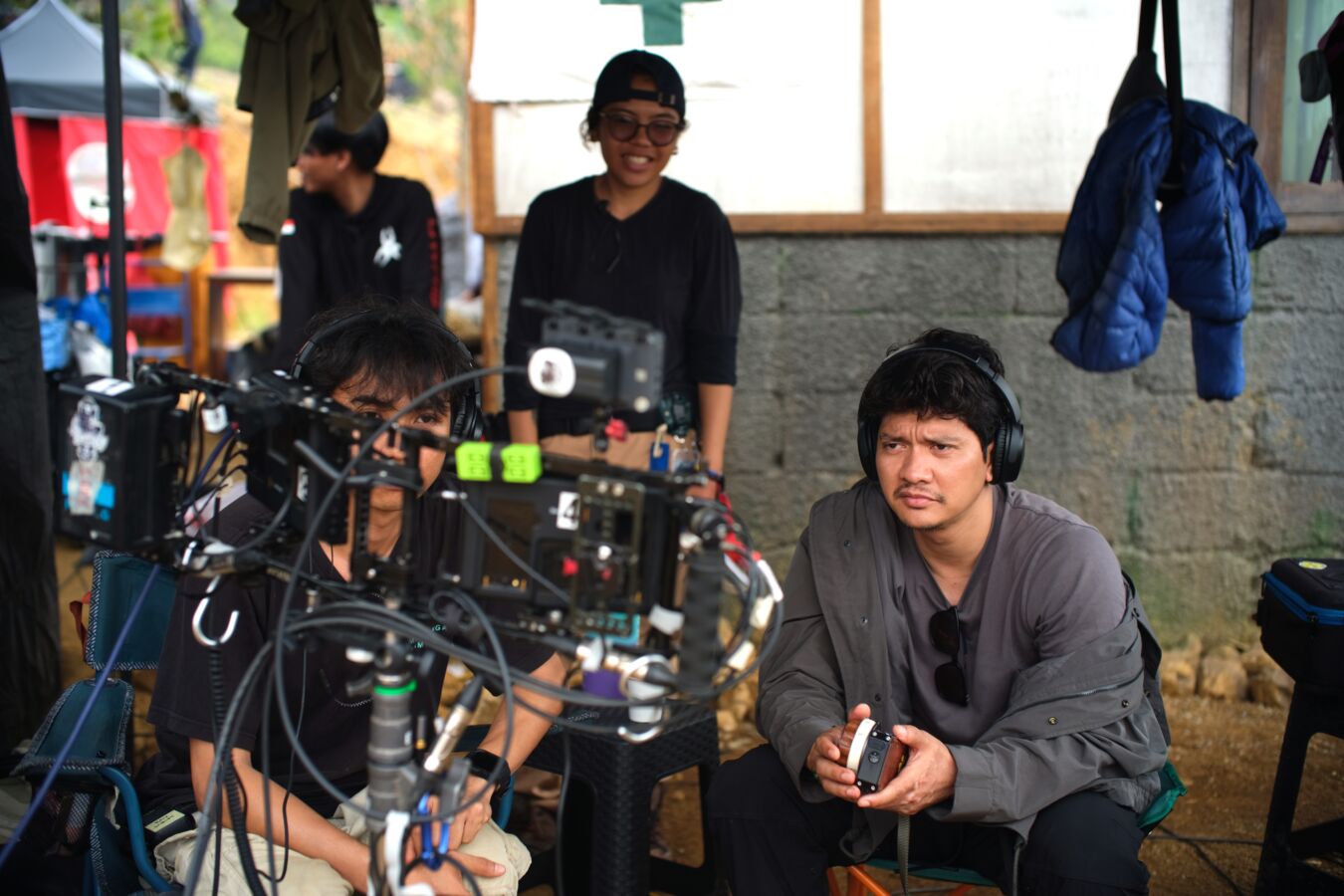
Speaking to Geek Culture in a virtual interview from Jakarta, the 42-year-old shares the driving force behind taking this leap of faith, calling it a “good challenge.
“I wanted to explore the story and action, because when I’m working, even in Indonesia or overseas, sometimes I’m not really satisfied with every single fighting or action scene, so I wanted to use this project to dive deeper into it,” he explains.
Naturally, that’s easier said than done. There are different considerations to factor in when behind and in front of the camera, much less both, with acting and action choreography becoming merely two pieces of a much bigger puzzle. For Uwais, the biggest challenge was keeping the production details in mind, from the building of sets and costume design to makeup and the characterisation of every single cast member. Wearing multiple hats to “take care of everything,” the first-time helmer explains, was a “new world” for him.
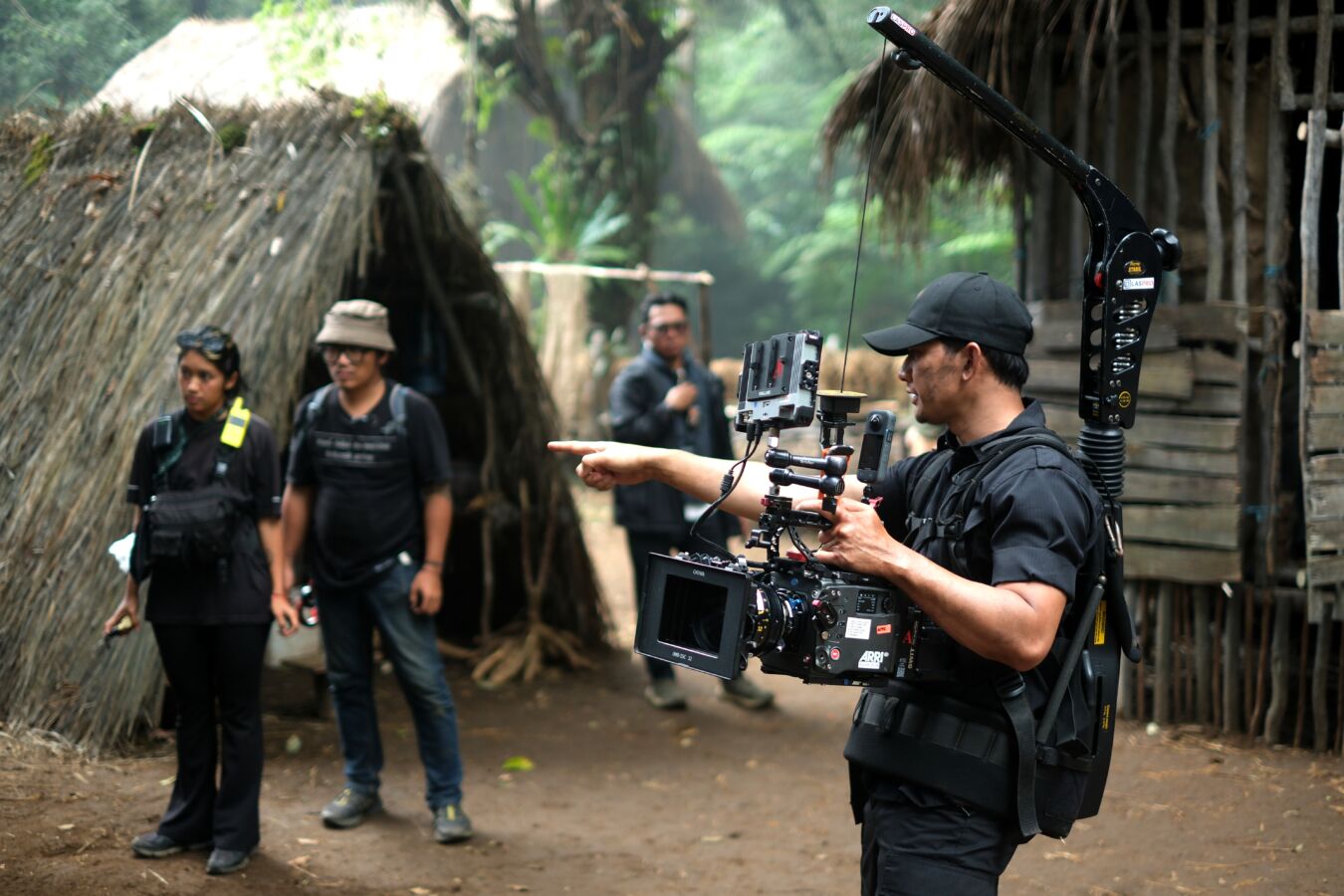
To ease into the process, he took cues from Peter Berg, the director of the 2018 espionage action thriller, Mile 22, in which he starred. “I pulled some of the ideas from Peter’s skills when he was shooting, such as how to do organic shoots on set,” reveals Uwais, adding that the latter is someone he looks up to and has learned a lot from.
“It’s not really textbook when we were filming on set, and I think it’s worked for us.”
Indeed, conventional rules didn’t apply to Timur. Where action choreography would traditionally be crafted after the scripting process, the order was reversed here – the Indonesian star created the sequences based on a rough outline rather than a fully completed script, and made changes along the way.
“For every single fighting scene, we worked on them first and adapted with the set along the way,” he explains. “If the set isn’t safe yet, we have to change it a little bit, so we have to adapt not just with the fighters but also the camera angle.”
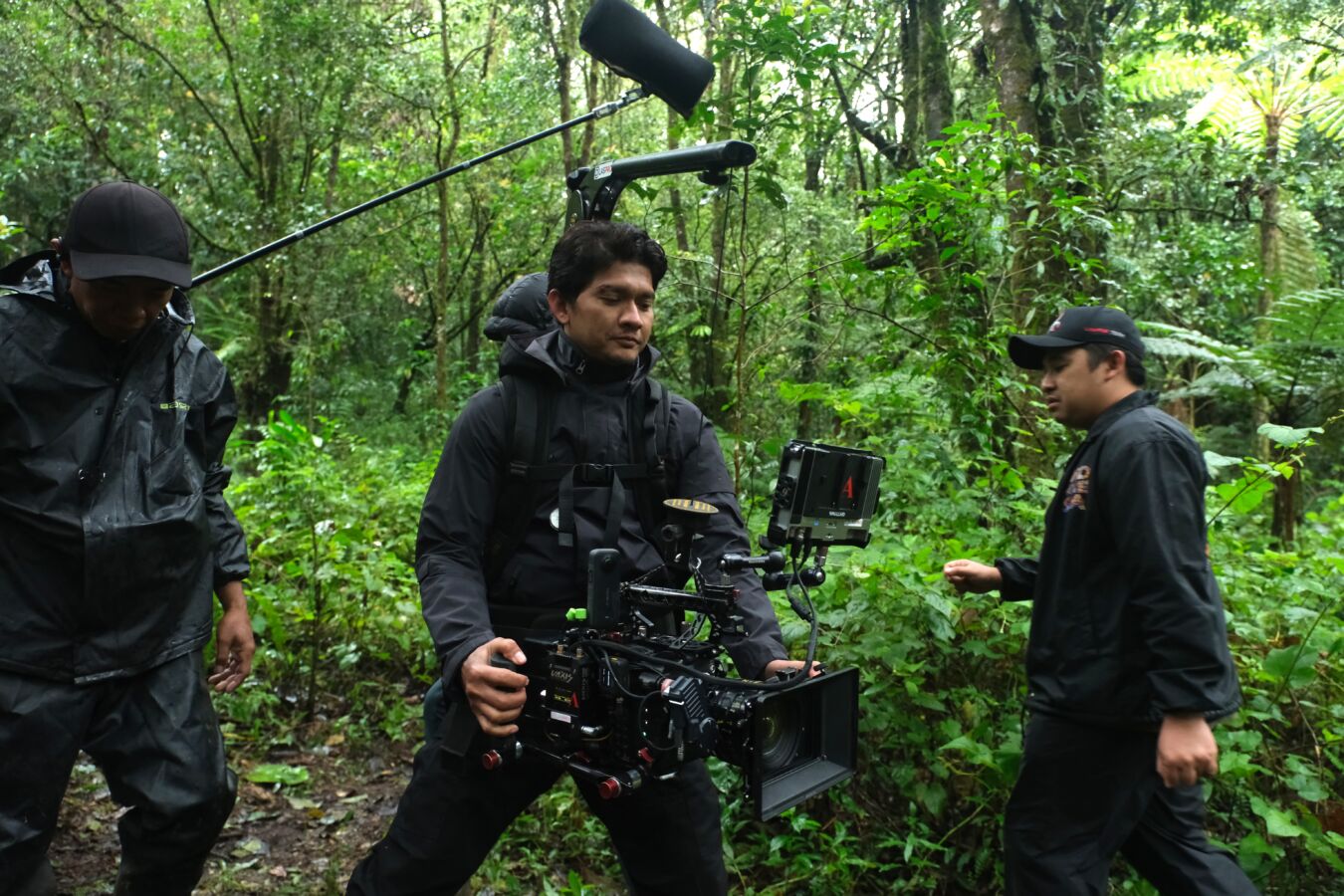
Much of the film’s action sequences take place in two primary locations: a jungle and a village, with the team ensuring that both are distinctive enough to stand on their own. The wilderness, for instance, features more shooting, and the latter shifts its focus to close-quarters combat, which isn’t specific to Indonesian martial arts pencat silat – Uwais’ area of expertise – and combines various martial arts. What remains consistent across the board, however, is that the actors’ safety is always paramount, as producer Ryan Santoso emphasises:
“Safety always comes first before the creative, but we tried our best to maximise the creative [element] with the safety, especially for the jungle part.”
The other half of the equation is emotional storytelling, as Timur also examines the conflict between the titular protagonist and his childhood friend, who becomes one of the targets involved in the hostage crisis. It represents a shared vision to push the genre beyond action-only chops, continuing into the duo’s next project under their joint Uwais Pictures banner, Ikatan Darah.

Their venture into filmmaking and production comes at a time when the Indonesian theatrical scene is booming – Santoso cites a total of around 120 million admission tickets sold in 2025, and with more local talents receiving nominations at international film festivals, such as Sundance, Cannes, and Toronto International Film Festival (TIFF).
Amid the growing market, where the ideas “and the way they are executed are getting a lot better,” the producer hopes to bring something fresh to audiences with Ikatan Darah, comprising “80 per cent fighting” versus Timur’s ratio of “60 per cent fighting and 40 per cent drama”. Notably, it’s described as more comical and follows a female martial artist, marking a departure from the traditional male-led action genre.
“We wanted to create something different, you know,” highlights Santoso. “As long as the story is fun, as long as we can create a good film, whether it’s a female [or] male lead, I don’t think it matters; it’s all about how to make the film.”
Si Jia is a casual geek at heart – or as casual as someone with Sephiroth’s theme on her Spotify playlist can get. A fan of movies, games, and Japanese culture, Si Jia’s greatest weakness is the Steam Summer Sale. Or any Steam sale, really.

 Kevin Low