One of the greatest superhero movies ever crafted once noted, “You either die a hero, or you live long enough to become the villain.”, and after four seasons of chaos in Amazon Prime Video’s The Boys, based on the comic book series of the same name, there’s no other way to look at a series that originally posed a simple but intriguing question – what happens when the superheroes themselves are also actually villains?
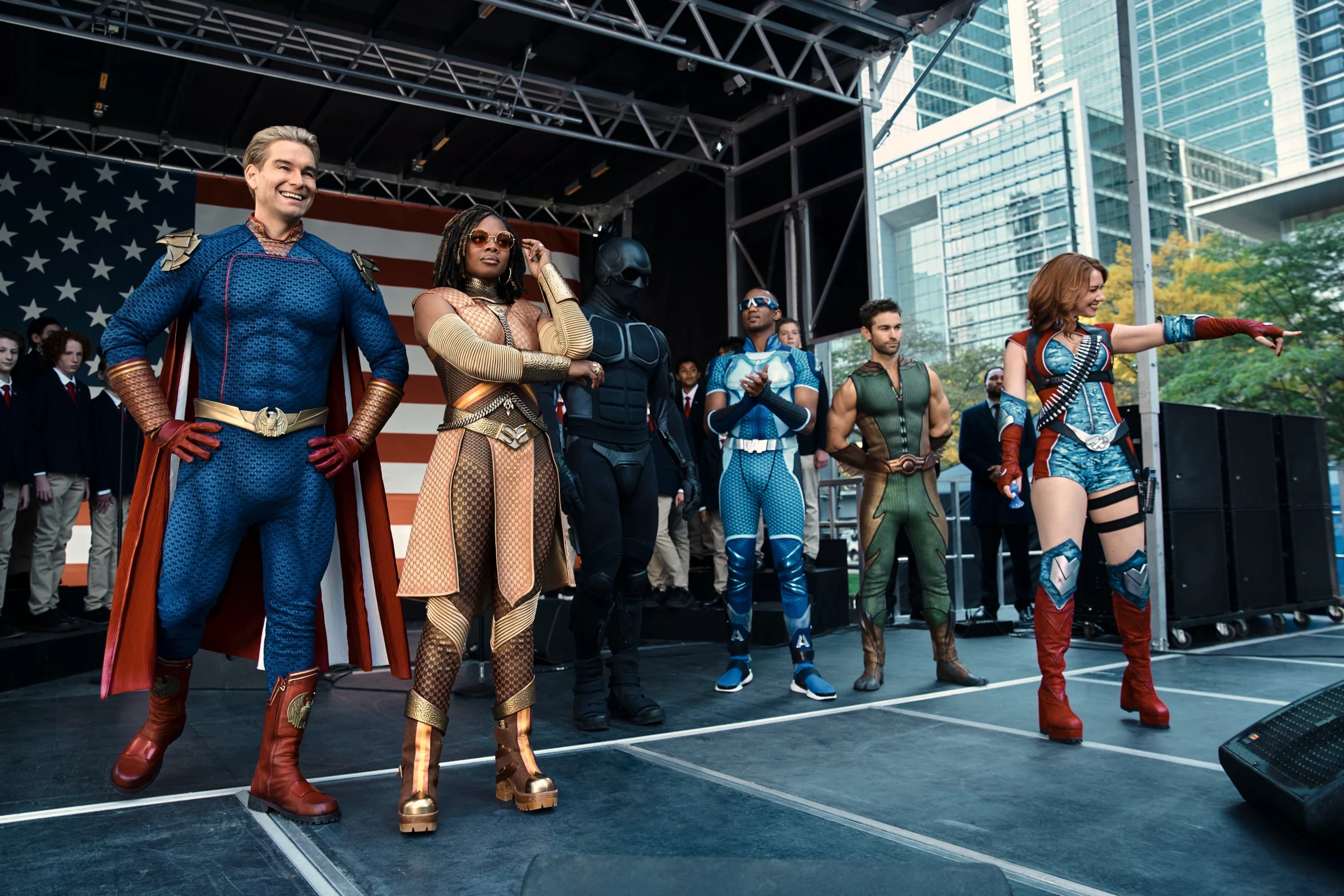
Over the course of four seasons, the series has established itself as one that defies the conventions of traditional superhero-based shows, centred around a world that’s essentially run by heroes, except most of them are just complete A-holes abusing their abilities for power, fame and money. Chief among them is The Seven, the world’s most famous superhero group led by the all-powerful, and power-hungry, Homelander (Antony Starr, Banshee), all of whom are managed by Vought, the conglomerate turning heroism into profit.
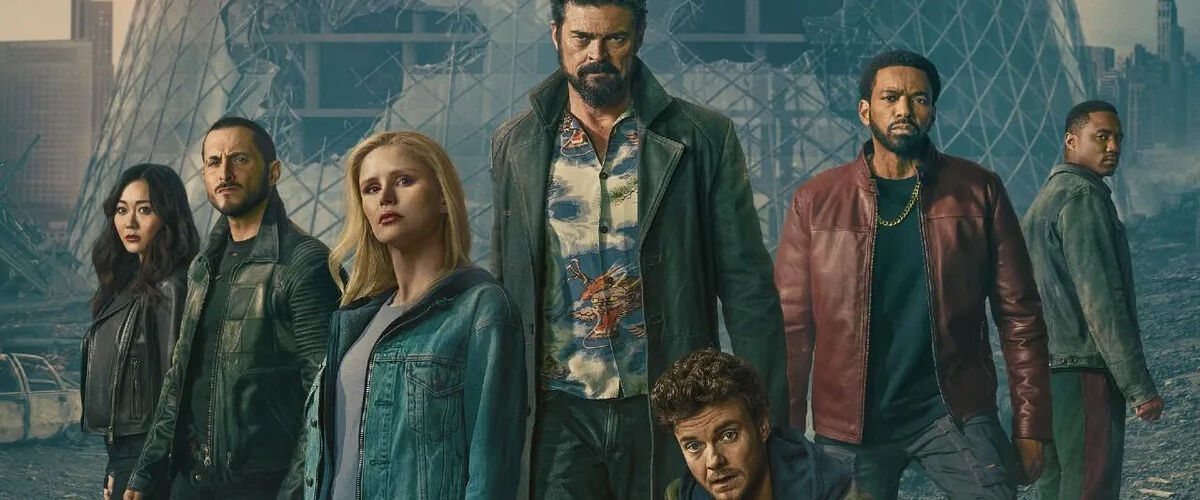
Throughout the course of the show, the state of the world has steadily gone from bad to worse, with The Seven and Homelanders’ secret atrocities being brought to the public eye by The Boys, the titular group of vigilantes consisting of Billy Butcher (Karl Urban, Star Trek, Dredd), Hugie Campbell (Jack Quaid, Novocaine), Mother’s Milk (Laz Alonso, Detained), aka MM, Frenchie (Tomer Capone, When Heroes Fly), Kimiko Miyashiro (Karen Fukuhara, Bullet Train), and later the reformed ex-Seven member Annie January (Erin Moriarty, Blood Father), aka Starlight.
With such a small group of mostly non-powered individuals against a literal global superpower, this adds a unique dynamic to the fight between good and evil, as, unlike conventional superhero shows, where confrontations are big and flashy for all to see, the fight is fought in the shadows here. It’s also a conflict that’s no less thought-provoking, where lines are blurred and crossed in equal measure, especially since Butcher realised that to stop Homelander, he needed powers of his own, and in his case, his ends definitely justifies the means.
The Boys Season Five, then, marks the culmination of this ongoing battle, one that, at least for now, seems to skew towards Homelander’s favour, with the Supe (the series’ term for superpowered individuals) now in complete control of the media and public opinion after systematically killing or capturing all dissenters, most of The Boys included. Season Four’s finale, “Assassination Run”, kicks off a massive chain of events that sets up this fifth and final season, which sees the world in the bleakest state it has ever been in, for both dissenters and Supe supporters alike.
Here’s where things stand – Homelander is now firmly in control, and seeks god-like powers in the form of Voughts first iteration of Compound V; Hughie, MM, and Frenchie are now interned in one of Homelander’s so-called “Freedom Camps”, a series of prison-like rehabilitation facilities; Butcher’s tumour-induced tendril powers are now fully awakened, giving him the ability to go toe-to-toe with the Supes he despises; Annie is finally fighting back with the full extend of her abilities; And oh, Kimiko, who has been silent since the first season, talks now.
It’s a bleak premise indeed, but it also gave series creator and showrunner Eric Kripke a reason to bring his boys back together. Prior to The Boys, Kripke created and was the showrunner of Supernatural (2005 – 2020) for the first five seasons, about a pair of brothers, played by Jensen Ackles (Dawson’s Creek) and Jared Padalecki (Gilmore Girls), who fight supernatural creatures, later aided by an angel, Castiel (Misha Collins, Timeless). So what better way to celebrate the final season than to bring in Padalecki and Collins, joining Ackles, who returns as Soldier Boy, one of the original Supes from World War II, and the biological father of Homelander.
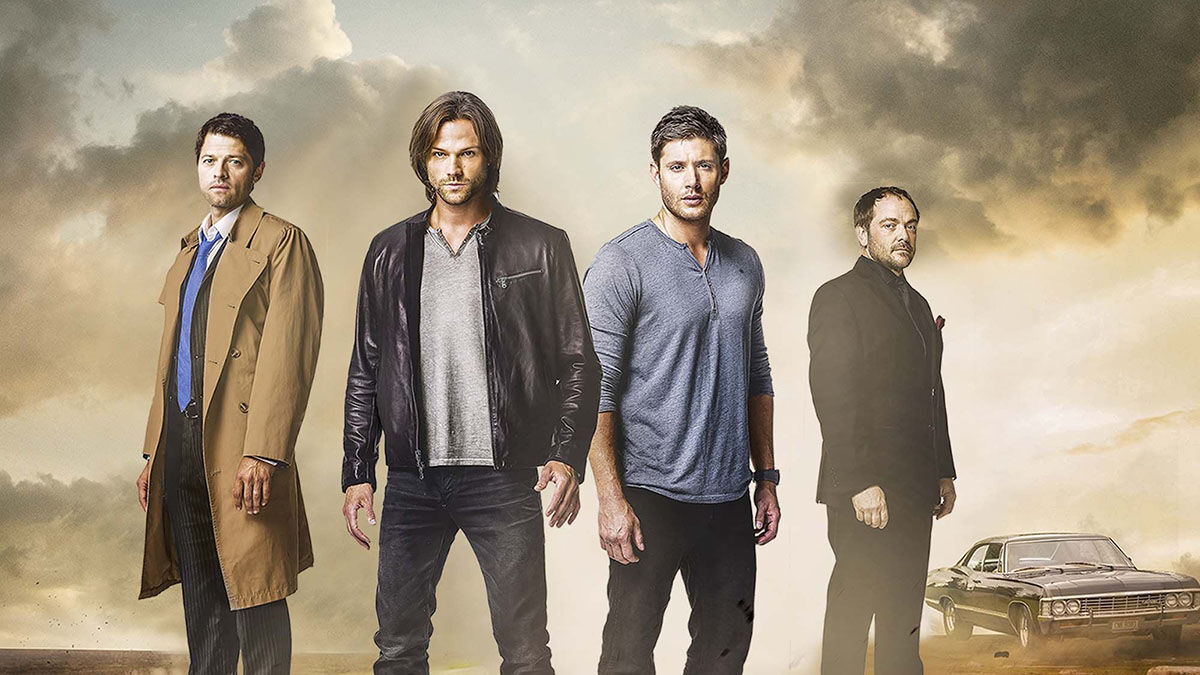
“I just like working with people that I like, and sometimes it’s as simple as that,” remarks Kripke, in an exclusive interview with Geek Culture, along with Ackles and Starr. “When it was Jensen, Jared and Misha all filming together, and then Phil Sgriccia, who is our Supernatural producer and director, was directing it, it felt like a reunion, [and] we all just sort of picked up right where we left off, giving each other sh*t, and it was a blast.”
While it was a reunion for the 52-year-old, the final season proved to be a new challenge for Ackles, who now steps into a notably more villainous role as the major antagonist in Season Five, who was revealed to have survived his showdown with The Boys and Queen Maeve in Season Three.
“There was just a trust in Eric,” Jensen explains. “Him coming in, obviously, having a history that we have, he was able to write to me and use the skill sets that he knows, that I try to possess, and I just tried to follow the lead.”
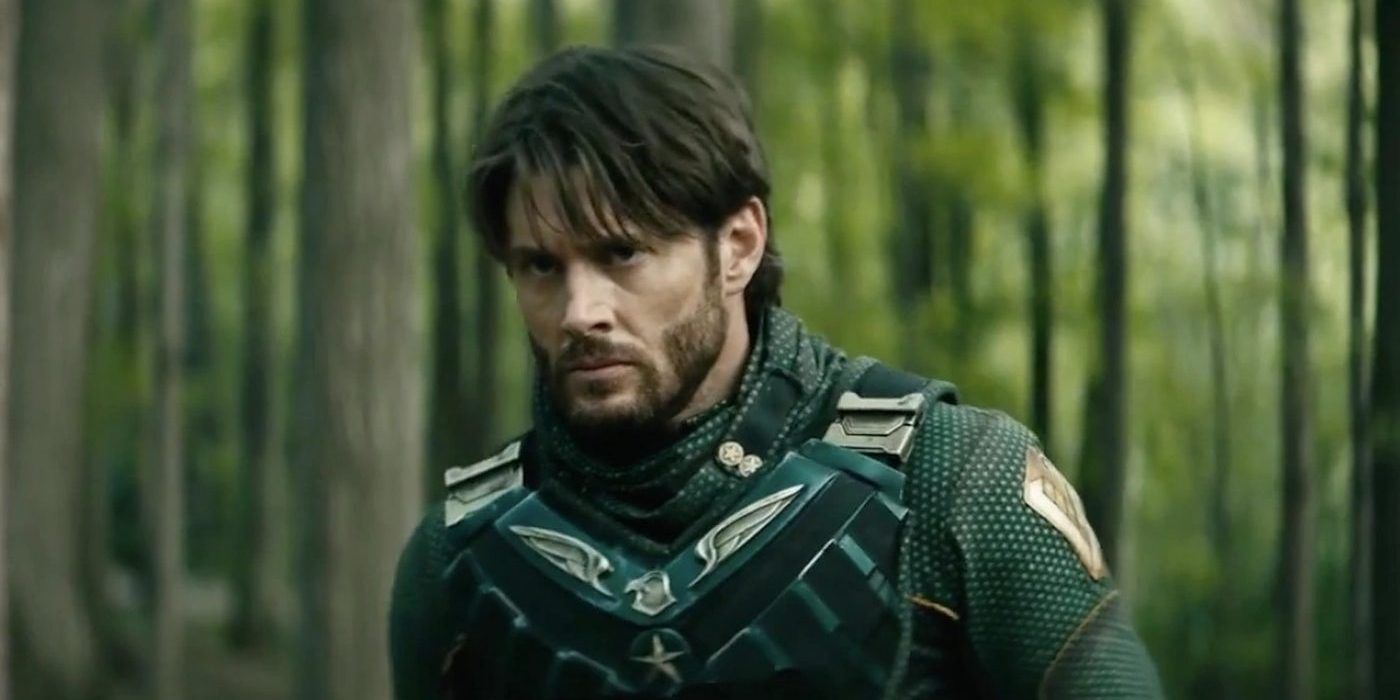
“[Soldier Boy] is obviously very colourful, rich and layered. And it was a blast to get to play that, and quite a departure from what I’ve been playing for 15 years, in a different world that [Eric] had created. So [I’m] always willing to play in any sandbox this guy builds.”
Soldier Boy’s reappearance only adds to the multitude of threats The Boys will have to face in Season Five, as he is teaming up once again with none other than Homelander, marking a father-son reunion of what will surely be disastrous proportions.
For many, Homelander presents one of the most memorable TV villains of recent memory with his lust for violence (and milk), but under the surface lies a wholly complex, realistic individual who’s simply just a product of circumstance – something Starr is all too familiar with, having played the role since 2019.
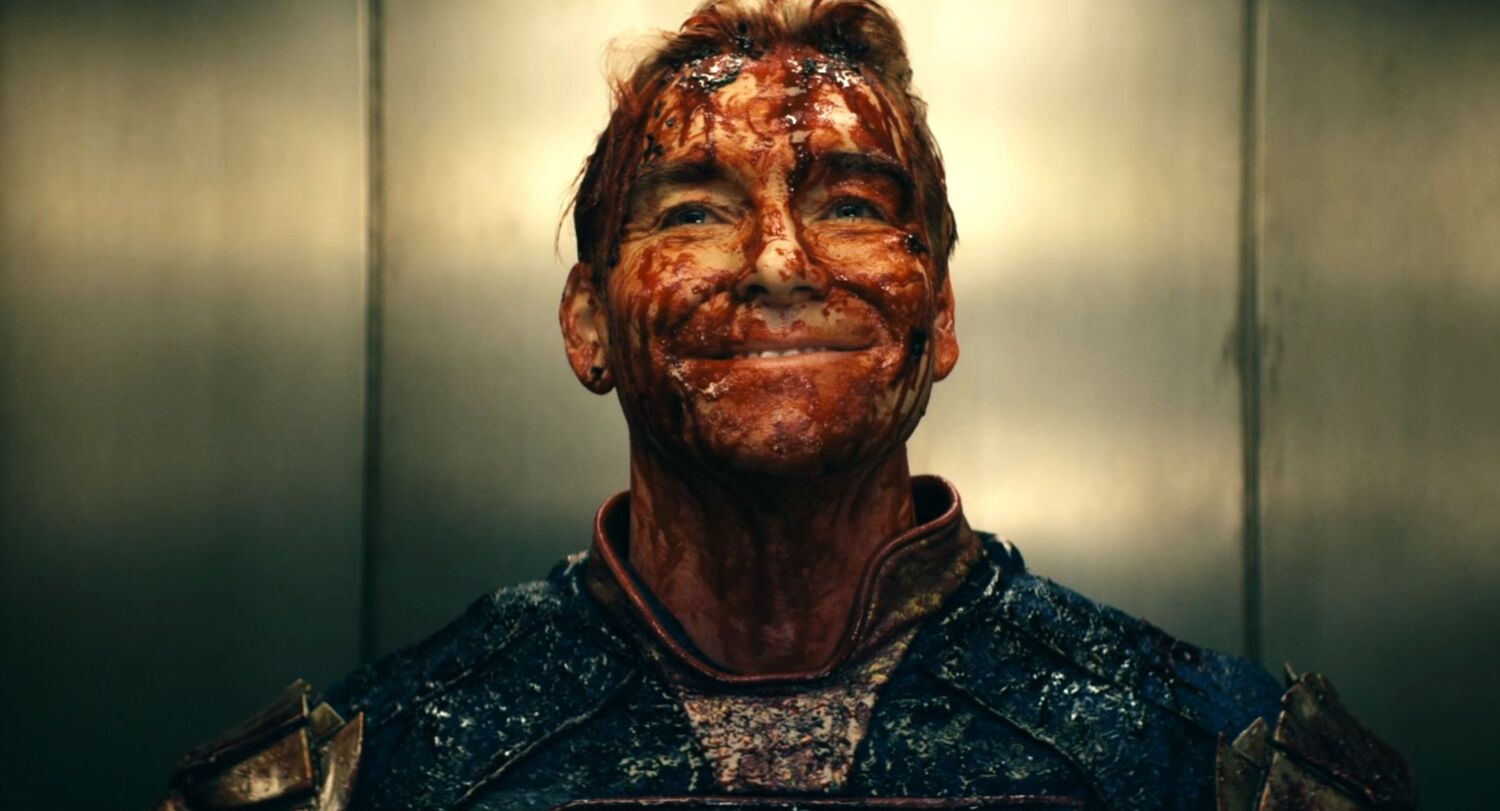
“I think there’s always been a little bit more to the character than just a one-dimensional villain,” he explains. “Over the course of the five seasons, we’ve really tried, maybe not to get people to sympathise with him, but to explain why the guy is the way he is.”
“There’s been like, numerous moments, starting off with the blue blanket and what that meant to him, how he was raised in a lab, and the abuse that he was subjected to. I think the mission is to reason out why he is who and what he is, and I think that’s been a huge part of the show, and I think we made a pretty good fist of it.”
Homelander might be the consequence of humans treating super-powered individuals like products instead of actual people, but no matter how his story began, it doesn’t change the fact that he is now the world’s biggest threat, even if the general population doesn’t, or refuses, to see it.
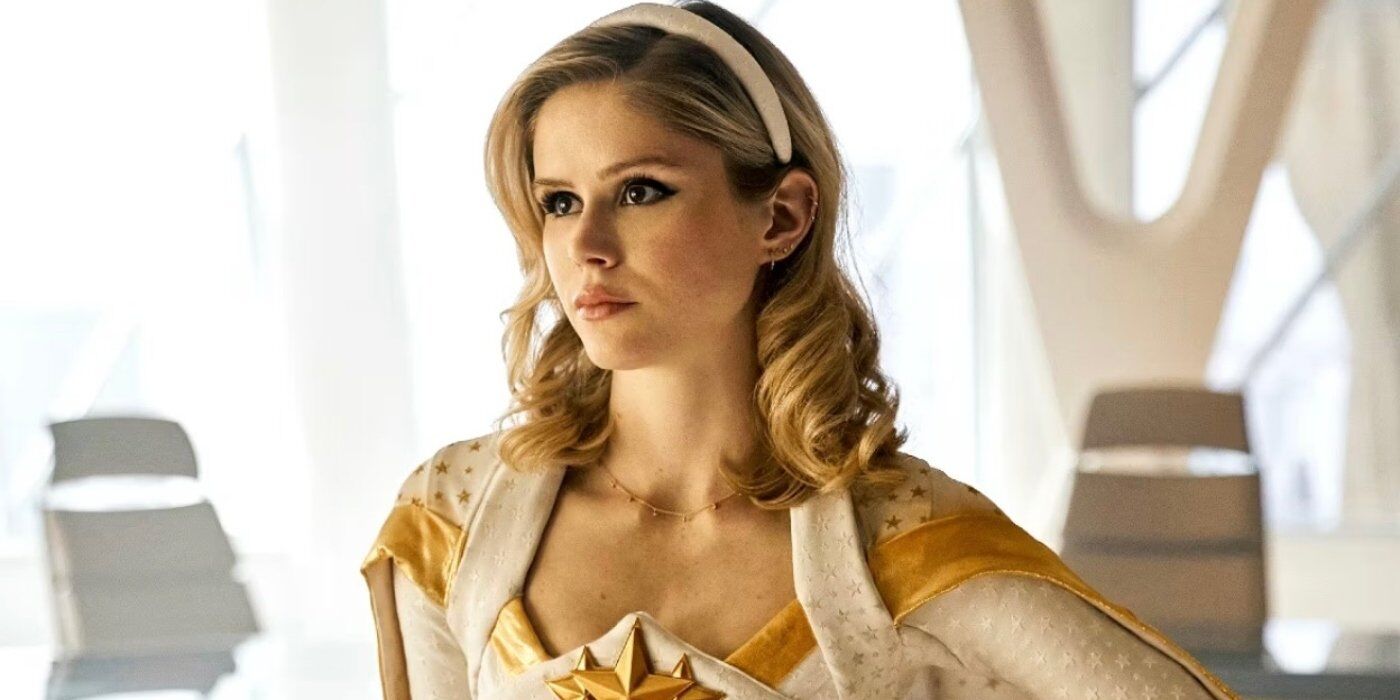
It isn’t all grim, however, as with hardship comes growth, and over the course of four seasons, many a character in The Boys has come far from where they began, like Annie, who was formerly on the opposing side as the Supe Starlight, one of The Seven.
Early on, Annie denounces her Supe name and joins The Boys in their fight against Homelander and Vought International, although a part of her was still wary of her own powers, some would say afraid of it, as she had joined a side hell-bent on wiping her kind off the face of the Earth. Over the course of the series, Annie gradually accepts that her powers can be a tool for good, and that she shouldn’t be defined by her past or the things she’d done, and by the end of Season Four, she is now in complete control of her abilities, soaring both literally and as a person.
For Moriarty, portraying Annie through all her trials and tribulations was challenging, especially in the final season, and rightfully so, but not in the sense that most would expect.
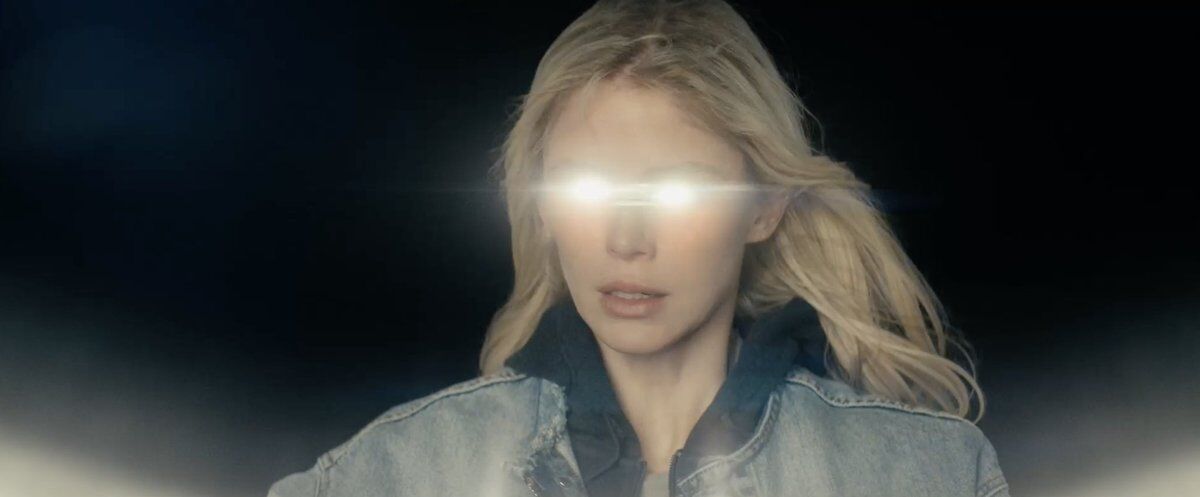
“The first episode [of Season Five] really starts to introduce how the trauma has affected everyone in their own individual ways,” she explains, in another group interview with Geek Culture, alongside Quaid.
“It was really hard for me, and not necessarily because there’s a bad way to portray that, but just because I never want to let a moment drop where I am dismissing what she’s been through. I want to make sure that I’m getting all the flavours, and all the ways in which that trauma has affected her and is manifesting in the way that she behaves on both a micro and macro level.”
With every conflict, the lines between sides always blur, and it’s no different here, as it’s not just Annie who starts to realise the cruelty of the group she’s a part of, but her ex-teammate A-Train, too. As one of the most memorable redemption arcs in the series, A-Train’s journey has steadily evolved from a selfish one, just in it for the glory, to learning what it truly means to be a hero.
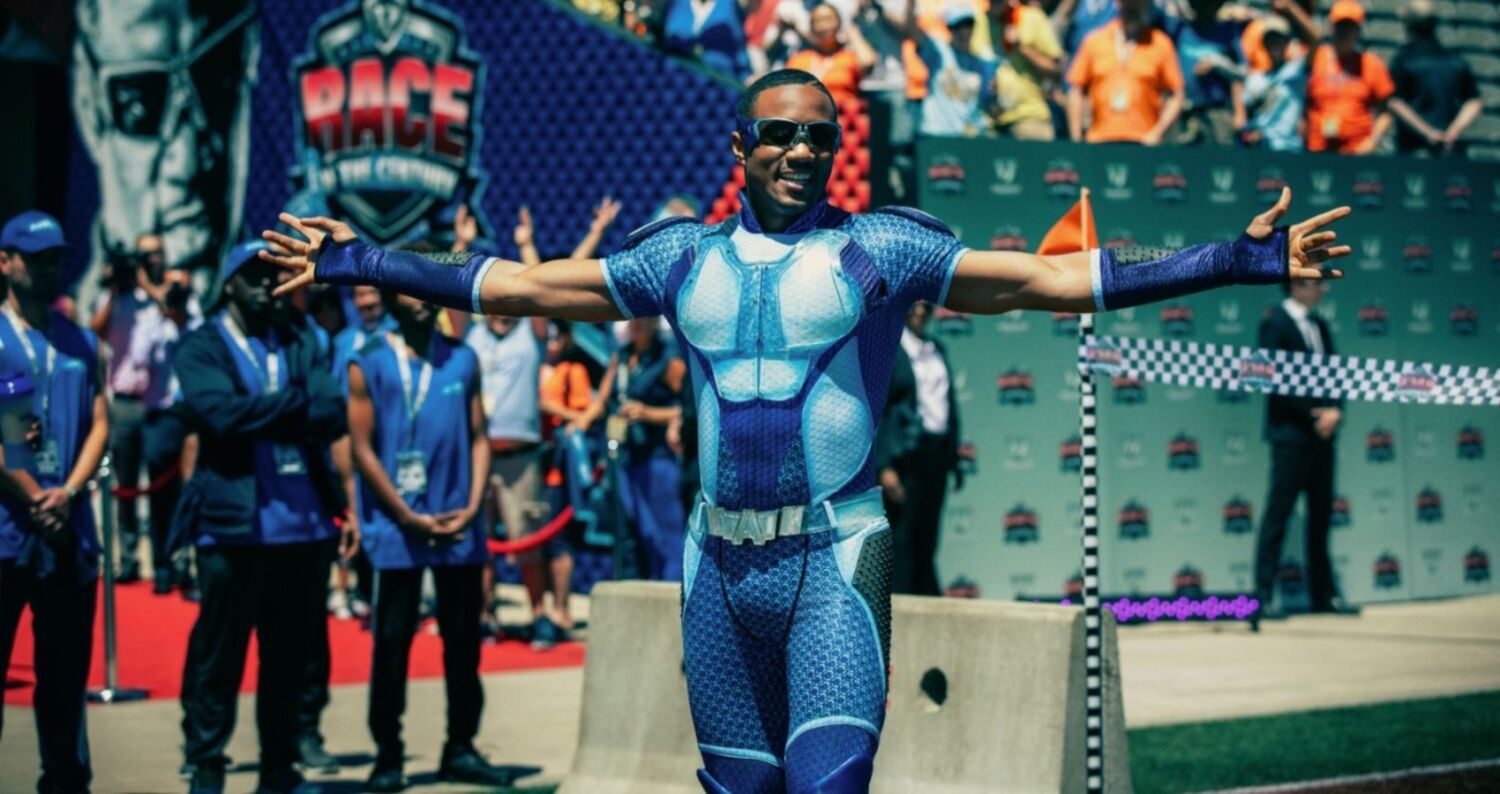
“[We’ve watched] specific moments that changed him step by step throughout the course of the series,” explains Usher during a third group interview alongside Fukuhara.
‘We watched him take drugs in the fight against Shockwave, and what that did to him. We watched him have those conversations with his brother time after time, [putting] it in perspective of where he came from and the sacrifices that he’s made and the things that he feels guilty about. We watched him have a conversation with his nephews, where he’s just continuing to live this lie in front of the people.”
“We’ve watched him carry MM to the hospital and have that moment with the little boy, where he finally realises that, when the cameras aren’t rolling, and you do something that actually feels good, it means a lot more than the showmanship of being a superhero. We were able to have so many different moments that then turned him from bad to good, and I’ve grown to understand and to love him a lot more as time went on, and more sacrifices that he made as he decided to try and clean up his mess.”
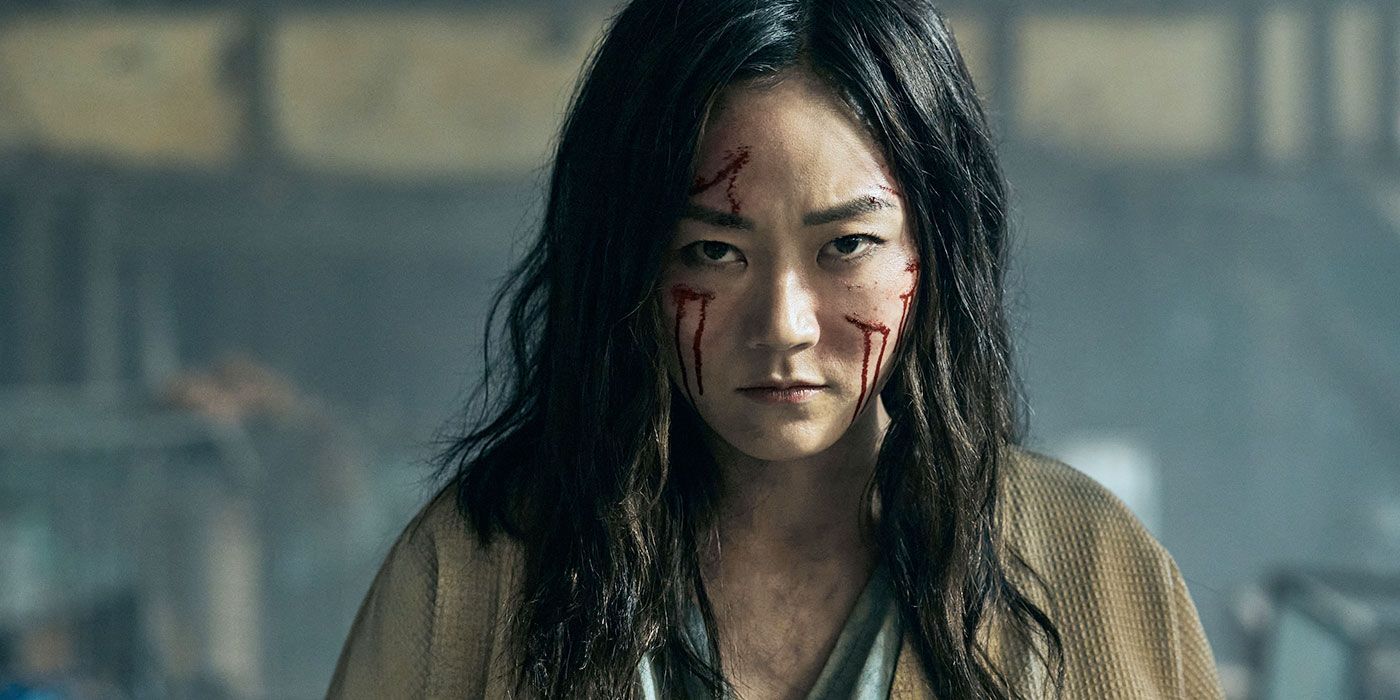
And then there’s Kimiko, who takes growth to a whole new level with the simple fact that she has now finally found her voice, which not only completely changes the dynamic between the character and the people around her, but also in how Fukuhara has to portray this same character, now in a new way.
“When I started the show in season one, I was trying to figure out how I could get Kimiko’s wants and needs across without speaking a word,” she recalls. “I worked a lot with my body language, watched a lot of videos on animals being caged up to learn what it means to be a captive animal. And then it grew to her speaking through sign language, [and that] was almost like choreography in a way [with] hours and hours of repetitive practising so it would be second nature.”
“Season Five was another level of difficulty and challenges, because it almost felt like I was creating a whole new character, right? As speaking audibly is basically like another characteristic being added to Kimiko, and it’s another personality of hers that’s coming through, through the speaking. It was quite the challenge, and it took a lot of work to find it at the end.”
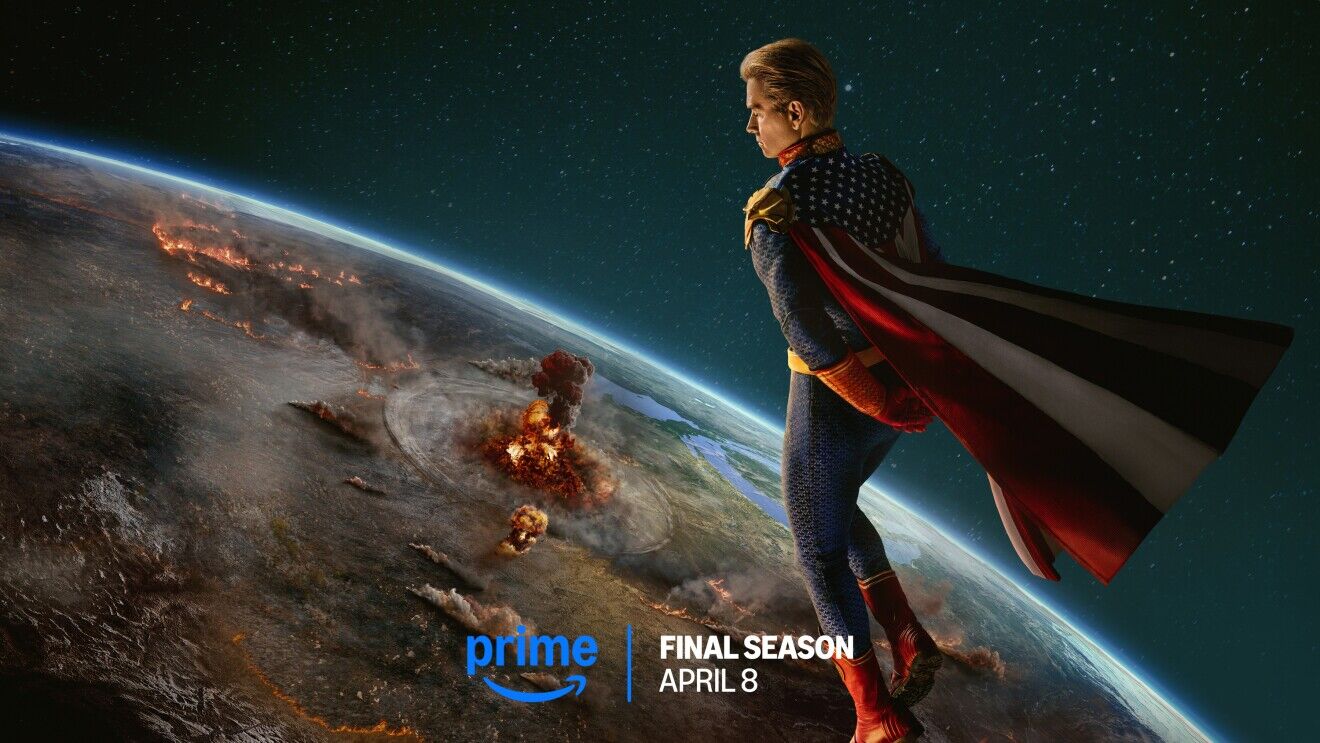
With this in mind, The Boys Season Five marks not just a culmination of the series itself, but also the arcs of many of its main heroes, villains, and those who lie somewhere in between. With Supes powering up on both sides – Homelander and Soldier Boy on one, and Starlight and a now tumour-powered Butcher on the other, this final chapter is shaping up to be the ultimate clash, where lines are blurred and crossed in equal measure.
The Boys Season Five will premiere on Prime Video on 8 April 2026.

Kevin is a reformed PC Master Race gamer with a penchant for franchise “duds” like Darksiders III and Dead Space 3. He has made it his life-long mission to play every single major game release – lest his wallet dies trying.
 Si Jia