
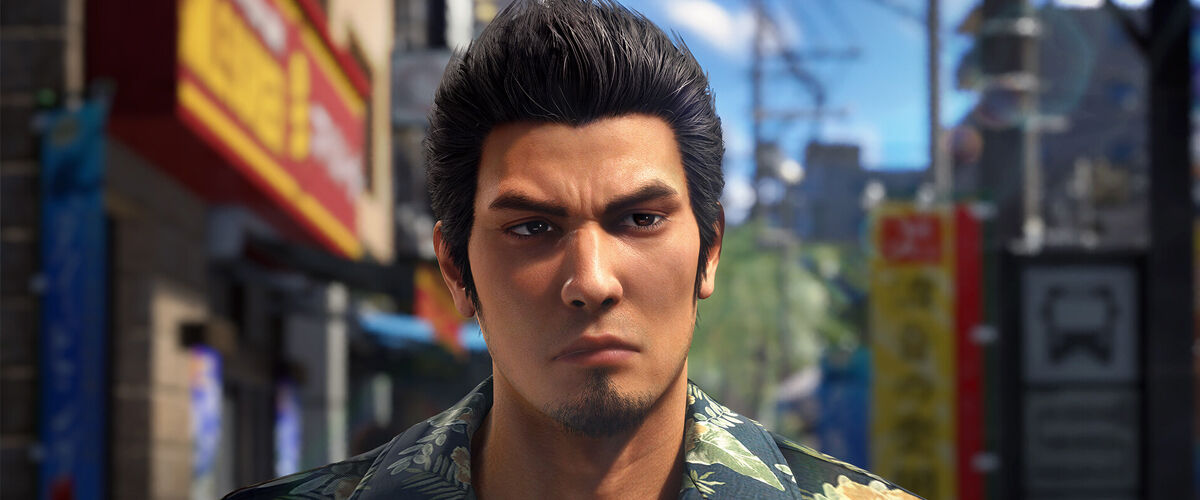
This interview has been edited for clarity.
Fandom might argue over the smallest of things, but if there is one thing they can agree on, it’s that going back and changing things, be it for a movie, TV show or book, is typically frowned upon. The original might not be the best, but going back and tweaking it tends to set fans off.
Unless it’s a video game.
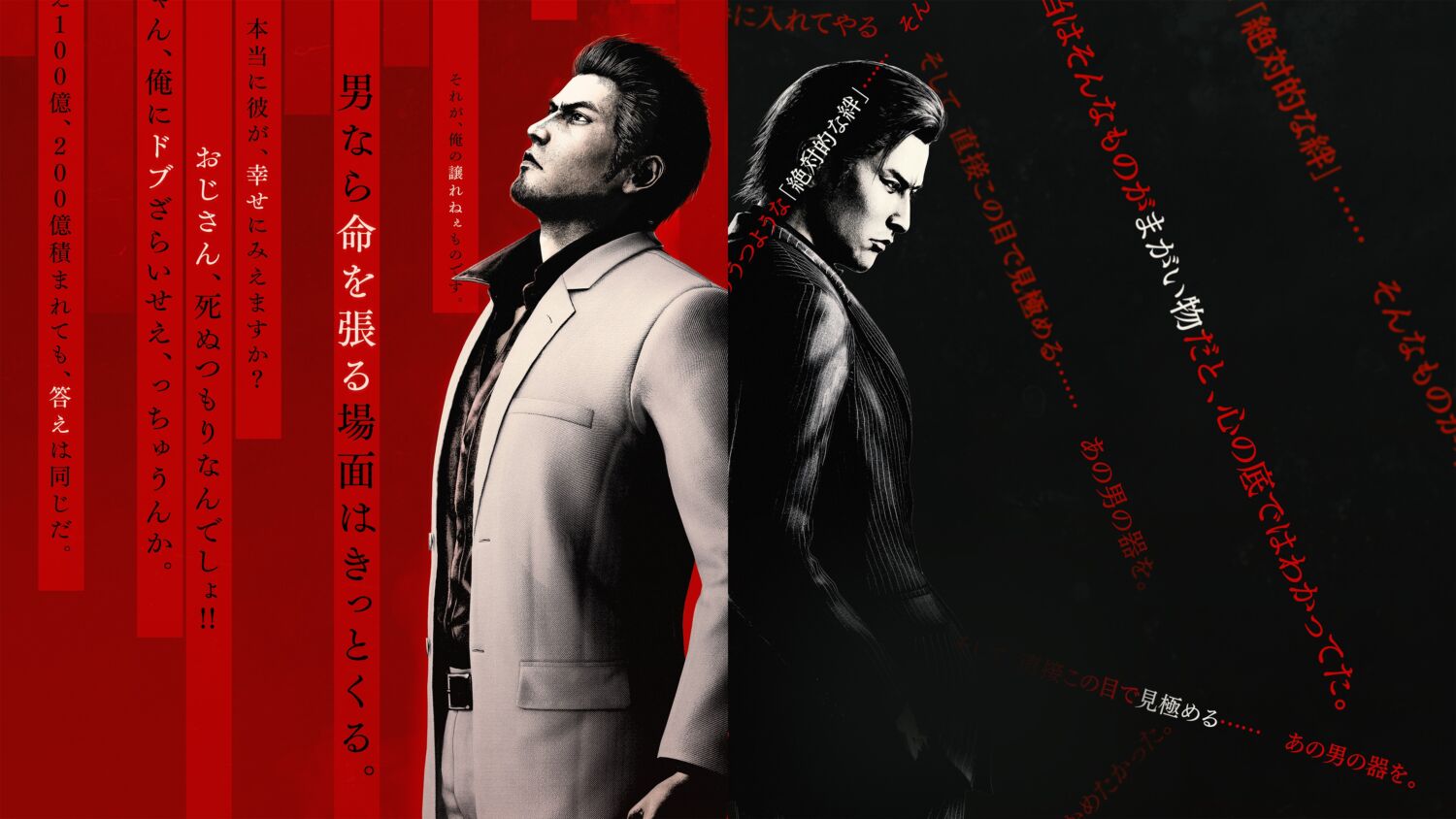
Be it a remake, remaster or a full reboot, the video game industry is jam-packed with old video games updated for a new audience, or for old fans to revisit a beloved classic. In the case of Yakuza Kiwami 3 & Dark Ties, it’s a chance to course correct the original 2009 threequel, Yakuza 3, the third main entry in the Yakuza, also known as Like a Dragon, series of crime dramas that mixes action-adventure, beat ’em up, and role-playing genres.
Considered an unfortunate misstep, the original wasn’t a bad game by any means, but the efforts made by the team back then to try to shake up the franchise failed to resonate with fans and critics alike. But that’s about to change with Ryu Ga Gotoku (RGG) Studio’s latest remake, following its success with its recent revitalisation with the 2016 and 2017 Kiwami remakes of the first two titles in the series, which transformed the humble brawlers into visually and technically superior modern counterparts.
But how do you revisit things like slower-paced combat in the original? Back in 2009, this was supposed to make gameplay more tactical and methodical as opposed to just button-mashing, but it ended up being frustrating for players instead, as enemies would just block attacks nonstop (earning the game the humorous nickname, “Blockuza”). Then there is the Morning Glory orphanage sections, which were intended to show off protagonist Kazuma Kiryu’s more human side, only for them to slow the game’s overall pacing down to a crawl and lead to many losing interest in the plot.
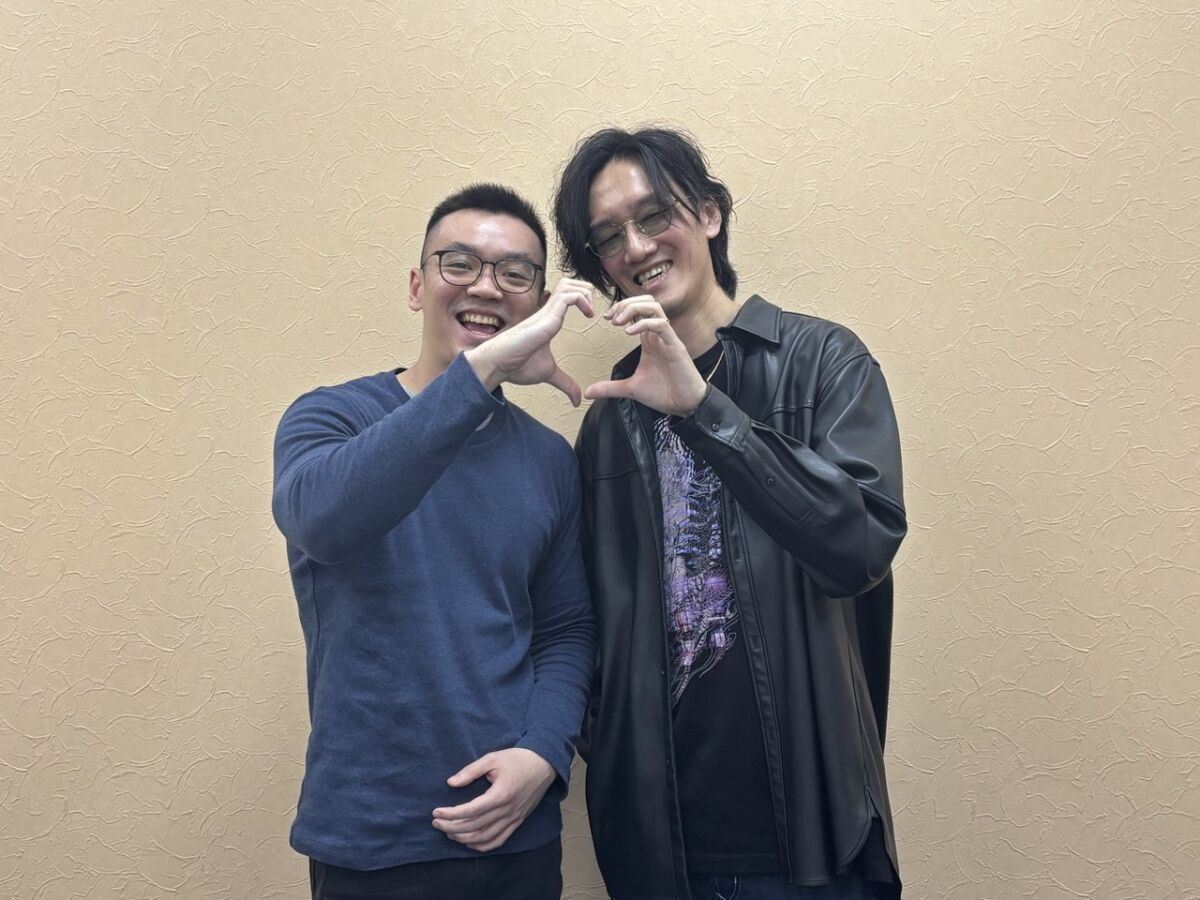
Addressing these two areas of the original game has thus become a priority for the team, and we were able to catch up with game director Ryosuke Horii during an extended preview and interview session at SEGA’s headquarters in Tokyo, to gain a better insight into how they tackled the two aspects.
It all began with a simple philosophy – respect the original Yakuza 3, but don’t be too dependent on it.
“The longer you play the series, the more attached you get, and this was the case for Yakuza 3, it does have a lot of passionate old-school fans,” explains Horii, “And naturally, changing things will definitely have a chance of bringing up some controversy, something we are well aware of. Finding that balance was something we worked hard on and put a lot of thought into.”
“One important philosophy we had in mind was to cherish the original, but don’t lean on it too much. We’re not trying to throw out the original, but at the same time, if we were to make exactly the same game, what would be the point? And honestly, it would be quite rude to the original title too.”
To this end, the team went into rebuilding Yakuza 3 armed with not just all the modern technology at their disposal, but also the knowledge of what worked – and what didn’t – from their recent two titles, aiming to strike a balance by making a title that feels like the original, but plays infinitely better.
It started with the original game’s combat, which Horii admits gave the team a tough time when they first tried it out.
“Of course, we played the original Yakuza 3 prior to making this remake, and we all thought. ‘Damn, this is hard.’ So this gave us a better understanding of the criticism the game received, and that its battle system needed work,” he recalls.

“Yakuza 3 was truly a game of its time. It’s been 15 years since then, so all the systems and the engine have gone through very drastic changes and improvements, so our strategy wasn’t to think about the original game when making the remake, but to opt for a fresh start instead and make a good action game.”
For Yakuza Kiwami 3 & Dark Ties, the team chose to keep Kiryu’s original pro wrestling-type fighting stance, the Dragon of Dojima Style, as it was a faithful depiction of the character’s younger, rougher state at that point in the franchise’s timeline. But from the get-go, the team wanted to add another fighting style, and looked to the game’s new setting of Okinawa for inspiration.
“We wanted a style that has something to do with Yakuza Kiwami 3’s setting, so we did some research about Okinawa,” Horii explains. “And although there were numerous traditional martial art styles we found that were more hand-to-hand with combat up close, which we did consider, they ended up being too similar to the ‘Agent Style’ of Like a Dragon Gaiden: The Man Who Erased His Name, so we wanted something fresh.”
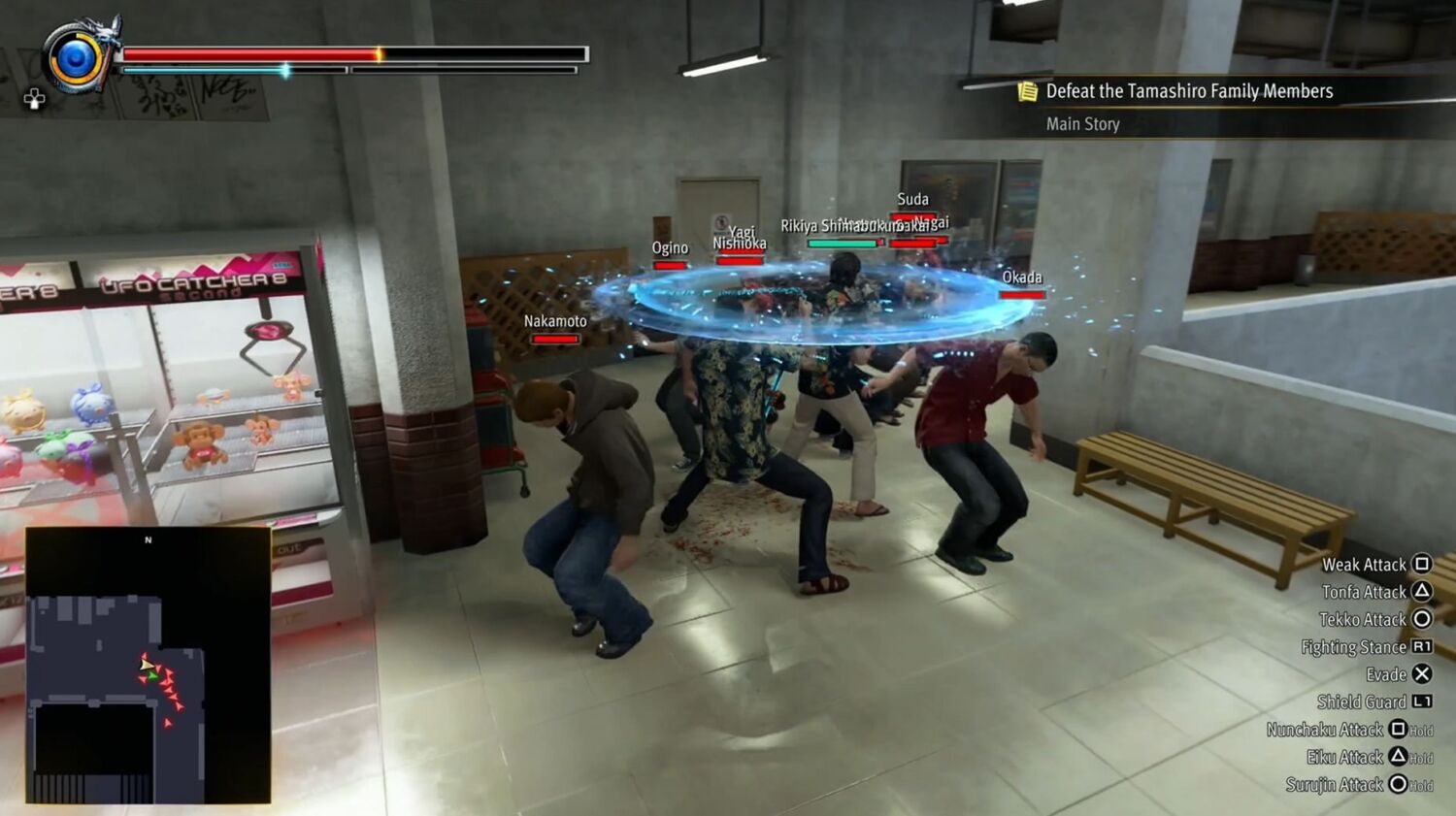
Eventually, their search for something fresh led them to the Ryukyu Style, a technical style focused on weapon-based Okinawan martial arts where Kiryu combines the use of eight traditional tools, spanning tonfas, Tinbe-rochin (short spear and shield combo), and Eku (a heavy boat oar) to dispatch his foes.
Having a fighting style comprising eight hot-swapable weapons might sound a little overpowered, and at least from our preview session, this wasn’t too far from the truth, as the Ryukyu Style marks one of the franchise’s most flexible fighting stances to date, able to handle large groups of foes or a single, powerful one, at ease, a sentiment shared by Horii himself.
“We did feel maybe using weapons was a bit of a cheat, but did end up being fun, so we did go with that,” he admits. “With Ryukyu Style, you have eight weapons on you, so it is naturally very powerful. In fact, in the demo you played, it’s entirely possible to get through it with just that style.”
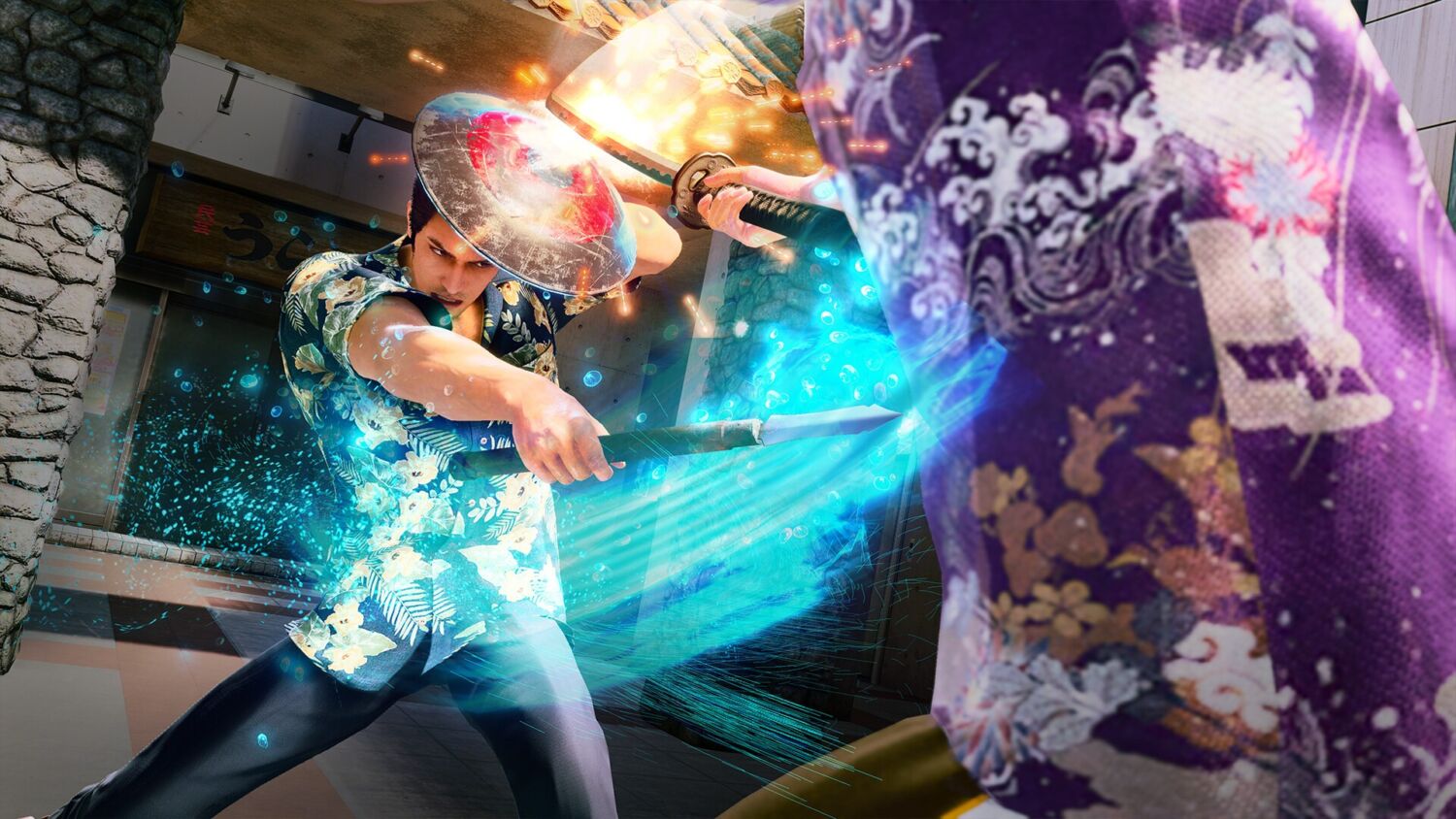
Still, Horii explains that there will be certain points in the game where each fight style becomes more suited to different enemy archetypes, ensuring that there is at least some balance, explaining that swapping between the two is still the most optimal way to play.
Switching up combat was just one step, however, as the team also poured a lot of their efforts into Morning Glory, the orphanage Kiryu manages in the game, and one of its central plot points. In the original Yakuza 3, this was delegated to simple cutscenes, which, while heartwarming, couldn’t effectively capture the audience’s attention.
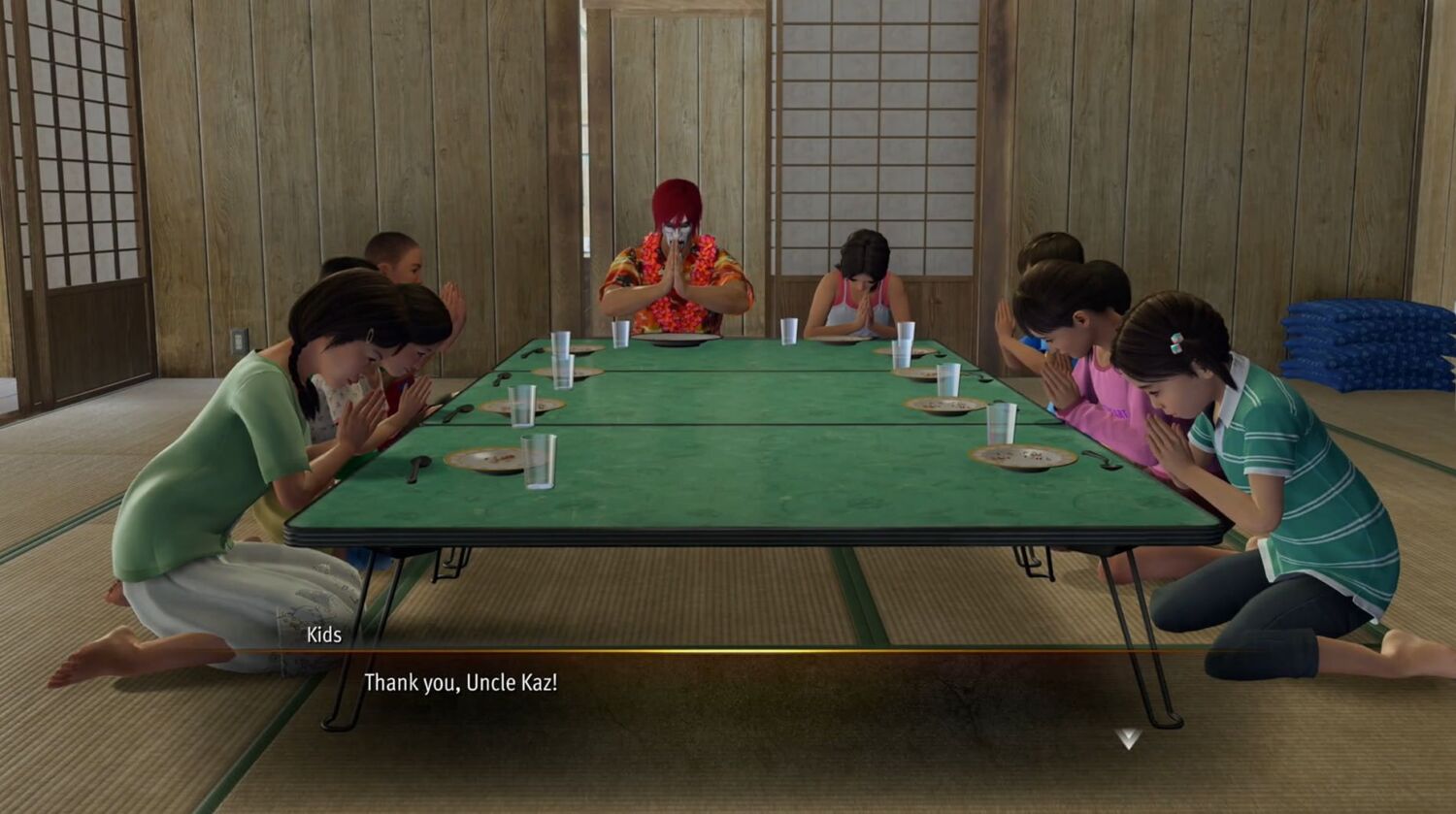
For Yakuza Kiwami 3 & Dark Ties, the team overhauled Morning Glory by transforming the chores Kiryu handles around the orphanage into mini-games. Of course, performing every single minute task might prove to be monotonous, so Horii had to decide which task to focus on, a decision that ended up being deeply personal yet thematically relevant to the game’s plot.

“I have a kid, too, so based on my personal experience, I picked the chores that are really difficult for me as a dad,” Horii explains. “For example, I really struggle with cooking and sewing, and I thought to myself, if I struggled with this, then a hardened ex-gangster with no experience like Kiryu will surely struggle with them too, and that’s how we went about choosing the mini-games.”
With our limited gameplay segment on Morning Glory, we were able to try out three different mini-games, homework (solving quizzes ranging from different subjects like science or math), cooking, and sewing. While the former two were variations of activities seen in past titles like Like a Dragon: Pirate Yakuza in Hawaii, it was the latter that truly surprised us, as the team somehow turned the rather boring task of sewing into a pseudo-racing game. As such, we wanted to find out who the genius was who dreamt up the idea.
“I’m the genius, it was my idea!” exclaimed Horii, drawing chuckles from everyone in the room.

More interestingly, the inspiration for the mini-game’s unique nature came from an unexpected throwback: SEGA’s classic 1986 arcade racing franchise, Out Run.
“When looking at the process of sewing using a sewing machine, the cloth is flowing towards you. I looked at it and thought, ‘Wait, this is Out Run’,” he explained, “It’s like a racing game where the needle is the car, and the cloth is the track, except instead of you going towards the road, it’s the opposite, the road is coming to you, and this similarity to Out Run was how we ended up with the idea.”
Mini-games aside, the team also wanted to give players a sense of accomplishment from doing their chores and taking care of the children, leading to the introduction of a bond meter with each of the game’s eight kids, plus series regular Haruka Sawamura. According to Horii, completing chores and mini-games raises the bond levels of these characters, leading to additional touching stories for players to witness as their relationship grows.
Character development improvements aren’t limited to the Morning Glory children either, as Horii also teased some changes in store for some of Yakuza 3’s most memorable characters, such as Rikiya Shimabukuro, the captain of the Ryudo Family that Kiryu meets in Okinawa, who is initially hostile, but grows to become a respected ally.
“Rikiya was a prominent character in the original game, but looking back, his screen time was a bit low, and the game didn’t delve that deep into the character himself,” Horii admits. “Hence, we wanted to explore his character arc further in the remake. Why does Rikiya like Kiryu so much? Why does he want to be like him? Why does he act a certain way? We wanted to dive more into his feelings and what drives him as a person.”

These narrative improvements, alongside the addition of the new Dark Tides chapter focused on fan-favourite villain Mine, something we spoke to Horii about in a previous interview at the Tokyo Game Show 2025, clearly show that the team is committed to not just making Yakuza Kiwami 3 more engaging gameplay-wise, but in a narrative sense too, fleshing out its characters while still retaining the original’s narrative themes of the importance of family, empathy, and creating a positive legacy.
And legacy is exactly what RGG Studio is planning to maintain, and more importantly, improve, when Yakuza Kiwami 3 and Dark Ties is released on 12 February 2026 for the PlayStation 4, PlayStation 5, Xbox Series X|S, Nintendo Switch 2, and PC.
Kevin is a reformed PC Master Race gamer with a penchant for franchise “duds” like Darksiders III and Dead Space 3. He has made it his life-long mission to play every single major game release – lest his wallet dies trying.
 Si Jia