
Silent protagonists have been the driving force behind some of the most well-known video game franchises, especially when it comes to the JRPG (Japanese role-playing game) genre. But not everyone is on board with the execution, which can be a tricky affair – at best, it allows players to project their own personality, thoughts, and emotions on the character for enhanced immersion; at worst, the lack of communication may be a crutch to narrative development.
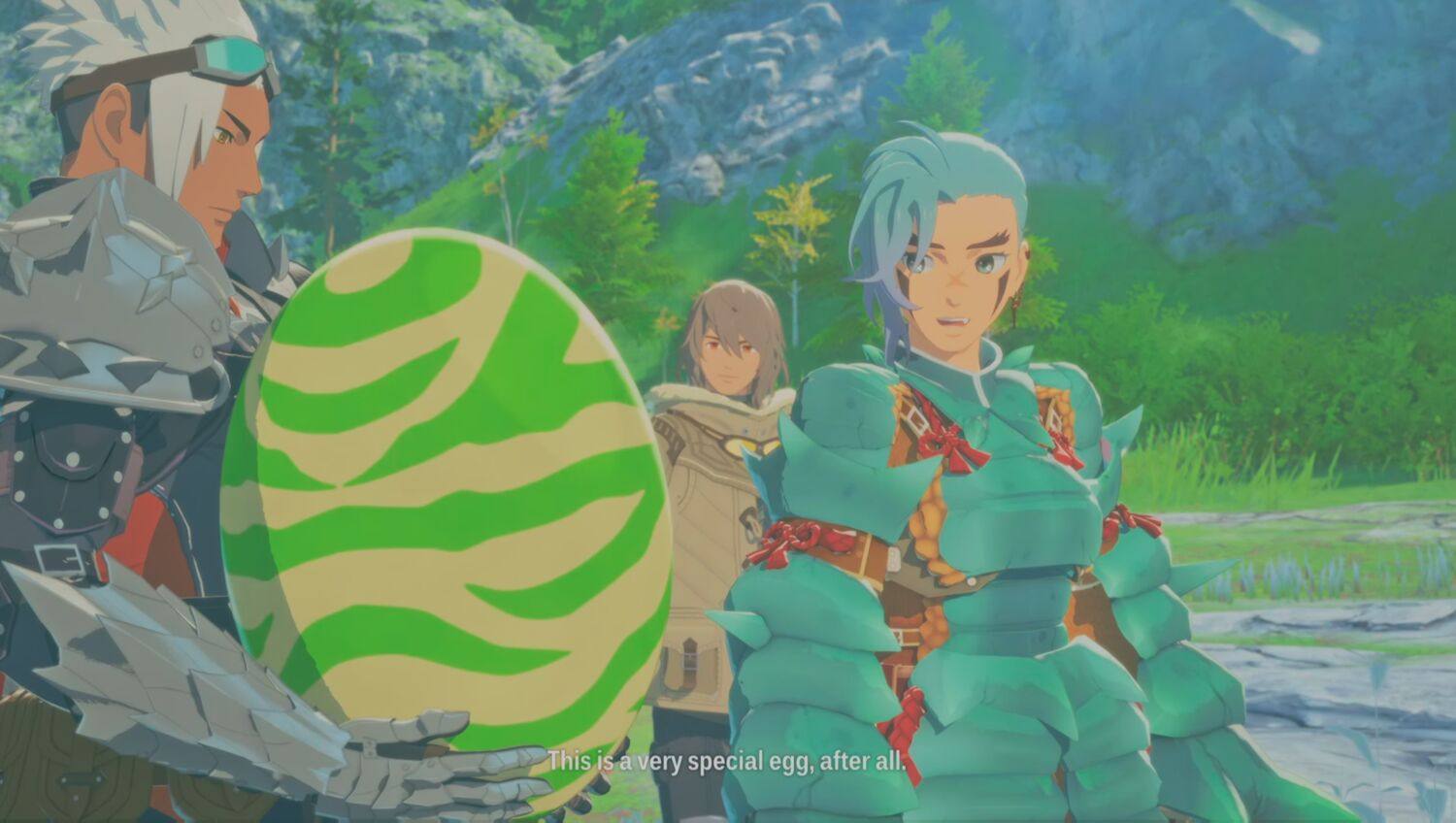
Marking a departure from well-established tradition, last year’s Monster Hunter Wilds introduced a fully-voiced protagonist, and it won’t be the only recent entry to do so. Following in its footsteps is Monster Hunter Stories 3: Twisted Reflection, which ditches series staple Navirou for the new speaking role of a Ranger, as opposed to a Rider.
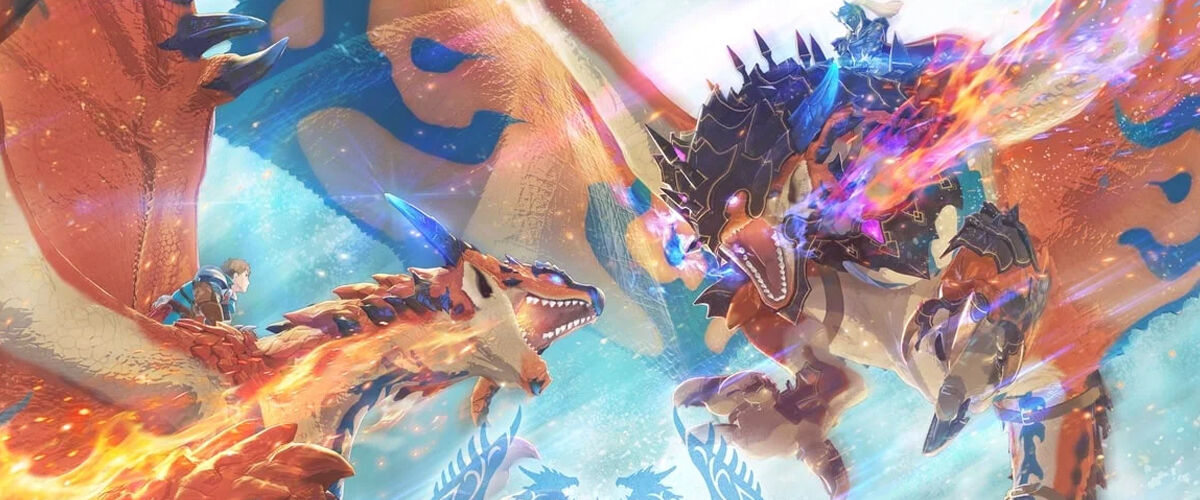
The echoes of influence extend to other parts, including a deeper narrative, a more open world, and a heavier focus on ecology, culminating in the sub-series’ most ambitious undertaking yet. Instead of folding under pressure, however, it soars past expectations in a way Rathalos would approve, with meticulous refinements and fresh elements evoking a sense of charm that was never quite present in its predecessors. Here, the latest adventure packs enough personality to step out from the shadow of its mainline counterpart, even with its flaws.
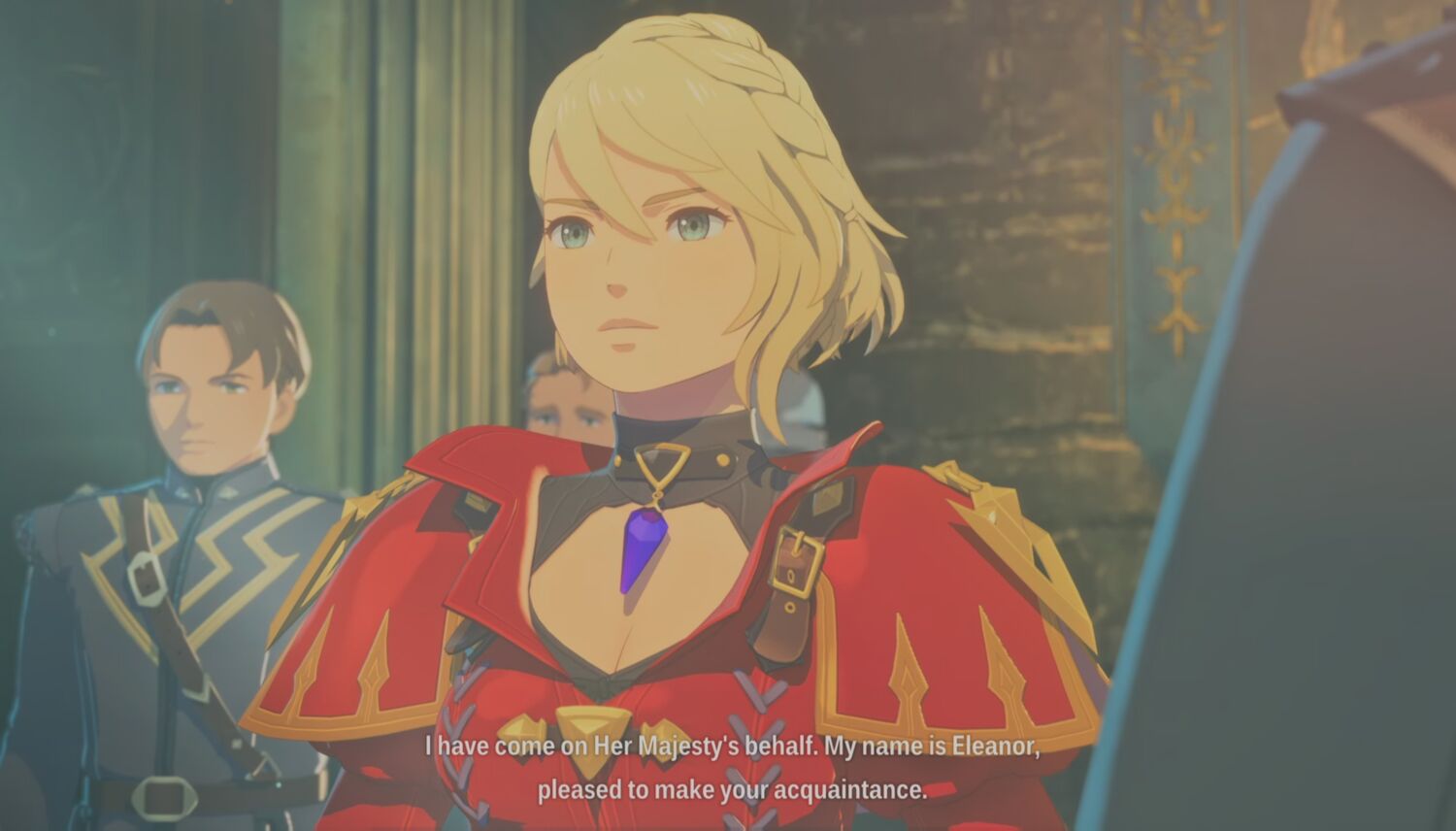
Where the previous two instalments featured a mellow, straightforward premise, it leans into mature storytelling that revolves around war, destruction, and political strife. Players control a Ranger, also the heir to the kingdom of Azuria, who is accompanied by a twin Rathalos that hatched amid an ecological disaster called “Crystal Encroachment” and mounting tensions between Azuria and Vermeil. To combat the threat and improve relations, you team up with Eleanor, the princess of Vermeil, concerned about the motivations of her sister, the Queen, on a truth-seeking journey seemingly centred on the existence of Rathalos, a species thought to be extinct.
But first, an identity needs to be constructed. The character creator returns with sliders for specific features, such as skin tone, eyebrow colour, and cosmetics, albeit without the more elaborate customisation available in some of its RPG contemporaries, including voice variations and individual body adjustments. While there’s also a tab for the protagonist’s childhood look, it only acts as a preview and cannot be changed.
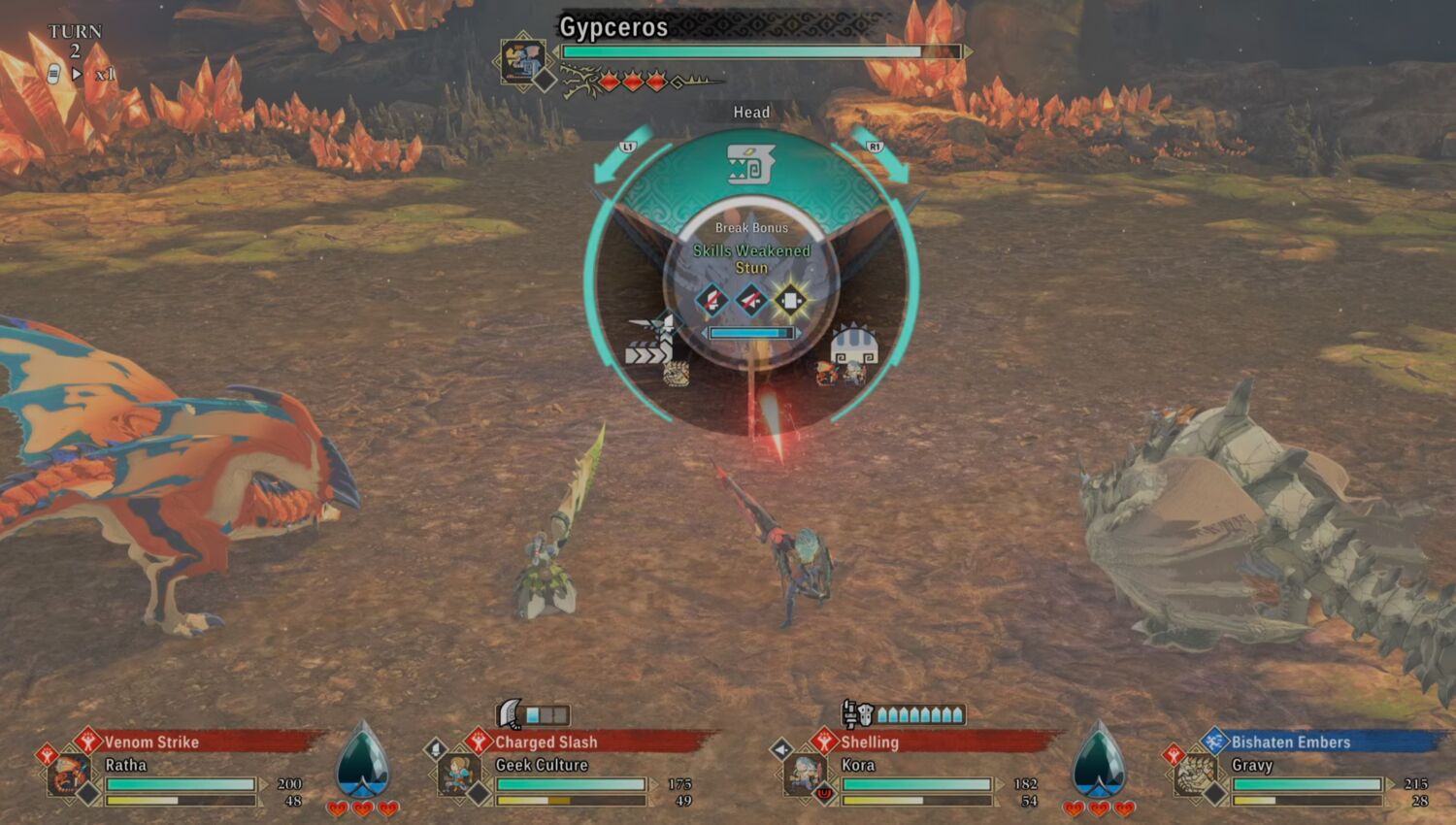
Combat, in comparison, isn’t quite the same beast from before. As mentioned in an earlier preview, Monster Hunter Stories 3: Twisted Reflection retains its signature turn-based gameplay that operates on a rock-paper-scissors framework: Power triumphs over Technical, Technical wins against Speed, and Speed counters Power. When the character targeted by an enemy monster attempts to attack it, a Head-to-Head occurs, with the dominant type coming out on top. If a party member and their Monstie, the friendly critter brought into battle, both use the same attack type while the opponent is aiming at someone else and have the type advantage, they will unleash a Double Attack, preventing the onset of a retaliatory strike.
Likewise, weapons determine the skills and damage types, categorised into slashing, blunt, or piercing, and up to three can be equipped at a time. Cycle between them to exploit monster weaknesses and target or sever parts for crafting gear (this is a Monster Hunter game, after all), limited to six out of the original 14 from the mainline titles: Great Sword, Long Sword, Hammer, Hunting Horn, Bow, and Gunlance. The difference here is that both weapons and armour can now be kitted with Decorations, the game’s version of gem sockets, offering perks that range from passive bonuses and increased elemental resistances to modified attacks.
It adds welcome complexity to a system known previously for its simplicity and repetition, with three new mechanics – the Wyvernsoul Gauge, Synchro Rush, and Feral Monsters – allowing for more tactical depth. Only certain damage types will whittle down the Wyvernsoul Gauge, separate from the health bar, leaving the monster in a staggered state when it’s broken.
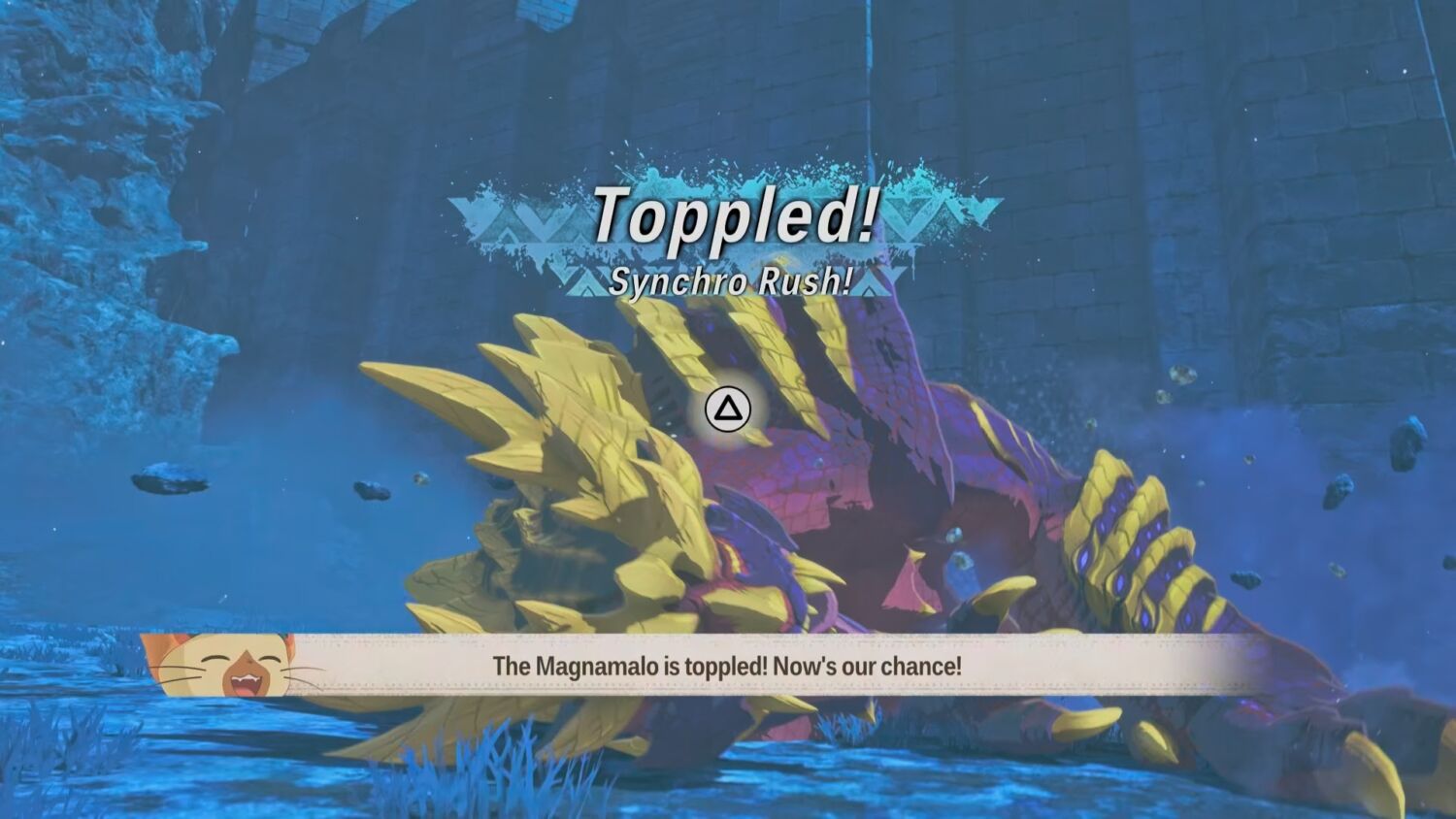
After depleting it completely, a quick-time event (QTE) pops up to trigger a Synchro Rush, where the entire team performs a tag-team assault with devastating damage. Doing so also fills up the Kinship Gauge, required for unleashing Kinship Skills, essentially an ultimate ability of sorts, that can be executed solo or in tandem with the other ally when riding atop their Monsties. The resulting animation – enhanced with flashier, more polished visuals – varies depending on the companion chosen, if it’s a combo attack, or the player’s Monstie, when activated alone, and never fails to deliver a satisfying thrill, especially as a finishing blow.
Then, there are Feral Monsters, which tie back to the overarching narrative of Monster Hunter Stories 3: Twisted Reflection (no spoilers here!). These beasts have crystallised parts called Blightstones on their bodies, and destroying them isn’t as straightforward as hitting hard – alongside unleashing powerful counterattacks, they can change up their attack patterns and enter rage phases that disable weaknesses. The unpredictability keeps players on their toes, rooted in a more robust strategic approach that involves balancing offence with defence, observing the creature’s behaviour, and striking at the right time.
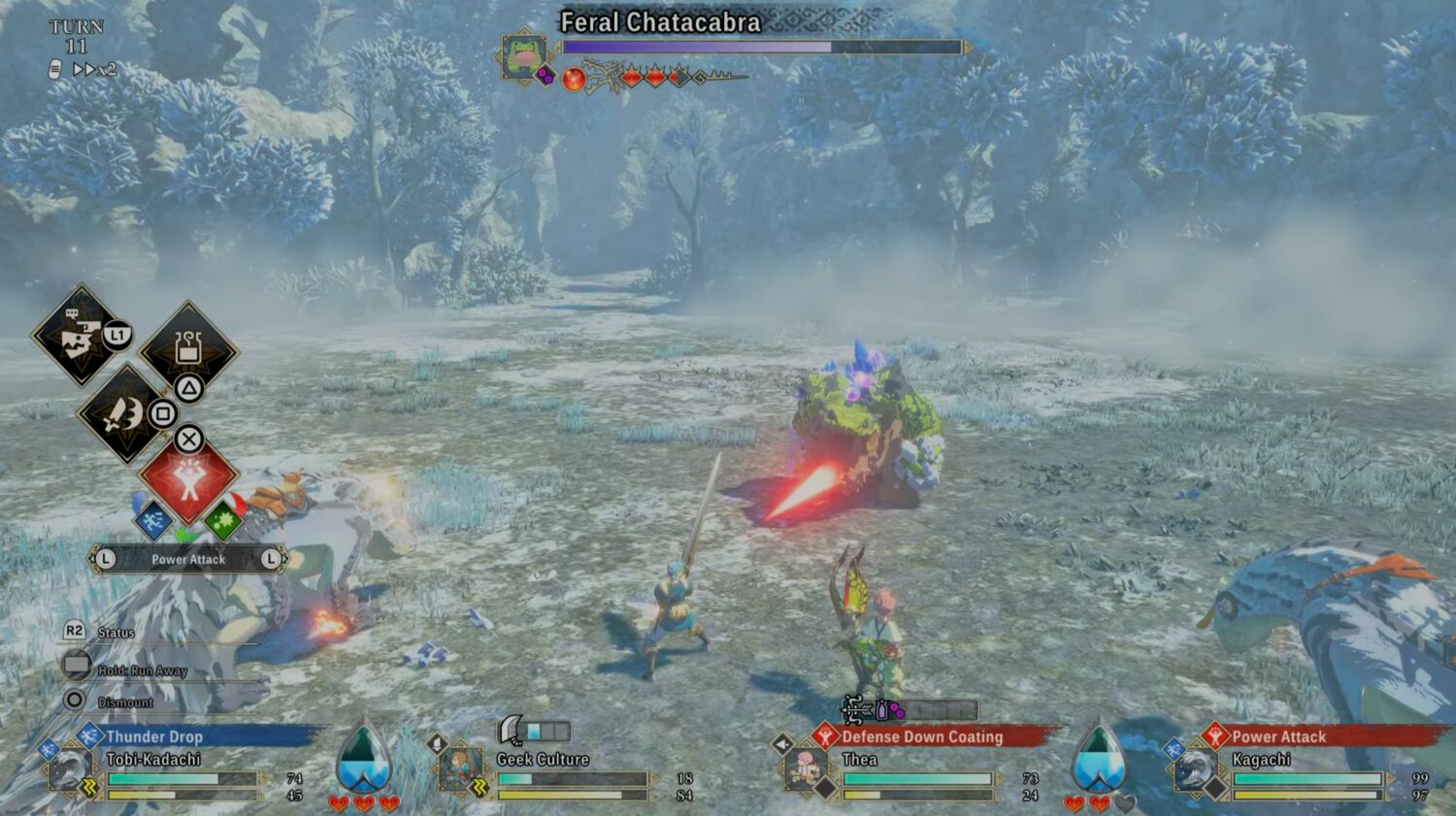
It’s easier said than done, however, and the inability to control AI partners and their Monsties can be an occasional crutch. While mostly intuitive and intelligent, such as knowing when to set a trap or heal up, there are moments of questionable actions, most commonly observed with attacking active Blightstones, causing unnecessary damage to be sustained and, in some cases, the loss of hearts – it’s three-strikes-and-you-are-out for the player and their Monstie. On the bright side, downed companions will now revive after a few rounds.
This becomes a bigger issue in encounters with an assigned ally whom they are not used to, or during the later parts of the game, where there are difficulty spikes, and luck typically plays a role in such circumstances. Even normal critters aren’t as straightforward as they appear, with their stature not always indicative of their attacking styles; previously, Speed-type monsters would have a lean build, while towering, beefy menaces are the default Power-type design. Here, not so much.
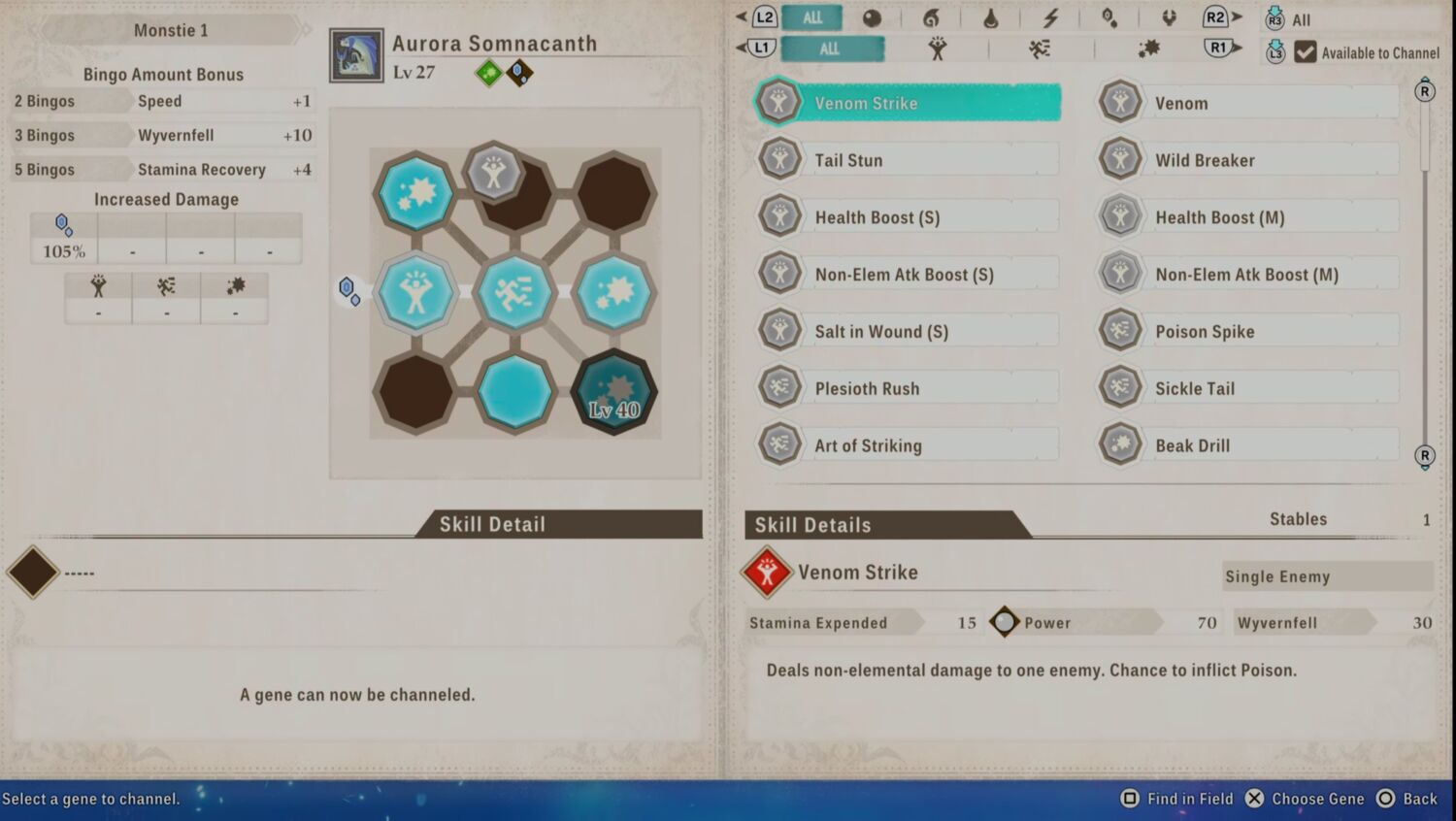
The guesswork, coupled with the intricacies of combat, makes Monster Hunter Stories 3: Twisted Reflection more engaging and spirited than its predecessors, but it may not be the best stepping stone for newcomers, impinging on the initial intention to keep the spin-off series approachable. In fact, there are still tricks in the bag, starting with the Rite of Channeling that encourages combo experimentation.
Marking a return to monster-raising eugenics, it allows genes, which determine a Monstie’s skill, attack, move, and element, to be transferred from one creature to another. The objective is to score an elemental or non-elemental Bingo Bonus by lining them up in a row of three, either vertically, horizontally, or diagonally, and find the ideal loadout for your Monsties to reap the benefits in battle.
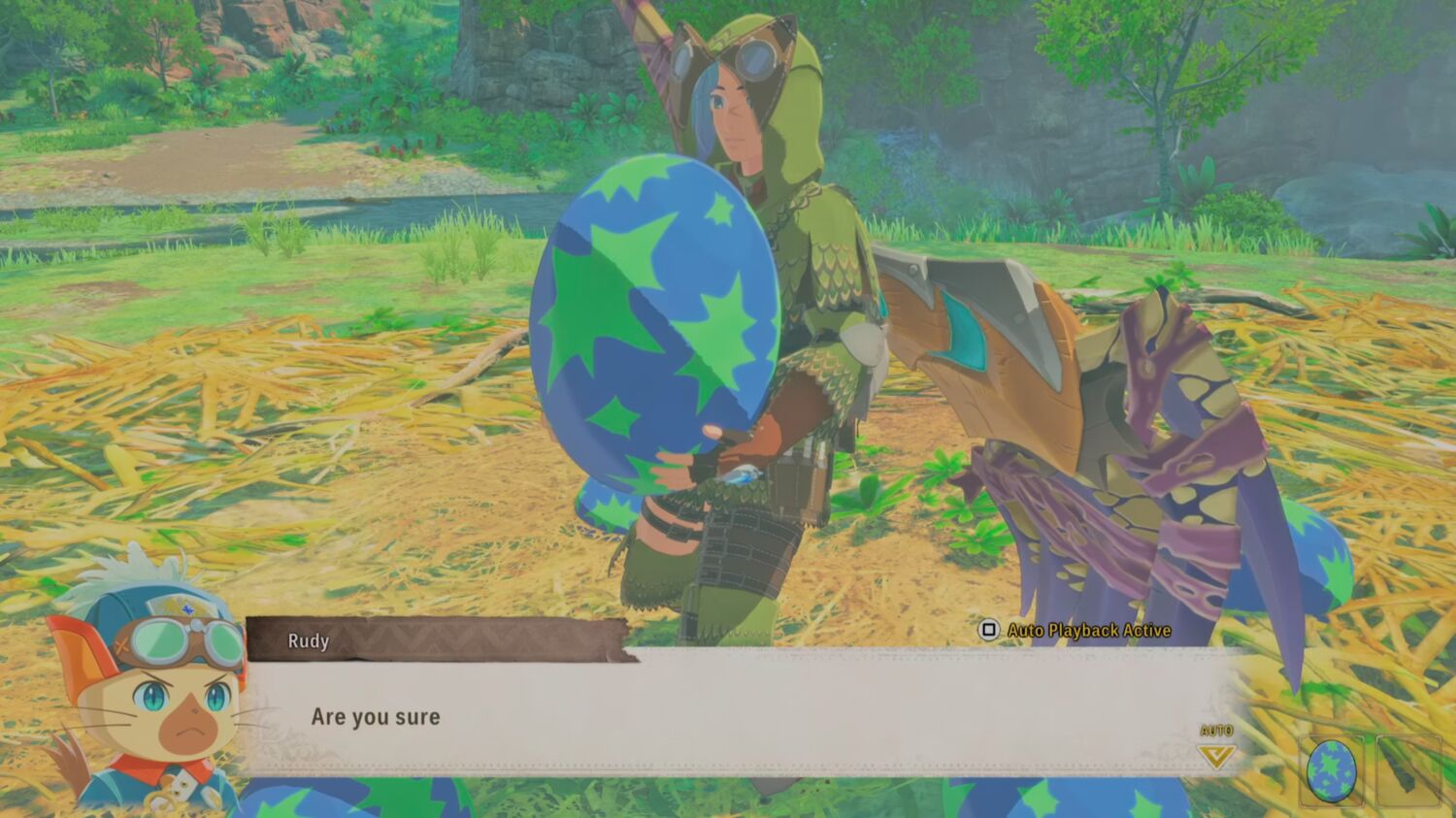
Outside of combat, the gameplay loop remains unchanged. Players still roam the wild to gather Monstie eggs in dens, hatch them, and grow their collection, except the role of a Ranger comes with a new responsibility: Habitat Restoration. It’s an interesting and clever way to introduce dual-element capabilities, unlocked by releasing a critter into regions associated with a particular element. Doing so now adds a second attribute to their original typing, such that Thunder-type monsters can gain Fire or Water-element skills.
Once enough monsters are set free, the area’s Ecosystem Rank will increase, creating mutated variants and enabling new environment skills, special Egg Skills, and improved egg quality. Before all of that, you will first need to drive the highly aggressive, powerful Invasive Monster out of the region and back into its den, and sneak in to steal the endangered egg it was guarding.
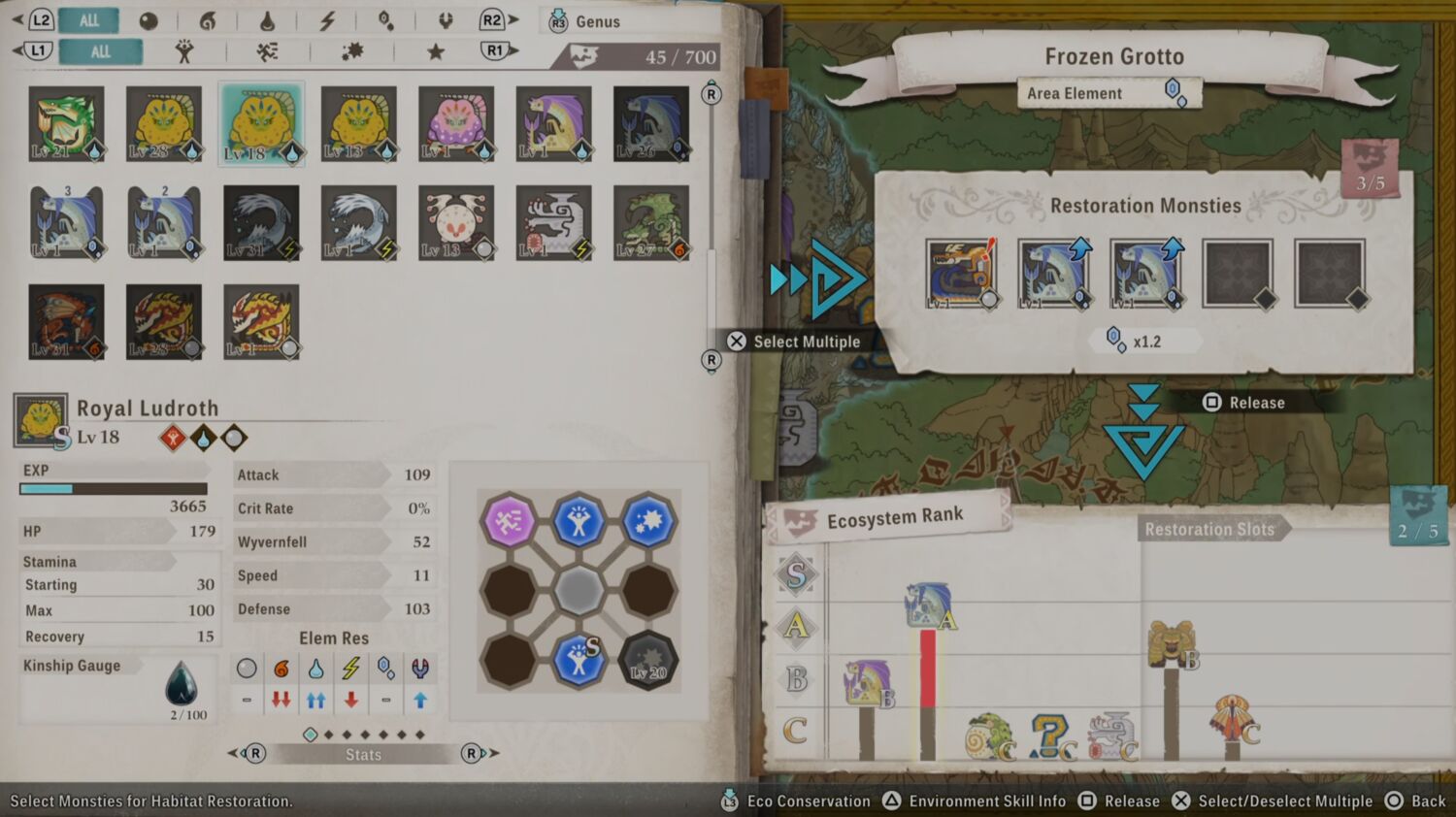
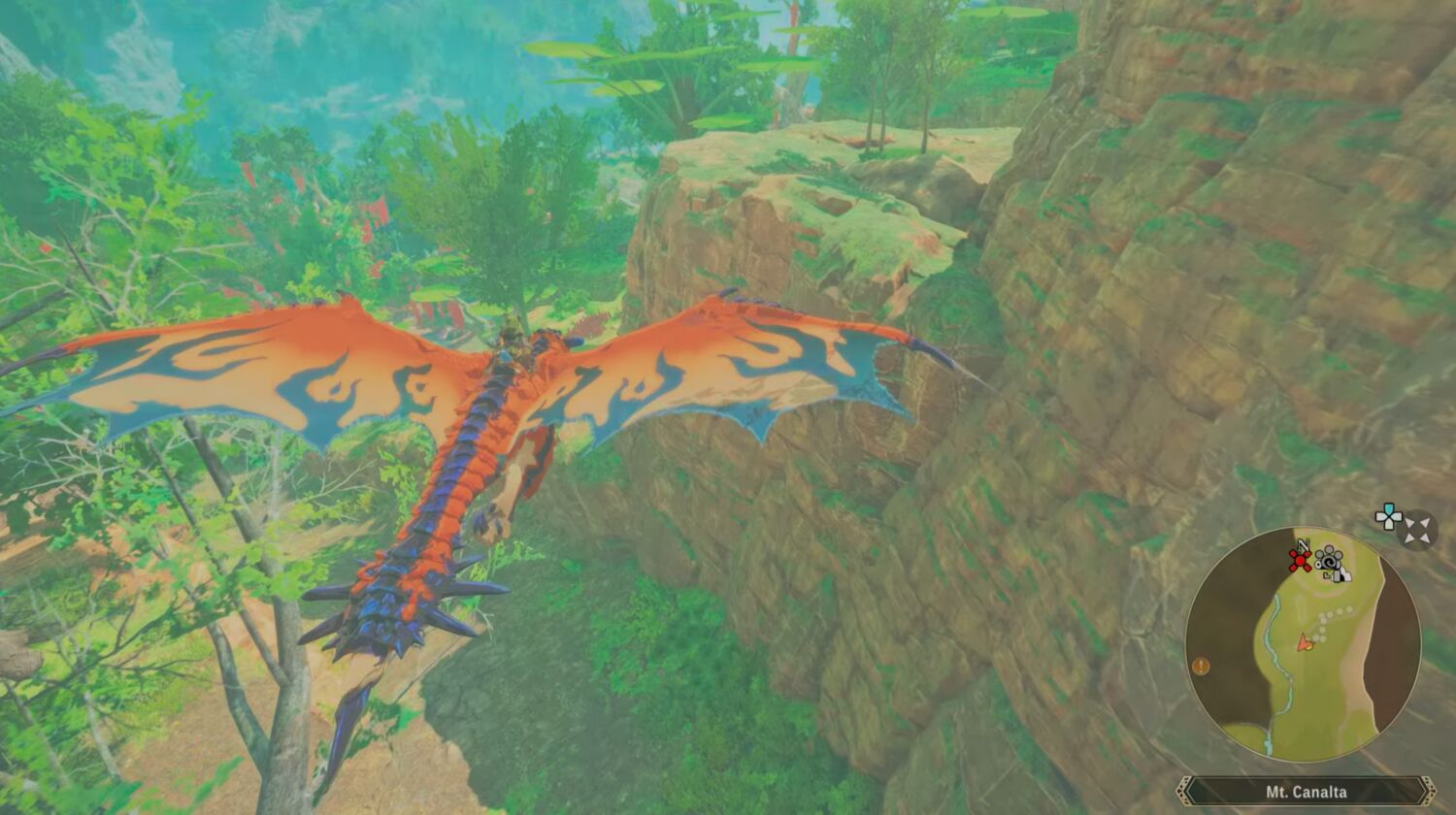
The other major threat would be Calamitous Elder Dragons, but otherwise, the world of Monster Hunter Stories 3: Twisted Reflection brims with familiar bestiary, including the main two Rathalos (Rathaloses? Rathalosi?), the Tobi-Kadachi, the Yian Kut-Ku, and the Brachydios. As Monsties, they offer various traversal options – be it wall-climbing, swimming, or gliding through the air – and can be switched out seamlessly even while mid-air, turning exploration into an enjoyable affair. Their distinctive designs also make enemy identification easy, although smaller critters can be difficult to spot.
In the same vein, each biome is decked out in individual flair. Azuria presents sprawling lush greenery that would feel right at home in Hyrule, of Breath of the Wild fame, while Cataracts is shaped by cliffs, canyons, and verticality. Towns are filled with bustle and give off the impression of being lived in, with the mini-map icons proving handy for navigation – on a two-dimensional plane, that is. Because of its flat topography, finding certain locations on the 3D terrain can be confusing or disorienting, especially when riding updrafts, where the path to higher ground may not be immediately apparent.
The characters, too, stand out in their own ways. Courtesy of the voice work, the protagonist comes across as authentic and human, bringing a layer of self-expression and emotional connection that’s new to the spin-off franchise. Rudy, their trusty Felyne companion, is hotheaded but loyal and caring, with the eclectic personalities of the other Rangers – Simon, Gaul, Thea, Ogden, and Kora – making for dynamic team synergy. Kora, for instance, cuts a cool, reliable figure, while Ogden’s carefree attitude clashes with Gaul’s responsible, stricter sensibilities.
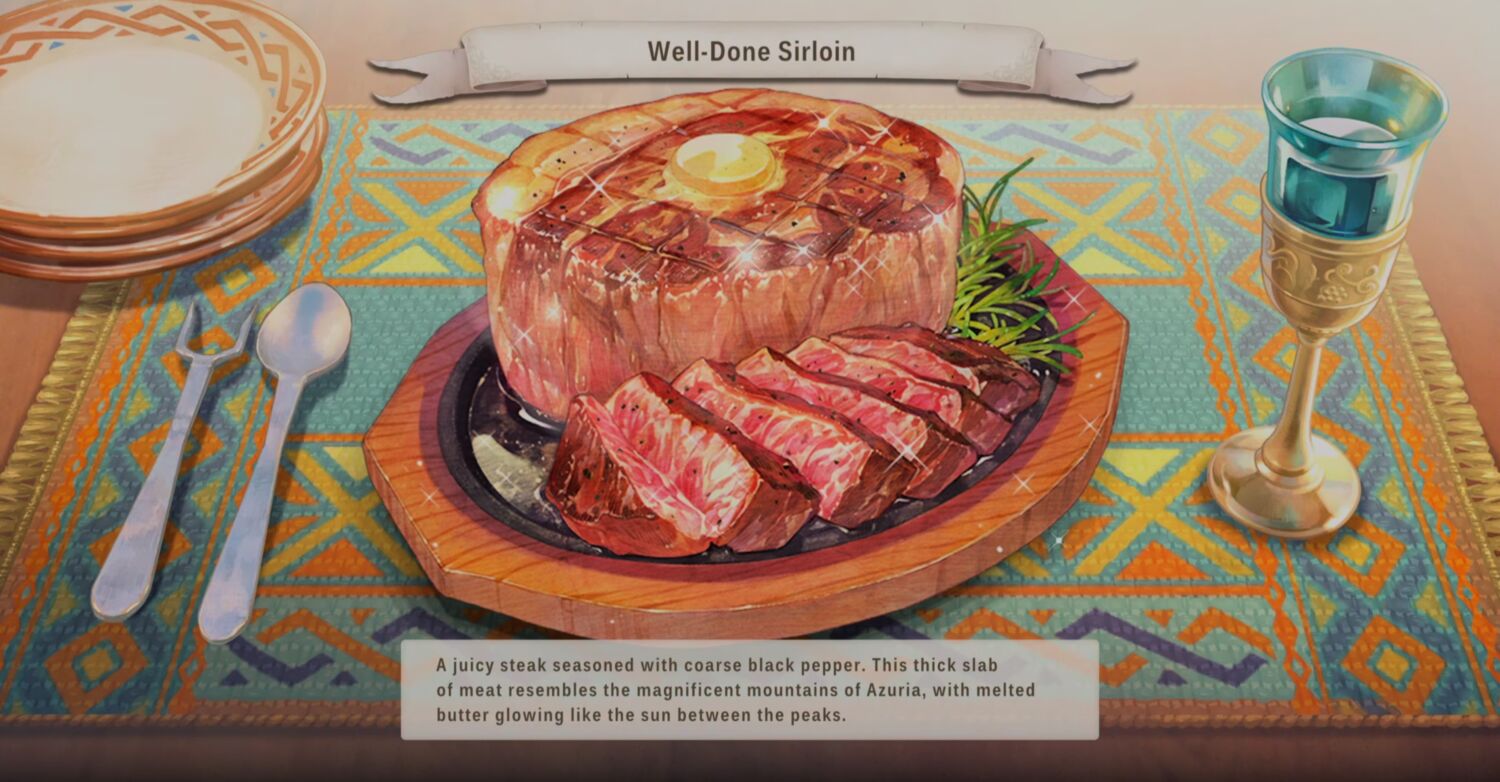
Banter feels organic, and character-specific Side Stories offer deeper insights into their respective motivations and backstories. In Eleanor’s case, completing her individual jaunt unlocks a new recipe and a flashy animation for a Monster Hunter staple: cooking dishes, which grants temporary stat boosts and passive buffs. Although this means players are likely in for the practical benefits, the emphasis on companion bonds is a nice touch, playing into the power-of-friendship trope often associated with anime.
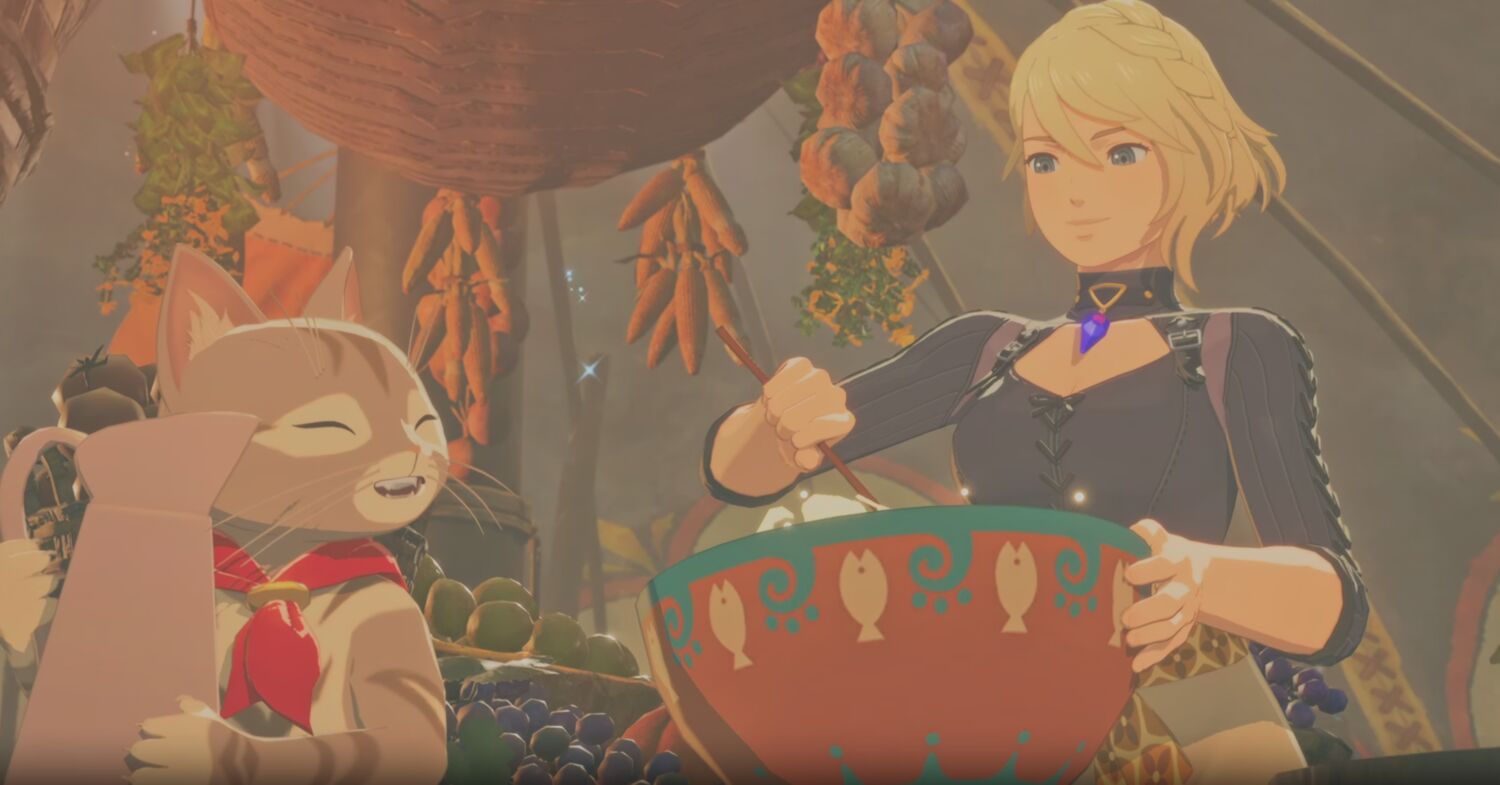
Indeed, Monster Hunter Stories 3: Twisted Reflection bears strong traces of the genre’s influence. Animated cutscenes unfold in dramatic strokes, and the epic, sweeping action accentuates the power fantasy-esque thrill of being a hero. The anime stylings are accompanied by a cel-shaded touch, marking a visual leap from its predecessor and a possibly jarring change-up for those used to the photorealistic graphics of the mainline entries.
Again, the character quests are a welcome addition; what’s not is how they are designed. Once started, they lock players out from the main story until completion, which will affect progression if the players are stuck. Unlike the usual Side Stories, the specifics of these outings aren’t recorded in the journal, making it difficult to recall or trace back on previously mentioned content, especially if not done in a single sitting.
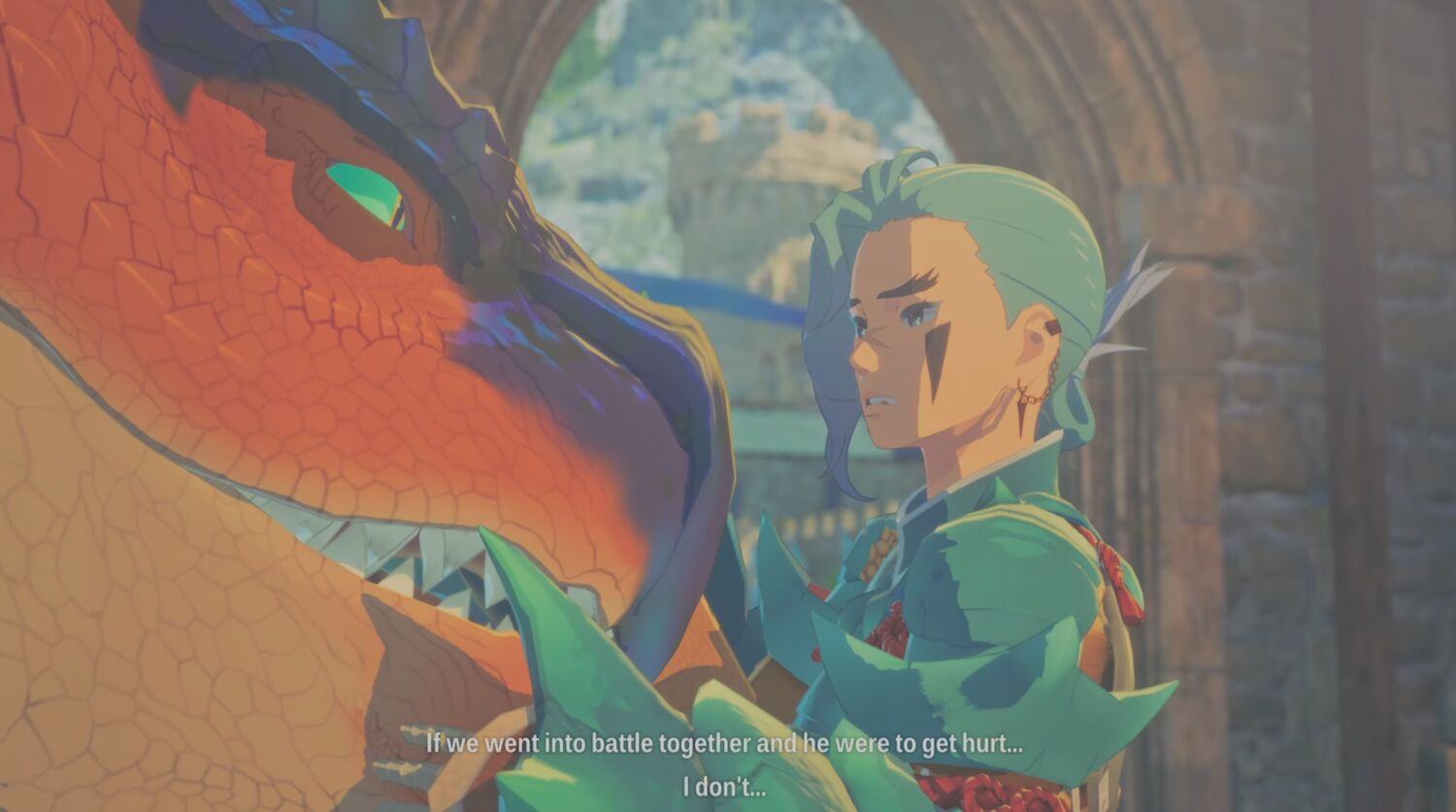
And while the overarching plot has its cliché moments and emotional displays underscored by the glossing over of certain major events, it oozes heartfelt sincerity. The pivot to more mature, resonant storytelling proves effective in exploring the camaraderie between both humans and monsters – the heart of the larger franchise – with the enhanced visuals, fluid navigation, and gameplay tweaks elevating its presence to new heights. Monster Hunter Stories 3: Twisted Reflection may not carry as much weight as its tentpole counterpart, but that doesn’t make it any less of a delight.
GEEK REVIEW SCORE
Summary
Third time’s the charm. Building on the best parts of its identity, Monster Hunter Stories 3: Twisted Reflection is ambition done right, blowing expectations out of the water and showing that, sometimes, fortune favours the bold.
Overall
8.5/10-
Story - 7.5/10
7.5/10
-
Gameplay - 8.5/10
8.5/10
-
Presentation - 9/10
9/10
-
Value - 9/10
9/10
-
Geek Satisfaction - 8.5/10
8.5/10
Si Jia is a casual geek at heart – or as casual as someone with Sephiroth’s theme on her Spotify playlist can get. A fan of movies, games, and Japanese culture, Si Jia’s greatest weakness is the Steam Summer Sale. Or any Steam sale, really.
 Kevin Low