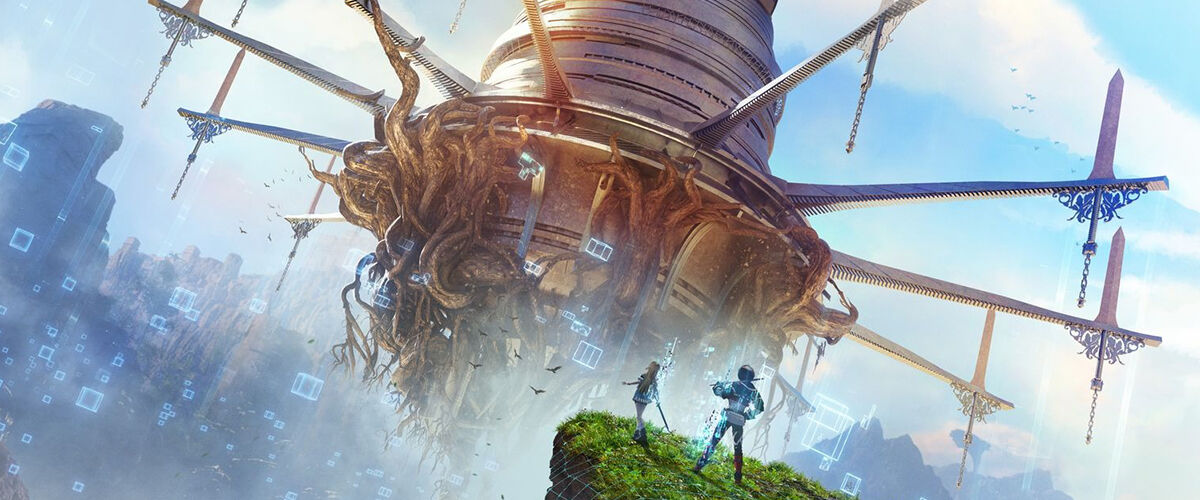
Anyone with experience watching anime or reading manga will undoubtedly be familiar with the Isekai genre. Meaning “another world” in Japanese, this subgenre revolves around the protagonist being transported or trapped in a parallel universe, usually in the form of a fantasy realm, or, in most cases, being sucked into the world of a video game. A prime example is Sword Art Online, a 2002 Japanese light novel series written by Reki Kawahara that has since exploded in popularity, spawning anime, manga and video games of this virtual realm.
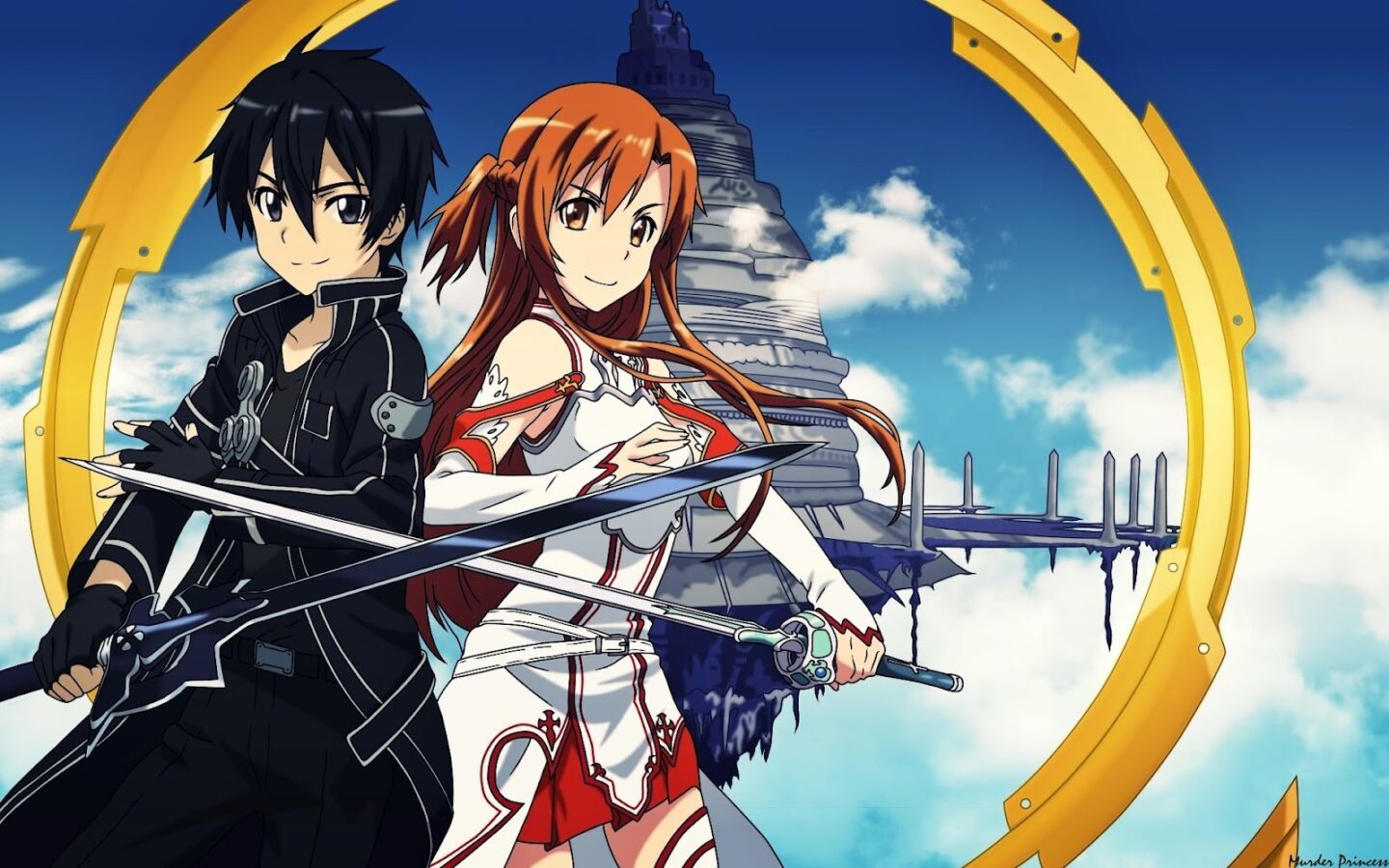
As its name suggests, Sword Art Online is centred on protagonists Kazuto “Kirito” Kirigaya and Asuna Yuuki, two players of an in-universe virtual reality massively multiplayer online role-playing game (VRMMORPG) called Sword Art Online (SAO), a title played wearing a NerveGear, a helmet that stimulates a user’s brain function to let them control their characters with their minds.
What was initially meant to be a fun experience turns into a life-threatening ordeal when 10,000 players, the protagonists included, get trapped within cyberspace and told to beat all 100 floors of Aincrad, a massive steel castle and setting of the game. To make matters worse, if a player dies in-game or has their NerveGear removed in the real world, they die in real life too.
With the massive popularity of the light novel – which has run for 28 volumes to date and spawned a three-season anime series in 2012 – alongside the more literal representation of the video game Isekai genre compared to its contemporaries, it’s no surprise that it has also been adapted into an eponymous game franchise, a rather large one at that, which spans 20 mainline titles and spin-offs since 2013.
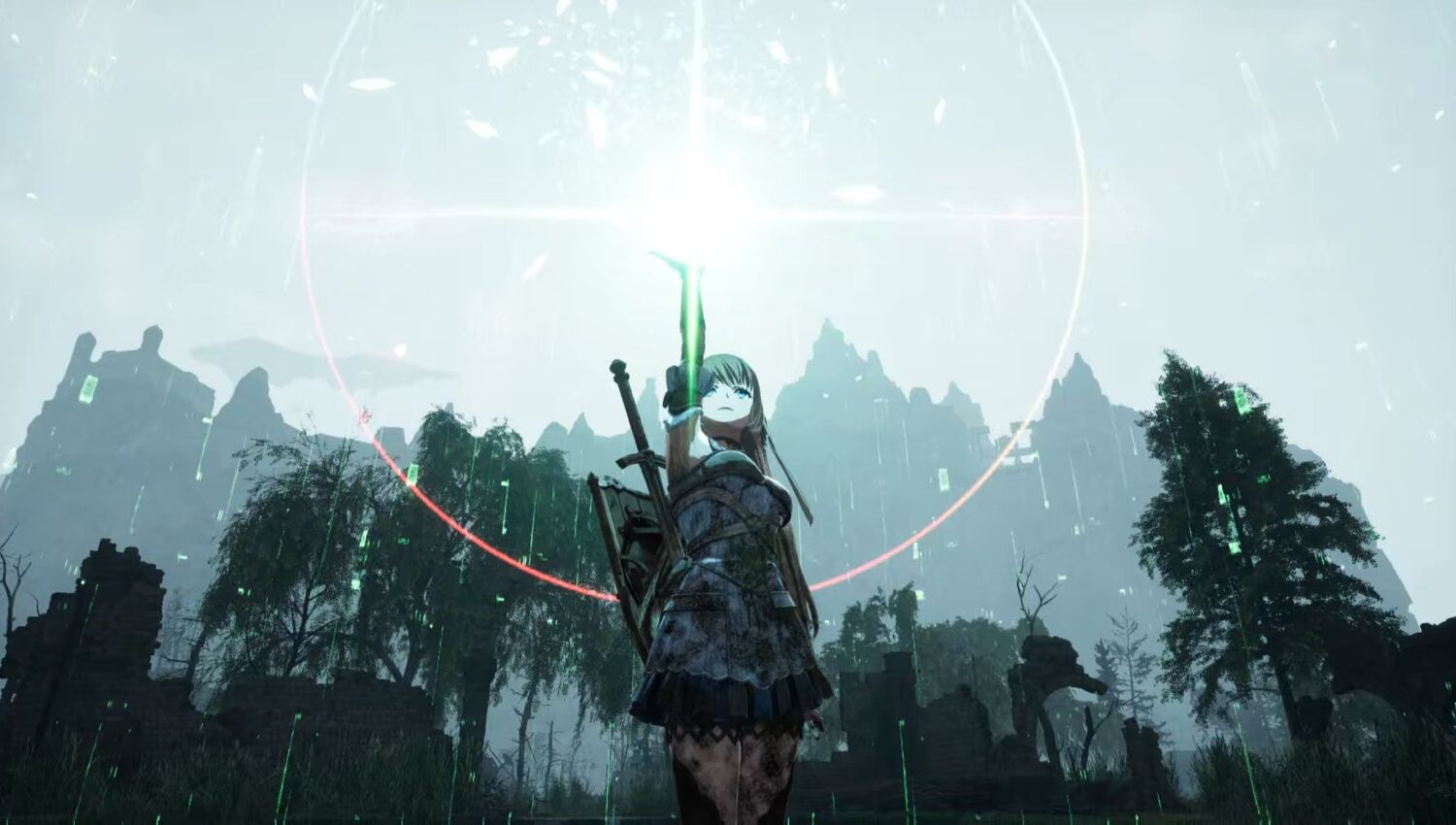
Due to the nature of its name, the Sword Art Online gaming franchise also ends up being one of gaming’s most misleading titles for those unfamiliar with the anime, as unlike its name suggests, almost all titles in the SAO franchise are single-player experiences, with the series known for instead simulating an “online” MMORPG (Massively Multiplayer Online Role-Playing Game) experience with NPCs. And while the gaming franchise usually focuses on adapting the later parts of the novel or providing an alternate reality for an original storyline, it’s now heading back to where it all began with the upcoming single-player action RPG spin-off, Echoes of Aincrad.
As per its namesake, Echoes of Aincrad follows the Aincrad Arc, the debut story arc of the SAO series covered by the first two light novels and the first 14 episodes of the anime, allowing players to re-experience the origins of the franchise in a playable format.
Like many SAO games that came before, players won’t relive the tale directly from the eyes of Kirito or Asuna, instead witnessing it from the perspective of their own customisable character. The familiar hack-and-slash action of the franchise also returns, just with a few notable changes in tow, something we were able to get a sneak peek at during an hour-long hands-on preview session with the game.
With a literal video game world being the setting of Echoes of Aincrad, players can expect all the MMORPG staples here, such as chatting with other “players”, accepting jobs, combating foes and upgrading their equipment and abilities, all “experienced” in a simulated online world as there aren’t actually other players existing in the same space, just NPCs meant to simulate the role.
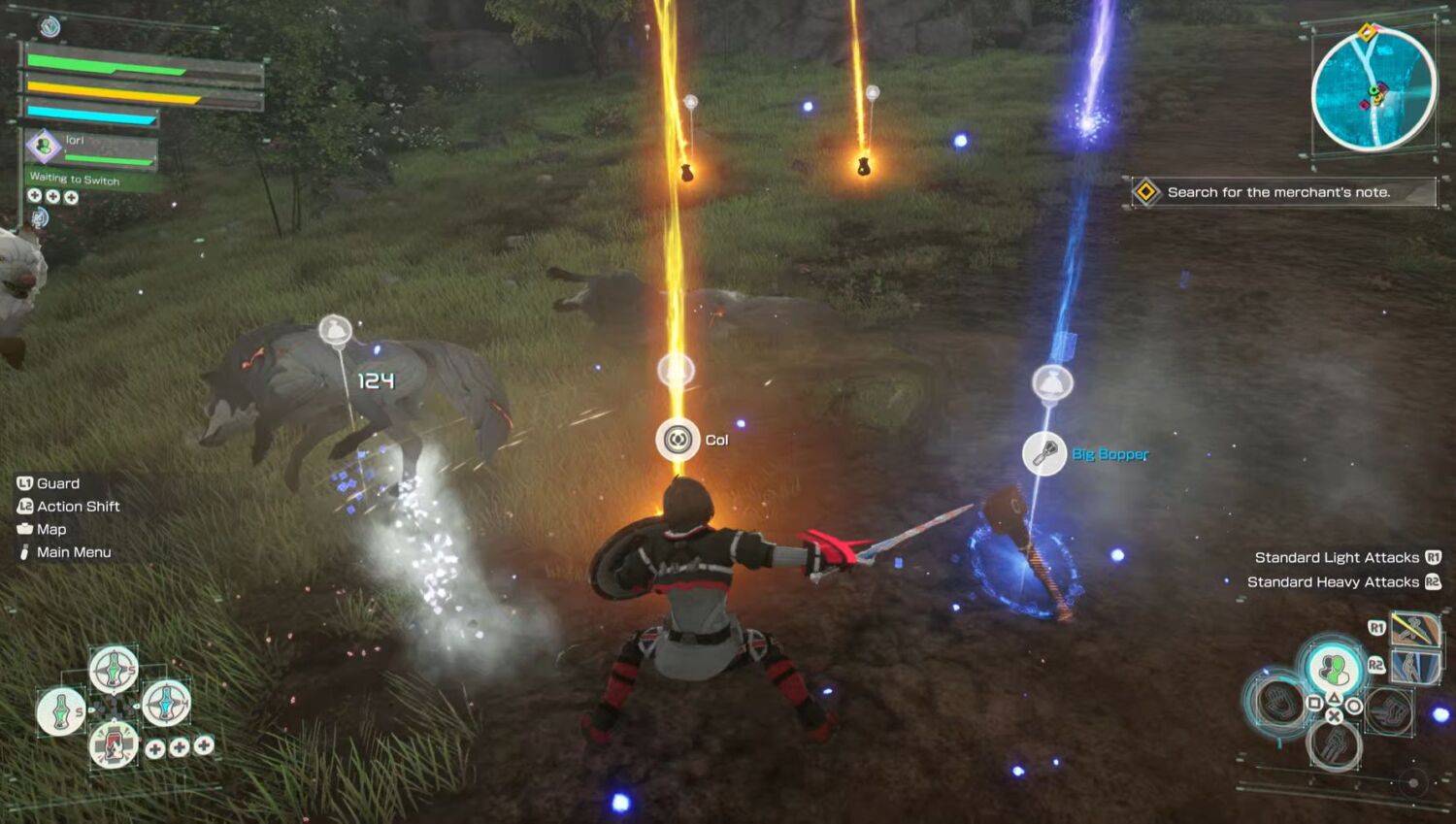
Although we weren’t able to see how comprehensive the title’s social simulation systems would be, the combat-focused nature of the preview meant it gave us a better understanding of how battles would play out. While the underlying gameplay systems of past SAO games remain intact, Echoes of Aincrad adds a notably more tactical layer to combat with the addition of a stamina bar and multiple timing-based systems, in a move that seems to mirror that of Soulslike titles.
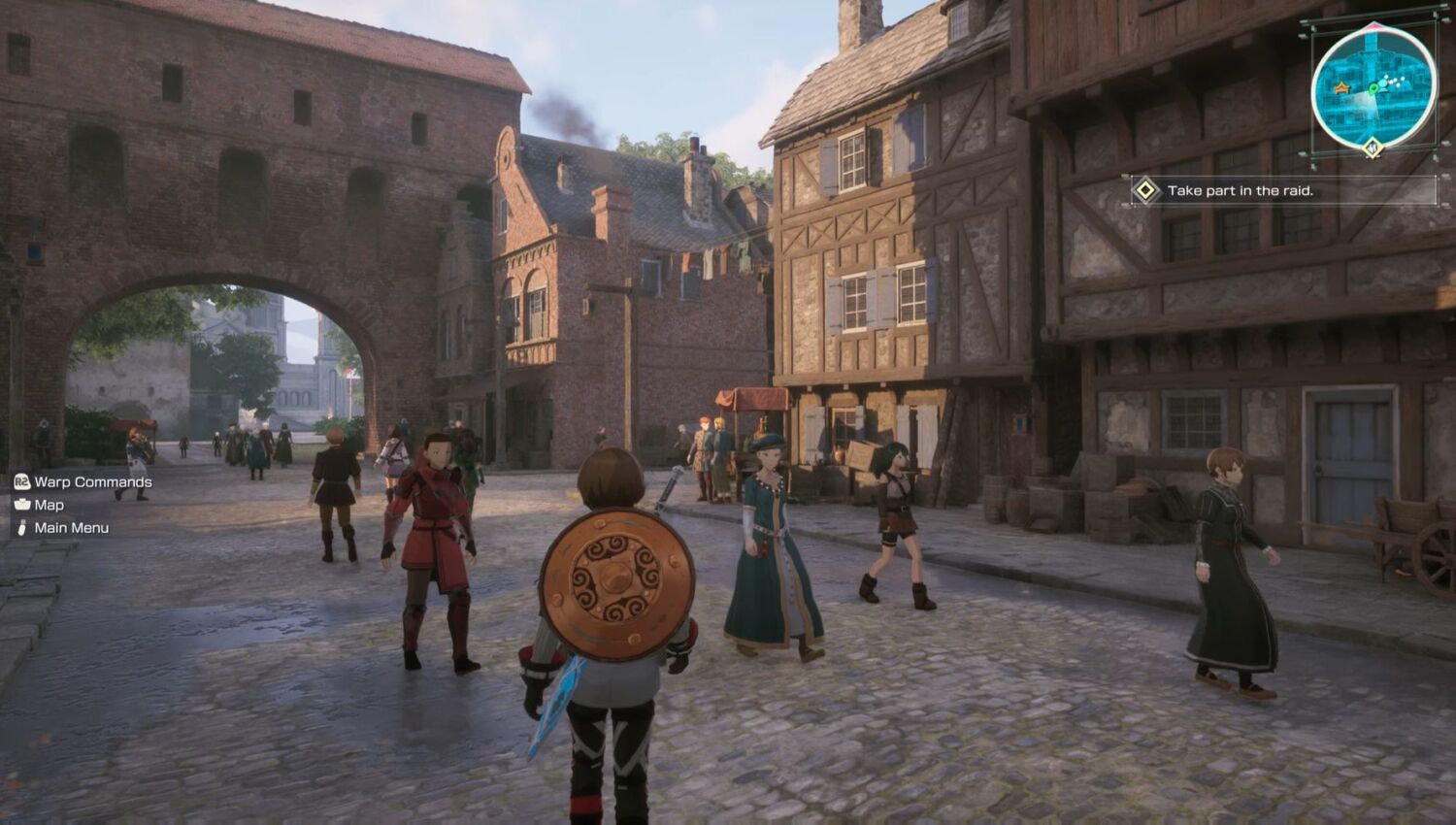
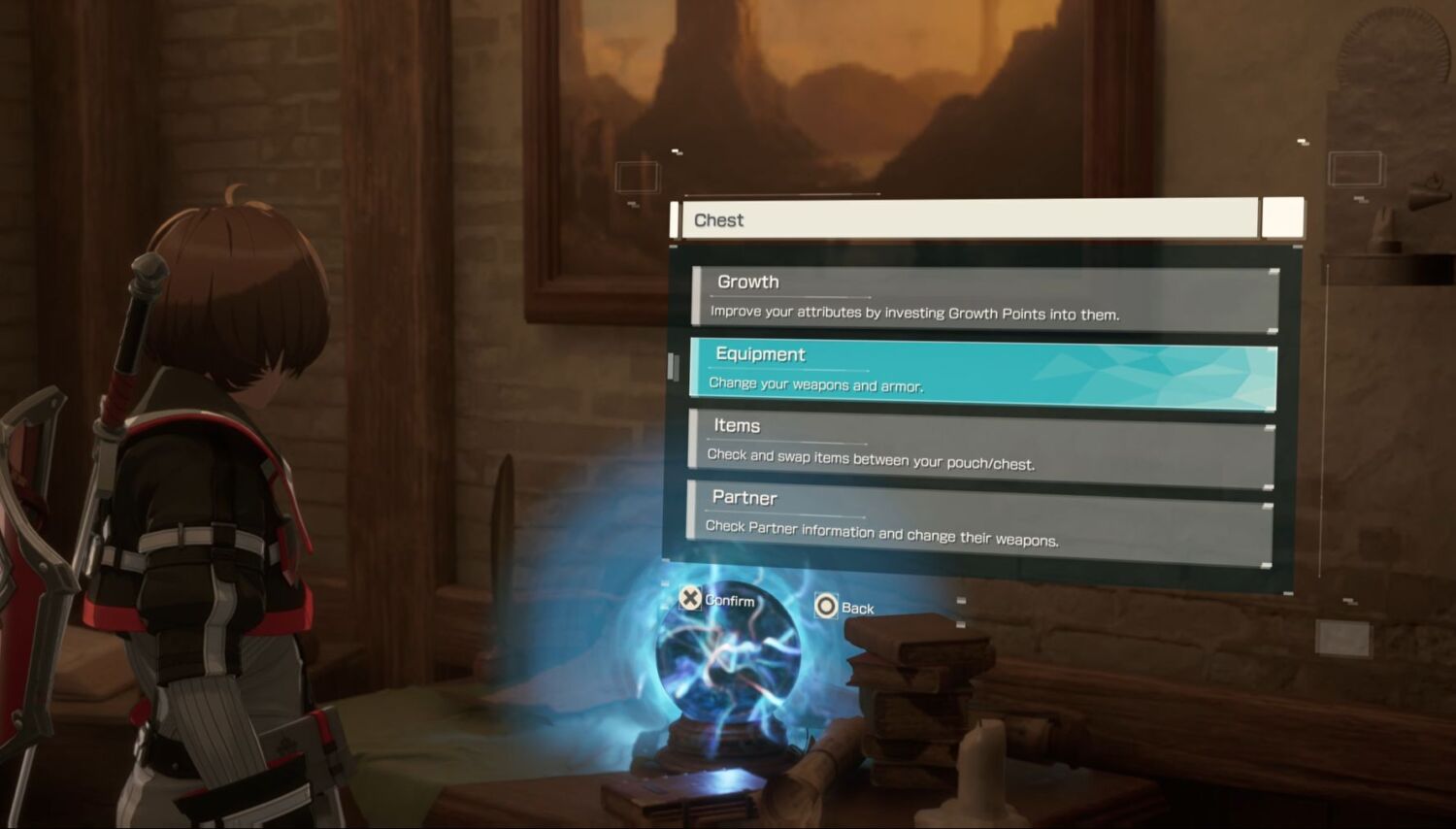
Like the standard MMORPG affair, the game is split into two main locales – hub areas and battle mission zones. While in hub areas, players can accept quests and gear up in preparation for them, either by levelling up their character’s stats or purchasing and crafting new gear to equip. In the preview build, we were given access to a choice between six types of weapons – swords, daggers, maces, and rapiers, as well as two-handed swords and two-handed axes, with the one-handed armaments able to be simultaneously equipped with a shield.
For defence, players can also equip a variety of armour pieces, each with their own stats and sometimes special traits. While hubs are similar to what most MMORPG players expect, Echoes of Aincrad does include a neat accessibility feature that allows players to quickly warp to set landmarks on the map with a press of a button, which helps to reduce downtime and having to manually run from place to place.
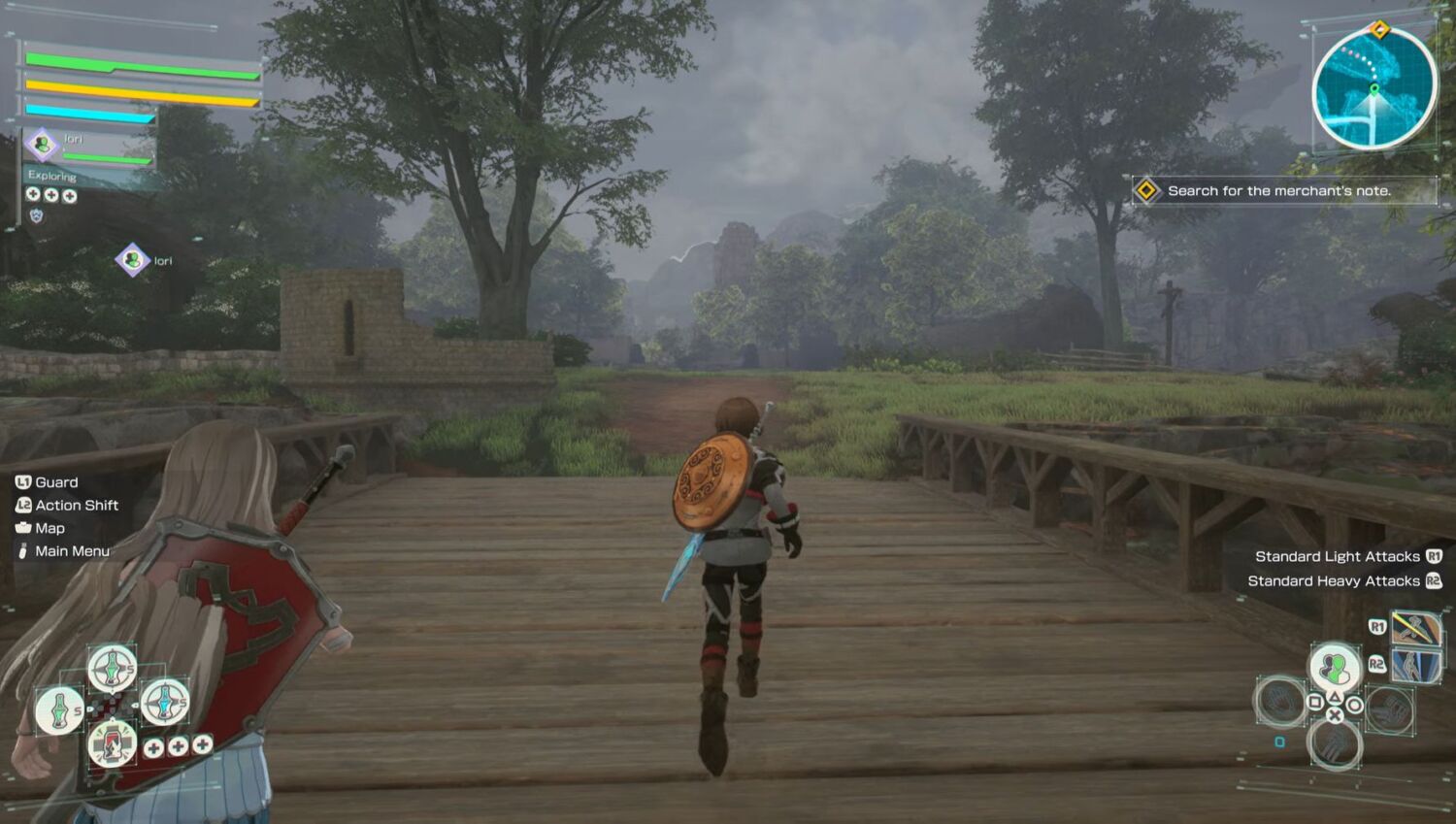
Once players accept a quest, they can immediately warp to its associated mission area, and in the case of the preview, this was a side mission with the task to find a missing merchant’s log. Missions in the game can take place in two types of areas, within the “Overworld” and inside “Dungeons”, with the preview’s side quest taking place in the former, a substantially sized area consisting of grasslands and swamps.
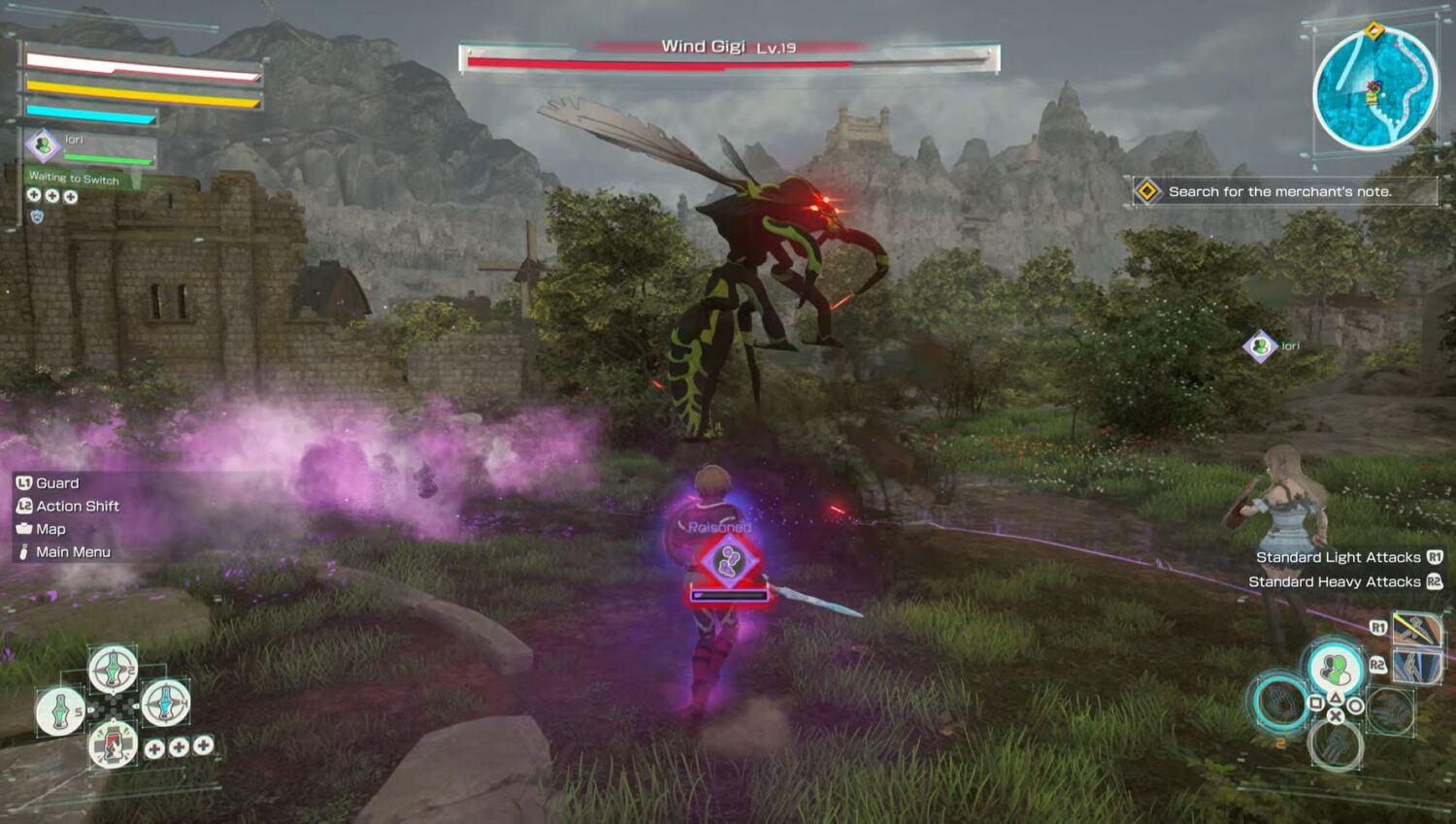
Once spawned into the mission area, players are free to approach their objective at their own pace, and in this instance, it was on the opposite end of the map from the spawn point. Navigating towards the objective isn’t always a straight path, however, as the game features certain barriers that block a player’s approach unless they perform a specific action, such as using fire-based throwable equipment to clear brambles, clearing out an area of enemies to bring down a barrier, or possessing a specific item that enables them to fly across large gaps.
Like most RPG titles, players will also encounter foes at every step of the way, which gave us ample opportunity to get a better feel of moment-to-moment combat. At its core, Echoes of Aincrad feels largely similar to most third-person action RPGs, with separate buttons for light and heavy attacks, alongside the ability to block or dodge. Each weapon also has dedicated weapon skills, with players being able to unlock around 10 skills per weapon over the course of the game, although they can only equip two at a time, each bound to either the right trigger or bumper.
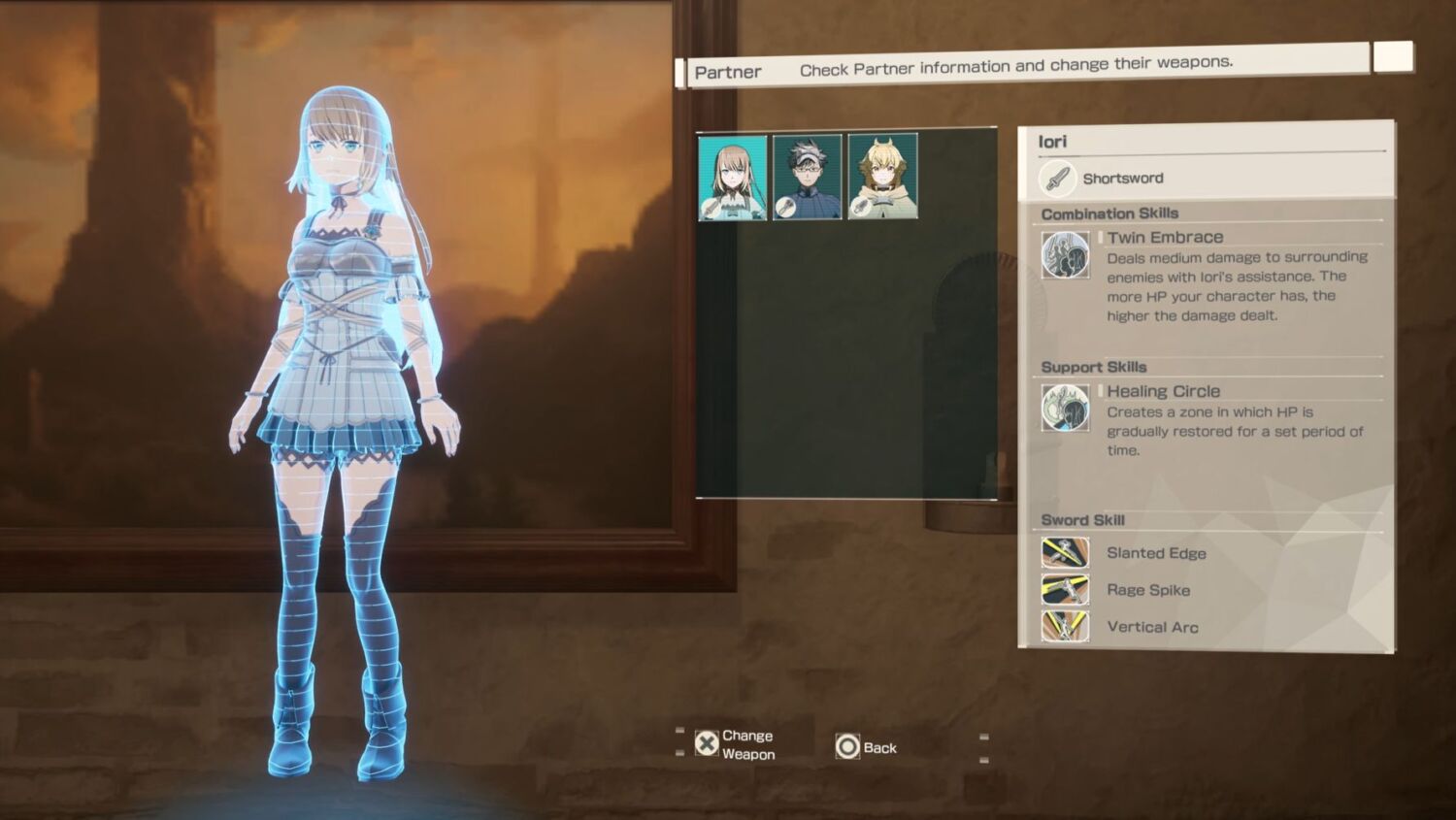
Where Echoes of Aincrad sets itself apart compared to its RPG contemporaries is in its companion system. Before embarking on a quest, players can choose which companion to bring along with them, with the preview build providing three options. Lori is a healer-type character who can cast a healing aura at a set location, while Zash is a support class who can boost a player’s attack while also setting up a protective barrier. Finally, there is Argo, a scout-type character who can analyse and locate enemies and chests even behind walls.
A companion’s use extends past just their special skills, however, as they can also switch between different modes at the press of a button during combat, a support mode where they stick closely to a player, and an attack mode where they unleash their full combat prowess on a foe. The latter only lasts temporarily, however, so a player needs to manage when is the best time to use it to either gain the upper hand or get them out of tight spots.
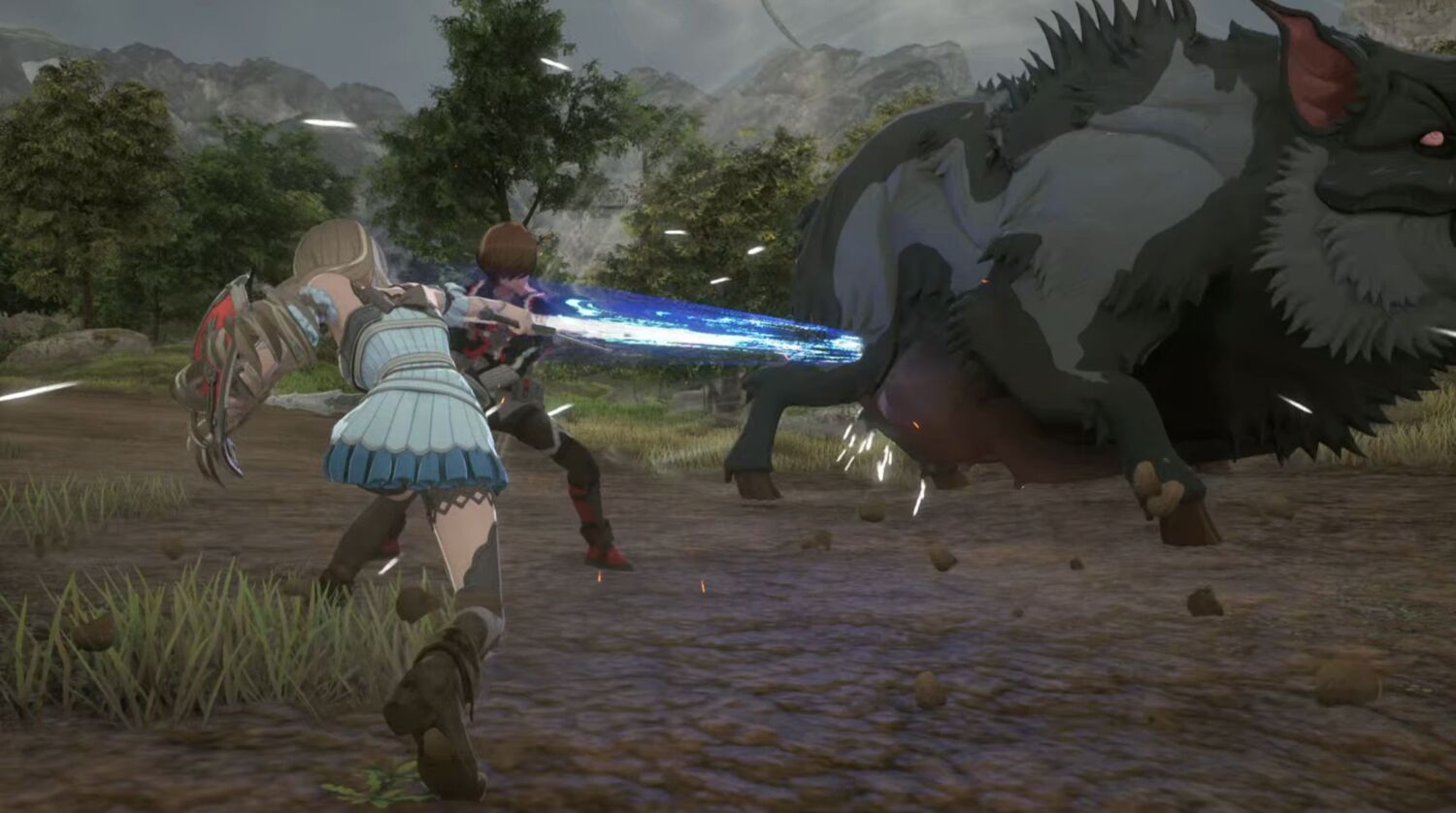
Rounding off the combat systems is Echoes of Aincrad’s timing-based mechanics. Blocking or dodging at the last possible moment allows players to perform a Parry Slash or Dodge Slash, respectively, which sees both the player and their companion perform a team-up attack that hits back with massive damage. In addition, certain enemy attacks will also cause a blue ring indicator to appear for a split second, and if the player is able to press a button in time, they can also perform a Reversal Slash to negate the attack and deal damage.
While these systems certainly add an interesting tactical layer to combat on paper, it was clear from the preview build that the title still needs a lot more time in the oven for combat to feel as slick as it should be. The timing windows for each of the three reversal-type attacks are painfully strict, with most attempts ending up being just a basic block or dodge, with the biggest offender being the aforementioned Reversal Slash. Its timing window was far too brief, meaning players are better off just blocking or rolling out of the way than trying their luck to hit the perfect timing, as missing it leaves them wide open to attacks.
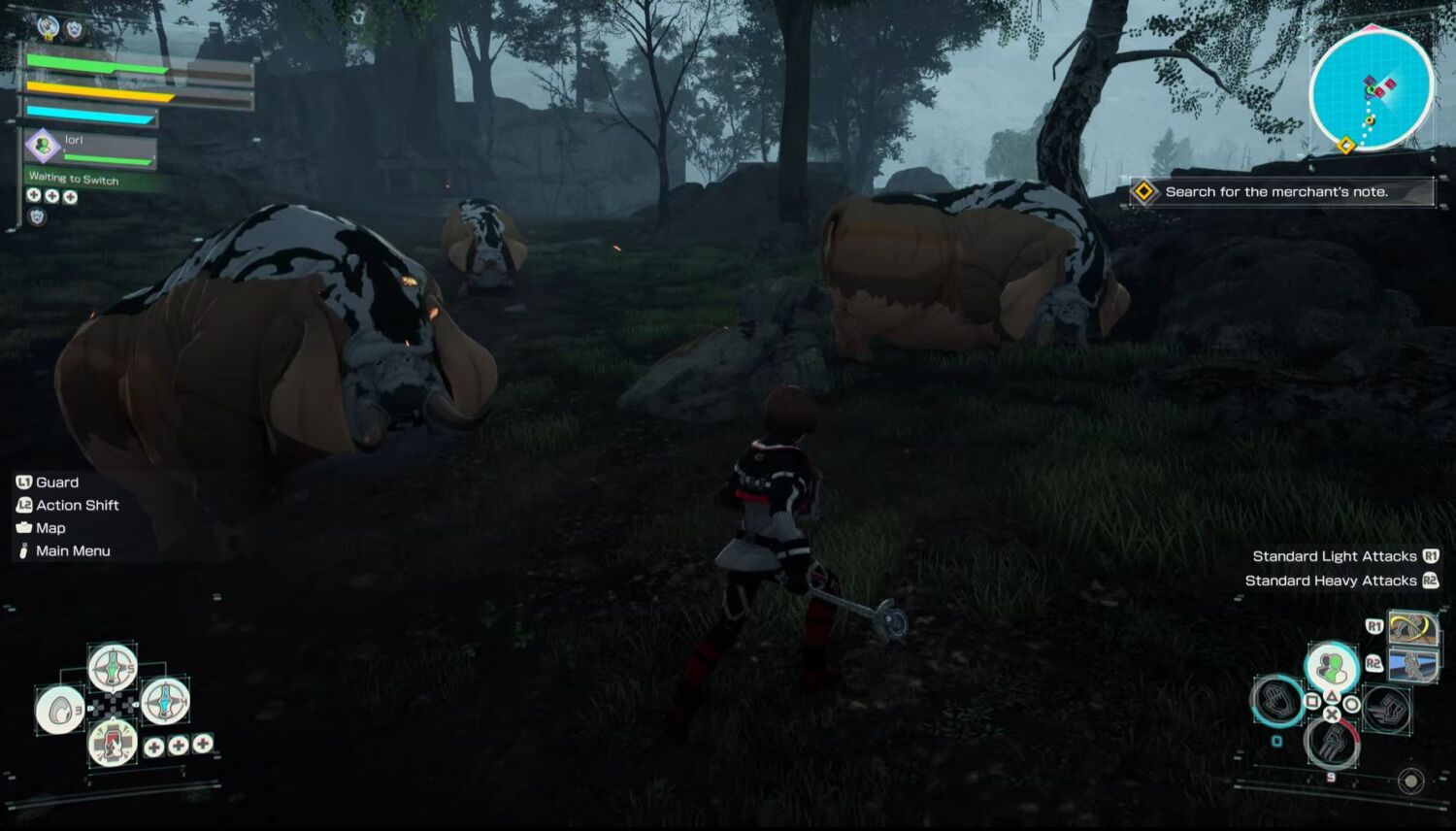
And then there were the questionable gameplay systems set in place, most notably the new stamina system. Every action taken in combat now drains a percentage of a player’s stamina bar, which does make sense as combat appears to be designed to be more methodical this time around. The issue here is that, unlike the various Soulslike titles Echoes of Aincrad’s combat system is clearly taking inspiration from, which usually pits players against a handful of opponents at once, is that players are constantly facing large groups of four to five foes at once.
In essence, combat encounters in Echoes of Aincrad feel like the standard hack-and-slash ones seen in most RPGs, just with a Soulslike system tacked on, and in its current form, it simply doesn’t work. Slower-paced, stamina-based combat demands that a player carefully assess their positioning and read enemy attack patterns to counter each foe, and this is simply not possible when they are swarmed with foes from all sides. Fortunately, enemy damage isn’t punishing to the extent that death comes with only a few hits, and so while combat encounters were still manageable, it is an incredibly frustrating experience.
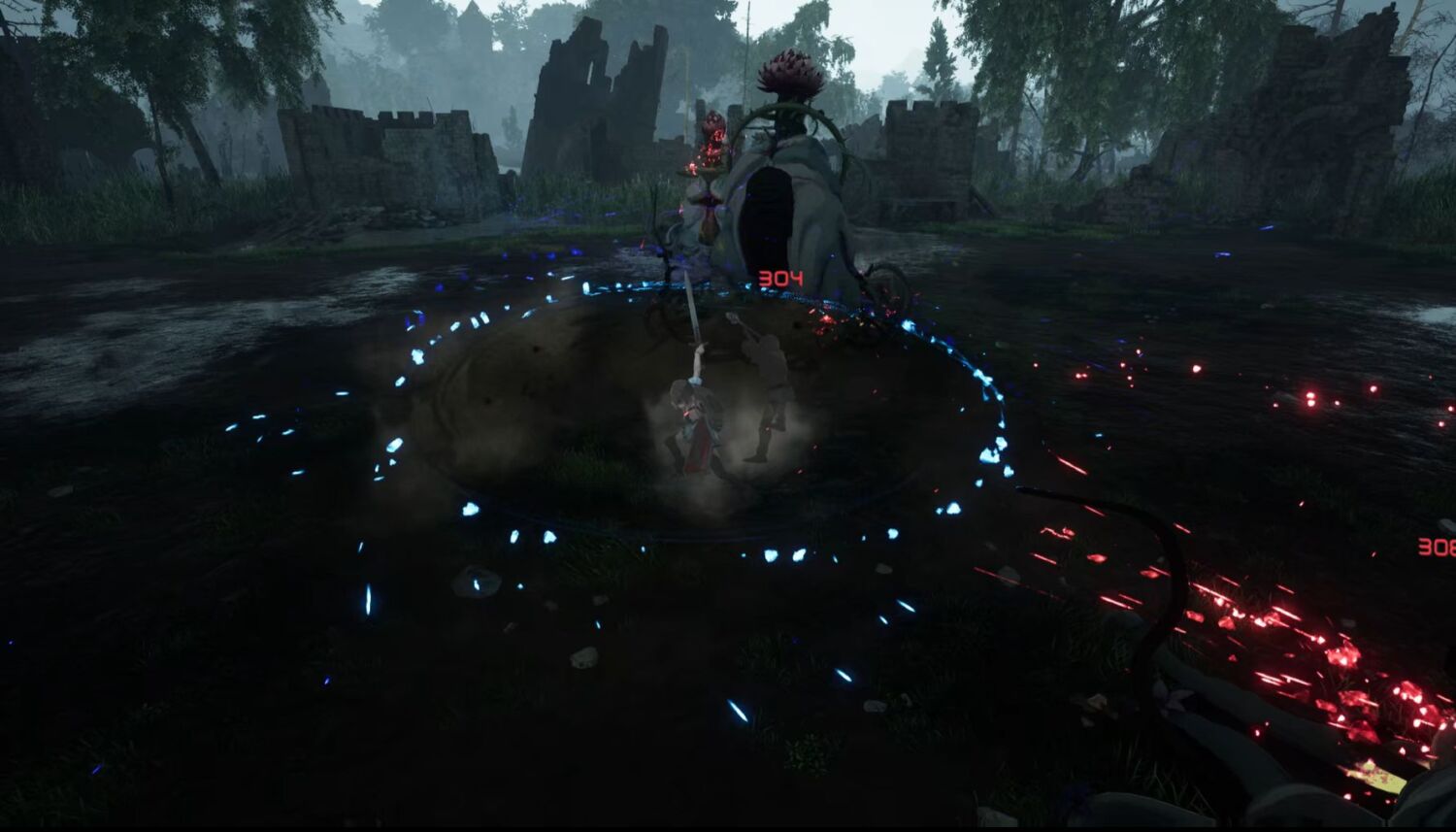
Further exacerbating the situation were a few head-scratching gameplay design choices, such as the fact that stamina drains at a rapid pace when sprinting in combat, making it extremely difficult to escape encounters, as the enemy AI will also relentlessly chase down a fleeing player across the map. This means that a player’s best bet will be to defeat every single group of enemies encountered, and with the map littered with foes at literally every corner, this quickly becomes a slog to get through.
Finally, there’s Echoes of Aincrad’s equipment system. As mentioned, hubs are not just the place where players can equip and level themselves up, but these are the only areas where players can do so. This means that while in mission areas, any loot dropped by fallen enemies or in chests can’t immediately be used, instead forcing the player to first locate the nearest “bonfire-style” checkpoint, use it teleport back to the hub, then teleport once again to a specific location that allows them to finally equip said armour or weapons, or level up. It’s an incredibly convoluted system that’s unheard of in the RPG genre.
That being said, what we saw during the preview was a mere snippet of Echoes of Aincrad, and with the game still being in its infancy, it hopefully gives its developers ample time to tweak and balance out the various systems to ensure they flow well together. Hopefully, they do, as the game’s premise presents an enticing way for fans and newcomers of the SAO series to experience the franchise’s origins in a new, playable light, and introduce world-building elements additionally to an already expansive universe; they just need to get the game’s combat right first.

Kevin is a reformed PC Master Race gamer with a penchant for franchise “duds” like Darksiders III and Dead Space 3. He has made it his life-long mission to play every single major game release – lest his wallet dies trying.
 Si Jia