Many might associate the Mortal Kombat game franchise with unapologetic amounts of graphic violence or gory fatalities, and they would be right, but there’s no denying the cultural and genre impact of the long-running fighting game series that debuted in 1992 and has been named by Guinness World Records Gamer’s Edition as the “most successful fighting game series”.
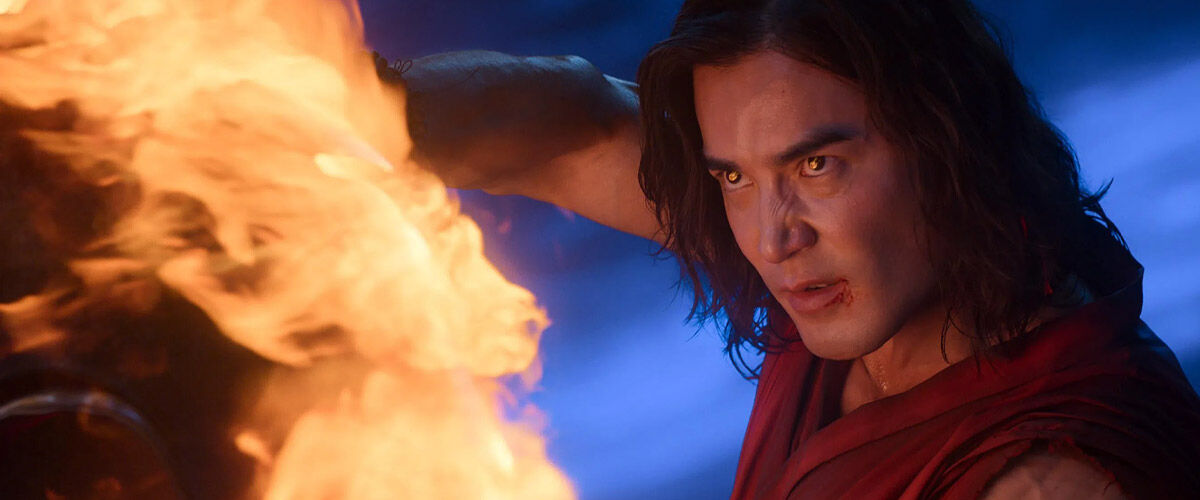
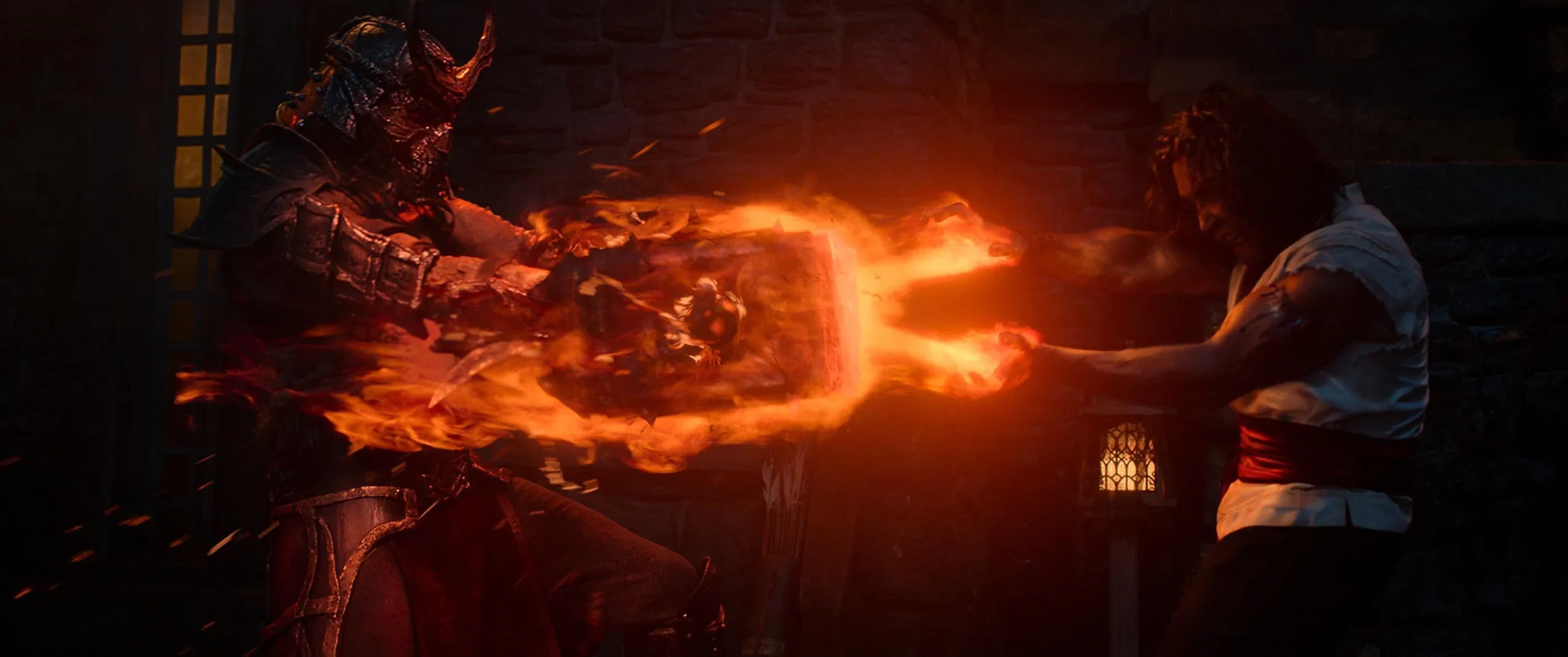
And sitting on top of the game’s large number of fighters is Liu Kang, the game’s original main protagonist. Given that the series has always been closely tied to the dragon motif, as seen by the game’s iconic logo, it’s no wonder that it’s also the basis of Kang’s equally recognisable dragon-based powers. He’s been a mainstay in all but one of its 12 mainline games (except 2002’s Mortal Kombat: Deadly Alliance), and while the likes of Johnny Cage, Scorpion and Sub-Zero might have stepped into the arena to hog the spotlight over the years, few can hold a candle to the OG.
Initially inspired by Japanese samurai commander Minamoto no Yoshitsune and later on, the legendary martial artist Bruce Lee and The 36th Chamber of Shaolin (1978) actor Gordon Liu, Liu Kang’s foray into ensemble-driven Hollywood films has seen the character portrayed by Robin Shou (Beverly Hills Ninja) in both the original 1995 film adaptation and its 1997 sequel, and now by Chinese-Canadian actor Ludi Lin (Power Rangers) in the 2021 reboot and upcoming sequel, Mortal Kombat II.
The one thing that links Shou and Lin is that both are also trained martial artists, which has been key to casting for a character whose backstory is so rooted in martial arts. The one-time Black Power Ranger entered the role equipped with the knowledge of martial arts like Muay Thai and Jiu-Jitsu, disciplines he has honed all his life.
Ahead of the sequel’s premiere, Geek Culture was able to sit down with Lin when he visited Singapore and gain insight into his journey to become Liu Kang, who admits that while being proficient in martial arts might have given him an edge in fight scenes, it still didn’t prepare him for the complexities of acting.
“It’s all a part of the same thing, that it’s all challenging,” he explains in an interview at Geek Culture’s office in downtown Singapore. “When I started acting, it really surprised me how different it is from what I thought it was. I thought you just go up and played pretend, I thought living like a movie star life is fairly easy, I thought a lot of people just do the work for you, and then you just come in and do a couple of hero shots, some cool poses, and then you’re done.”
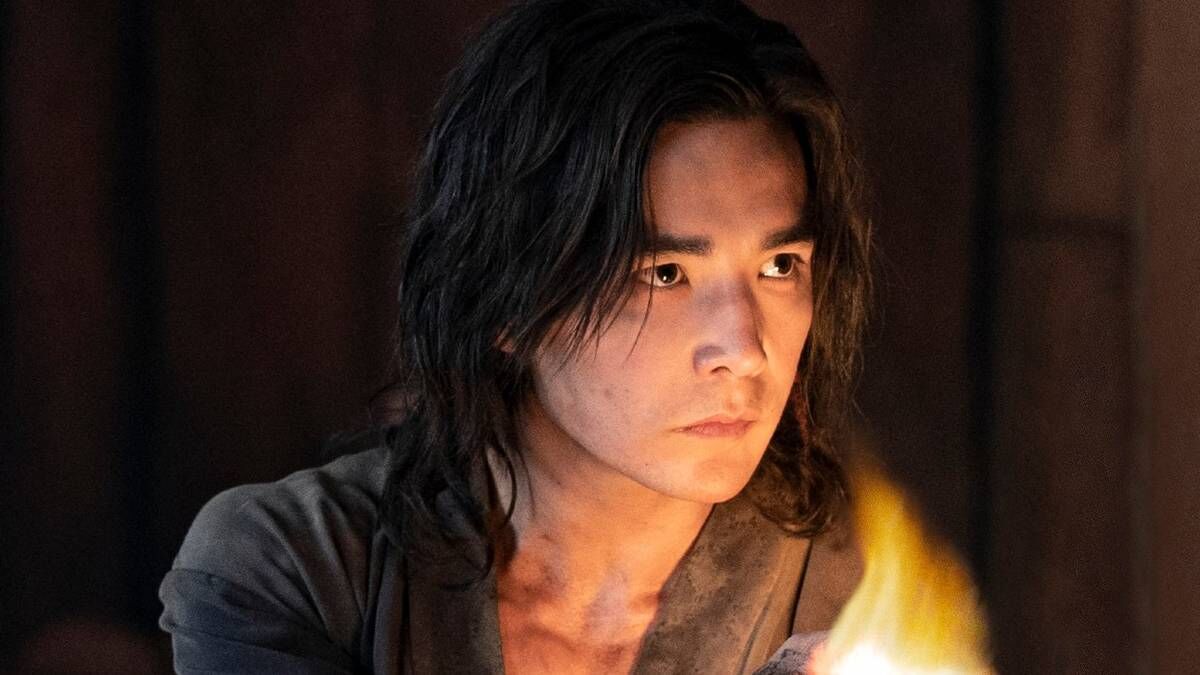
“But when I started learning about the craft of acting, I couldn’t even say the lines and wipe the floor at the same time. It was just so confounding to me, how it was such a difficult thing to just do something I would do so naturally in real life, but when a camera pointed toward me, or when I’m doing it in front of an audience, it’s so difficult, not to mention if there are three people in the scene. That was really bewildering to me.”
In that sense, Lin likens the art of acting to martial arts itself, explaining that it’s “something that you can perfect forever and still not be the best at”, a proverbial infinite video game that he can keep playing and working on for the rest of his life.
Of course, Lin doesn’t need to do all this alone, as he was joined by his fellow castmates like Joe Taslim (The Raid), who plays Bi-Han, and Max Huang (No Way Out), who plays Kung Lao, in the first film, both proficient martial artists in their own right.
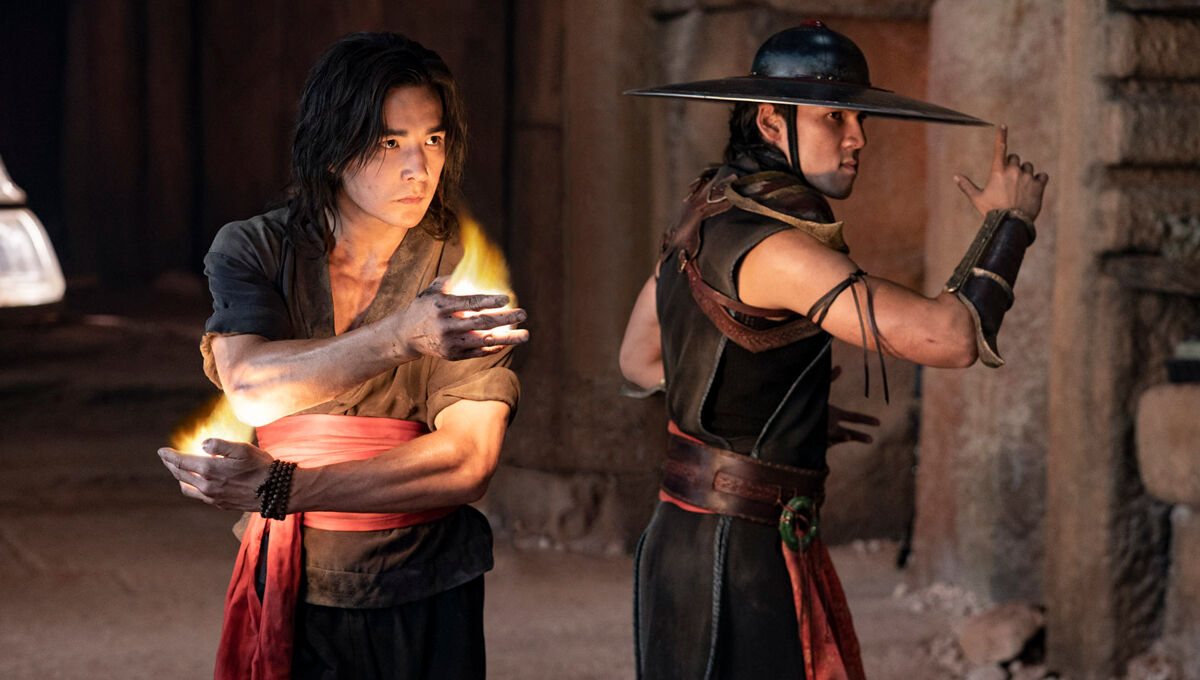
“Joe is on another level. Mortal Kombat wouldn’t have happened without him as Sub-Zero,” Lin explains. “Back then, I didn’t really know Joe’s history and how he was a judo champion, but when you are working with a cast, everyone just becomes family, and there’s no level to it, like even for Joe, the scenes, the choreography, no matter how much experience he has, that’s challenging as well.”
“And most of my scenes are with Max, who is also an amazing martial artist. He’s been on Jackie Chan’s stunt team, leading the stunt team for over 15 years, and has much more experience than me in terms of both martial arts and stunt fighting,” he continues.
“Again, the great thing about working in a cast that is like a family is that I can just call him up anytime, even when he’s sleeping, and go, ‘Hey, man, I want to practice. Can you come downstairs to the gym?’ And he would come down, and we would make sure that our speeds match, the moves match. It’s just the freedom to call on a brother for help.”
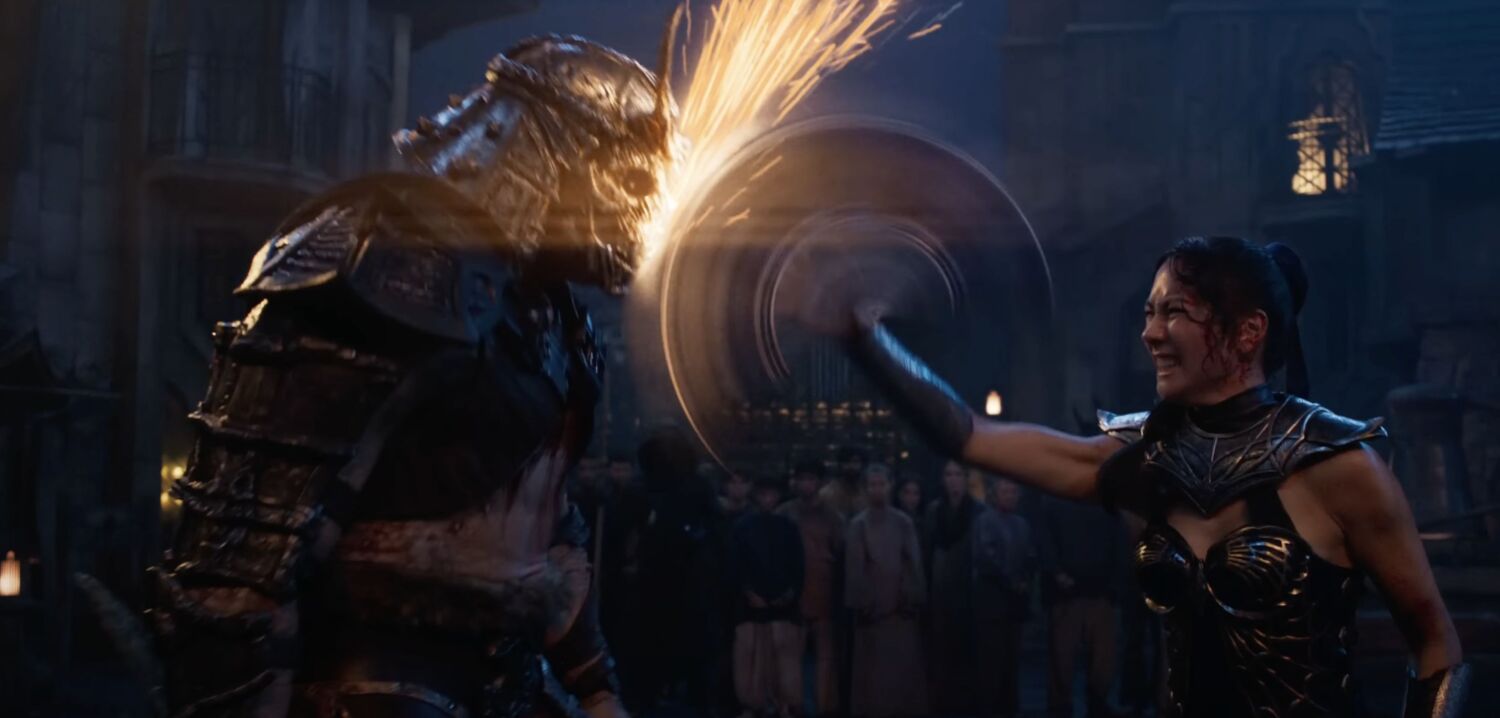
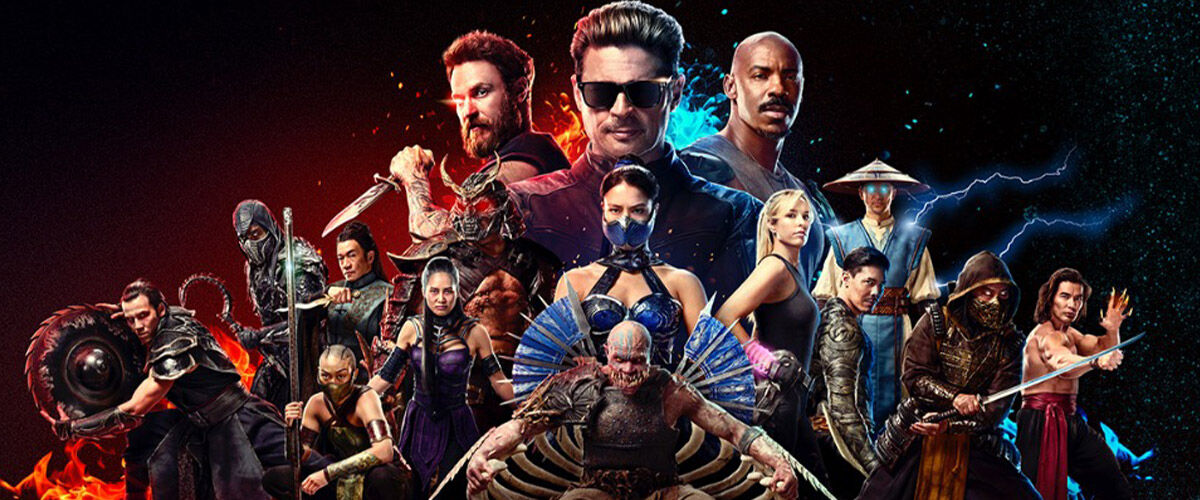
While Mortal Kombat II sees a notable number of new fighters joining the fray, including Karl Urban’s (Star Trek, The Boys) Johnny Cage or Adeline Rudolph’s (Chilling Adventures of Sabrina) Kitana, many of them aren’t actual martial artists, and as Lin describes, had to push through with sheer determination and lots of help from the stunt team to make fight scenes the best they could be.
“What surprised me is how well everyone did by the end of the movie, because everyone just trained so hard,” he recalls. “Our stunt team were with us, like day after day, hour after hour. They knew the responsibility and how many people were looking forward to this.”
“For example, Adeline Rudolph, who plays Katana, didn’t have much martial arts training, but she was in there every single day after work, after hours, after lunch, after dinner, training to make these moves work. So what was beyond my expectations is how well everyone did by the end of the movie, through sweat, through blood, through injuries. Just nothing else mattered but to complete these sequences.”
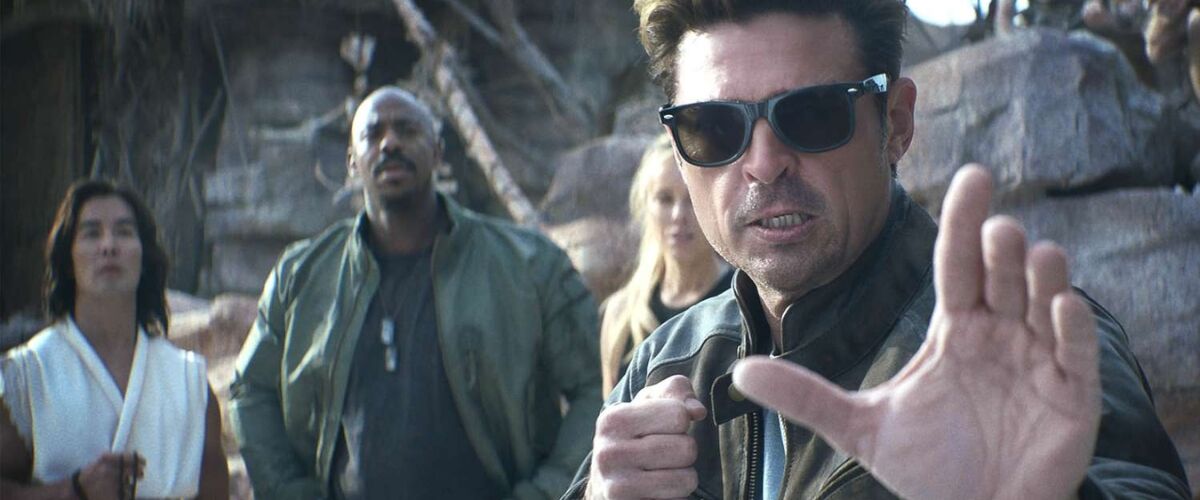
Urban, on the other hand, certainly doesn’t need much of an introduction, as the star has been seen in numerous action flicks over the years, including 2012’s Dredd, the Amazon superhero series The Boys, or the 2005 video game adaptation, Doom. Even with his vast experience, Lin admits that making the sequel still felt fresh for both himself and Urban, thanks to a more comedic take on two of the franchise’s other characters, Johnny Cage and Kano.
“Karl has been across so many IPs, he’s done this before, but to me, it feels like it still seems fresh to him,” Lin explains. “I think it excites him, because it’s such a new take on Johnny Cage, and then watching him work, I think firstly, he’s super talented, but he also knows his comedic moments, which Johnny Cage needs to have.”
“In the original reboot, I think Kano stole the show because he’s just so funny,” he continues, referencing Josh Lawson’s (House of Lies) portrayal of Kano in the 2021 original, a role he’s set to reprise in the sequel. “Josh thinks of those lines right on the spot, and then Johnny Cage needs to follow that up. I think some of the most fun scenes of Mortal Kombat II will be with Johnny Cage and Kano, because they’re just so good together.”
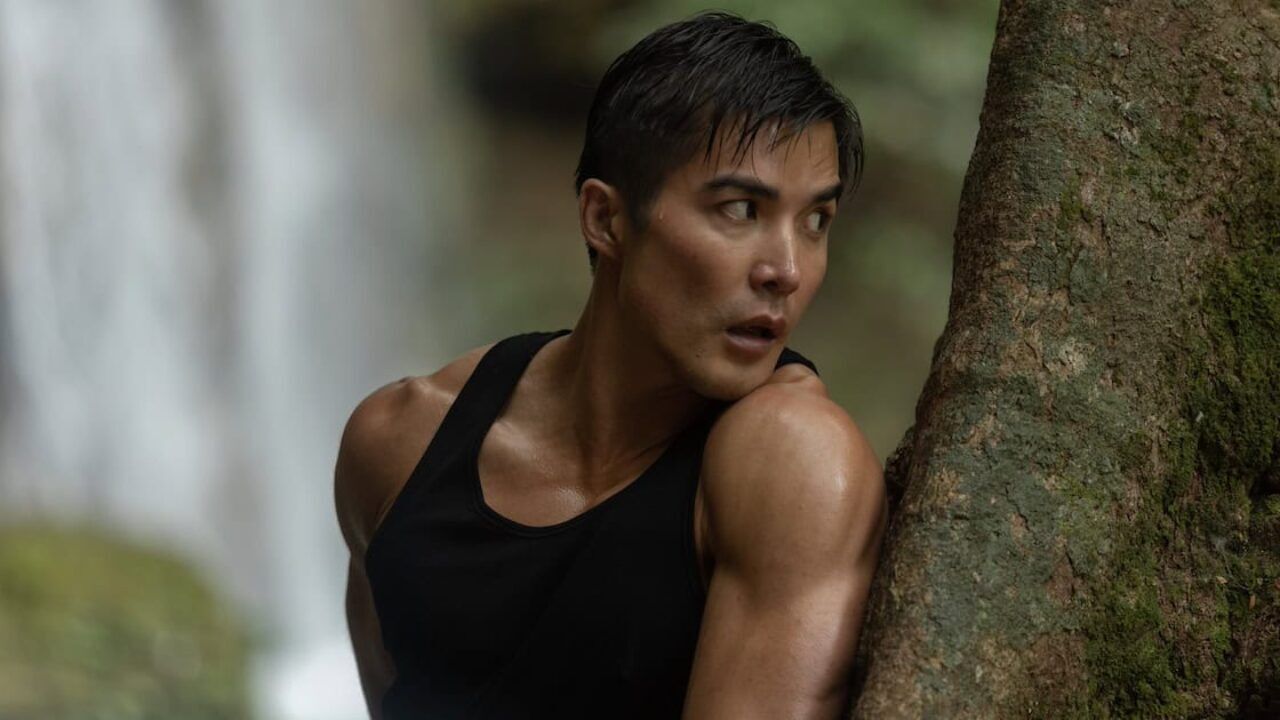
Apart from honing his martial arts and acting chops, Lin’s role in Mortal Kombat II also marks another step forward for Asian representation in Hollywood. We’ve seen huge wins within the industry on this front in the past couple of years, with stars like Michelle Yeoh or Ke Huy Quan making history by winning the Academy Award for Best Actress and Best Supporting Actor, respectively, for their roles in 2022’s Everything Everywhere All at Once. But Hollywood has also fallen short at the same time, such as not producing the long-awaited sequel to the hit 2018 film, Crazy Rich Asians, which starred a large number of actors of Asian origin, and was also filmed in Singapore.
With Lin himself being an activist for Asian representation, previously speaking out against Asian racism with movements like Stop Asian Hate, he’s also aware that the push towards more Asian representation in films is also driven by Asian talent in Hollywood. As someone who has also starred in Asian productions for international cinema with a different global audience, the question is if these audiences are also interested in seeing more Asians in American films.
“Actually, Asian, Asian Americans, and Asian Canadians contribute a lot more to the box office than the population represents, meaning a lot more Asians pay to go to the movies than other races in America,” he explains. “So to see that while you’re contributing more, but not seeing yourself fairly represented, that’s obviously very hard, right?”
“But for the rest of the world, like in Singapore, like when I was working in China, everybody’s Asian, so things are made for us, by us. So I’m really curious as to whether or not the rest of the world is equally wanting to see more Asians in Hollywood. I hope so, and I hope it’s done by movies like Mortal Kombat, where it’s just a it’s just a good action movie with cool Asian characters.”
Of course, being an Asian martial artist wasn’t the extent of Lin’s parallels to his role as Liu Kang, as he also shared similar struggles to his on-screen character. In both the games and the movie reboot, Liu Kang was orphaned as a child and taken in by the Order of Light, subsequently raised and trained by Lord Raiden to become a defender of Earthrealm.
This adversity faced at such a young age is mirrored in Lin’s own life as well, as he struggled with bullying when he was a child. He spent much of his youth abroad, often viewed as an outsider thanks to both his Chinese roots and the multiple accents he had picked up every time he moved, causing him to learn street fighting just to defend his right to be different.
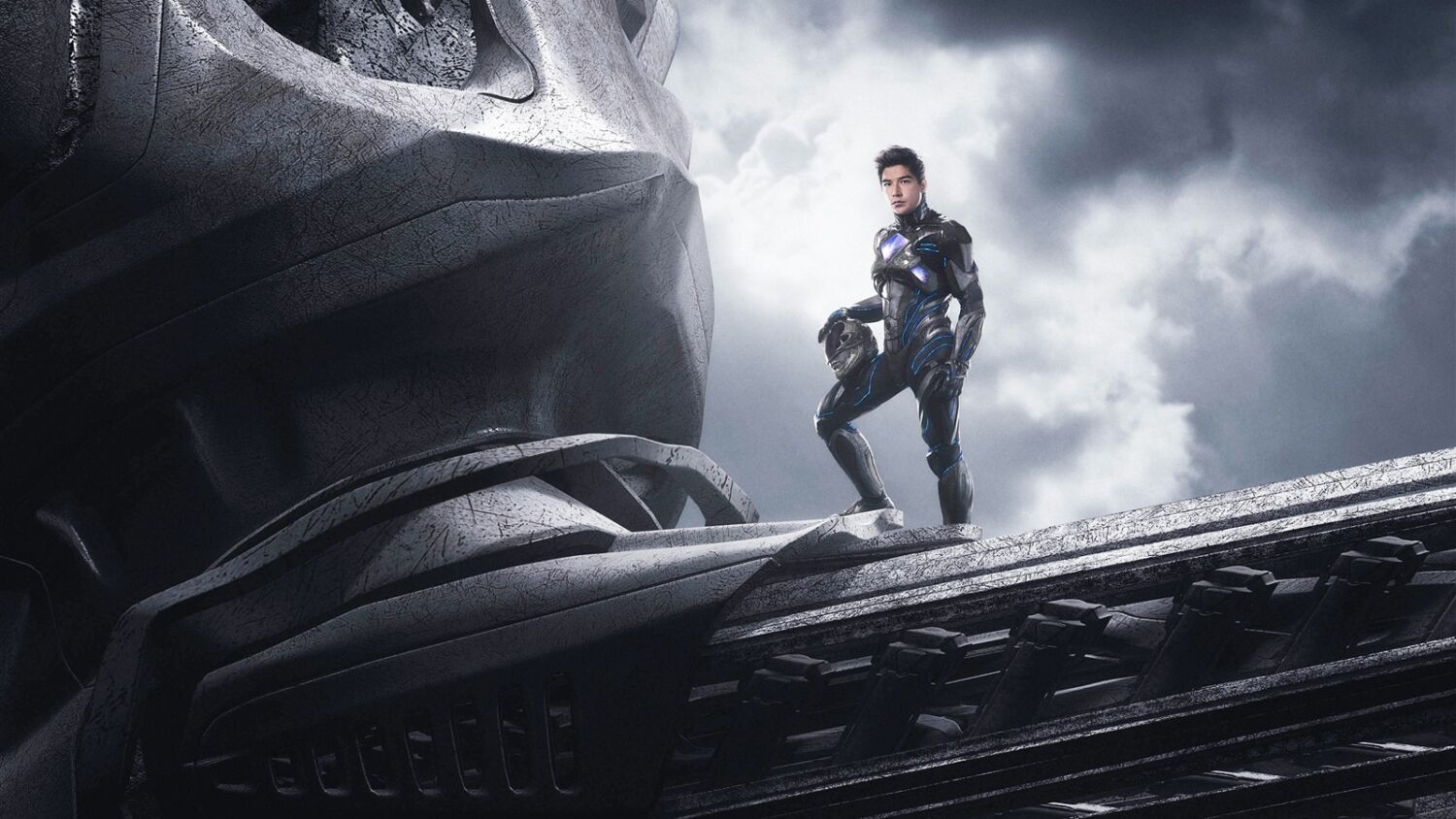
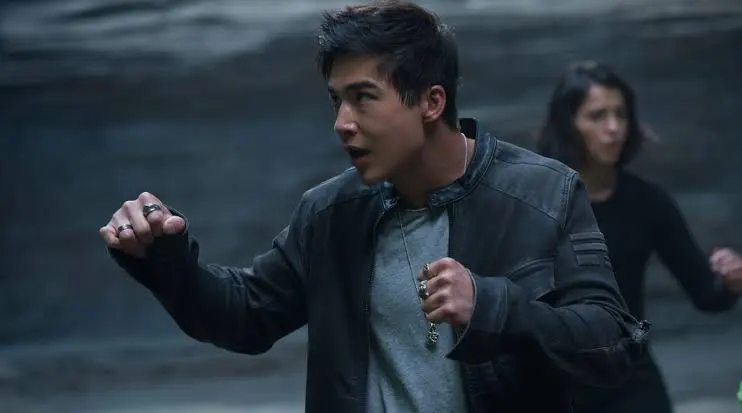
For Lin, his experience of being an outsider for most of his life allowed him to insert a unique piece of himself into the characters he played, such as Liu Kang, and in his breakout role as Zack Taylor, aka the Black Ranger, in 2017’s Power Rangers.
“I think as actors, we can’t help but put some of ourselves into the character, because that’s the most truthful way and the most intimate way to portray a character,” he admits. “For one reason or another, a lot of these characters I’ve had the good luck of playing are kind of like lone wolf characters. Zach was a bit away from the main crowd. Liu Kang was an orphan taken in by Raiden. Whether or not it was luck or fate, it was just easy to put myself and some of those struggles into the background of the character.”
With two Mortal Kombat movies and Power Rangers under his belt, what’s next for Lin? The obvious route here, apart from Mortal Kombat III, which is already in the works at Warner Bros, is a potential return to the Mighty Morphin’ franchise that placed him on the map. The franchise has taken a short hiatus recently, but is currently being rebooted by Hasbro Entertainment for Disney+, so anything is possible, except for the one obstacle in the way of such plans – Lin’s age.
“People come up to me all the time and say, ‘Where’s the sequel? We’re still hoping for the sequel 10 years after,” he explained. “We’re way too old now, it’ll have to be in Power Rangers in college, and beyond college, or Power Rangers in the workforce. So I don’t know. Obviously, you’d have to give me a good explanation of why I should be in there.”
To be fair, an older variant of Power Rangers isn’t entirely out of the question, thanks to the concept of the multiverse made famous by recent Marvel flicks like The Avengers or Spider-Man.
“I really have to see,” admits Lin when asked if he would be interested in a multiverse-related Power Rangers spin-off. “If it’s a small idea, like how they did Spider-Man, that was pretty cool. But the multiverse has also gotten so convoluted, and people need to rein it in, because in a universe where anything can happen, you lose some of the stakes.”
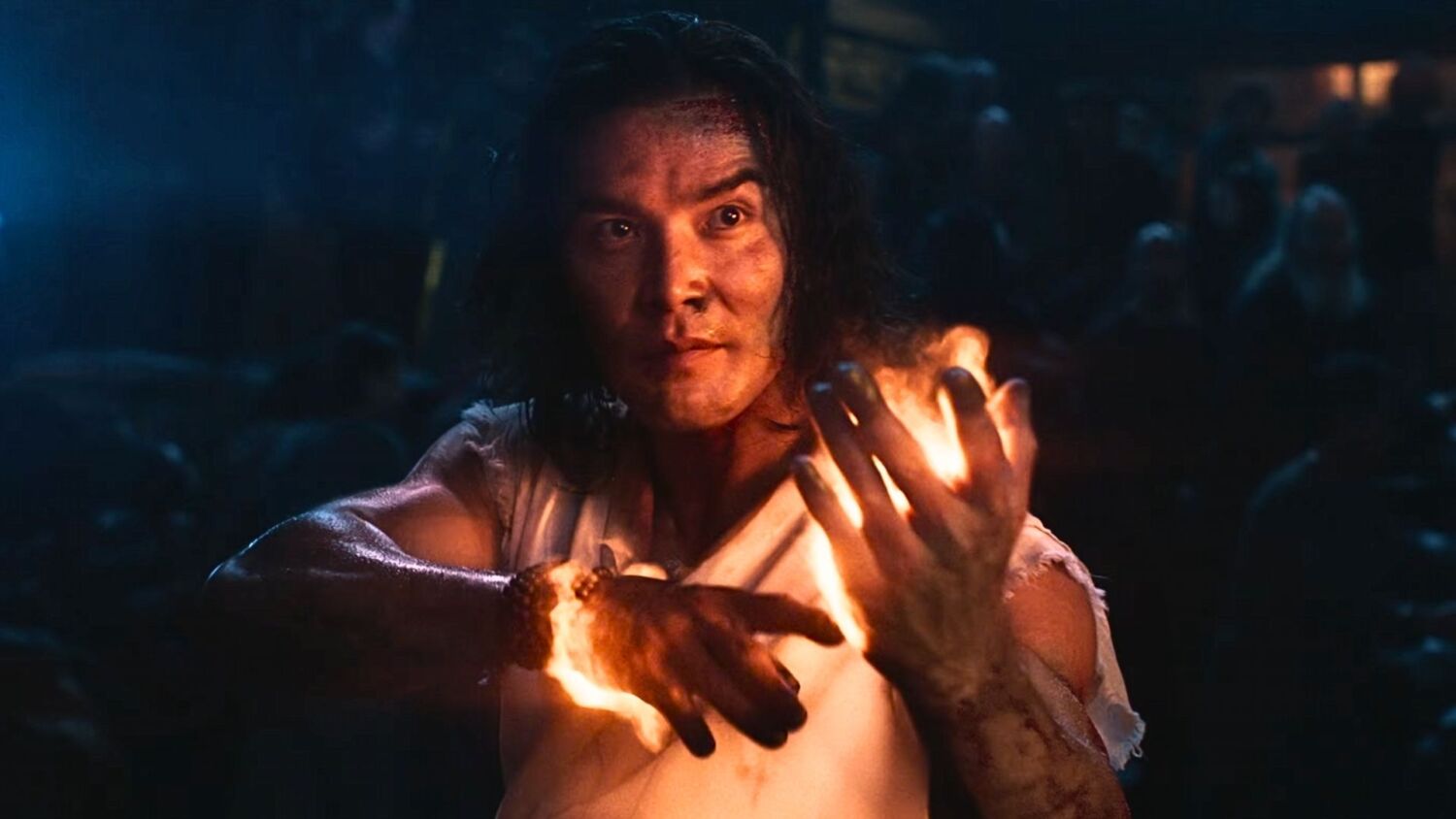
“I think that’s some of the things that we’re balancing with Mortal Kombat as well,” he adds. “Because now we’re starting to build the universe out. In the second movie, we visit a lot of different realms, you know, like the Nether Realm, like Edenia and all these places. So to have an effective, coherent storyline while juggling all those things is something that is really tricky to do.”
On the topic of opportunities, both future and past, Lin even revealed an interesting, previously unknown snippet of his career – his uncredited role in Steven Spielberg’s 2018 sci-fi movie, Ready Player One.
“While I was filming Aquaman, I got a call from my agent saying Steven Spielberg was interested in having me do a role, but I had to be uncredited,” he recalls. “I think it’s because he didn’t want to break the illusion of the character that I was going to portray, because I was voicing one of the avatars of the characters in the video game world.”
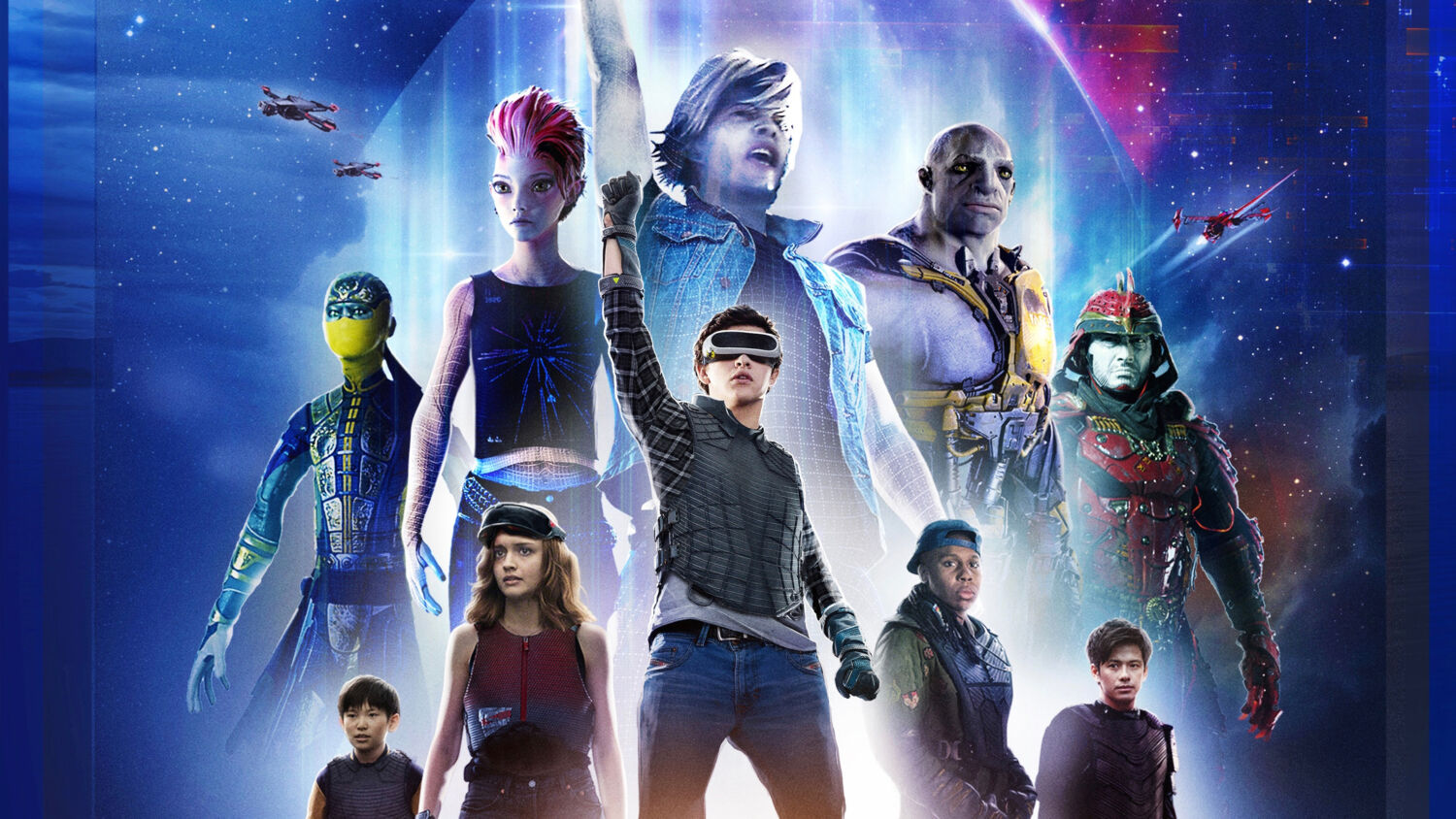
“The whole experience was crazy, because I was filming Aquaman, and they rented this house out for me to do the sound recordings. And then it was very hush-hush, very secretive. No one knew what the project was for, just the producers who flew down to Australia to connect me with Steven over Skype. We just worked in the house for an entire day and got it done.”
For Lin, his past struggles and experiences have moulded him into the actor he is today, not just as a champion of Asian representation, but also as one of being the best version of yourself, not unlike Liu Kang in Mortal Kombat II, although the actor does joke that he still has a long way to go to live up to the virtues of the iconic fighter.
“His character, his virtuosity, is also something that I strive to be, because Liu Kang is supposed to be the heart of the gang, for me, anyway, right? He represents truth, virtue, loyalty, and honesty.”
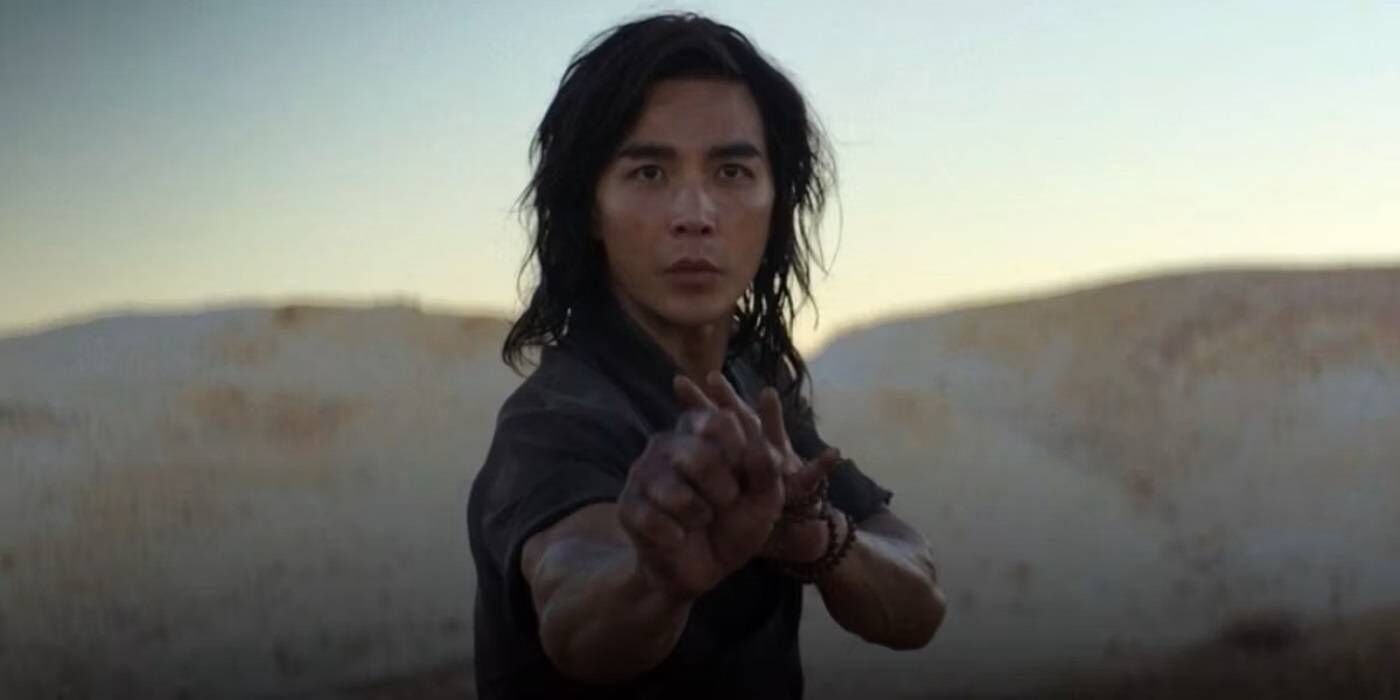
“It was also fun to portray a character that’s so pure, because I’m not that pure, I strive to be, but I’m not that pure.”
Mortal Kombat II will aim for a Flawless Victory when it premieres in cinemas on 7 May 2026.
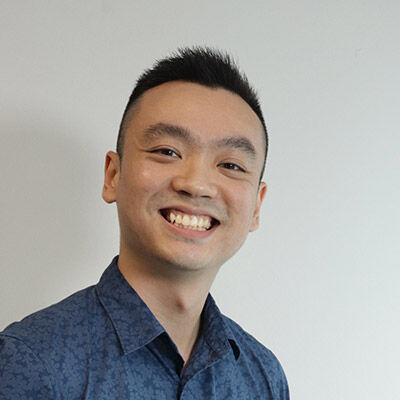
Kevin is a reformed PC Master Race gamer with a penchant for franchise “duds” like Darksiders III and Dead Space 3. He has made it his life-long mission to play every single major game release – lest his wallet dies trying.

 Yonk
Yonk