

The desire to be a one-man content creator has struck the hearts of many, but the realities of shooting, editing, and easily producing video across a selection of hardware and software options – using smartphones, body cameras, mobile editing apps and computer software, just to name a few – can be daunting. That said, the DJI Osmo Pocket range has carefully made its way to becoming one of the top devices of its kind, and the new DJI Osmo Pocket 4 is leading the way in offering an all-in-one video production device in your pocket.
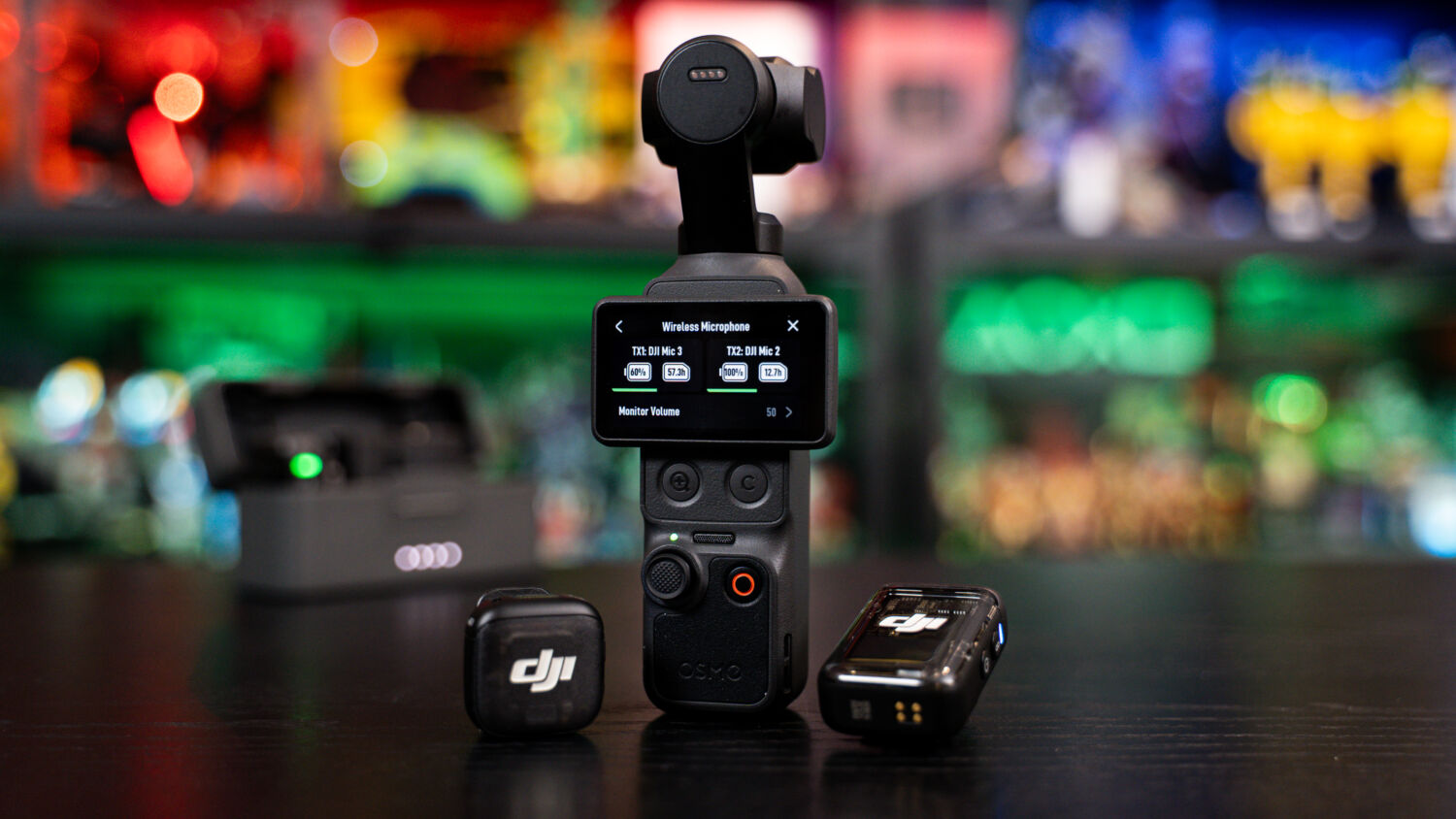
The debut of the DJI Osmo Pocket 3 in 2023, with its built-in camera, microphone and gimbal system, made it one of the more versatile video camera systems in the market, doing away with the notion that anyone needs a separate hardware system to create content, but isn’t that what your iPhone or Android device is for?
But picture holding a stick-like object (144.2 × 44.4 × 33.5 mm) in your hand no larger than TV remote control that has a built-in camera that rotates and pans with the flick of thumbstick, can shoot portrait or landscape mode within a finger’s reach, with a microphone for great audio pick up, and the ability to wirelessly transfer any recorded content onto your phone for easy access as needed. You can mount it on a stand and place it on a table to film yourself or record an unboxing, and just as easily fire it up to take a video of fireworks in the sky, without worrying that an incoming call or message will disrupt the recording (if you were using a phone), or cause motion jitters (if you were carrying a larger camera for over three minutes).
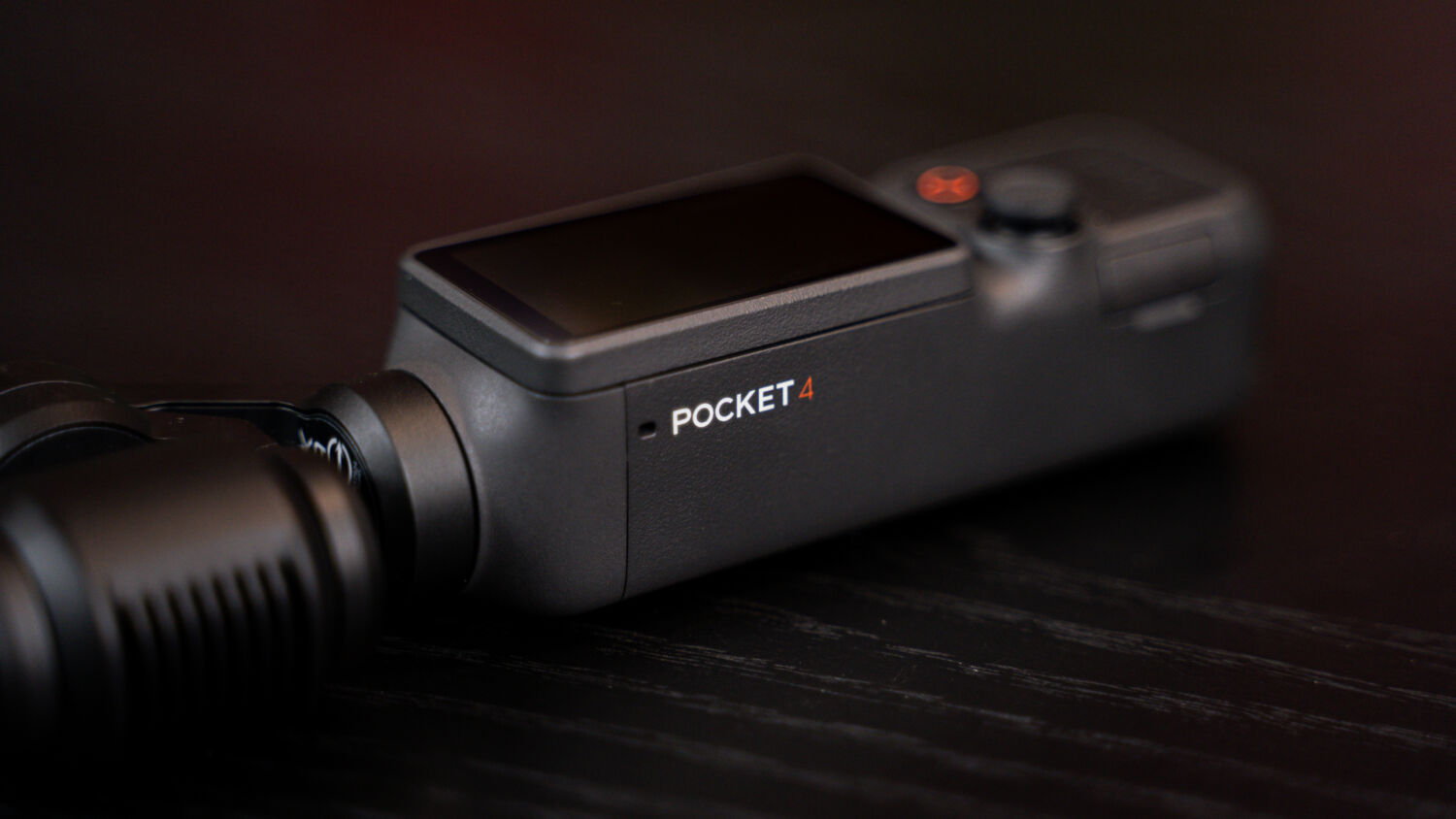
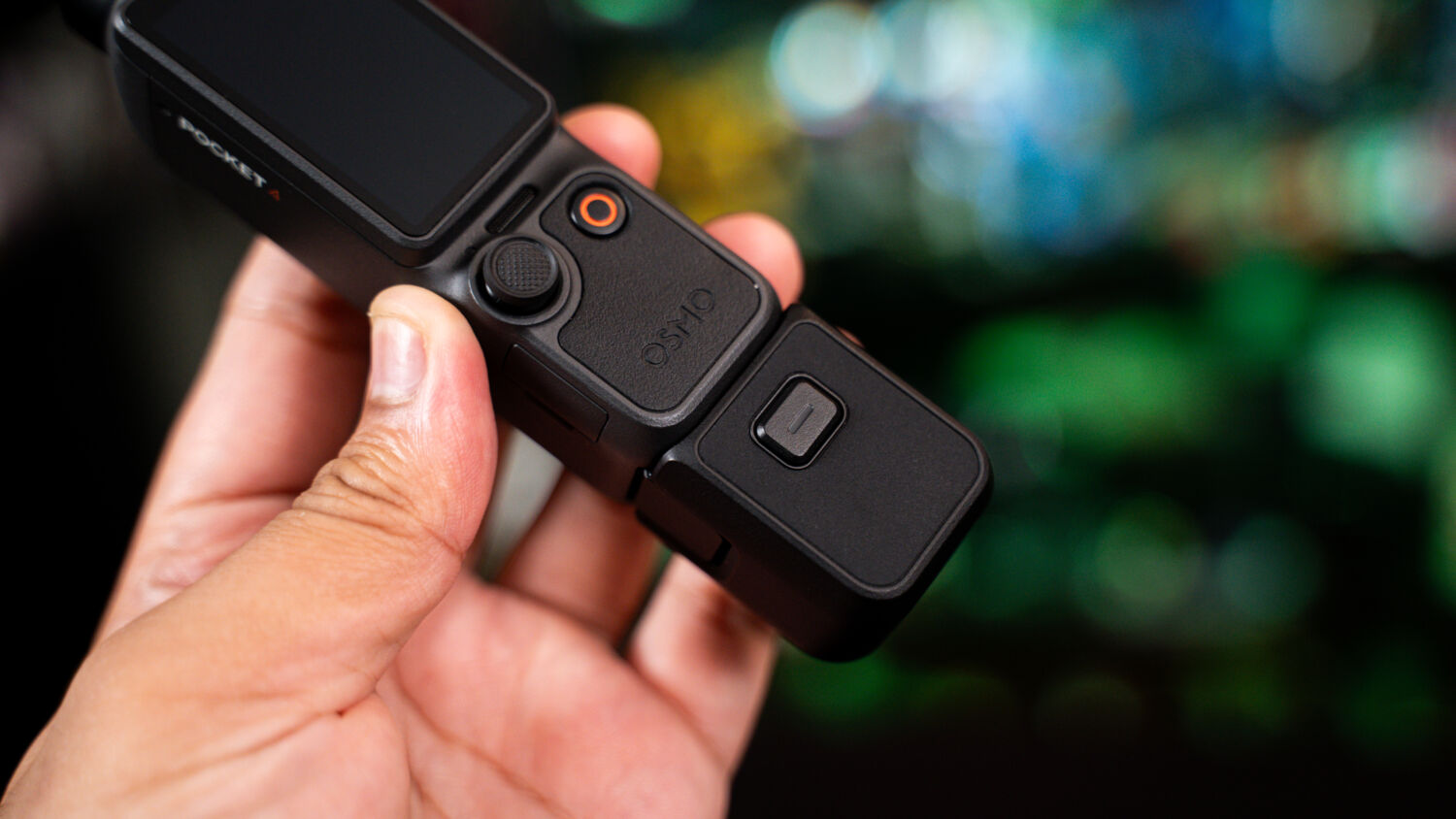
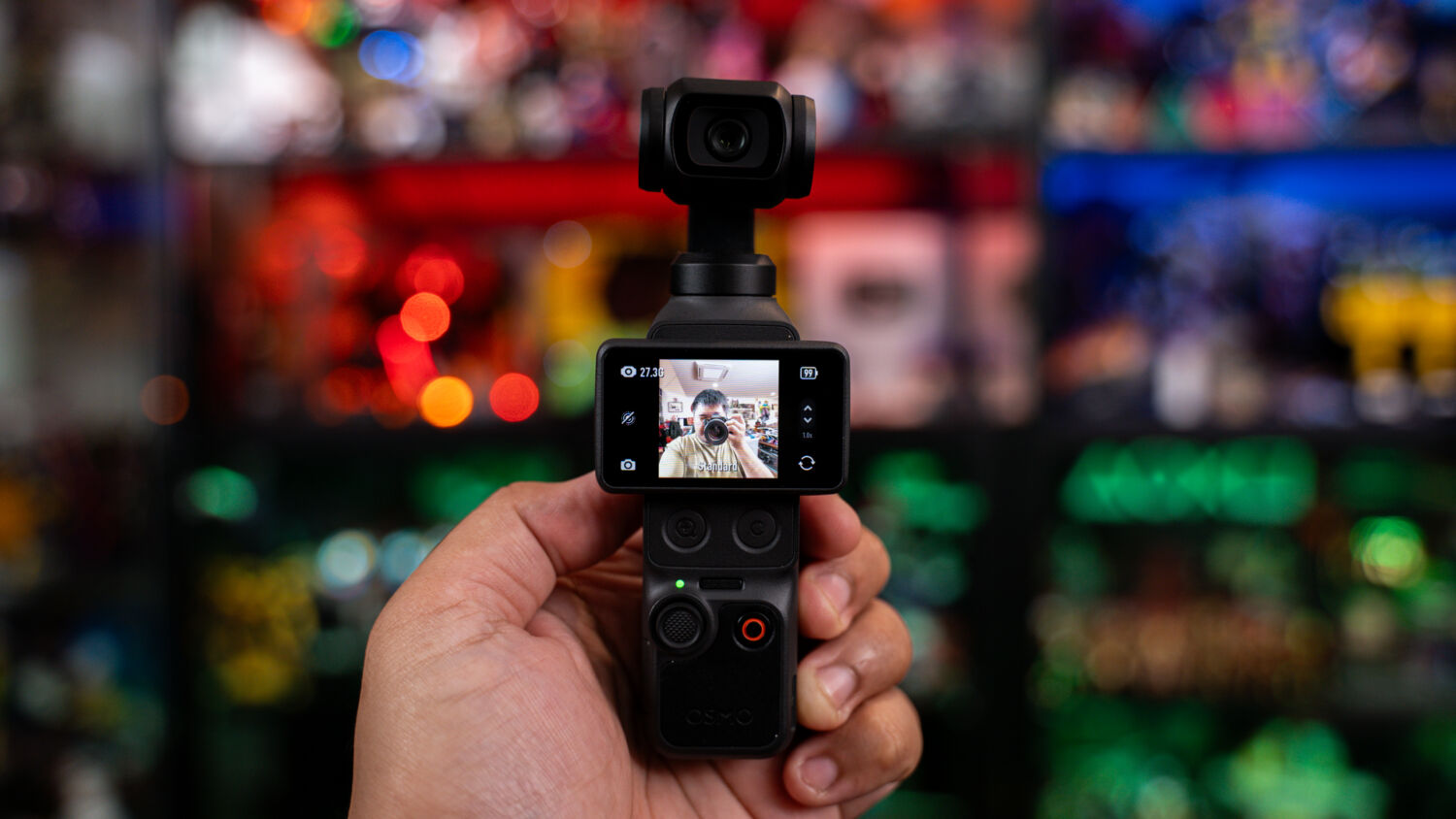
At a mere 190.5g, the DJI Osmo Pocket 4 offers amazing video and image quality with its 37MP 4K camera, backed by a 1-inch CMOS sensor. The two-inch control panel, which can be rotated, also offers a selection of touchscreen features, allowing you to switch through video modes, making it very easy to record everything and anything, from short clips of your lunch to high-quality videos. Flipping the display horizontally also reveals two new buttons just under the display, which offer direct access to the camera’s zoom control and a customisable one for your frequently used settings, where you can map up to three different controls to, through single, double and triple presses.
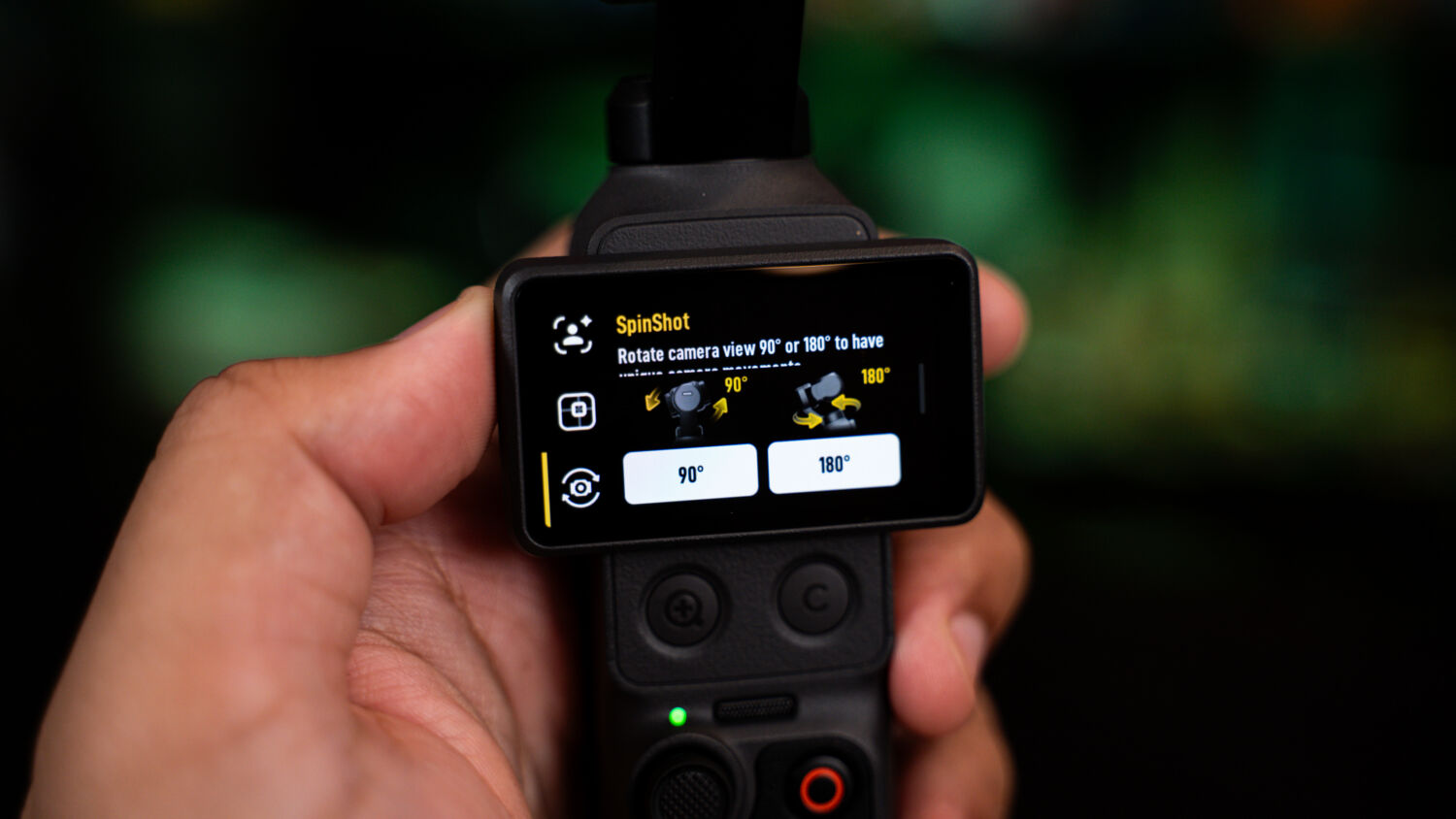
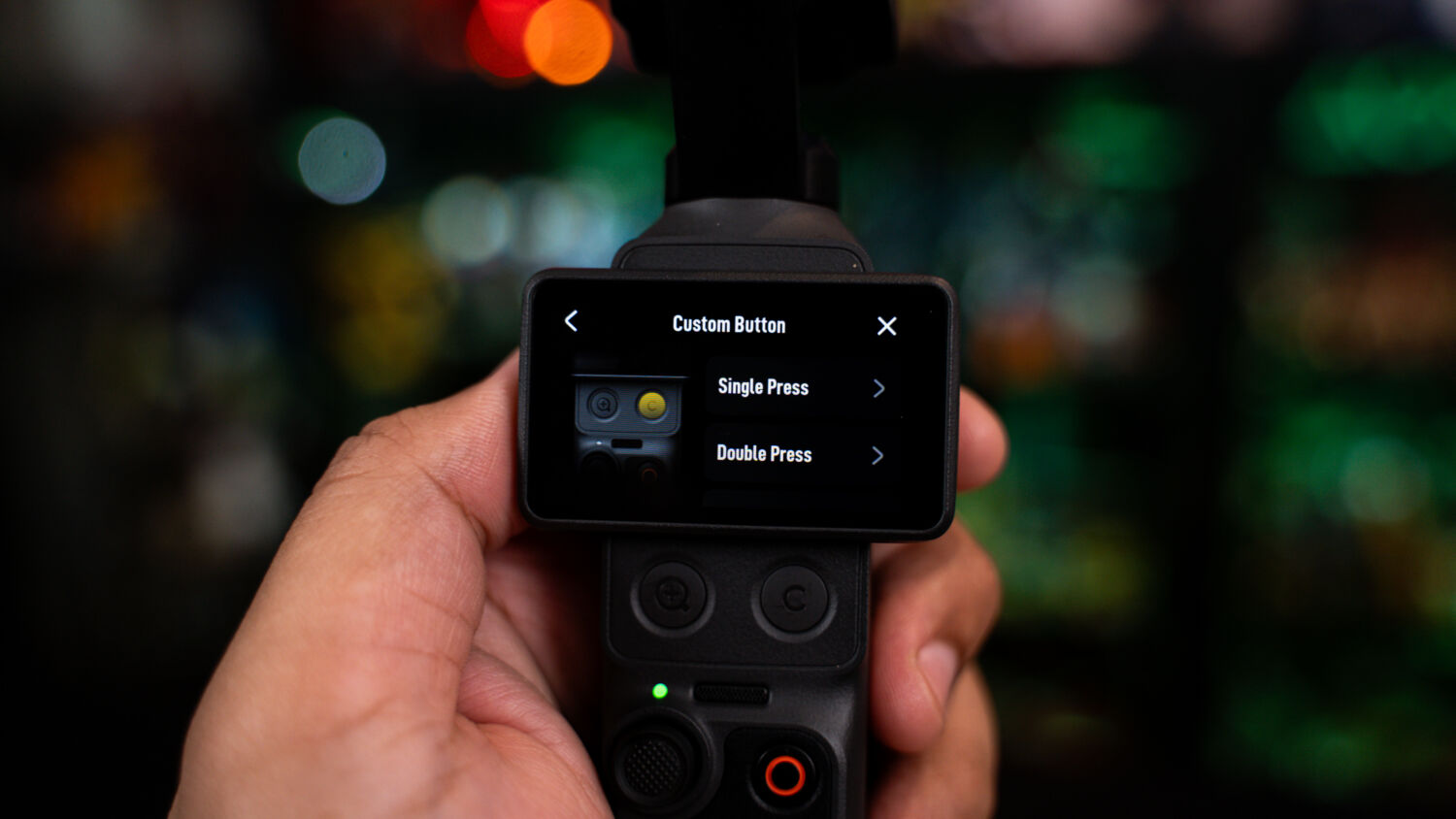
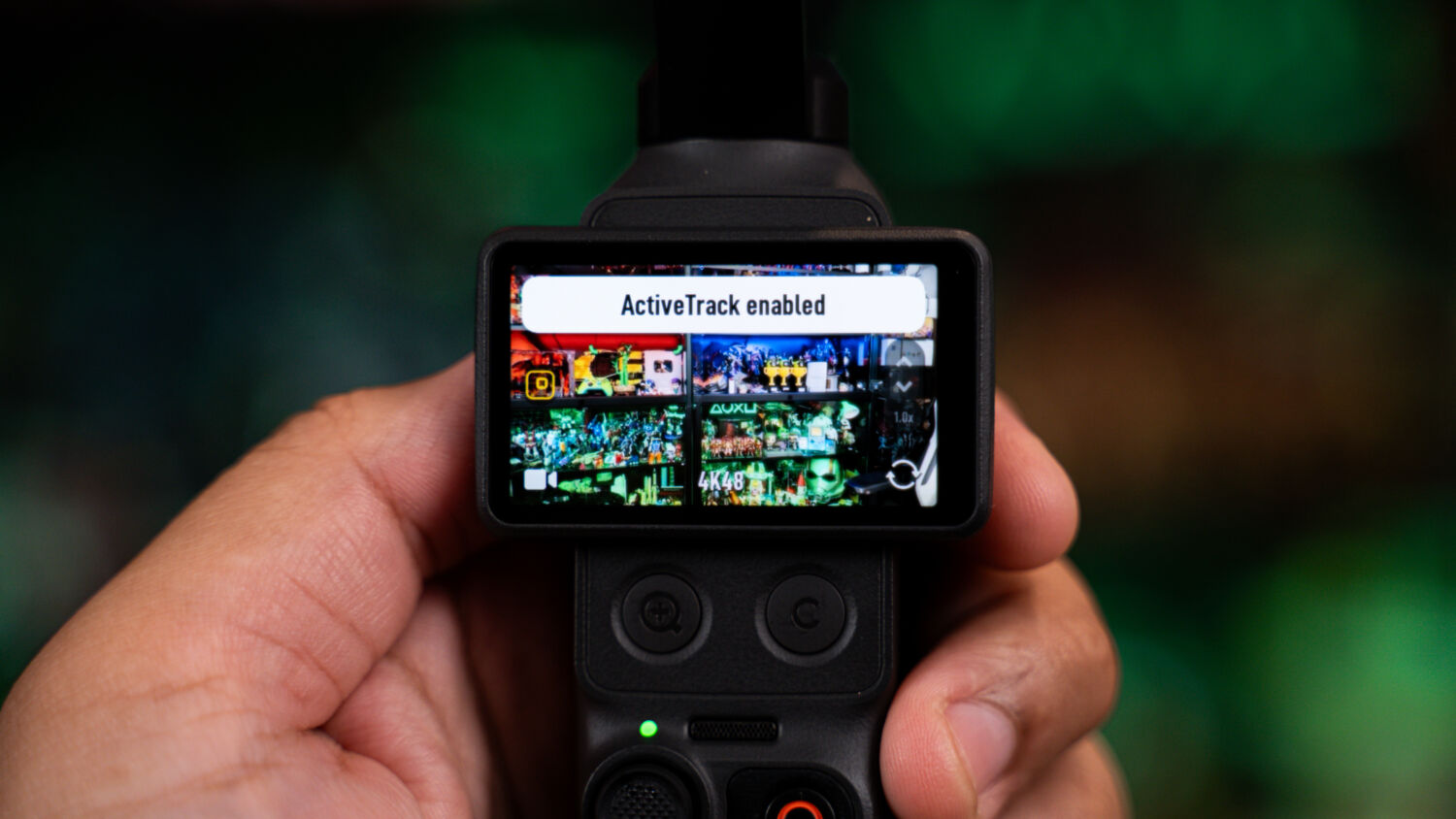
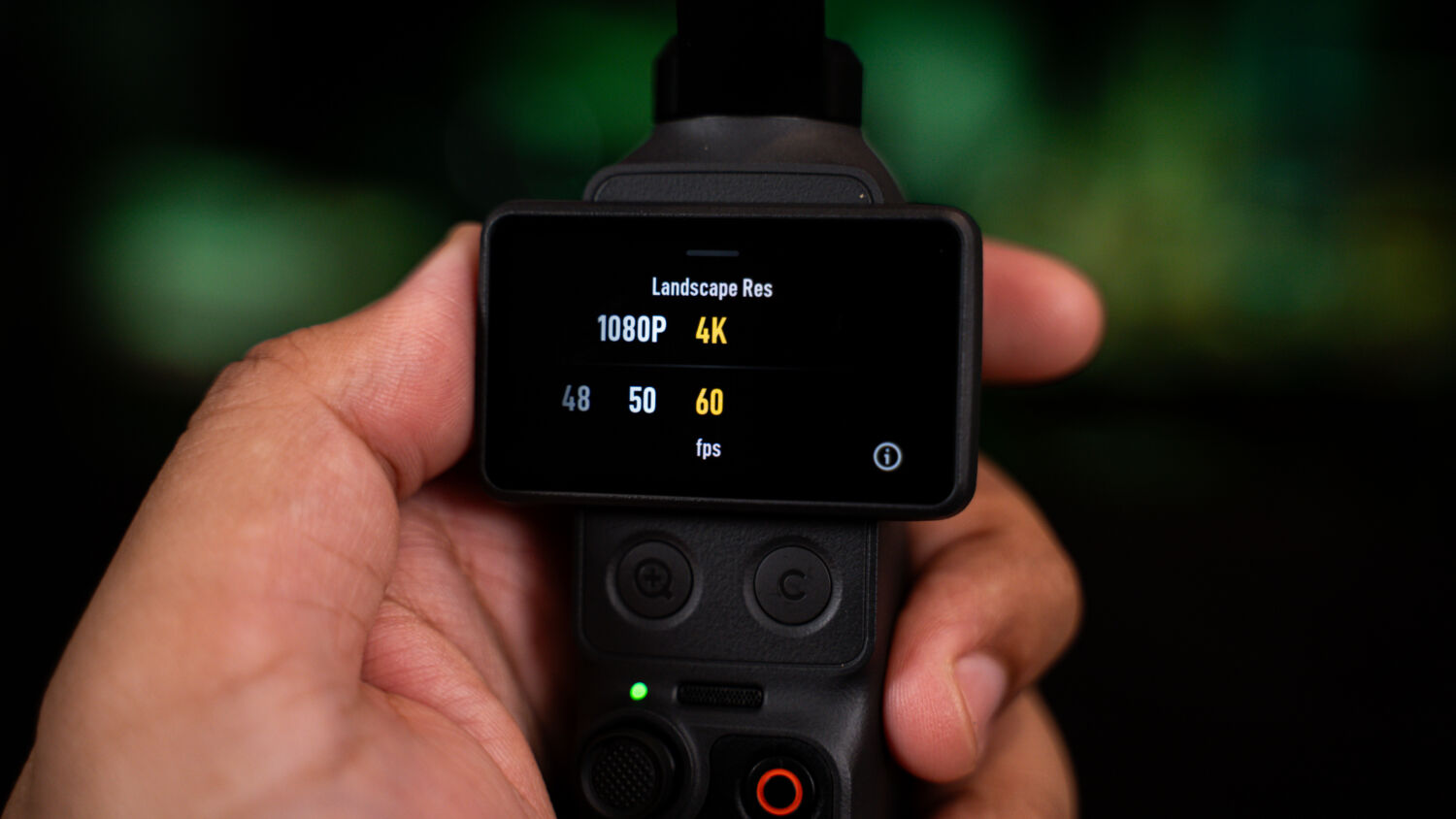
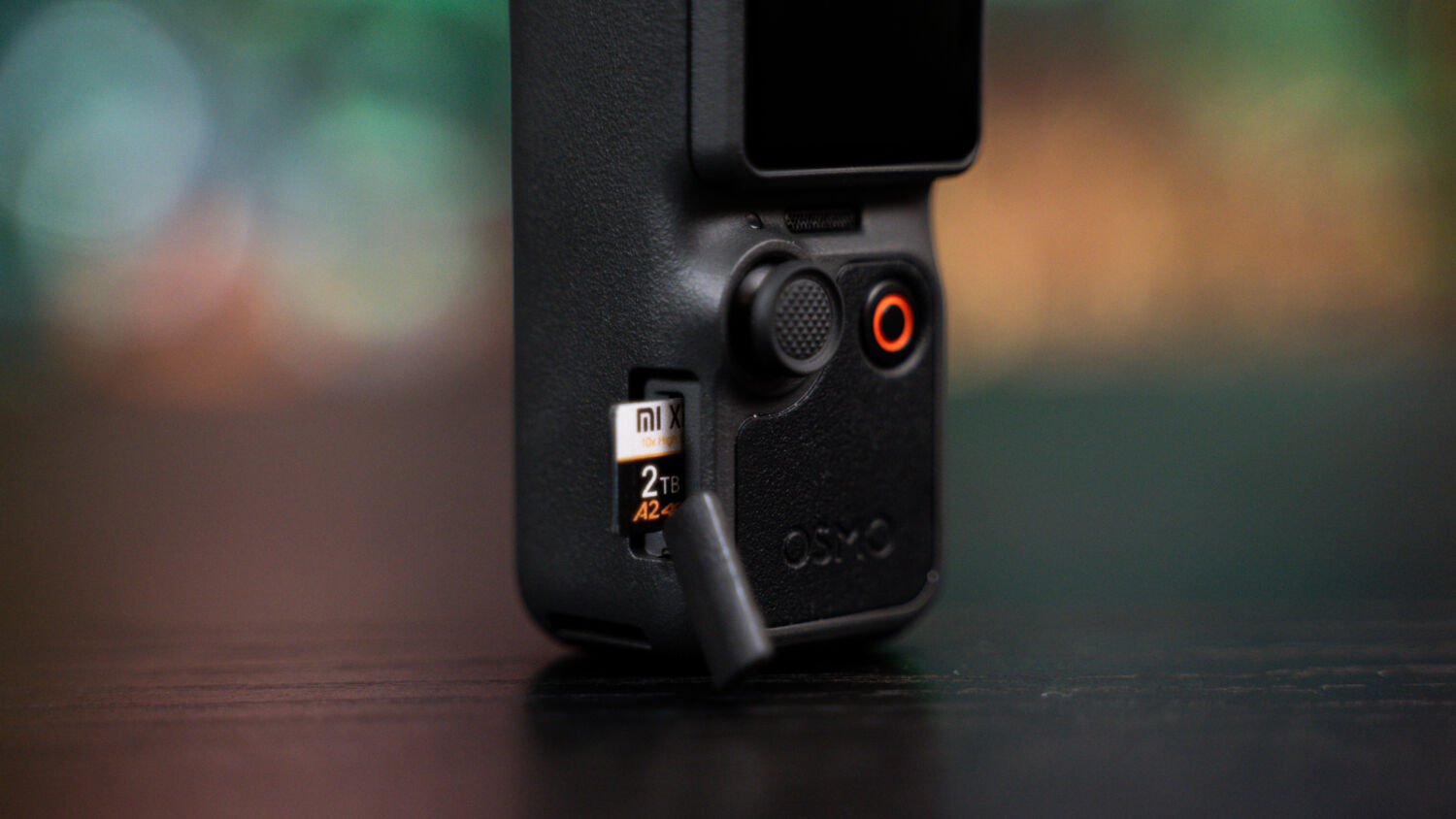
The big changes here are the support for 14-stop dynamic range on the sensor, adding two stops for better low-light conditions, as well as 240fps support for 8x slow-motion video recording, and 107GB internal storage, which means you don’t need an SD card like before. Because of the ease of shooting, there was a desire to constantly transfer video files wirelessly to the iPhone 17 Pro Max via the DJI Mimo app, so while there was an SD card to expand on the storage, there was never a need to use it during the five days of filming we did on the Disney Adventure cruise in early March.
From the moment we boarded, it was a simple case of holding up the Pocket 4, rotating the screen to horizontal mode with the flick of a thumb, and then hitting record. With the thumb placed lightly over the thumb stick, and with precise hand movements, the camera tracked our walk on board the largest ship in the Disney Cruise Line, all the way to the room. On the walk through the Disney Imagination Garden and Disney Discovery Reef, the camera was able to keep focus even as we moved all over the place, walking from area to area, moving indoors to outdoors and vice versa, and focusing on things in the background, to objects in the foreground.
Indoors, we could shift the device from place to place, and there was nary an instance where the camera lost focus on the centre subject. During the “Avengers Assemble!” live stage show, we filmed the entire segment on the stage floor, panning the camera horizontally to capture a performance facing the stage, as well as panning it upwards, to record the appearance of the Red Skull, Spider-Man and the Scarlet Witch. As this performance was in the late afternoon, the evening light was slightly darker than normal, and when combined with the bright stage lights, it provided a distinct change in lighting conditions across various backgrounds as the DJI Osmo Pocket 4 was panning from one point to another.
The device also worked great in the dark of night, as it was also used to film the fireworks show on board the ship late at night. With only small explosions as a light source, the Pocket 4 was easily able to capture the variety of colours that ignited the night sky, while capturing the splattering of explosive pops that accompanied each ignition. And with up to 240 minutes of shooting on a single charge, we didn’t have to worry about charging the device more than once every day, and this included connecting it to our iPhone 17 Pro Max to copy dozens of video files and photos over.
And therein lies the challenge of vlogging, where you have to edit videos and push them out on social media platforms. You definitely need a phone to do the second part of the work and familiarise yourself with editing software such as CapCut, to create content. The good news is that the DJI Mimo app is equally capable of editing video effectively, ensuring that you can edit on the go with the built-in tools.
Simply tap on the Editor section of the app, and you can start a new video project to pull in a selection of 4K videos you just transferred over from the device to your phone. You can trim individual videos, move them across the timeline on the app, and even add effects and text across a selection of fonts, to give your video a title, descriptions and even music. And because you’re filming in 4K, you can edit in 4K directly, without worrying about file size and video length limits on other apps in the market. Some of the controls aren’t as intuitive, but once you get the hang of speeding up, trimming and adding/removing videos together, it gets easier.
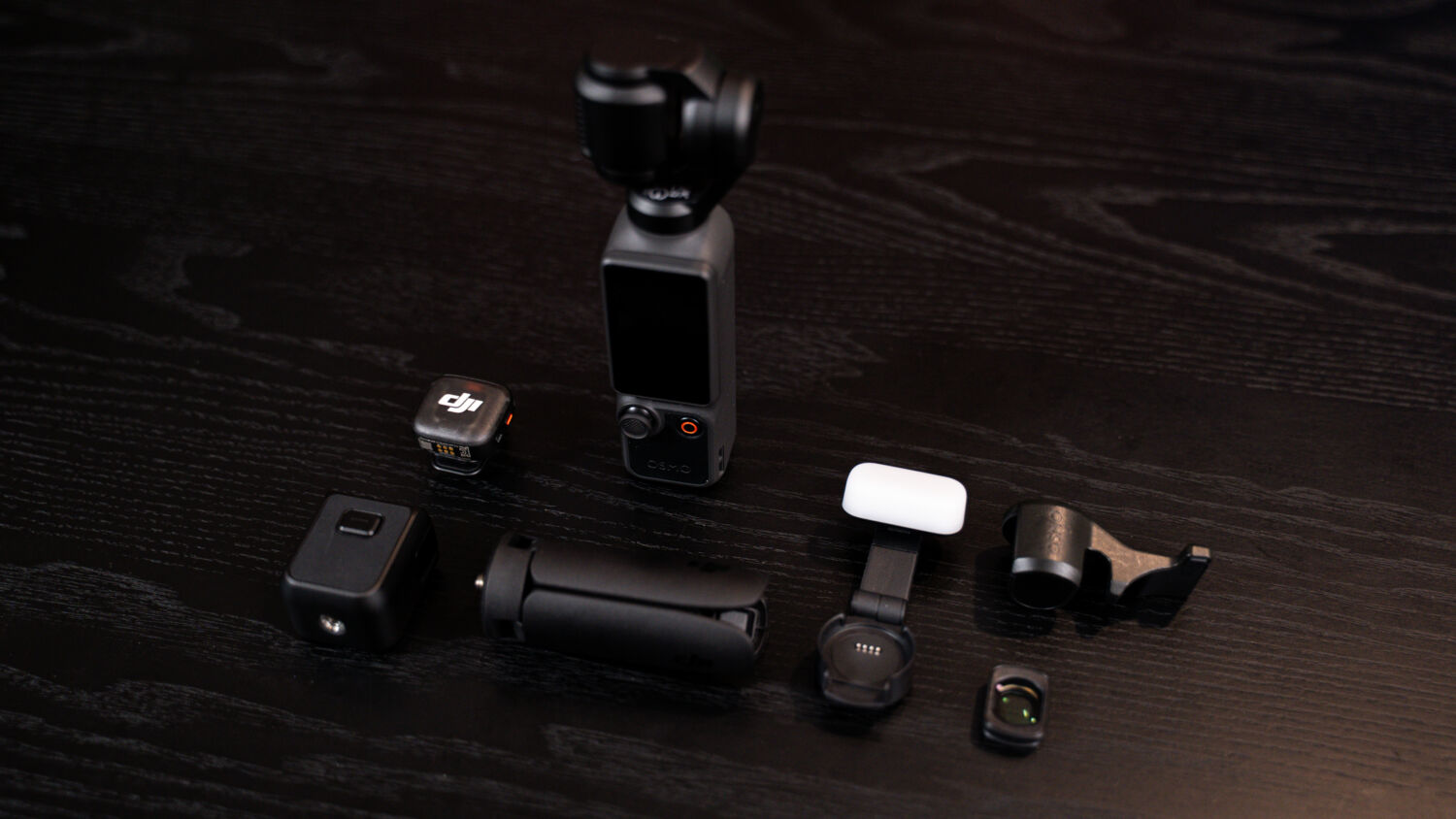
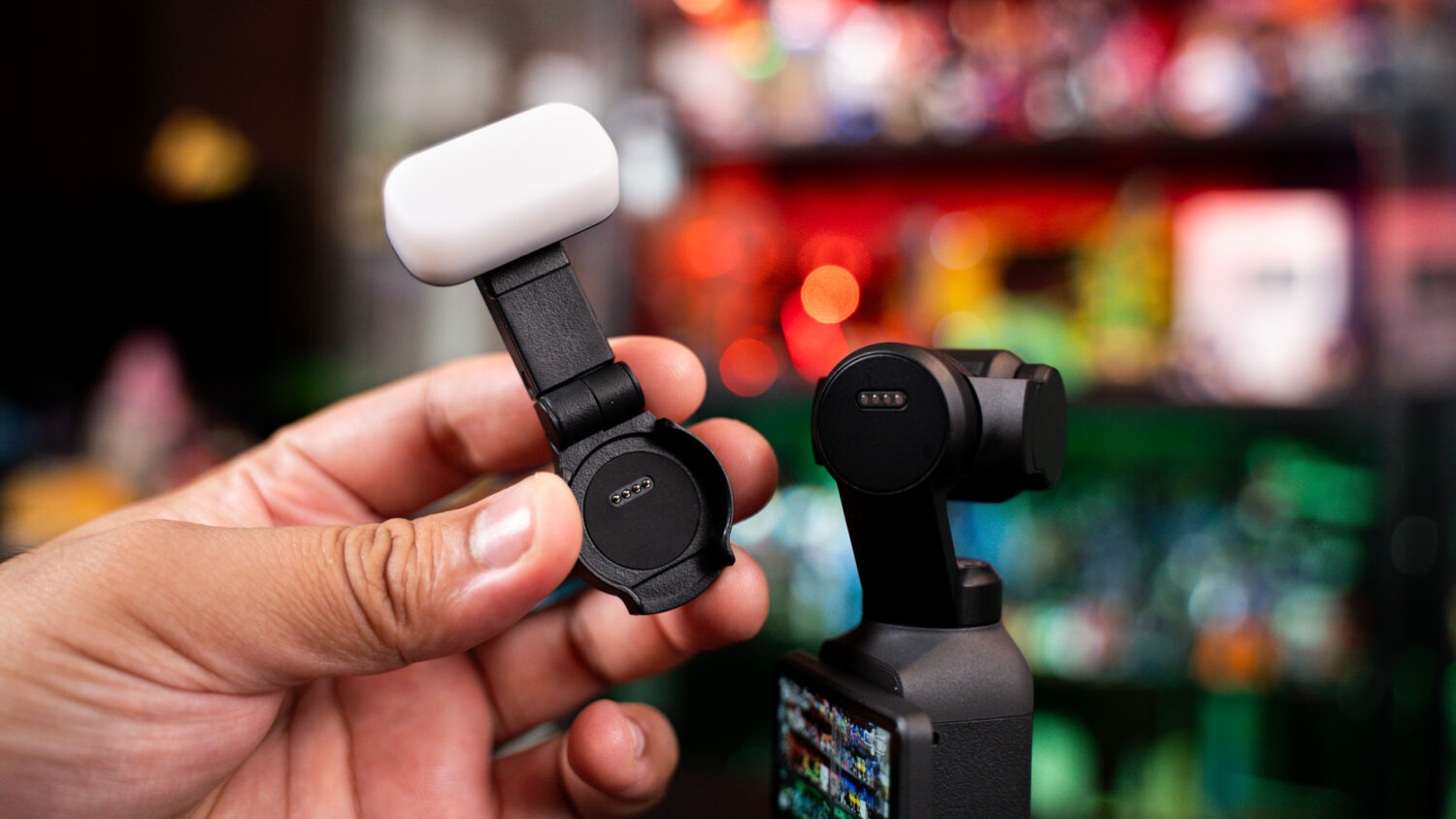
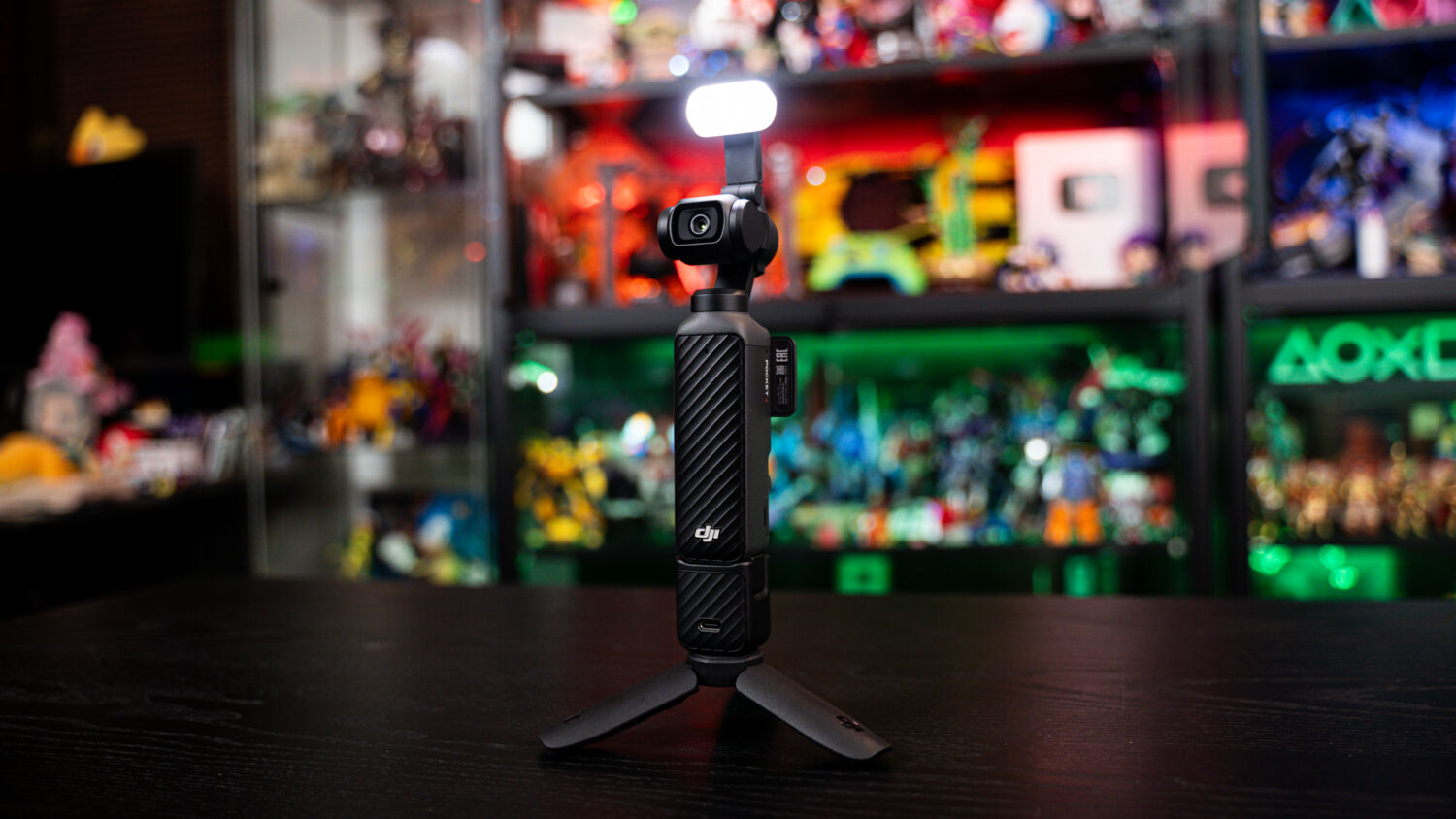
The unit also comes with a Creator Combo pack that offers additional accessories, including a Wide-Angle Lens, DJI Mic 3 microphone and two wind muffs, a magnetic clip for the mic, a fill light that connects to the camera, giving you additional light in low light conditions, a mini tripod, and a pass through base case for a better grip when connected, or for the Pocket 4 to be mounted on a tripod and still be able to be connected to a USB-C charger.
It can be inconvenient to carry the case with all the accessories around, but with a gimbal guard that prevents the gimbal from being rotated when not in use, you can confidently keep this in your pocket or pouch, without worrying about damaging the sensitive electronics within.
As a dedicated video blogging device, the DJI Osmo Pocket 4 is purpose-built to fit the needs of a specific demographic, and at S$599 for the standard pack and S$759 for the Creator Combo, it’s not meant for everyone. But if your purpose is to create and deliver content beyond that of a casual user, and requires more functionalities than the basic limits of what your smartphone offers, the Pocket 4 is the all-in-one combo.
GEEK REVIEW SCORE
Summary
DJI’s Osmo Pocket 4 is user-friendly and packs in the hardware and software chops to make high-definition video content creation a simple affair. While your iPhone can do most of what the Pocket 4 is capable of, it doesn’t hurt to have a dedicated video creation device to do the heavy lifting and let your phone remain a communications tool.
Overall
8.9/10-
Aesthetics - 8.5/10
8.5/10
-
Build Quality - 9/10
9/10
-
Performance - 9.5/10
9.5/10
-
Value - 8.5/10
8.5/10
-
Geek Satisfaction - 9/10
9/10

Sherwin once held the Matrix of Leadership, but wisely passed it on to the rightful leader of the household.
 HSALS
HSALS
 Si Jia
 Yonk
Yonk