
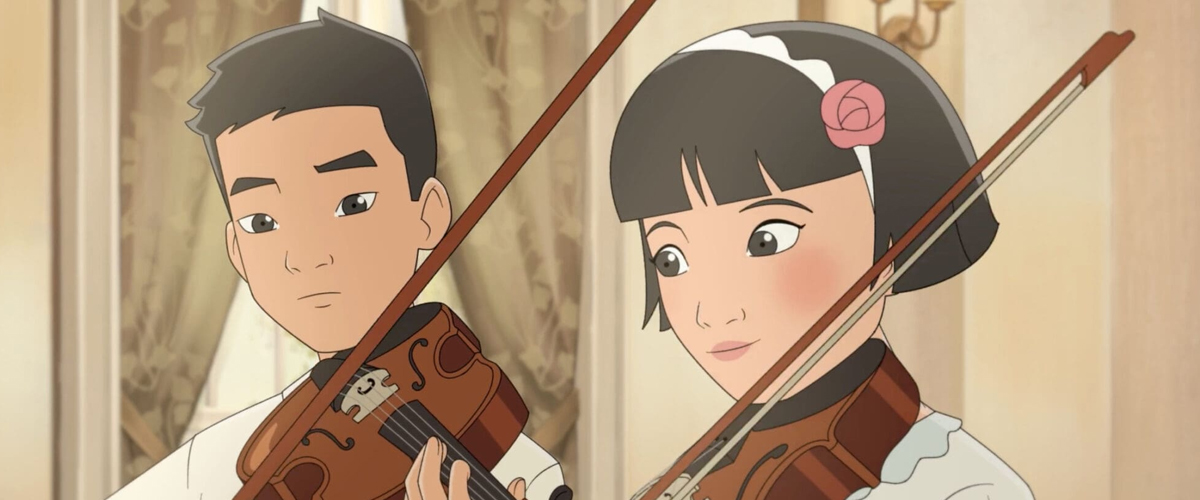
Of the estimated 1,000 to 1,500 musical instruments used by various cultures globally, the violin is considered to be unique in its ability to closely mimic the human voice, and it’s the one instrument that seems to be pulling the strings of Singapore filmmaker Ervin Han.
In 2015, the Murdoch University graduate and son of Singaporean playwright and Cultural Medallion recipient Han Lao Da wrote and co-directed a 16-minute animated short film, The Violin, which was produced by Robot Playground Media, a Singaporean animation studio he co-founded with creative director Bernard Toh. The short film would not only go on to win three awards – Best 2D Animation and Best Original Music Composition at the 2016 Apollo Awards, an international celebration of major achievements in the art world, and Best 2D Animated Programme at the 2017 Asian Television Award – but also steadily grow into what would be his first feature film.
With a deeply personal belief that Singapore’s history, and the broader experiences of Southeast Asia, deserved to be shared on the world stage through a story of emotional and artistic scale, Han leveraged his expertise in the field of animation and set out to spin a tale of how the healing power of art can prevail even in times of extreme tragedy. This path eventually led him to music, but he still needed that final touch – which instrument to feature.
Han explains that the eventual decision came during his early research, when he spoke with a local violin teacher who told him that the violin was the instrument that was capable of producing sounds that are the closest to the human voice. This line resonated with him so much that he not only chose to focus the entire film on the violin, despite not having any experience with the instrument, but also bring those words into the film as well.
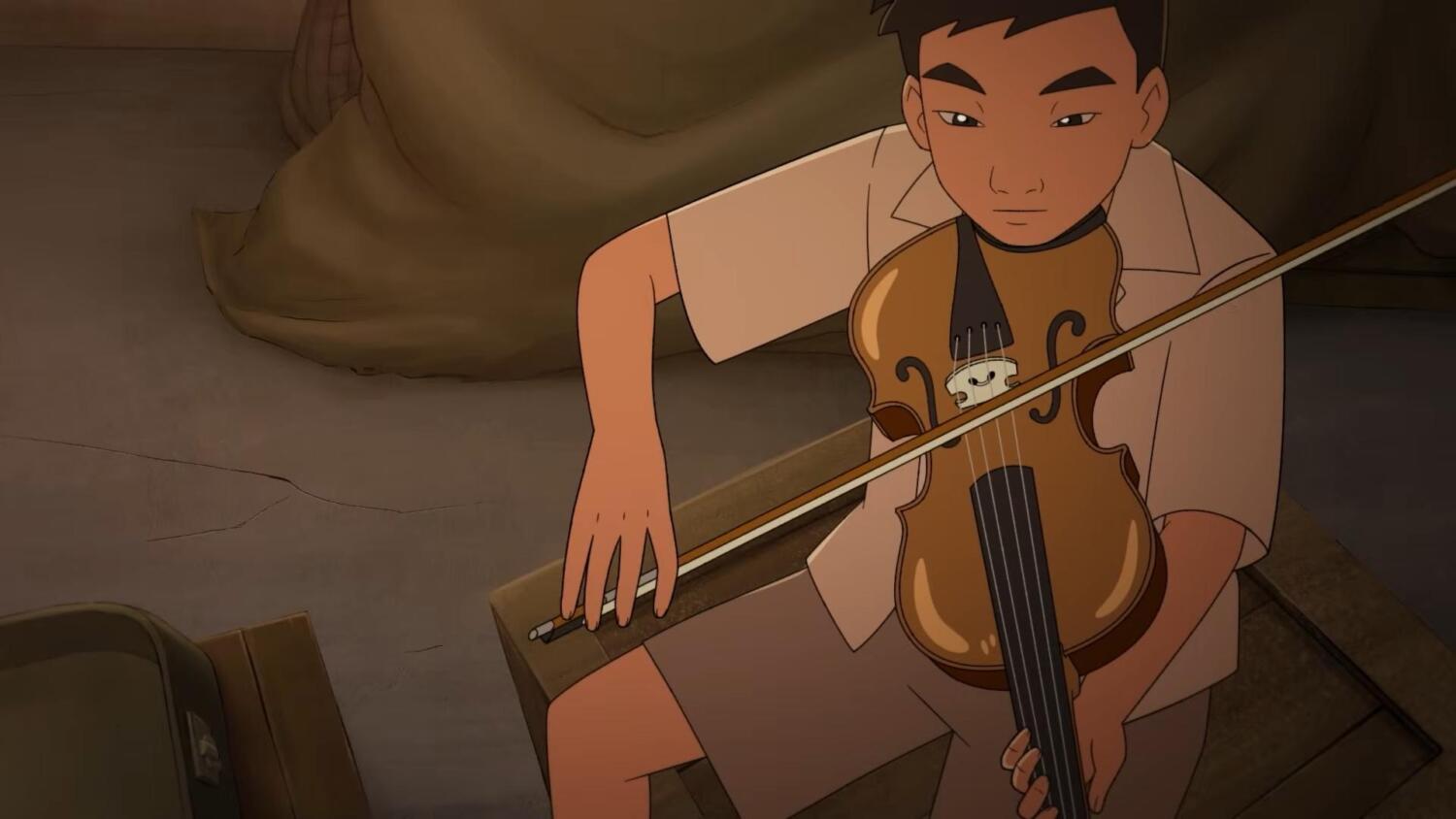
“I think what she meant was that the instrument, particularly string instruments, really have that range of expressiveness, and in many ways, can almost cover the range of human emotions, from grief to joy and everything else in between.”
And it has panned out for the animated filmmaker with The Violinist, an animated feature film that he co-directed with Spanish director Raúl García, which also serves as a joint production between the two nations and recently took home a Cristal for Best Feature Film at the 2026 Annecy International Animation Film Festival, one of the most prestigious accolades in the world of animation.
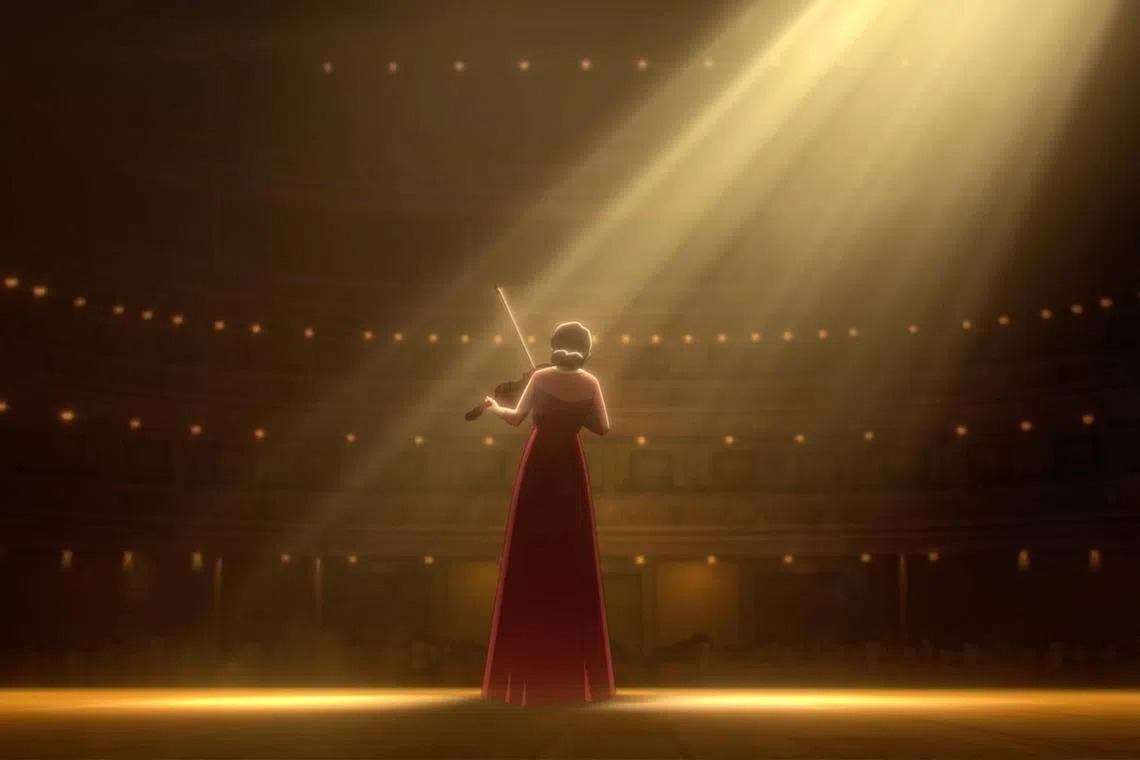
Set against the backdrop of 1930s Singapore and the subsequent Japanese occupation of Southeast Asia, The Violinist centres on the journey of two childhood friends, Fei (Fang Rong (Fried Rice Paradise) and Tan Kheng Hua (Phua Chu Kang Pte Ltd), who plays the younger and older version of the character) and Kai (Ayden Sng, Seven Days), whose lives have been impacted not just by the tragedy of war, but also by the enduring power of music.
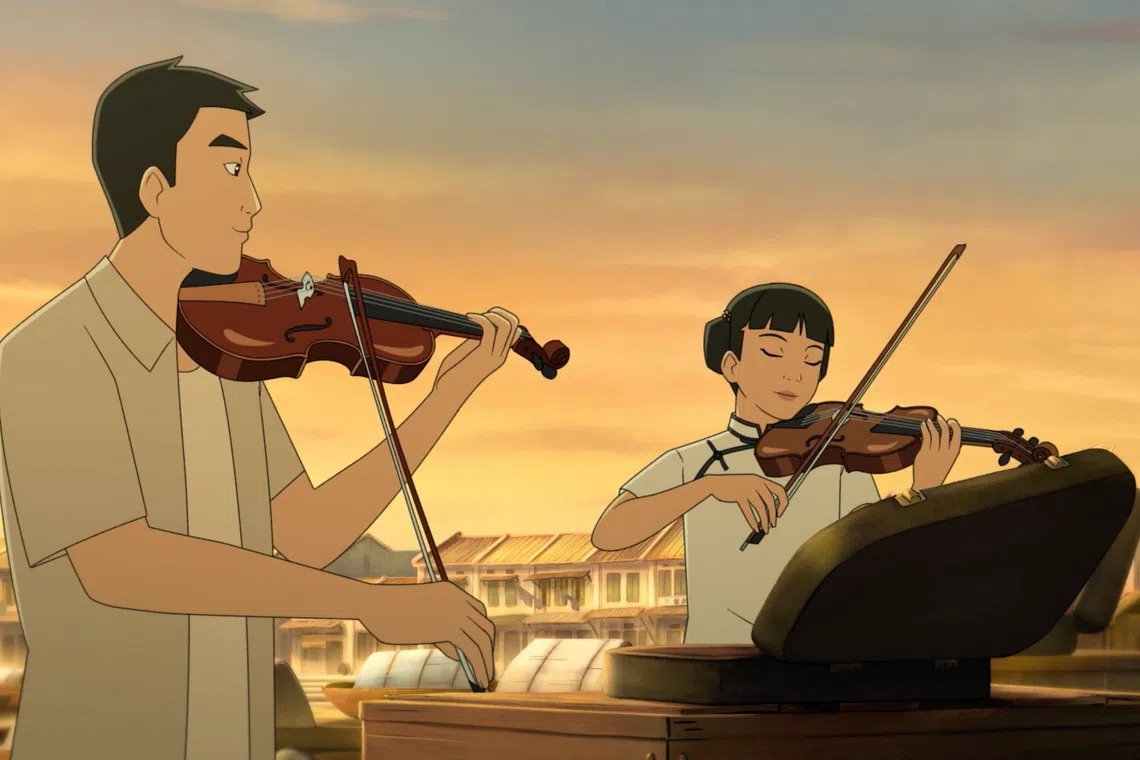
The film explores the themes of friendship, sacrifice and remembrance, but most importantly, how music can heal and carry emotions through even the darkest times – important themes that were mirrored throughout the film’s development process and through everyone involved.
Often referred to as the language of the soul, music, or something as simple as a melody, has the power to resonate with listeners from different backgrounds even in the absence of words, tearing down the language barrier and allowing them to feel a collective sense of unity by using rhythm and sound to convey complex emotions like joy, sorrow or love – no translation needed.
For Han, this journey has been a challenge, but it actually didn’t begin at the start of production in October 2023, but rather seven years before that.
“11 years ago, when I started out on this journey, it began with the idea to tell a Singapore story,” Han explains during a media conference with Geek Culture and other Singaporean media outlets at Victoria Concert Hall – the venue seen in the film where Fei performs Sunset Sonata, an emotional original composition by Singaporean composer Ricky Ho – with the director joined by his fellow collaborators on the panel including García, Ho, executive producers Justin Deimen (Gameboys) and Leonard Lai (Ah Boys to Men), Japanese producer Takafumi Yuki (Tokyo Trial), and Japanese voice cast member Kazuya Tanabe (Tokyo Vice).
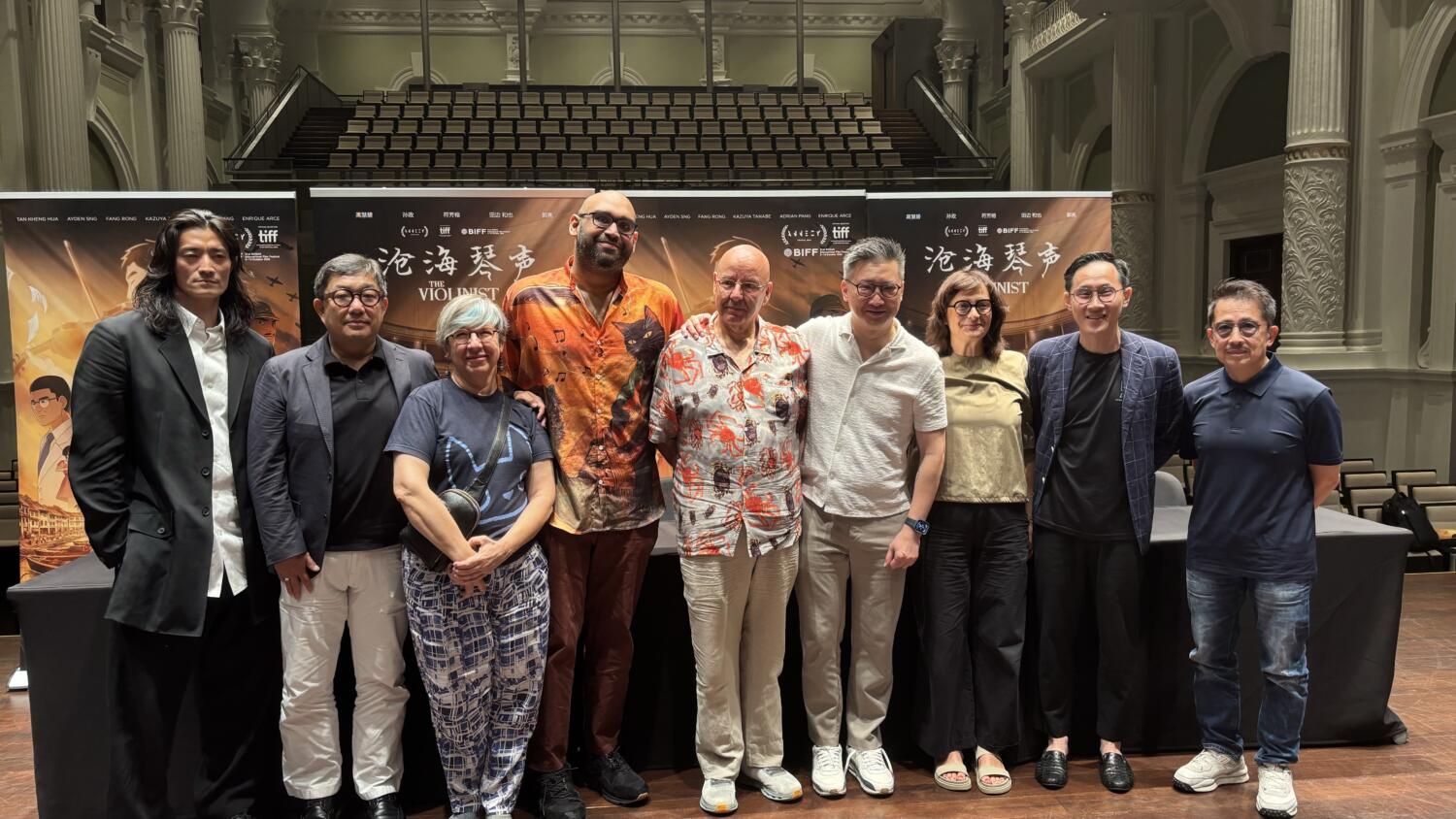
“It’s very much a love letter to the region, the stories and histories that shape us,” Han continues. “I knew we had to give a story about who we are, where we come from… and of course we had to craft an emotional, character-driven story in this context, [which] required the collaboration of hundreds of artists and animators, producers, and filmmakers from around the world.”
And one such collaborator was co-director Garcia, a Spanish animator and Disney alum who previously worked on Aladdin (1992), The Lion King (1994), and Pocahontas (1995). Based in Madrid, Garcia’s path would intersect with Han’s nine years ago, when the former came to Singapore to teach animation at the LASALLE College of the Arts, planting the seeds of what would eventually become The Violinist.
“For us, this is a story about passion and love, a story about human characters thrown into the world during extraordinary events,” Garcia explains. “But at the core of the story is the human relationship. In a sense, we could say that it’s really a story of three people, and one of them is the music, the thing that bound [Fei and Kai] together.”
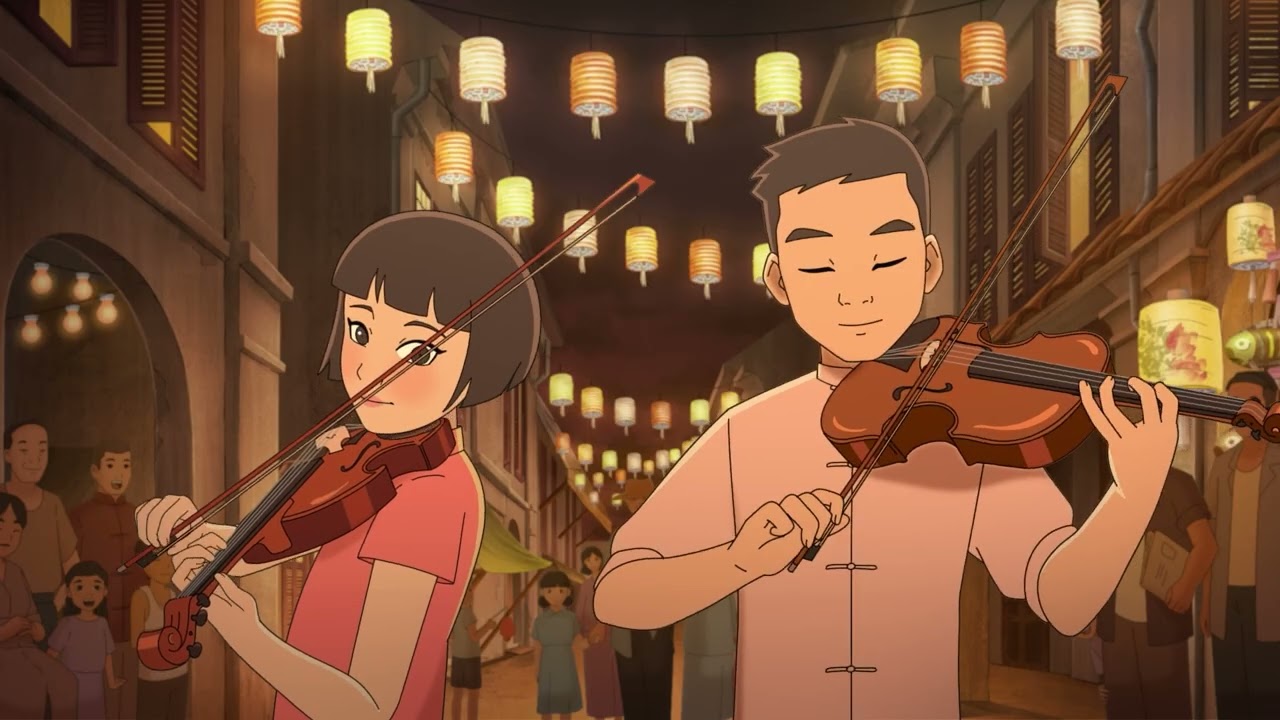
The Violinist isn’t just a film about music binding people together in the toughest of times, but also, just like how beats and melodies can harmonise together to form a beautiful musical score, developing the feature was a combined effort from teams around the world, some of which had to bring Singapore to life on-screen without actually having set foot in the country before.
“Many of [the international teams] have never been to Singapore, much less Singapore in the 1920s and 30s,” explains Han, who recalls how the teams were sent a reference package to create a layout of 1920’s Chinatown, only for early drafts to come back looking like Paris.
“So we knew we had to do the homework first, and once that was done, things really began to go much more smoothly.”
“Any movie means a process of discovery of the part of the filmmaker because we have to create that world and immerse ourselves to be able to make the characters alive,” adds Garcia, who recalls discovering Peranakan culture, the essence of the Singaporean identity, during the many research trips the team made across numerous historical sites in Singapore like the Baba House on Neil Road, which eventually became the reference for Fei’s family home in the film.
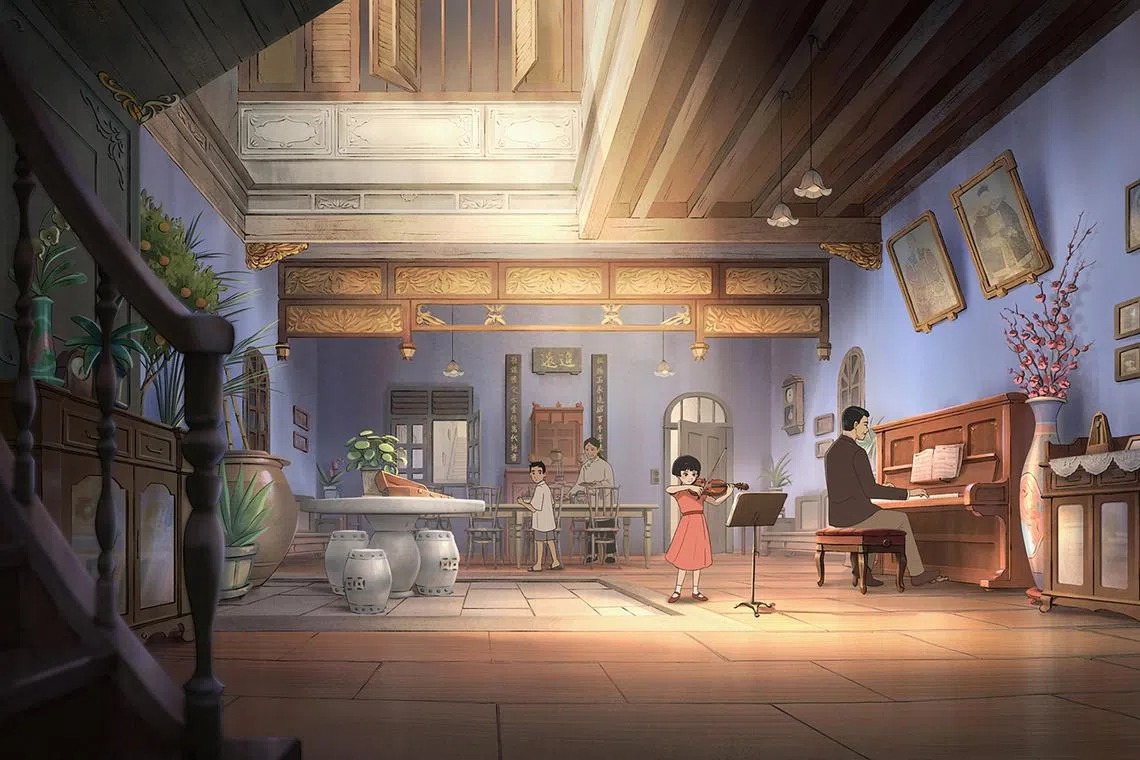
“It tells you volumes about what Singapore used to be… I’ve been teaching animation here for many years, and I don’t think our students know enough about their own culture, so I hope that this movie will be like a little seed that we plant, and then it’s someone else’s mission to make it flourish and learn more about the history.”
While The Violinist is set against the backdrop of one of the darkest, yet most important periods in Singapore’s history, it wasn’t just tragedy that brought its characters together, but the music, and more specifically, its titular instrument. But animating the violin proved a particularly difficult task for the team, especially since none of them actually played it.
“In some ways, our hands were tied because it’s loosely based on the short film we did in 2015 called The Violin,” Han explains when asked why the team chose the violin as the film’s central instrument, although he jokes that he oftentimes wished he didn’t end up choosing it, considering how difficult it was to animate.
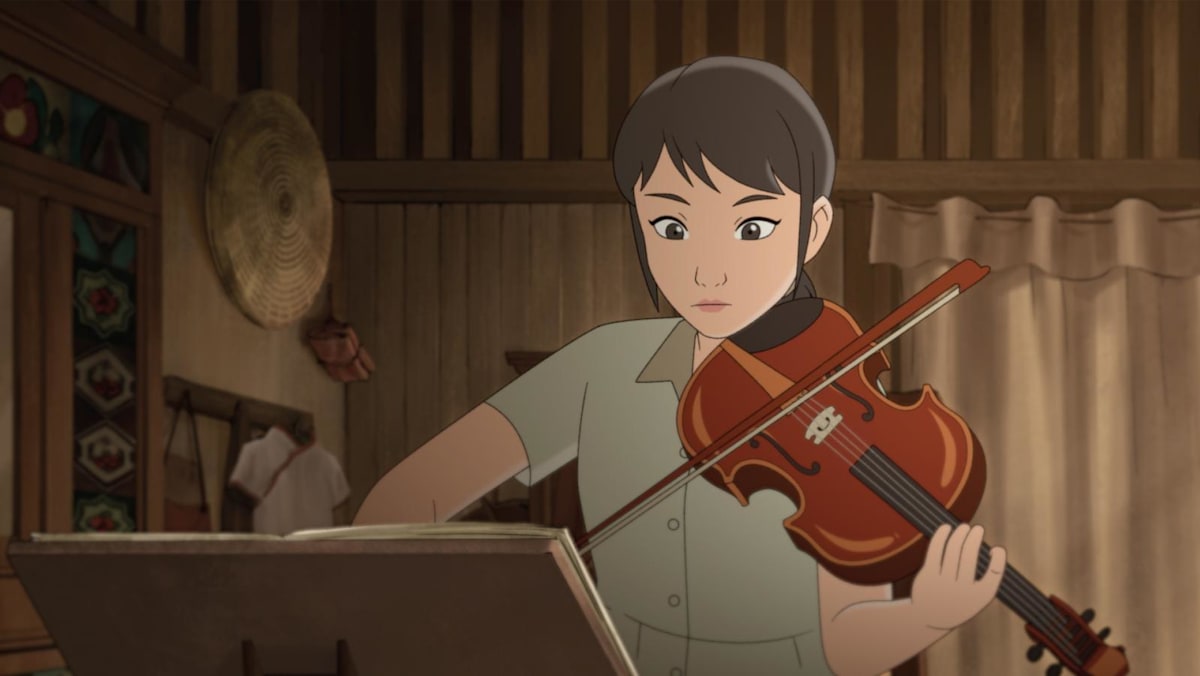
“It’s very hard to ‘cheat’ when you animate [a violin], ” he recalls.
“You cannot cut to the piano playing, for example, because the entire violinist’s body language is a part of the performance. My team in Singapore basically spent 18 months doing nothing but animating the violin.”
“From the point of view of animation, we really wanted to have the fingering in the right place when you play the violin,” adds Garcia. “You feel the pressure, you feel the vibrato, you feel all these things that make playing the violin unique.”
“And of course, from the artistic point of view, there’s that grace and beauty seen in a violin player, the control of the arms, the pose, the way body language has to be put forward in the performance; it makes such a beautiful scene, and it was the artistic choice that was perfect for us.”
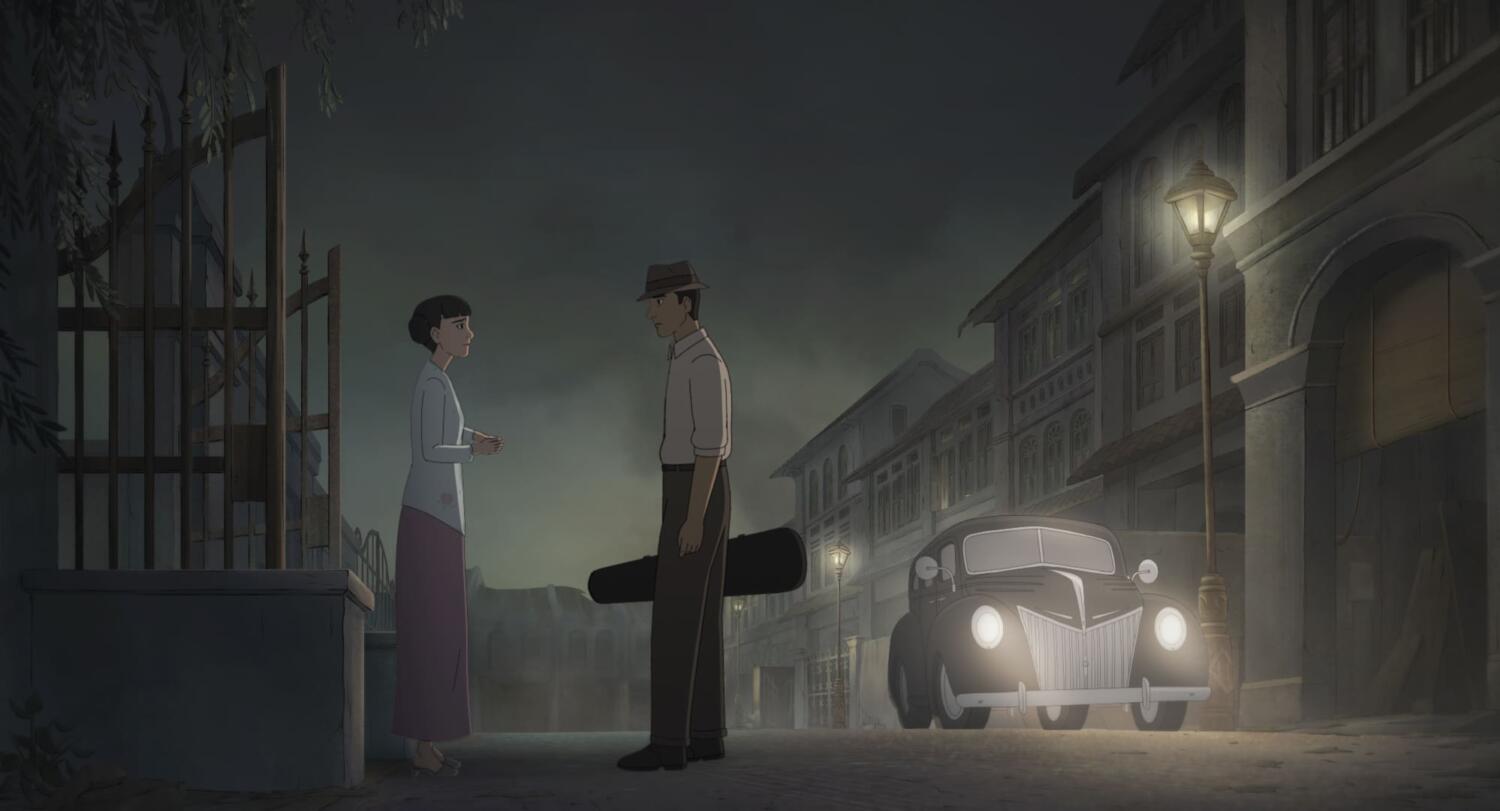
And binding all the film’s elements together, from the intricate animations to the emotional storytelling, was the music itself, a gargantuan task for composer Ricky Ho, who previously worked on the scores of films like 2011’s Warriors of the Rainbow: Seediq Bale, and local director Royston Tan’s 2008 musical drama 12 Lotus.
“Melody is really important for this movie, so I had to go through the 1930s and 1940s to learn what they listened to, and what the performers would play,” explains Ho, who adds that although the immediate choice was classical music, he didn’t want to use too much of it, as it often portrayed themes of pressure and tension, something that didn’t fit The Violinist’s themes of love and connection.
“I spent a lot of time on each note, and I actually spent months developing the main theme,” he recalls. “And this was the most important part because it carries the characters together, from the 1930s when the children met to when Kai started writing it, which carried them through wartime.”
Ho also recalled that he was given just one piece of instruction from Han – to make audiences cry from the very first note, something that was unsurprisingly very challenging to pull off and required seven different versions by the time it was sent to the film’s lead violinist, Joy Yong. The Singaporean musician, who performs under the stage name Joyy, is also a singer-songwriter and dancer.
While Ho is extremely satisfied with what he wrote at the end of the day, he still recalls with amusement how taken aback he was when Han first proposed featuring such a challenging instrument as the violin, which Han jokingly agreed to.
“I should have chosen the triangle, but then there would have been no story, and we wouldn’t be here.”
The Violinist will premiere in Singapore theatres on 17 September 2026.
Kevin is a reformed PC Master Race gamer with a penchant for franchise “duds” like Darksiders III and Dead Space 3. He has made it his life-long mission to play every single major game release – lest his wallet dies trying.

 Si Jia