At its core, extraction shooters are notoriously hostile to players, with Escape from Tarkov setting the new baseline for how much fans of the genre need to prepare before setting off, from inventory management – where the right ammo type needs to be equipped to take down anticipated armoured enemies – to even the walking pace of their characters when approaching certain situations.
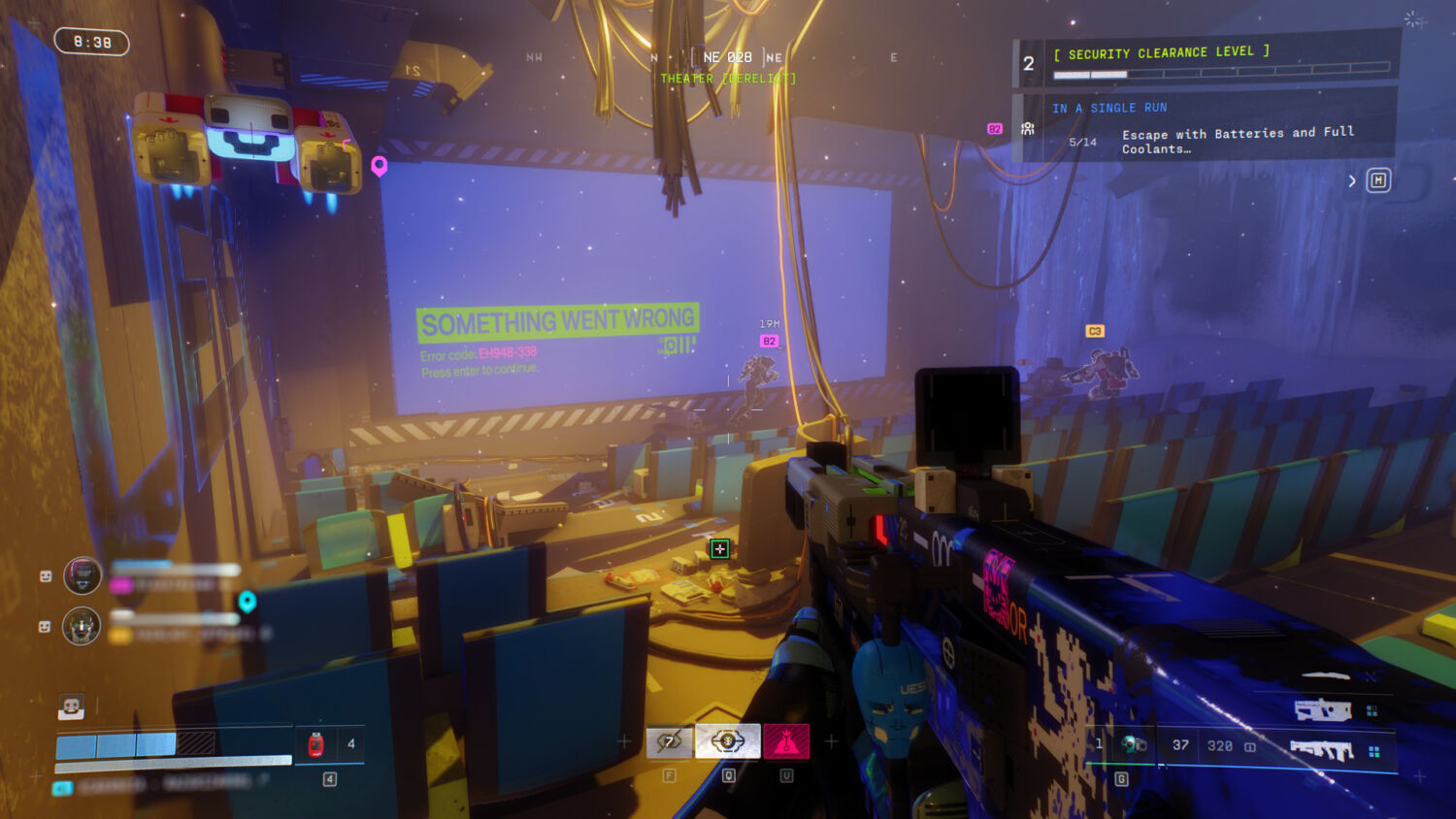
It’s unforgiving, but that only means victory feels all the more rewarding when all goes to plan, as Russia’s greatest general, Field Marshal Aleksandr Suvorov, once said, “The more you sweat in peace, the less you bleed in war.” In Bungie’s Marathon, this couldn’t be closer to the truth, even the environment is hostile and everything can and probably will take you out.
A name known to Mac gamers from the 90s, Bungie’s latest has transformed from a linear space epic first-person shooter (FPS) into a team-based extraction title, marking the developer’s first foray into the genre and the first entry in the series since 1996. Built on the franchise lore fundamentals of the original, the title brings players to the deceptively beautiful planet of Tau Ceti IV, a hotly contested property by several corporations, 99 years after the events of its predecessor.
You are a Runner, a soldier of fortune whose consciousness is continually uploaded to artificial bodies known as Shells, to work for the highest bidder or on your own terms amid an unending conflict between other Runners, fauna, wildlife and the legions of robots from the Unified Earth Space Council (UESC). Instead of being part of a community fighting against a larger threat, such as in Arc Raiders, or befriending fellow Runners, you’re the cog in the machine that keeps mega-corporations running.
Marathon is in no way a shallow game, with seven character classes to dive into, six factions to do business with, and four maps to explore. Each component is handled with an almost extreme amount of care and intention to keep in line with the game’s narrative and aesthetic – be it the colour-coded buildings and complexes that range from bright neon green to dark orange to stand out amidst the vegetation, or the names of equipment and labels slapped on crates for greater visibility. The art direction is a designer’s dreamscape, but even the average Joe would be able to appreciate the visually striking environment, even if some may find the navigation a little confusing.
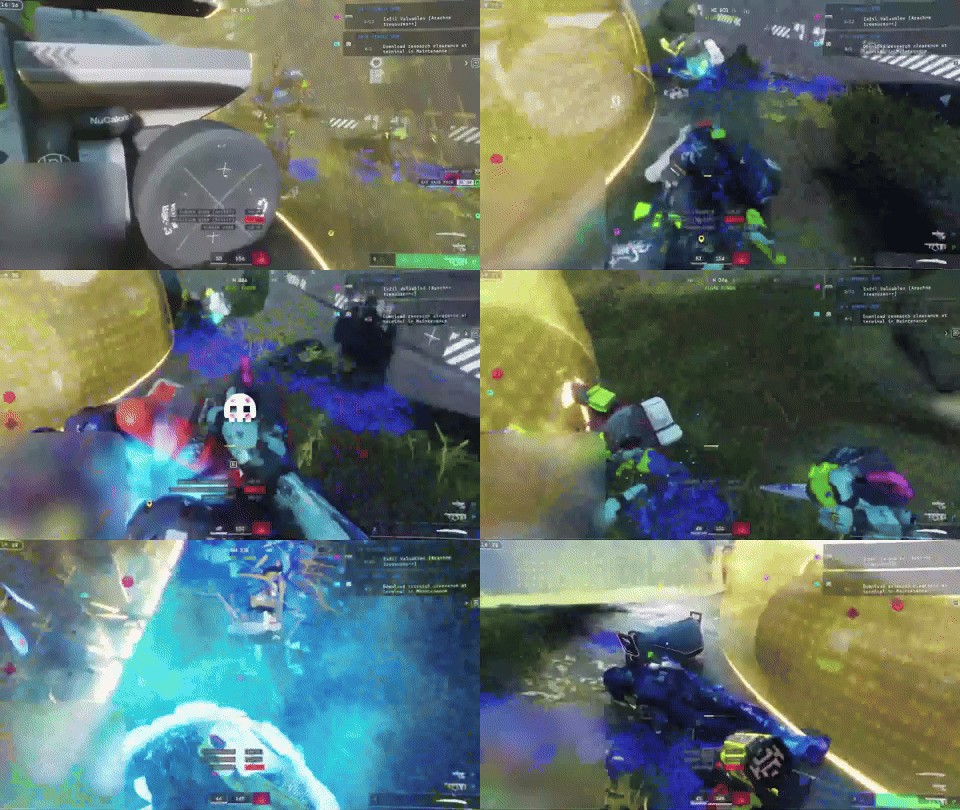
The maps available at launch range from picturesque locales to oppressive military complexes, providing the perfect backdrops for driving a combat knife through a Runner’s bleeding chest. The presentation carries a distinct tone that’s eerie and unnerving – you may hear desperate screaming and crying while passing by a shimmering anomalous field that seems trapped in time, juxtaposed with the polite tone of a corporate AI informing you of the time you have left before they leave you behind. It’s a wonderfully dystopian world, and Bungie has nailed the direction and narrative implications on the head, even though its storyline is disjointed in the form of recordings, audio logs, occasional dialogue with the faction representatives, and the lack of a single-player campaign to tie it all together.
The core gameplay loop for Marathon doesn’t differ much from any other extraction shooter – get a mission from an NPC, enter the map to complete objectives, and exfiltrate alive. What sets it apart, however, is its relatively short time-to-kill (TTK) with almost any gun, turning each encounter with either enemy UESC robots or players into a high-stakes engagement. AI-controlled as they may be, the UESC bots are not to be taken lightly, as Bungie has made them more than just mindless drones by having them actively react to player actions, such as jumping away from shots, investigating their general area if noise is detected, and draining their HP when they are downed.
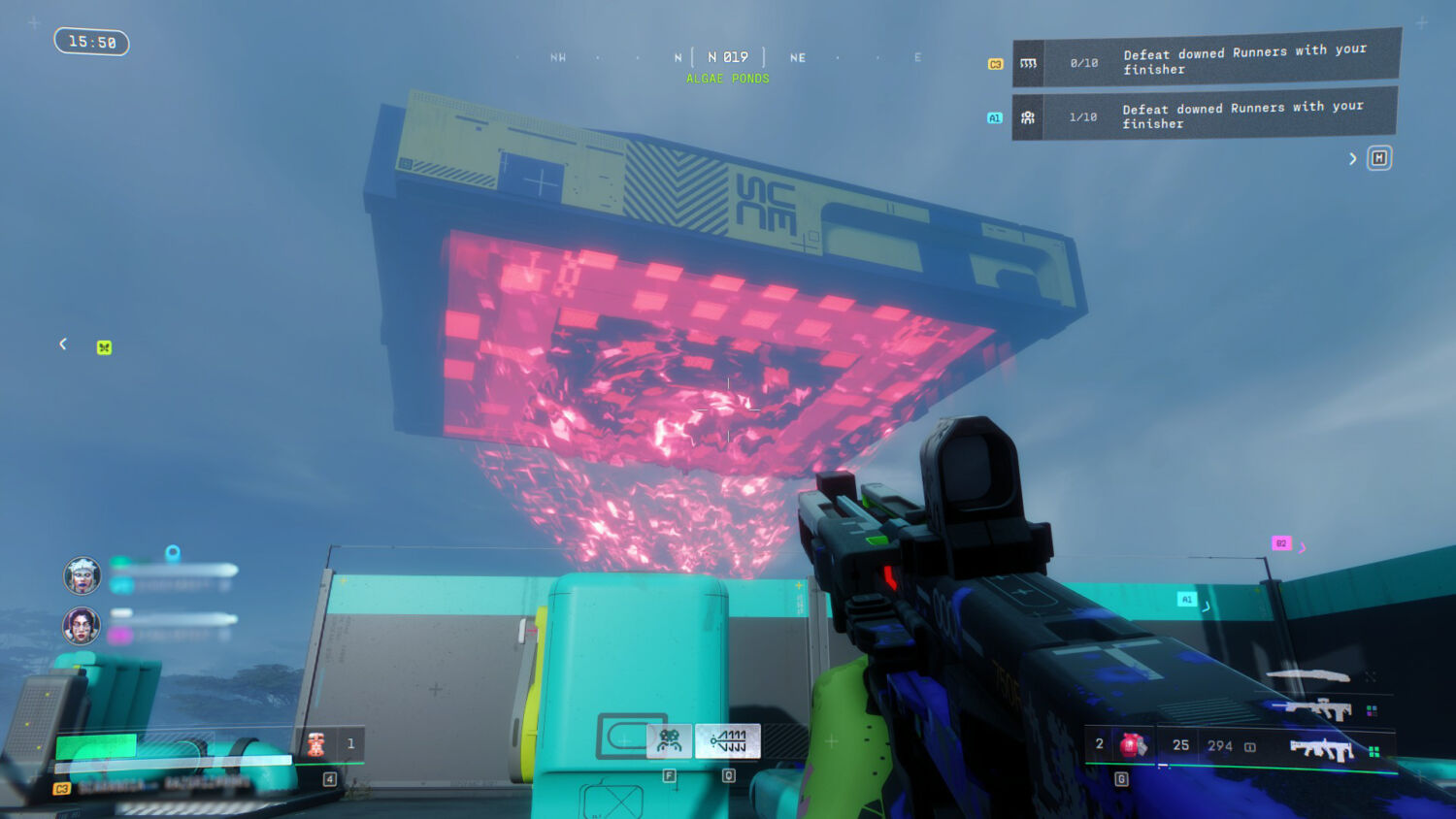
Enemy players are equally brutal, ensuring quick eliminations with no room for remorse, which contributes to the game’s addictive nature, as each run delivers a dopamine rush when you score great loot and kills. The visceral familiarity and weight of every weapon are executed wonderfully, with even the most basic picks proving deadly in shoot-offs. Sure, you’d run into some trouble against a player with more powerful shields, but with enough cunning and a little bit of luck, they can most certainly be taken down. Never estimate any Runner, regardless of the grade of their gear, because anyone has a shot at victory, including newcomers.
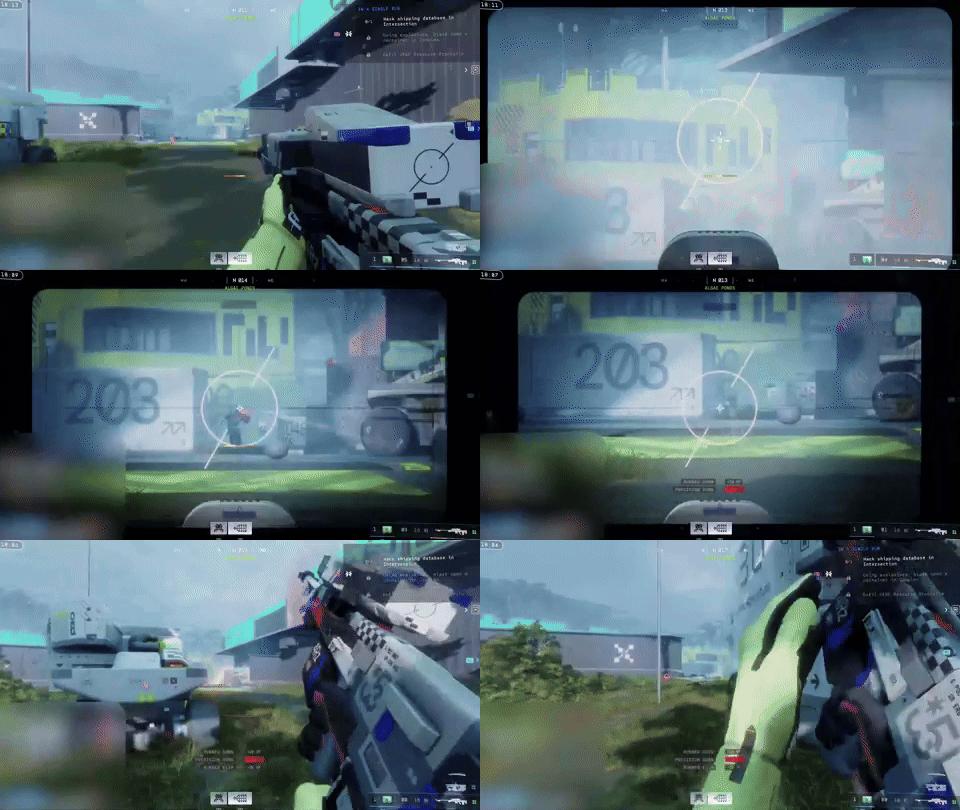
The primary draw, however, is in the gunplay. There’s heft to each firearm and weight behind each pull of the trigger, accompanied by crisp sound design that serves as music to our ears. Bungie has always had a unique way of handling weapons and how they interact with enemies, conveyed through a distinct cracking sound when a shield is broken, trails of light that follow energy rounds as they lock onto your targets, and the satisfying explosive sound of a sniper rifle echoing throughout an open area – all beautifully crafted elements that pull players deeper into the game.
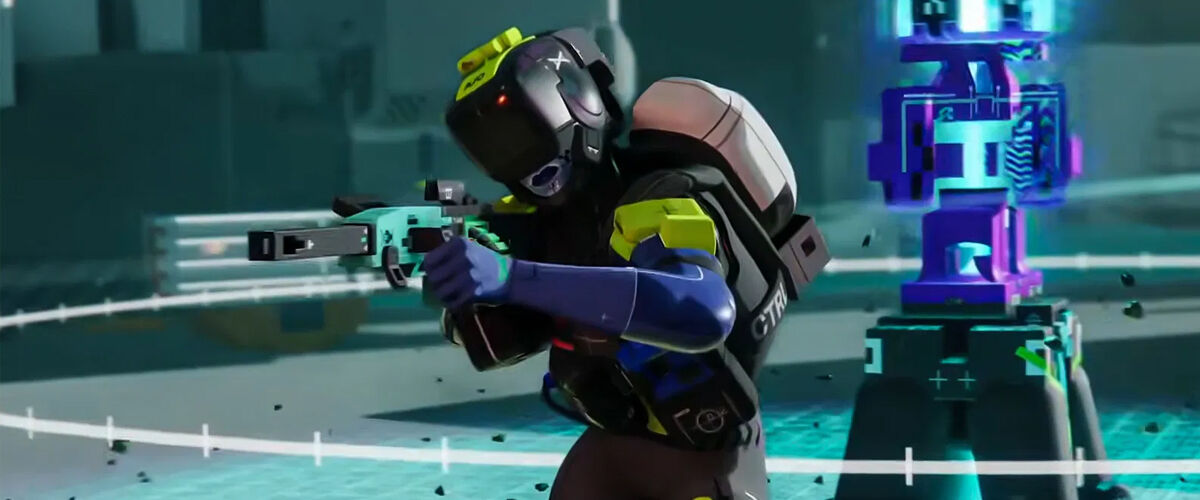
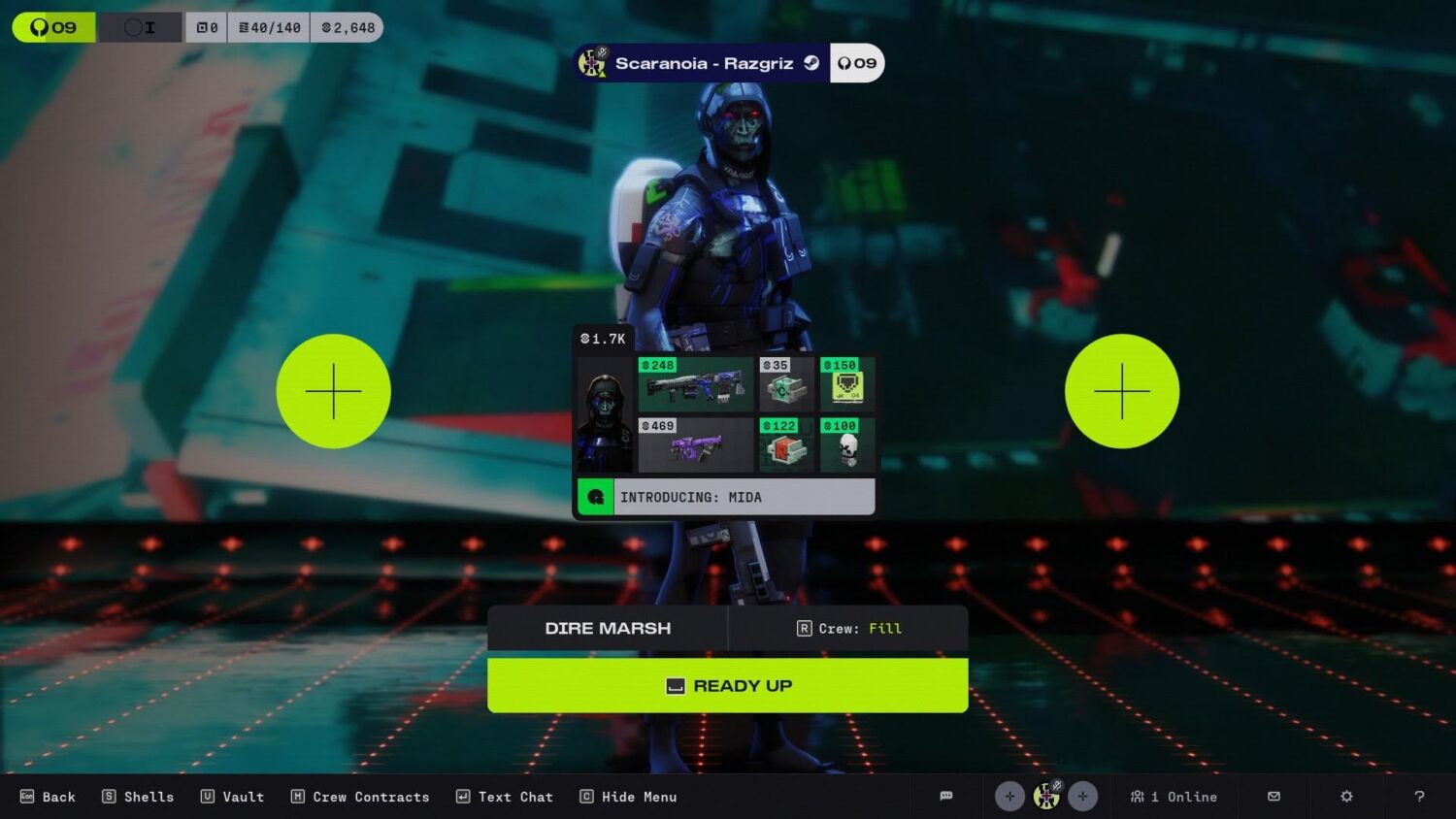
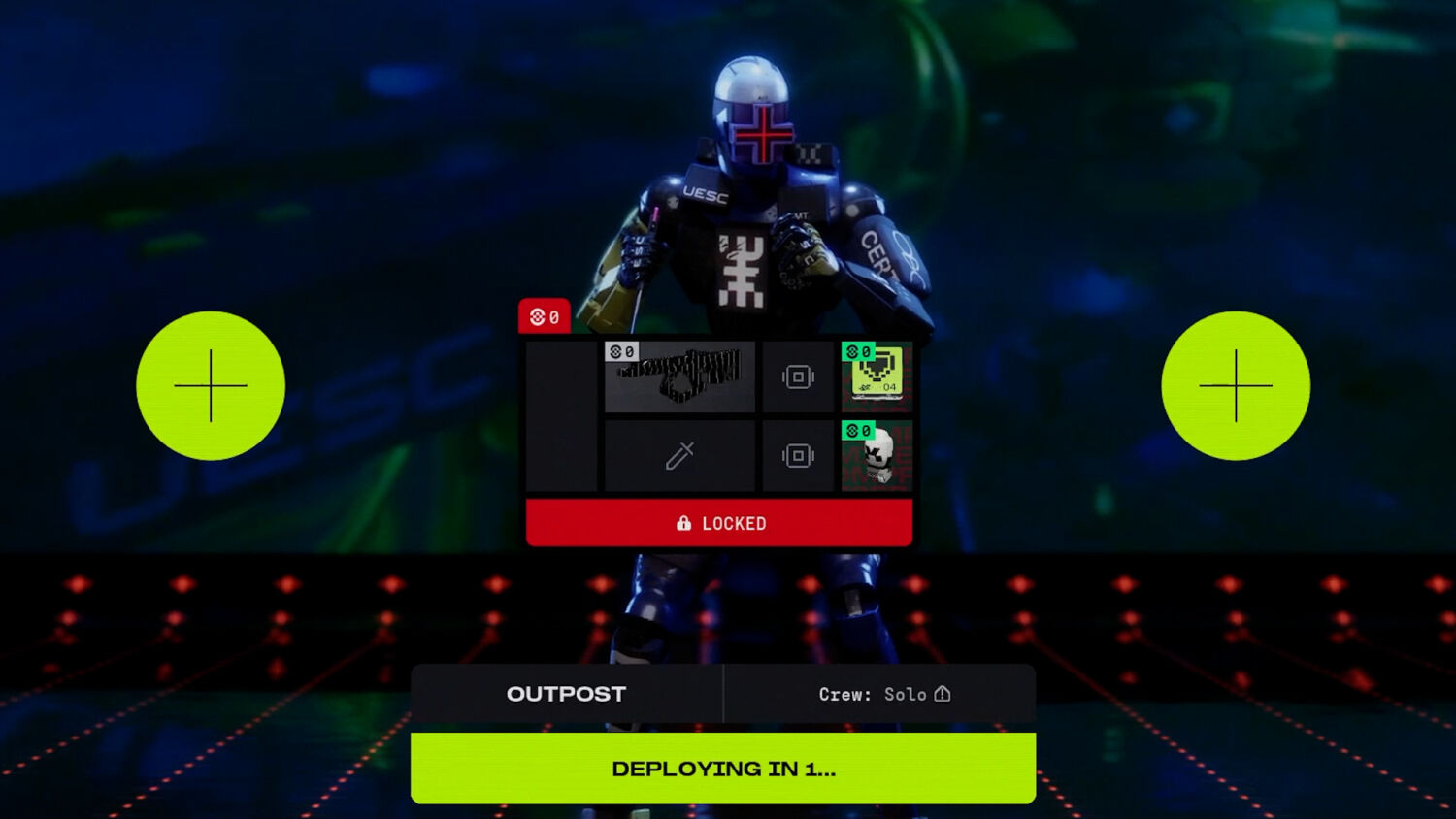
Before hopping into a round in Marathon, there are seven Runner Shells (Marathon’s version of classes) to pick from, featuring archetypes ranging from the aggressive Destroyer and stealthy Assassin that can turn invisible, to the classic medic Triage. Each of them has different abilities, movement and statistics, with the Thief offering the Ultimate ability to deploy a drone, which can be flown to steal loot from unsuspecting players with its retractable claw, while Recon’s drone seeks out enemies and explodes right next to them when found.

Shell selection in a squad matters because it ties into your approach to engagement and the tempo of your fights, with each having its own place in a team’s composition, and better defining the role of each member. While the selection is wide enough in the base game, it isn’t exhausting to learn the approach to each Shell, allowing players to spice things up every couple of rounds. Of the list, Rook has a more unique play style, being a strictly Scavenger Shell that can only drop into ongoing matches solo.
What this means is a predetermined loadout, upgradable through unlocking Faction Agent nodes that offer improved fortification with modded weapons and utility items. Much like most extraction shooters, Marathon has an option for Scav, or Scavenger, runs that drop players into a solo match with randomised low-grade gear and see them grabbing whatever loot they can find – except its upgrades feel more viable and increase the chances of survival and taking down whole teams.
Then, there are the Faction Agents, who issue contracts to players for them to earn “Faction Reputation”, which levels up to unlock various purchasable upgrades that directly affect gameplay and unlock rewards in the form of credits or gear. These NPCs and their missions drive the game’s narrative through lore drips revealed to players upon completion of their assigned contracts.
From ONI, a reference to an older Bungie title, to Traxus’ Vulcan, Faction Agents are a delight to interact with and have distinct characters – the latter, for instance, commands respect with cold-blooded and transactional corporate language, while radical revolutionary group MIDA’s “_gantry” inspires calculated yet ferocious uprisings through enigmatic speeches. The most memorable agent is Sekiguchi’s Nona, who is in charge of the silkworms that craft the Shells you fill. Not only does she speak in the softest and most endearing of tones, but she’s also a literal worm. The voice acting is phenomenal across the board, bringing light to a dark setting, which makes it worthwhile to complete contracts and unlock brand-new interactions.
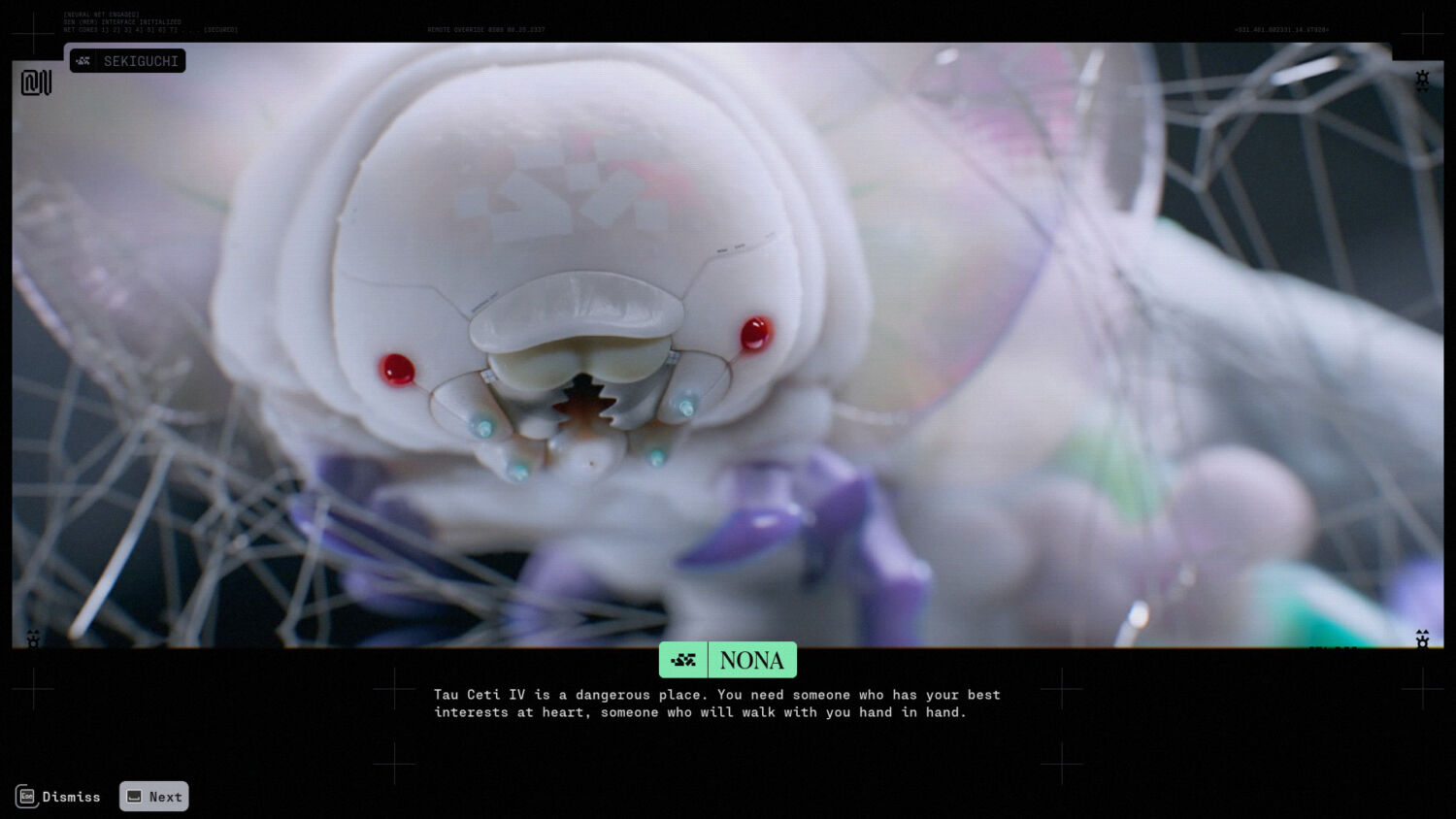
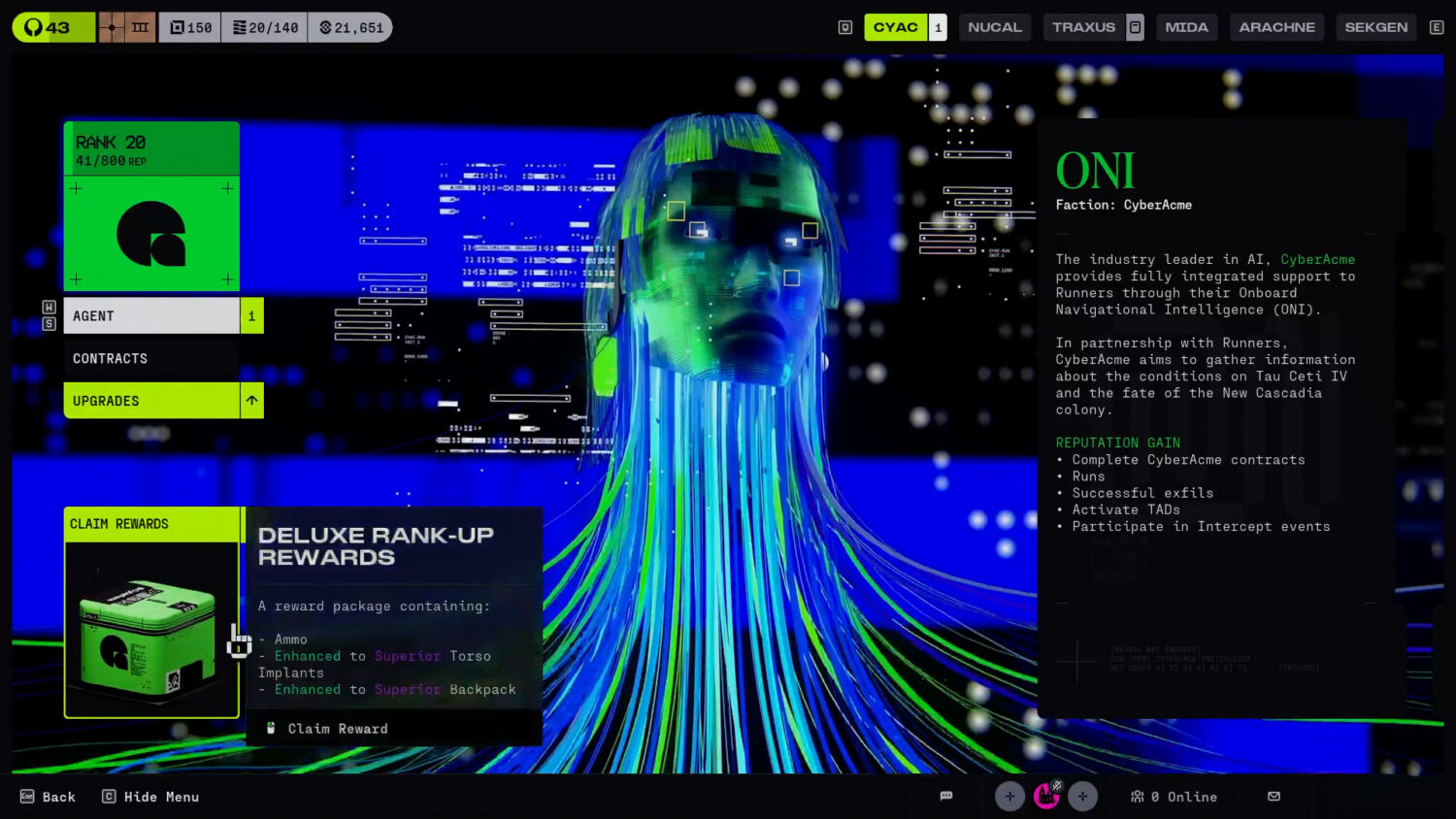
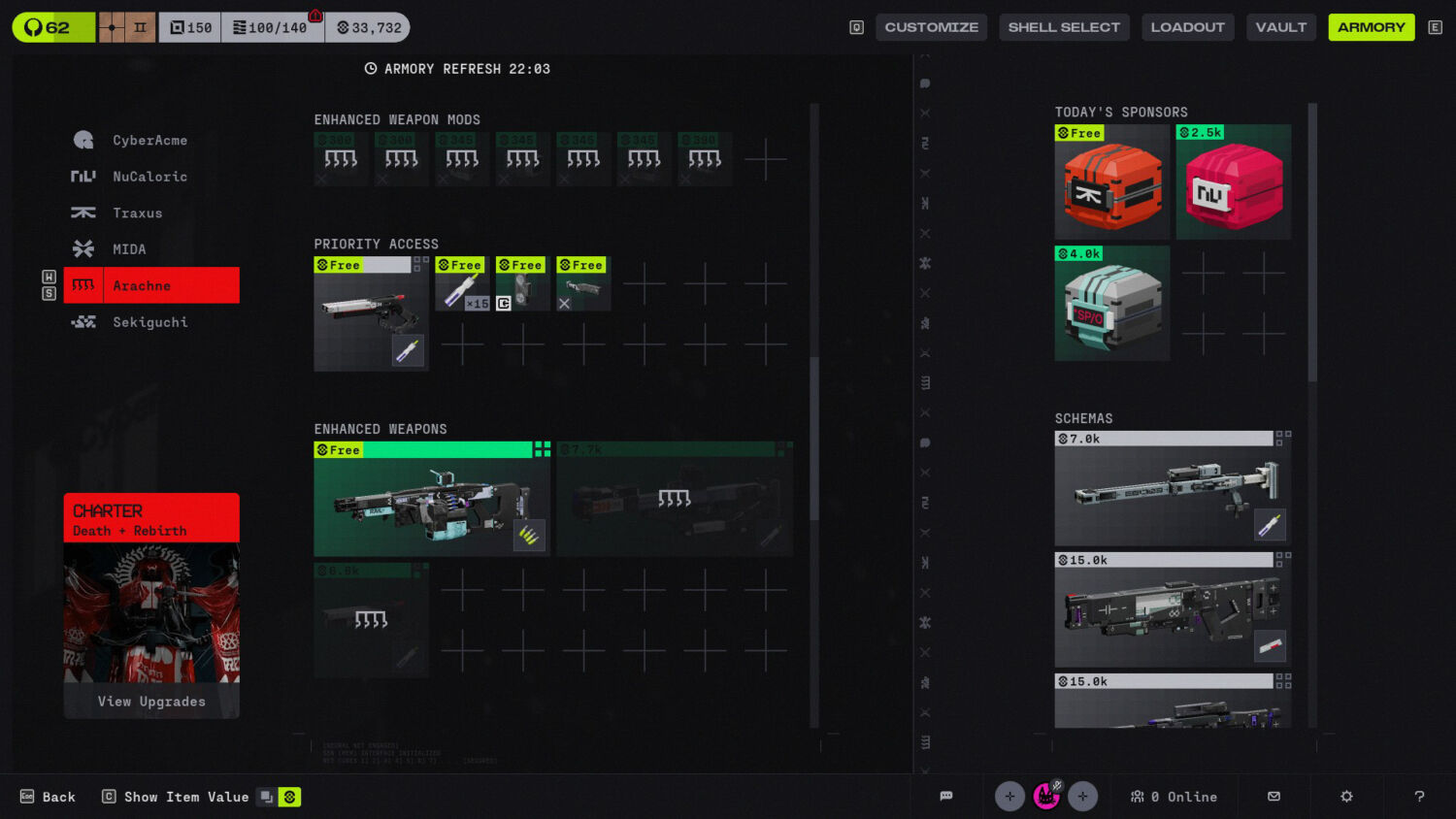
The strong writing and voice work of the Faction Agents is standard fare for Bungie, given their pedigree in developing legacy franchises Halo and Destiny, and adds to the appeal of all six factions, each with their own unique backgrounds that range from megacorporations looking to recoup their investment into the failed colony on Tau Ceti IV to the death cult of Arachne, which affectionately gives the gift of death to other Runners by skinning them alive. Wares can also be found in the Armory of each faction, allowing players to purchase or barter for faction-specific offerings and kits.
On the gameplay front, Marathon introduces many resources that players have to manage, including heat. This added layer of depth forces them to adapt to their circumstances, as sprinting and specialised movements like Destroyer’s thrusters and Vandal’s micro-jet jump require significant heat and can lead to overheating, forcing them into a cool-down state where walking is the only way forward.
Getting familiar with the statistics listed by Implants – equipable, colour-coded gear that enhances Runner Shells with fixed stat bonuses and randomised perks – is crucial to increasing heat capacity or cooling speeds, but there’s another factor at play. In Marathon, the weather can affect movement around the map and, by extension, heat levels, with shallow bodies of water greatly improving cooling, and vice versa. While some would argue that the heat system slows the game down, the pacing does work well, rewarding players for well-timed plays and punishing them when they get too greedy.

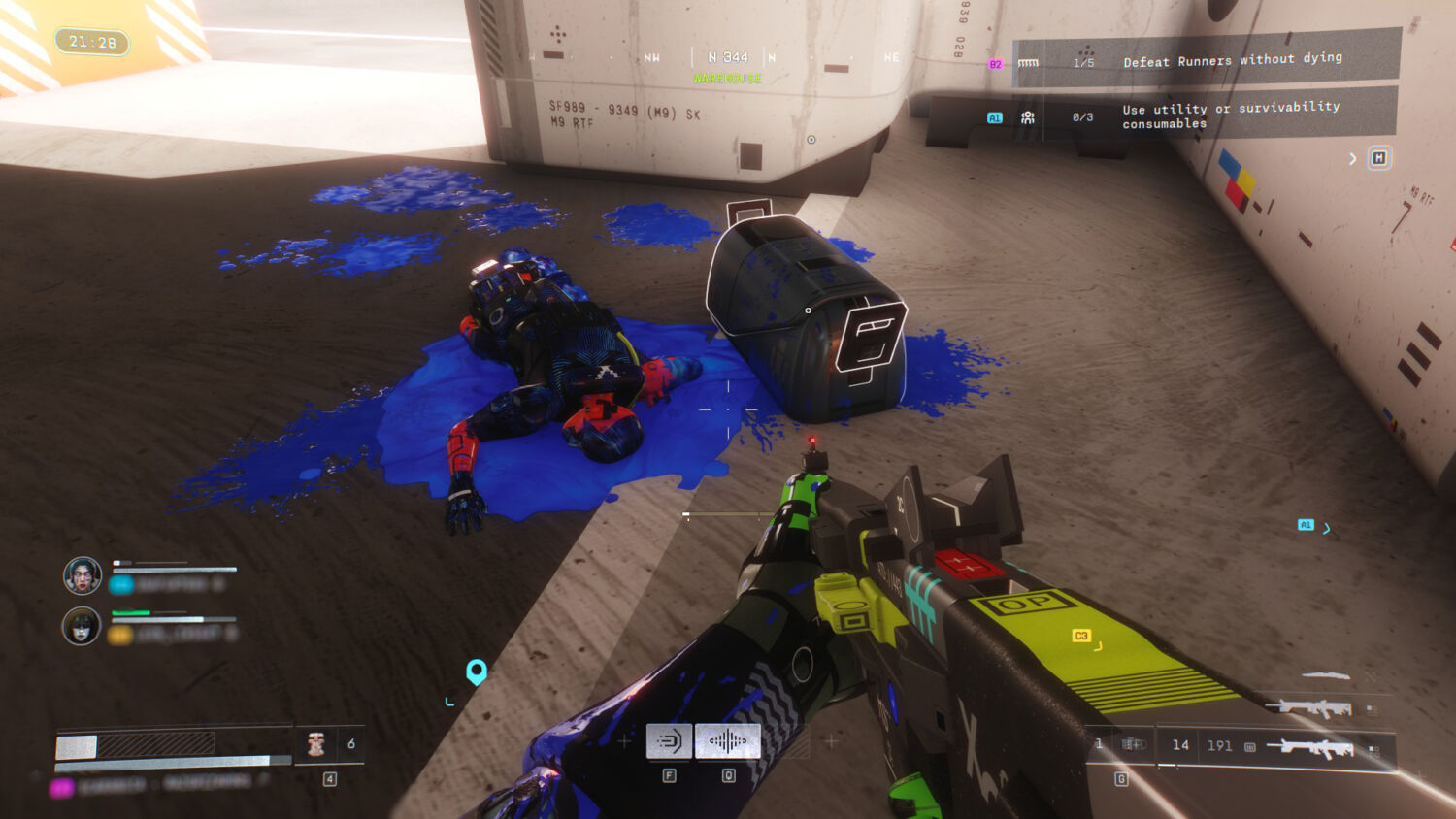
It certainly helps that the maps aren’t particularly large, allowing for quick movement between points of interest, even with the heat system in place, but it should be noted that fortune doesn’t always favour the quick and the bold here. Exploration has a cinematic quality, conveyed through the contrast between the world’s dystopian lore and bold art direction. Unlike most of its contemporaries, Marathon clues players in on how much time has passed since a player’s demise, with real-time decomposition indicating the freshness level of a corpse.
Among the selection of maps, Cryo Archive stands out as one of the best ones to date. Currently available only on weekends, the end-game area demands a hefty entry fee – 5,000 credits worth of gear – to access the titular UESC Marathon ship, on which players can decimate UESC commanders, gain enough security levels to activate an exfiltration zone on the other side of the map, and navigate through sprawling sections and layered hallways. A typical run involves killing hundreds of UESC units, facing off against other teams with high-tiered gear, and opening vaults and solving puzzles that, if done successfully, unlocks a boss called Complier that drops even better loot. A casino disguised as a raid that rewards luck, preparation and skill, Cryo Archive is a difficult beast to tame even after 80 to 100 hours of gameplay, but it proves effective at giving players something to work towards.
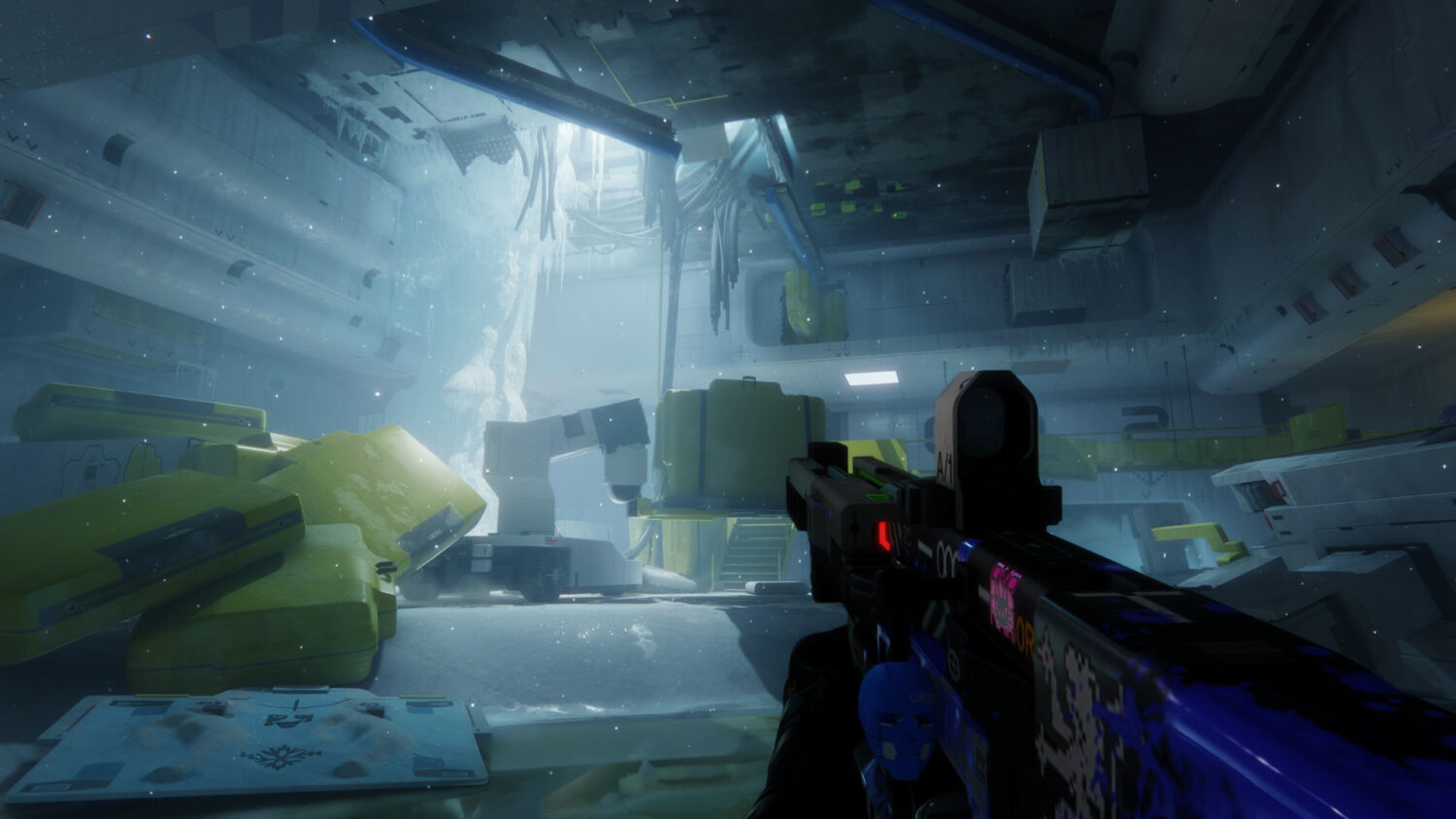
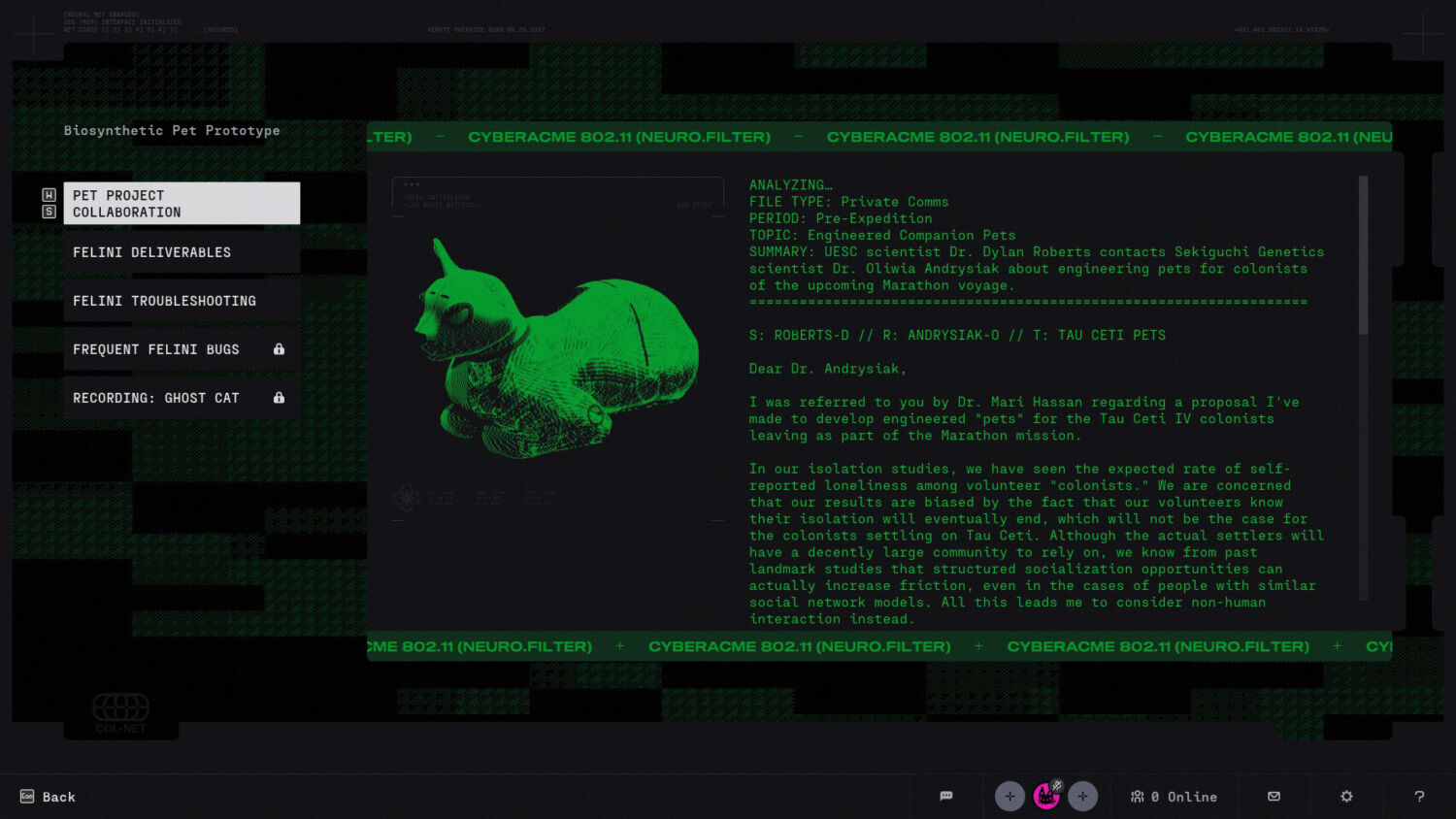
Outside the main game, you’ll be able to view and listen to various audio and data logs in the archives, which are obtained by discovering collectibles. The more valuable they are, the more you learn how evil and uncaring the corporations are, with the overall story tying back to the original lore (Fun fact: Bill Clinton being visited by aliens is canon in this storyline).
Be it genre newcomers or veterans of extraction shooters, Marathon offers a solid gameplay loop and experience that will keep them invested for hours on end alone, and with friends, even longer. Between an addictive adrenaline rush and a solid foundation in almost every department, Bungie certainly has a gem on their hands – one that’s built on tough love and then some for anyone who dares step foot onto Tau Ceti IV.
GEEK REVIEW SCORE
Summary
A thrilling extraction shooter with solid gunfights and beautiful environments to explore, Marathon is the gift that keeps on giving if you are willing to take the plunge into a game that rewards tenacity and carefully planned engagements.
Overall
9/10
-
Gameplay - 9/10
9/10
-
Story - 8/10
8/10
-
Presentation - 9/10
9/10
-
Value - 10/10
10/10
-
Geek Satisfaction - 9/10
9/10

Abandon Reason Know Only War! Zinho is a shooter fanatic still waiting for direct sequels to Black (2006) and Star Wars: Republic Commandos. He also truly believes that the Warhammer 40K universe can take on any franchise and destroy them. To think any different is heresy and punishable by Exterminatus.
 Kevin Low