
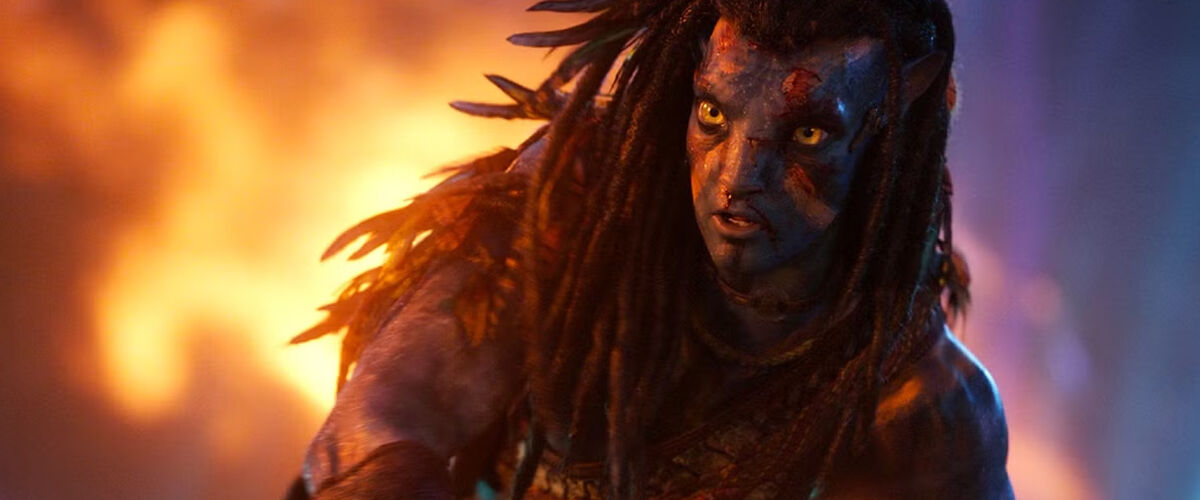
The box office is on fire, albeit not burning as brightly as one would expect from James Cameron’s CGI juggernaut franchise. Avatar: Fire and Ash has opened to a US$88 million domestic haul, with an additional US$257 million from international screenings, making it one of the biggest worldwide debuts of the year.
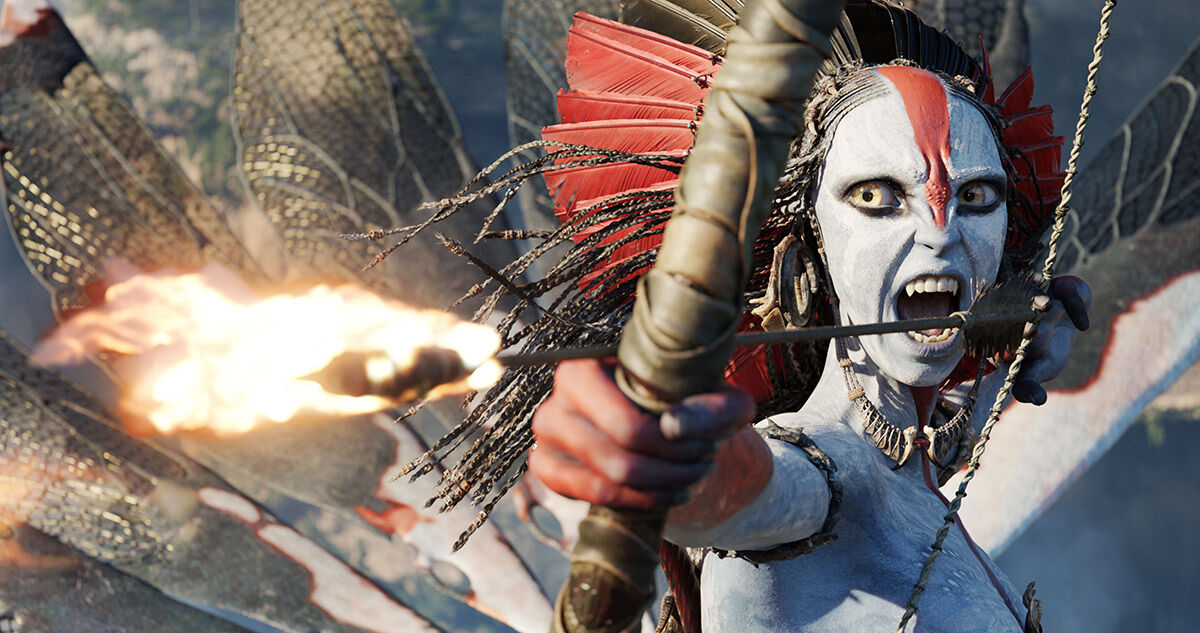
However, it should be noted that the US$345 million global tally lags significantly behind the second film’s opening of US$435 million, with domestic earnings also falling slightly short of a US$90 to US$150 million projection. While this newest tentpole doesn’t have to hit or surpass its predecessor’s US$2 billion mark to be commercially successful, its hefty US$350 million budget — at the very least, no less — requires greater justification than before, and the seemingly diminishing returns don’t paint a rosy start.
The franchise has a unique advantage going for it, though. Unlike most of its peers, its films are known for their enduring box office staying power rather than strong opening weekends, as evidenced by the seven-week No. 1 streak for both the original eponymous movie and the 2022 sequel. Collectively, they have grossed more than US$5.2 billion worldwide.
Alongside Avatar: Fire and Ash, Angel Studios’ animated biblical musical David, Lionsgate’s psychological thriller The Housemaid, Paramount’s The SpongeBob Movie: Search for SquarePants, and Disney’s Zootopia 2 kept the flame ablaze as the top five entries.

Set one year after Avatar: The Way of Water in the year 2171, the threequel focuses on the continuing conflict between the Na’vi and the RDA, with Jake’s family struggling to prevent more casualties in the conflict, and the RDA receiving aid from the Mangkwan clan, who live in the volcanic regions of Pandora. It clocks in at 195 minutes, the longest in the franchise to date, and is set to lead into the fourth and fifth instalments, slated for release on 21 December 2029 and 19 December 2031, respectively.

Si Jia is a casual geek at heart – or as casual as someone with Sephiroth’s theme on her Spotify playlist can get. A fan of movies, games, and Japanese culture, Si Jia’s greatest weakness is the Steam Summer Sale. Or any Steam sale, really.


 Kevin Low
 HSALS
HSALS