
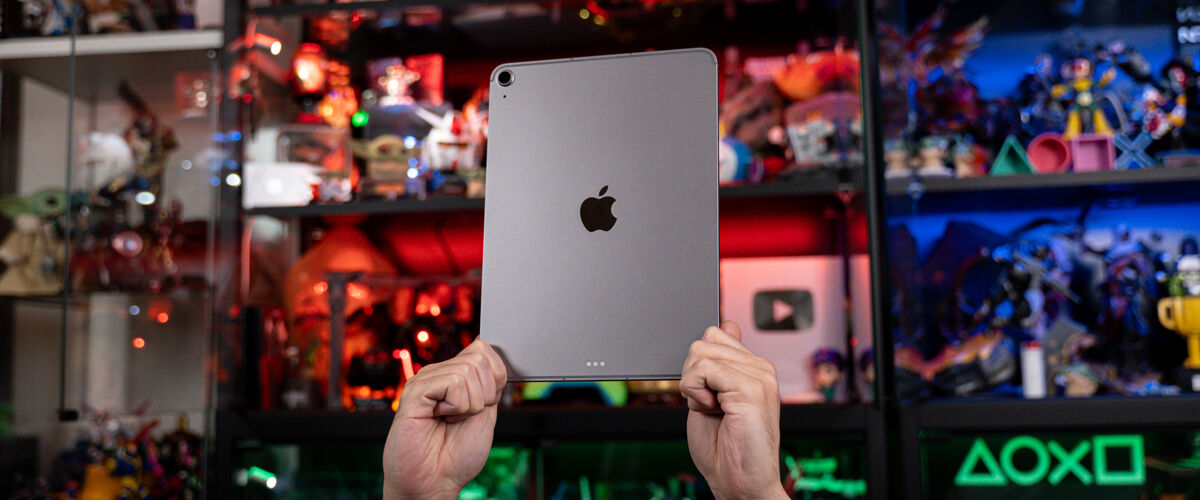
In the same week that Apple introduced a more powerful MacBook Pro and MacBook Air powered by the M5 processor, as well as its new entry-level MacBook Neo laptop, it also actually slid consumers an option nestled in between — the iPad Air, powered by the M4 chip.
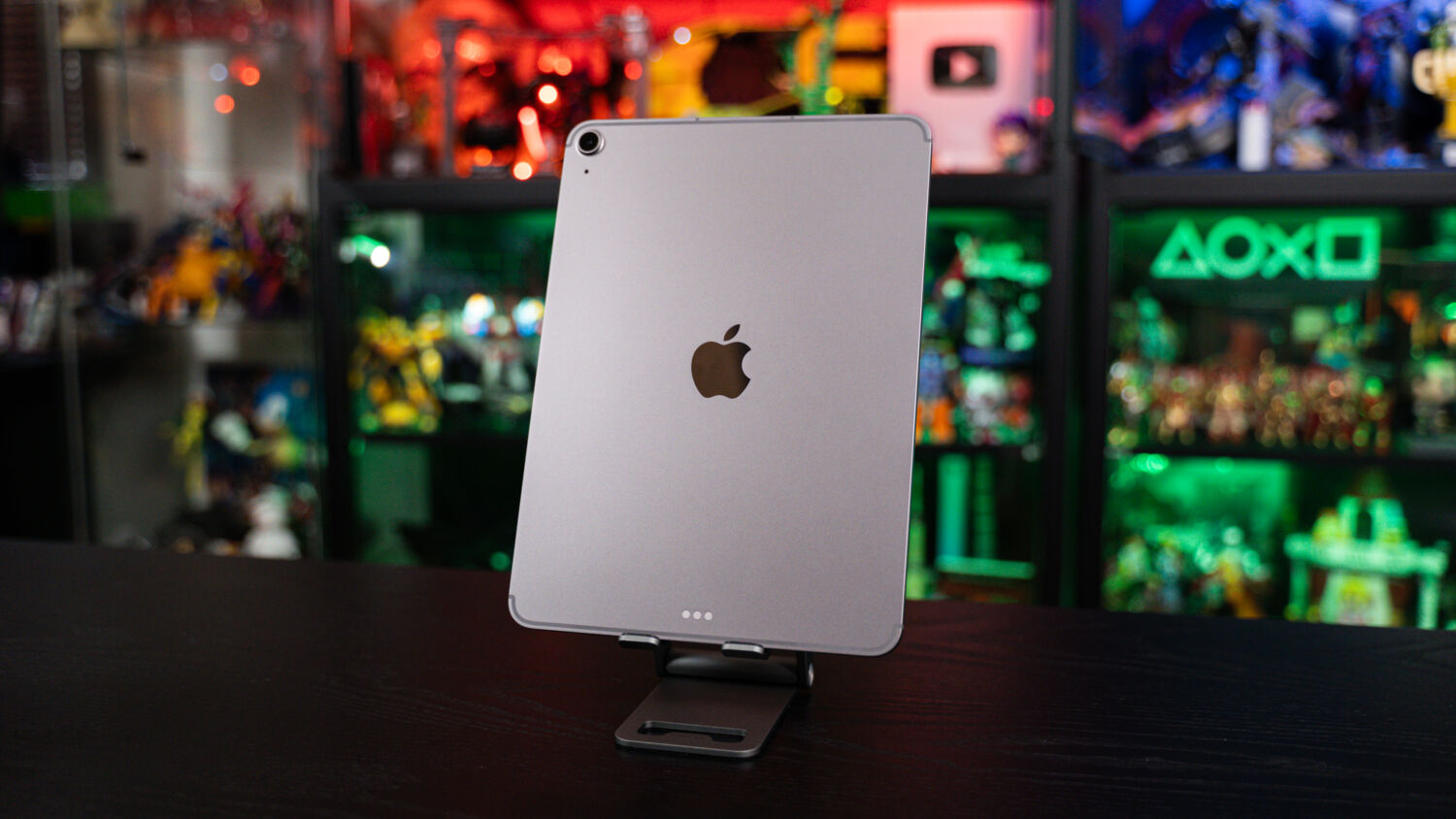
Anyone arguing that the iPad tablet isn’t a laptop per se is missing the tech company’s approach to hardware, that there should be many uses for a device, and it will continually develop something consumers didn’t know they needed, until they realise it. Apple’s iPad has been the single driving force behind the tablet market, offering a portable slate device that functions like a laptop as needed, but without the excessive baggage – a fixed keyboard, extra ports, etc – that comes with one.
With the iPadOS operating system offering multitasking capabilities and a processor that continually outperforms that of Windows machines, the iPad provides unmatched hardware flexibility and dexterity. But it’s also easy to understand the confusion as Apple has four types of iPad devices, not counting screen variants. The iPad mini is the pocket-sized device that packs the convenience of a phone, while the regular iPad is the best way to enter the ecosystem. Meanwhile, the Pro models bring that portable powerhouse to new levels of performance, and that leaves us with the latest iPad Air — the best option for those with a need for a tablet, the convenience of a powerful tool for everyday use, with the potential, but not necessity, to become a laptop if so needed.
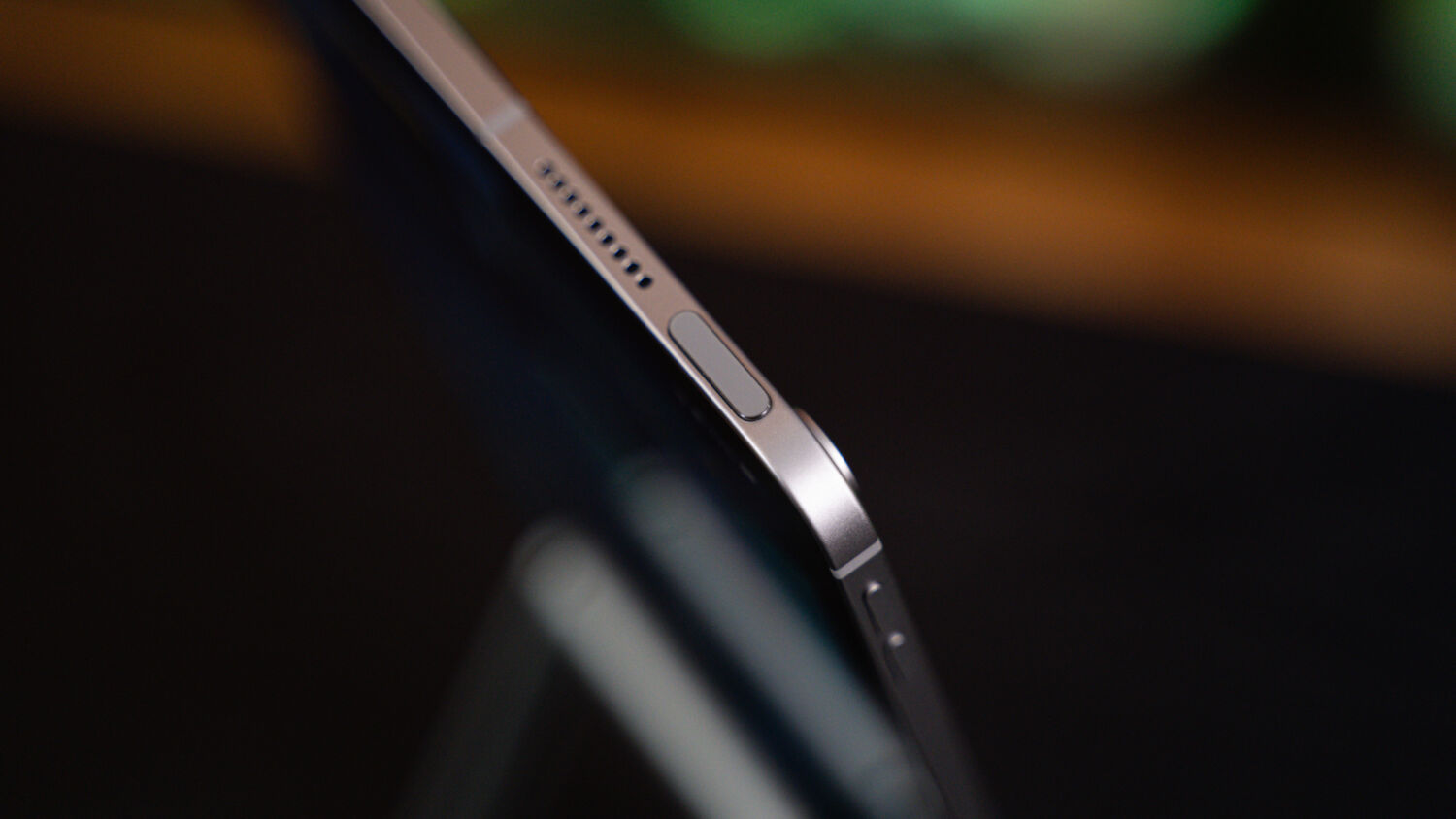
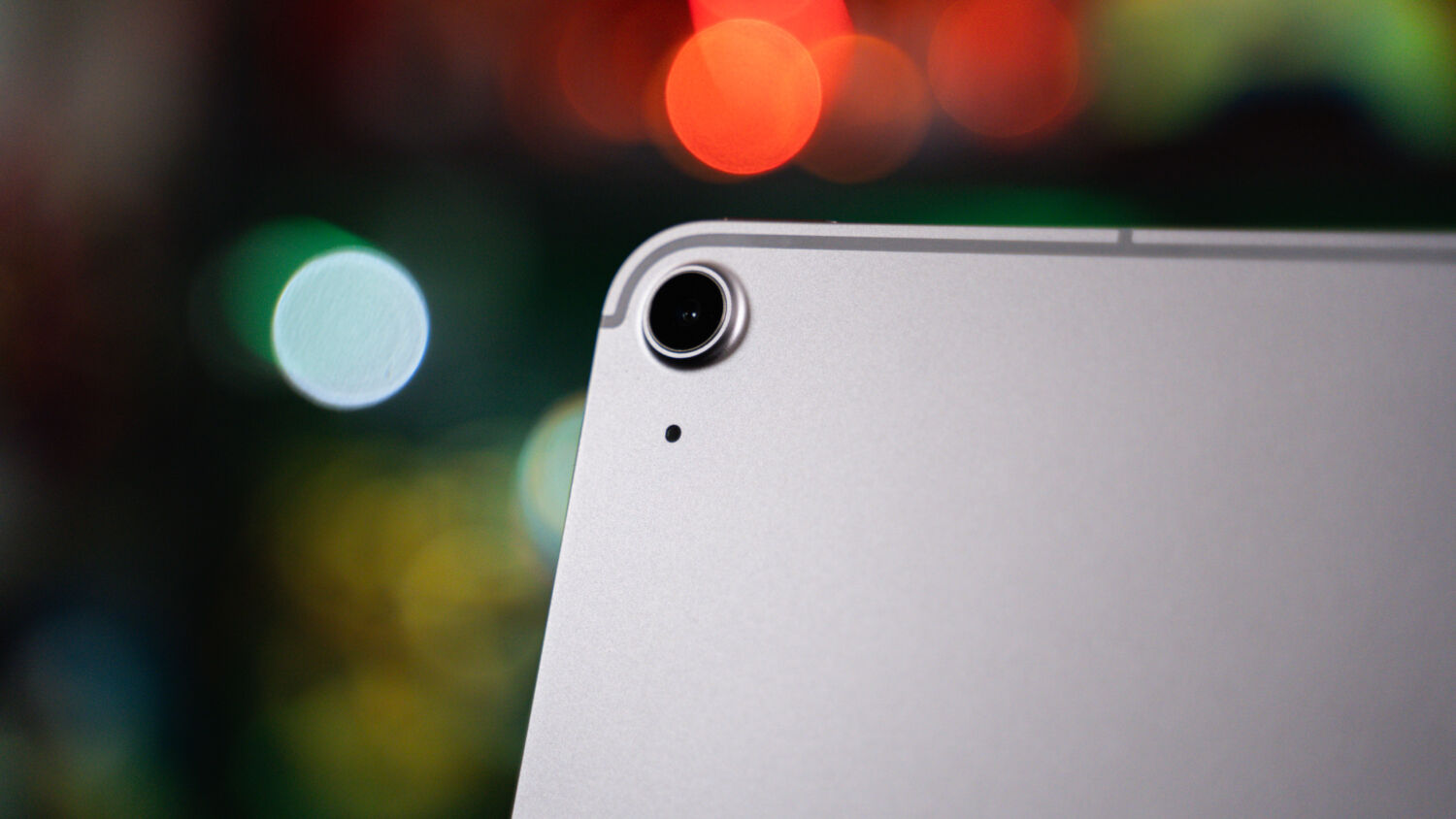
The challenge of owning an iPad Air, though, is that the device has become so powerful in recent years that you don’t really feel the need to upgrade to the latest one. The M4 chip on this iPad Air might be powered by the previous iteration of Apple’s silicon chip, currently on the M5, but it is still pretty darn impressive, and you’ll be hard-pressed to tax the device, even if you’re in the middle of editing high-definition videos while trying to watch one at the same time.
The M4 chip here is an 8-core version, with three performance cores and five efficiency cores. Performance cores are for heavy workloads and power, while efficiency cores are for your everyday use and background tasks. While this power distribution differs from the iPad Air M3’s 4 performance cores and 4 efficiency cores, the improved M4 chip here still results in 30 per cent faster performance over the M3 and a significant 2.3x over the M1 version.
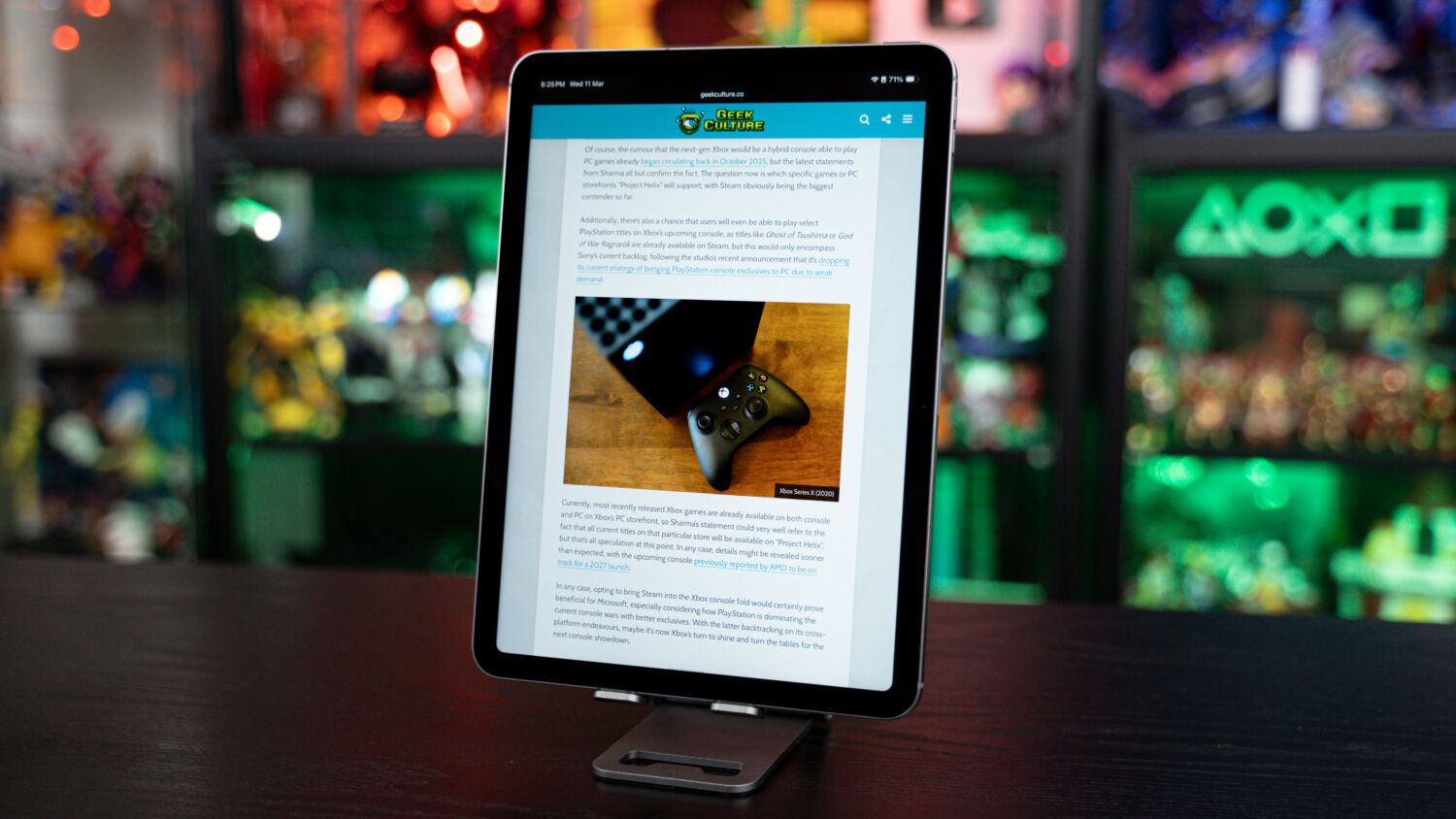
And in a decidedly rare move of offering upgrades, the new iPad Air bumps up the RAM, from 8GB on the iPad Air M3, to 12GB here. This also puts the device ahead of the 8GB on the MacBook Neo, and on par with some models of the MacBook Air as well.
Running GeekBench 6 on the new 11-inch iPad Air review unit, the M4 produced a single-core score of 3,737 and a 13,301 multi-core score on the 1TB model. That is on par with the single-core score of 3,420 on the M4 iPad Pro, which also clocked a multi-core score of 14,274, and just below that of the 1TB iPad Pro M5, which had a single-core score of 4,117 and a multi-core score of 16,369 for its 10-core CPU configuration.
On Geekbench AI, the unit generated a single-core CPU score of 5,031, a GPU result of 9,374 and a Neural Engine benchmark of 5,030, which are comparable to the 4,931, 10,031 and 4,935 results, respectively, on the M4 iPad Pro model.
And with 3DMark, the Steel Nomad Light test generated an overall score of 3,094 and an average frame rate of 22.9, putting it at 89 per cent better than all the other devices that have run the graphics performance benchmark.
Running the iPad Air with M4 through Geek Culture’s selection of games, the unit handled well against Wuthering Waves, Zenless Zone Zero, and Genshin Impact, clocking little to no frame rate drops in our testing. What truly surprised was the battery’s efficiency – something that Apple continually improves each time, with a more powerful and efficient chip. This time, the battery fell by just 22 per cent after half an hour of gameplay, with device temperatures maintaining at just under 37 degrees, pointing to excellent thermal management even under heavier loads.
Priced from S$899 for the 11-inch base 128MB model and S$1,199 for the 13-inch one, these new iterations cost a little more than the entry-level 128GB iPad priced at SGD$499, but that’s powered by the mobile processor-equipped A16 chip. It’s also marginally more expensive than the 256GB MacBook Neo at SGD$849, which uses the A18 Pro mobile processor, but therein lies its key feature – it’s Apple’s most powerful iPad for the masses, powered by a powerful processor that you don’t need, and able to run what you need for the next three years. If you’re in the market for a better-than-basic laptop, the base MacBook Air 13, powered by the M5, starts from S$1,599.
So you do the math – S$849 for the basic MacBook Neo, S$1,599 for the base MacBook Air 13 with M5, both at 13-inch sizes, or a total of S$1,298 for the 11-inch iPad Air (with the S$399 Magic Keyboard) or S$1,648 for the 13-inch iPad Air (with the S$449 Magic Keyboard). Or get a cheaper keyboard. An iPad is still the superior device while on the move, be it on the bus or train, in the airport lounge and on the plane, offering you the flexibility of a tablet and the productivity of a laptop when needed. Aside from the base 128GB and high-capacity 1TB model, you can also opt for the middle ground of 256GB or 512GB storage capacity.
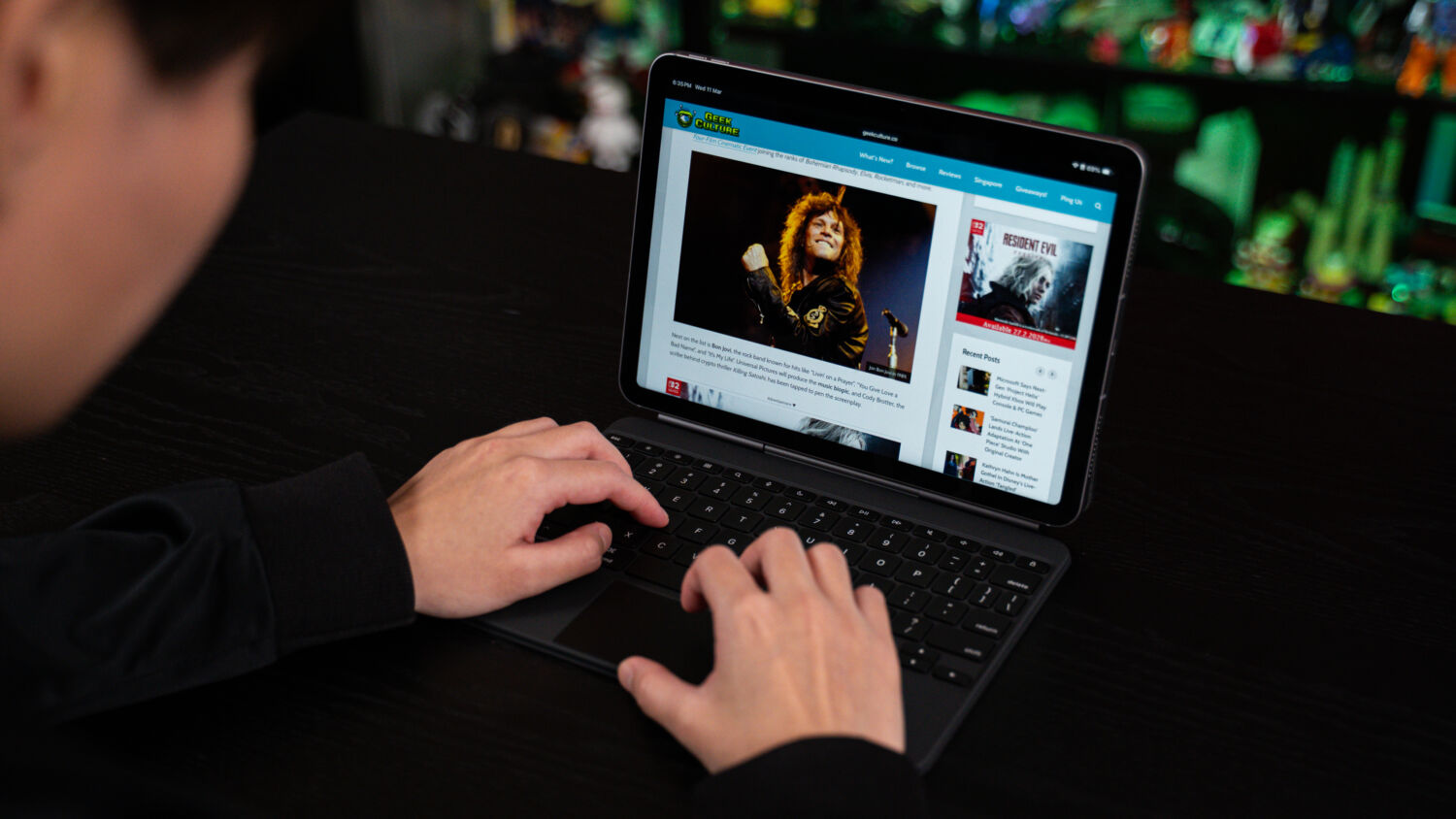
As mentioned earlier, iPadOS has been streamlined so that multitasking is now a breeze, which means you can fire up multiple apps at once – making them run independently in the background, and toggling between each one as needed – or run them side by side.
For those of you dependent on artificial intelligence (AI) software, the iPad continues to serve as a tool for users to enjoy the benefits of a tablet. Apple’s restrictions of continually limiting third-party software from accessing your personal and private data continue to remain front and centre, which means much of the computational capabilities continue to remain on the device, without the risk that information such as your health details, browsing data or work information be shared and collected, even anonymously. This M4 chip includes an upgraded Neural Engine (38 TOPS) designed specifically for advanced AI that can be performed locally, providing users with a higher level of performance that matches data security.
Of course, you can still choose to run third-party AI software, and that’s always been Apple’s advantage over the competition, with modern features that perform as well as the competition, without sacrificing privacy.
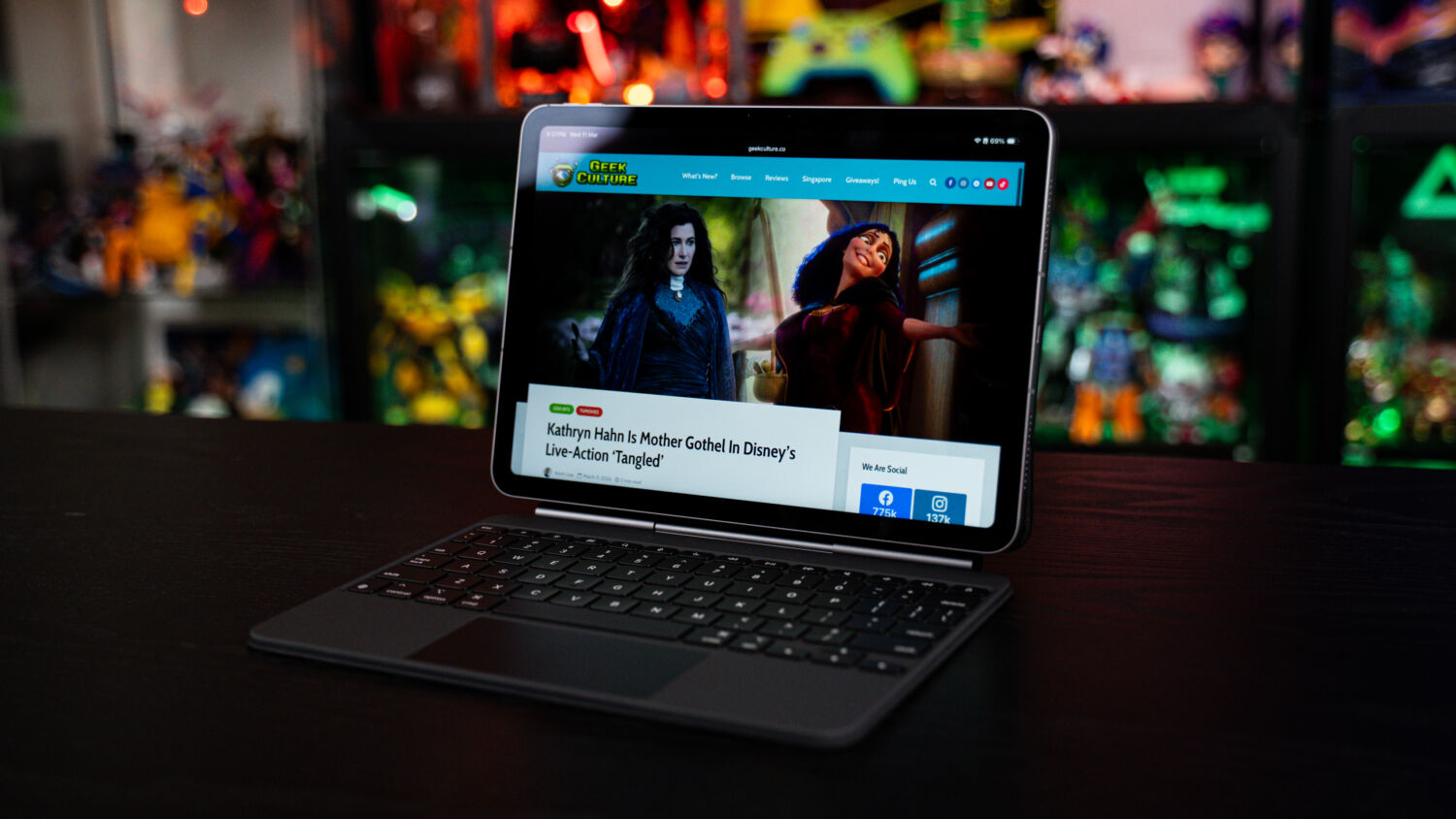
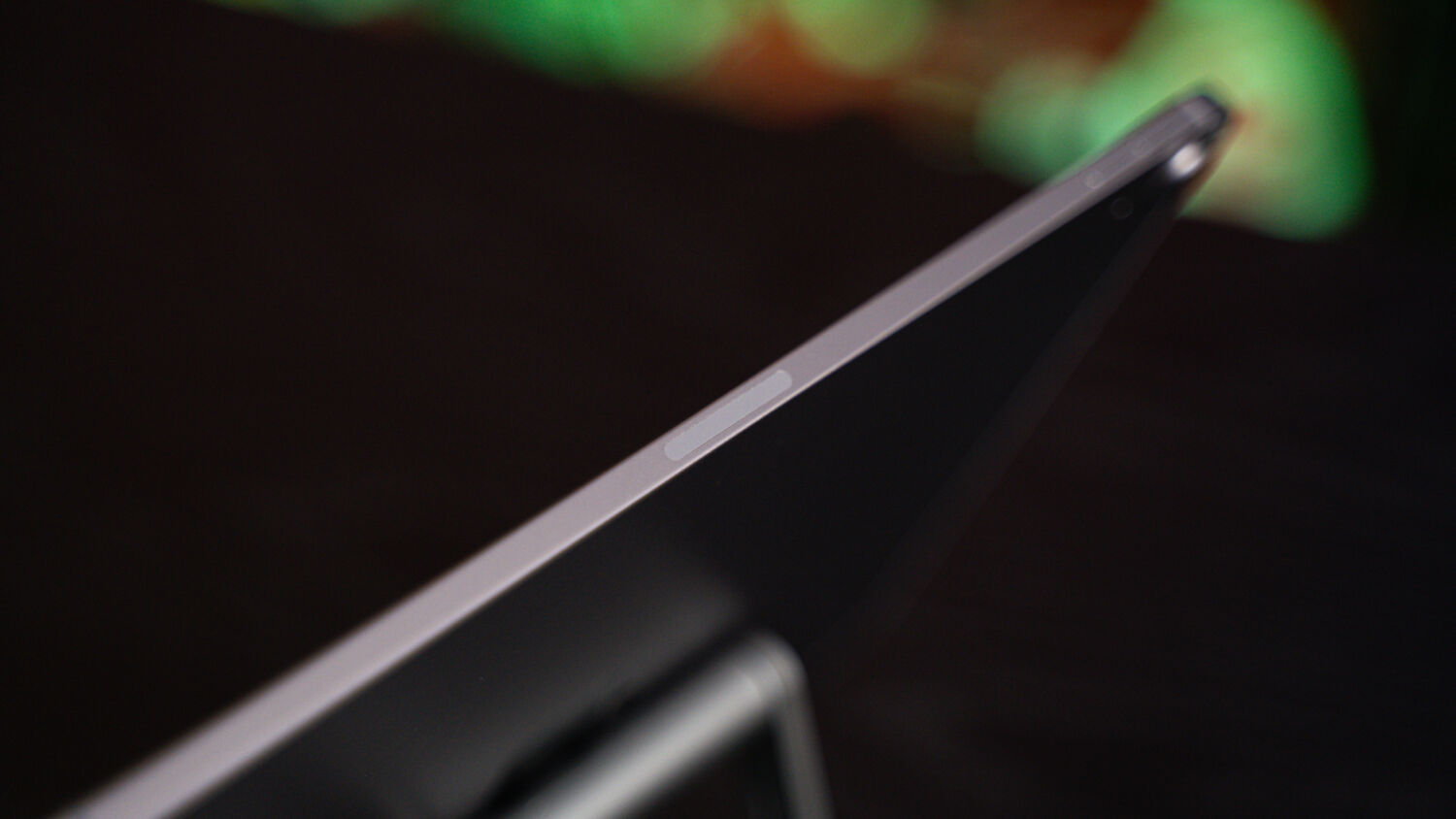
Design-wise, Apple has not touched up anything major in the last few years, and that is absolutely fine, as there’s nothing obvious that needs to be changed. It might make this year’s model indistinguishable from previous iterations, but you get what works. This includes the standard 2,360 x 1,640 resolution at 264 ppi (pixel per inch) with 500 nits brightness from the last model, a crystal clear Liquid Retina display with anti-reflective coating, and a 12MP wide camera capable of shooting 4K video.
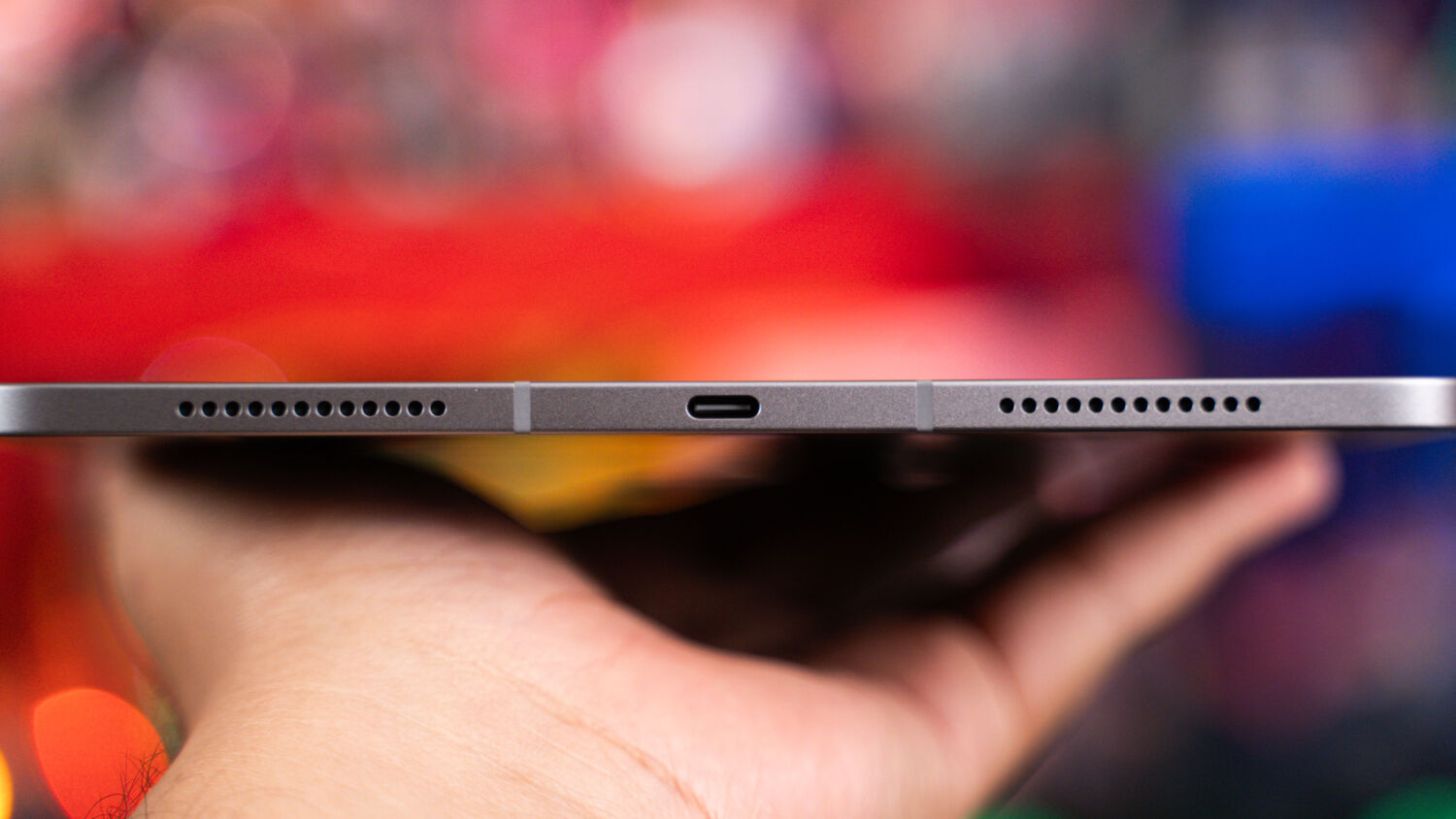
In terms of audio, the stereo speakers sit on the left and right sides when positioned in landscape mode, which makes it great for watching movies and videos, like a laptop. Connectivity gets a bump, with the faster Wi-Fi 7 instead of Wi-Fi 6E – if your home router is capable of supporting the greater speeds, that is.
As always, the usual rules for upgrading apply. Those looking for a powerful tablet without breaking the bank need proceed no further than this iPad Air with M4, while anyone looking for an upgrade can benefit from the boost in performance compared to the earlier M1 and M2 models.
GEEK REVIEW SCORE
Summary
If you need a laptop, Apple has several options across various price points. For those looking at a device that does more, marrying a tablet with the functions of a laptop, the iPad Air is the device of choice.
Overall
9.1/10
-
Aesthetics - 9/10
9/10
-
Build Quality - 9.5/10
9.5/10
-
Performance - 9.5/10
9.5/10
-
Value - 8/10
8/10
-
Geek Satisfaction - 9.5/10
9.5/10

Hsals needs more space in his house, and more money in his bank account to pay for all the toys, collectibles and other geek related items that companies are churning out. Free-time? Girlfriend? Who’s got time for those?


 Si Jia