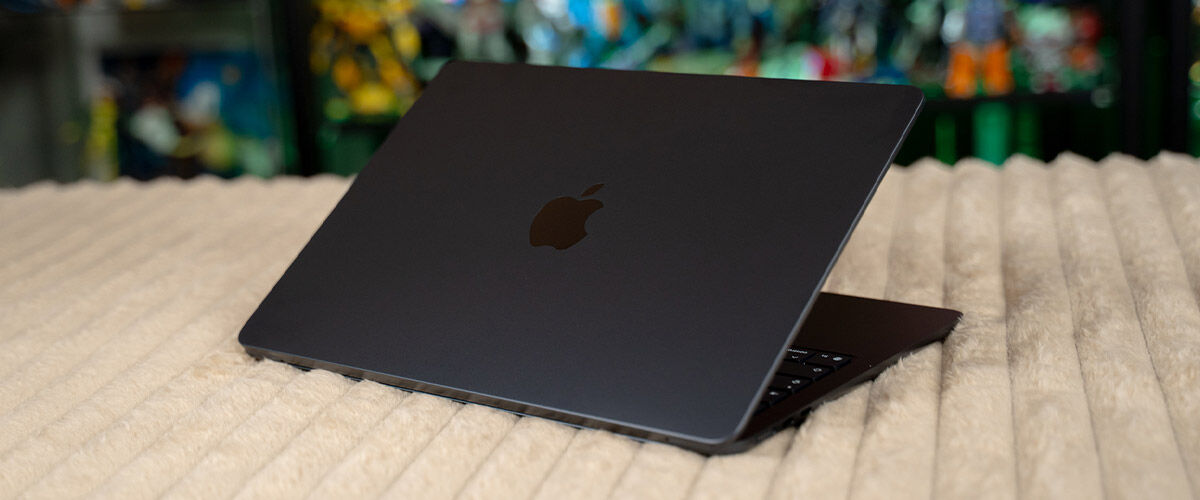
For the last 14 years, Apple has touted the MacBook Air (MBA), the company’s slim yet high-performing laptop as its entry-level notebook for the masses until this year, when it introduced the MacBook Neo as the new base model for portable Apple machines. Personally, a part of me feels that the Neo is more of an evolved iPad with a built-in keyboard, but in introducing the Neo, Apple has effectively promoted the Air as something more powerful and efficient, giving it a greater level of prestige that it always deserved, even as its template remains the same.
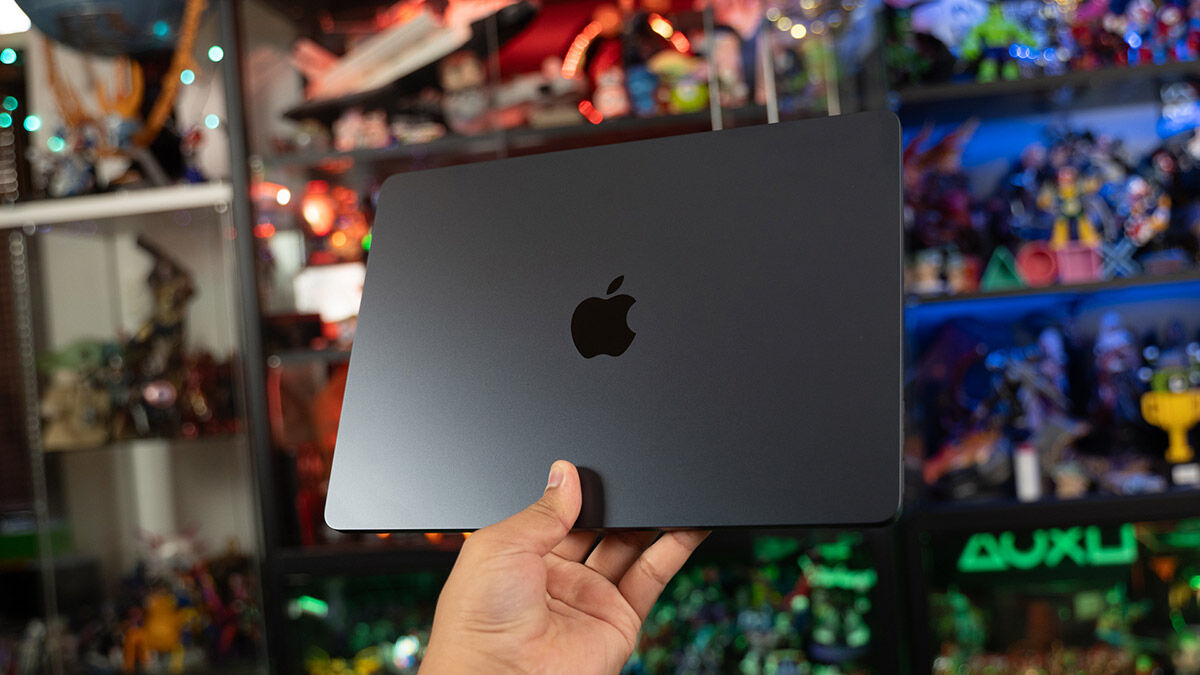
Since the debut of Apple’s silicon chip in 2020 with the M1, Apple’s execution has remained unchanged – roll out a new MBA with the latest M chip and not change (much of) the rest of the hardware, because there’s no need to. With the new M5 chip that offers faster performance compared to the M4, the company has made slight tweaks to its base machine, but what remains is still Apple’s most versatile and impressive laptop.
First introduced in last year’s iPad Pro M5 and 14-inch MacBook Pro M5, the M5 processor is the latest from the Apple silicon family of chips, delivering improved performance, and, where it really matters, managing more efficient battery consumption so that your more powerful machine continues to last a full day of use, and then some.
The battery life is the real gift here, as the chip’s performance is so efficient, you can get a full 12 hours of work on the machine, and then some, without the need to plug it in. Along with the superior performance, the impressive battery life is the main reason why I recommend the MacBook Air to friends, as I simply ask how long their Windows machine run before it needs to be plugged to a power outlet. In fact, any MacBook remains the only laptop that provides the security to leave the house without a charger, even if it’s not at full battery capacity.
While the M5 lacks the advanced performance on the newer M5 Pro and Max chips, the M5 is more than capable for watching videos, surfing the web, playing video games as well as some gaming with AAA titles. Actually, scratch that – the M5 continues the annual trend of better performance that you don’t actually really need, because unless you’re the small group that does extensive video editing or gaming, Apple silicon CPU are now operating at a stage where you’re unlikely to tax it through everyday use.
Alongside a faster base chip, Apple has also upgraded the new models with 512GB of base storage, doubling the 256GB capacity from before, giving you more space to store and edit photos and videos, as well as transferring them to other devices via the new Apple N1 wireless chip that debuted with last year’s iPhone Air and iPhone 17 family of devices, as you receive improved Bluetooth 6 connections and faster Wi-Fi 7 speeds.
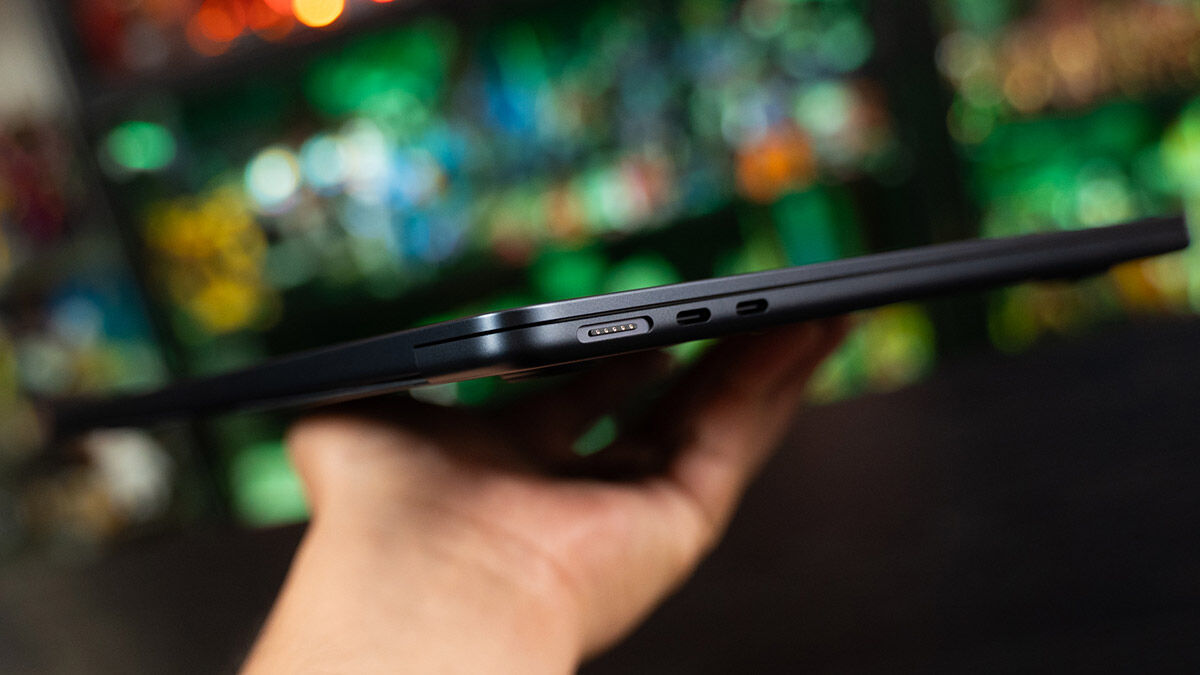
Otherwise, the new model looks and feels the same as before, retaining the usual aluminium unibody chassis that’s designed to last, whether you’re at home or work, or on a flight trying to get some work done. Measuring 1.13 x 30.41 x 21.50 cm, the 1.23 kg unit, it comes with the MagSafe charging and two USB-C Thunderbolt 4 ports on the left edge, and 3.5mm headphone jack on the right. The 13.6-inch LED-backlit display offers 2,560 x 1,664 native resolution at 224 pixels per inch and 500 nits of brightness, and the Liquid Retina display continues to deliver vivid colours, and yes, this has remained unchanged since the MBA with M2 days, as is the 60Hz refresh rate. Even then, whether it’s watching movies or TV shows on Disney+, or 4K content, the display doesn’t disappoint. Audio, via Bluetooth headsets or Apple’s own AirPods, is the way to go, even if the built-in speakers are decent for short term use.
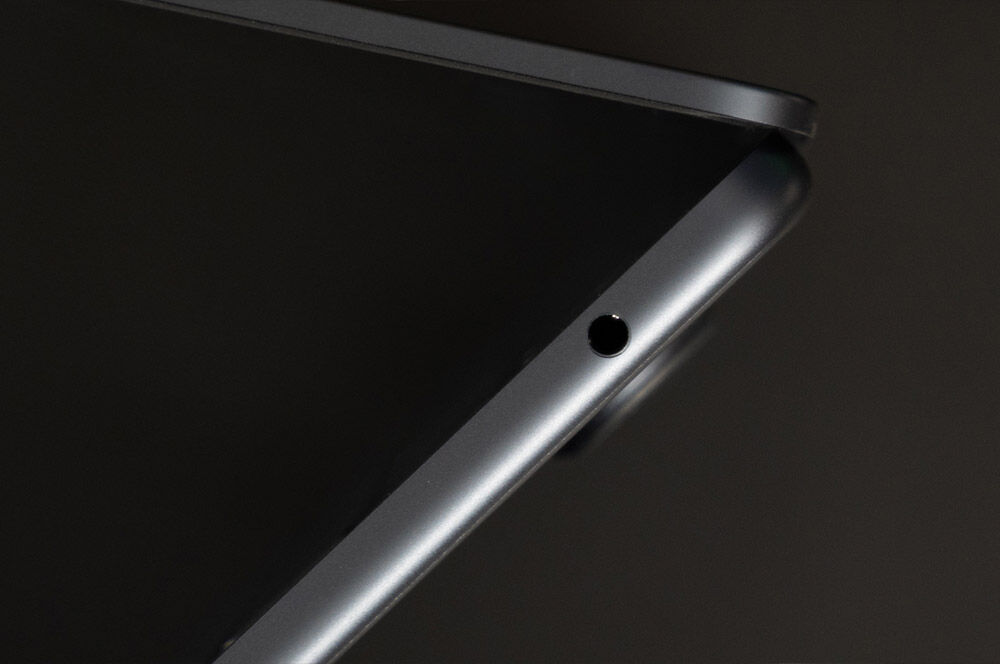
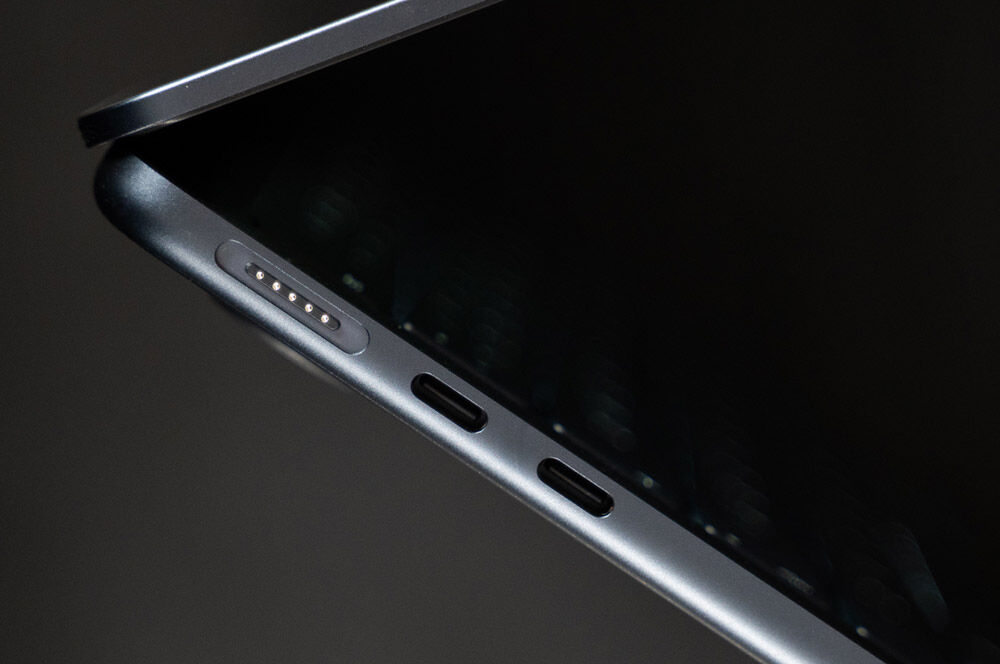
And if you need a power boost, USB-C and MagSage support makes charging a breeze and despite the small size of the unit, you can depend on the trusty keyboard and large-enough trackpad for your everyday tasks, delivering a comfortable writing and UI experience. Meanwhile, the 12MP web camera, along with Center Stage continues to put the subject in perspective,
As with previous silicon chips, the M5 has a 10-core CPU, comprising 4 super cores and 6 efficiency cores, and up to 10-core GPU, for efficient performance. On Geekbench benchmark test, the new MBA 13 M5 produced a single-core score of 4,084, and multicore score of 16,830, surpassing the 3,726 single-core and 14,805 multicore score on the MBA 15 M4, making it roughly 10 per cent faster than last year’s model.
The benchmarking numbers continue to impress on Novabench, where it scored a pretty rounded (Love you) 3,000, ranking it at 85 per cent higher than all systems tested on the benchmark service.
The score breakdown is as follows:
- CPU Score: 1,534
- GPU Score: 211
- Memory Score: 581
- Storage Score: 674
What does this translate into under real world performance? Using video software Handbrake, we processed a 10 minute 4K, 60fps video on this machine, and completed it in 8 minutes and 24 seconds, shaving around 30 seconds off the time it took on the MacBook Air 15 M4. It’s a small performance gain, and it tells you what’s important – that there’s no doubt that the M5 is faster and more efficient, but if you’re on a MacBook Air M4, there’s no need to upgrade just yet.
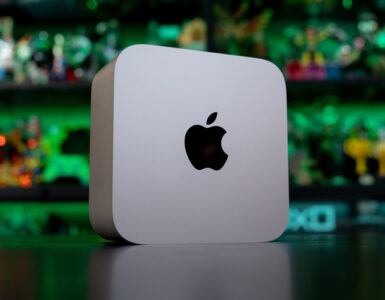
Comparatively, the Mac mini running the M4 Pro did the same processing in three minutes and five seconds, while the iMac outfitted with M4 performed the same process in six minutes. And if you’re curious, the latest Apple Neo, running on the A18 Pro processor that powers the iPhone 16 Pro, ran the same conversion in under 18 minutes.
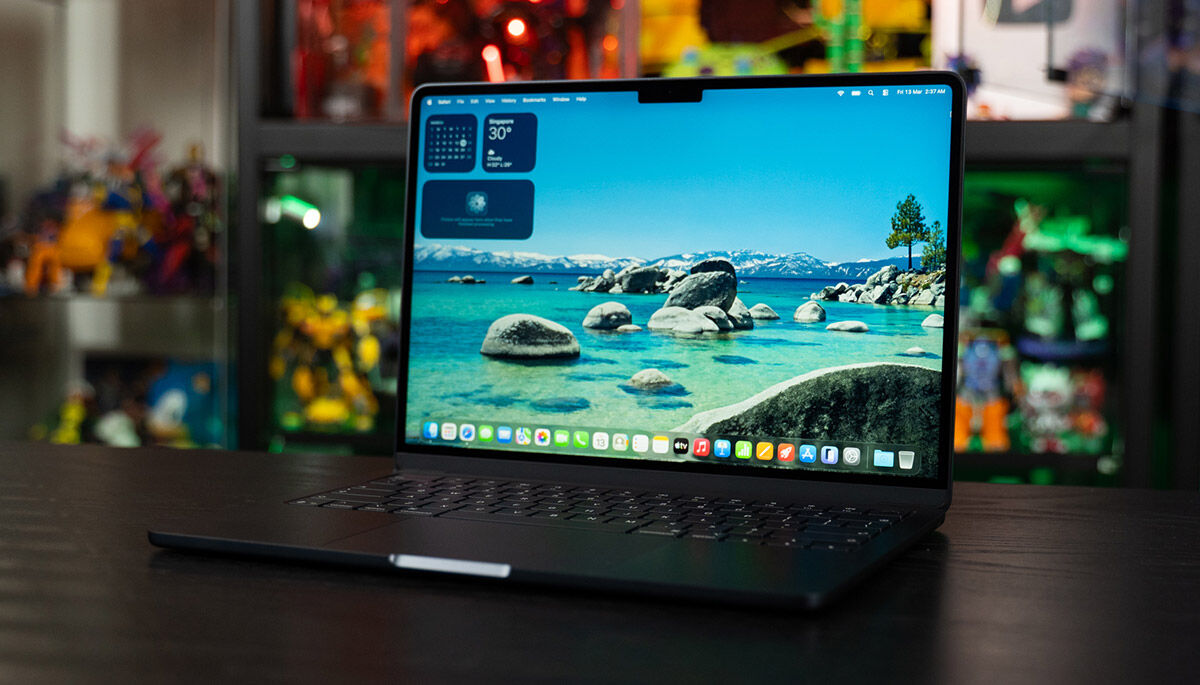
Given the upgrades Apple has provided, and those that have stayed the same, the question is if you think the S$1,599 price tag for the base 13-inch model is justified, as Apple is asking for $100 more than last year, against the MacBook Air 13 M4, priced at S$1,499 when it was launched. If you’re an early adopter with an M1 or M2, love the 13 or 15-inch form factor, then you’re scheduled for an upgrade.
The one sad thing though, is that Apple is still taking a while to roll out an impressive game library for its Apple ecosystem, but if portability and performance trump gaming, then the MacBook Air continues to be the consistent performer, doing more than those in its class.
As with games, Apple has adapted and released a larger number of games on its ecosystem, though the release windows for these games have been after the fact. The likes of Assassin’s Creed Shadows, Cyberpunk 2077, and Resident Evil Village show that the platform is capable of offering AAA games, but perhaps Apple’s lack of aggression on the gaming front is recognition that gamers will continue to constitute only a small fraction of its consumer base.
Apple continues to tout Apple Intelligence as its key feature, one that protects its users by not using their data as a learning model, as well as being capable of doing it locally on the device without the need for an Internet connection. Given the vast amount of AI software rollouts, it might not sound impressive, especially given the still burgeoning nature of AI adoption across the masses, but Intel is only starting to run locally powered AI on its 2026 laptops.
For those travelling, or even on a plane, where online access is spotty or expensive, it’s not always prudent to rely on AI software that requires an Internet connection. With the M5, AI performance is 4x that of the M5, and 9.5x faster than the M1, which will help when rejigging, but not developing, plans and presentations.
While the pricier MacBook Pros offer greater processing capabilities at a premium, the MacBook Air continues to lead in everyday use, even with the introduction of the MacBook Neo. This is the machine you get when a souped-up iPad isn’t the answer, and the Neo is maybe too colourful for the office, and not quite right when you want to be taken seriously, on delivering what needs to be done. That will always be the MacBook Air.
GEEK REVIEW SCORE
Summary
Even without a greater CPU and other small upgrades to deliver on the promise, the MacBook Air is already one of the best laptops in the market for any user. This year’s model offers the promised annual upgrade with a larger hard drive, along with an upgrade in the wider MacBook category, elevated by the now base Neo model. It doesn’t mean that those who need a compelling machine need to search elsewhere though, as Apple continues to make sure this is the one to fit your needs.
Overall
9.1/10
-
Aesthetics - 9.5/10
9.5/10
-
Build Quality - 9/10
9/10
-
Performance - 9/10
9/10
-
Value - 9/10
9/10
-
Geek Satisfaction - 9/10
9/10

Hsals needs more space in his house, and more money in his bank account to pay for all the toys, collectibles and other geek related items that companies are churning out. Free-time? Girlfriend? Who’s got time for those?

 Zinho De Costa