Runway magazines once represented a particular kind of power fantasy – glossy offices, impossible wardrobes, and fashion editors whose approval could shape careers overnight with a single glance. Twenty years later, that fantasy feels almost antique, preserved somewhere between dying print circulation numbers and TikTok recommendation algorithms. Publishing no longer commands the same cultural authority it did in 2006 as influence and influencers move faster, cheaper, and often through a teenager filming outfit breakdowns in their bedroom. Against that backdrop, the question hanging over a sequel becomes unavoidable – what exactly does The Devil Wears Prada look like in a world where magazines barely dictate taste anymore?
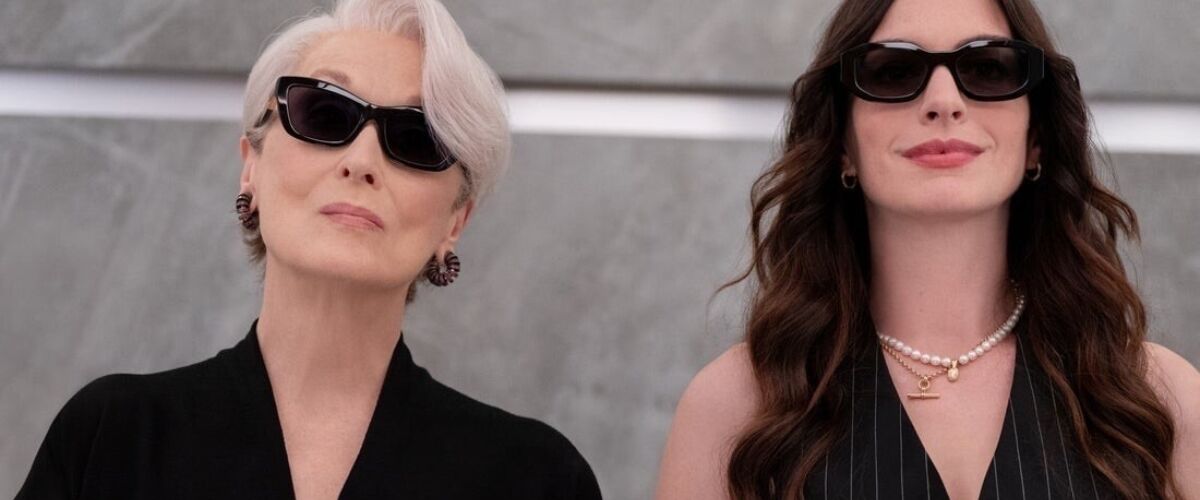
The Devil Wears Prada 2 answers that question cautiously by returning to familiar territory with enough self-awareness to acknowledge how much the industry has changed, while still indulging in the pleasures audiences came back for in the first place. Director David Frankel (Marley & Me) and screenwriter Aline Brosh McKenna (27 Dresses) reunite behind the camera with a clear understanding of the original’s appeal, stitching together another round of biting remarks, luxury wish-fulfilment, and impeccably curated coats designed to inspire equal parts admiration and envy. Familiar beats reappear with deliberate precision, now filtered through Gen Z anxieties about relevance, influence, and survival in an industry struggling to convince itself it still matters.
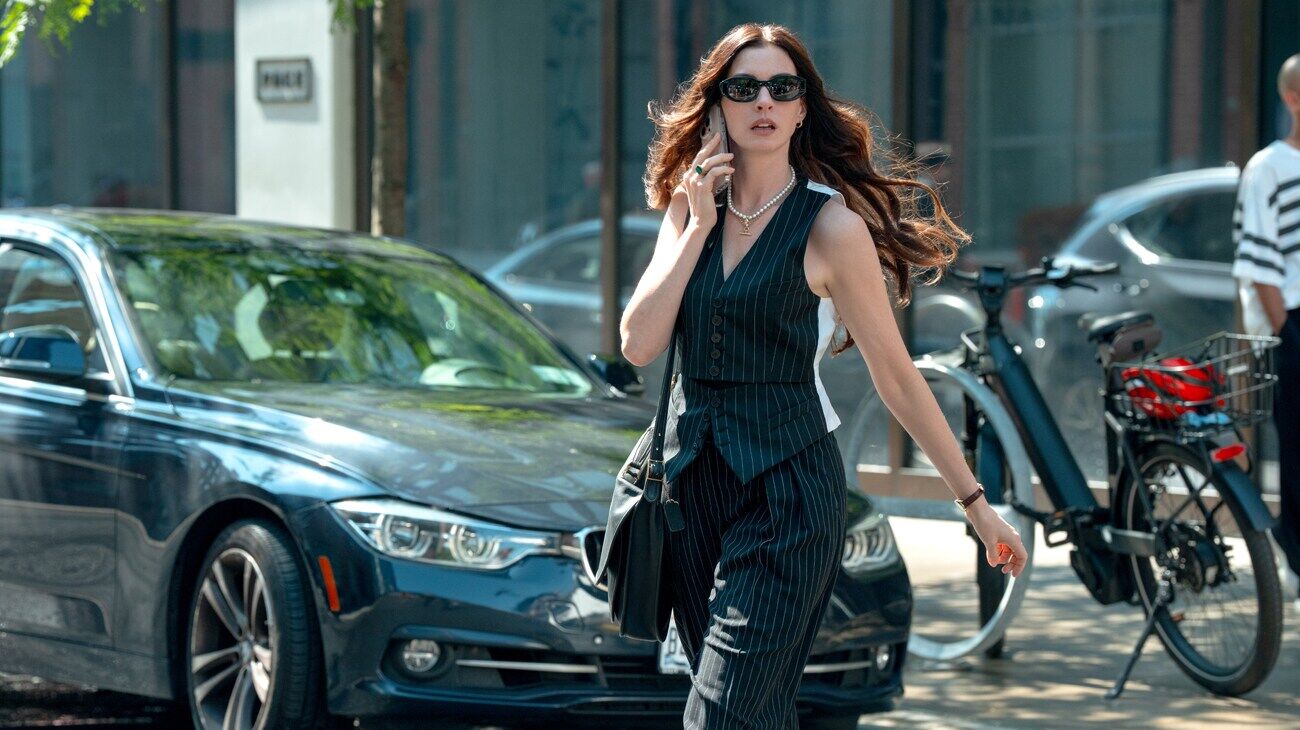
The last time audiences saw Andy Sachs, she was sprinting through Manhattan in designer heels, juggling coffee orders and impossible demands under the icy glare of her old editor, Miranda Priestly. Years later, life has carried her far from Runway’s couture-drenched chaos and into the increasingly unstable world of serious journalism. Anne Hathaway (The Princess Diaries) returns to Andy with an older, wearier confidence, now working at a hard-hitting news outlet but still in New York. Any illusion of stability collapses during an awards dinner celebrating her work, when phones across the table light up simultaneously with news that the outlet is shutting down and its staff are being terminated on the spot (sound familiar?).
Elsewhere, the sequel reintroduces Miranda Priestly exactly as audiences would hope – gliding into a high-profile event draped in authority and an immaculate red gown that practically parts crowds on contact. Meryl Streep (Mamma Mia!, Death Becomes Her) slips back into Miranda’s razor-sharp composure with such ease it feels as though no time has passed at all but even Runway’s carefully maintained image has begun to crack, with controversy erupting over the magazine’s endorsement of a fast-fashion label linked to sweatshop labour. After watching Andy’s speech about the importance of investigative journalism gain traction online, group chairman Irv Ravitz (Tibor Feldman, Enchanted) of Runway’s parent company and publisher Elias-Clarke recruits her as the publication’s new features editor, tasking her with repairing the magazine’s credibility before the damage spreads further.
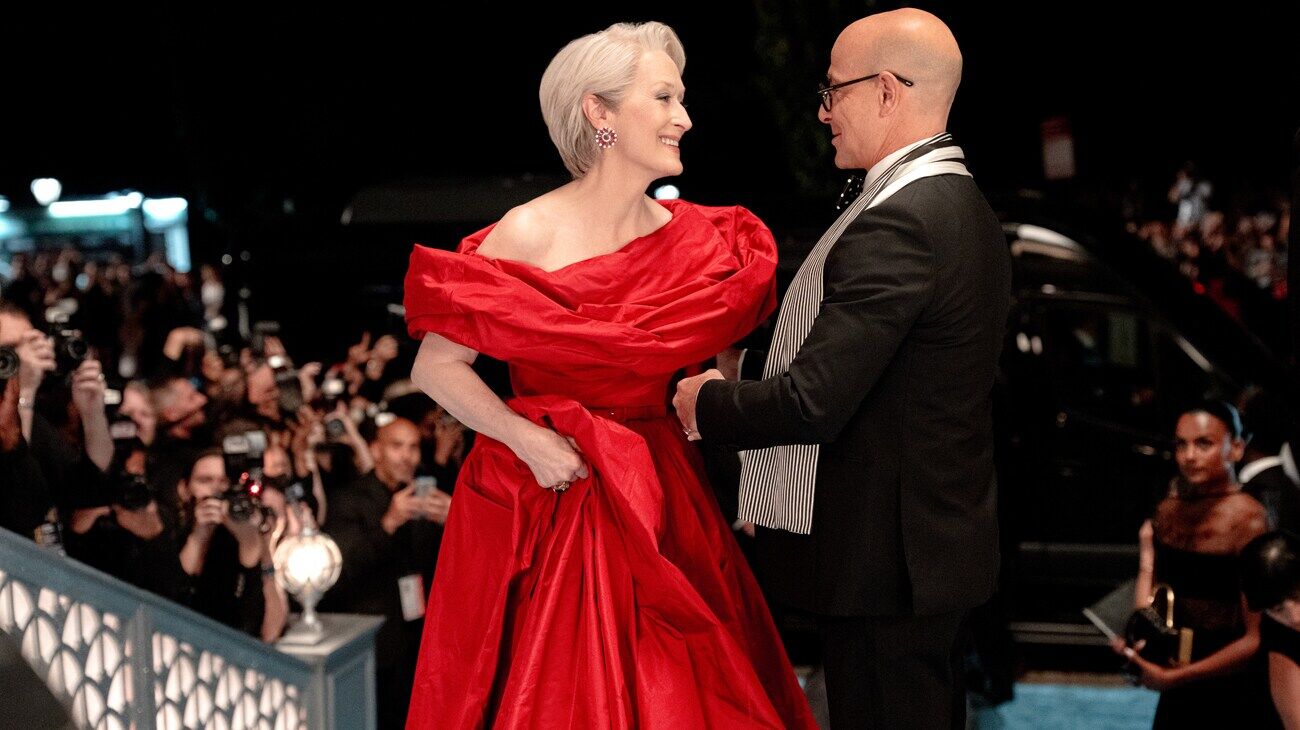
Miranda, naturally, is less than thrilled to discover this decision has been made without her input, and their reunion arrives with all the chilly discomfort one might expect, beginning with a dismissive glance at Andy before she’s exiled to the worst office available. Andy’s first assignment, a sharply written public apology piece addressing the sweatshop scandal wins praise from The New York Times, functioning as a temporary patch over the publication’s growing credibility crisis. She convinces herself she can help steady the ship, which naturally results in several spectacular missteps before things improve. Soon enough, familiar patterns return, as a cavalier Miranda waits patiently for failure while Andy drives herself toward exhaustion trying to prove she deserves a seat at the Runway table. One particularly impossible assignment involves securing an interview with the famously press-averse Sasha Barnes (Lucy Liu, Charlie’s Angels), who has unexpectedly taken interest in Runway’s newfound “gravitas” and serving as the film’s all-too-convenient and obligatory Daddy Warbucks to our little Andy no less.
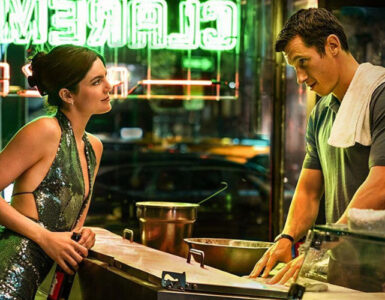
Away from the magazine, the sequel attempts to sketch out a personal life for Andy, including a tentative romance with property developer/contractor Peter, played by Patrick Brammell (Colin from Accounts). Those moments rarely leave much of an impression once Runway’s chaos swallows the film whole again, though there is at least some comfort in knowing Andy has upgraded significantly from her useless bum boyfriend Nate (Adrian Grenier, Entourage) from the first film. Through it all, Hathaway remains effortlessly watchable, slipping back into Andy’s balancing act between ambition and exhaustion with the same ease Miranda slips into couture.
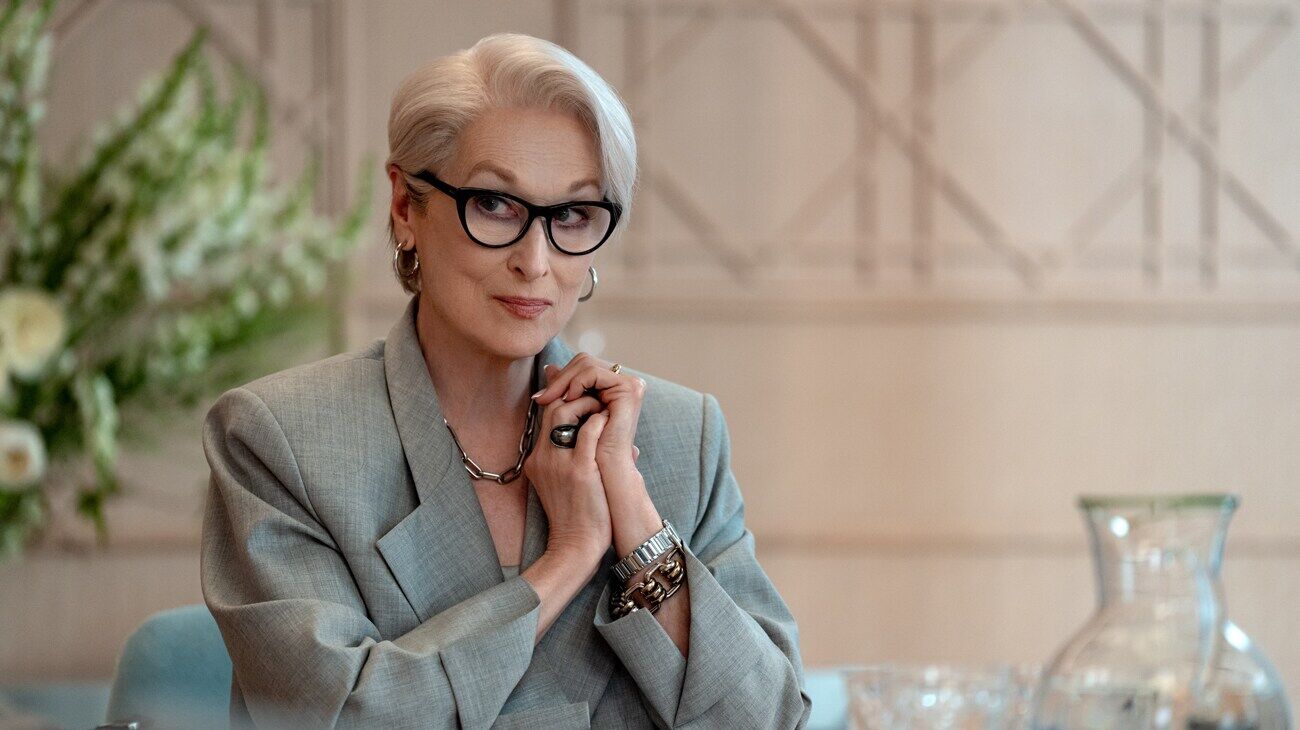
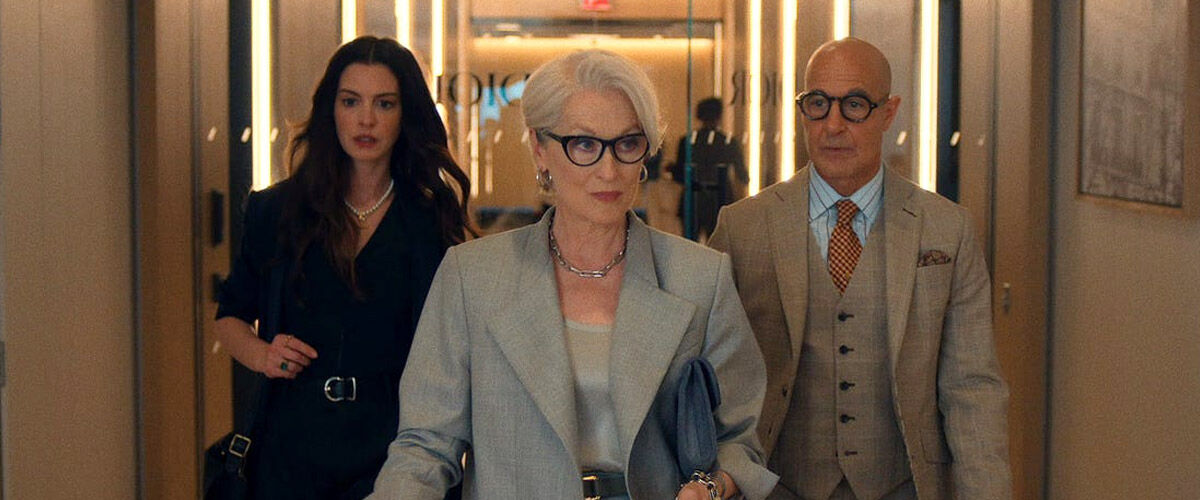
Time has forced even Miranda to evolve in small, begrudging ways, as designer coats and handbags no longer go flying onto assistants’ desks thanks to HR complaints, while her fiercely competent first assistant Amari, played by Bridgerton’s Simone Ashley, steps in whenever Miranda edges dangerously close to saying something catastrophically out of touch. Inspired famously by former editor-in-chief of Vogue Anna Wintour, Miranda remains fashion’s human iceberg though the sequel allows faint cracks to emerge beneath the armour. Concerns about ageing, retirement, and the future of print media hover quietly around her, while a softer dynamic with new partner Stuart offers rare glimpses of vulnerability, even if Kenneth Branagh (Murder on the Orient Express) is given frustratingly little to do.
Nigel Kipling meanwhile remains Runway’s exhausted patron saint of impossible glamour as Stanley Tucci (The Hunger Games film series) once again steals entire scenes through sheer timing alone, balancing acid wit with enough warmth to stop the character from drifting into caricature. Nigel understands Miranda better than anyone without ever becoming her reflection, and his dynamic with Andy still carries the film’s most genuine emotional pull.
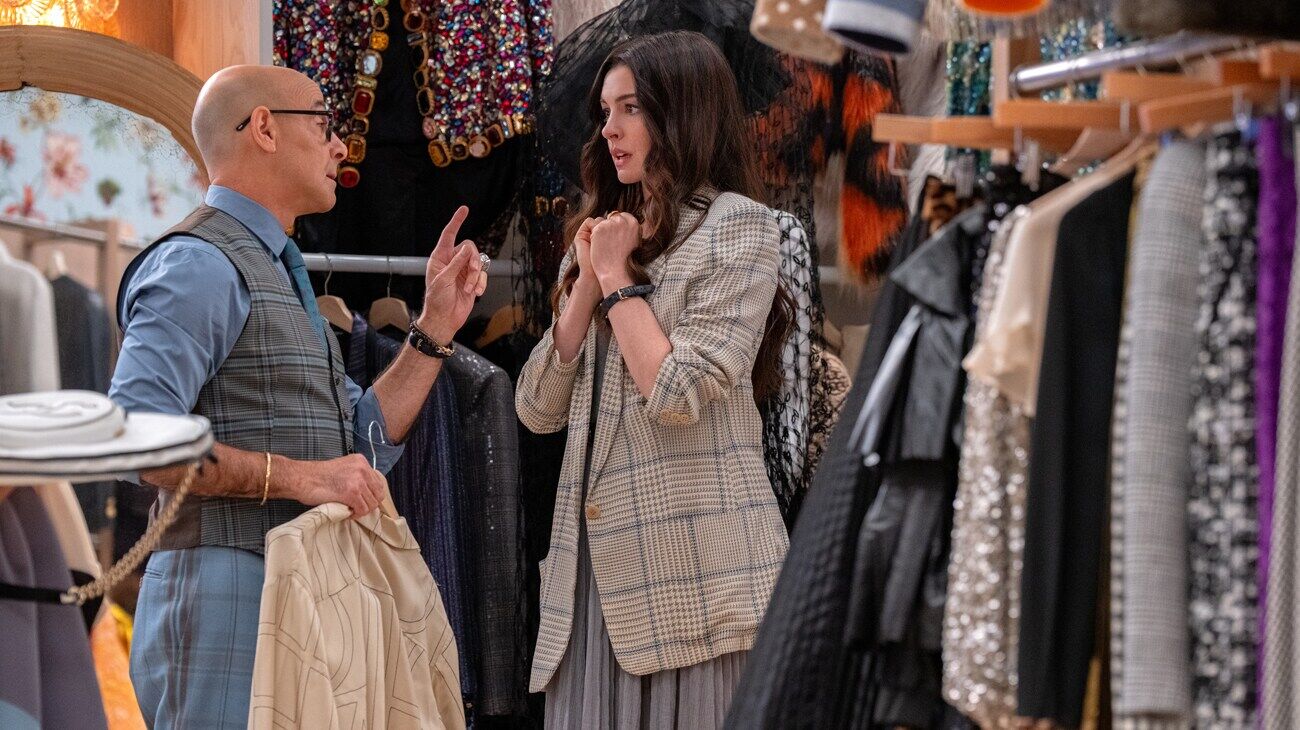
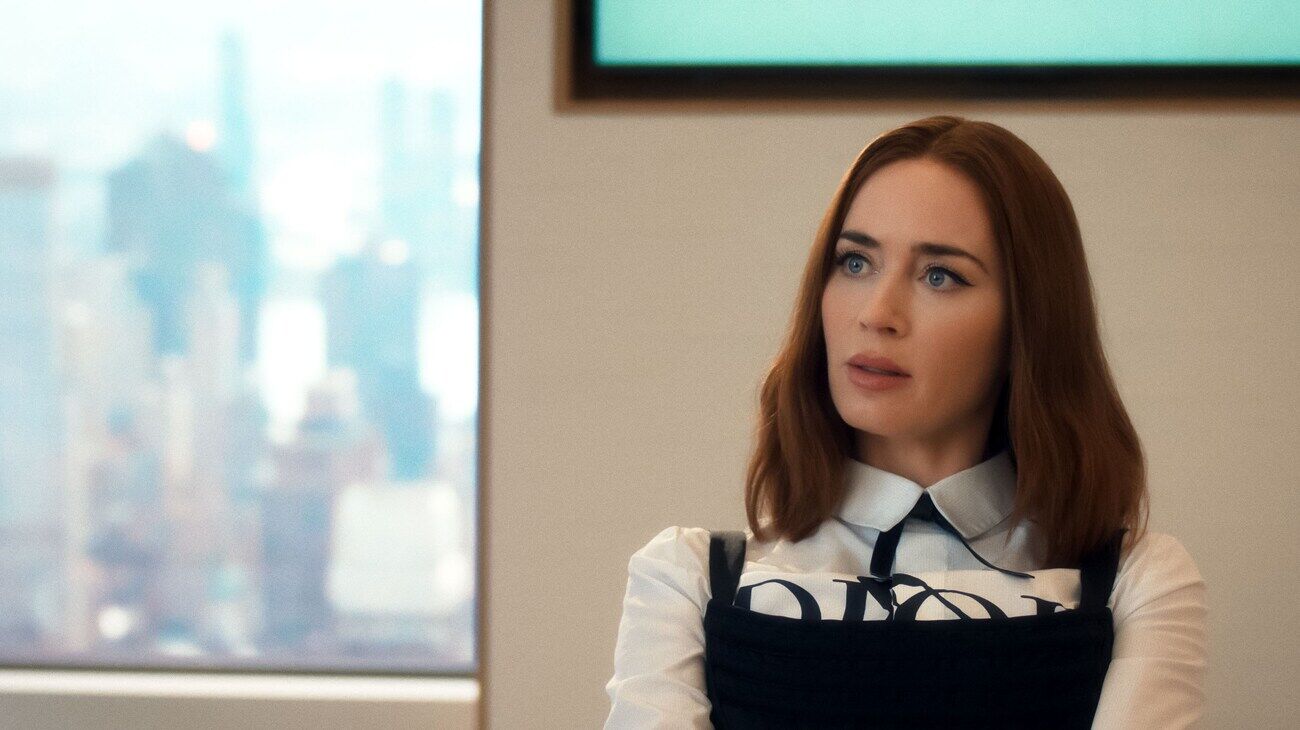
Runway’s attempt at rebuilding credibility quickly runs into another familiar obstacle in the form of advertisers, specifically Dior. Enter Emily Charlton, now stationed high within the fashion house’s New York operations and played by the returning Emily Blunt (A Quiet Place) with sharpened contempt. Emily hasn’t mellowed with success and if anything, power suits her almost too well. Demands for free advertising spreads and editorial favours arrive wrapped in immaculate sarcasm, each conversation carrying the faint suggestion that she’s still settling scores from her assistant days. Blunt’s comic timing keeps those exchanges sparkling though brief flashes of insecurity stop Emily from becoming entirely untouchable. If there’s any criticism, it’s that there are nary enough scenes of the film’s core quartet interacting in this sequel.
Corporate restructuring soon crashes into Runway’s curated glamour largely through Jay, the aggressively athleisure-clad son of chairman Ravitz. The Office’s B. J. Novak plays him with just enough tech-bro self-satisfaction to make every executive decision feel faintly insulting. Expense accounts vanish, travel budgets collapse, and Miranda is suddenly forced to confront horrors previously unimaginable, including eating at the staff cafeteria and even flying cattle class. Watching Streep react to the possibility of eating in a communal dining area and stare mournfully toward business-class seating while being marched toward economy lands with perfect deadpan precision, and even physical comedy becomes elegant in her hands.
Milan soon arrives to remind audiences why they came in the first place, with fashion spilling across every frame, draping the city in glossy escapism as Runway prepares for a major show staged against some of Italy’s most recognisable landmarks, including the glittering glass-covered Galleria Vittorio Emanuele II arcade and its historic Prada storefront. Miranda, reluctantly forced into calling in favours to secure a headline-making guest appearance, navigates the mayhem with the same icy efficiency she applies to everything else.
Celebrity cameos flood the film with almost comical frequency, sprinkled through gala scenes and runway events so densely it becomes impossible to track them all in real time. Fashion royalty, media figures, musicians, and influencers drift in and out of scenes, including appearances from Marc Jacobs, Law Roach, Naomi Campbell, Jon Batiste, and Donatella Versace, whose lunch scene opposite Emily becomes one of the sequel’s funniest detours. Somewhere along the way, the movie seems fully aware that part of the fun lies in audiences nudging each other every few minutes and whispering, “Wait, was that…?”
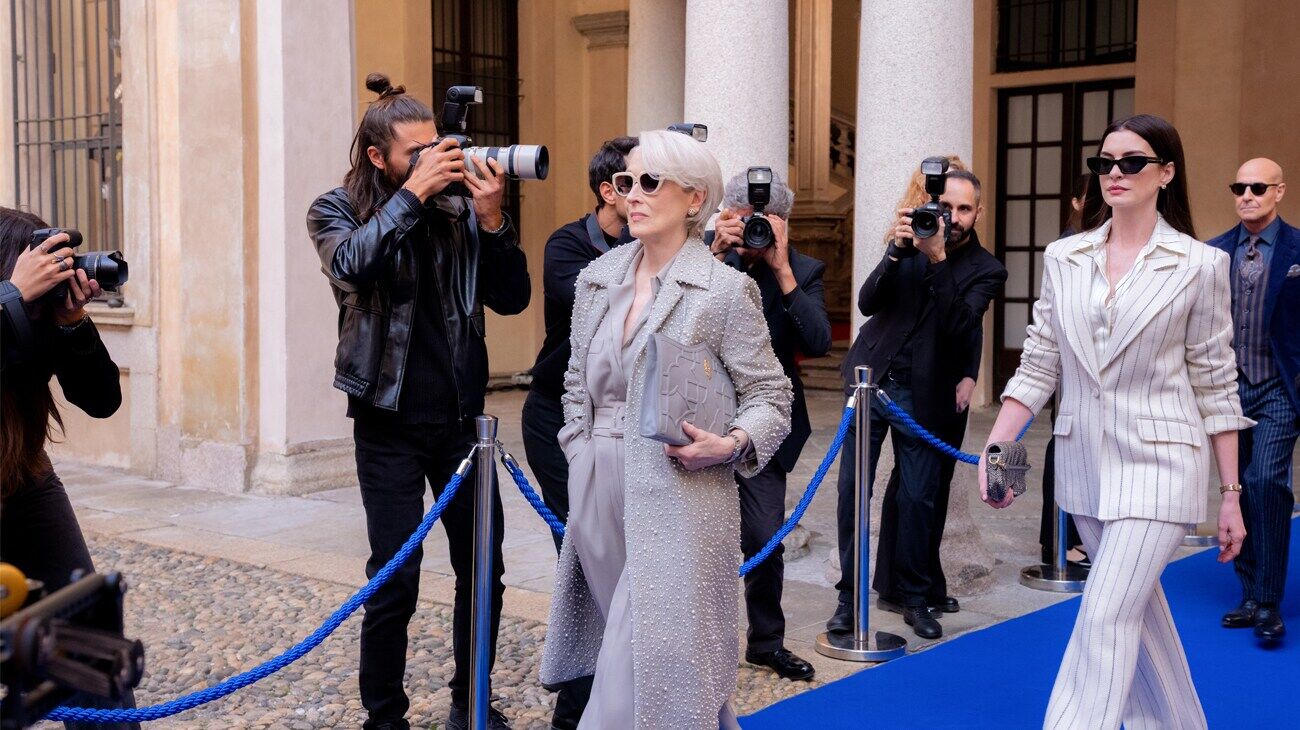
And honestly, the film knows exactly where its strengths lie. Cultural commentary may occasionally attempt to elbow its way into conversations about journalism, power, or modern relevance, but couture always wins the room back eventually. Costume designer Molly Rogers (Ugly Betty) steps into formidable shoes following her mentor Patricia Field (Sex and the City) moving away from the role, raiding fashion archives with unapologetic enthusiasm and draping characters in a rotating exhibition of Armani, Gabriela Hearst, Sa Su Phi and Prada while sneaking enough cerulean blue into the wardrobe. Every frame gleams with impossible polish, aided by Florian Ballhaus’ (The Divergent film series) sleek cinematography which transforms New York and Milan into shimmering playgrounds built exclusively for beautiful people carrying expensive handbags. Any attempt at broader inclusivity occasionally feels drowned beneath the film’s fixation on immaculate bodies and tailoring, though the sequel hardly seems interested in pretending otherwise.
Truthfully, it’s difficult to imagine anyone leaving The Devil Wears Prada 2 particularly angry, and this includes the excessive fuss over minor character Jin Chao (played by Broadway actress Helen J Shen of Maybe Happy Ending fame), Andy’s assistant who in the trailer plays like a stereotypical Asian caricature – her minor arc actually gives her better representation than most side characters get in Hollywood blockbusters. Sharp edges have softened with age, stakes rarely cut too deeply, and much of the film floats by with the breezy confidence of an expensive magazine spread designed to distract readers from whatever’s happening outside… and maybe that’s part of its appeal. Fashion changes, industries collapse, trends cycle endlessly through social media feeds, but watching Streep deliver a withering glance wrapped in couture still carries a strange kind of cinematic comfort. Some brands survive because they evolve, and others survive because nobody else can quite replace them. Miranda Priestly, thankfully, belongs firmly in the latter category. That’s all.
GEEK REVIEW SCORE
Summary
Slick, funny, and dressed to kill, The Devil wears its nostalgia well, with Meryl Streep and Emily Blunt doing much of the heavy lifting, even if the story itself feels more immaculately tailored than truly new.
Overall
7.6/10-
Story - 7/10
7/10
-
Direction - 7.5/10
7.5/10
-
Characterisation - 8/10
8/10
-
Geek Satisfaction - 8/10
8/10
Natalie is a big fan of anything related to movies, TV shows, and anime — you name it. When she’s not reading or being a dedicated cinephile, she’s probably playing gacha and tabletop games, or daydreaming of Caleb from Love and Deepspace.
 HSALS
HSALS