This interview has been edited for clarity.
For Rebel Wolves, the new studio led by former The Witcher 3: Wild Hunt director Konrad Tomaszkiewicz, the word “stake” takes on a double meaning. The first is literal – coming over from the noted Polish developer CD Projekt Red, there’s a certain level of expectation for the team to succeed, especially in light of the former’s strong track record with the highly acclaimed third Witcher title and 2020’s Cyberpunk 2077.
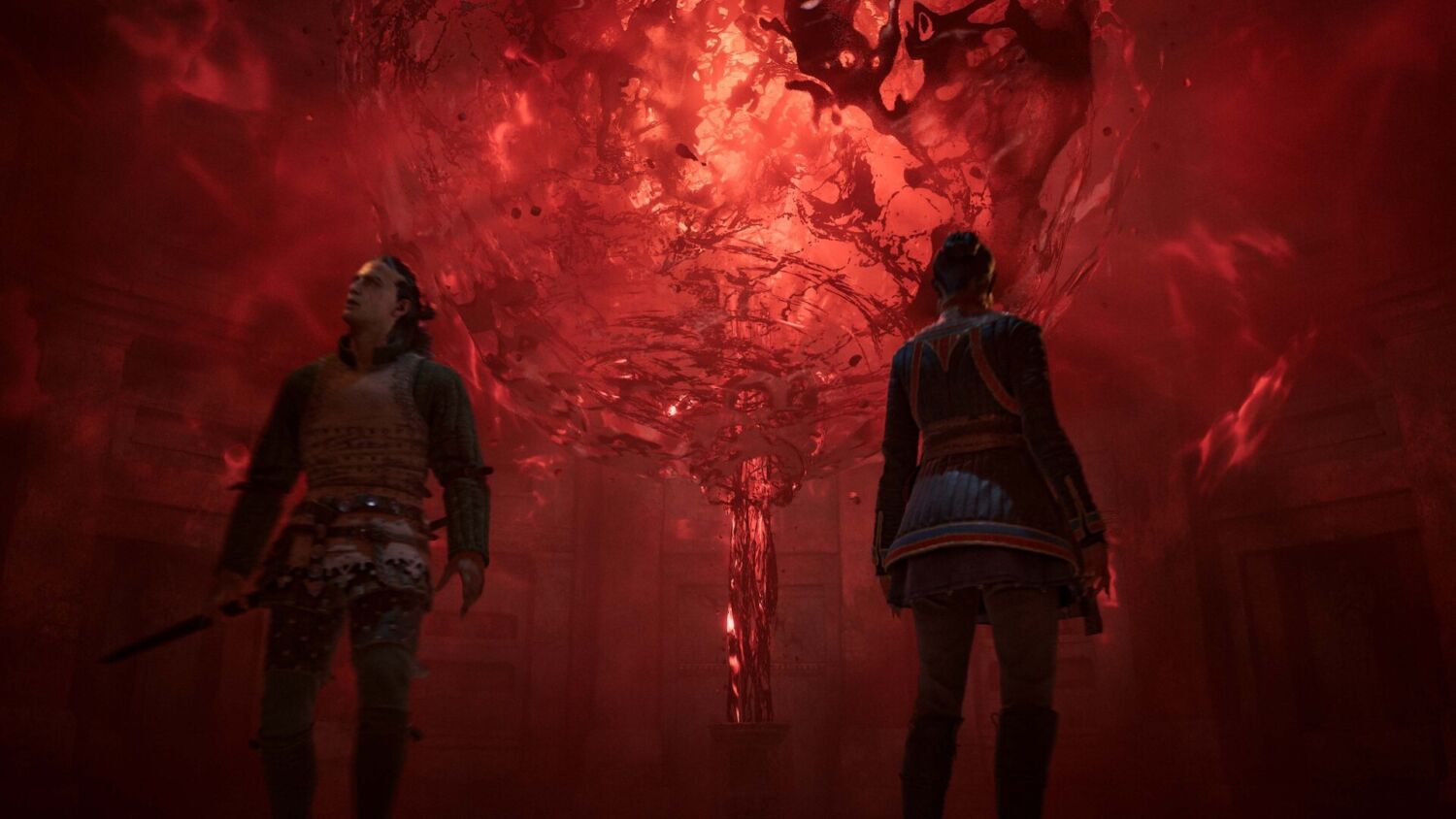
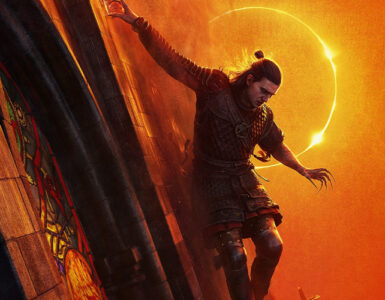
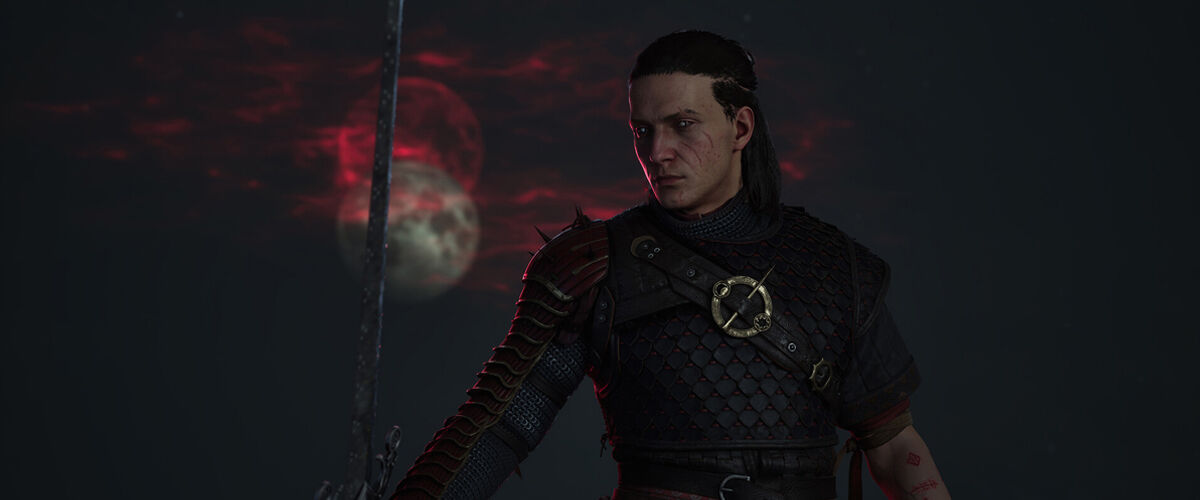
The second ties into their upcoming debut project featuring a familiar Gothic figure: vampires. Set in 14th-century medieval Europe, The Blood of Dawnwalker is a dark fantasy action role-playing game (RPG) that follows Coen, a man with both human and vampiric qualities who walks between the two worlds. Where it departs from the standard formula is that players have 30 days and nights within the game to achieve their end goal, no more and no less, alongside a narrative sandbox structure, a term the team uses to describe the game’s non-linear course of events that are shaped by decisions made along the way.
It’s bold, ambitious, and certainly difficult to pull off, especially since choice-based storytelling has become more popular. A common pitfall is underwhelming execution, largely due to in-game actions that carry little to no weight and insignificant consequences, diminishing the power of cause and effect and player agenda. Nobody understands this better than lead quest designer Rafał Jankowski, who ensures the stakes remain high every step of the way, even with the plotlines sometimes “overlapping in some unexpected ways.”
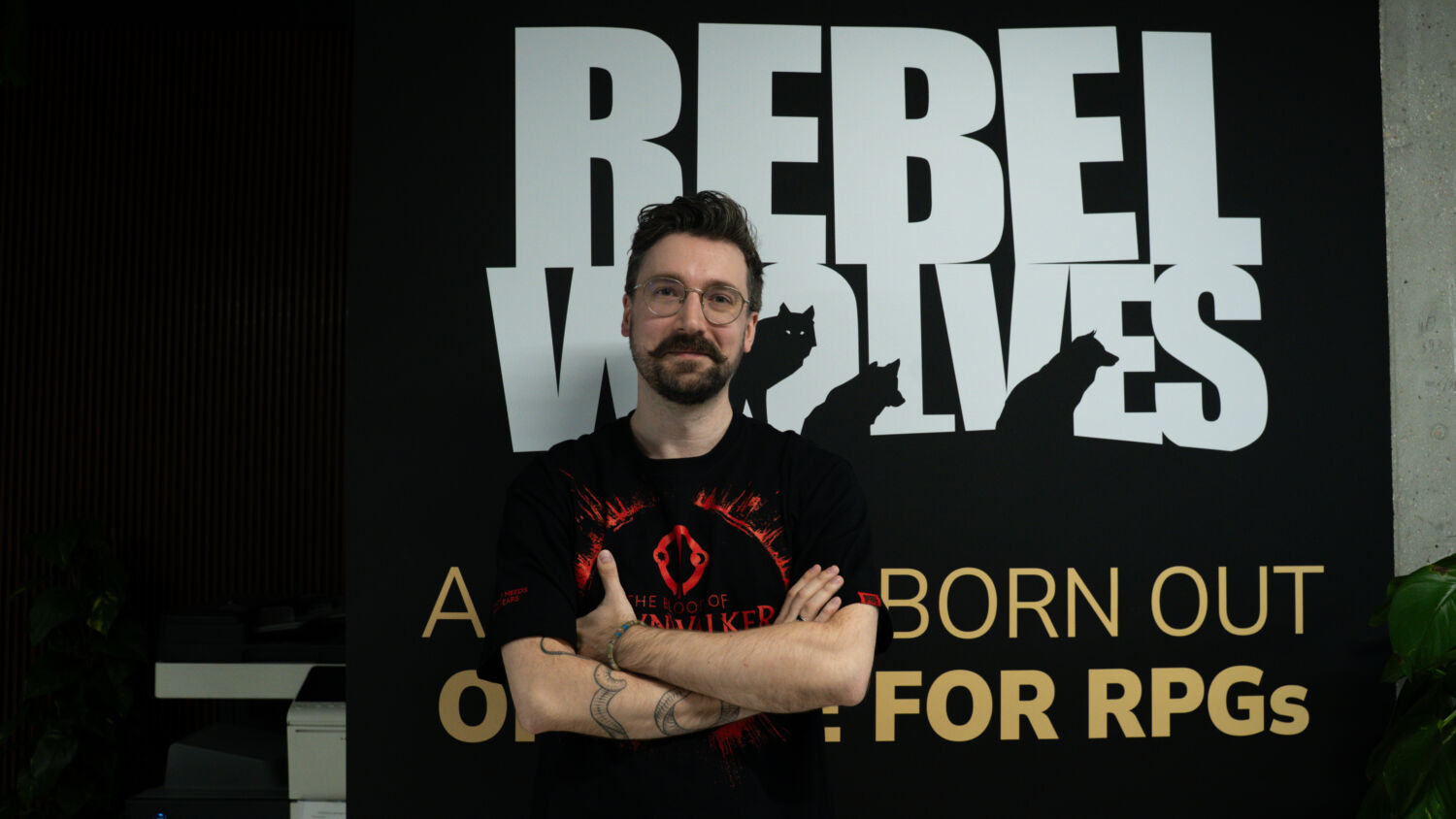
“This is what this project is really about, right? We wanted the game to have stakes, both when it comes to the main storyline and the time system,” explains the Witcher 3 alum to Geek Culture in Rebel Wolves’ office in Warsaw, Poland. “We have smaller stories without grand problems, but still, in many cases, the characters involved in our stories may die.
A short pause, then: “Well, what’s higher stakes than that?”
A separate hands-off preview offered a taste of the butterfly effect in motion, where the decision to accept or ignore certain quests, no matter how small they may seem, can trigger different fates for the relevant characters. The Blood of Dawnwalker wastes no time in establishing its importance, either, with microdecisions already incorporated into the opening hours of gameplay. Everything, Jankowski stresses, is optional, however.
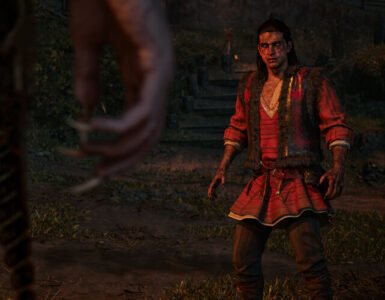
“I think it’s fair to say that we were smart at the very beginning when deciding what the ultimate goal is,” he expresses, referencing the vast freedom to explore the open world after the prologue, including immediately confronting the antagonist, Brencis, inspired by the likes of Fallout 2 and The Legend of Zelda: Breath of the Wild. “The adventure doesn’t stop even after a character dies, because [Brencis’] castle and the enemy are still there.
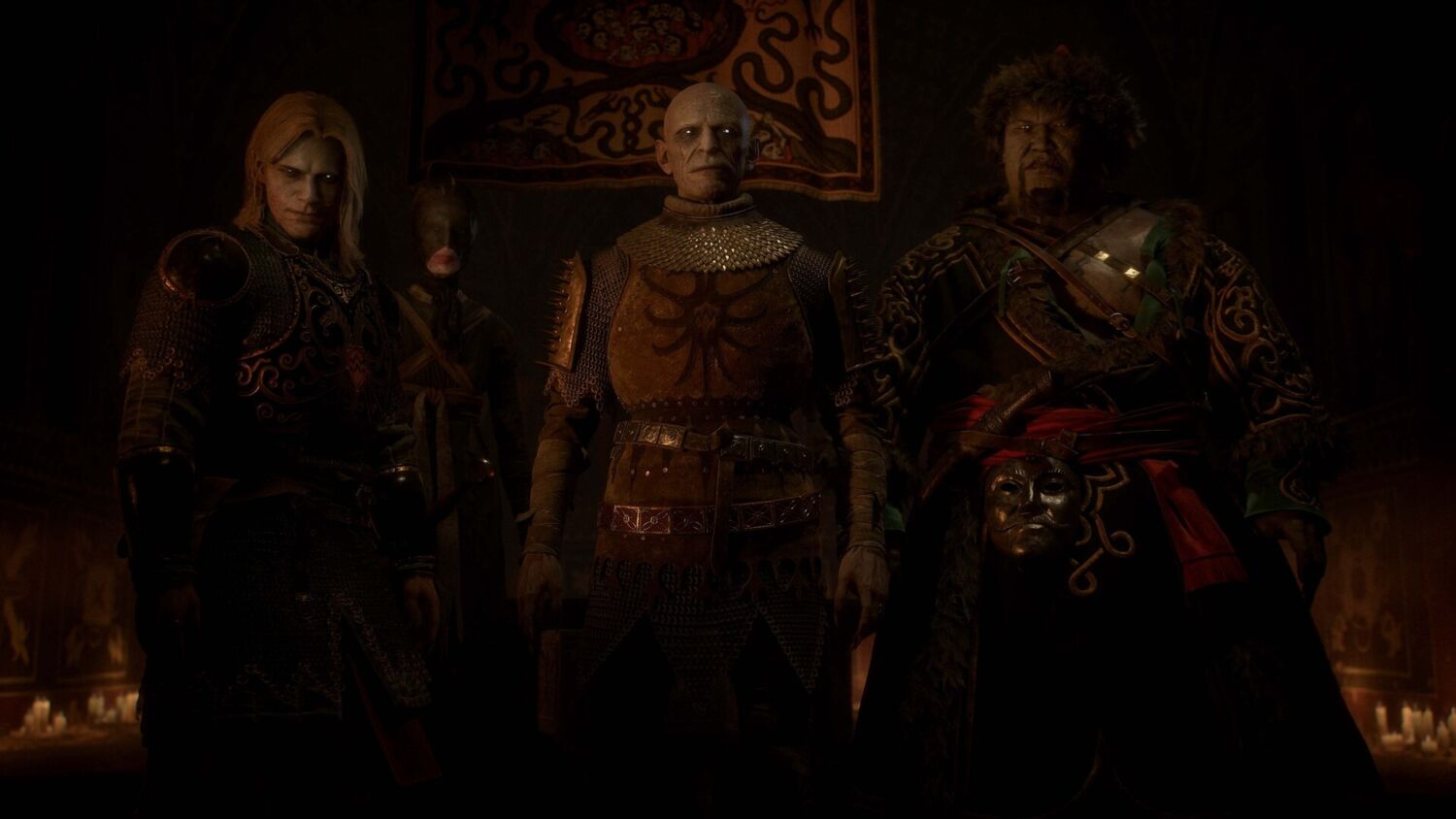
“It was a challenge to deal with that big web of connections, but at the same time, dealing with different choices, giving them to the player, and making sure that every choice matters and is interesting? There are stakes to them.”
The other part of the approach is rooted in immersion. By having the player confront and take responsibility for their actions, mirroring real-life conditions, they are forced to engage with their own moral systems and the subsequent emotional response, be it guilt, satisfaction, relief, or even a mix of them.
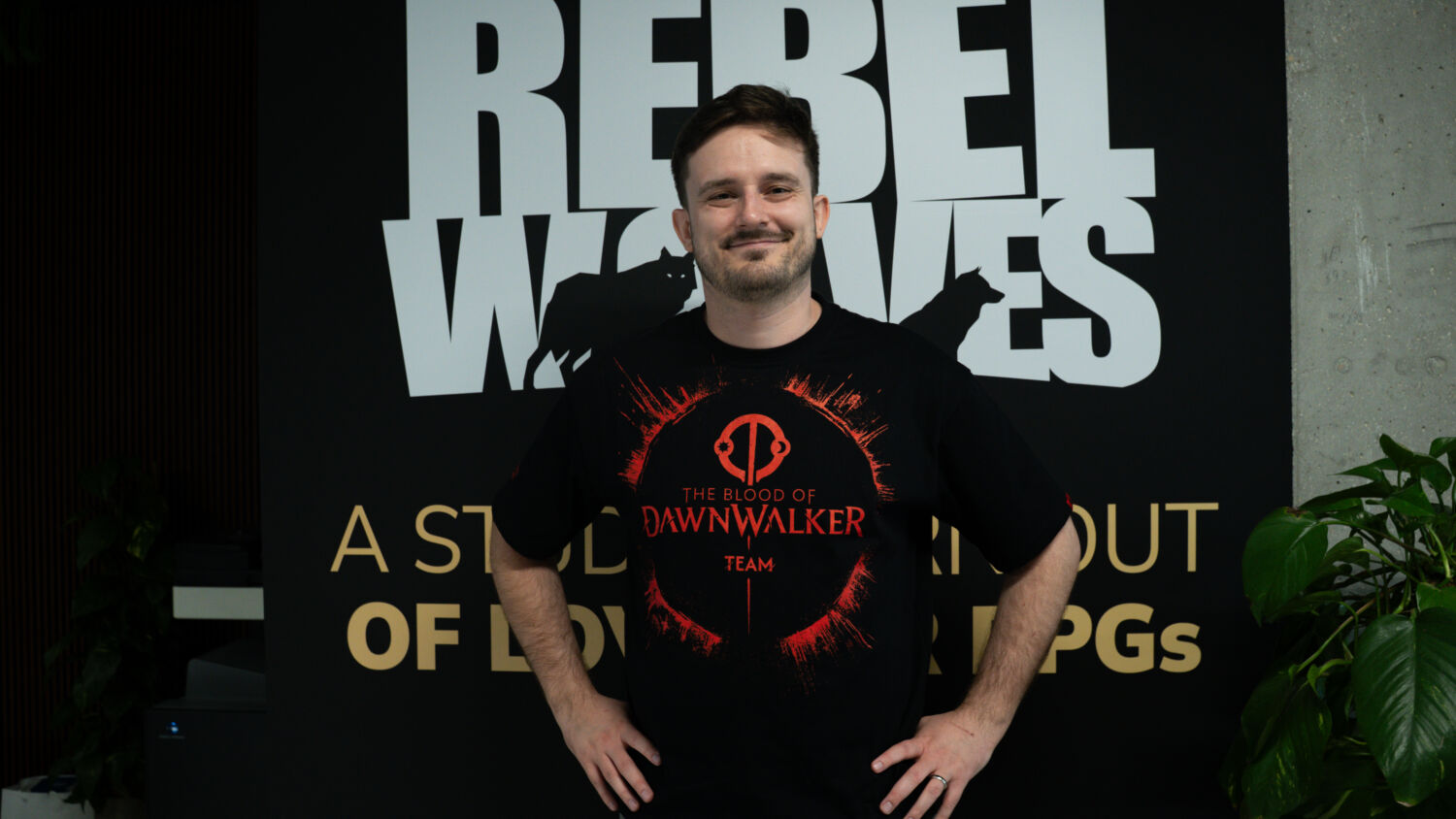
“Giving you choices in these kinds of stories helps you to really get into and not just be a passive observer, but more like an active one that decides the fates of these people and feels like you can impact their lives,” highlights creative director Mateusz Tomaszkiewicz.
Feelings of remorse or contrition, in particular, may come across more strongly in The Blood of Dawnwalker because Coen will have blood cravings in his vampire form that, if not well managed, automatically trigger a killing spree, resulting in the potential death of a major non-player character (NPC).
It’s a familiar retreading of the vampire myth over the years – Bram Stoker’s Dracula, the True Blood TV series, and the Legacy of Kain games were cited as direct inspirations – but the team has its fair share of original ideas, too, starting with Coen himself. Instead of the usual half-human, half-vampire trope, Tomaszkiewicz describes the protagonist as “more like a werewolf,” since he is a normal sword-fighting human by day, and only gains access to his vampiric abilities after dusk falls.
“The main thing that inspired the whole discussion from the beginning is the duality of our character, because, again, he gets a different set of abilities during the day and at night,” he shares. “We wanted both paths to be equally rewarding, fun, and cool, but how do you compete with a vampire? That’s the tough part.”
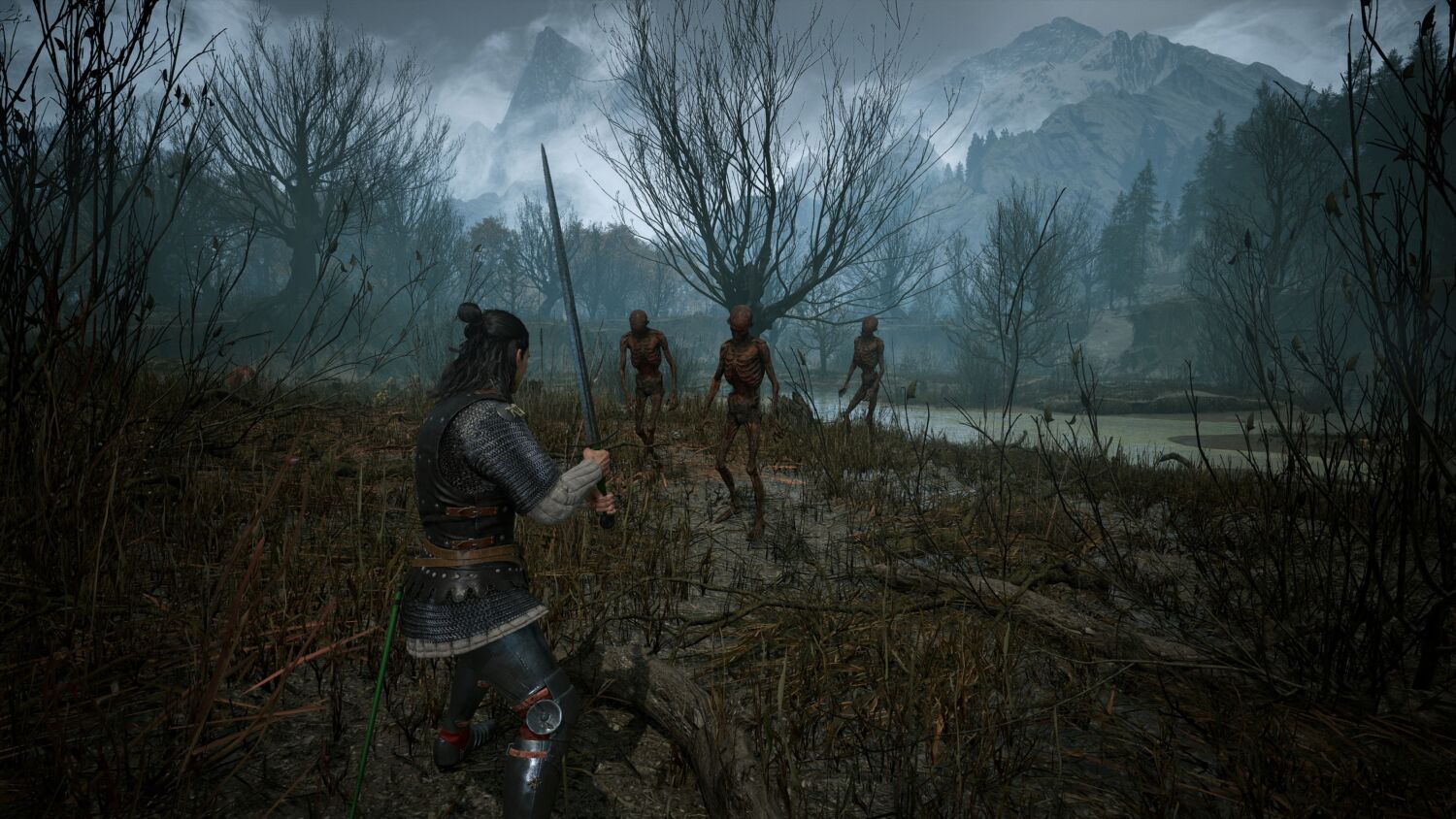
For starters, the vampires here, known in-game as “vrakhiri”, possess their own unique abilities when turned, a twist on the tradition of inheriting them from their sires, with the only other way to obtain these random mutations being to absorb them after draining another vampire. Certain skills can only be acquired by deepening Coen’s vampiric corruption, requiring regular feeding, while the sword-fighting component is more grounded in the real world and involves learning techniques from various mentors.
Magic is the third pillar of combat for The Blood of Dawnwalker. Sticking to its historical roots as an era when the occult was frowned upon, the system is centred on finding and studying forbidden texts, and letting these dark powers into Coen’s body. The design element ties back into his dual nature, making for a careful nod to the overall detail – to cast spells in the game, runes have to be carved on the caster’s skin, which wouldn’t work for pure vampires since they can heal from wounds.
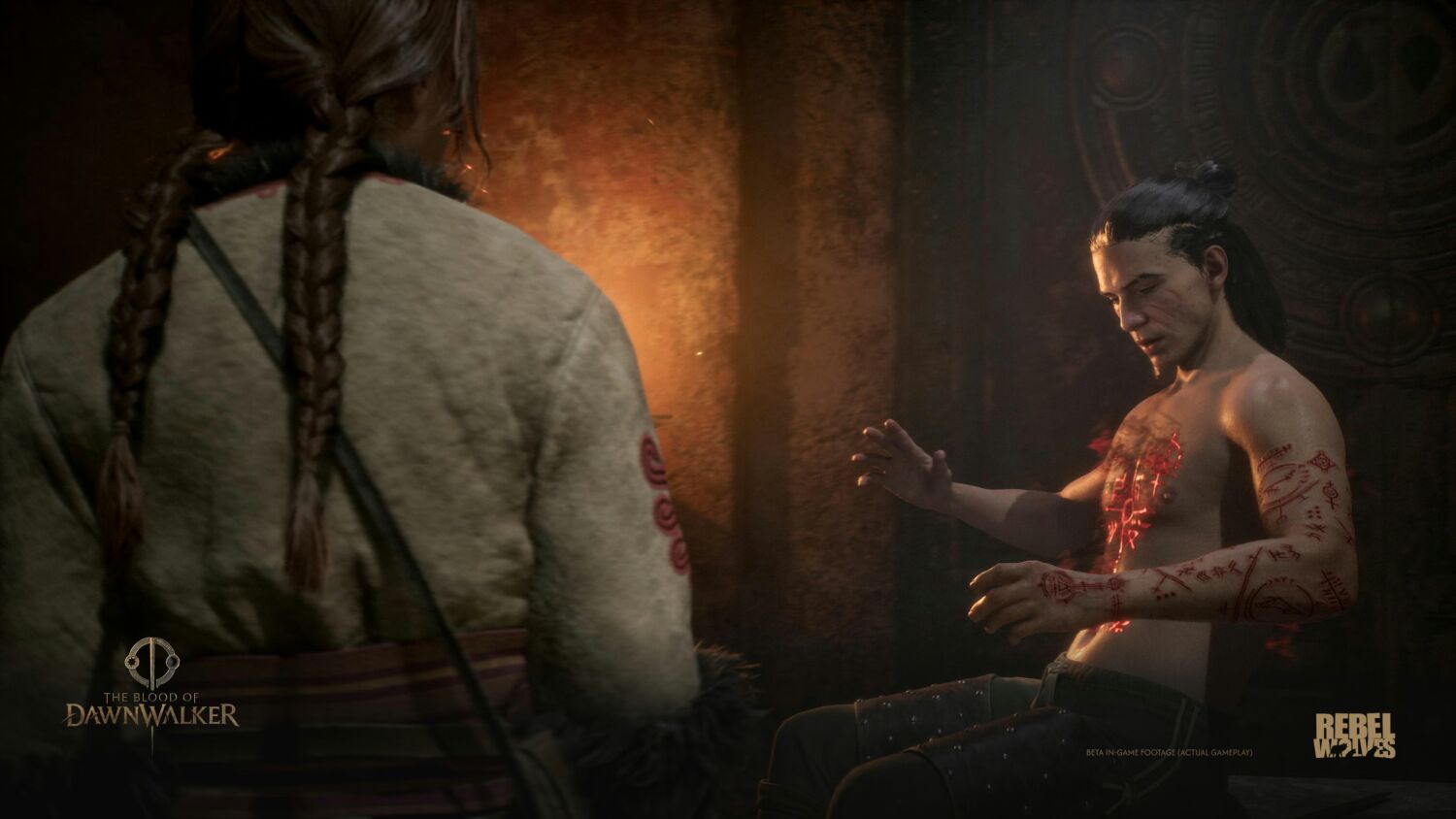
In a similar vein (pun intended), other riffs on the vampire mythos are conveyed through visual cues. Where vampires typically drain their victims and feed them their own blood, or sometimes, just bite them to turn them, the process works differently in the game’s world.
As Tomaszkiewicz explains, “To turn someone into a vampire, you have to snap out one of these fangs and plant it into their heart, so we’ve put more emphasis on the vampire fangs, such as [how] they have different sets of them that grow throughout their lives, and sometimes, not even in their mouths.”
Take, for instance, a vampire officer called Xanthe, who has fangs growing out of her head, but is also a product of melded mythological influences. Coming from a Polish studio, The Blood of Dawnwalker naturally draws on local folklore and, as with The Witcher series, taps into other cultural elements. It’s nothing new for Jankowski, whose previous stint on the ‘Bovine Blues’ contract quest for The Witcher 3: Blood and Wine expansion included a possible reference to the death of ancient Greek tragedian Aeschylus.
“Vale Sangora (where the game is set) is a melting pot of different cultures of mostly central Europe. There are some minorities living here, and we explore a little bit of their cultures,” shares the lead quest designer, listing the Jewish community as an example.
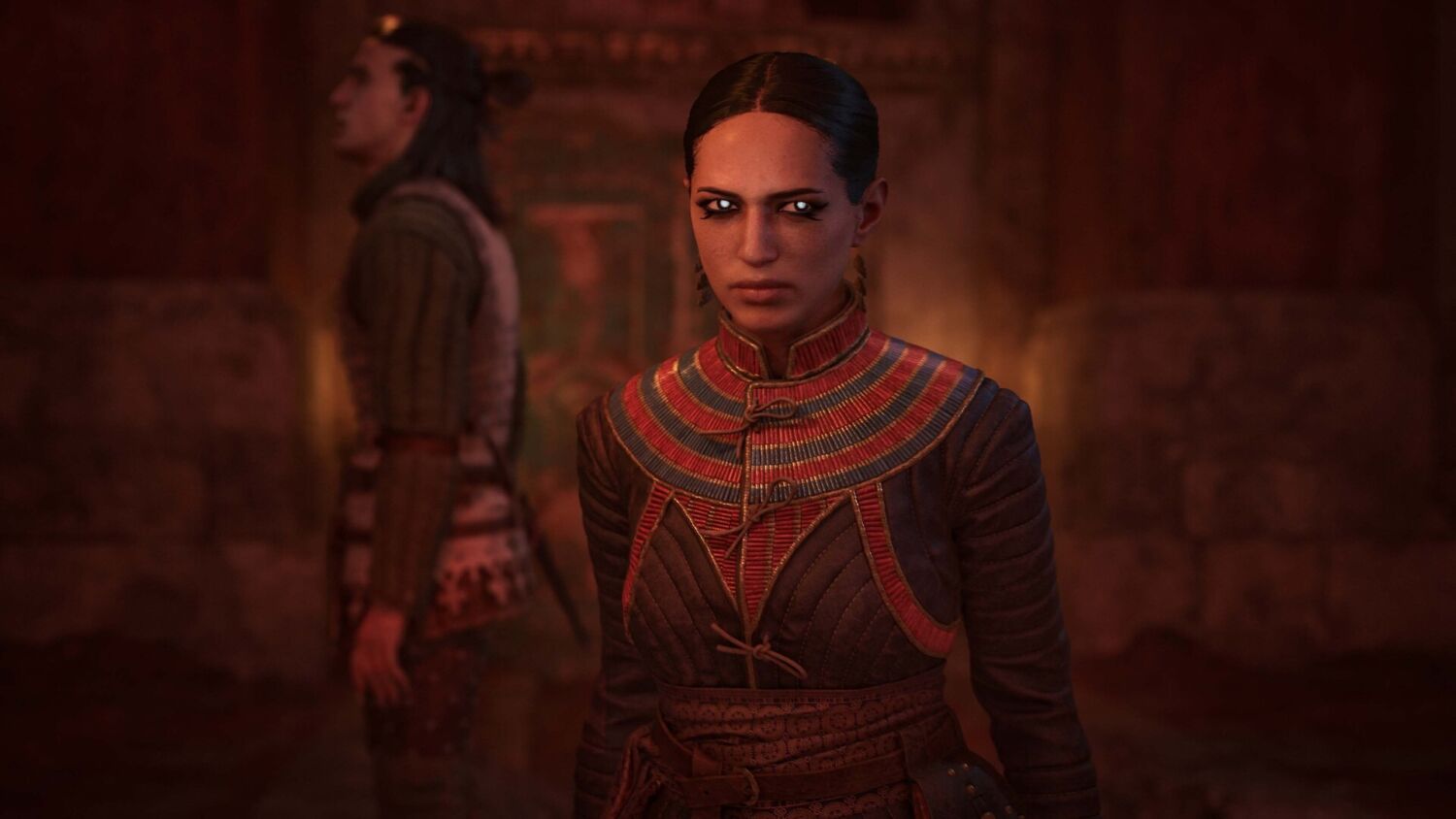
“Then, the vampire officers Bakir and Xanthe come to mind. They are what the vrakhiri used to be in time immemorial, like a Mongolian Khan, while Xanthe used to be a princess in ancient Greece, and we explore that in the quests.”
For Coen, time is a precious commodity, and in more ways than one. Not only is it a reminder of the looming deadline, but it serves a secondary purpose in gameplay as an added cost for upgrading. Like its RPG contemporaries, The Blood of Dawnwalker requires Skill Points to level Coen up, but unlike those, doing so will also move the clock forward.
“We felt that time is generally very underutilised in video games, so we were like, ‘Okay, we’re doing this thing where he’s different during the day and night. We turned time into a resource. Why not also play with it in the gameplay?’” explains Tomaszkiewicz on how the idea came about.
The playbook won’t be new to fans of Atlus’ Persona series, and it comes with its own rules here. Only actions that affect the overarching plot, such as pursuing and completing quests, will advance time, so players are still free to explore the open world as they wish. It’s the best compromise between realism and enjoyment that the team could conjure up – having a natural flow of time running on a normal clock, the creative director says, would “create an unpleasant experience” for them.
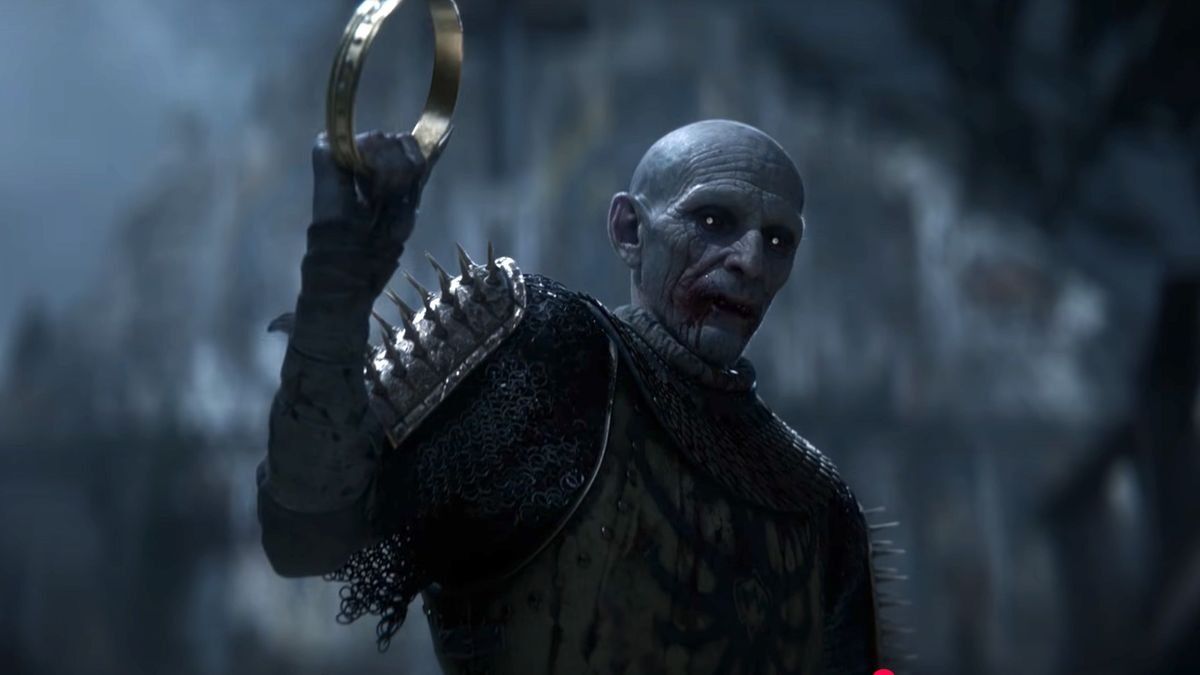
Edicts, laws that Brencis enacts to hinder Coen’s progress, including sending out bounty hunters and enforcing a city lockdown, feed into the time system, too. These measures are put in place every morning depending on the Infamy, described as “a measure of how feared and known you’re known in the valley,” accumulated (think the notoriety system in the Dishonored or Assassin’s Creed games) through different actions. And when nighttime arrives? Well, nobody will listen, and chaos runs loose.
With plenty of time-sensitive adventures to uncover, the fear of missing out, or FOMO, may kick into overdrive. There’s little reason to fret, however – both Tomaszkiewicz and Jankowski confirm that an average playthrough will cover around 80 percent of the main story content, with multiple runs required to unlock the other endings and branching narratives, and fill in all the missing gaps.
The former assures, “The time limit isn’t the definitive end of the game. It’s not a game over or a restart, but more like a choice-and-consequence thing, [where] you will get different events happening based on what you did with this bingo.”
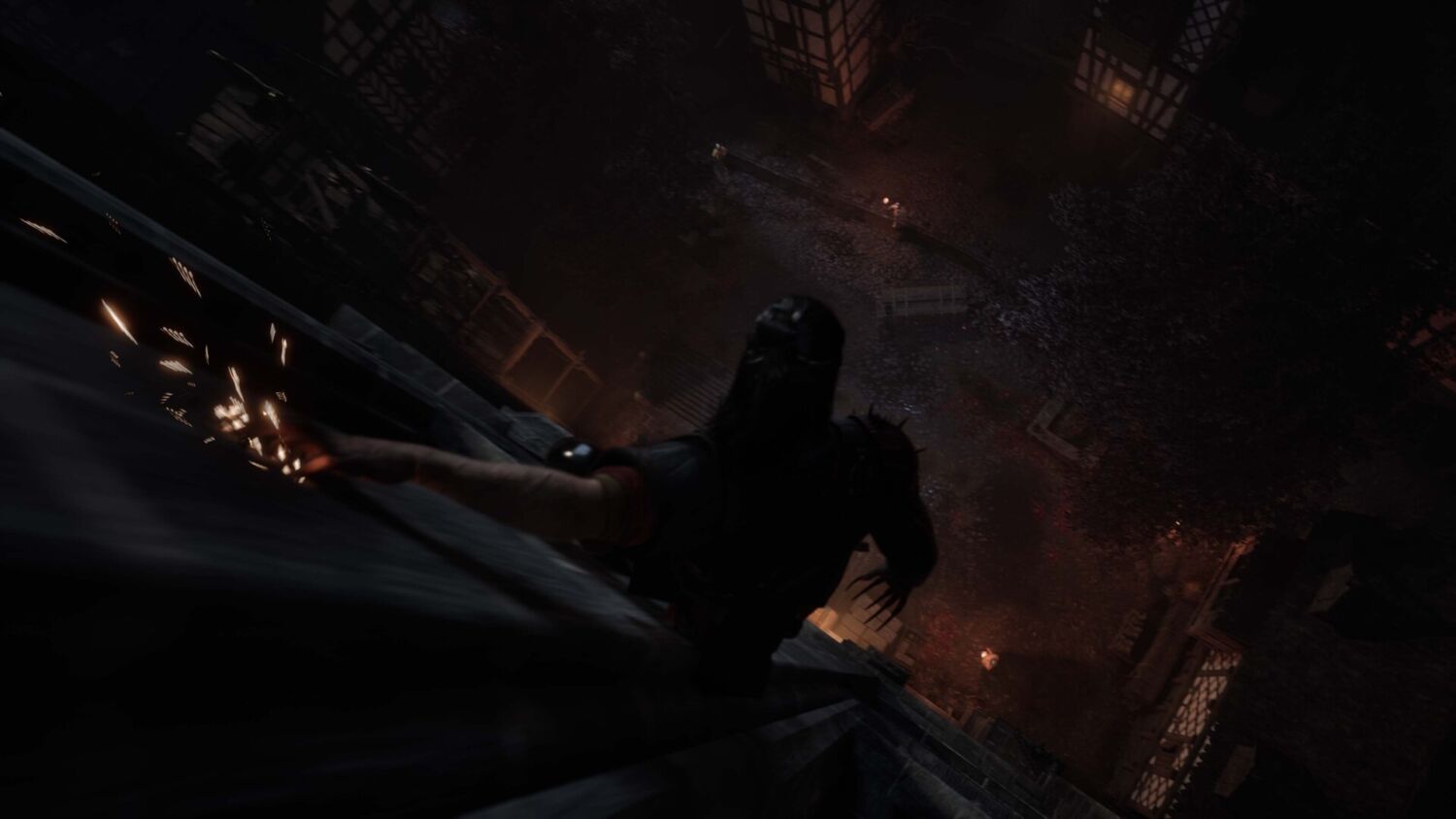
For Rebel Wolves, the end of Coen’s story will mark the continuation of their ambition. The Blood of Dawnwalker was billed as the start of a saga from the very beginning, and the lore and world at large, comprising other creatures like kobolds (no confirmation on werewolves, though it wouldn’t be surprising), has already been fleshed out. The question, then, is whether there’s an outcome the team considers canon, especially since future events may need a singular point of reference.
Stating coyly that the team has “some ideas regarding the ending,” Jankowski answers, “This is our ambition, right? It would be absolutely the best outcome to consider when moving forward – every decision that the player made in the game – if it’s doable. We shall see, but this is something that I would definitely love to do.”
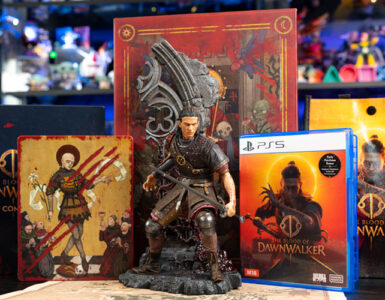
The Blood of Dawnwalker is slated for release on PC, PS5, and Xbox Series X|S on 3 September 2026.

Si Jia is a casual geek at heart – or as casual as someone with Sephiroth’s theme on her Spotify playlist can get. A fan of movies, games, and Japanese culture, Si Jia’s greatest weakness is the Steam Summer Sale. Or any Steam sale, really.