This interview has been edited for clarity.
A tale as old as time, the vampire myth has established several defining hallmarks over the centuries. The process of turning a human into a night creature, for instance, typically involves biting them and draining their blood, while sunlight, garlic, crosses, and holy water repel the blood-sucking species. Then, there’s the most famous way of killing them – a wooden stake through the heart.
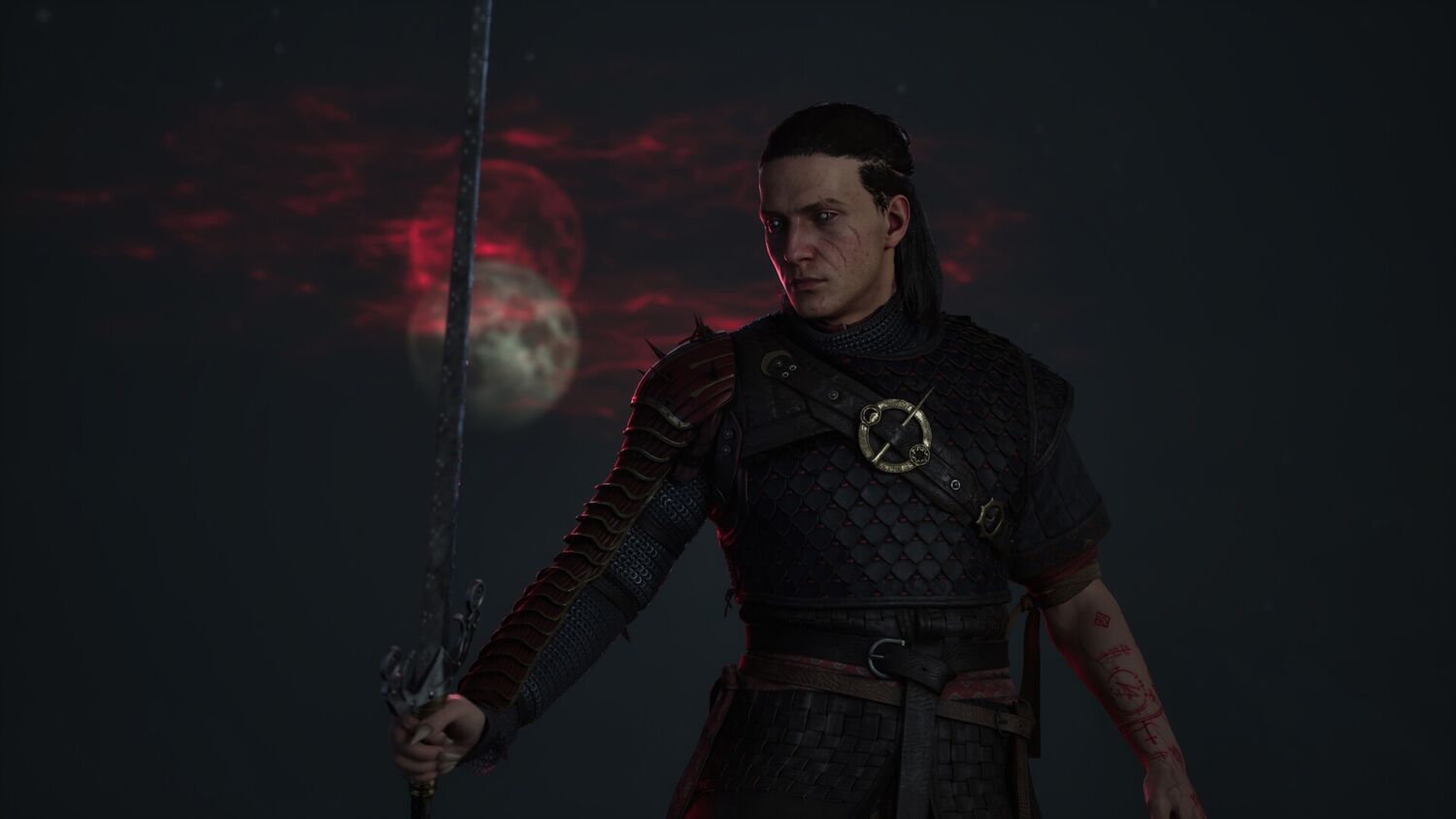
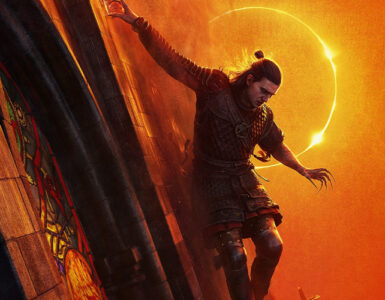
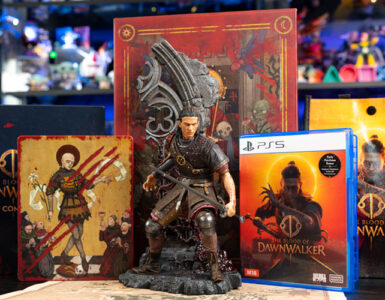
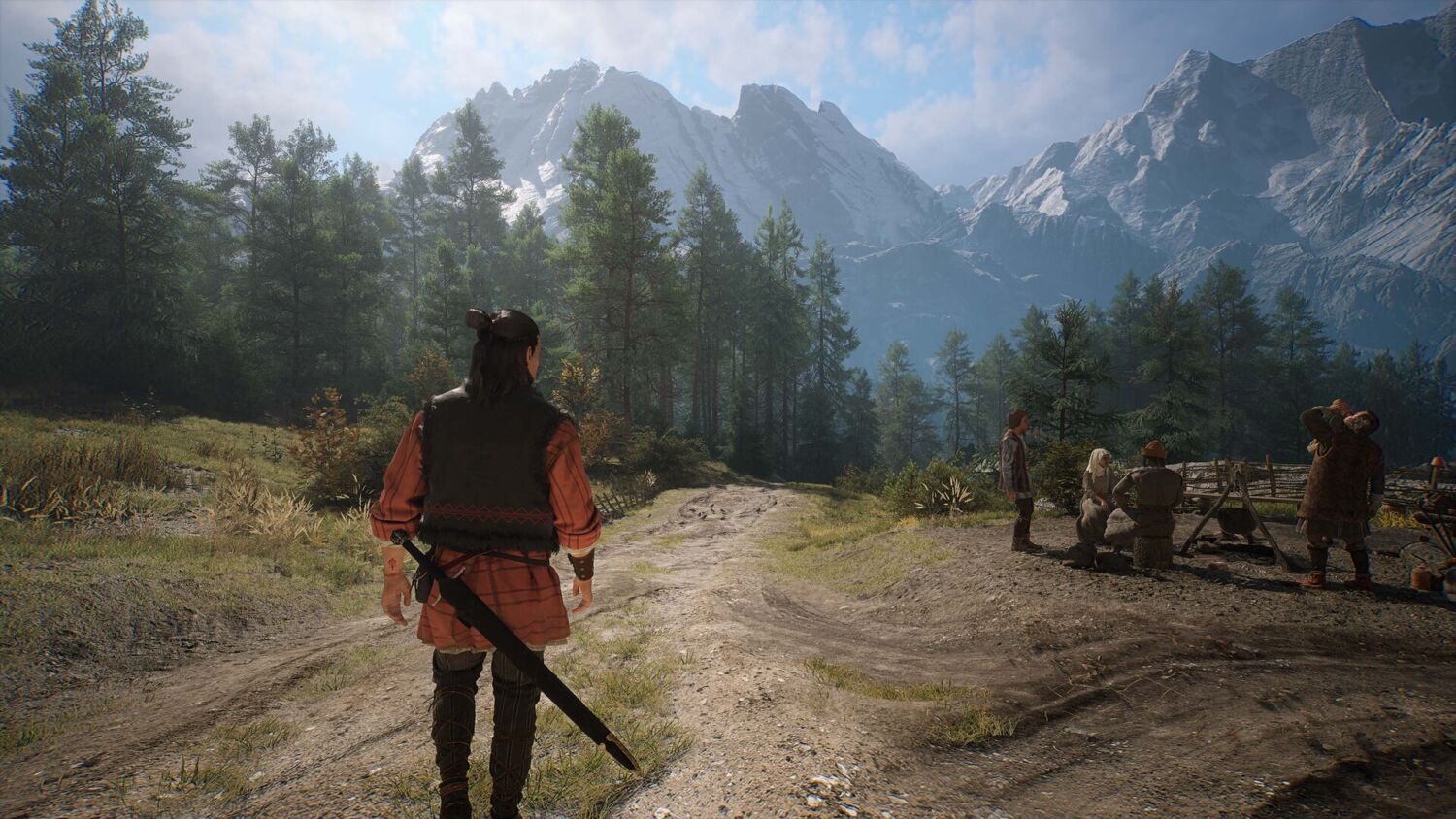
The Blood of Dawnwalker, the dark fantasy action role-playing game (RPG) from Rebel Wolves, comprising former CD Projekt Red staff with credits on projects like The Witcher 3: Wild Hunt and Cyberpunk 2077, aims for the jugular of tradition reinvention. Set in 14th-century medieval Europe, it swaps out a full vampire or a half-blood for Coen, a man with both human and vampiric qualities, as the protagonist, who has 30 days and nights to save his family from the ancient vampire lord Brencis amid the Black Death.
The echoes of existing influences are immediately familiar – Vale Sangora, where the game takes place, is located in the Carpathian Mountains, the home of Dracula in Bram Stoker’s classic novel. But the real-world geography also lends itself well to the title, with studio founder and game director Konrad Tomaszkiewicz sharing that its natural borders helped shape an open world where every choice matters.
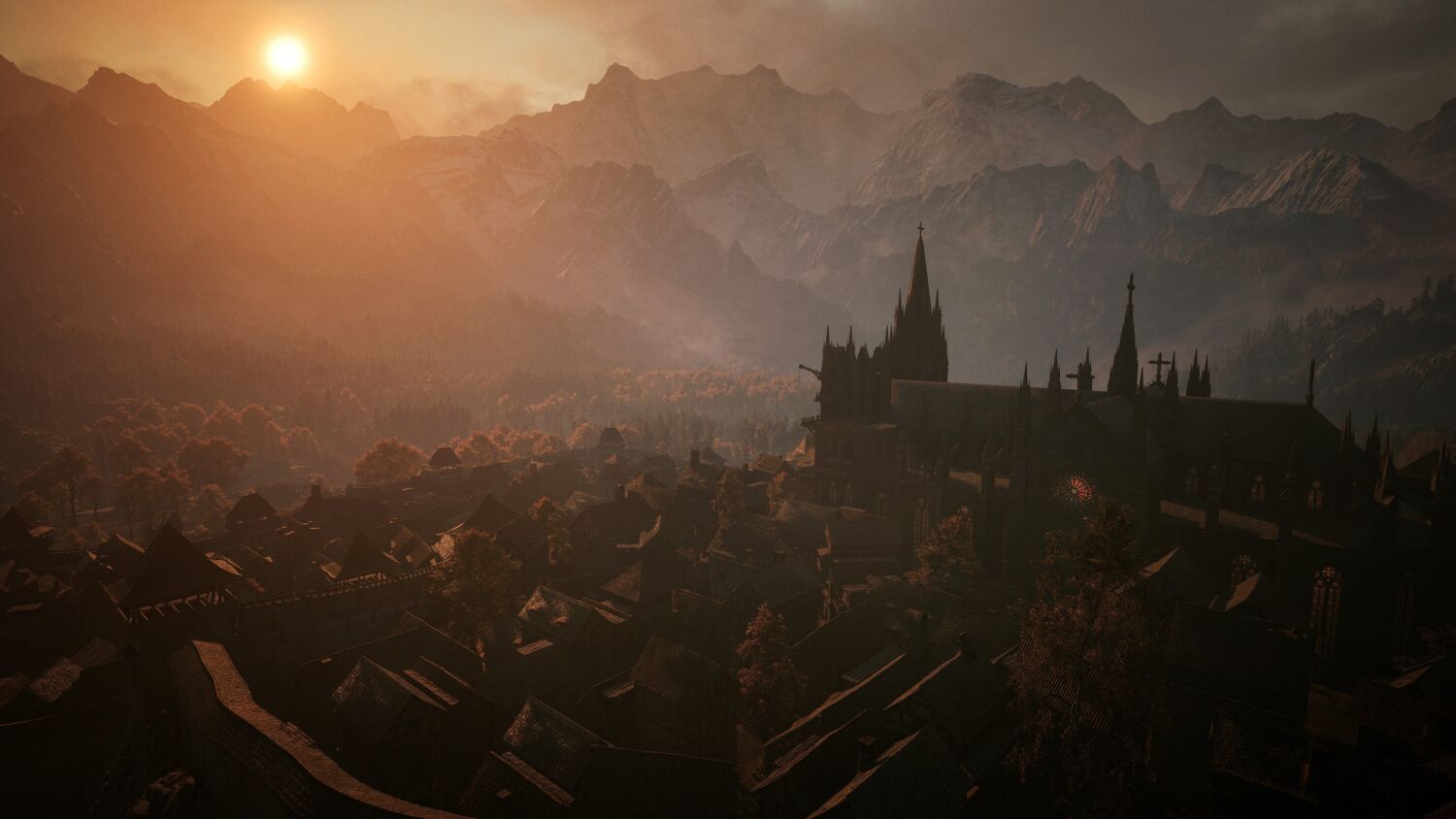
This narrative sandbox structure, as the team calls it, is rooted in a non-linear course of events influenced entirely by decisions made along the way. There’s an overarching goal and no fixed path forward, evoking a vast sense of freedom and exploration that forms the core gameplay experience. A lofty ambition it may be, but a one-hour hands-off preview held in the Rebel Wolves office in Warsaw, Poland, laid out a strong start to its exploration of choice.
The prologue wastes no time in introducing Coen and his sickened sister, Lunka, who are both held captive. As a village continues to burn in the background, a vampire (known in-game as “vrakhiri”) shows up to attack their captors, and Lunka’s condition improves after being fed vampire blood, establishing the necessary context for its setting. Under Brencis’ rule, the human populace of Vale Sangora is required to pay a “blood tax” for safety and a clean bill of health, and the combination of an oppressive regime and being forced into servitude under the vampire lords has sparked widespread disillusionment.
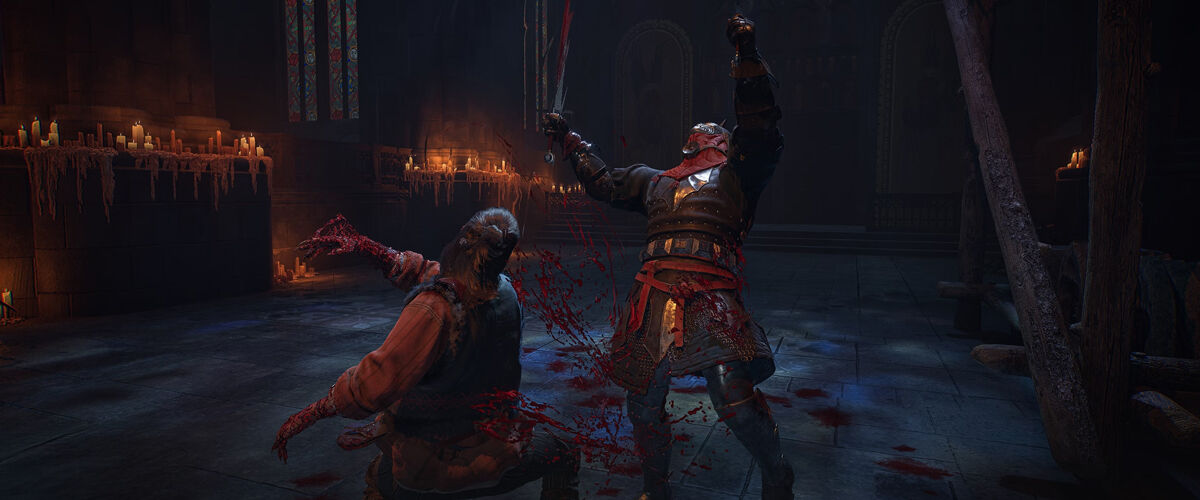
Fast forward four months, and the pair is basking in the company of their family before Lunka runs off into the nearby woods. The gameplay sequence begins when Coen chases after her, offering a first look at the directional combat system that would prove familiar to Kingdom Come: Deliverance players, allowing movement such as attacking and dodging to be executed from specific angles. Those who prefer a more conventional play style can toggle it off and let Coen choose who to attack, with other accessibility options including four difficulty levels and various sub-settings for each.
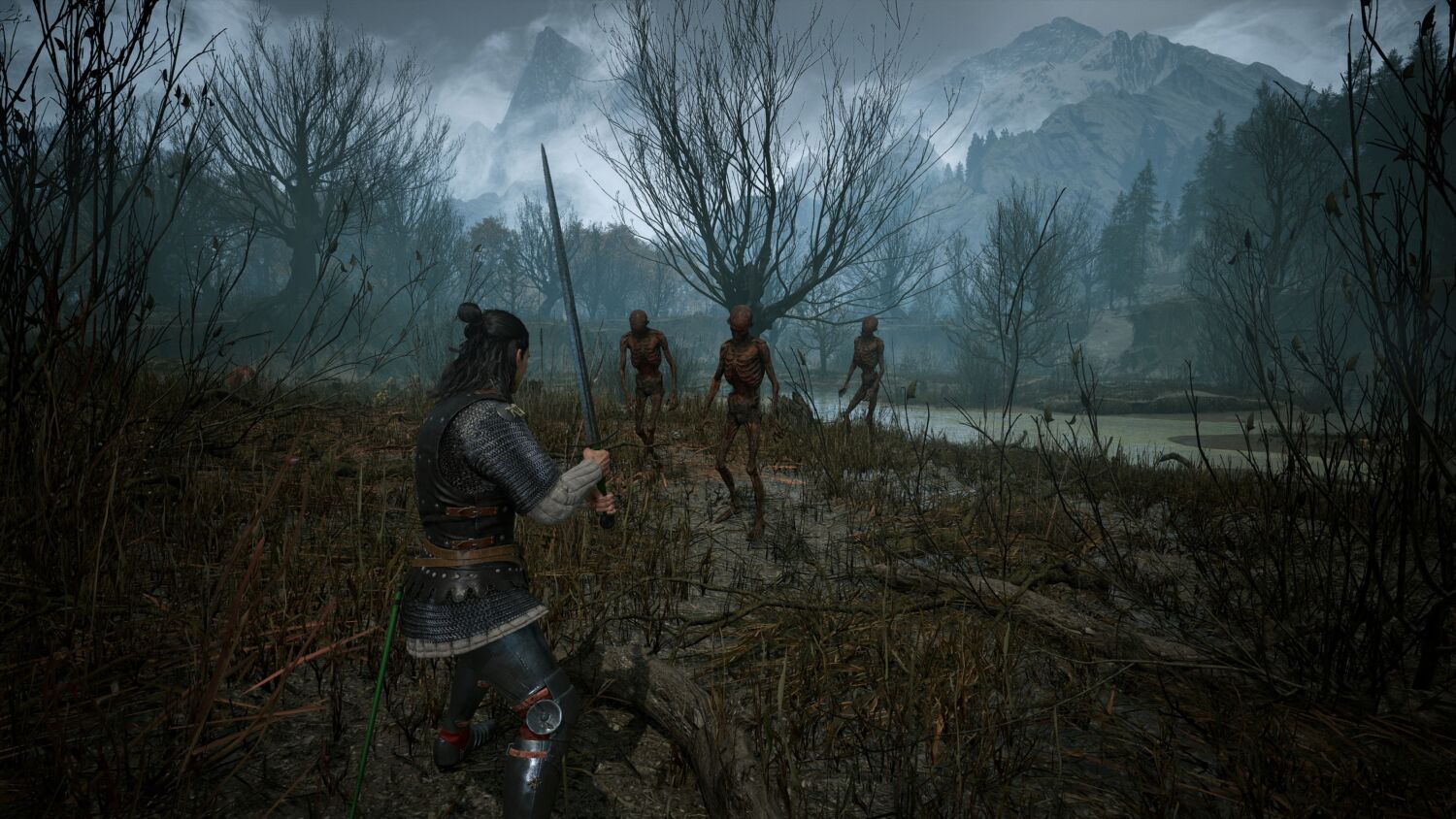
No matter the case, the basics remain unchanged: striking an enemy consumes stamina and, alongside parrying, builds the power required to unleash a vrakhir ability, which is only accessible in vampire form at night. In the day, battles are confined to tactical swordplay, and although it’s difficult to determine how landing hits feels without the controller in hand, the action looks smooth and grounded to the eye, with the clash of metal giving off a crisp sound.
Not every attack can be parried, either – the first mini-boss fight, featuring the Forgotten Guardian with aesthetic nods to Anubis from Egyptian mythology, introduces unblockable strikes, as indicated by a red icon. Elsewhere, elite foe Vrakhiri Banneret and the cave-dwelling kobolds bode well for enemy variety in The Blood of Dawnwalker. Both are distinctly characterised by their own attacking flair, with the former using heavy-hitting sword attacks and the latter overwhelming its opponents with numbers.
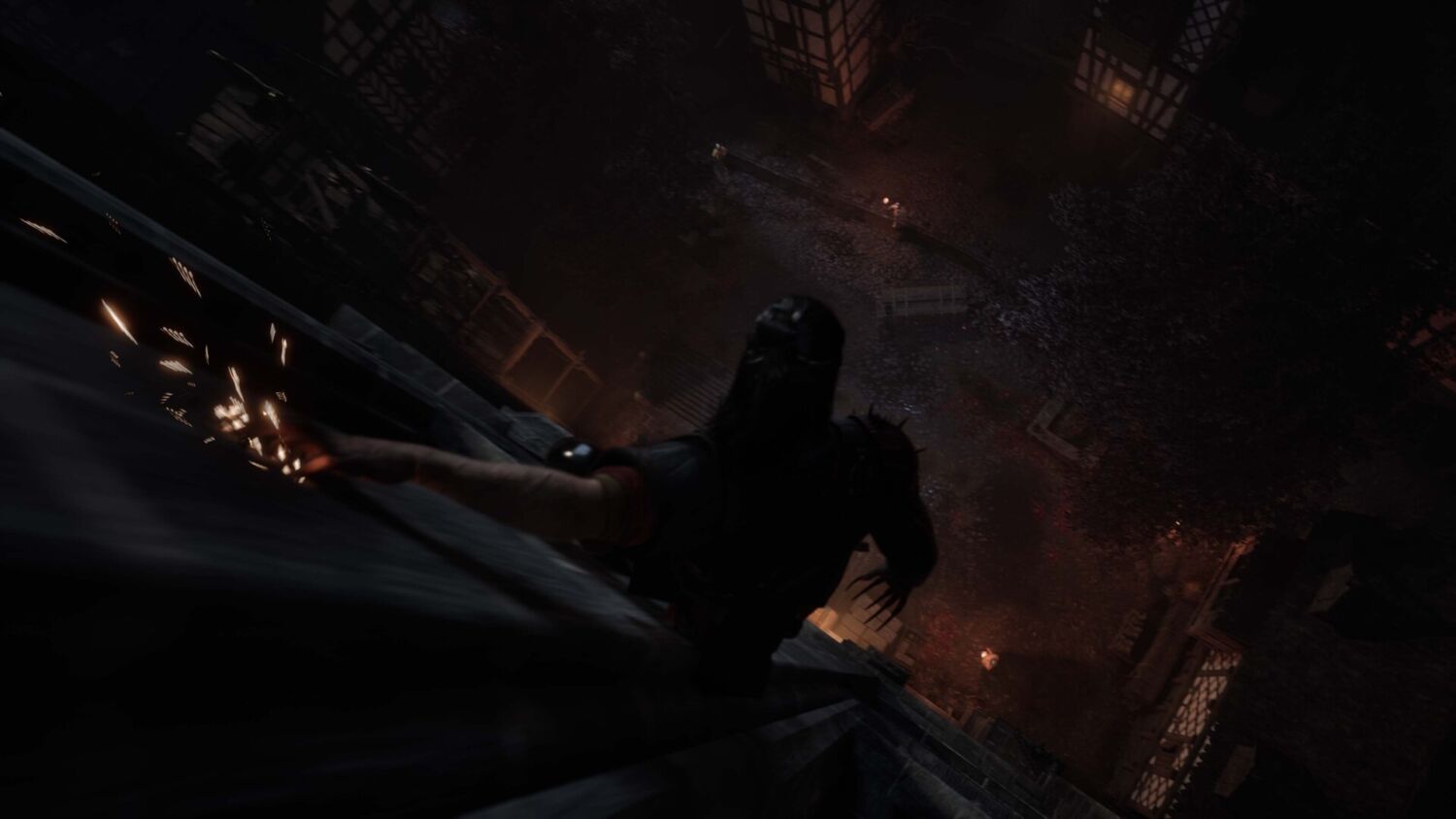
When dusk falls, the action reaches a fever pitch, and things get more interesting. For starters, Coen will be able to activate supernatural vampiric abilities, such as Voracious Blood, allowing him to regenerate health by biting a foe. Traversal is also less linear – where shrines serve as fast travel points for his human form, Shadowstep unlocks teleportation and comes in handy for moving across gaps. Clawride, meanwhile, enables players to walk down walls that would otherwise result in fall damage.
Magic is the last combat element missing from the preview, centred on finding and studying forbidden texts, and casting spells through runes carved into Coen’s skin. The different systems feed into the idea of player agenda, as individuals can choose to focus solely on one branch or mix and match all three. A separate interview with creative director Mateusz Tomaszkiewicz offers insight into specifics, such as how certain skills are only acquired by deepening Coen’s vampiric corruption, and the role of mentors in learning new sword-fighting techniques.
The extent of gameplay freedom means players can favour Coen’s human side more, which comes with risks. Going too long without feeding automatically triggers blood hunger, indicated by black tendrils along the screen, resulting in the loss of life during the preview and, on a larger scale, the potential death of a major non-playing character (NPC) in the full game.
Indeed, the weight of choice looms over every moment in The Blood of Dawnwalker. Time is a precious commodity here, and certain quest objectives, as well as levelling up, will move the clock forward, so players have to limit their tasks and complete them by sundown. The good news is that actions that have no bearing on the overarching plot, such as exploring the world, won’t progress time, with an hourglass denoting how much time will pass (a “1”, for example, corresponds to an hour in the game).
The butterfly effect unfolded across three different instances in the preview, each seemingly insignificant in the grand scheme of things: gathering herbs for Coen’s sick mother, tracking down a missing pig, and finding a character’s brother. However, even the smallest details, including when certain objectives are met, can alter subsequent events (no spoilers here!) – and subtly weaved in, to boot – and it was exciting to witness that in motion while mulling over the other possible outcomes.
Likening the Blood of Dawnwalker experience to a pen-and-paper RPG, where the Game Master (GM) reacts and adjusts accordingly to a player’s action, Konrad explains, “We don’t have a GM in our game, but we have so much content that once you complete the prologue, you get to decide or build you own idea [on] how to save your family, get to [Brencis’] castle, or how to defeat him and his allies, and every part of the content in the open world supports you in that. Everything we have is connected, and you can explore [the world] freely, and it will lead you to the goal in a different way in the end.”
One of the biggest surprises is the slower-than-expected pacing, and it isn’t necessarily a bad thing. The lull moments are a welcome respite from the intense story cutscenes and high-octane combat, taking the form of Focus Mode, which reveals clues like a target’s footprint for quest progression, and quick-time event (QTE) gameplay. Perhaps more importantly, it offers room for the game’s complicated web of connections to stew and develop properly.

“What’s important for me is to deliver emotions and cool stories, which aren’t only entertainment, but these stories also ask some questions that you later answer in your head, and you feel that you gain something after you finish, [much] like after reading a good book or watching a good movie,” adds Konrad.
In a space where choice-driven narratives have been let down by low-stakes decision-making, the upcoming vampire fantasy presents a tempting prospect. Only time will tell if its promising momentum can carry through to the full game, but Konrad makes no secret of the team’s intention to break the mould and embrace new blood.
“It was magical when you first started playing the game and didn’t think, ‘Okay, it’s like everything else out there, and I know what to do,’” Tomaszkiewicz reminisces, citing Stone Keep, Baldur’s Gate, the first Fallout, and Betrayal of Crondor as RPGs released in the early 90s that encouraged different gameplay loops, stories, and solutions.
“Instead, you started to explore something new, and it felt like a new journey, a new adventure, and a new experience.”
The Blood of Dawnwalker releases for PC, Xbox Series X|S, and PS5 on 3 September 2026.

Si Jia is a casual geek at heart – or as casual as someone with Sephiroth’s theme on her Spotify playlist can get. A fan of movies, games, and Japanese culture, Si Jia’s greatest weakness is the Steam Summer Sale. Or any Steam sale, really.