In the world of annualised sports video games, patience is usually rewarded with a new coat of paint, a refreshed roster, and the vague promise that this will finally be the year of great change and success. After WWE 2K25 built on the strong return to the ring set by Visual Concepts, following years of botched landings, WWE 2K26 arrives with a muddied thud.
It’s not a revolutionary title in any sense, serving as a calculated follow-up that knows its fundamentals but offers nothing more. This is not a game trying to reinvent the business overnight but is instead content to work a safer match by tightening holds, selling impacts better, and leaning on the crowd-pleasing spots it already knows, to get a pop.
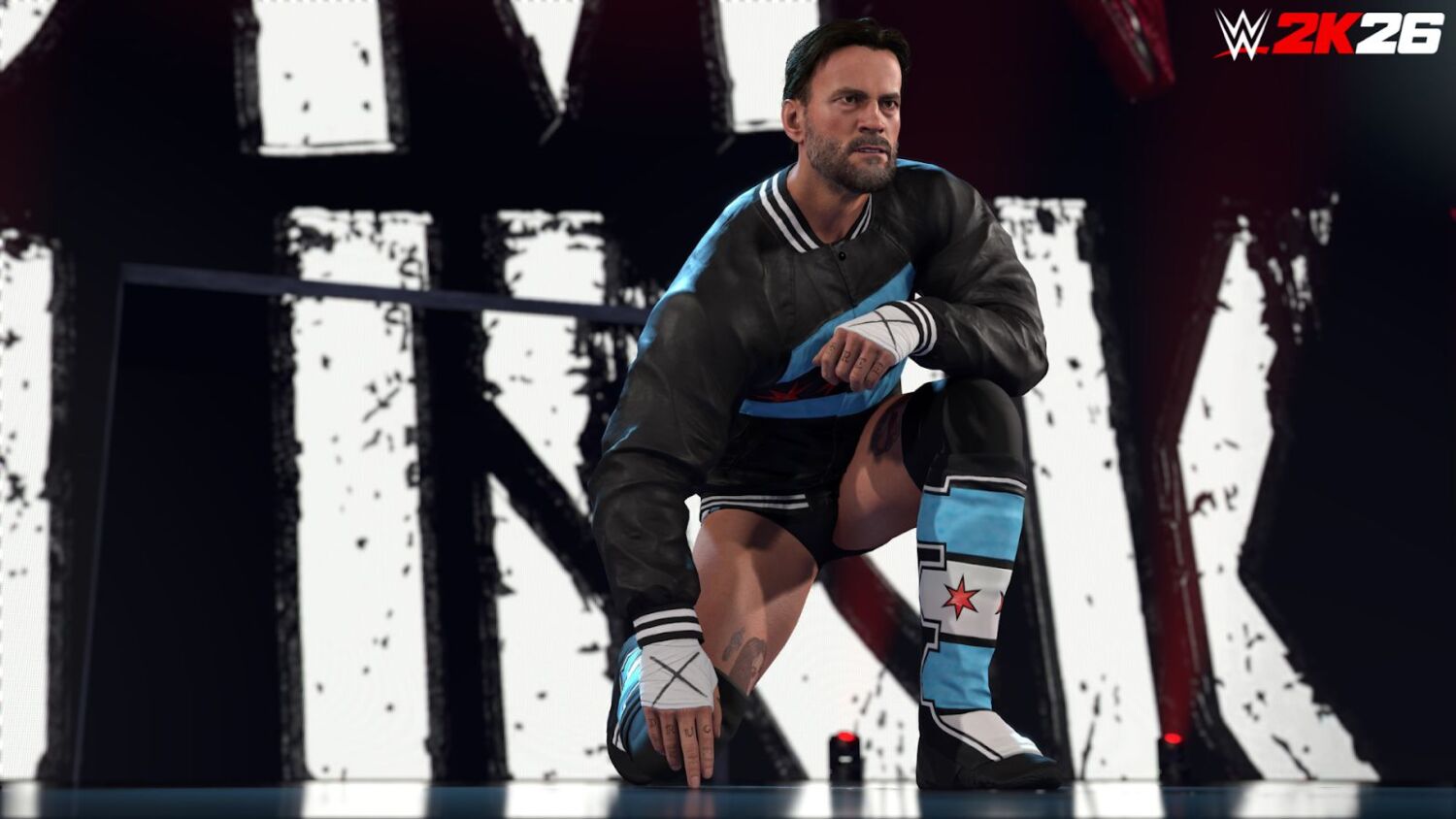
That’s not necessarily a bad thing though as WWE 2K26 is a technically sound, often highly enjoyable wrestling game. In-ring, it feels sturdier, more deliberate, and at times more immersive than ever. A new stamina system is the biggest gameplay change worth talking about, forcing wrestlers who have overexerted themselves into a temporary state where they can no longer run or reverse until they recover. In essence, this simple mechanic turns matches into more than just mashing buttons faster, or timing reversals better.
Players now have to pick their spots, absorb punishment, and think a little more strategically about when to unleash their offence. It gives matches a more methodical rhythm, one that better resembles the ebb and flow of an actual WWE bout where momentum swings, exhaustion matters, and not every exchange has to be a leap from the top turnbuckle.
Much like Formula 1’s increasing obsession with battery deployment and energy management over pure flat-out driving, WWE 2K26’s added technicality may frustrate players who preferred the series at its most arcade-like. But there’s something compelling about being forced to wrestle smarter instead of harder. Taking a smaller hit now so you can save a reversal for a bigger move later feels oddly authentic, as though the game is asking you not just to play as a wrestler, but to also think like one.
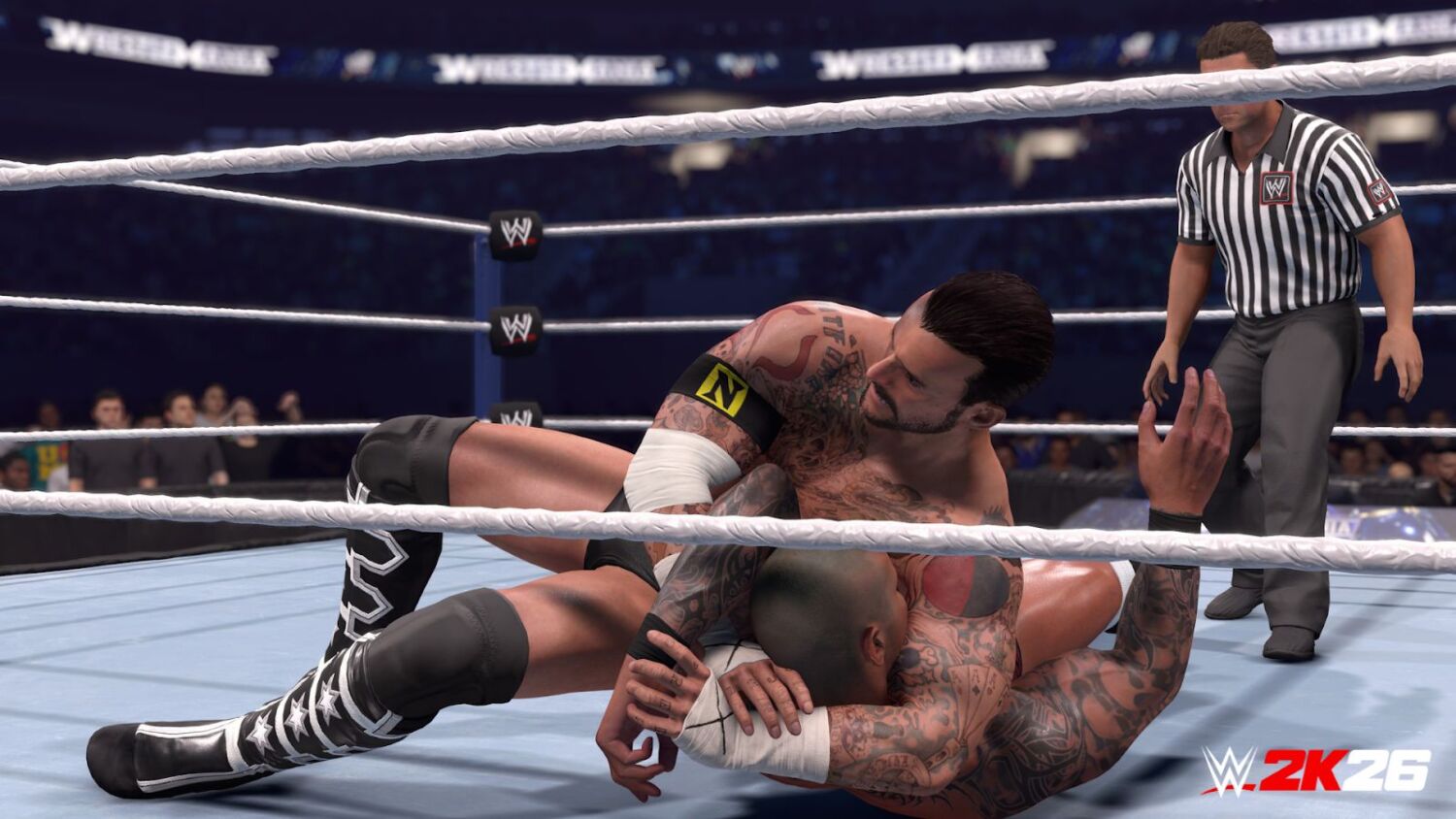
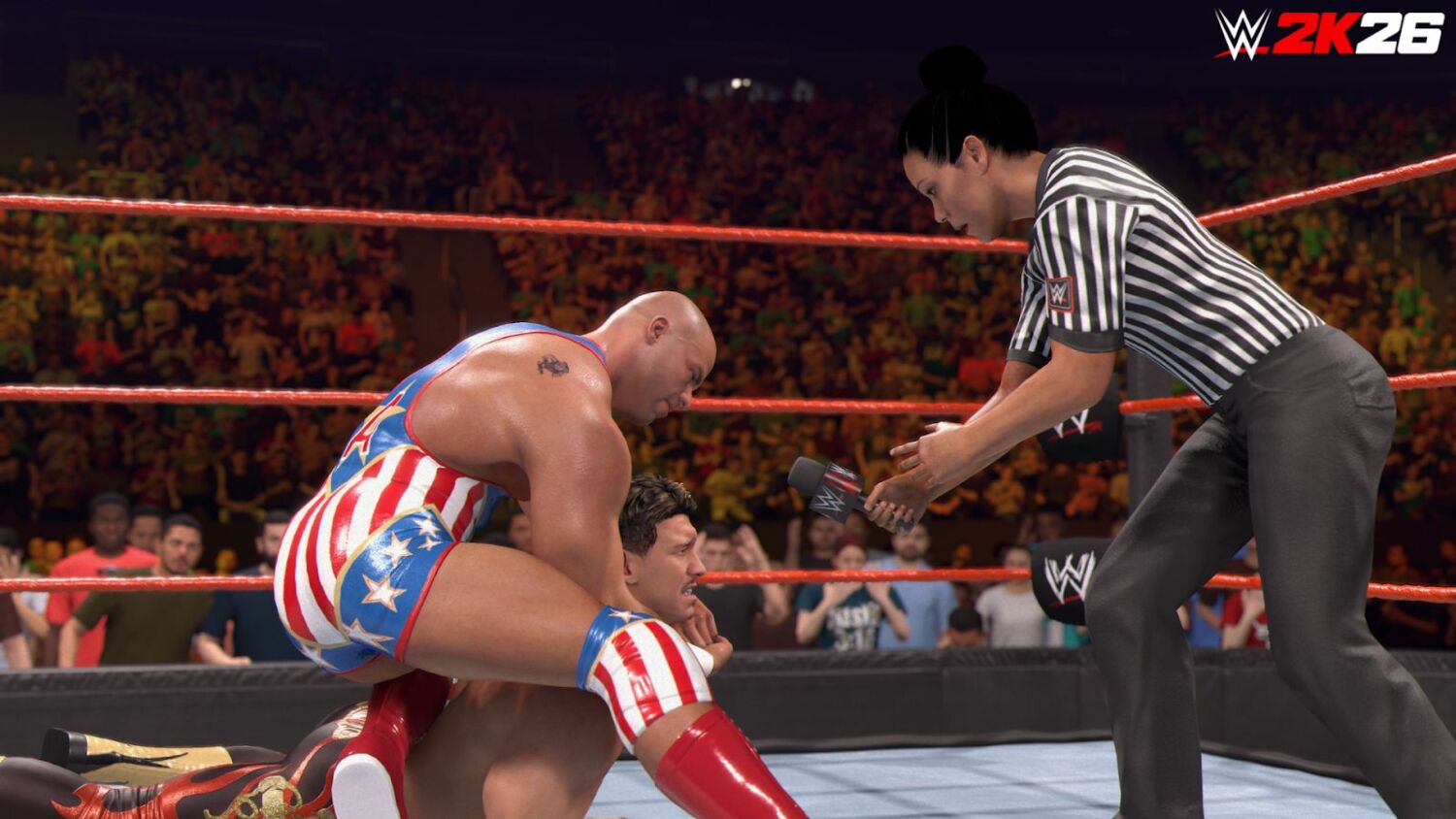
Besides this, WWE 2K26 lands a smaller number of quality-of-life upgrades that help the bell-to-bell action feel more polished. Collision physics is more reactive, and there is a greater sense that bodies are actually interacting with the environment rather than gliding through canned animations on invisible rails. Tossing someone onto the steel steps produces a satisfyingly ugly crunch, while bodies bounce more naturally off ropes and barricades. It doesn’t radically alter the mechanical depth of matches, but it does improve the spectacle – especially given that wrestling, as ever, is half sport, half theatre, and half beautiful nonsense. Yes, that’s three halves because wrestling math has never obeyed the rules.
This attention to physical detail extends to some of WWE 2K26’s more tactile flourishes. Thumbtacks are a standout addition, and 2K deserves credit for not treating them like a one-second visual gag that magically fades away into thin air as bouts progress. They remain embedded in wrestlers’ backs and bodies throughout the match – adding a nasty, memorable sense of consequence. Combined with bloodier visual effects and the game’s already sharp lighting engine, these hardcore moments have a grimy sense of realism that sells the brutality beautifully, fondly reminding us of what WWE used to be.
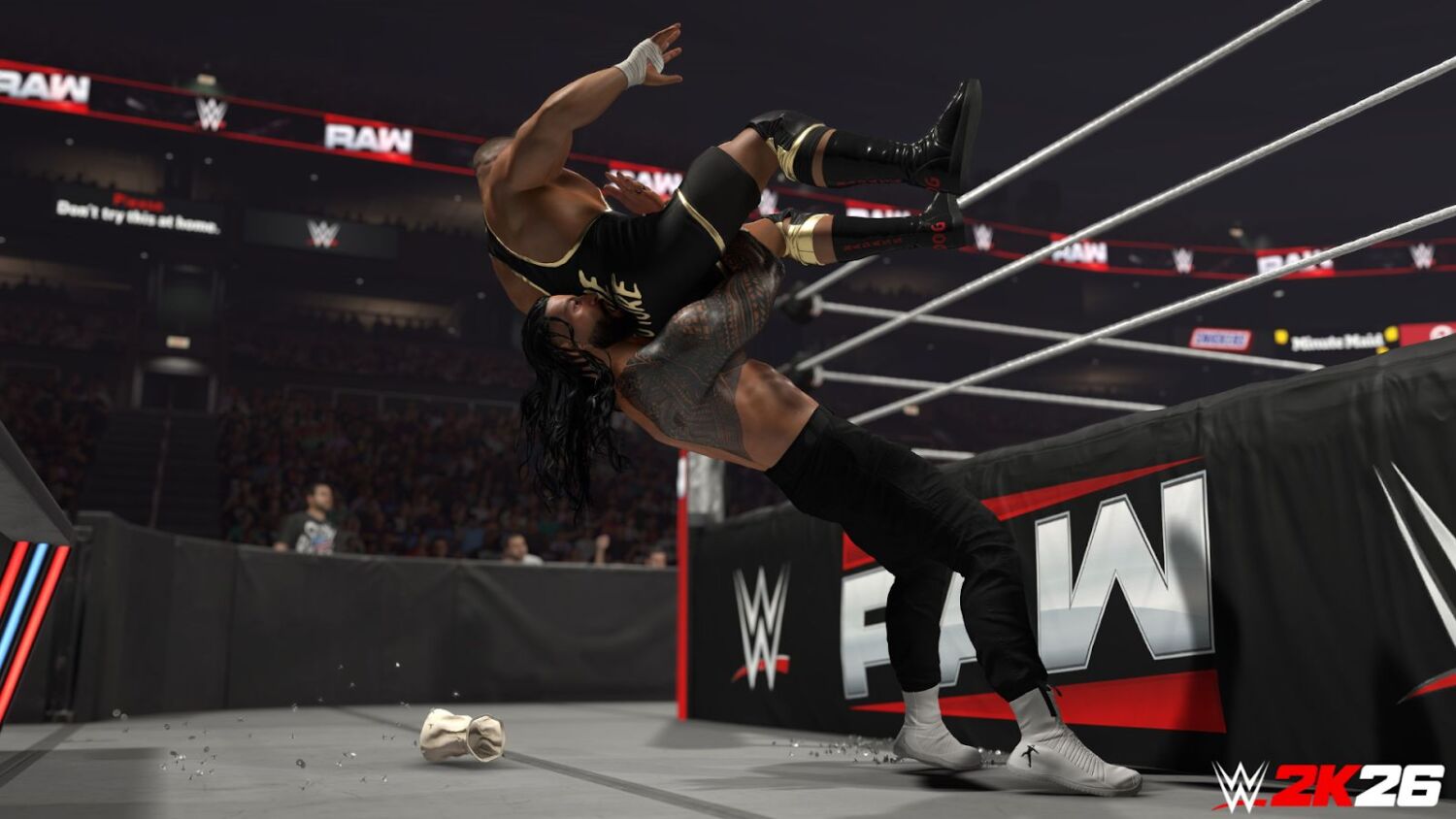
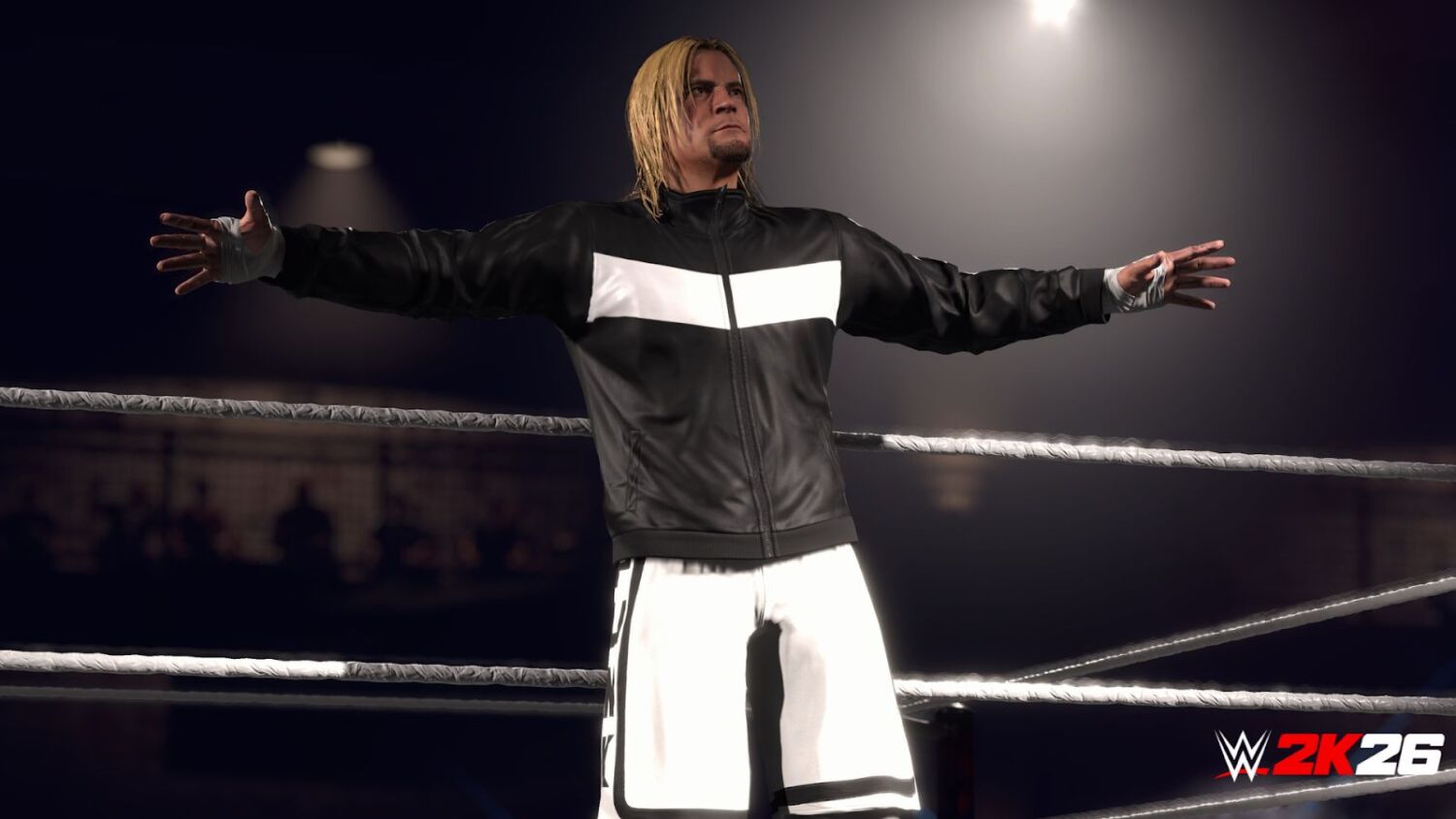
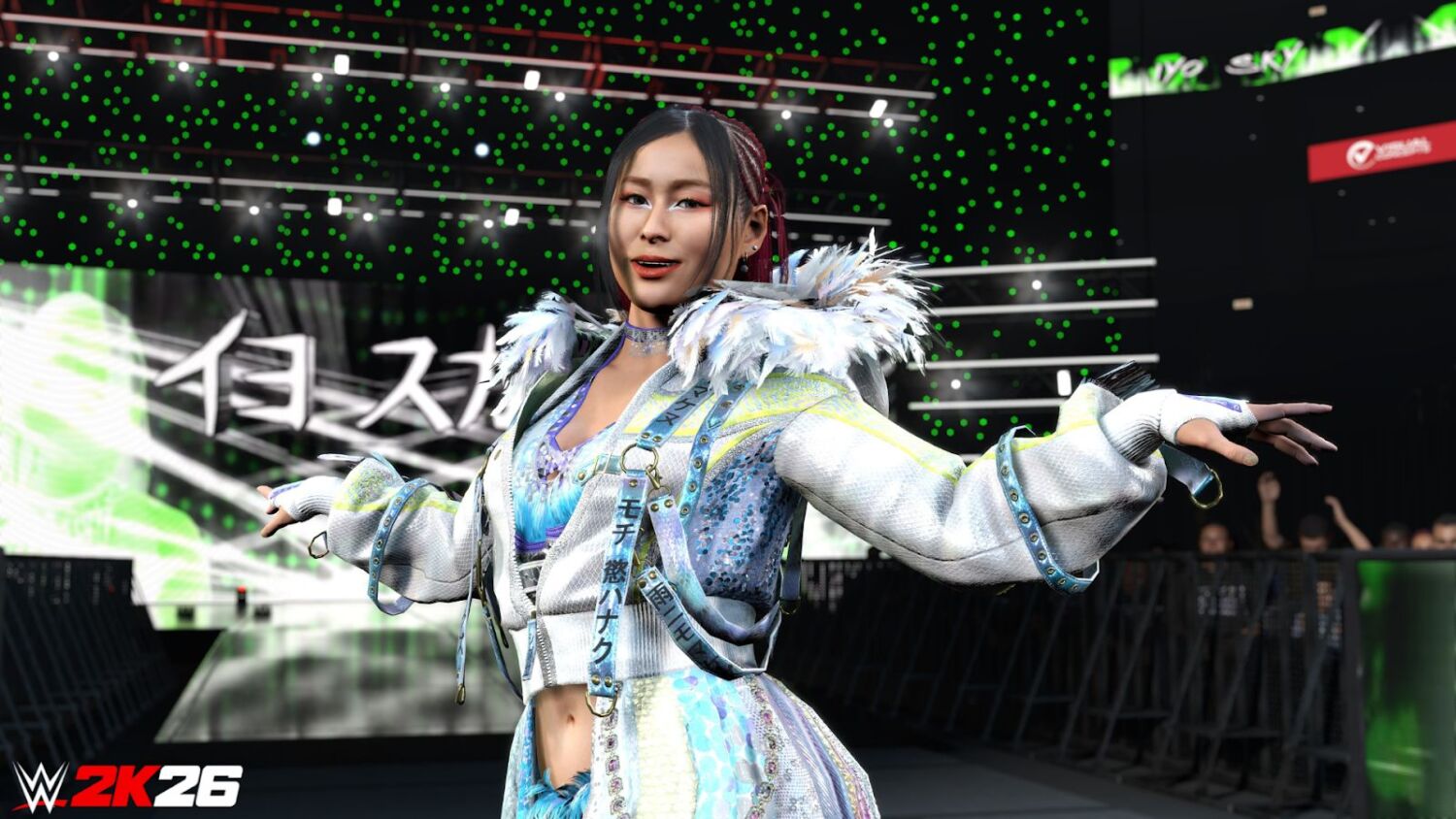
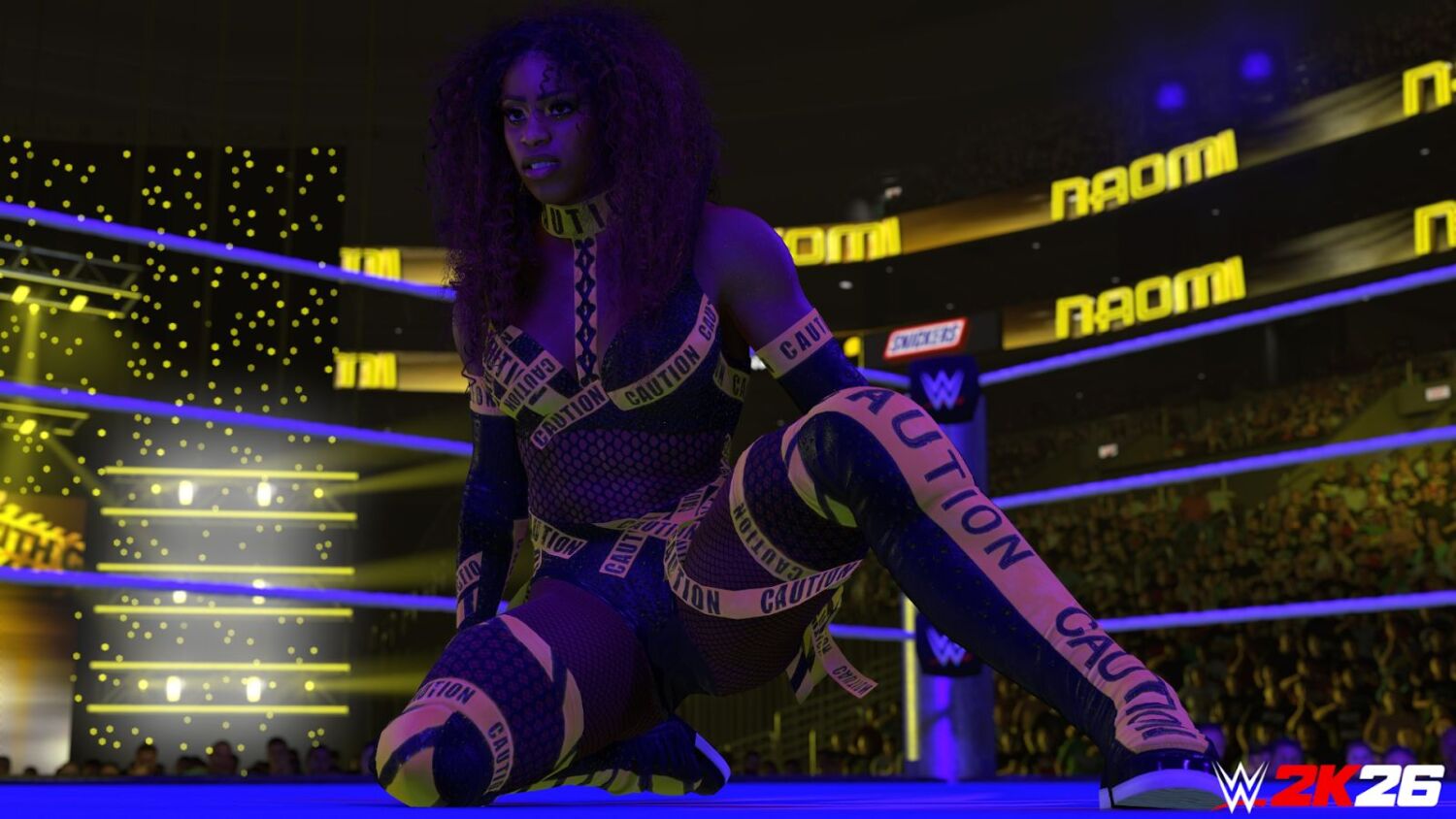
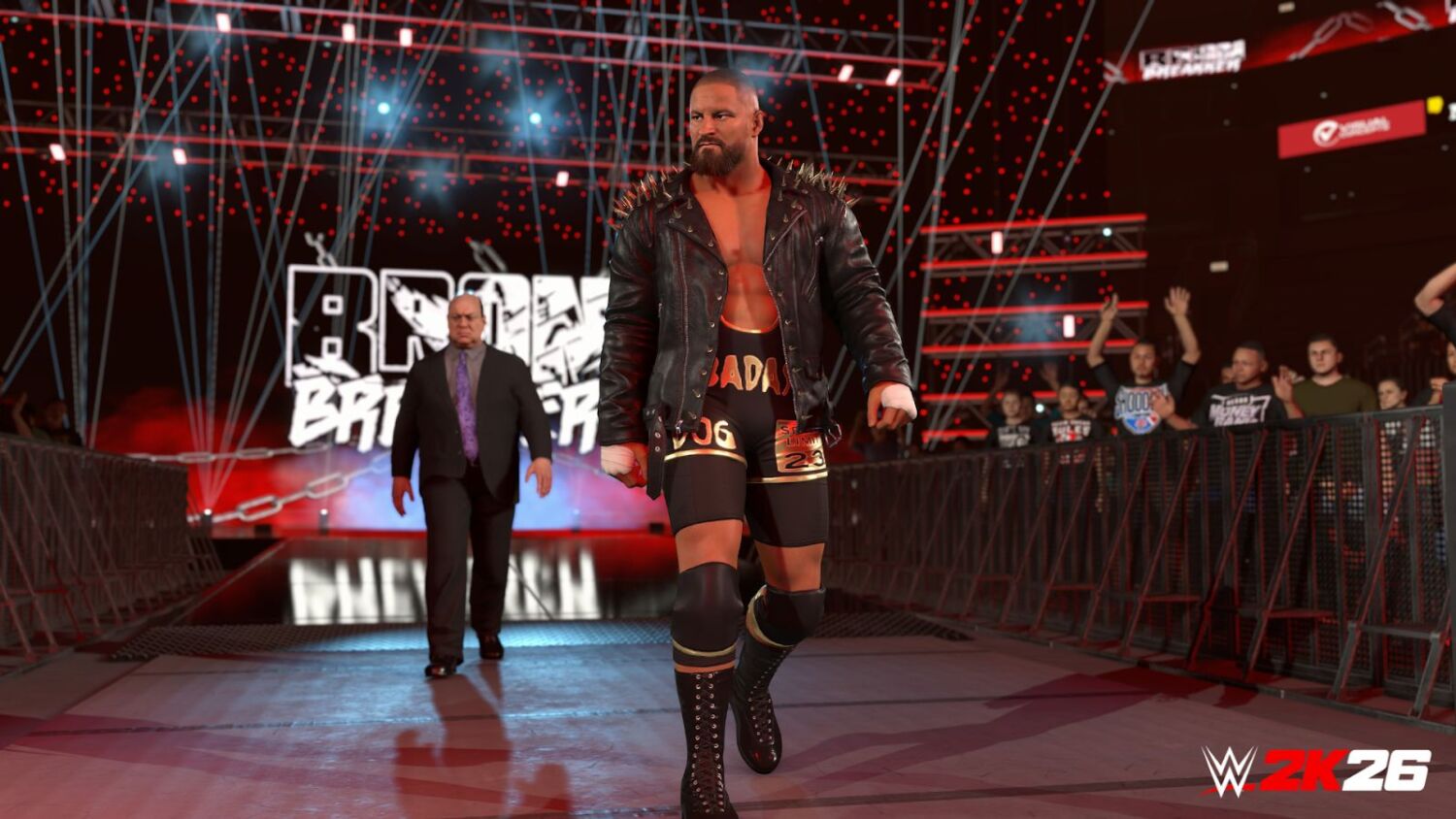
The superstar roster remains one of the game’s biggest strengths. With a gigantic selection of about 400 past and present wrestlers to choose from, WWE 2K26 continues to function as a glorified action figure box for wrestling fans who grew up fantasy-booking dream matches in their heads. Most of the models look excellent, the presentation is slick, and commentary feels more energised than before – especially if you dig it, sucka. Entrances still carry that intoxicating WWE bombast. Even if some animations remain suspiciously stale, there is a lot of joy to be found in simply watching these larger-than-life personalities strut to the ring like they own the place – which in fairness, most of them probably do.
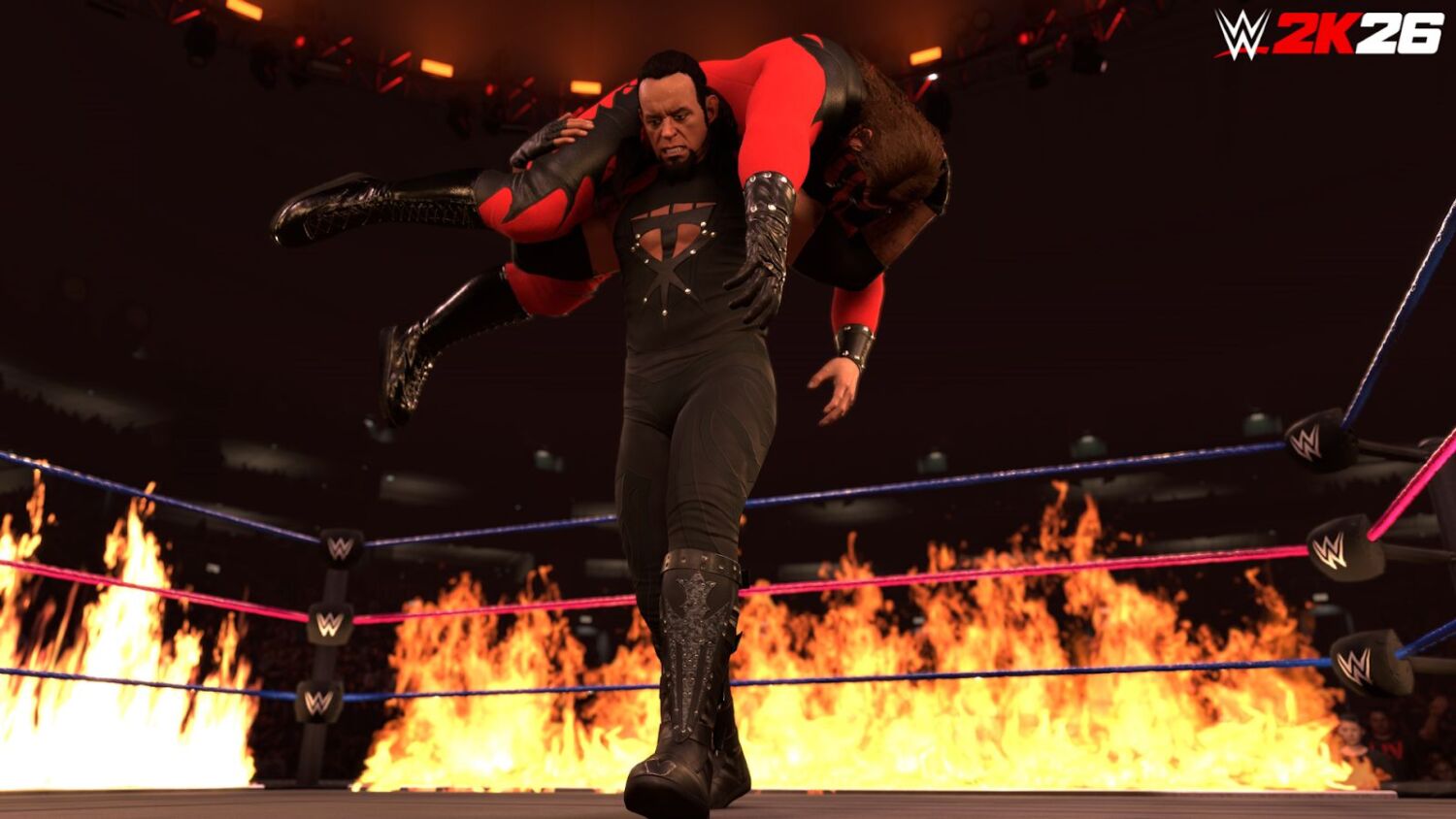
The four new match types – Inferno, Dumpster, I Quit, and Three Stages of Hell – are a fun enough undercard. I Quit is probably the strongest of the bunch mechanically, turning a familiar submission-like concept into something with a little more tension and tactical bite. Inferno is flashy and suitably absurd, though its novelty extinguishes quickly. Dumpster, meanwhile, is essentially another variation of the “put your opponent in a container against their will” formula that WWE games have been happily recycling for years. It works, but it’s hardly a WrestleMania main event innovation. Still, they add more toys to an already crowded sandbox, and in a wrestling game, more ways to humiliate your friends is rarely a bad thing.
Outside the ring, modes like MyGM and Universe continue to be quietly reliable roster spots. They are not dramatically transformed, but they have been improved in ways that fans of the spreadsheets-and-storylines side of wrestling will appreciate. More match booking flexibility, expanded seasons, draft options, intergender matches aren’t changes that will make casual players leap out of their seats, but for those who love fantasy booking and backstage power trips. They are the kind of additions that help these modes stay fresh, rather than tap out from stagnation.
Of course, no modern sports title can cut a promo without eventually asking for your wallet to do the job. WWE 2K26 replaces the old DLC pack model with a new Ringside Pass (essentially a battle/season pass), complete with both free and premium reward tracks, with unlockable wrestlers, cosmetics, arenas, and assorted goodies. On paper, it is hard to completely bury the idea because there is a decent amount of content here, and the rewards themselves are not entirely without appeal. The free track in particular is not without value, and there is something undeniably satisfying about steadily earning rewards just by putting in ring time. Even if the content is more substantial, it is also more expensive, more time-consuming, and more transparently designed to keep players grinding long after the bell should have rung.
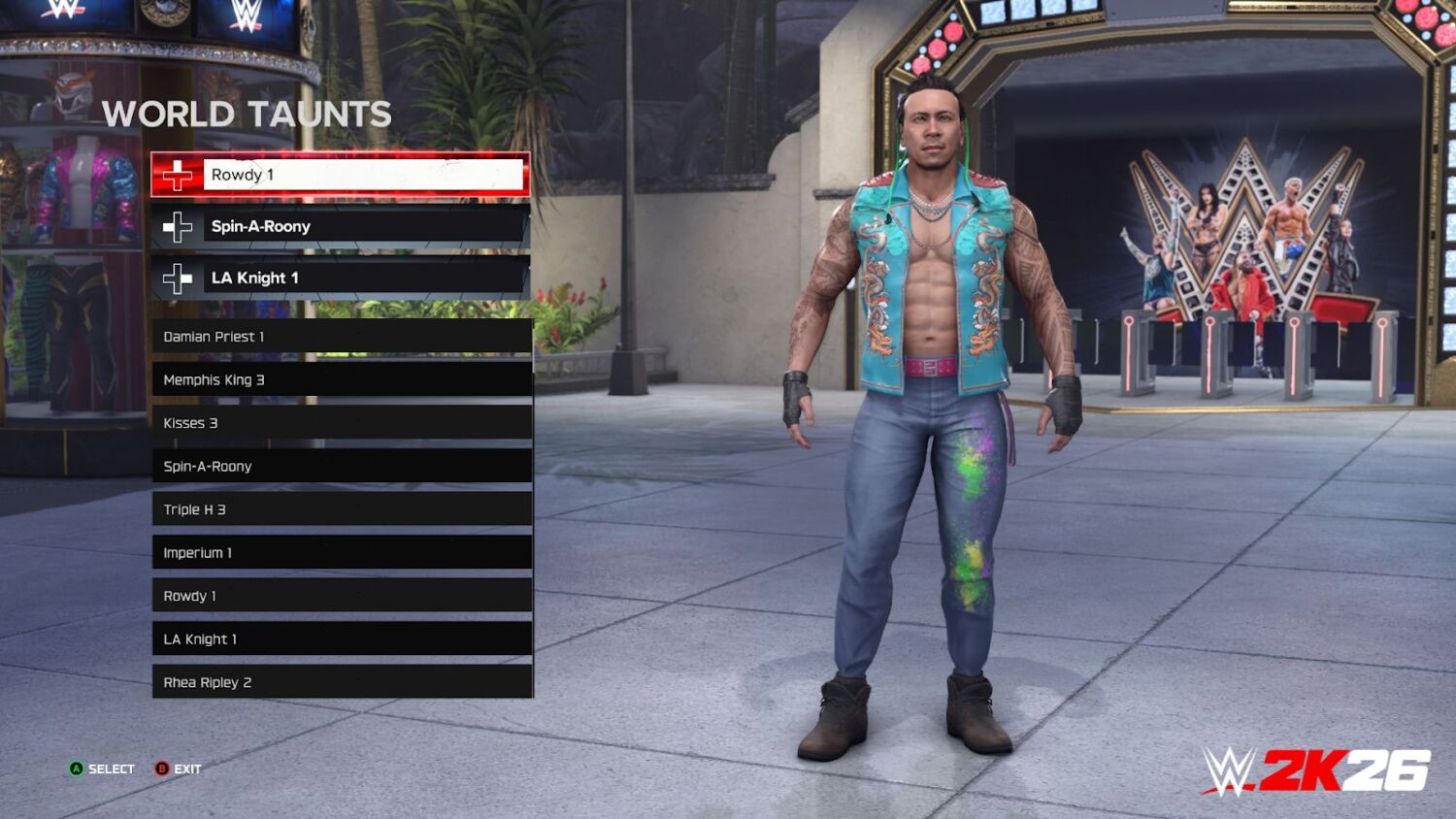
Unfortunately, nowhere is that grind-heavy philosophy more exhausting than in The Island, which remains WWE 2K26’s biggest heel turn. The mode makes it painfully obvious that if you want to progress at a comfortable pace, real-money spending is not just encouraged but practically body-slammed into your face. Your created wrestler starts underpowered, the stats feel deliberately restrictive, and the broader structure constantly nudges you towards paying to speed things up. That would already be irritating enough, but it is made worse by the fact that The Island simply isn’t interesting enough to justify the hassle.
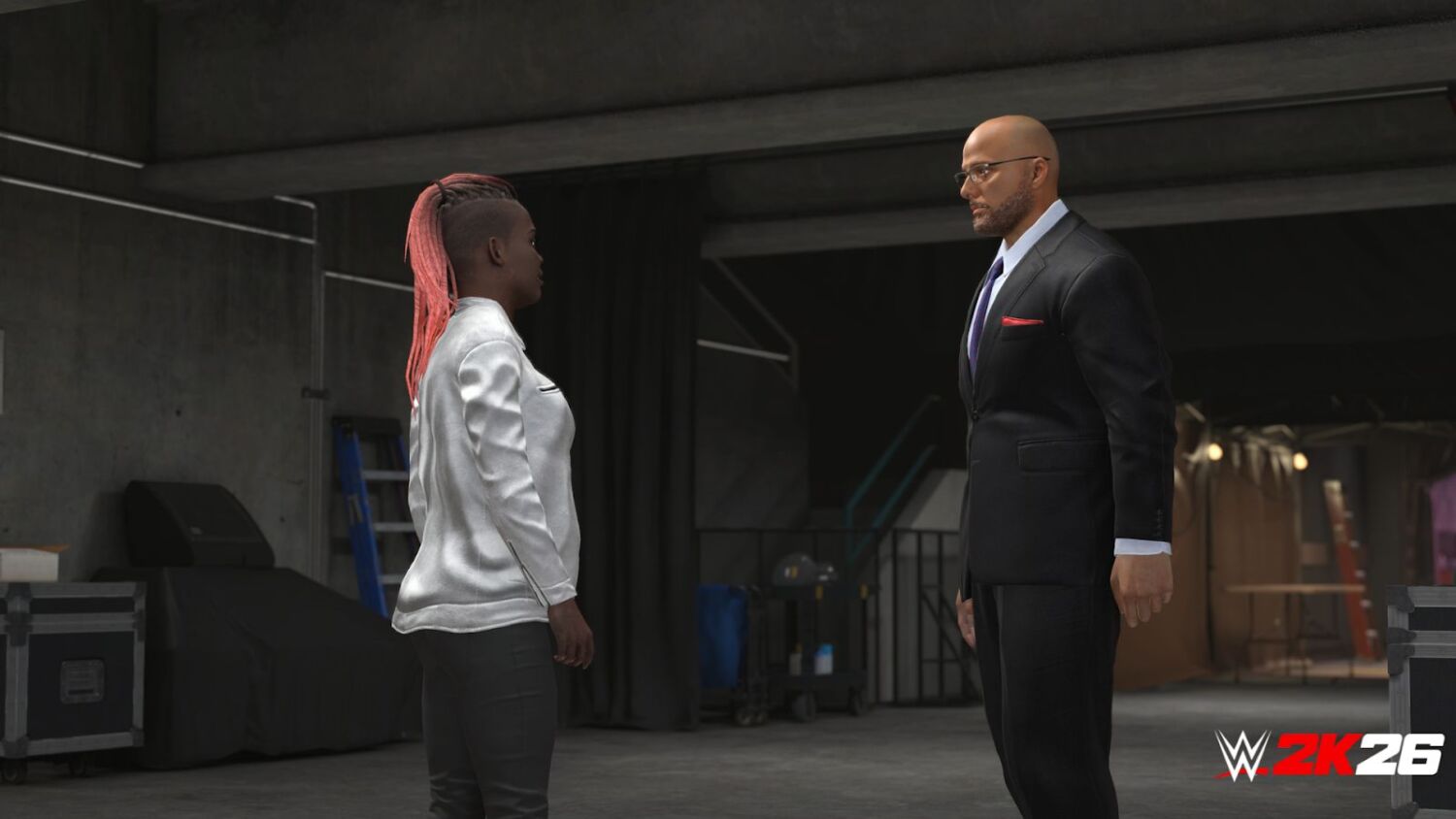
Voice acting has improved, but not enough to save it. Characters speak more frequently and with more intent, yet there is still something deeply uncanny about watching someone like Rhea Ripley deliver a line with all the facial dynamism of a ventriloquist dummy waiting for its cue. The Island wants to be immersive, but too often, with its predictable storylines and lifeless quests, it feels like you are wandering through a wax museum where everyone subtly asks you for microtransactions.
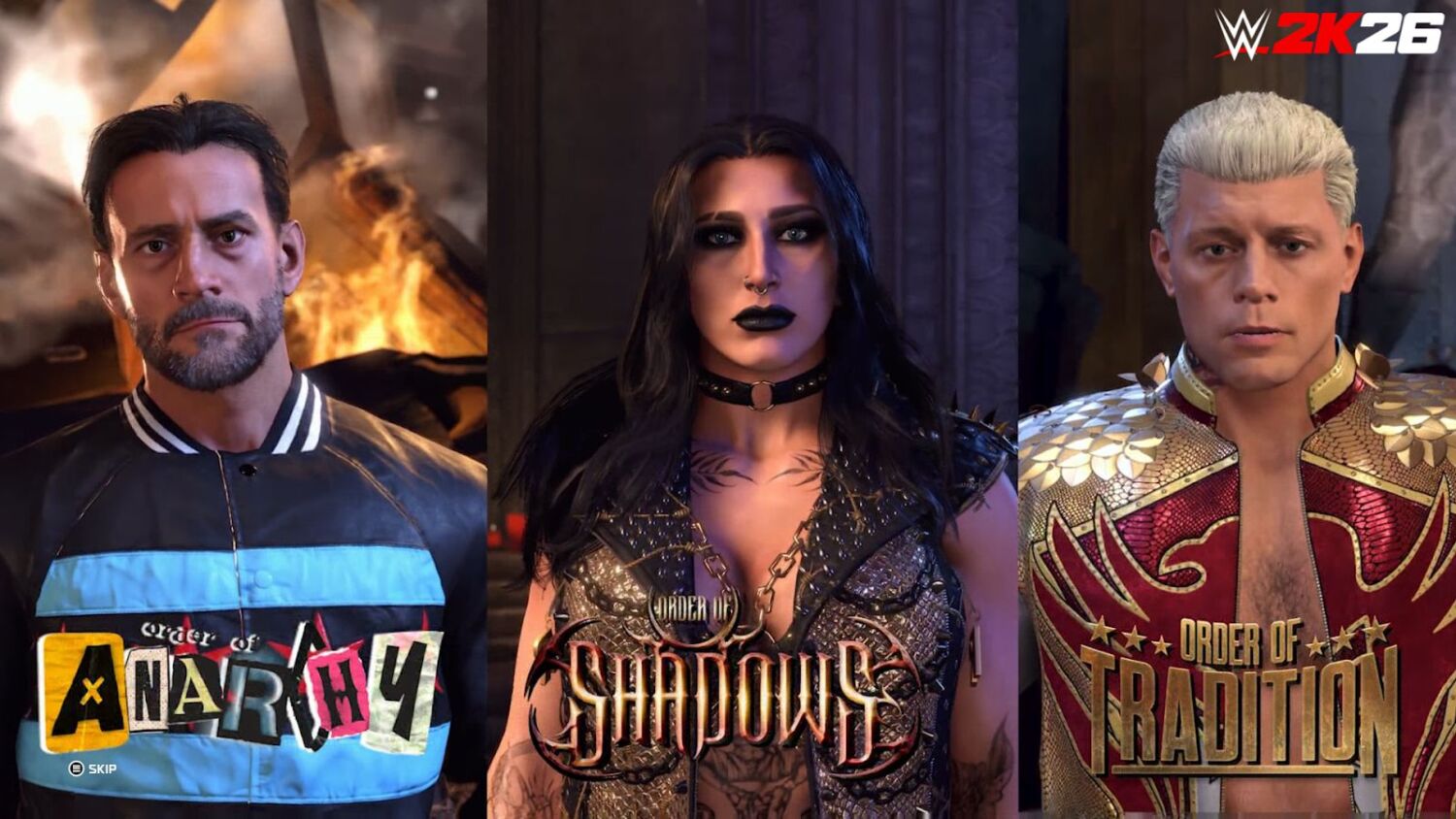
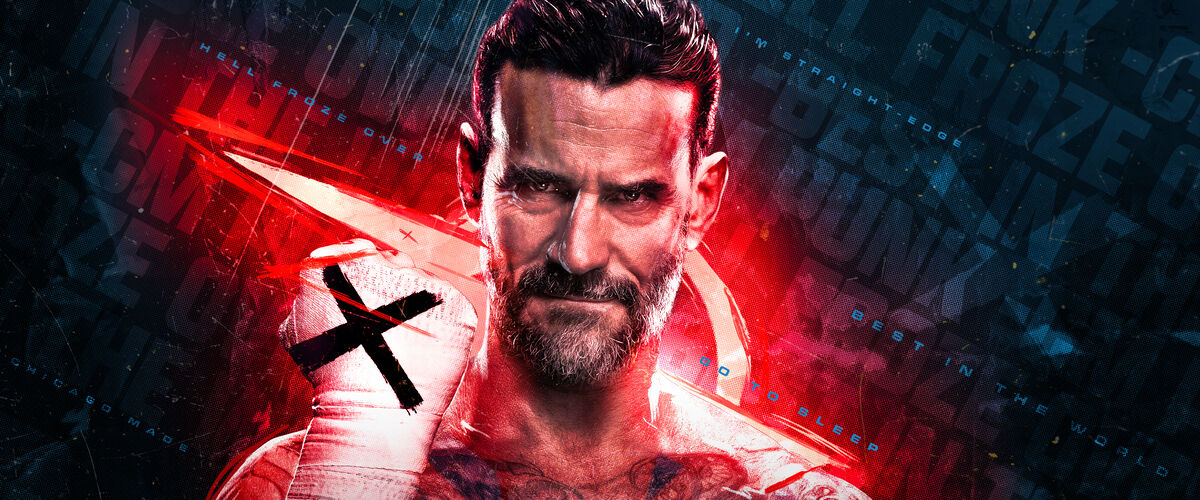
Still, as disappointing as The Island is, the biggest missed opportunity in WWE 2K26 is its Showcase mode. Centring this year’s Showcase around CM Punk should have elicited the kind of earth-shaking reaction usually reserved for wrestling’s most unforgettable moments – the sort of goosebump-inducing pop that greeted Edge at Royal Rumble 2020, or the deafening eruption at WrestleMania XL when The Undertaker appeared just as the main event teetered on the edge of total chaos.
Wrestling entertainment, at its best, is built on those moments with the payoff to years of storytelling, nostalgia colliding with myth, and the electric feeling of history unfolding in front of your eyes. CM Punk, perhaps more than most modern superstars, embodies exactly that kind of emotional volatility. He is not just a wrestler you remember for what he did in the ring, but for how sharply he blurred the line between performance and truth every time he picked up a microphone.
Which is why Showcase feels like such a letdown. Rather than embracing the full mess, madness, and magnetic unpredictability of Punk’s legacy, WWE 2K26 sanitises it into something far safer and flatter. Rival promotions may as well not exist, inconvenient chapters are either brushed past or cut entirely, and some of the most defining aspects of Punk’s mythology are treated like forbidden footage locked away in Titan Towers. Most glaringly, iconic moments like the Pipe Bomb (the promo that fundamentally changed how audiences engaged with the product) – are nowhere to be found. The biggest pops in WWE history are emotional before they are physical. As a result, it turns one of wrestling’s most combustible and compelling figures into something oddly corporate, which is about the least CM Punk thing imaginable.
That said, some of the additions one might want here are admittedly subjective, and perhaps even a little dangerous for the series to pursue too aggressively. We would have loved to see WWE 2K26 go much deeper into the artifice of wrestling itself, letting players craft their own promos in MyRise, choose how confrontational or diplomatic their superstar wants to be, and actually feel the consequences of what they say. Maybe that means feuds branch differently depending on your words, or you get more insight into how matches are laid out behind the curtain – like how wrestlers structure pacing, map out spots, rehearse beats, and treat promos less like cutscenes and more like soliloquies with actual stakes. There is clearly fertile ground there.
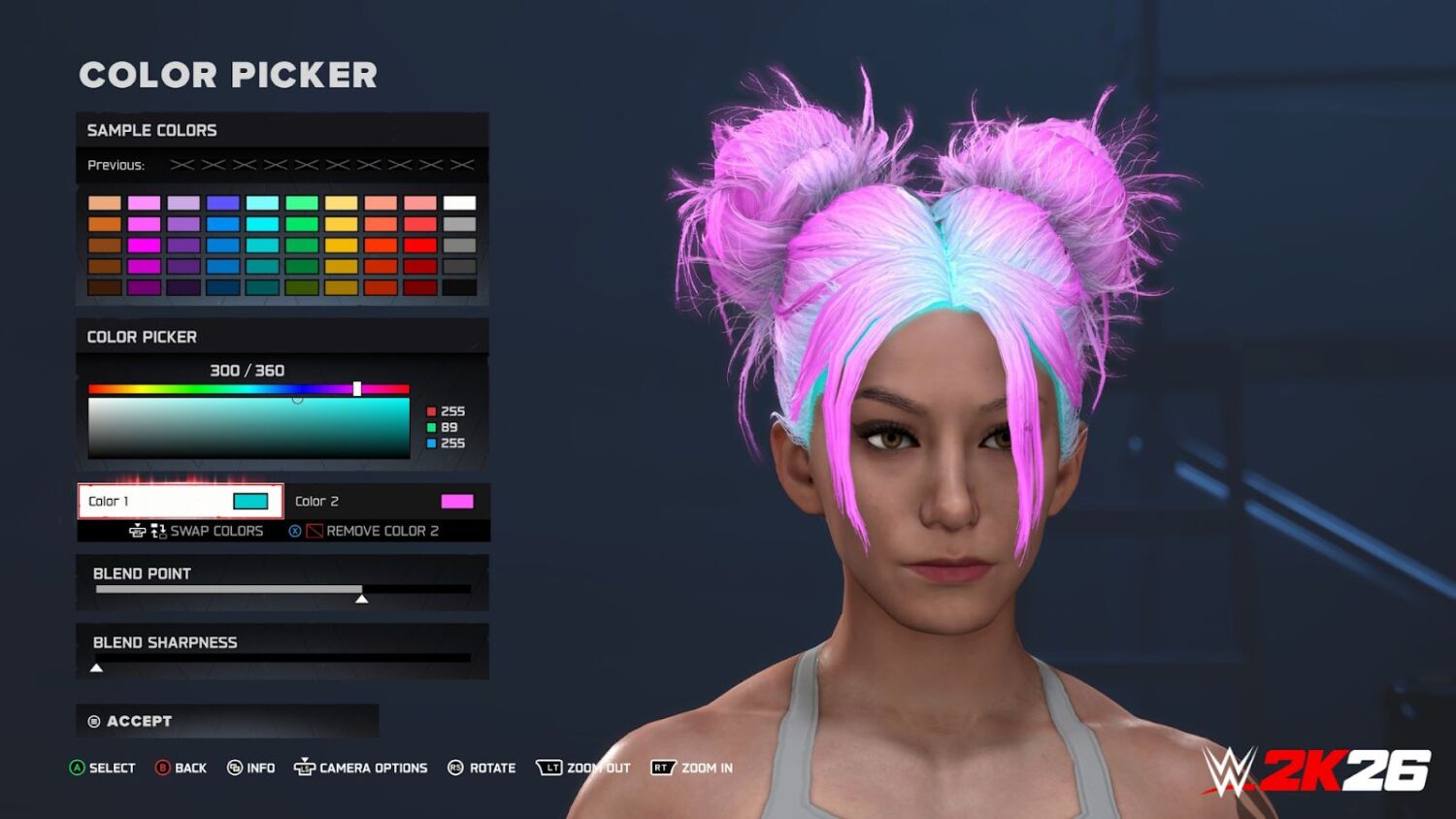
But at the same time, one could argue that pushing too far in that direction risks turning the game into a full-blown wrestling RPG rather than a fighting game. Then again, that raises the obvious question – what exactly is WWE 2K26 supposed to be? Because WWE itself has never been just about fighting. It is, and always has been, sports entertainment – a strange, spectacular hybrid of violence, theatre, melodrama, and make-believe. So perhaps the real issue is not that WWE 2K26 goes too far in that direction, but that when handed the perfect superstar to explore those blurred lines, it backs away just when it should have dropped the biggest promo of all.
Ultimately, WWE 2K26 is still well worth stepping back into the ring for, especially if you skipped a year or simply want the most refined version of the current formula. But this is not a seismic leap off the top of Hell in a Cell. It is a solid match with good psychology, a few memorable spots, and one or two frustrating booking decisions that keep it from stealing the show. It’s a performance that gets the crowd going, but leaves you wondering whether it could have hit harder… if it had just taken a few more risks.
GEEK REVIEW SCORE
Summary
WWE 2K26 builds on the strong foundation of recent entries: better stamina management, sharper collision physics, strong presentation, and enough quality-of-life upgrades to make the in-ring action feel more immersive than ever. But an over-monetised The Island, a grind-heavy structure, and a frustratingly sanitised Showcase keep it from truly cutting the promo it thinks it has. It’s a technically accomplished wrestling game that lands plenty of satisfying blows, but when it’s time for the finishing move – WWE 2K26 ends up holding back its biggest punches.
Overall
7/10-
Gameplay - 8/10
8/10
-
Presentation - 7/10
7/10
-
Value - 7/10
7/10
-
Geek Satisfaction - 6.1/10
6.1/10

Everything changed when his parents bought him a PlayStation 2 for Christmas. Since then, he’s been hooked on all things esports, video games, and music. If he’s not livestreaming his shenanigans, he’s probably out taking mirror-selfies with his friends, vigorously debating over the Internet’s Meme of the Year.
 Kevin Low