
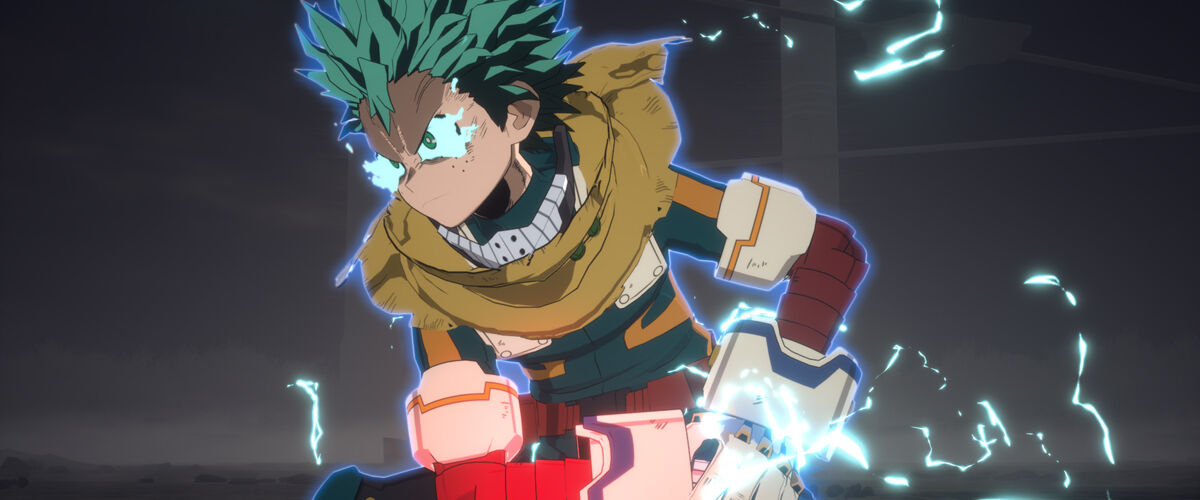
Allies are a core pillar of the hero’s journey experience, so it’s only apt that My Hero Academia, following a teenage boy’s dreams to become a superhero despite the lack of powers, features no shortage of friendly faces. From pro heroes to trainee students, it has slowly revealed its vast roster across seven anime seasons (with the eighth and final outing premiering on 4 October) and 431 manga chapters, but that also revisits a familiar conundrum for works with an ensemble cast: uneven focus on certain characters.
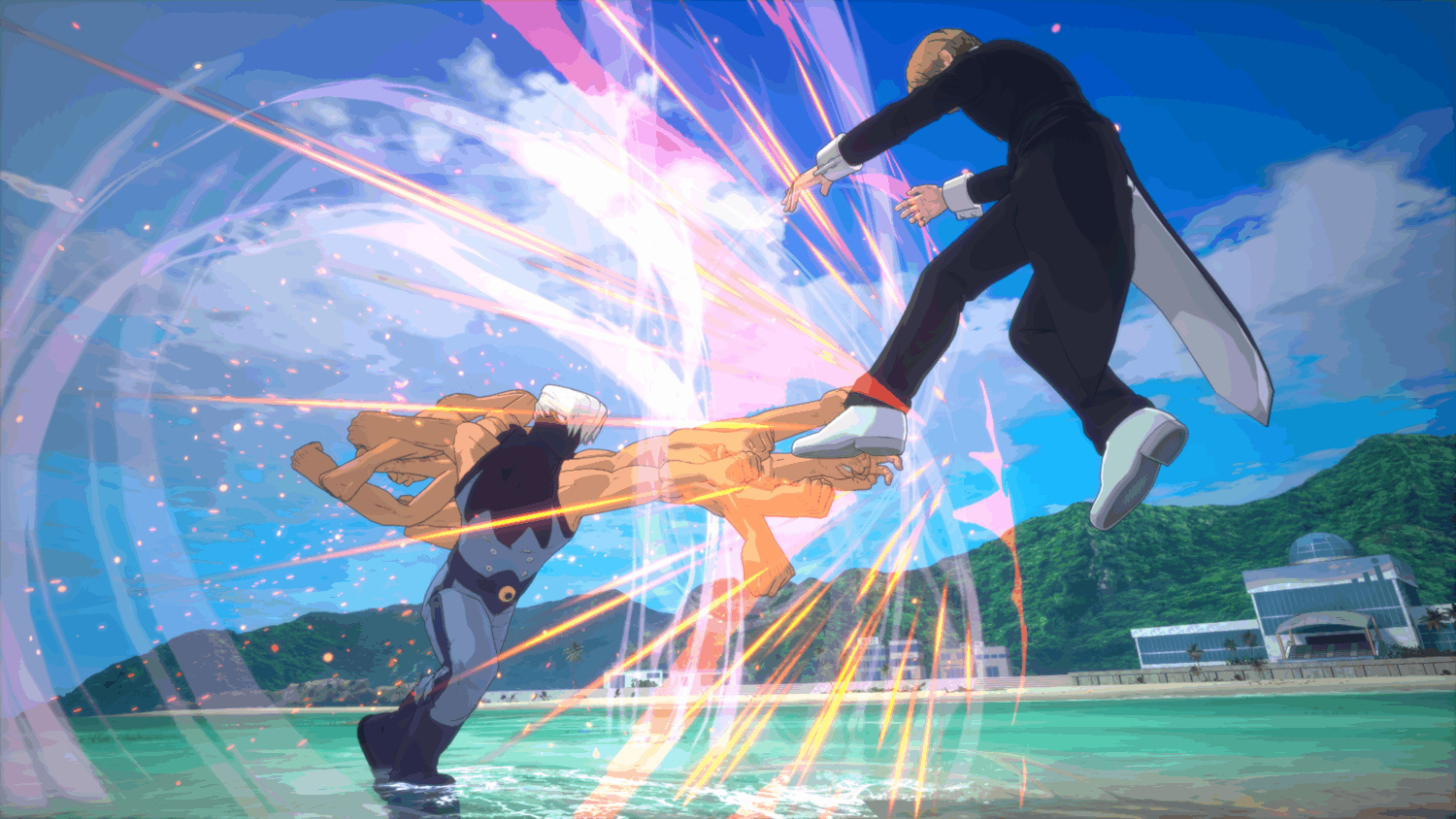
Take into account the diverse villain line-up, and the chance to shine in the limelight is even slimmer. In comes My Hero Academia: All’s Justice, the third entry in Bandai Namco’s arena fighter series based on Kohei Horikoshi’s source material, that seeks to give supporting characters the attention they are due, courtesy of an expanded playable catalogue. It represents the first My Hero Academia console game to include the entire Class 1-A, the homeroom class of protagonist Izuku Midoriya, fulfilling the fantasy of exploring less utilised Quirks, or special abilities, in a combat situation.
In the same breath that fan favourites like Katsuki Bakugo, who goes by the hero name Great Explosion Murder God Dynamight, Shoto Todoroki, and Eijiro Kirishima / Red Riot will take to the battlefield, their more neglected comrades, such as Mashirao Ojiro / Tailman, Mezo Shoji / Tentacole, and Toru Hagakure / Invisible Girl, stand an equal chance to show off their prowess, too.

The process, shares producer Aoba Miyazaki in a virtual interview held for select Southeast Asia media, involves shaping their movesets and character designs around their established background, as well as consulting Toho Animation, which produces and distributes the anime, and manga publisher Shueisha to ensure that the depictions are “in accordance with how the original artists would have portrayed them in the actual story itself, if they had the space and time to”.
“This is what makes the game slightly different from canon, because it’s not exactly the same, but gives a feel of what these characters [with lesser screen time] might actually be like if they were showing their actual power,” she adds.
Like its predecessor, My Hero One’s Justice 2, My Hero Academia: All’s Justice invites players to embrace their villain (Dabi, Tomura Shigaraki, Himiko Toga, and more) and pro hero dreams (All Might, Enji Todoroki / Endeavour, Shota Aizawa / Eraserhead, and more, joining Class 1-B student Neito Monoma and seniors Mirio Togata / Lemillion, Nejire Hado / Nejire Chan, and Tamaki Amajiki / Suneater.
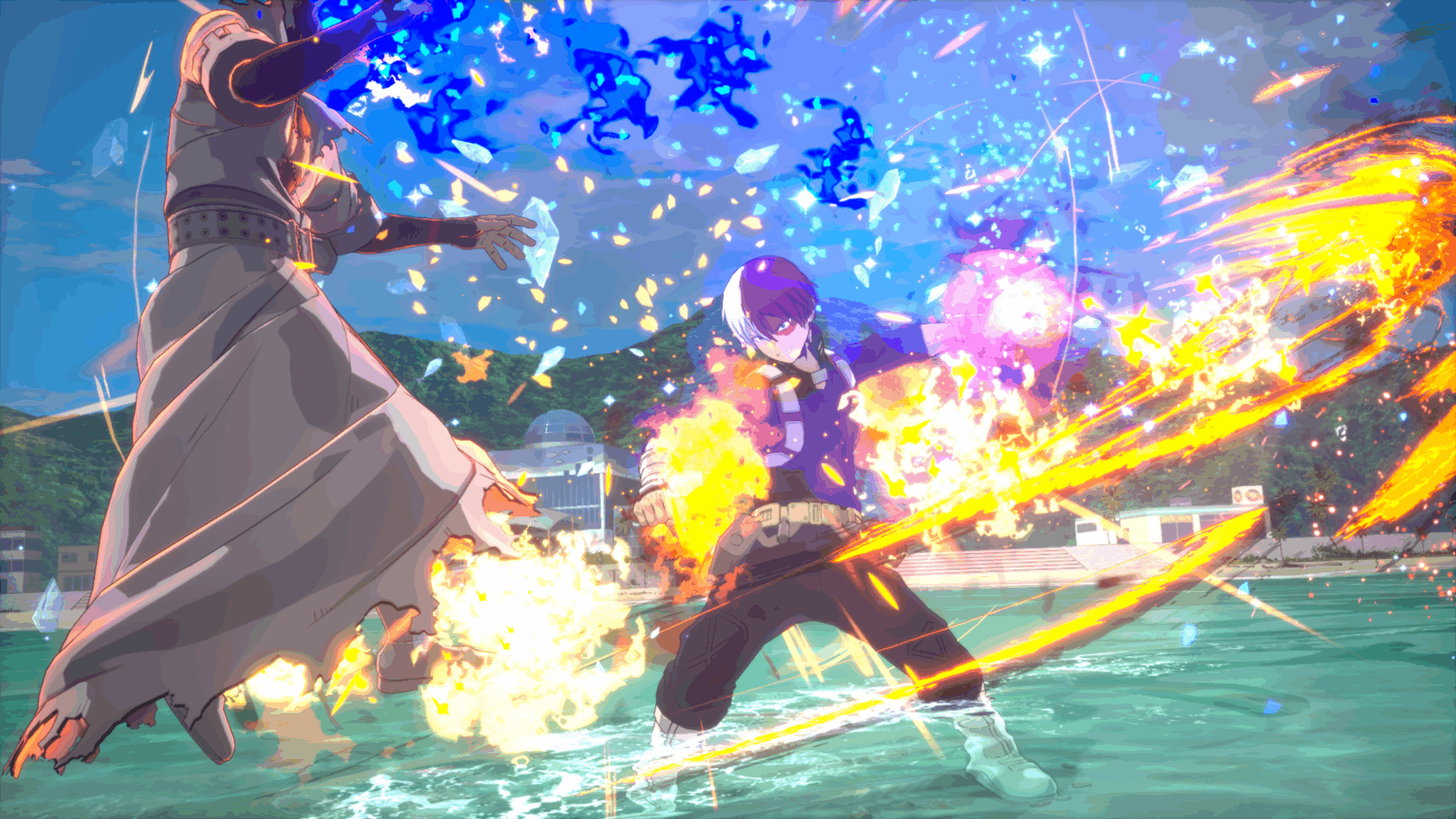
The variation in their powers, however, highlights another issue, especially in a title where power scaling spells the difference between victory and defeat. It’s a reasonable concern in theory – after all, Rikido Sato / Sugarman’s straightforward Quirk of consuming sugar for a five-fold increase in strength isn’t the most fair match-up against Todoroki’s ice and fire abilities that can be used both defensively and offensively – and to that end, the game’s three-versus-three battle system strikes a compromise by emphasising team synergy over individual merit.
Marking a departure from before, it now lets players switch between three brawlers anytime during a match, instead of calling forth two supporting characters with the partner assist mechanic, which required the corresponding gauge to be full. The welcome versatility offers room for on-the-fly adjustment against different opponents, all of whom come with their own strengths and weaknesses.
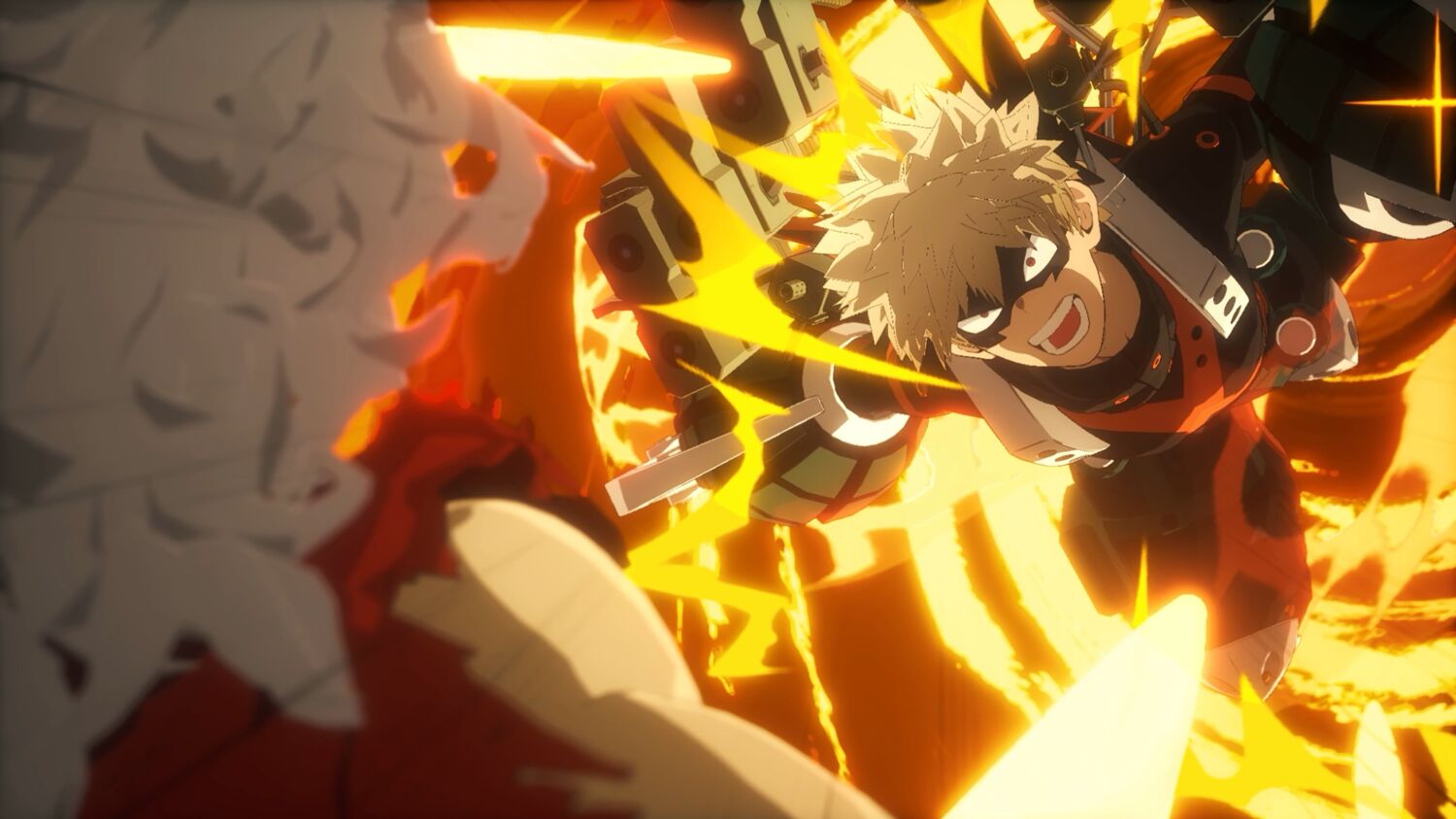
“To find out which characters to adjust to, and which ones to fight against the most, is all up to the player. Even though My Hero Academia has a lot of characters, some of whom might not be as strong, but by making this a 3v3 tag-team battle, it allows character synergy to offset this whole power balance issue,” explains Miyazaki, adding that the mechanic also tells the story from a character’s point of view and through their interactions with others.
Indeed, the trade-offs translate well into a brief hands-on preview for My Hero Academia: All’s Justice. The play styles of Sugarman and Tentacole feel similar to experiences with a tank archetype, where attacks are slow but hit hard, while Hanta Sero / Tapeman and Toga use long-range abilities to bridge the gap at the cost of taking more damage. Making a return from the previous two titles are the dodge and block manoeuvres, alongside two levels of counter-attacks: a basic one, and an upgraded, flashier version that summons the entire team to strike back at once.
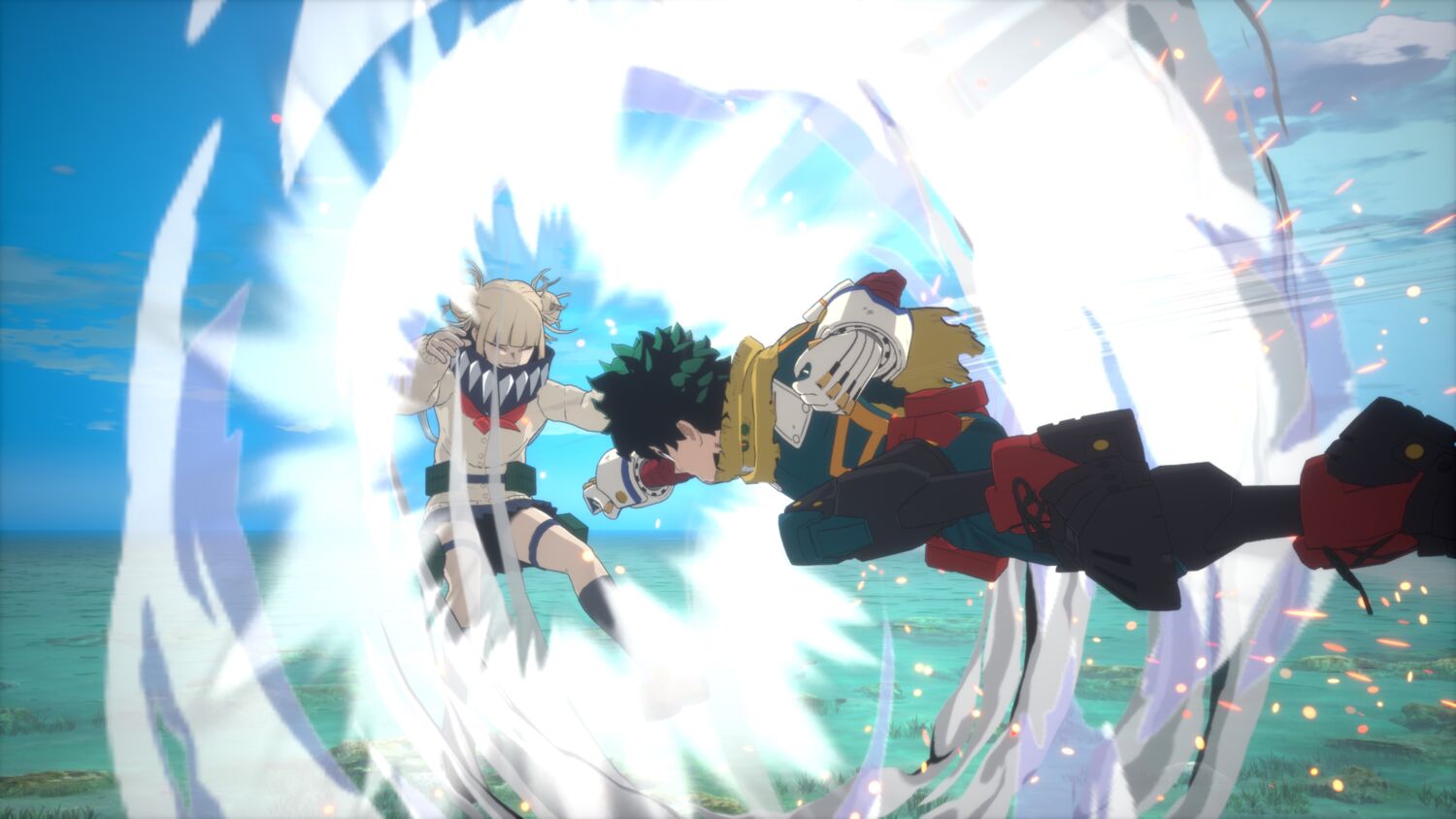
The Plus Ultra metre is another familiar sight, granting access to powerful special abilities, including dash cancels to extend combos, and at full charge, it can be activated for a devastating tag-team attack. For newcomers, the Normal Controls setting is back as a simplified, auto-combo system for basic attacks and unleashing combos without the need for manual input.
New to My Hero Academia: All’s Justice is the Rising state, bringing a grander, more extravagant flourish to the arena action. Thematically, it fits into the heroic comeback motif, activating automatically when players are down to their last party member, giving them a chance to turn the tide of battle. Entering this state yields massive stat boosts and changes a character’s form, as seen when Deku uses Gearshift, although it’s unclear if every hero will undergo a similar transformation.
As Miyamoto neatly puts it across, “[The Rising state] is like their last stand, if you want to put it that way, like a last hurrah that allows them to go out with a bang.”
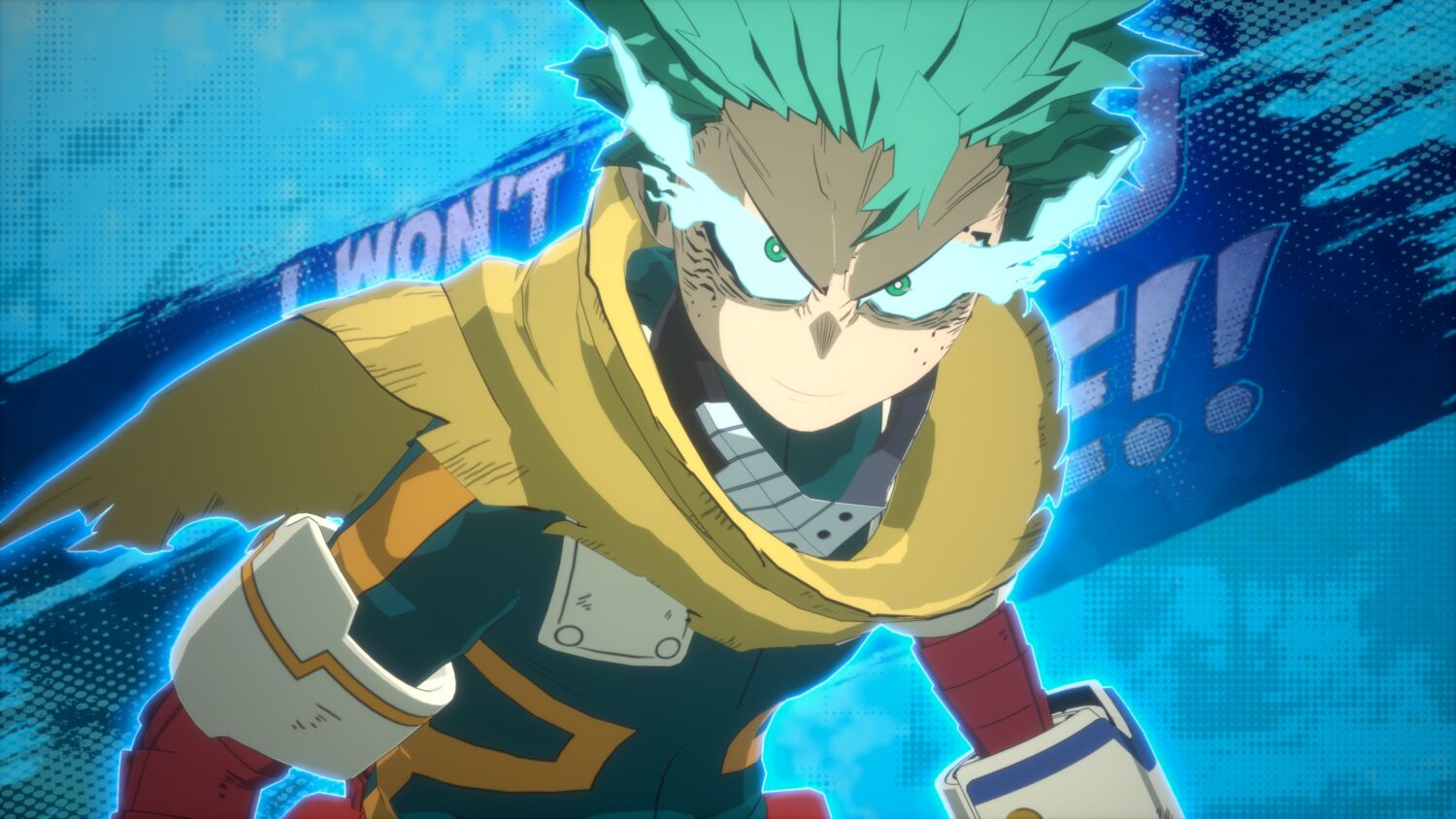
It’s the right kind of spectacle that complements the fast-paced gameplay here, where each quick-fire match can last less than five minutes. Over the course of 15 minutes, there was sufficient time to test out nine different characters across three rounds (or two-and-a-half, to be more precise): Sugarman, Tapeman, Toga, Tentacole, Nejire Chan, Lemillion, Koda, All Might, and Suneater.
More than that, the grandeur serves to honour the spirit of the original series. My Hero Academia: All’s Justice is being developed in close collaboration with the team working on the final anime season, as it features a story mode set during the penultimate Final War Arc, which has no shortage of intense, climactic fights and flashy action.
This sense of scale is the reason behind the naming change for the fighter brawler series. According to Miyamoto, the previous numbering system was dropped to reflect a more “powered up” and “epic” experience representative of a grand finale – further supplemented by the leap to Unreal Engine 5 (My Hero One’s Justice 2 was developed on the previous-gen Unreal Engine 4).
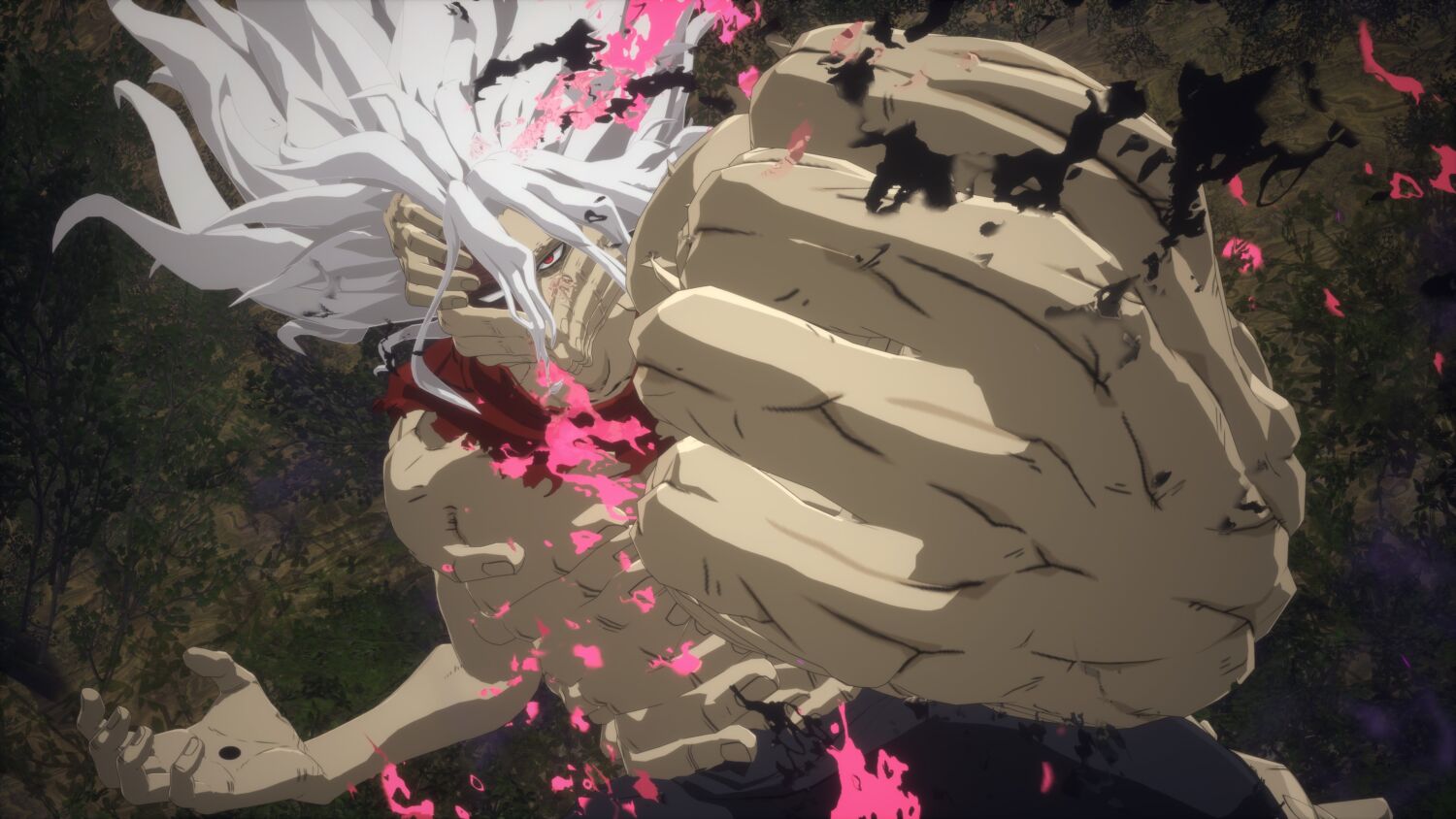
“Instead of following the numbering, we chose ‘All’s Justice’ to encompass everything,” the producer explains. “It’s a whole different dimension from the previous titles; everything is powered up and more epic for players to experience in this game that’s like an everything in one, like the final of a final.”
It’s as she says, “You can also be a hero.”
And what better way to cap off a beloved legacy than by winning battles as your favourite hero? Or villain? The choice is yours.
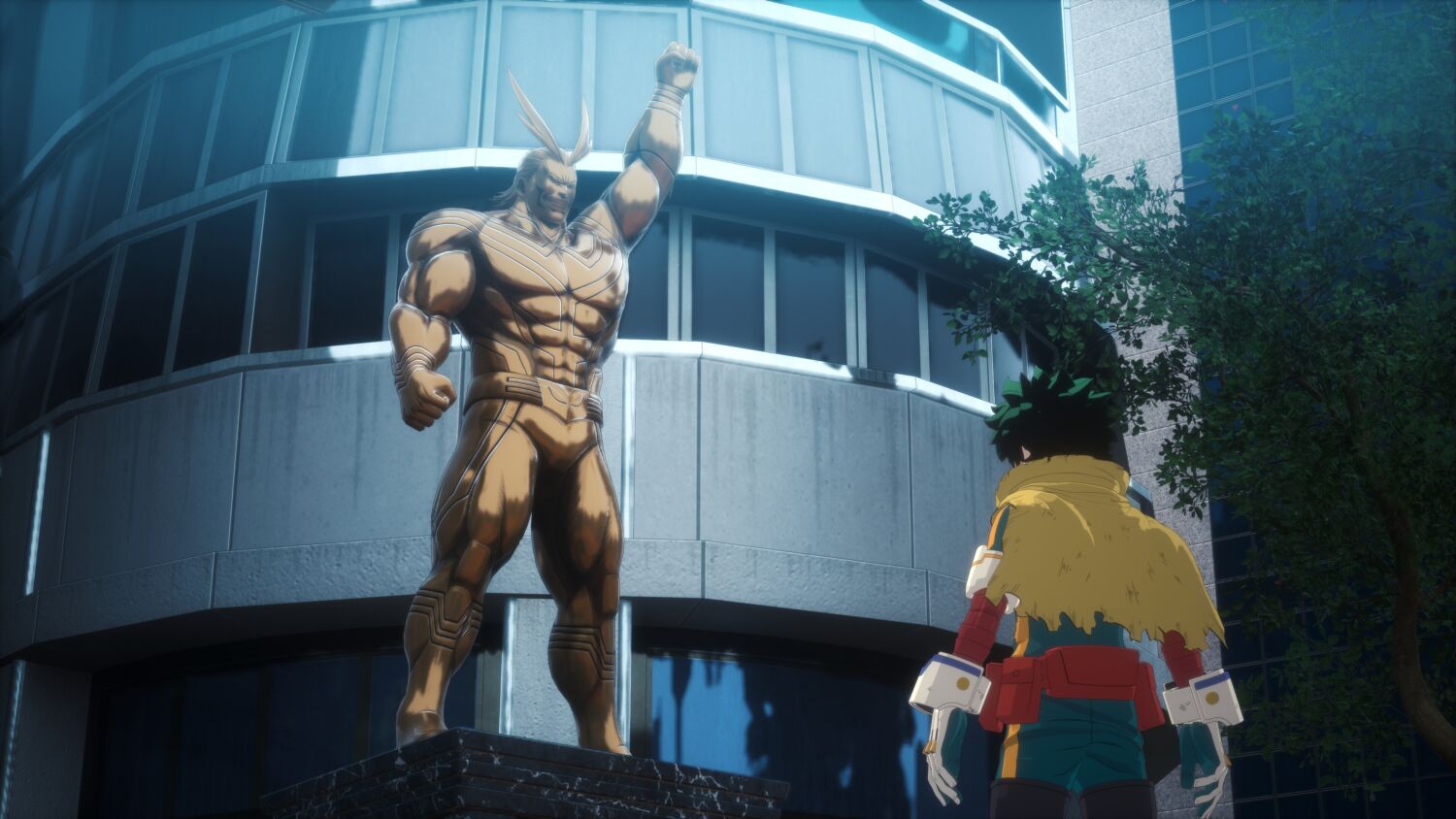
My Hero Academia: All’s Justice will come to PS5, Xbox Series X|S, and PC via Steam sometime in the future.

Si Jia is a casual geek at heart – or as casual as someone with Sephiroth’s theme on her Spotify playlist can get. A fan of movies, games, and Japanese culture, Si Jia’s greatest weakness is the Steam Summer Sale. Or any Steam sale, really.


 Kevin Low