

With any long-running video game franchise, it is important to shake up the experience with every new entry, delivering something fresh each time to meet the ever-evolving expectations of fans and the overall gaming landscape. Such is the case for Capcom’s Resident Evil franchise, which has shaped the modern survival horror genre since its debut in 1996.
Sure enough, the franchise has seen its fair share of innovations throughout the years, with Resident Evil 4 (2005) revolutionising the genre by transitioning to the third-person perspective, while Resident Evil 5 (2009) introduced co-op gameplay. Subsequently, Resident Evil 7: Biohazard (2017) brought tension to the next level with its first-person gameplay, while Resident Evil Village (2021) introduced an open-world-esque format, though in doing so, it seems like the series has truly done it all… until now.
For Capcom’s next chapter, Resident Evil Requiem, the answer lies in combining the best aspects of its earlier games, something achieved with its two protagonists – newcomer Grace Ashcroft and returning legend, Leon Scott Kennedy.

In essence, gameplay in Resident Evil Requiem is divided into two distinct styles, with Grace’s slower-paced, puzzle-solving segments mirroring the best of past titles such as Resident Evil 2 (1998) and Resident Evil 7: Biohazard. Meanwhile, Leon’s storyline kicks things into high gear with the action-focused style of the Resident Evil 4 remake or even Resident Evil 6 (2012). It’s an intriguing tonal dissonance for sure, but thanks to an extended three-hour PS5 preview session comprising a hands-on of both characters, we were able to get a better understanding of how the game will marry its two juxtaposing playstyles.
Taking place in the massive Rhodes Hill sanatorium, a massive care facility run by the mysterious Dr. Victor Gideon, the preview session marks the first time Grace and Leon meet, with the latter saving the former from her run-in with the hulking monstrosity seen during the ending of the game’s first demo. It’s a brief respite, as no sooner do the pair meet before splitting up once again, with Grace left to her own devices and nothing but her wits… and a parting gift from Leon – the massive “Requiem” Magnum revolver, referenced in the game’s title.
As Grace, players must explore Rhodes Hill in search of a way out, and in true Resident Evil fashion, the way forward is barred by a door with a complicated locking mechanism that requires three cube-shaped emblems. Of course, getting to these objects is no simple feat, challenging players to solve multiple environmental puzzles for each.
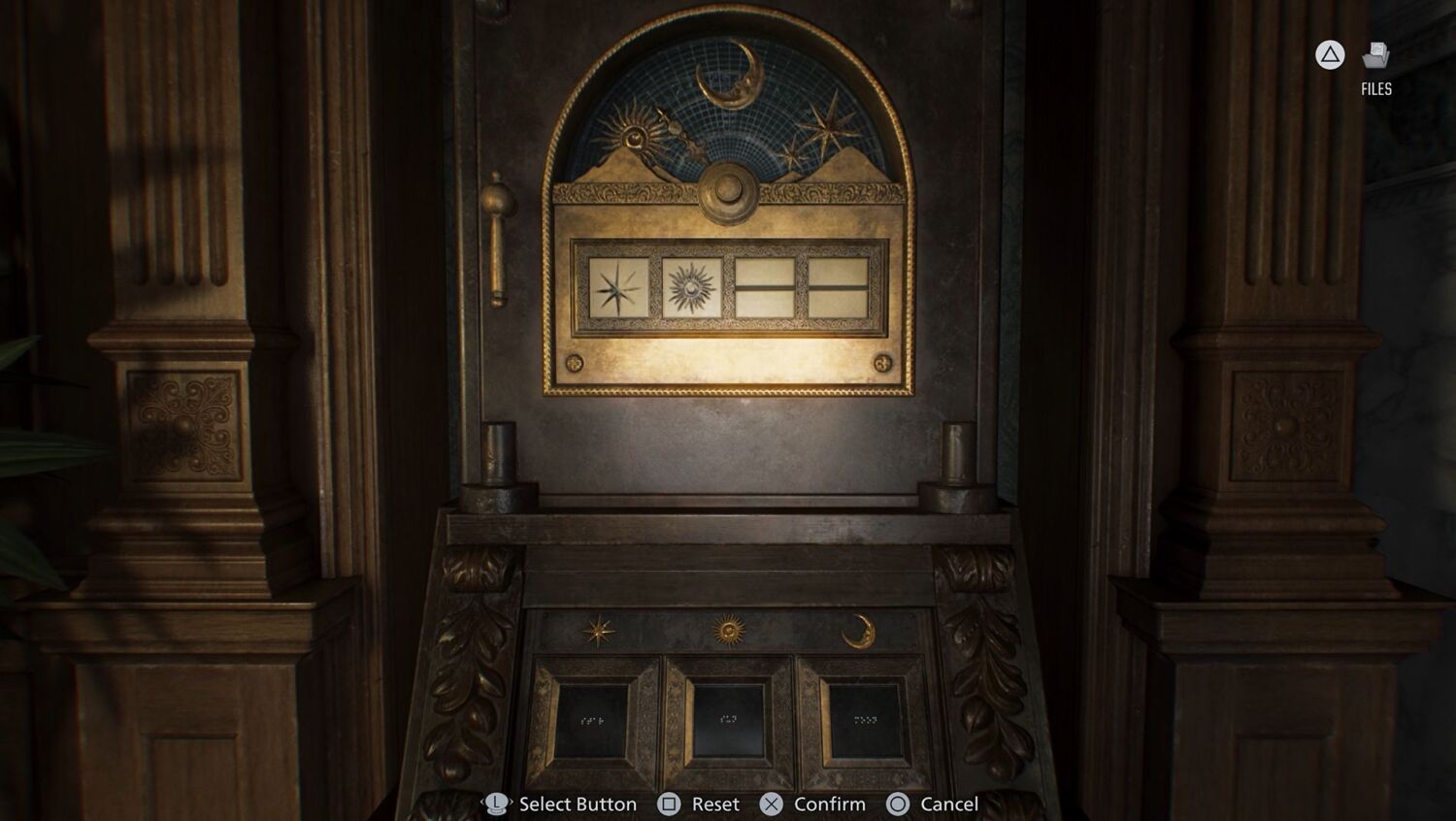
Tension and careful planning are the name of the game during Grace’s portions, as ammo is scarce and dangers, plentiful. Venturing the halls of Rhodes Hill feels very much like the RPD sections of the Resident Evil 2 remake or Castle Dimitrescu from Village, albeit with three major additions – the choice between two gameplay perspectives, a new crafting system, and the infected themselves.
To cater to two distinct play styles, Resident Evil Requiem offers a choice between two camera styles – the classic third-person perspective for the more action-oriented player accustomed to modern action games, or the more narrow first-person style to maximise the tension. Players can switch between the two at any time via the in-game menu, although certain actions, such as Leon’s finishers, automatically swap to third-person, but more on that later.
As Grace, playing in first-person automatically heightens the scares, as the inability to “cheese” the camera by looking around corners in third-person mode means encounters are always up close and personal. In fact, even shooting while in third person feels much more intense, as since Grace is an FBI analyst with limited field experience, her weapon handling isn’t quite up to snuff and represented by rather extreme levels of weapon and aiming reticule sway.
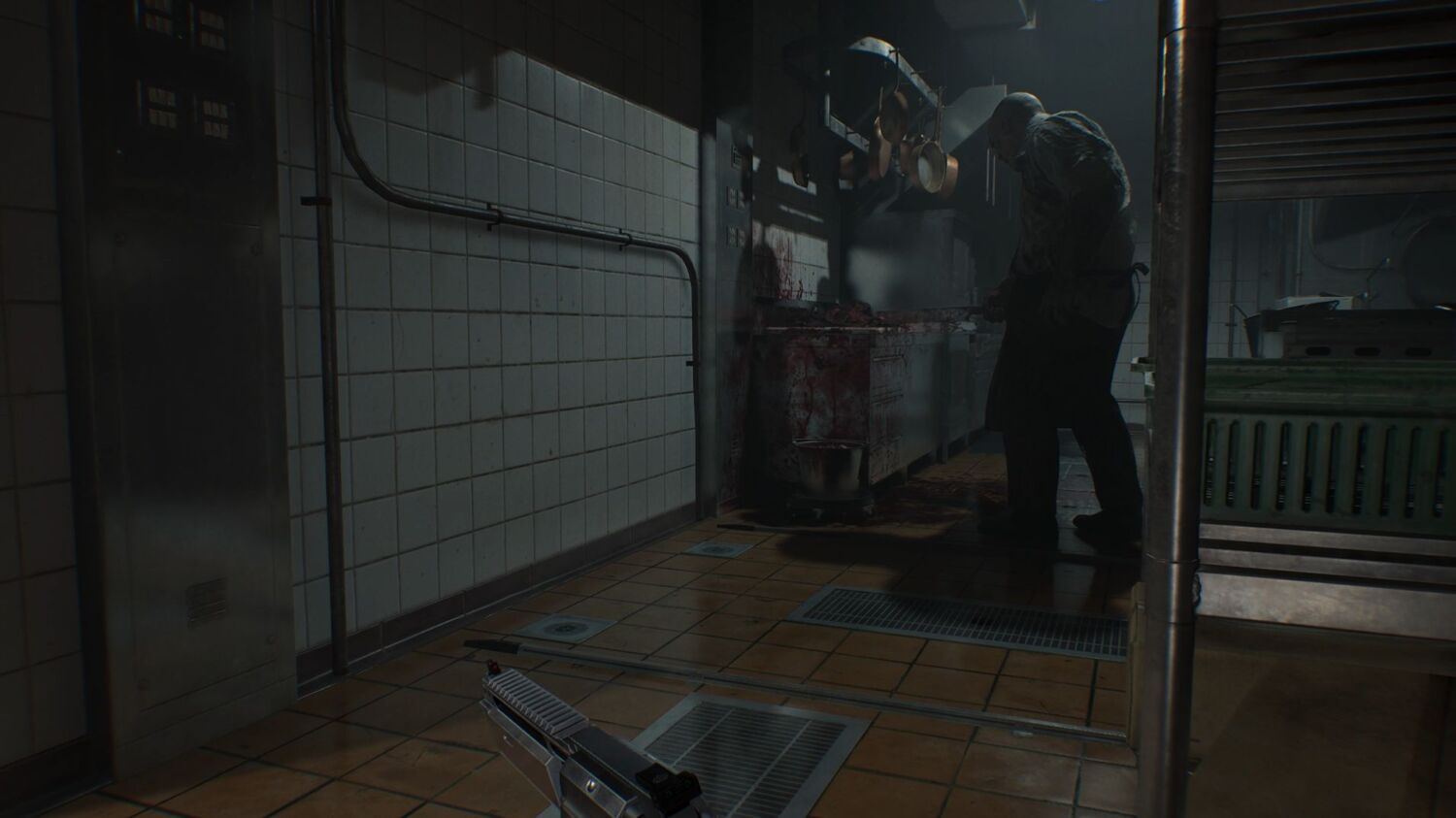
And when ammo is scarce, which occurs more often than not, players must then make use of Resident Evil Requiem’s two additions for Grace – the Hemolytic injector and blood collector. The former is the game’s new answer to stealth, since Grace can only use flimsy knives that can’t instakill enemies (which functions almost exactly how they did in the Resident Evil 2 remake). Thus, she needs to find or craft special injectors that, once jammed into enemies while unnoticed or when they are staggered, causes them to swell up and explode into a satisfying mess of blood, which, as a nice added touch, also stains the surrounding floor and walls for that added visual visceral bonus.
The thing is, these injectors, like other general items in the game, are hard to come by, and that’s where the blood collector comes into play. Like its namesake, this handy syringe can extract blood from fallen foes, or from buckets of the stuff littered around the map for some reason, which is Resident Evil Requiem’s new primary crafting component. Apart from green herbs, which can still be mixed to form health items, almost every other crafted item requires the use of infected blood, which eats into a limited supply that can be held in the blood collector at any one time.
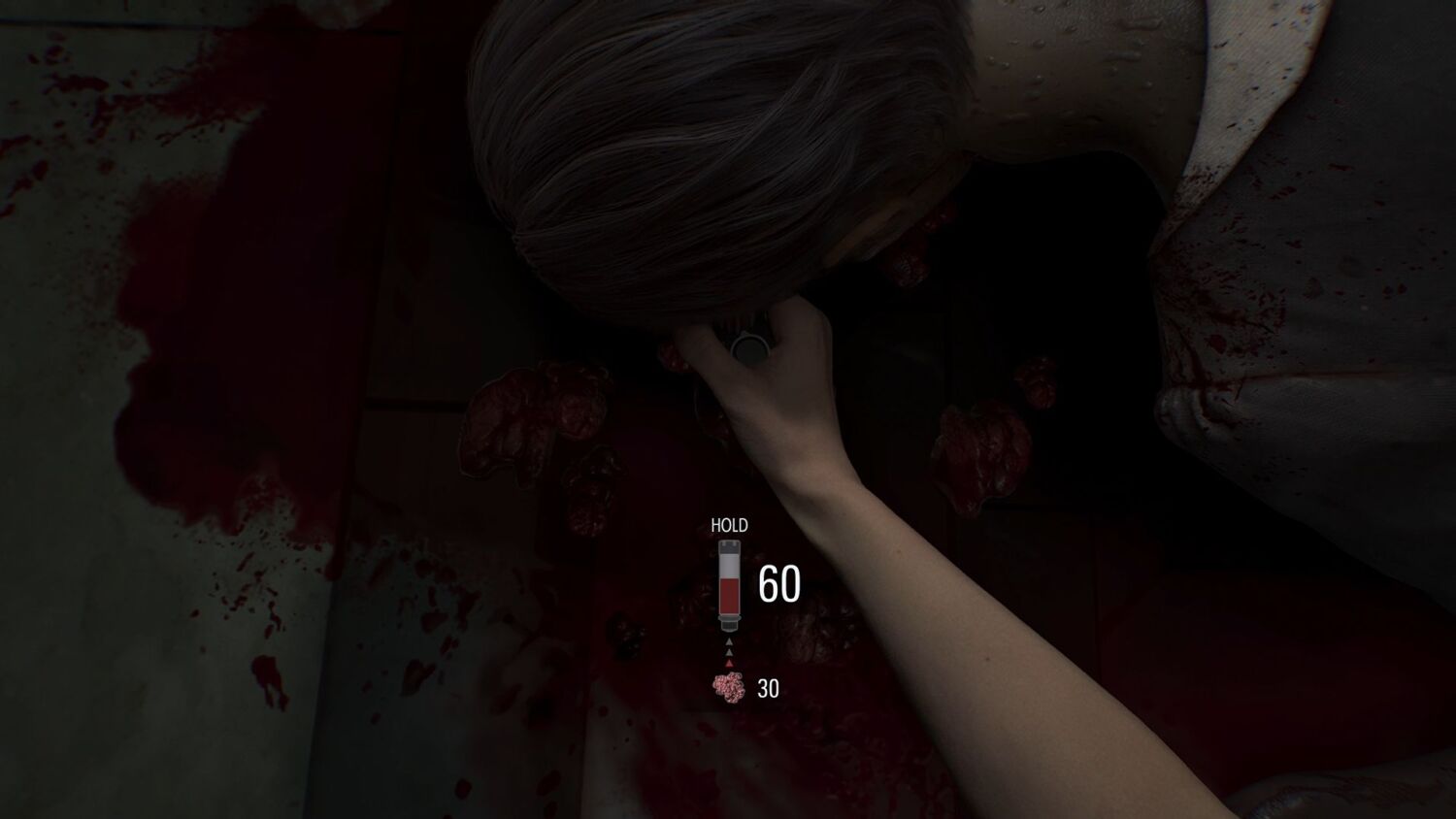
What this does is force players to balance risk and reward, as they will need to dispatch enemies to gain blood samples, using up valuable ammo or a Hemolytic injector in the process. It’s a vicious cycle, something we experienced first-hand during our gameplay session, as running out of ammo meant we couldn’t do anything to the roaming zombies, which also meant the absence of vital blood to craft items, leaving us no choice but to run around foes or avoid them entirely.
Grace is obviously not a field agent, and her movement speed really shows, as she is barely able to keep up with the speed of chasing zombies. It’s an intentional form of sluggishness, something that really amplifies the tension, especially during times when your inventory is empty and ahead lies a pack of three undead shamblers.
Adding to the immersion and scares are the zombies themselves, as the ones seen in Resident Evil Requiem are not just deadly, but are also the most reactive the series has ever seen. Unlike every other game in the franchise, where roaming foes do little more than walk from point to point, the undead seen here often relive their actions before they met their demise.
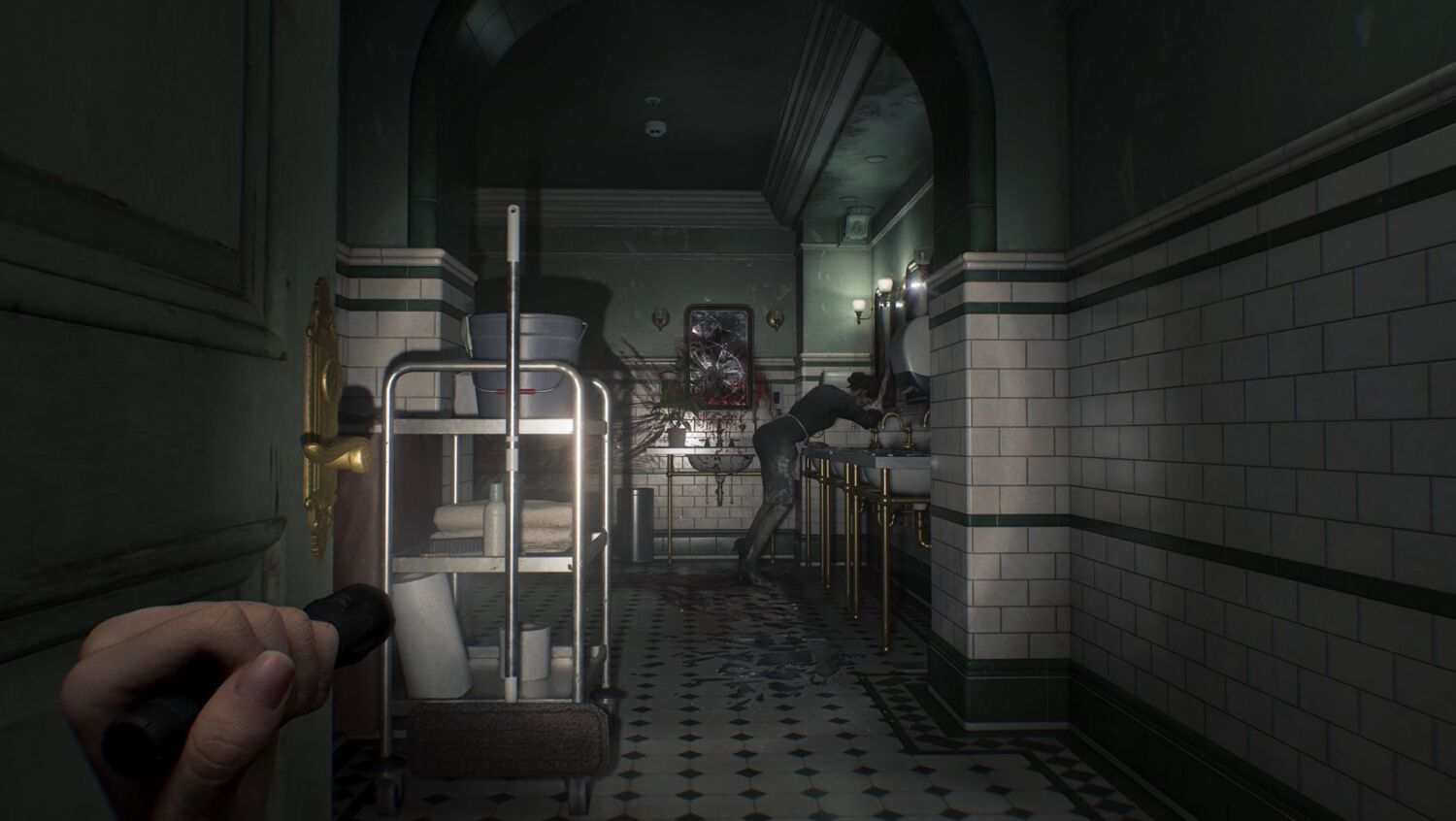
An undead custodian violently smashes her head into a toilet mirror before scraping it with her bare hands in an attempt to “clean” it, further smudging the walls with her blood, while a zombified patient frantically roams the halls to switch off the lights, randomly plunging the hallways in darkness – these zombies might be dead, but funnily enough, they have also never been more alive. Requiem also introduces the special infected, such as a recently-departed bar singer who fills the hallways with her creepy wailing, and emits a high-pitched scream when alerted, instantly drawing in all nearby zombies and throwing Grace’s aim completely off-balance in the process.
And then there are the mutations. Just like past titles, zombies can evolve into more dangerous forms if a player isn’t careful, and in Requiem, every downed foe has the potential to come back to life in this mutated form, turning their heads into a bloody mess of flesh. These creatures are extremely dangerous, charging towards their unlucky victim at full speed and flailing their arms wildly in a flurry of strikes, able to take out a huge chunk of health at one go. The only way to counter these mutations is to either use a Hemolytic injector on fallen foes to completely destroy their bodies, or hope for the best and run when you see one.
The cherry on top of this undead cake? Zombies can actually communicate with each other when not alerted by the player, as we encountered an instance where two zombies were roaming a waiting room, with one who was screaming at the top of her lungs, prompting the other to politely ask her to keep it down… except that it wasn’t polite in the slightest (profanity was involved).
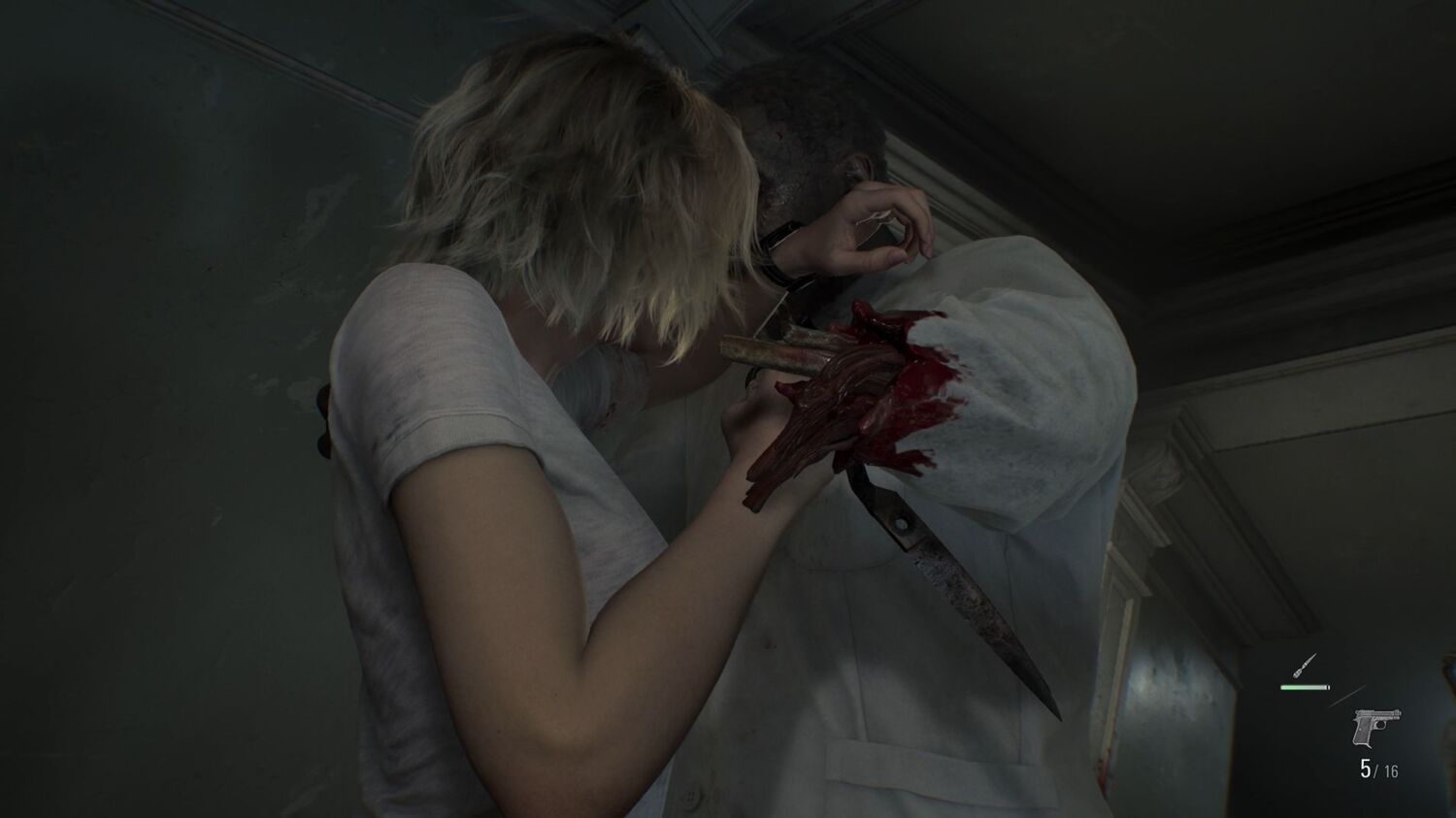
These interactions are made even more noticeable considering how Grace will spend most of her time slowly sneaking past enemies, and helps make the world of Requiem feel more alive, even if most of its residents aren’t, and while we did not encounter it during our playthrough, it’s unclear if such interactions might extend to combat as well, as having two or three zombies coordinate their attacks sounds like a horrible time, at least for Grace.
On the completely opposite end of the spectrum lies Leon, who returns with a vengeance, taking all he has learnt throughout the series with him. With Resident Evil Requiem set after the events of Resident Evil 6, the Leon we see here is much more familiar with dealing with the undead, as seen by his expanded moveset and tools.
Playing out like the Resident Evil 4 remake, albeit with the action dialled up to eleven, Leon’s paths are pure catharsis, letting players rampage their way through countless zombies with little effort. Ammo is plentiful, his weapons pack a punch, and his signature roundhouse kick finisher makes a return, alongside recent bells-and-whistles like a parry system and equippable parts to upgrade his firearms.
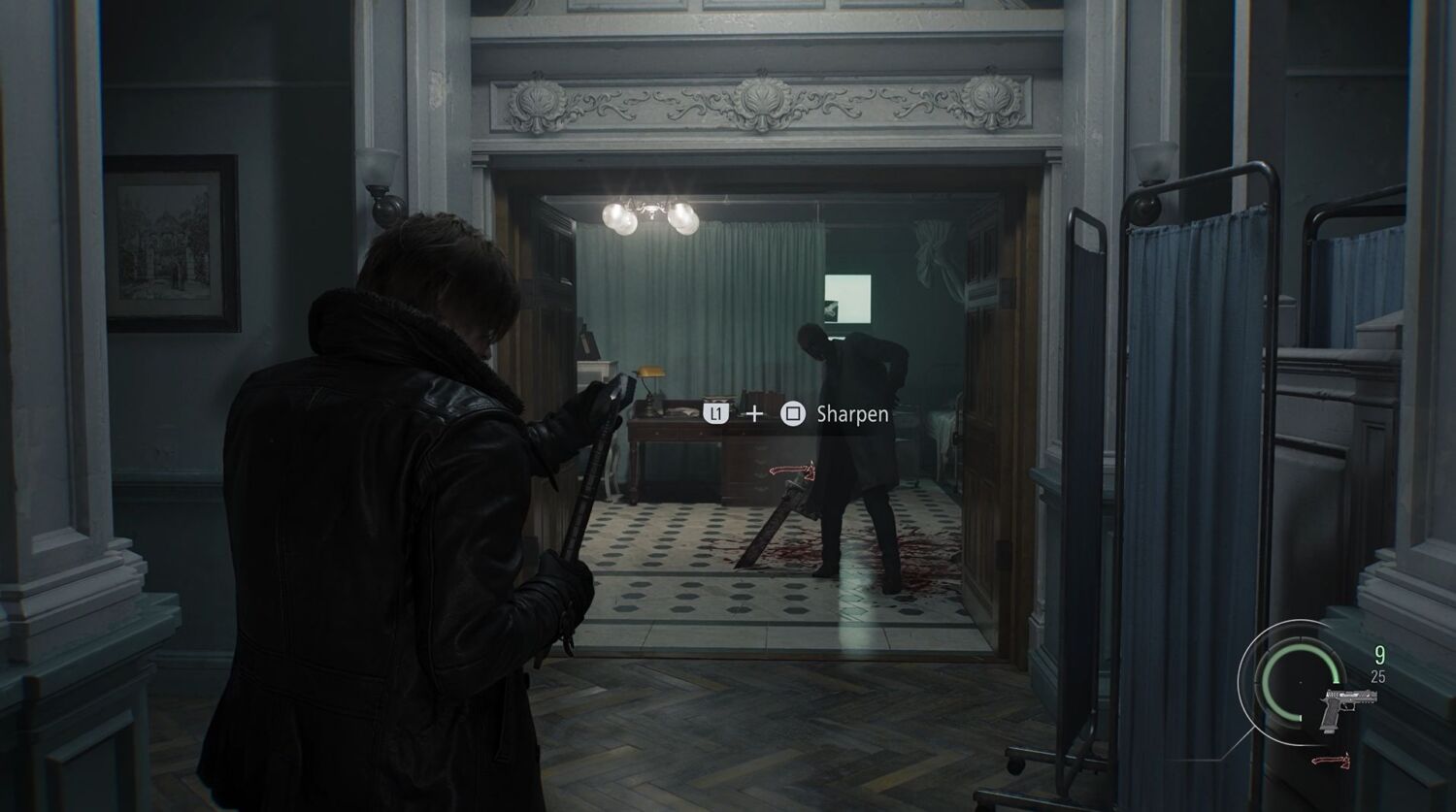
What’s new here serves to enhance the combat experience, not reinvent it. Parrying, for example, is now practically unlimited, as rather than a combat knife, Leon has brought a hatchet to the party, and this thing is a reliable beast, able to finish off foes with a quick blow to the head or heavily damage bigger ones. But most importantly, though, is that it can also be “reloaded” in the form of axe sharpening, which can be done anytime, using the same keys to reload guns, and best of all, doing this doesn’t take up resources, just time. Why worry about picking up kitchen knives and other miscellaneous blades when a hatchet does it all?
Another major addition to Leon’s combat repertoire is his ability to pick up dropped enemy weapons. Dr. Salvador (aka Chainsaw guy) might have given him a tough time in El Pueblo many years back, but Leon has learnt his lesson this time around, and by defeating pesky one-hit-kill chainsaw-wielding foes, he can now turn the tables by picking them up and going all-out with it in hand, absolutely tearing through any unlucky zombie threat in a mess of blood.
In a neat touch, chainsaws dropped by enemies don’t simply stop running as it hits the ground, and will deal damage to anyone nearby, only stopping after a set time, or if a player shoots a few rounds in it. In addition, certain other dropped weapons can also be used, albeit in a more contextual setting, such as fire axes that can be thrown at foes when in range.
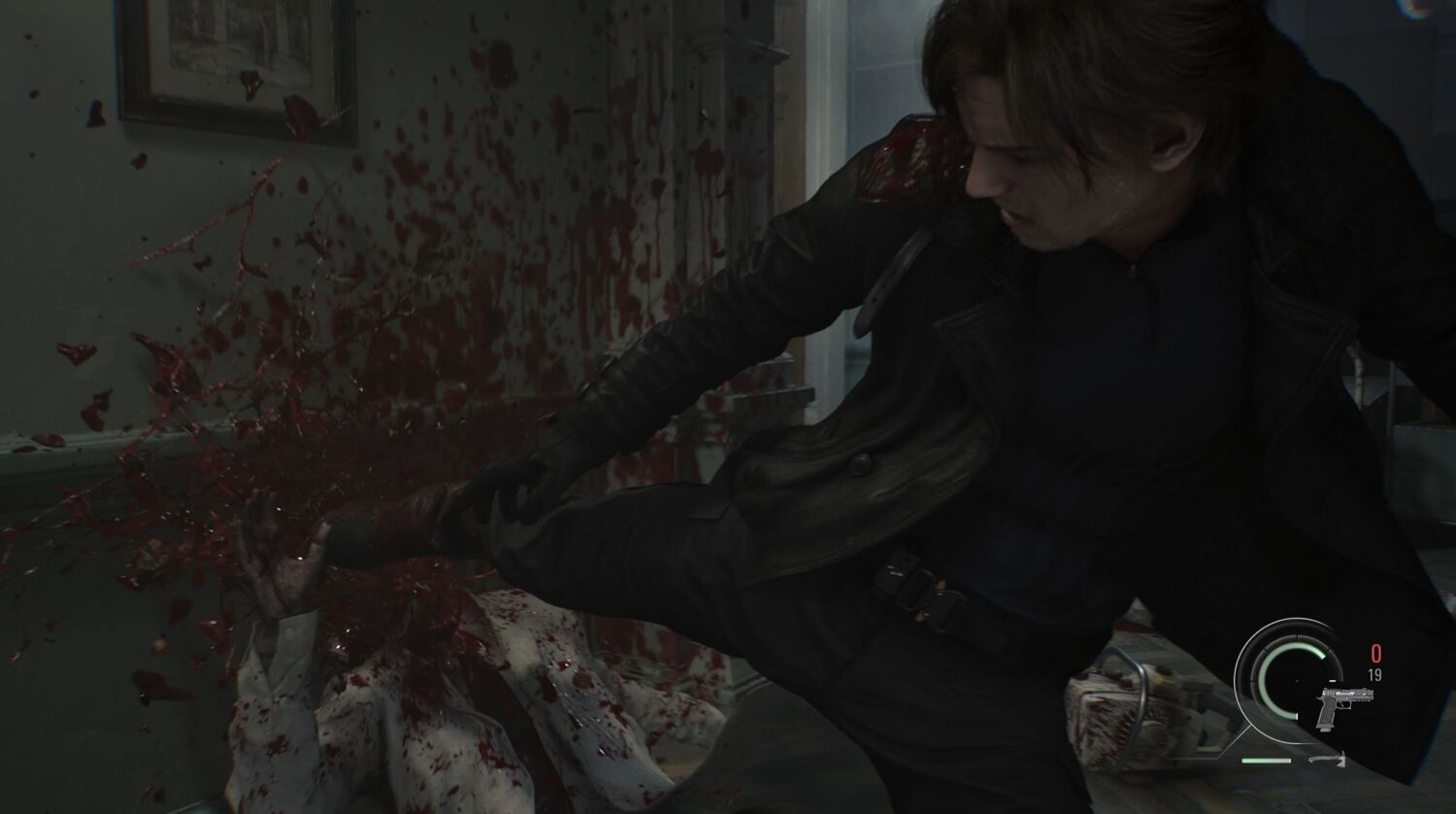
Even with Leon’s action-focused sections, Resident Evil Requiem still finds a way to make its zombies the most dynamic the series has been, this time in the way they interact with each other during fights. For example, in the early part of the preview, we were faced with two foes at once, one wielding a chainsaw. As the zombie raised his chainsaw in preparation for a strike, the other accidentally walked in the line of fire and in a dramatic twist of events, the chainsaw was lodged into the other zombie’s chest instead. But he’s not out of the fight because with the chainsaw’s blade now sticking out of the poor infected’s chest, this zombie has been transformed into a bigger walking, growling threat who can still damage Leon if he gets too close, reaffirming the title’s attention to detail.
If the above wasn’t enough to convince you how dynamic Resident Evil Requiem’s gameplay experience is set, players will be surprised to find out that Leon and Grace will exist in a persistent game world, something unexpectedly teased by game director Nakanishi Koshi in our accompanying interview, meaning the actions taken by Grace during her portion might affect the experience of Leon when he revisits the areas, and vice versa, specifically when it comes to the state of the roaming undead.

If players leave dead zombies lying around Rhodes Hill as Grace, for example, they might mutate, and inadvertently cause more trouble for Leon when he explores the grounds later on, as he will now be faced with a horde of mutated baddies. Avoid them, however, and Leon might have an easier time, but not Grace. The way each character’s segments might possibly influence the other means that there’s some strategy involved here, as Grace can avoid powerful enemies and leave them for Leon to handle, for example. Still, it remains to be seen how extensive these results will be when the full game drops.
With the combination of Grace’s classic survival horror gameplay and Leon’s brutal action segments, Resident Evil Requiem is shaping up to be a refreshing take on the 30-year-old franchise, offering players that balance between tension and pure catharsis. For all intents and purposes, the title seems to have its general gameplay locked down, so it now remains to be seen if it can provide a story engaging enough to match.

Resident Evil Requiem shambles its way onto the PlayStation 5, Xbox Series X|S, Nintendo Switch 2 and PC on 27 February 2026.

Kevin is a reformed PC Master Race gamer with a penchant for franchise “duds” like Darksiders III and Dead Space 3. He has made it his life-long mission to play every single major game release – lest his wallet dies trying.

 Si Jia