

This interview has been edited for clarity.
For a franchise circling around mindless zombies, Capcom’s long-running survival horror tentpole Resident Evil, aka Biohazard in Japan, has transformed the very genre it created 30 years ago.

From series highs like Resident Evil 4 (2005), which propelled it to the modern gaming edge with its shift to the third-person perspective, to series lows (or still highs, depending on who you ask), like the more action-oriented Resident Evil 6 (2012), the franchise is no stranger to shaking things up and experimentation, just like the nefarious Umbrella Corporation in the franchise.
After eight mainline titles and multiple series spin-offs, the franchise is moving forward, but also taking a step back, as with its upcoming ninth entry, Resident Evil Requiem, game director Nakanishi Koshi is reflecting on why the series is so beloved in the first place.
“When you look at previous entries like Resident Evil 7 and Village, there has been quite a different approach to the overall series, that some players might think we have restarted the franchise entirely,” explains Koshi in an interview with Geek Culture and members of Southeast Asia media.
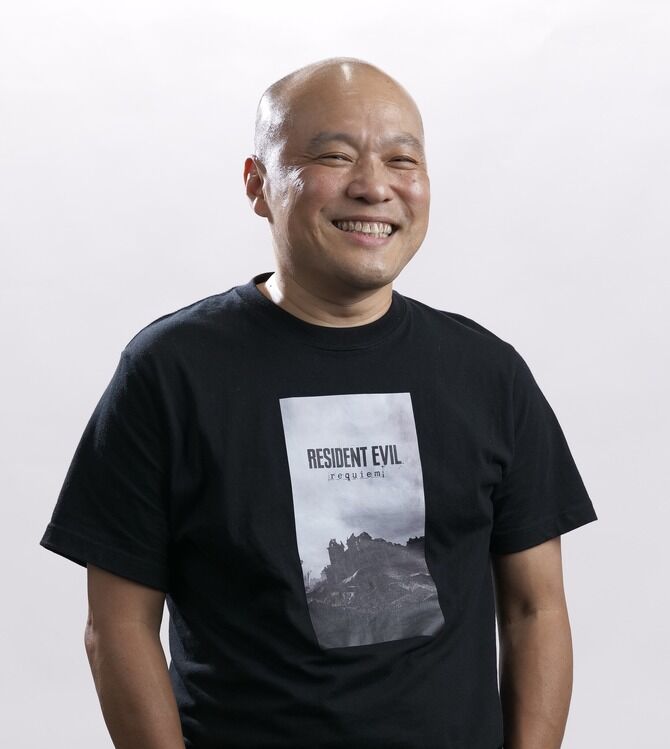
“For Resident Evil Requiem, we wanted to take a step back, or retrace our original steps. How original titles like Resident Evil 2 or Resident Evil 3 approached the core genre, and followed suit.”
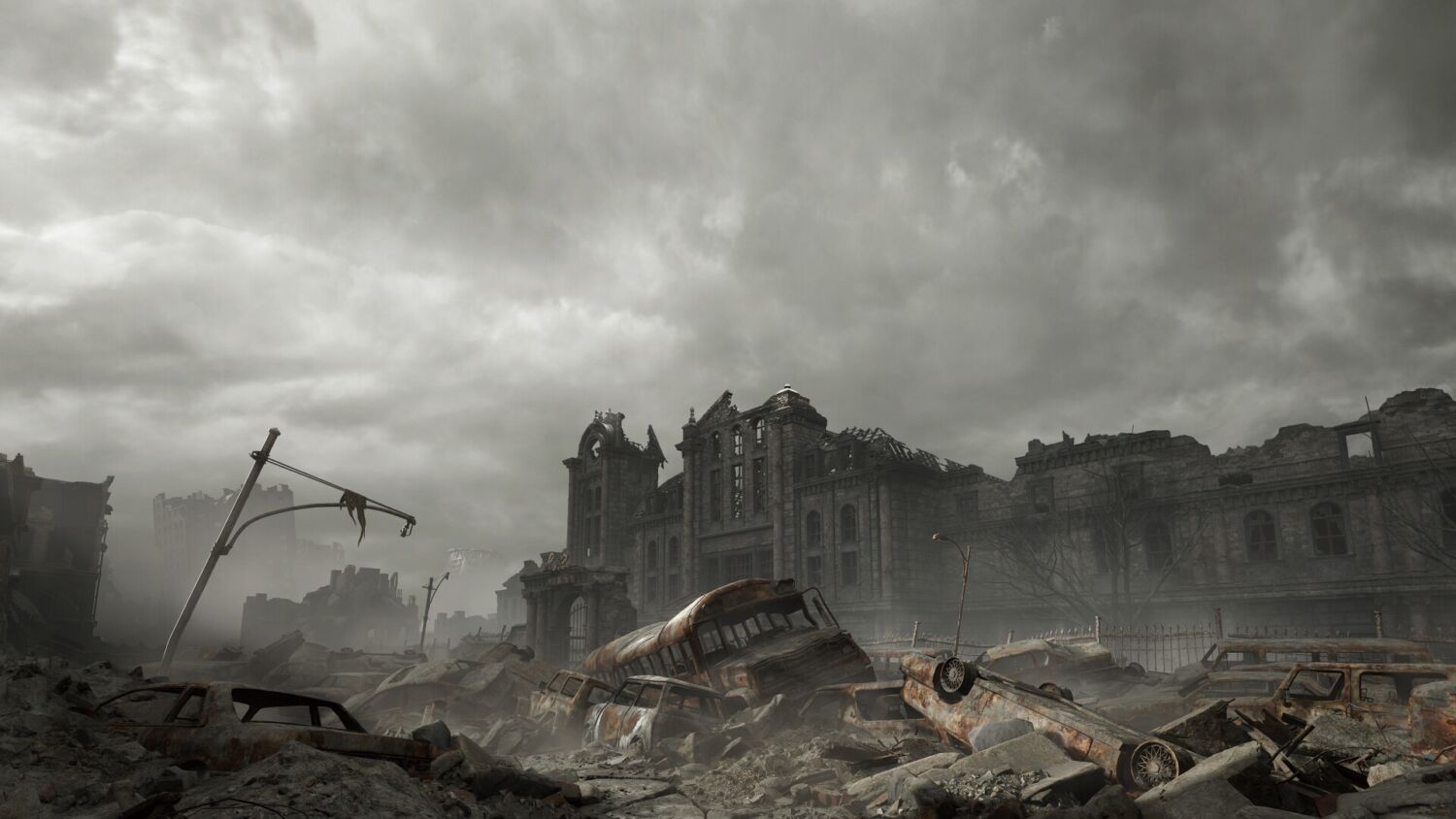
Through the process of looking back, the team eventually concluded that Requiem would not be a true “celebration” of the series’ past without two major franchise icons – Raccoon City, the site where the biohazard horrors first started, and Leon Scott Kennedy, the then-rookie cop who made his debut in Resident Evil 2 (1998), and was there when everything went down.
“When we were thinking about the main theme of the game, we felt that Leon and Raccoon City are both so intertwined, to the extent that we didn’t even consider any other characters,” Koshi adds.

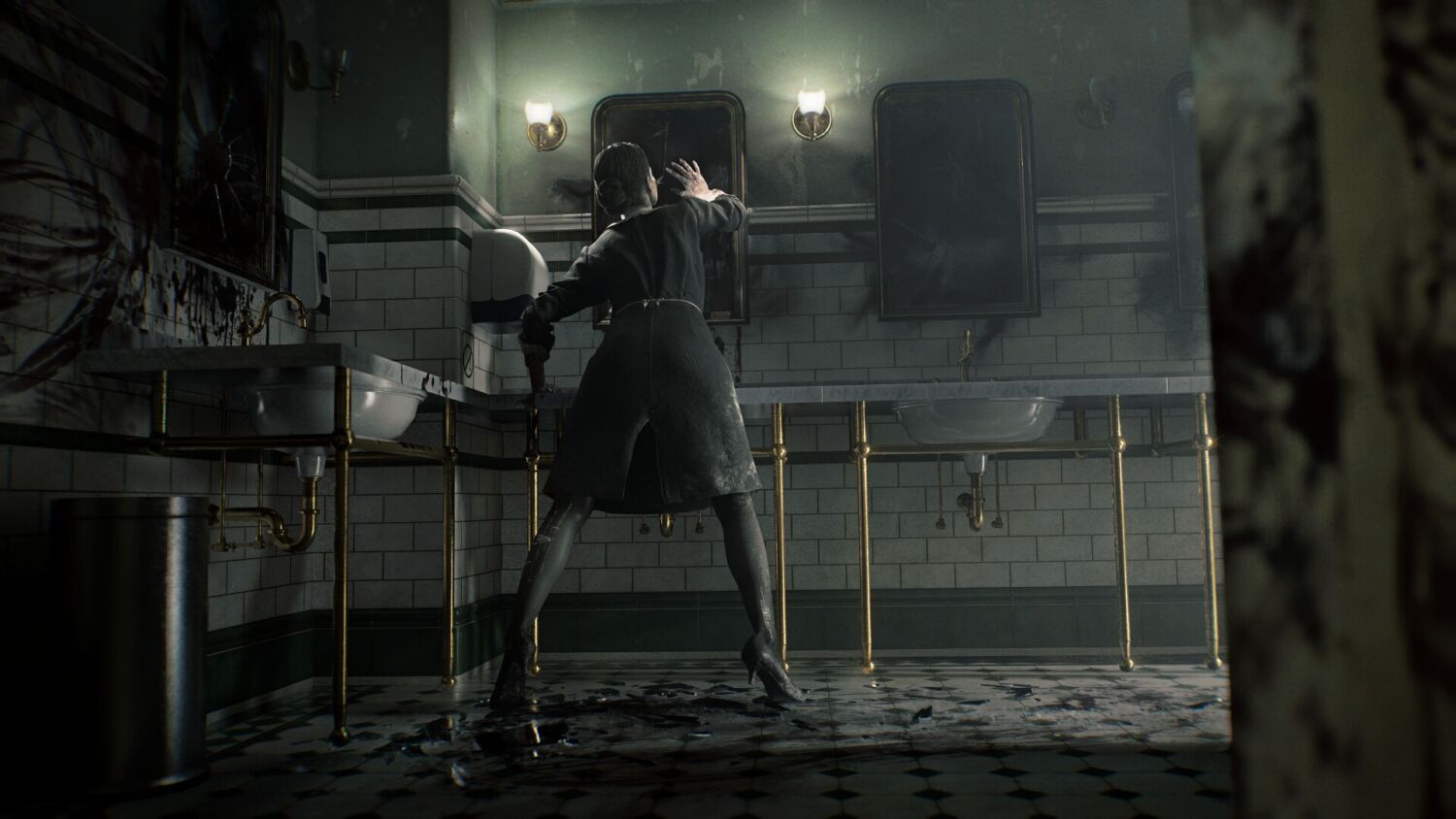
Of course, with Leon having led three mainline Resident Evil titles before, making another one entirely focused on him might not be the most exciting prospect, so the team is giving him a new partner in the form of series newcomer Grace Ashcroft, daughter of series alumni Alyssa Ashcroft from the 2003 spin-off, Resident Evil: Outbreak. A rookie FBI analyst with little to no field experience, Grace brings the franchise’s more traditional tension to the table, exploring the concepts of vulnerability, both literally and figuratively. Meanwhile, Leon brings a complete 180 with adrenaline-fueled action segments, with the two juxtaposing gameplay formats coming together to form what the team refers to as “the gap between tension and release”.
“The ability to play two completely different styles through Grace and Leon is in itself the unique identity of Resident Evil Requiem, and this gap between tension and release, between horror and action, is what we envisioned as the unique touch to the franchise’s direction during development,” explains Koshi.
With two playable characters on the complete opposite sides of the equation, this offered the team the unique opportunity to craft a sequel that can still appeal to both players familiar with the franchise as well as series newcomers, thanks to how each experiences their return to Raccoon City.
“With such an iconic character like Leon in the mix, we had to consider how to tell the story of Resident Evil Requiem in relation to its new characters,” says Koshi, “As a newcomer herself, Grace is the medium through which newcomers to the franchise can learn about the game, and more specifically, the Raccoon City tragedy.”
“Since she wasn’t originally involved in the Raccoon City incident, Grace is also learning about its history from zero alongside new players. So here we have two characters, one with deep roots to Raccoon City and one that’s learning as she goes, and it’s their connection seen throughout the game that drives its narrative forward.”
It isn’t just Resident Evil Requiem’s plot that is built to help even complete newcomers familiarise with the franchise’s overarching themes, as its gameplay was also designed with newcomers in mind.
“For newcomers, Resident Evil Requiem is a really unique title as it allows them to have an easier understanding of the series gameplay-wise, with the very distinctive play styles of Resident Evil 2 and Resident Evil 4, making it actually a very easy entry title, despite being the ninth in the series,” explains Koshi.
“On the other hand, for series veterans, you will probably think that you know what to expect considering Leon is back and he is heading to Raccoon City once more. But although Leon is still very strong-willed, the years have taken a toll, and he will be pushed to his limits this time around like never before.”
Still, the innovations to the Resident Evil formula didn’t stop there, as apart from the dual-protagonist gameplay styles introduced in the title, something we were able to experience first-hand during an accompanying extended look at the game, the team also took the opportunity to enhance its underlying gameplay systems afforded by modern gaming technology, and perhaps the biggest noticable change about Resident Evil Requiem is how dynamic the zombie AI feels.
“The team has been creating the Resident Evil series for such a long time now, so players have more or less accepted what zombies look like and act in the games,” explains Koshi. “Up to now, it has been the standard pattern of a zombie getting alerted by the player, then chasing after and trying to attack them, and that’s basically it.”
“Thus, we wanted to add a level of unpredictability to the zombies this time around, and we did this by adding different types of zombies that still perform the actions seen when they were alive.”
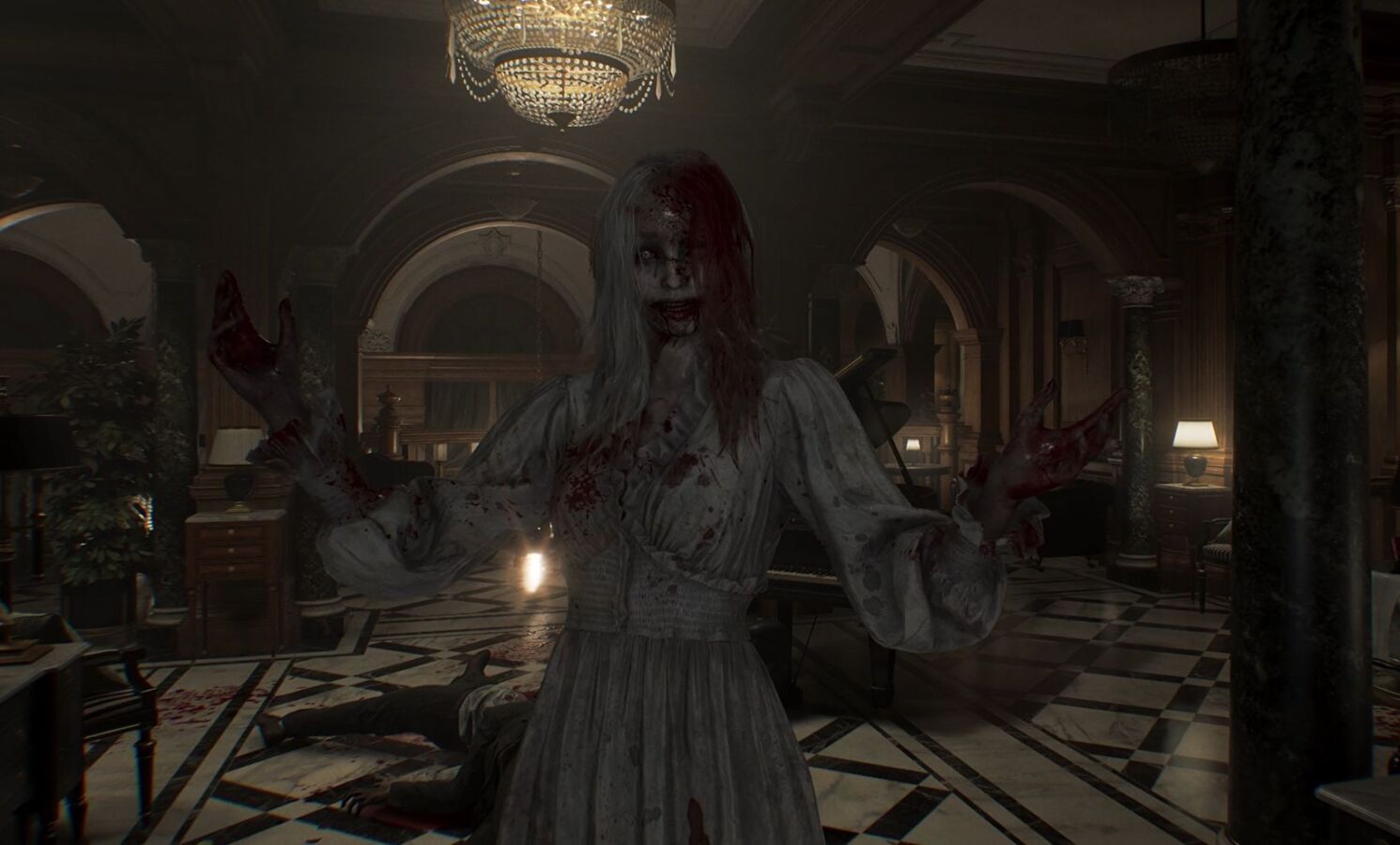
“A cook zombie still wields his knife and chops meat, a patient zombie still clings onto his IV drip as he walks around the Clinic. Players can no longer just blindly rush through encounters (and) they have to consider what each zombie does and adapt accordingly, which ups the level of horror and tension.”
Koshi sums up the general idea for the infected’s design in Resident Evil Requiem pretty well, too – these are the most “Resident Evil-like” zombies in franchise history, something they always envisioned for the franchise, but are only now able to do so with modern gaming tech.
To top it all off, Koshi also drops a surprising snippet of information on how zombies work in a world shared by the two playable characters, something we weren’t able to experience ourselves via the preview – Resident Evil Requiem will exist in a persistant world setting, meaning the actions taken by one character will affect the other when they visit the same location down the line.

“There’s a really interesting way you can handle the game. If you take out all the zombies in the area as Grace, but let them mutate, Leon will have to deal with it in his portions later on,” Koshi reveals.
“It can definitely become one of the strategies when approaching Resident Evil Requiem. Do you leave the more challenging encounters to Leon, or take them on as Grace? This way of dealing with enemies is also one of the ways that the experience is kept fresh even after a second or third playthrough.”
It’s this dynamic nature of Resident Evil Requiem that makes it such an enticing next chapter in the long-running franchise. With just a small snippet of the title shown off so far, it will be interesting to see how the game evolves or expands as the story progresses, and what surprises are in store for its two protagonists.

Will Grace eventually grow to hold her ground on her own? Will Leon finally meet a threat he can’t handle? Or will we see even more interesting and varied zombie archetypes down the line that reshape our approach to traditional Resident Evil encounters? All these questions are sure to be answered when Resident Evil Requiem launches on 27 February 2026 for the PlayStation 5, Xbox Series X|S, Nintendo Switch 2 and PC.

Kevin is a reformed PC Master Race gamer with a penchant for franchise “duds” like Darksiders III and Dead Space 3. He has made it his life-long mission to play every single major game release – lest his wallet dies trying.
 Si Jia