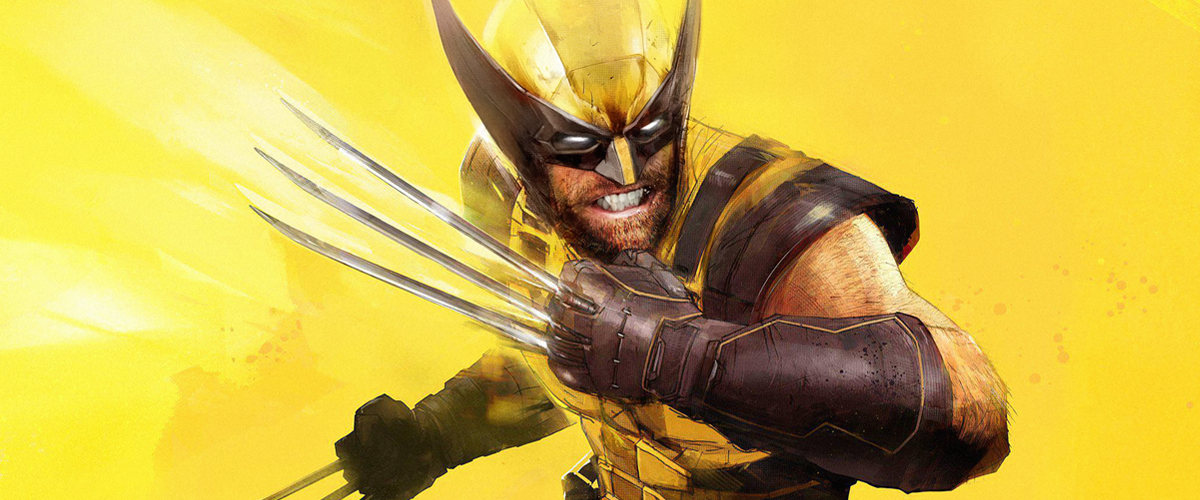
James ‘Logan’ Howlett is one of Marvel’s most recognisable superheroes, but also one of the most violent, which is probably why the gruff, Adamantium-clawed mutant Wolverine has never really gotten his own spotlight to shine in the mostly family-friendly superhero gaming space. Apart from the surprisingly excellent 2009 movie video game tie-in, X-Men Origins: Wolverine, the famed mutant has largely appeared as part of an ensemble, as seen in recent games like Marvel’s Midnight Suns (2022) and Marvel Tōkon: Fighting Souls (2026).
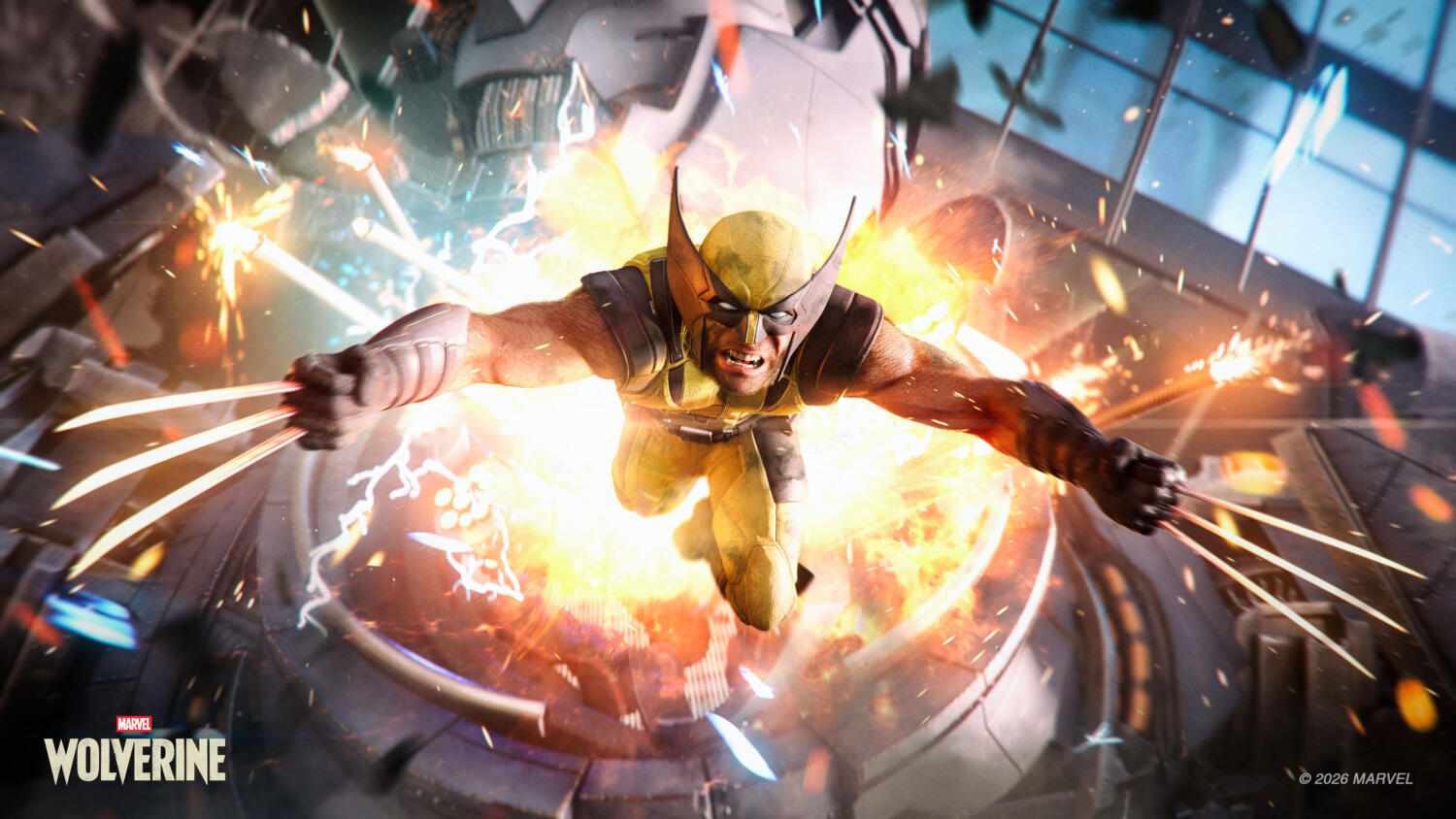
17 years on, Weapon X is finally getting another dedicated adventure in Marvel’s Wolverine, and who better to bring his story to life than Insomniac Games, who come fresh from reinvigorating the modern single-player superhero gaming genre with its acclaimed Marvel’s Spider-Man series.
The two titles might hail from the same development team, but both heroes couldn’t be more different, as while Spider-Man takes the more pacifist approach (it literally says so in his Friendly Neighbourhood moniker), Wolverine, on the other hand, has a considerably less friendly way of dealing with baddies – and why shouldn’t he, when his abilities are so perfectly designed to stab things?
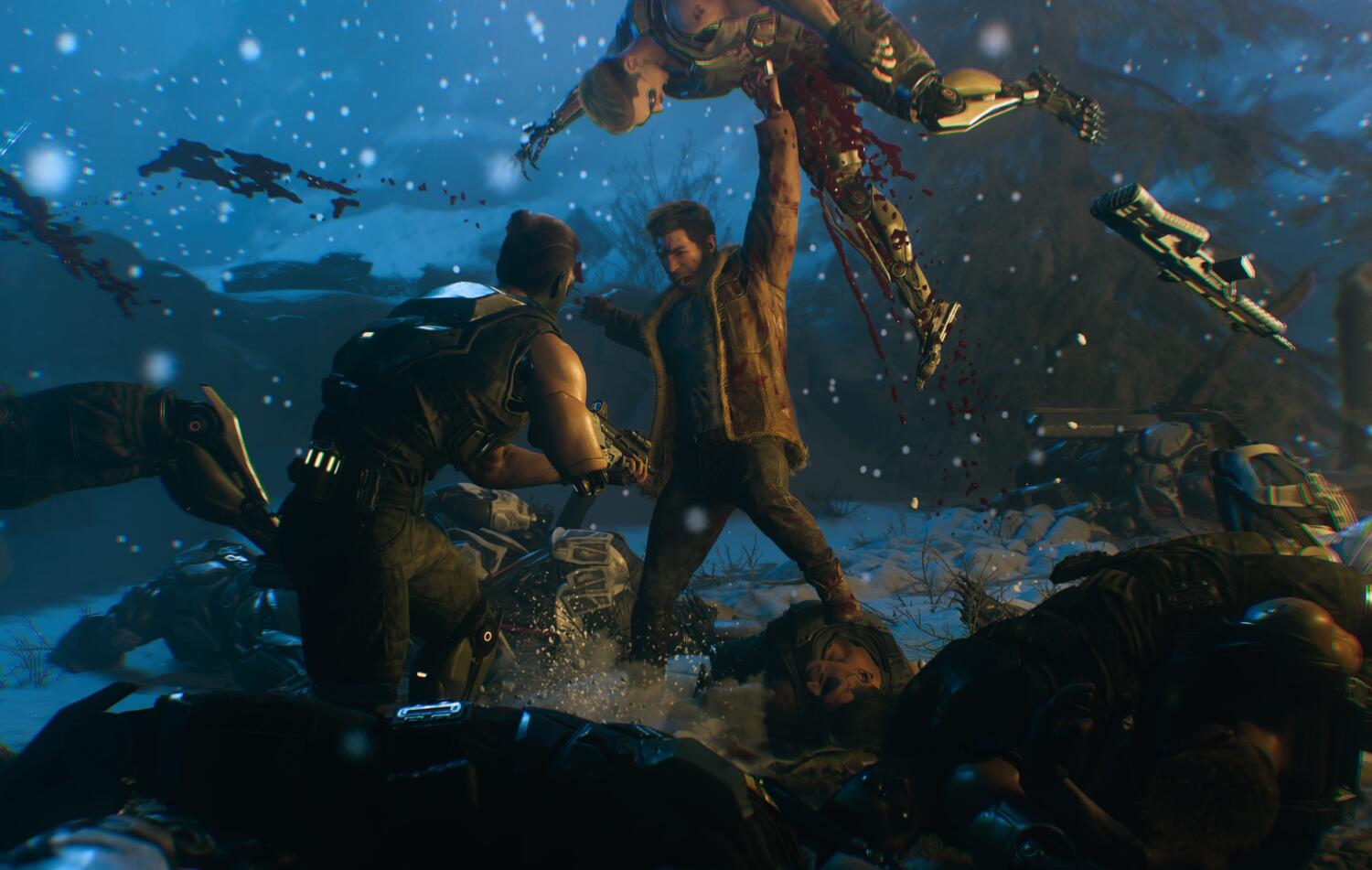
Fortunately, Insomniac hasn’t shied away from this fact, as this marks the studio’s first R-rated superhero game, packed with all the gratuitous violence and gore fans would expect from Canucklehead’s first modern solo adventure. It isn’t just the presence of blood that makes it different from the Marvel’s Spider-Man franchise either, as, unlike its more open-ended world design, Marvel’s Wolverine is a noticeably more structured gameplay experience, a linear style that mirrors those seen in the previous console generation of gaming, and that’s not necessarily a bad thing.
Wolverine, aka Logan, might need no introduction, but Insomniac has nonetheless decided to introduce a new, younger take on the hero. Affected by a mysterious traumatic event from his past, the Logan we are introduced to in the game is a broken and feral man, having spent years in the wilderness and on the verge of losing his humanity, until a man named Nathaniel Essex extends a helping hand with a promise – to build a world where mutants can live freely.
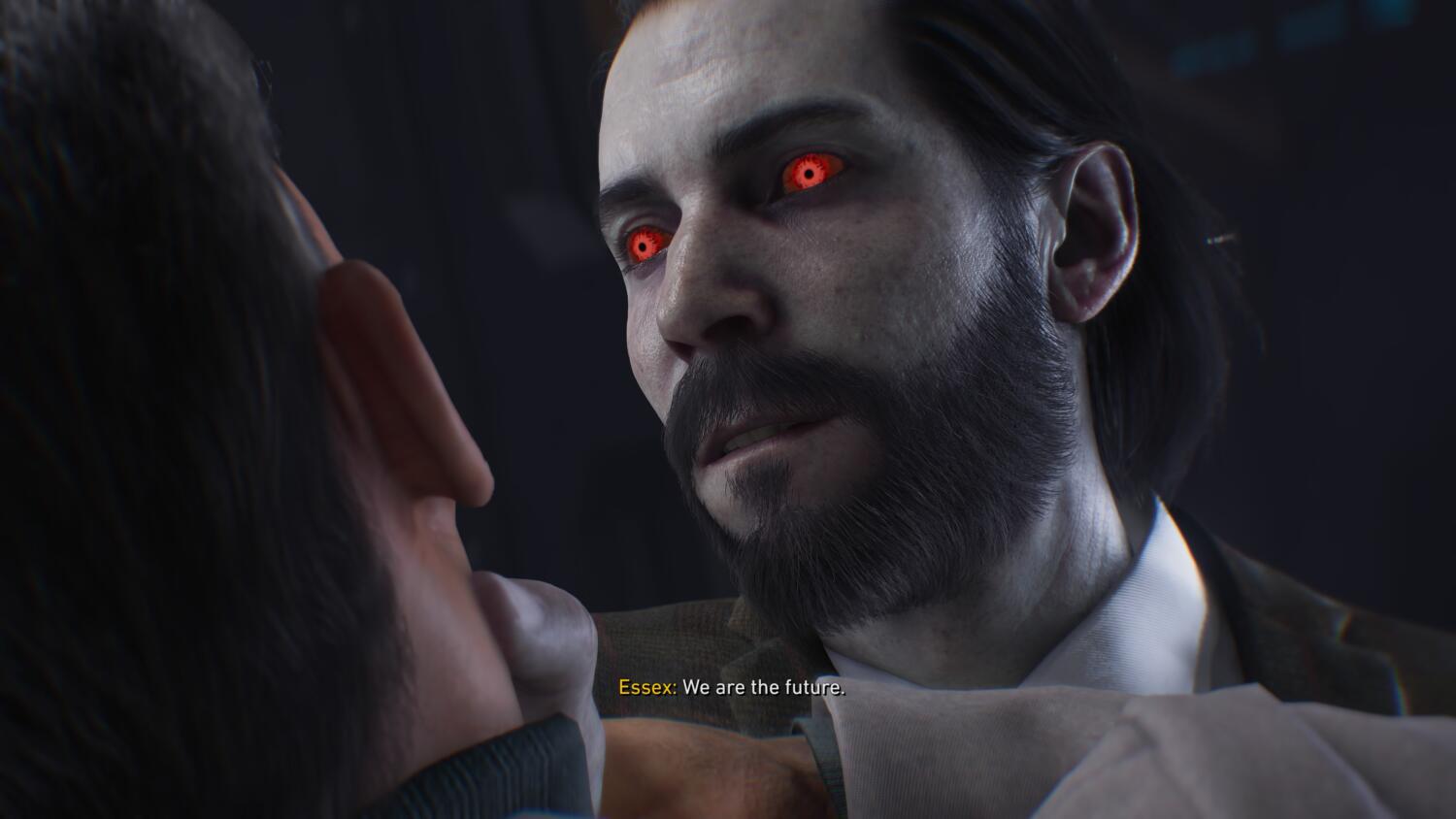
Much like the comics, some humans in the world of Marvel’s Wolverine possess the X-Gene, a strand of DNA that, when activated – either via ageing or emotional and physical stress – grants them superhuman abilities. Of course, since humanity is often averse to those who are different, humans who develop such abilities, dubbed mutants, are shunned and even hunted down, most notably by Bolivar Trask, the founder of Trask Industries, who has a deep-seated fear of mutants eventually replacing humankind.
With his army of Trask security forces and cybernetically enhanced mercenaries known as the Reavers, Bolivar sets out to hunt, capture, and kill all mutants, and this is where Nathaniel comes in, as he forms a team of his own, dubbed Team X, to fight back against Trask and secure the freedom of mutantkind. Comprising Logan, his long-time rival Sabretooth, and Mystique, Team X sets forth on missions around the world to deter Trask’s mutant-hunting efforts, all while Nathaniel searches for a mysterious object that could shape the fate of mutants forever.
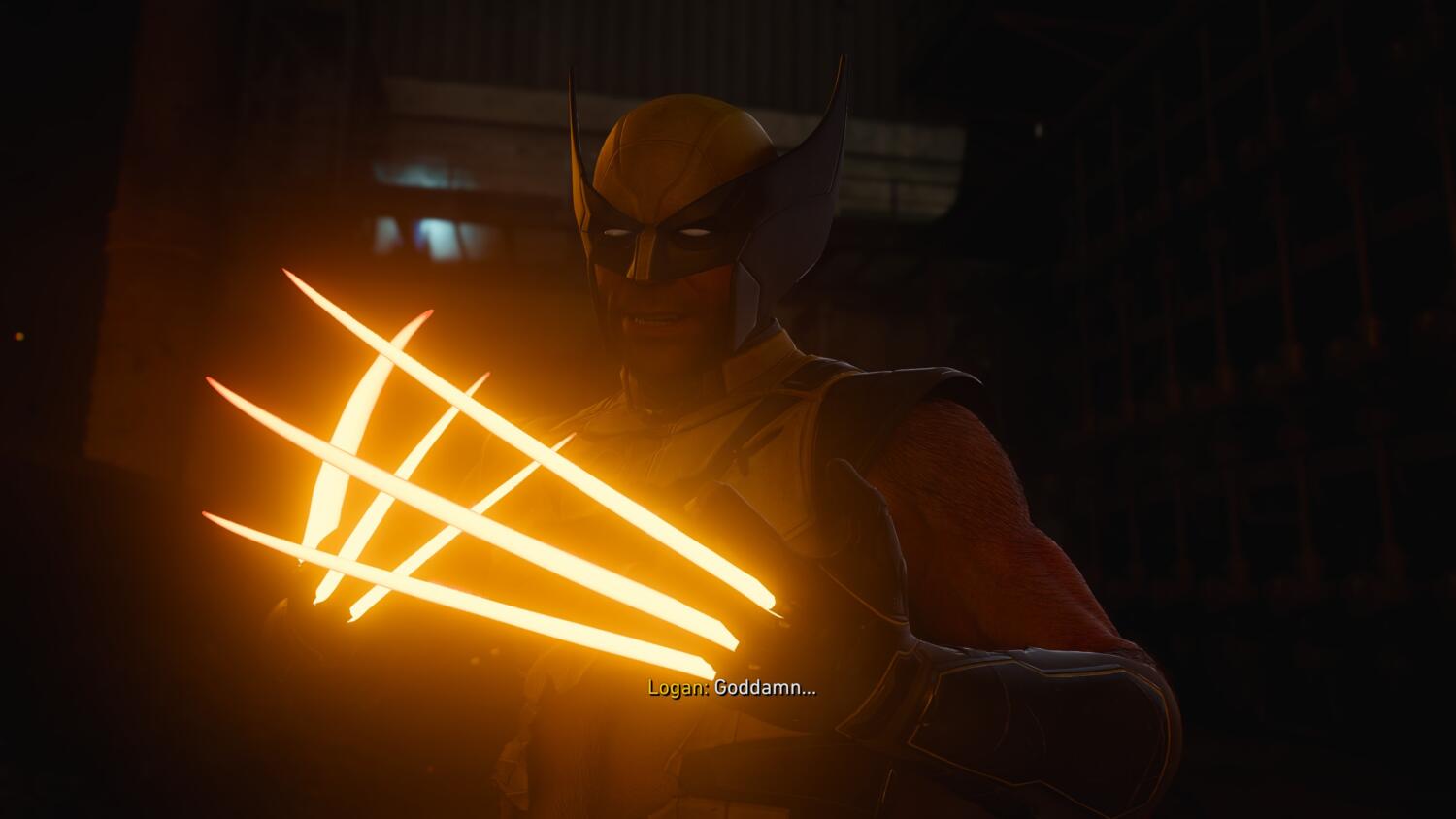
As far as original narratives go, the one introduced in Marvel’s Wolverine is serviceable, but nothing special, and while it does try to shake things up with twists along the way, these are far too predictable. Even players with no knowledge of its characters or the wider Marvel universe can easily see the sinister turn of events lying in wait for Team X, especially since certain characters’ ulterior motives are hinted at from their very first scene, thanks to how they are portrayed.
If anything, the game’s story offers no shortage of fan service for Marvel fans, as players will meet or see references to a variety of characters, from familiar faces like Jean Grey and Lady Deathstrike to deep cuts like Eye-Boy. Logan himself is vocally and physically portrayed, via motion capture, by Liam McIntyre, who gamers might recognise as Marcus Fenix’s son, JD, in the Gears of War franchise, and while the actor does a stellar job in portraying the character, especially in the shadow of the legendary Hugh Jackman, Logan’s signature gruffness sometimes slips, and he ends up just sounding like JD, which can be quite jarring.
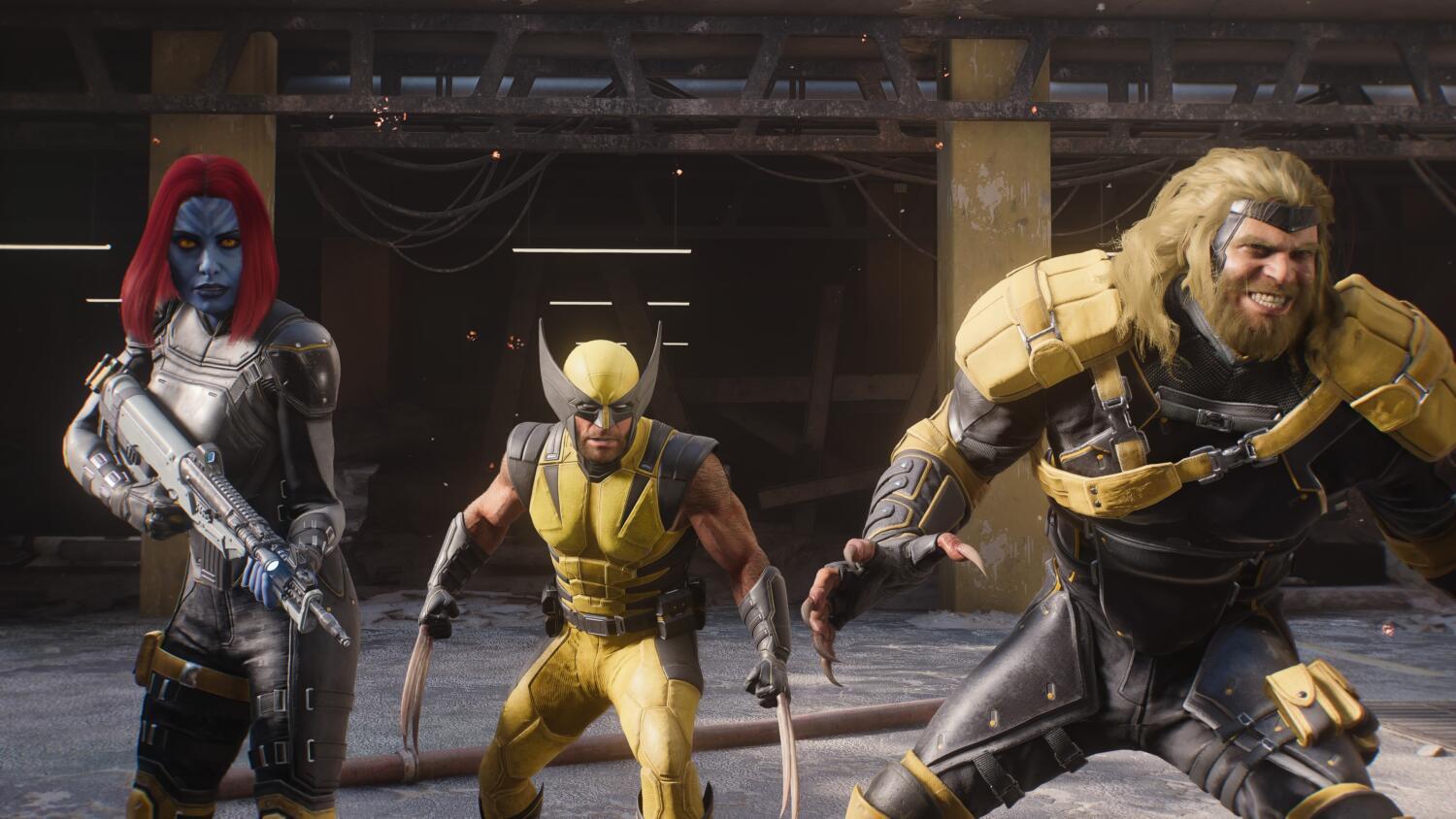
Due to the nature of Logan’s abilities, Marvel’s Wolverine unsurprisingly plays out like a hack-and-slash game. Apart from his basic strikes, Logan can also pounce on enemies from afar or activate a series of special abilities that operate on a cooldown, with players able to equip up to four at once, with moves like a spinning whirlwind strike or one where he rushes forward and spins like a drill.
Additionally, he can perform a powerful kick that not only knocks enemies back but also off cliffs or into walls, with the latter stunning and opening them up for a barrage attack that often kills them outright. Enemies often attack in groups, and Logan’s defensive options include parrying incoming blows with the L1 button, or dodging out of the way of attacks signalled by a red indicator, which usually comes in the form of shots from range.

Every action performed in combat also fills up his rage meter, which increases up to three tiers. While the first tier offers no benefits, Tier 2 empowers his combo finishers and, most importantly, unlocks the ability to rise back up after being defeated. Wolverine might be near-invincible in the comics thanks to his healing factor, but that wouldn’t make a very fun video game, so here he can still be defeated if a player isn’t careful, encouraging players to stay aggressive and keep attacking so that they can fill up their rage meter and keep in the fight.
The final tier of rage fully unleashes the beast and, once achieved, allows Logan to go into a state of frenzy, dealing increased damage to his foes as the screen turns red and grey. In this state, he is also able to execute low-health enemies outright and is able to chain executions for a satisfyingly gory finish. The downside here is that whenever players aren’t engaging foes, the rage meter will drain at a rate that increases with every tier, which once again encourages an aggressive playstyle.
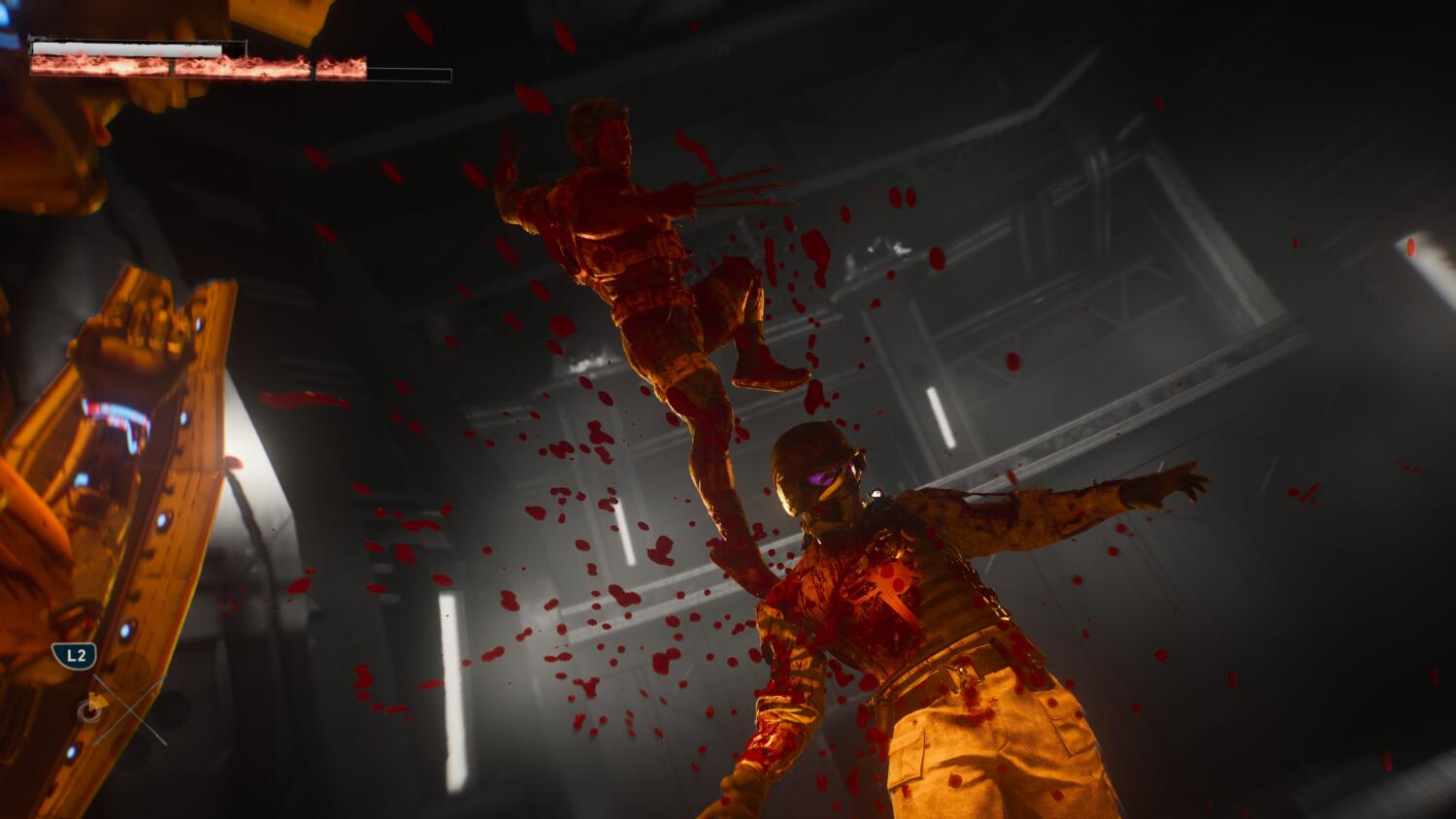
While combat is initially extremely satisfying, thanks to all the blood and gore, things unfortunately begin to grow stale after the initial novelty wears off. Although the game features a progression system where players level up and can unlock new moves or special abilities to shake things up, they will still end up performing the same few moves in every combat encounter, such as the rage-building barrage attack.
Fortunately, here’s where the game’s aforementioned linear structure really works in its favour, as players will always be progressing on a specific path from one epic setpiece to another, although this doesn’t completely nullify the fact that basic combat starts to become a drag, especially towards the tail end of its roughly 15-hour campaign.

The game isn’t just about progressing from one combat encounter to the next, as players will also take part in light exploration as they progress through missions. Marvel’s Wolverine features three types of collectables and side activities – chests, which give materials to craft new outfits, whiskey bottles, which award AP points (a progression system used to unlock equipable perks) and game lore, and Nightmare Doors, which are optional challenge missions that test a player’s skills in combat or traversal, and award AP points alongside text logs that unlock pieces of Logan’s forgotten past.
The best way to liken Marvel’s Wolverine, then, would be to that of the earlier Call of Duty campaigns. While moment-to-moment gameplay starts to get repetitive over time, the game’s exhilarating cutscenes and numerous set-piece moments help to tie everything together for an experience that remains thrilling until the credits roll.
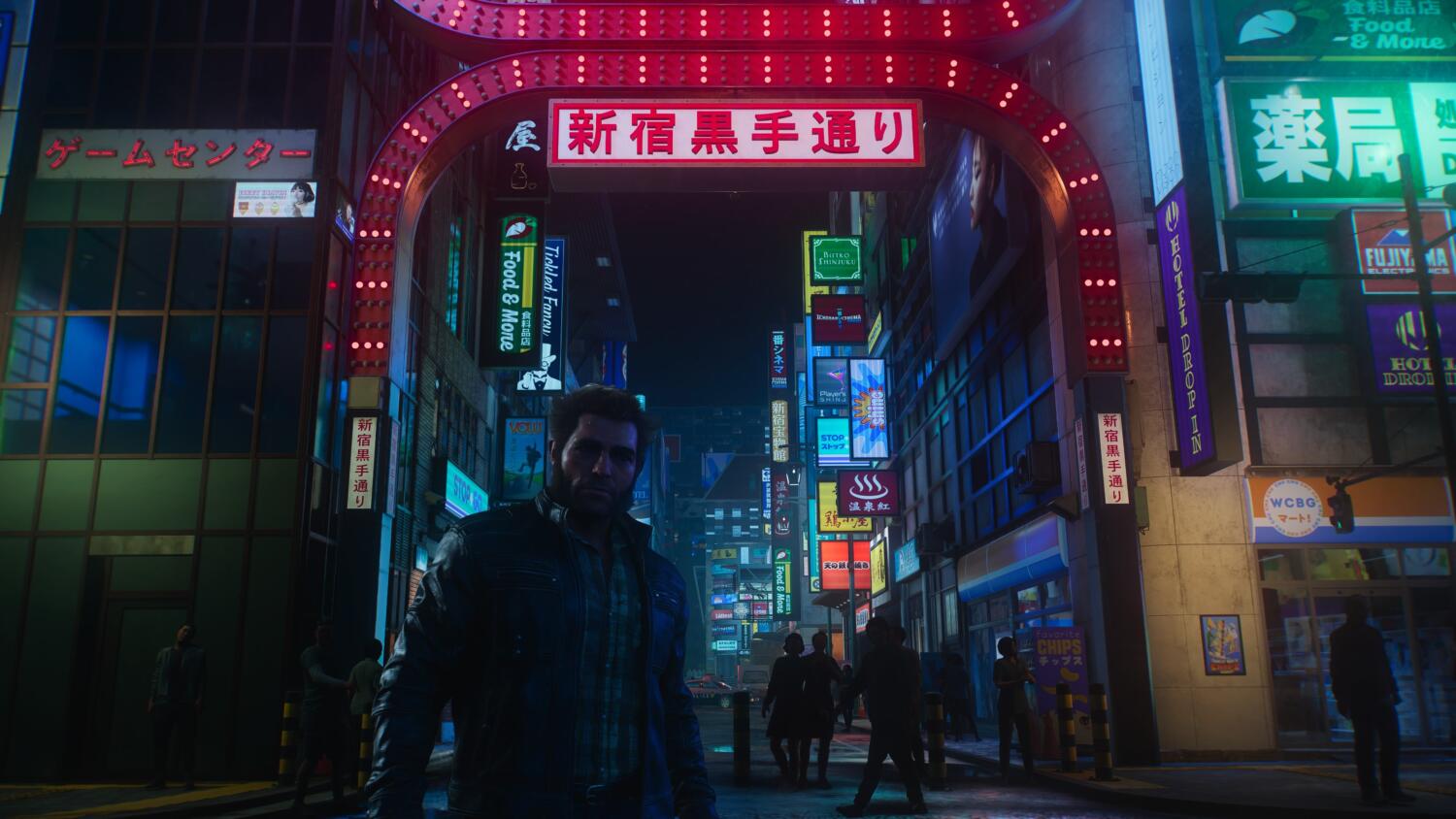
Adding to the thrill is the sheer variety of locales Logan and his team will explore while on their journey, from the neon-heavy streets of Kabukicho, Japan, to the diverse environments of Madripor, a fictional country inspired by Southeast Asia that features an upscale Hightown district filled with high-rises juxtaposed with the grittier slums of Lowtown. The game isn’t just gorgeous, it runs flawlessly too, maintaining 60fps on the PlayStation 5 Pro without noticeable dips, with its performance mode even including ray tracing by default, which is a massive achievement for Insomniac.
Of course, you can’t speak about Marvel’s Wolverine without addressing the elephant in the room. Yes, Logan’s suit will automatically heal along with him after taking damage, which occurs at the start of cutscenes or after rising up from a downed state. While players might mock the studio for going in this direction, especially since X-Men Origins: Wolverine featured a more realistic system where Logan’s upper wear could get completely destroyed and would stay that way for the entire mission, the game does explain that his suits are made of an experimental self-healing nanotech (unstable molecules, anyone?), which at least addresses the continuity error.

In an age where video games are becoming more bloated with massive open worlds and mind-numbing amounts of side quests, it’s refreshing to see a studio step back and offer a tighter, more cinematic experience instead. Insomniac has taken a gamble when it comes to Marvel’s Wolverine’s more focused structure, and it has mostly paid off, with a fun but flawed superhero adventure that’s still an absolute joy to play through from start to finish.
GEEK REVIEW SCORE
Summary
Even with its imperfections, Insomniac Games has still carved a new path in the modern superhero gaming genre with Marvel’s Wolverine, serving up a tightly crafted campaign that harks back to a simpler, less bloated time in gaming history.
Overall
8.4/10-
Gameplay - 8.5/10
8.5/10
-
Story - 7.5/10
7.5/10
-
Presentation - 9/10
9/10
-
Value - 8.5/10
8.5/10
-
Geek Satisfaction - 8.5/10
8.5/10

Kevin is a reformed PC Master Race gamer with a penchant for franchise “duds” like Darksiders III and Dead Space 3. He has made it his life-long mission to play every single major game release – lest his wallet dies trying.

 Joey Leong