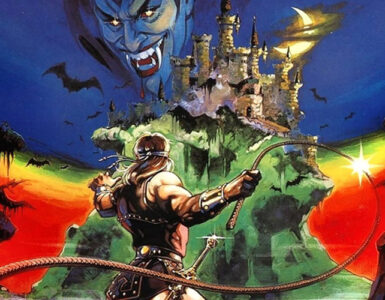
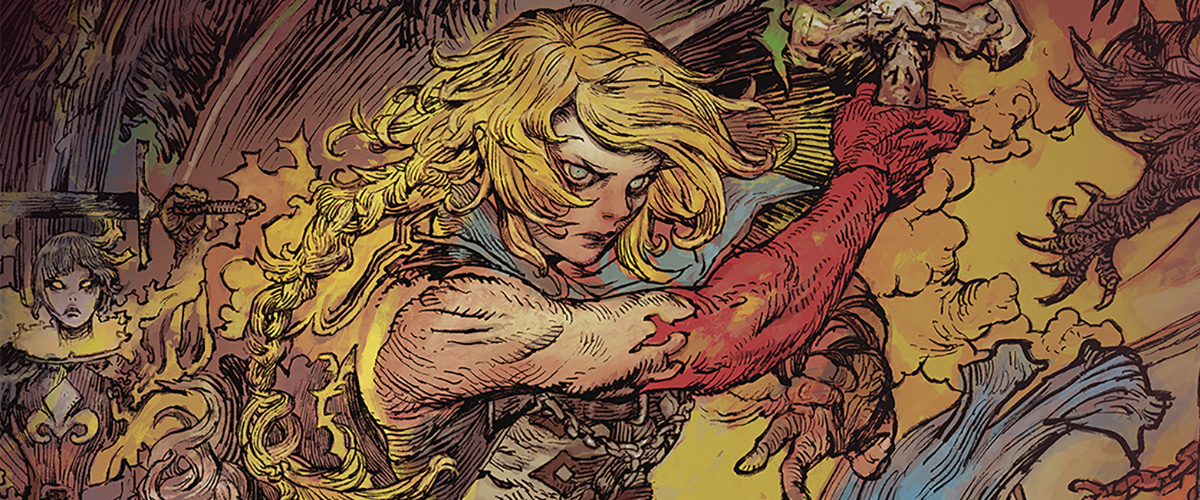
One of the earliest narrative tropes in any medium is the clash between good and evil, and the Castlevania franchise has been blessing gamers for decades with its telling of the venerable House Belmont and the centuries-long fight against the creatures of the night.
The series has cemented its place as a trailblazer in the Metroidvania genre, with Castlevania: Symphony of the Night (1997) cited as one of many staple titles worth hours of deep exploration and delightful combat against ghouls and vampires. After all, half the genre’s moniker comes from the franchise, so the next instalment from Konami, Motion Twin, and Evil Empire naturally drew high expectations, and Castlevania: Belmont’s Curse doesn’t disappoint.
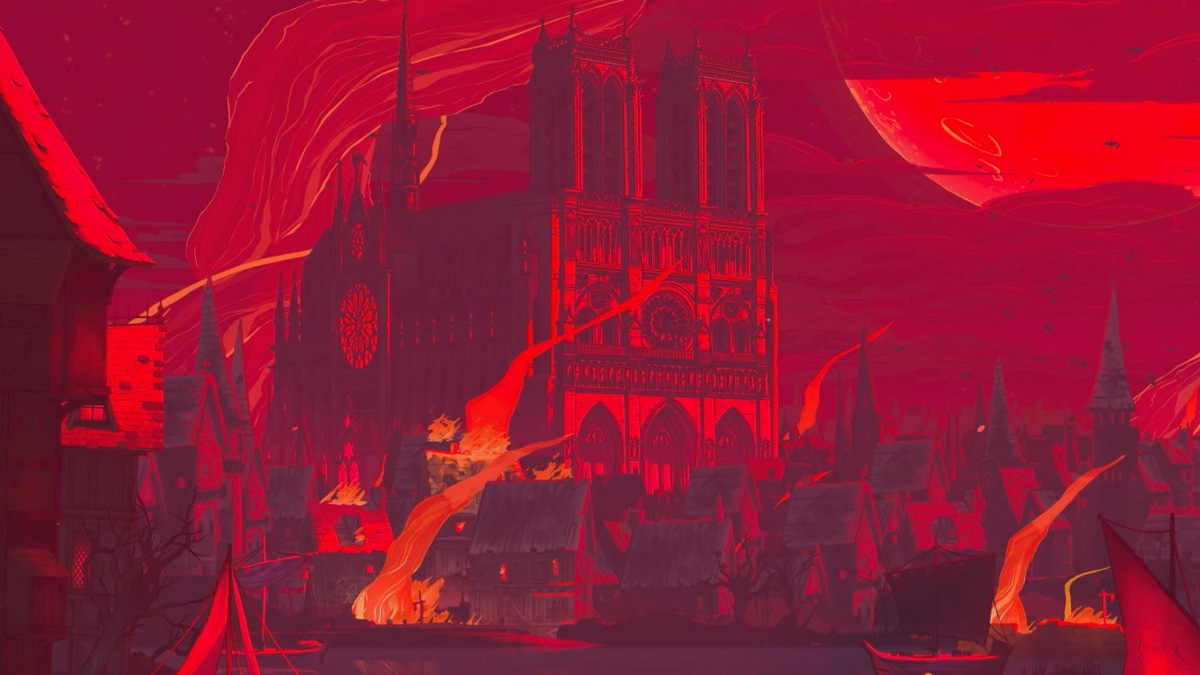
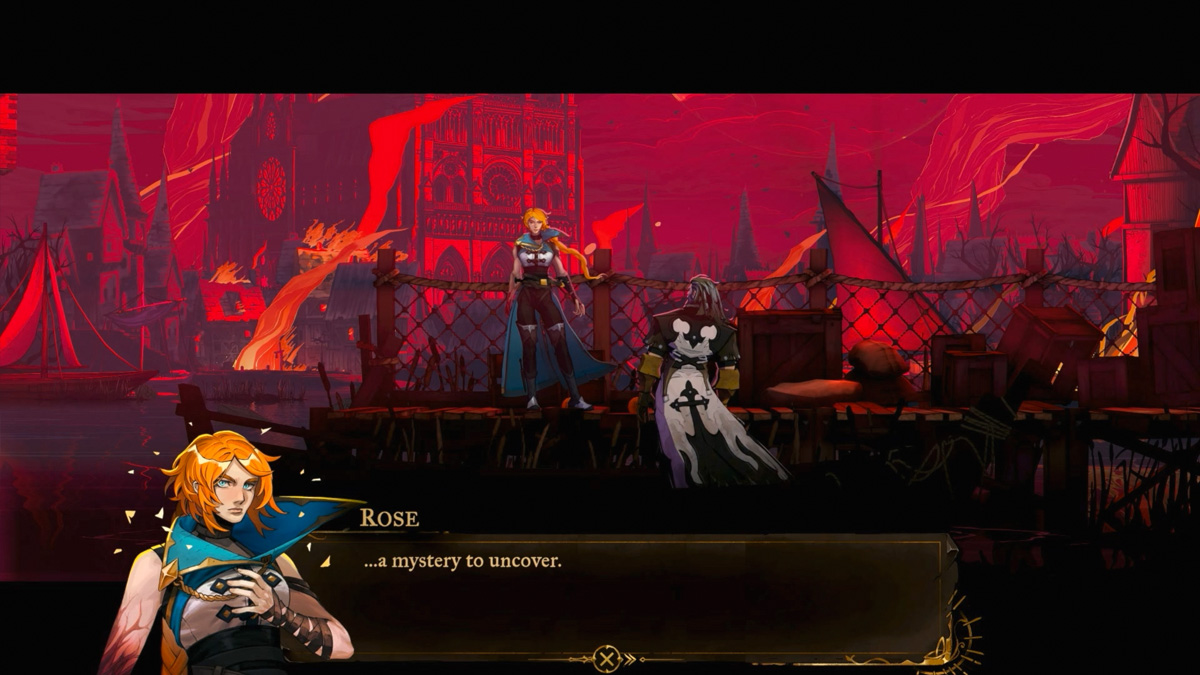
Chronologically, this entry happens nearly 20 years after the conclusion of Castlevania III: Dracula’s Curse (1989). It is 1499 and Paris is in flames, overrun by medieval monstrosities, and the bishop has called on the Belmont clan for aid. Trevor and Rose Belmont answer the call, and while Trevor sets out to find the missing bishop, Rose, the player, traverses the Parisian streets to find the source of the chaos.
The story initially feels more like a mystery than a straightforward quest to stop evil, as in previous titles, and its game design, along with Rose’s encounters with supporting characters, friend and foe alike, scaffolds the plot’s air of mystery elegantly and pushes the player to uncover its secrets.
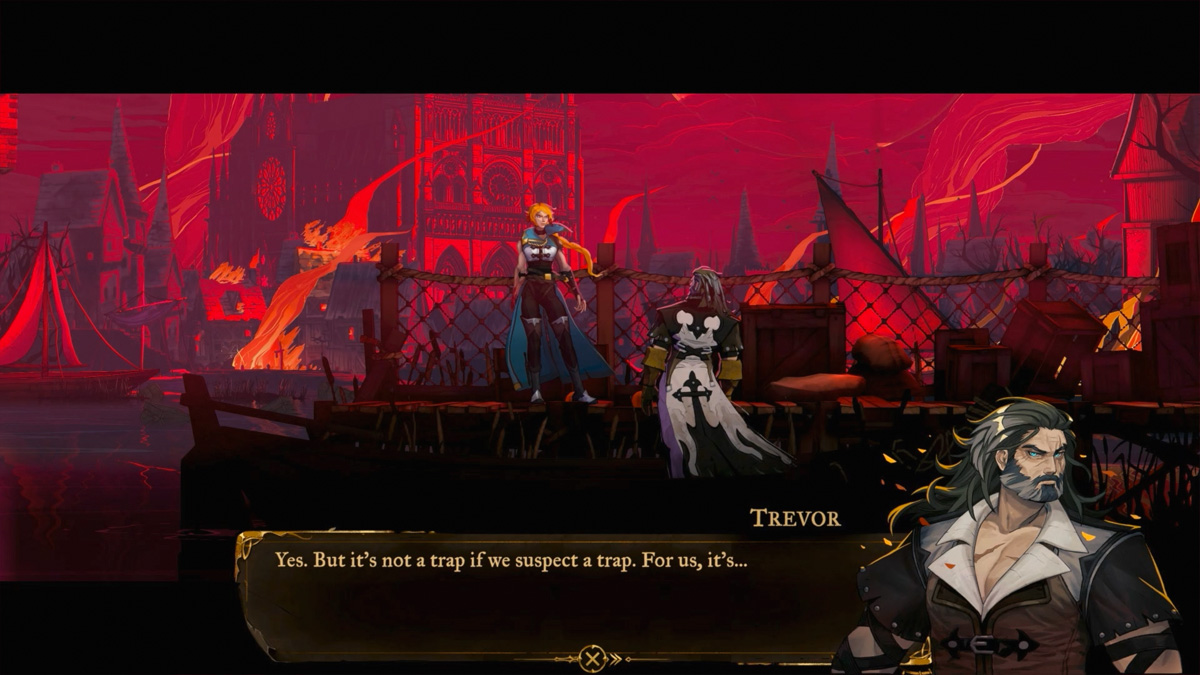
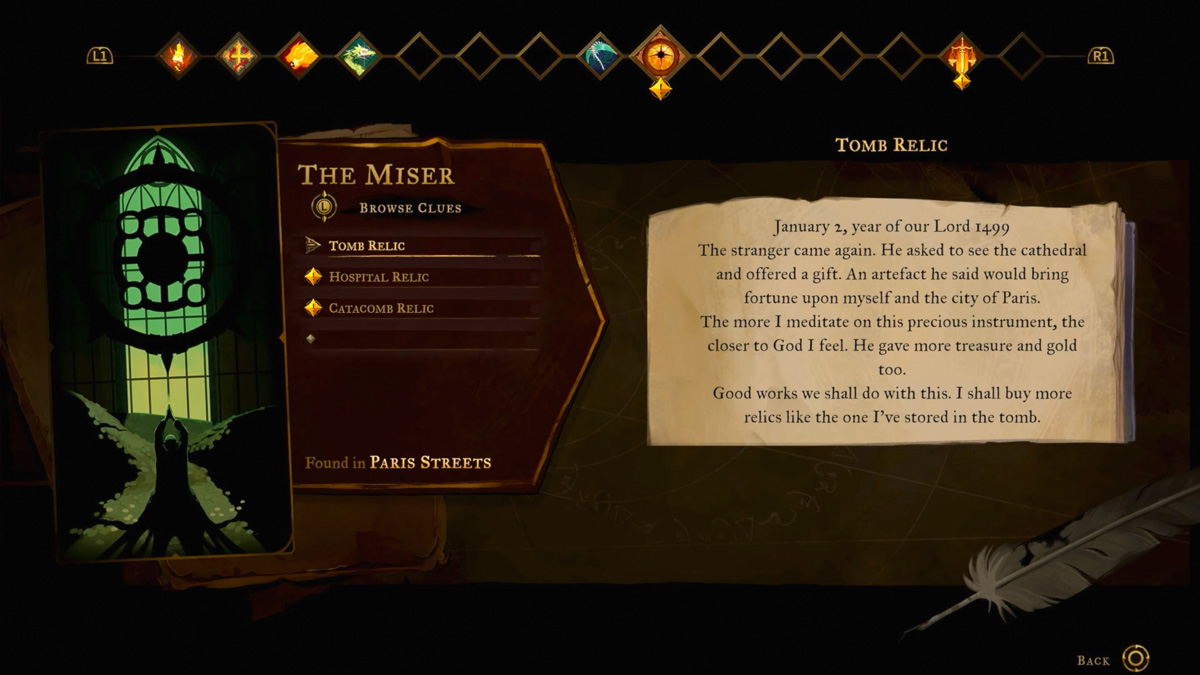
At the start of her quest, Rose receives a deck of Tarot cards, parting gifts from her late mother, Sypha Balnades, along with her father’s advice to keep her curse, marked by a red scar covering her hand, at bay. Both the cards and the scar serve as the story’s MacGuffin: as she gathers notes and information left by Paris’s denizens throughout her journey, the player and Rose learn more about the darkness driving the central plot and the curse’s influence.
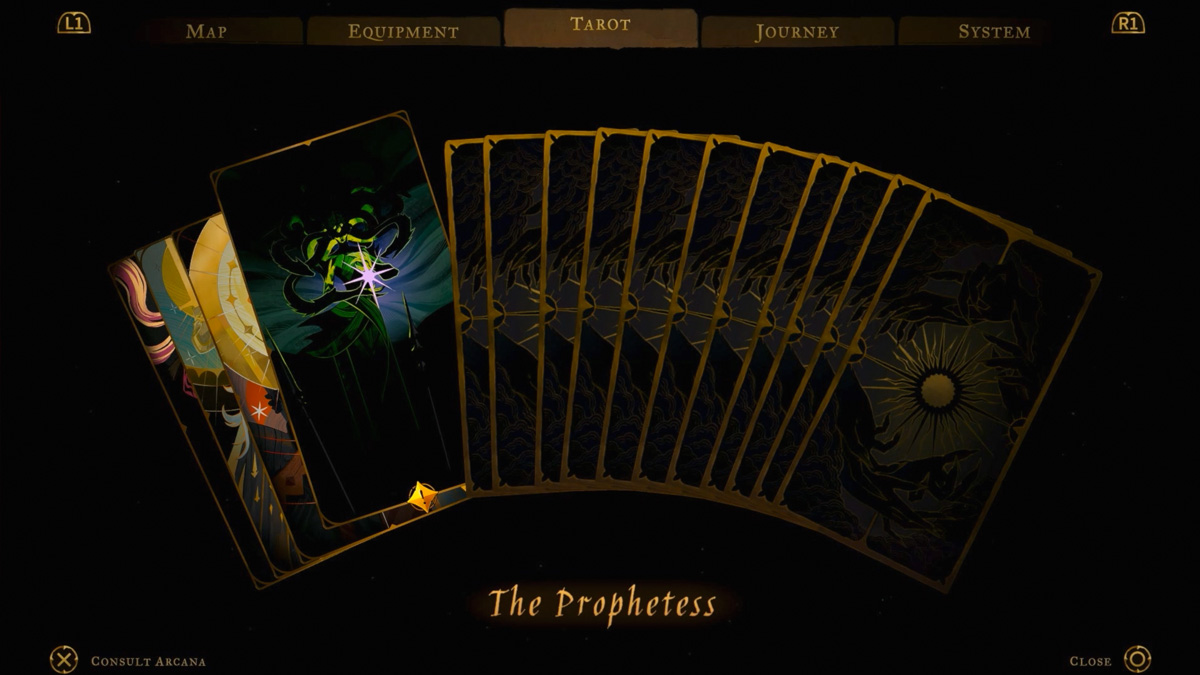
Then again, the story of Castlevania: Belmont’s Curse is predictable from start to finish. It’s a Castlevania game, and it is easy to guess who the main villain will be, and the narrative doesn’t reinvent the good-versus-evil wheel; instead, it leans on the conventional Hero’s Journey, using biblical virtues to overcome demonic adversity.
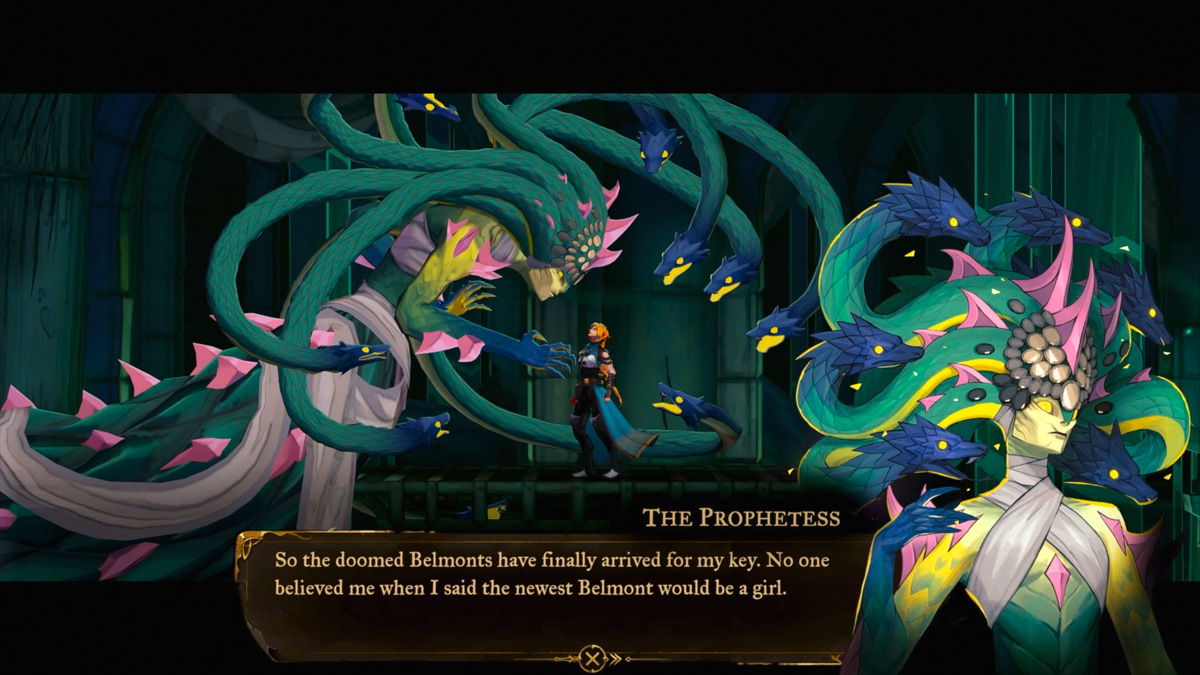
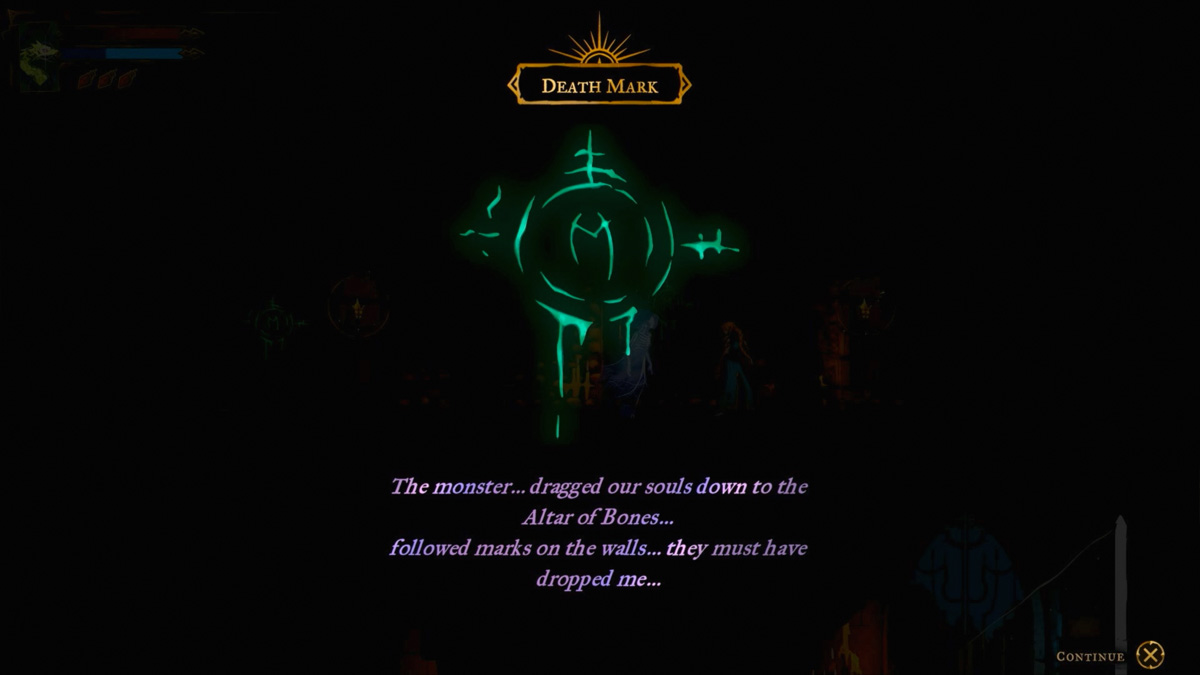
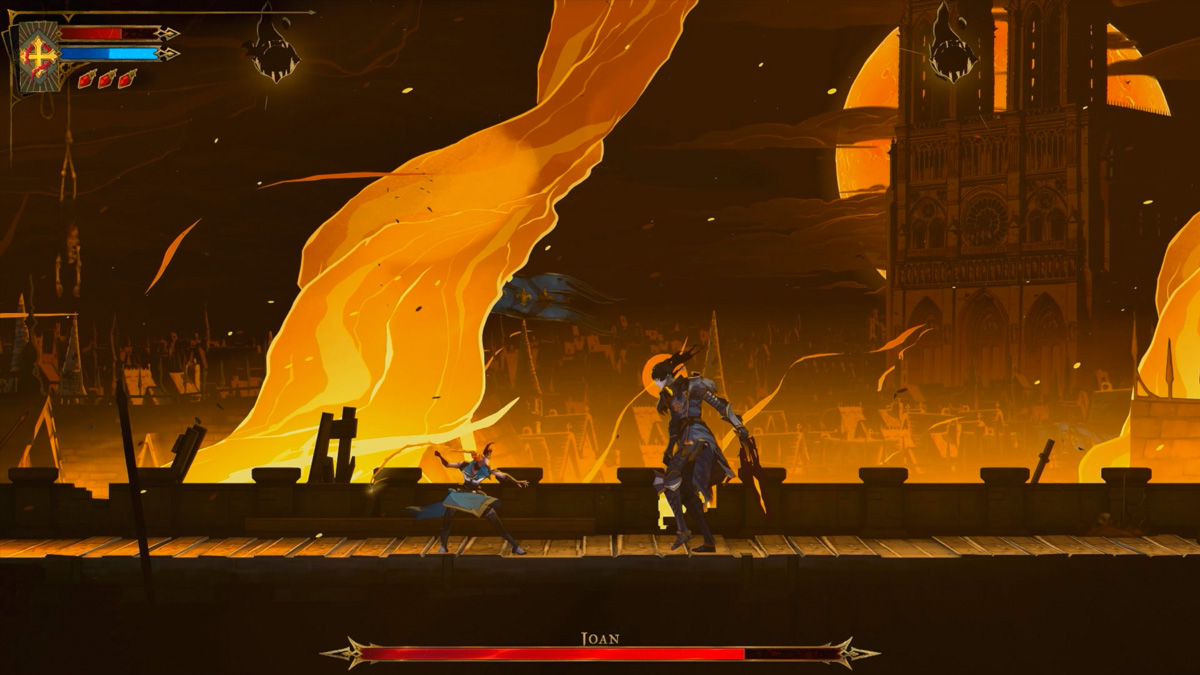
Yet, beyond storing lore marked by various archetypes (characters) in the Tarot, they also give Rose access to different abilities, known as Arcanas, throughout her journey as she helps or defeats them and captures their souls in these cards. She will meet unexpected and interesting representations of historical figures, both real and mythical, from Saint Joan of Arc (The Warrior arcana, which unleashes flames on the ground and launches enemies into the air), coerced back to life to serve a greater evil, to King Arthur, made delusional and transformed into a stained-glass giant (The Brittle King arcana, which surrounds Rose with stained-glass shields that absorb attacks).
The soul of most flagship Castlevania titles rests in 2D exploration, and Castlevania: Belmont’s Curse honours its predecessors. The gameplay loop is simple – explore the map of major areas and kill as many monsters as possible before reaching a final boss, which then grants you new navigation abilities that compel you to revisit once-inaccessible areas.
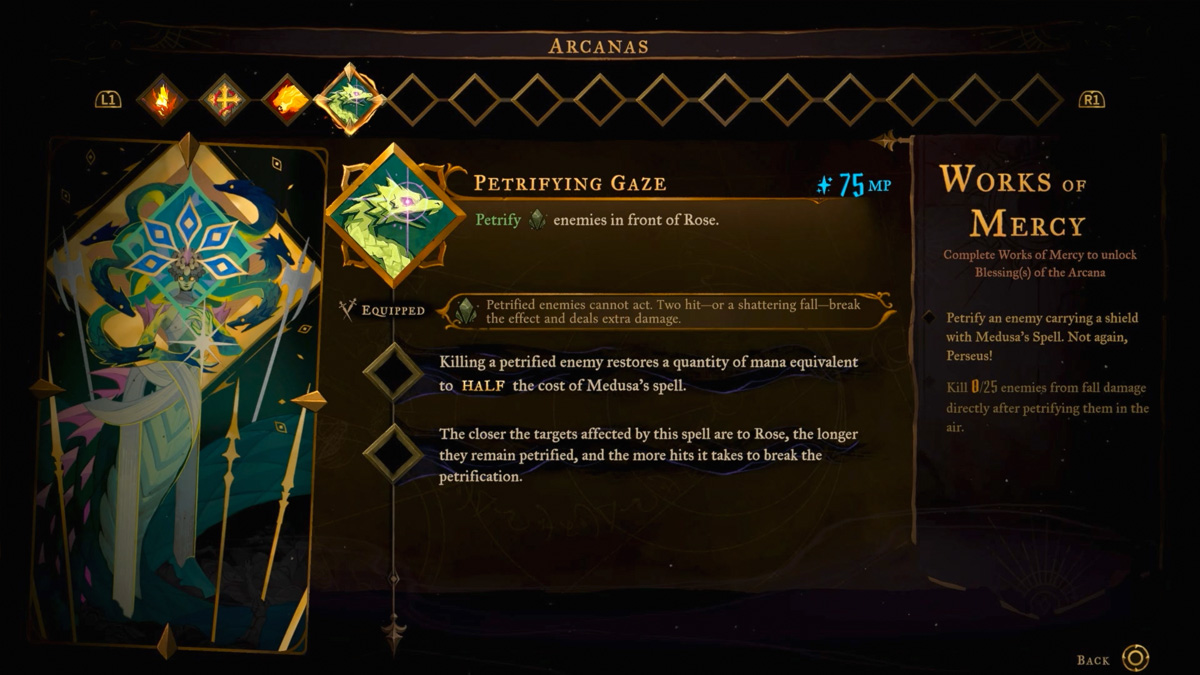
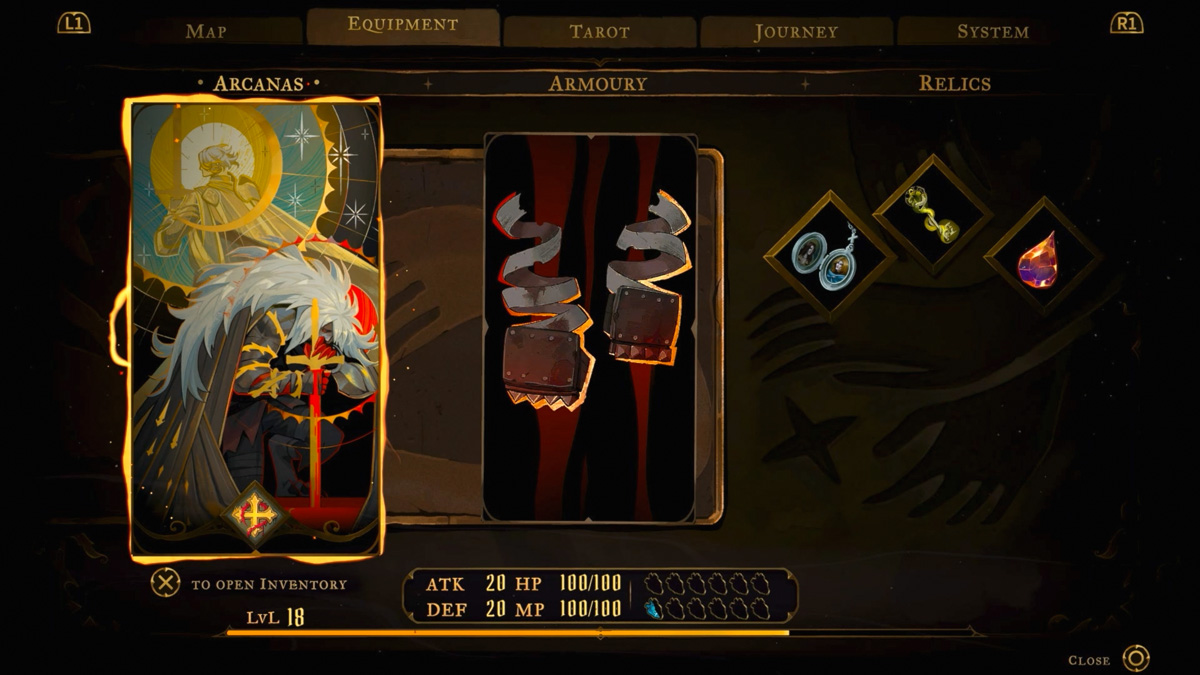
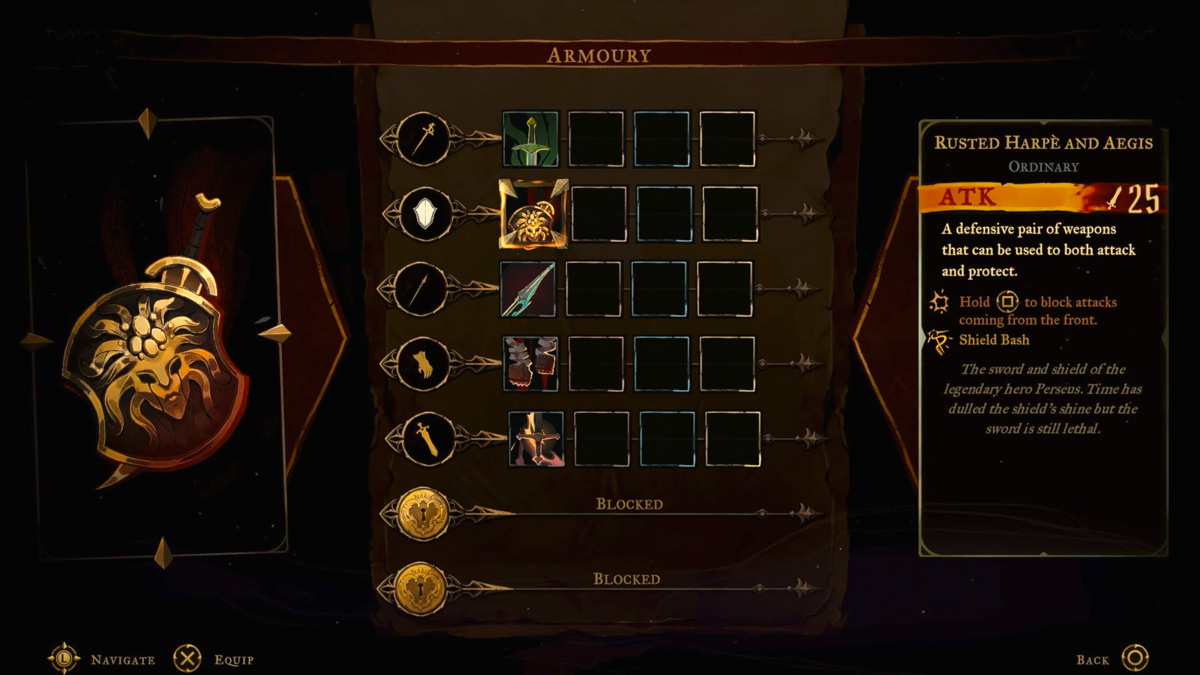
It’s a formula as old as the franchise, but it still works because, beyond the arcanas at the player’s disposal, the game also offers an armoury of seven weapon types that cater to different playstyles, support traversal and reward those who are unafraid to explore these playstyles to uncover the game’s secret areas.
Unlike most sandbox games today, where areas of interest are blatantly marked on the map, or where there is a button to access a pathfinding feature that is, clearly, not diegetic to the world the characters are in, Castlevania: Belmont’s Curse trusts the intuition and intelligence of players to access secrets and solve puzzles. If a part of you screams, ‘There’s a hidden room behind this wall,’ you’re probably right.
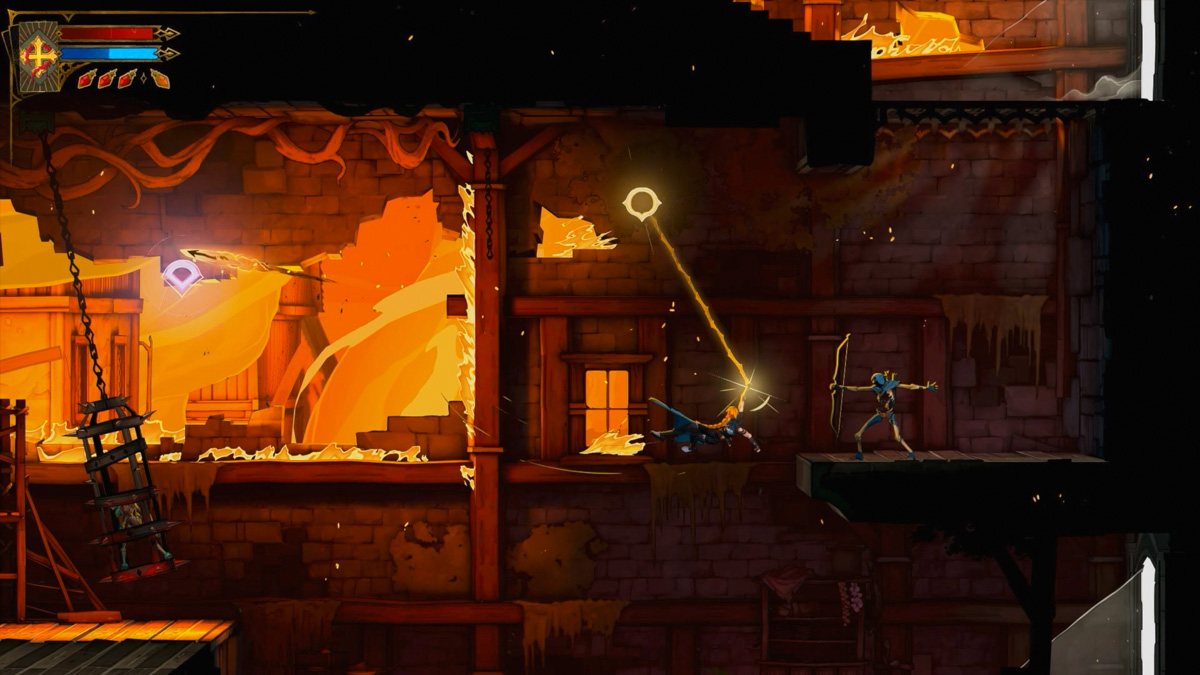
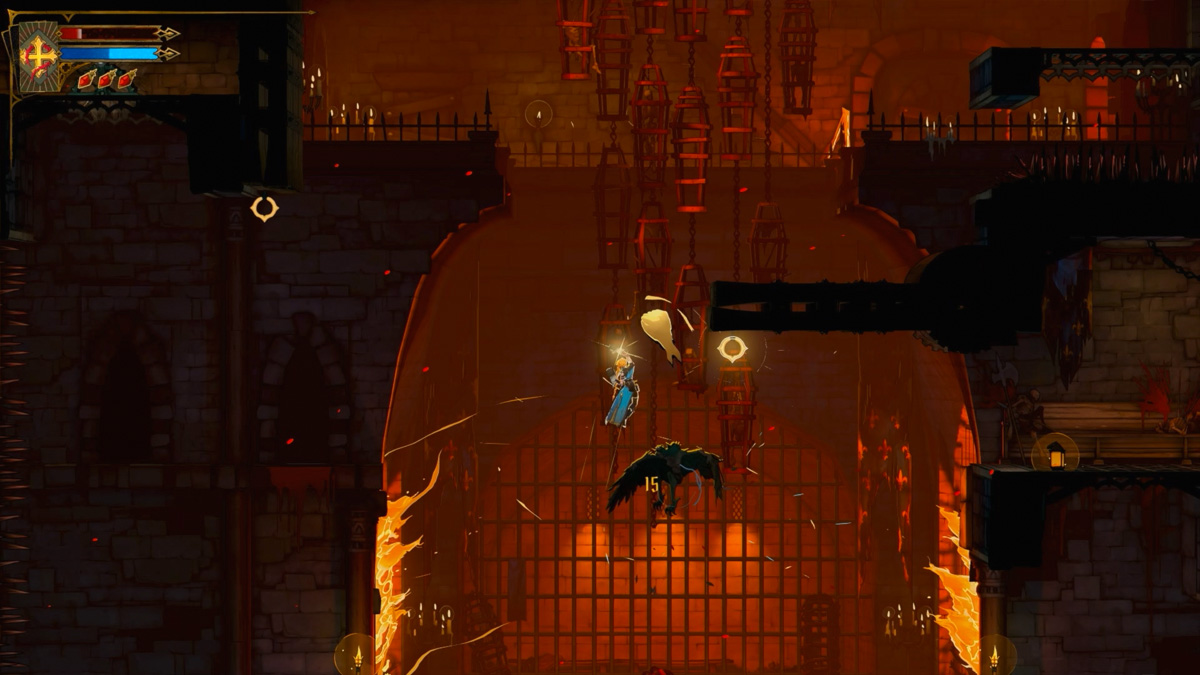
Early in the game, you will find a weapon type known as the Cestus (Fighting gloves) and a whip that lets you grip enemies and grapple toward points. Combining the Whip and Cestus lets you execute an uppercut that gives you more verticality. No grappling hook, therefore, is too high if you time a well-placed uppercut on a flying bat positioned just right.
The game also doesn’t spell out puzzle solutions outright; instead, it masterfully weaves clues disguised as scattered notes that expand the game’s lore, and sometimes in the background or environment. Players must write down these clues, corroborate information, and take screenshots (the smartphone’s camera retains information surprisingly well) to solve the puzzles, unlocking new relics or improved weapons that strengthen Rose and her fight against night creatures.
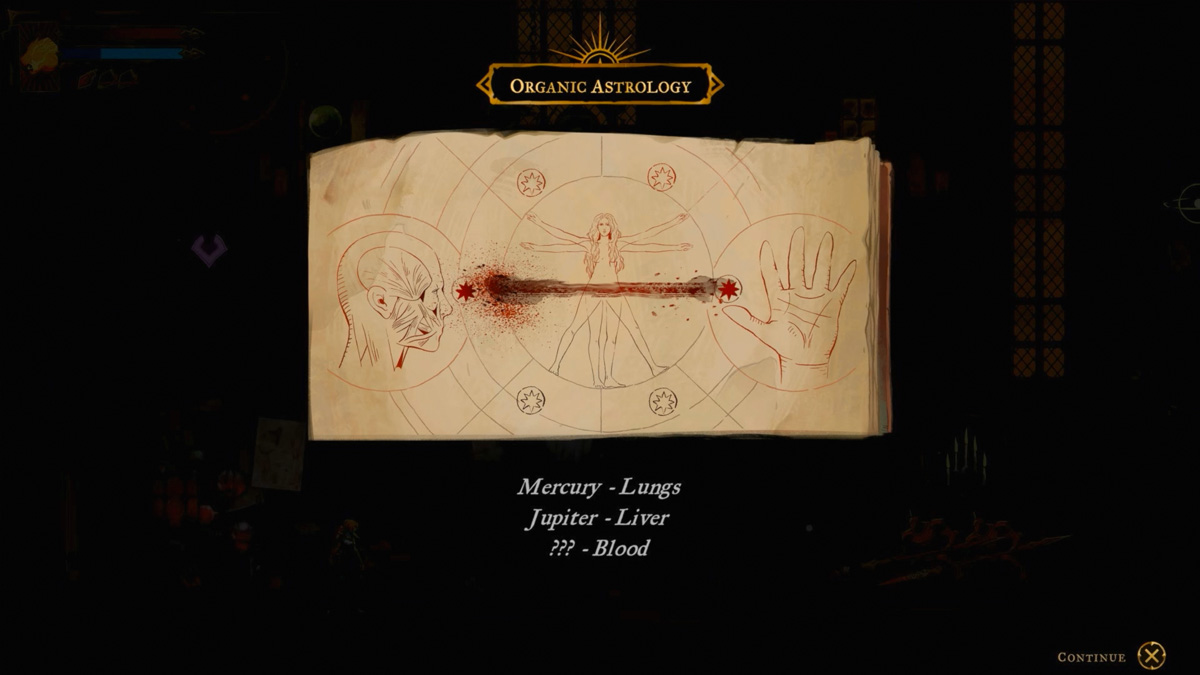
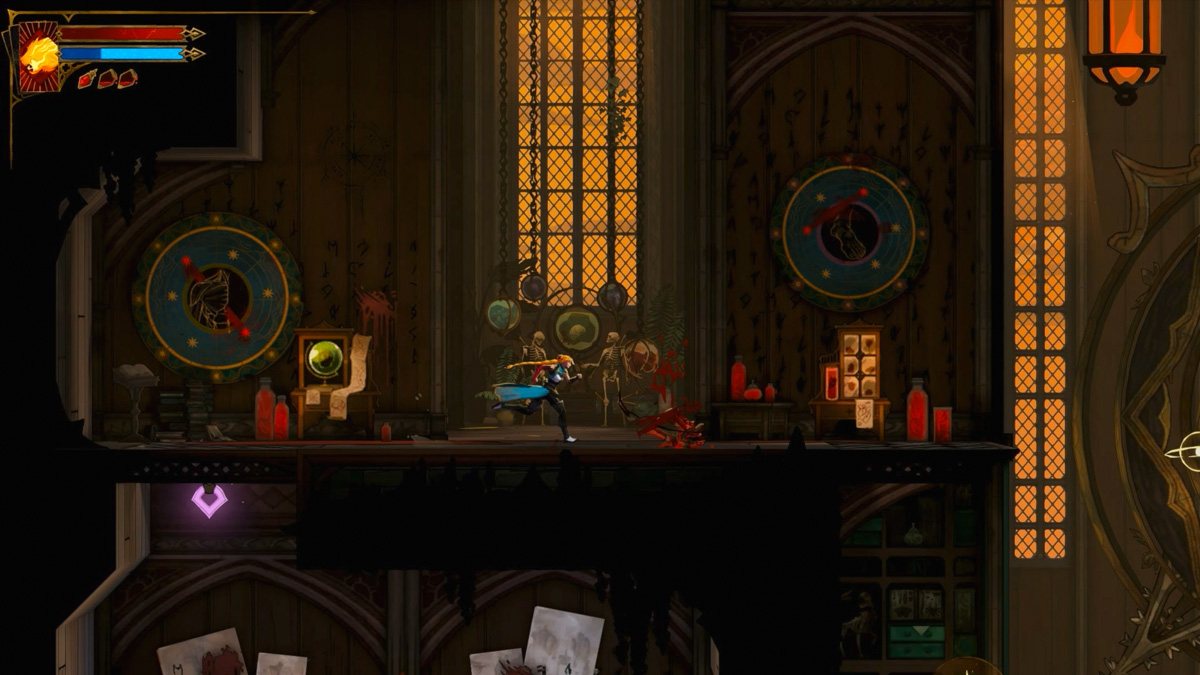
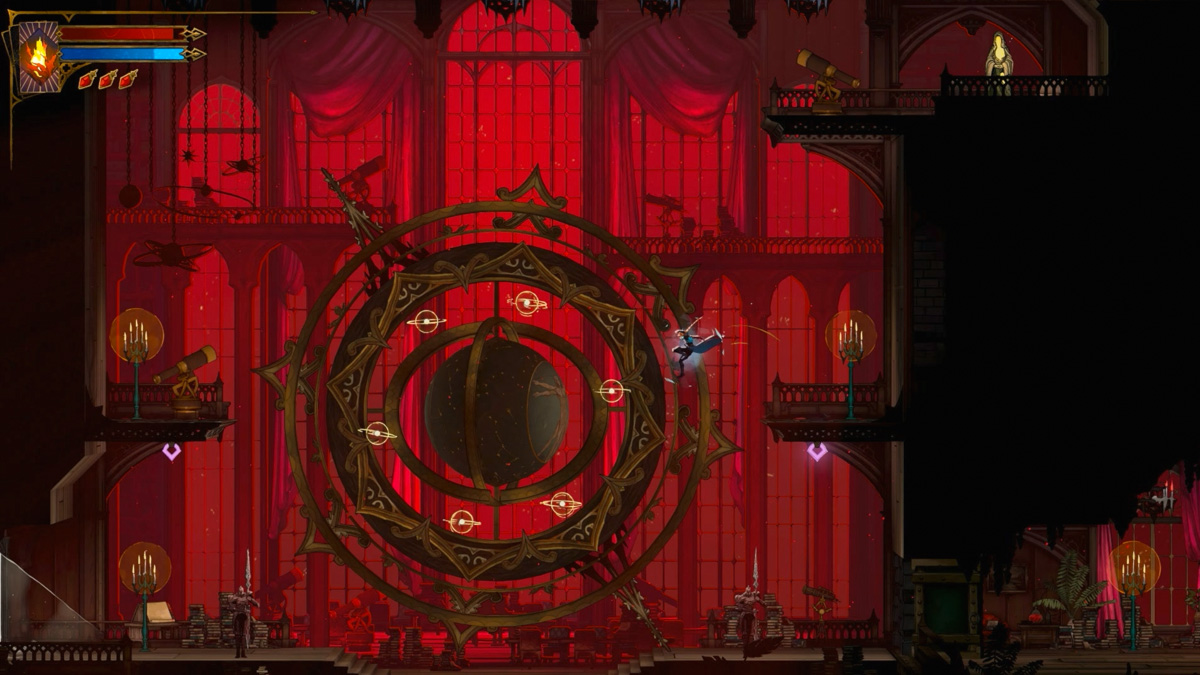
The game rewards players with a keen eye, curiosity, and patience for backtracking; no detour is a worthless endeavour: if a repeated journey to a place you’ve visited before doesn’t offer a different way to play in the form of a newfound weapon or relic, it gives you key information to ponder and reach your own revelations about how a mystery you probably encountered hours before or later can be solved.
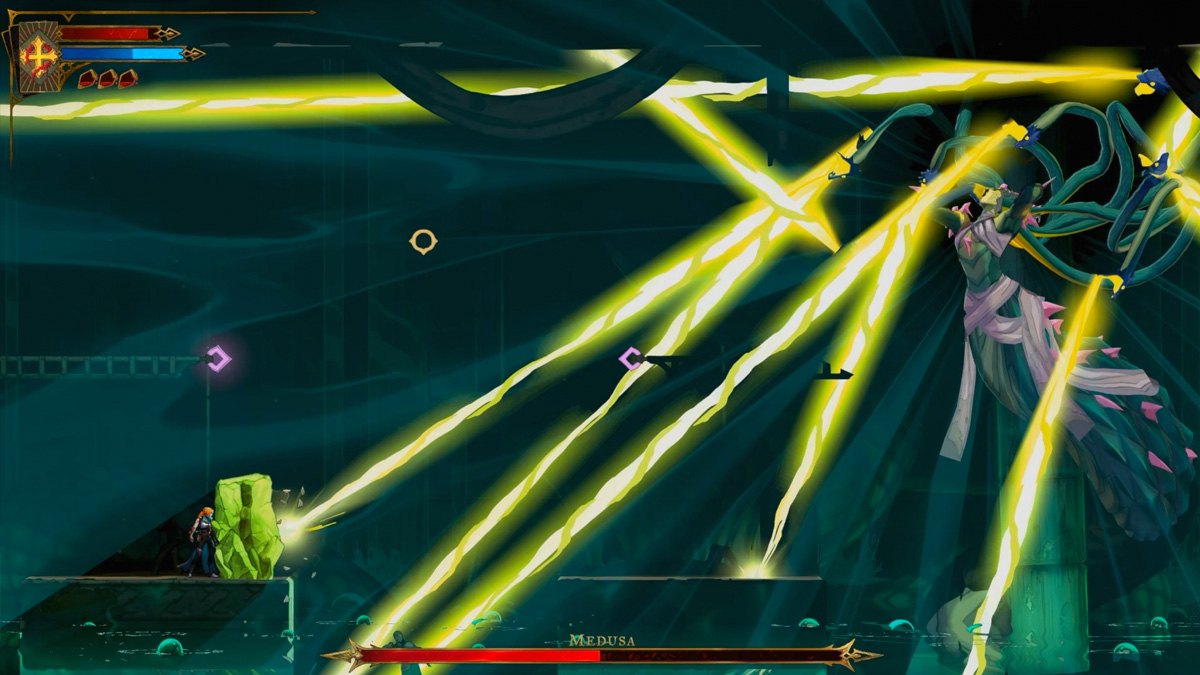
Despite this deep integration of weaponry, arcana, navigation, and innovative platforming, along with compelling side characters, the boss battles leave more to be desired. Fighting the game’s many villains comes down to learning their patterns, knowing when to dish out combos, and knowing where to hide when they unleash screen-wide attacks. You can’t usually brute-force these boss fights, but once you learn their gimmicks, they become incredibly easy; all you need is patience.
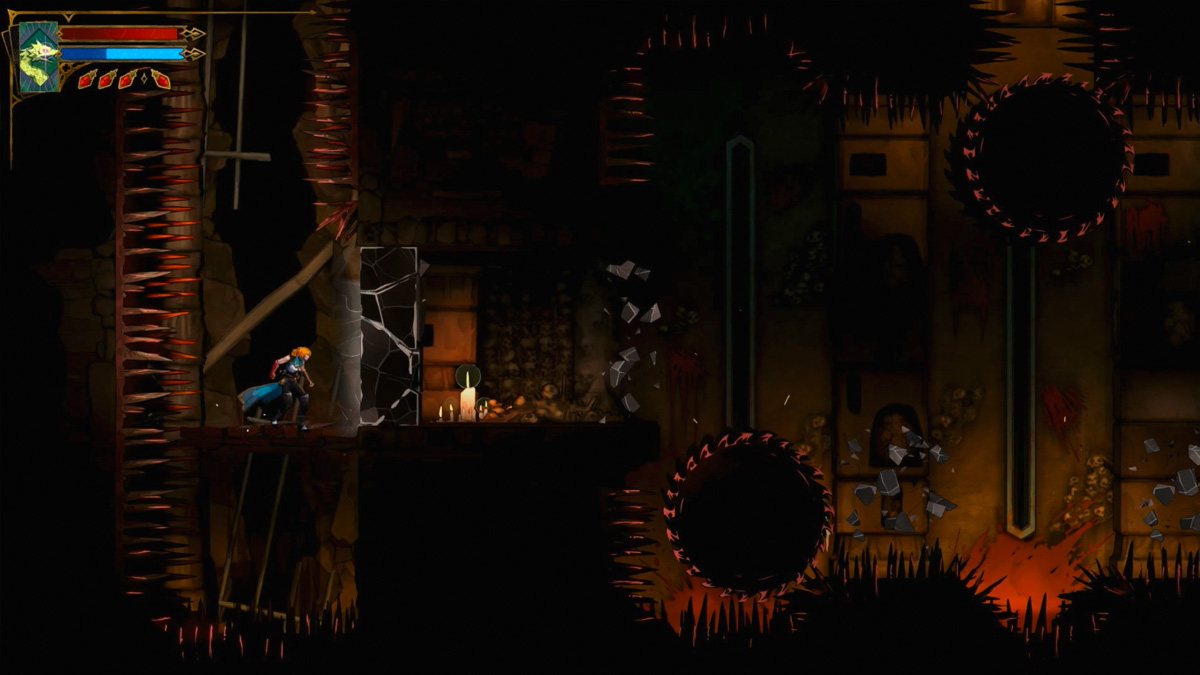
One major area requires players to find different combinations of planetary nodes to jump on in sequence to reach the final boss, but the battle doesn’t use the combinations the player has painstakingly figured out over the past 4 hours. It’s a missed opportunity, and the fights feel like an afterthought rather than an intentional part of the game’s milestone-battle design. Still, it will not hurt if the developers include a boss-rush mode for those who have seen the game’s credits to extend its replayability.

Regardless, playing Castlevania: Belmont’s Curse is an incredibly enjoyable experience. The soundtrack is impeccable, with each area featuring a symphonic mix of dubstep, techno, church choir, and church organ in melodious triads. Each track can easily become an earworm, and you’ll find yourself humming once you put the controller down. Every weapon feels punchy and a delight to use, and you’ll spend hours mowing down all kinds of monsters to level up, improve arcanas, and uncover the game’s secrets. With room to pore over every detail, you will spend about 30 hours to comprehensively finish the game at 100% and roll the credits.
GEEK REVIEW SCORE
Summary
Although the boss battles in Castlevania: Belmont’s Curse may be lacking and the story, predictable, other aspects like its game design, soundtrack, combat, and characterisation outshine its flaws and make them insignificant. The game is a delight to play and doesn’t shy away from letting players take their time unravelling the mysteries of 1944 Paris. It’s safe to say that Konami can boldly bring on the next chapter of House Belmont in future titles.
Overall
9/10
-
Gameplay - 9.5/10
9.5/10
-
Story - 8/10
8/10
-
Presentation - 9/10
9/10
-
Value - 9/10
9/10
-
Geek Satisfaction - 9.5/10
9.5/10

Crack open a cold one with Joey, because the moment you approach him, he will start talking about film and video games for days. He spends his waking moments during the weekends meditating on how the latest movie he’s watched or game he’s played has impacted his worldview.

 Kevin Low