
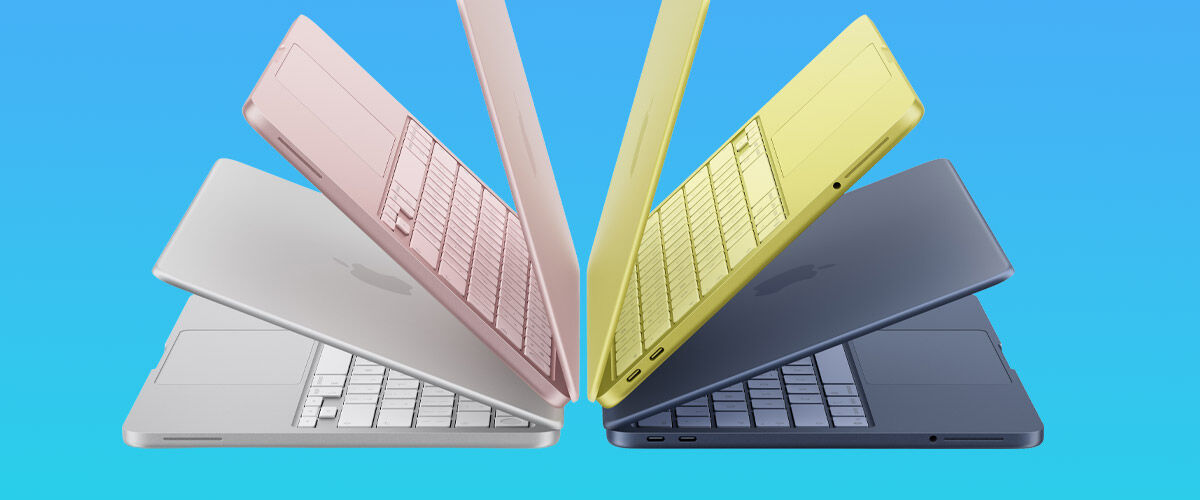
Apple’s long-rumoured entry-level laptops have finally made their debut as the MacBook Neo, in four bright colours – blush, indigo, silver, and citrus – wrapped in the tech giant’s signature aluminium enclosure, and powered by Apple Silicon.
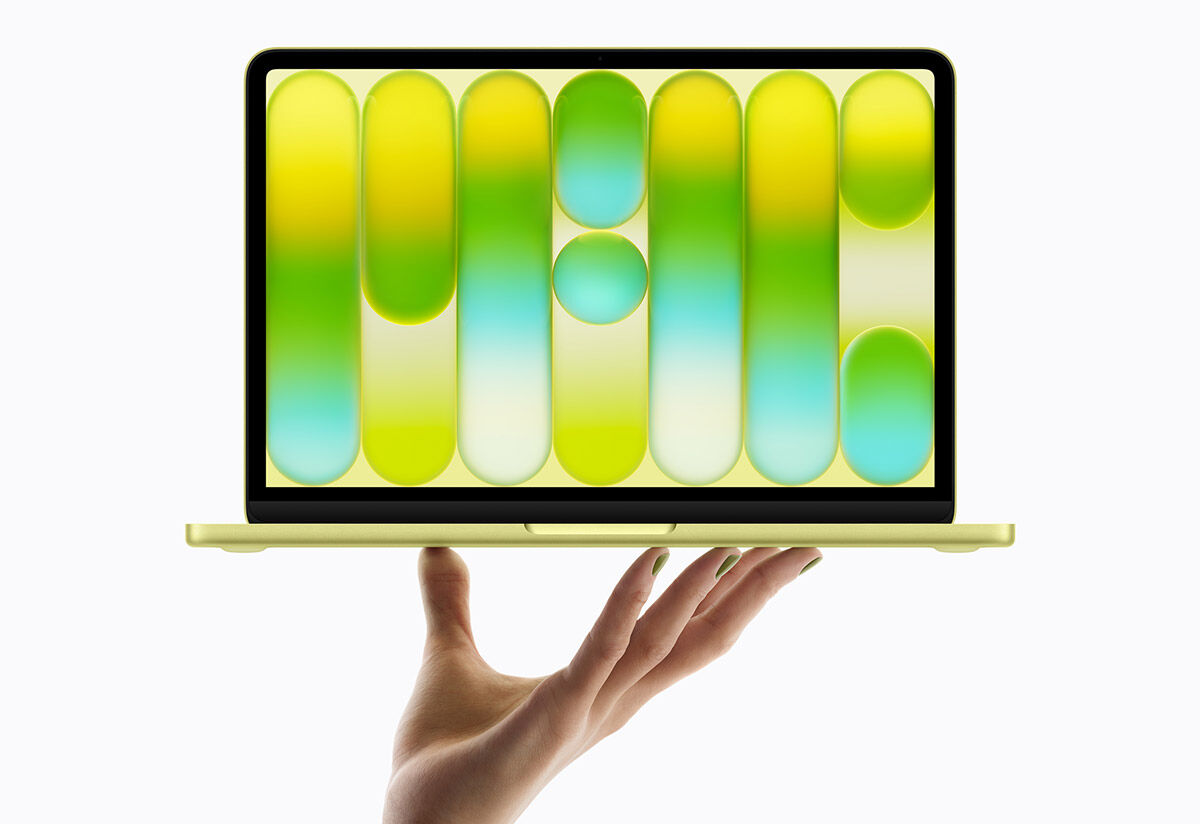
But it’s not using the standard M series chips used in its recent and current MacBook line, but the A18 Pro mobile processor, used on the iPhone 16 Pro. By using the mobile processor, Apple offers no option for users to upgrade the CPU, keeping the standard 6‑core CPU, 5‑core GPU, 16-core Neural Engine, and 8GB of unified memory, but is also able to keep the price affordable.
Available in the 256GB base model and the S$999 512GB model that comes with Touch ID, Apple is keeping the selection simple for those looking at cheaper machines for school or simple processing functions.
The Neo series is reminiscent of the education-targeted iBook, with its multi-coloured shell that was sold between 1999 to 2006. This new version comes with a 13-inch Liquid Retina display with 2,408 x 1,504 resolution, up to 500 nits of brightness and a 1080p FaceTime HD camera and dual microphones.
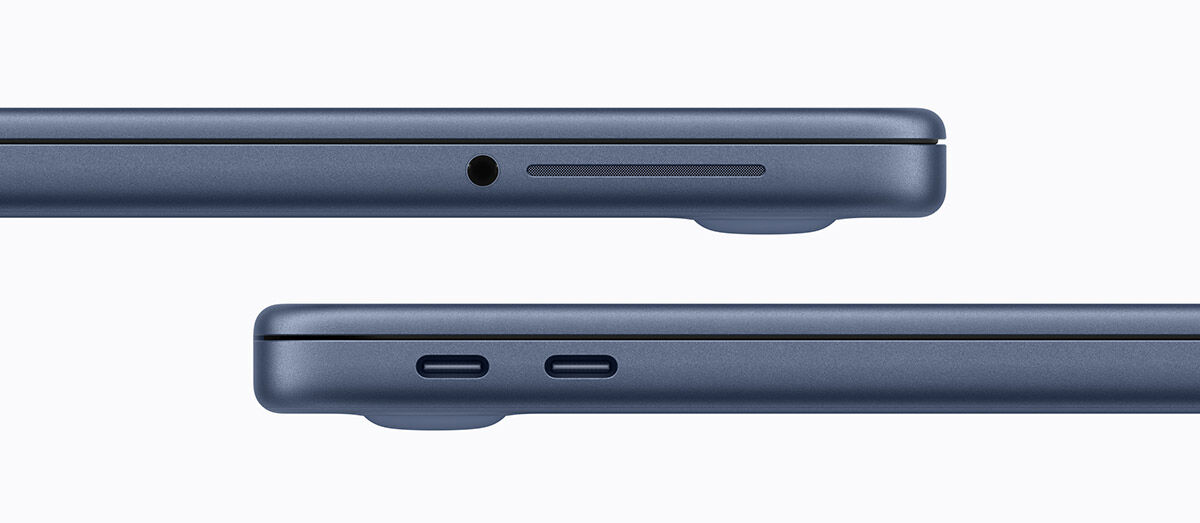
Apple does not reveal the battery capacity of its devices, but says that the Neo has up to 16 hours of use on a full charge, effectively offering a day of use.
With the proliferation of cheap Google Chromebooks and several entry-level Windows laptops from top brands, the launch of the MacBook Neo is Apple’s attempt to compete in that space. The MacBook Neo runs on MacOS, and the company looks to be banking on the reputable performance of the chip powering its premium range of iPhones to sway consumers looking for the performance of Mac, at the price of its cheaper competitors.
Apple says the MacBook Neo is 50 per cent faster for everyday tasks like web browsing, and up to three times faster when running on-device AI (artificial intelligence) workloads, including applying advanced effects to photos. Unlike Microsoft and Google that run AI technology through cloud computing, Apple maintains user privacy by handling AI on-device, allowing users to perform tasks offline.

Hsals needs more space in his house, and more money in his bank account to pay for all the toys, collectibles and other geek related items that companies are churning out. Free-time? Girlfriend? Who’s got time for those?

 Si Jia
 Kevin Low