There’s something intensely satisfying about blades clashing in a video game, and that’s why so many modern action titles feature some sort of parry system in their gameplay. While it might be a common gameplay mechanic, it’s not easy to pull off, and the last great implementation was in 2019’s Sekiro: Shadows Die Twice.
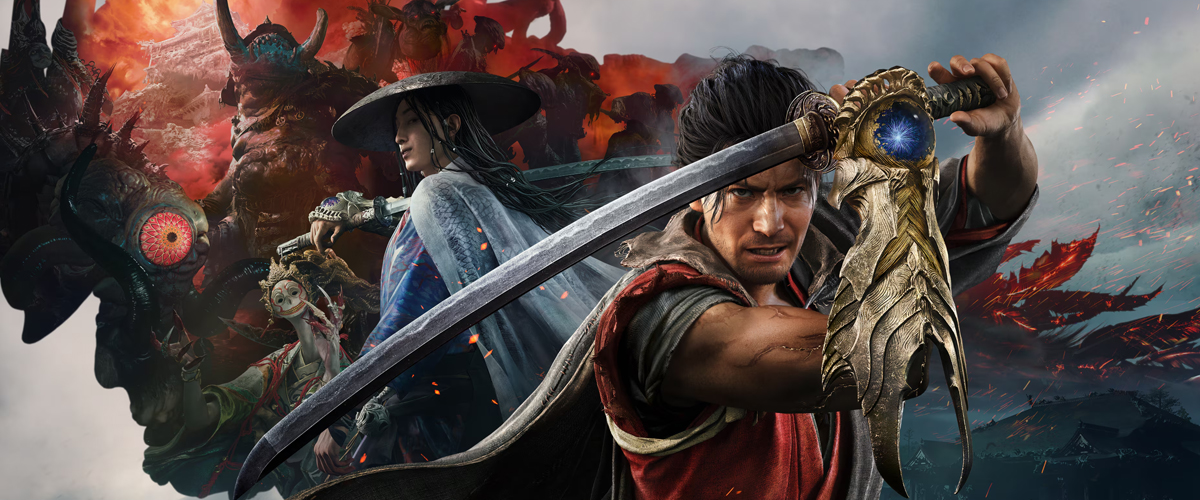
Now, there’s a new contender to the throne with Capcom’s latest action-adventure, Onimusha: Way of the Sword, which brings the classic samurai slasher franchise to the modern age with not just a visual bump, but also a refined combat system that’s focused on deflecting enemy attacks, and in that regard, Capcom has absolutely nailed it.
Set in a dark fantasy version of Kyoto during the Edo period (1603 – 1868), it’s a time of war and famine, one where people are starving, and the samurai are killing each other to prove their worth. And at the very top sits the historical and legendary swordsman and strategist, Miyamoto Musashi. While immensely skilled with a blade, Musashi is running out of people to fight and samurai schools to topple, until a group of demonic beings known as Genma appear, overpowering him and bringing his winning streak to a swift and fatal end.
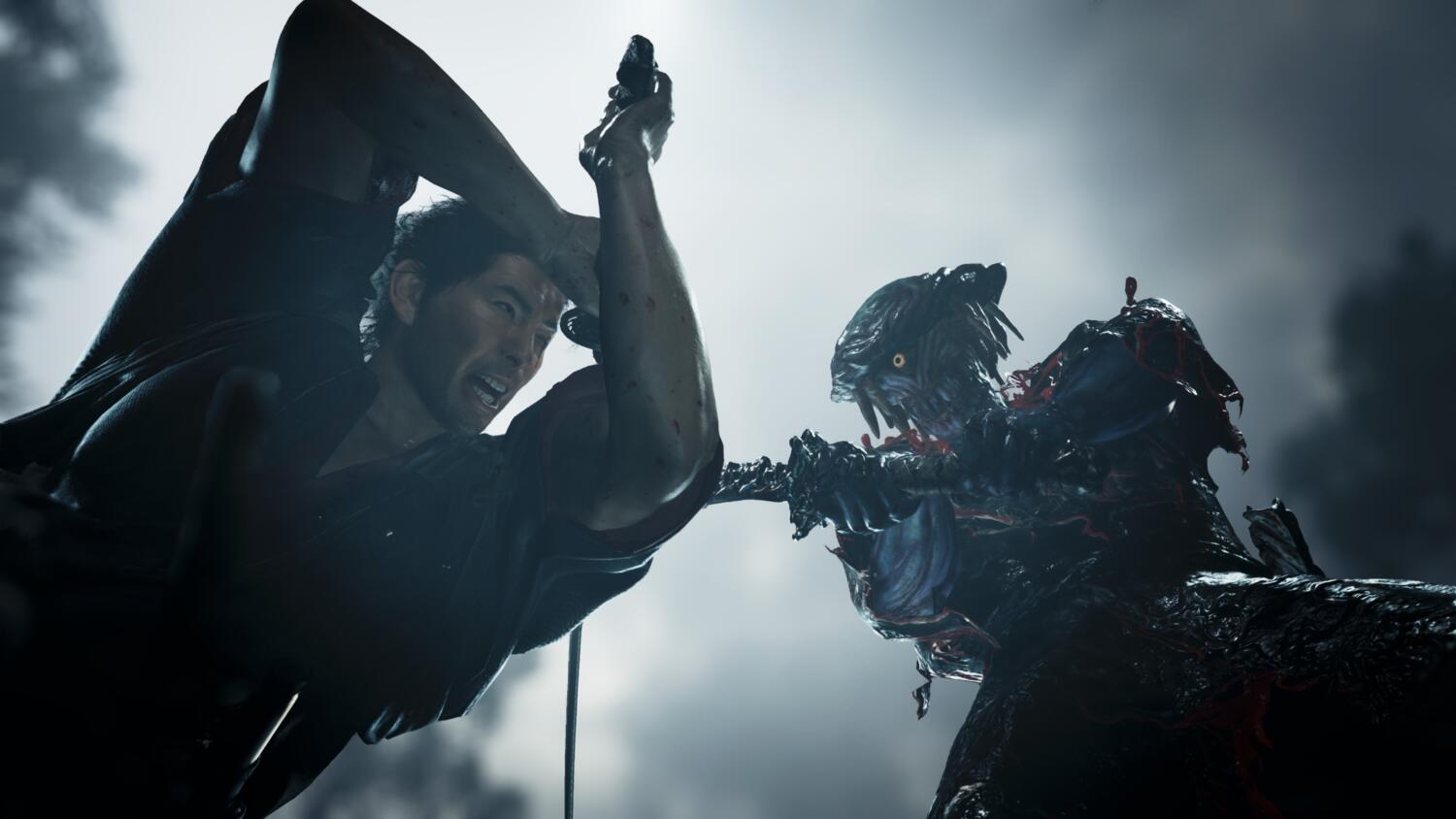
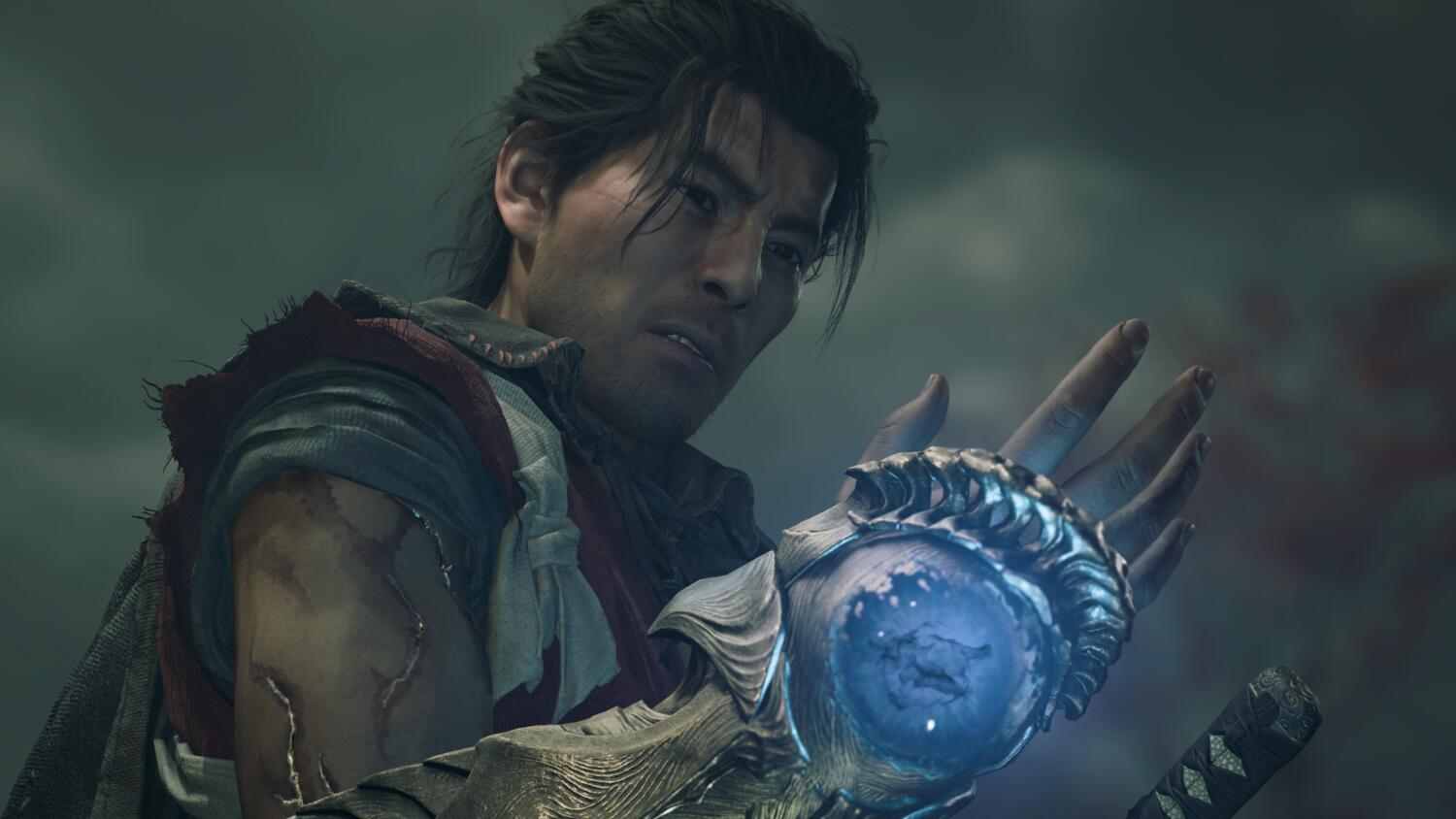
Awakening in the underworld, Musashi is pulled out of the river leading to hell by a mysterious Man in White, who forces him to wear a gauntlet imbued with the powers of the Oni (demons in Japanese traditional folklore). The gauntlet not only revives him, but grants him the strength needed to fight back against the Genma by absorbing their souls. Furthermore, the armour also houses the soul of Shizuka Gozen, an Oni, a race of beings who used to rule over hell.
Together, the duo make their way to Rokudo-chinnoji Temple, all while Kyoto gradually becomes overwhelmed with Genma. There, they learn from an old swordsman, Takamura, that the Genma, who were previously imprisoned in the deepest layers of hell, have taken over the underworld from the Oni and have been slowly seeping into the mortal realm by harnessing the energy of human malice. To make matters worse, they are being led by a powerful commander, one who’s seeking to breach the Oni gate, a massive underworld door that lies beneath the temple, threatening to unleash hell on Earth.
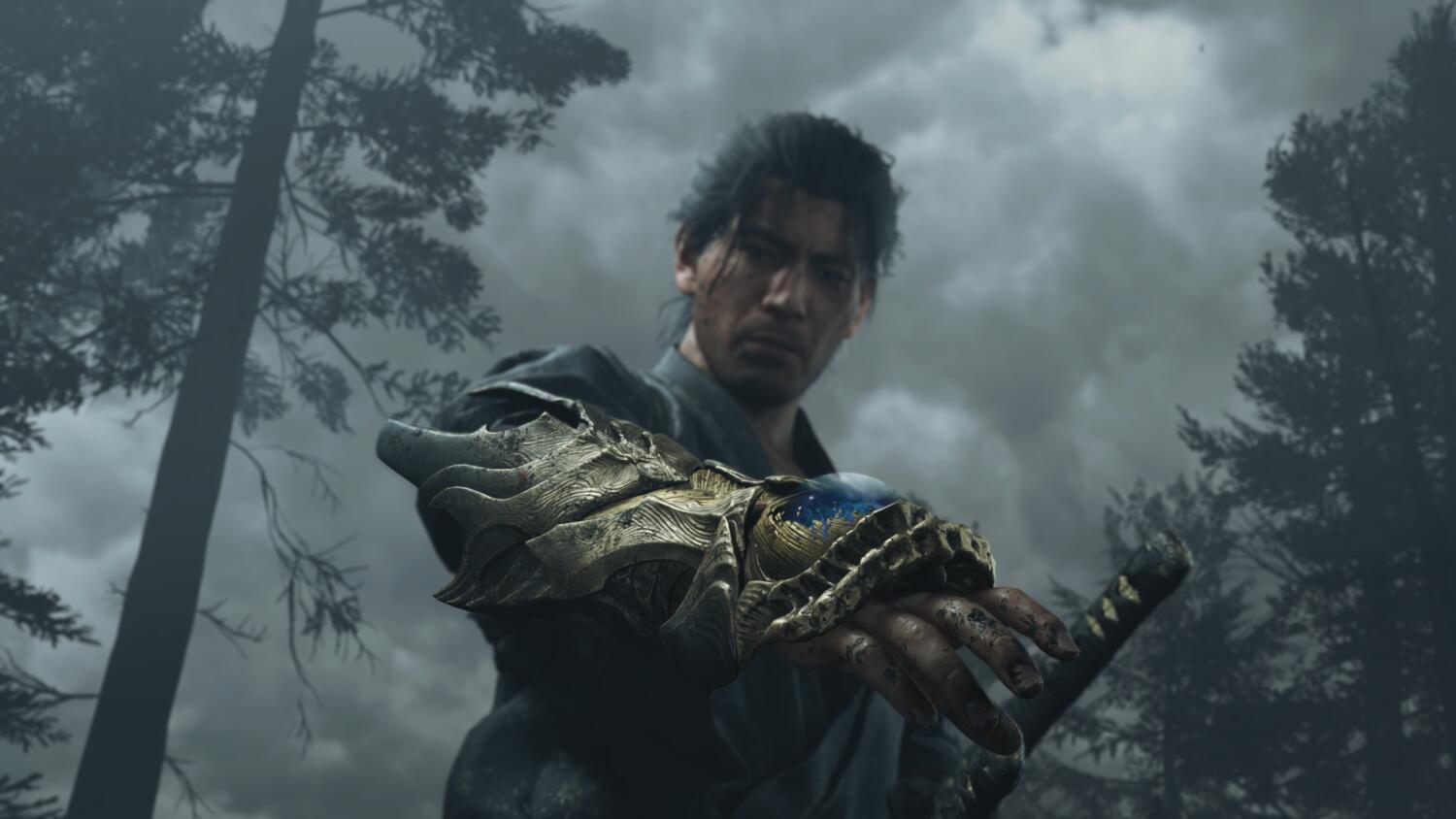
Armed with the Oni gauntlet, Musashi learns that he has been chosen to be an Onimusha, guardians tasked with guarding the gate by the Oni. As Takamura needs to stay within the confines of the temple to guard the gate, it’s up to Musashi to travel around Kyoto and protect Key Sanctuaries – shrines and temples that hold the power to keep the gate shut.
All this does sound like serious business, but Onimusha: Way of the Sword does manage to keep things slightly more lighthearted thanks to its hero. Portrayed by voice actor Yoshimasa Hosoya (My Hero Academia, Attack on Titan), Musashi is a brash samurai who only cares about being the strongest, but there’s something immediately likeable about the character, like that one friend you know who always manages to keep conversations interesting, with his tough exterior masking a genuinely decent human being. Musashi’s snarky quips and exaggerated reactions serve well to inject humour into an otherwise sombre plot, and Hosoya plays the role well to ensure the lighter moments play out naturally.

Much like its predecessors, Onimusha: Way of the Sword places a great emphasis on reactive melee-based combat. Where it stands out from almost every other action-adventure game, however, is in the number of ways a player can deflect an incoming attack. The game features no less than five different mechanics to counter attacks, and while most of these should be familiar to fans of the genre, like dodging or blocking, its parry system and iconic Issen are where things start to get really interesting.
While most other games’ parry systems boil down to just timing the button press right before an enemy strike lands to open them up for a counterattack, the system is much more dynamic in Onimusha: Way of the Sword. Every time Musashi’s blade clashes against his foes, be it attacking at the same time or parrying, this gives a chance to trigger one of two special occurrences – Blade Clashes and Blade Barrages – the former requiring players to mash the attack button repeatedly, and the latter requiring them to keep track of which move they performed and react accordingly – if they triggered the Barrage with a light attack, they need to perform a heavy attack to succeed, and vice versa.
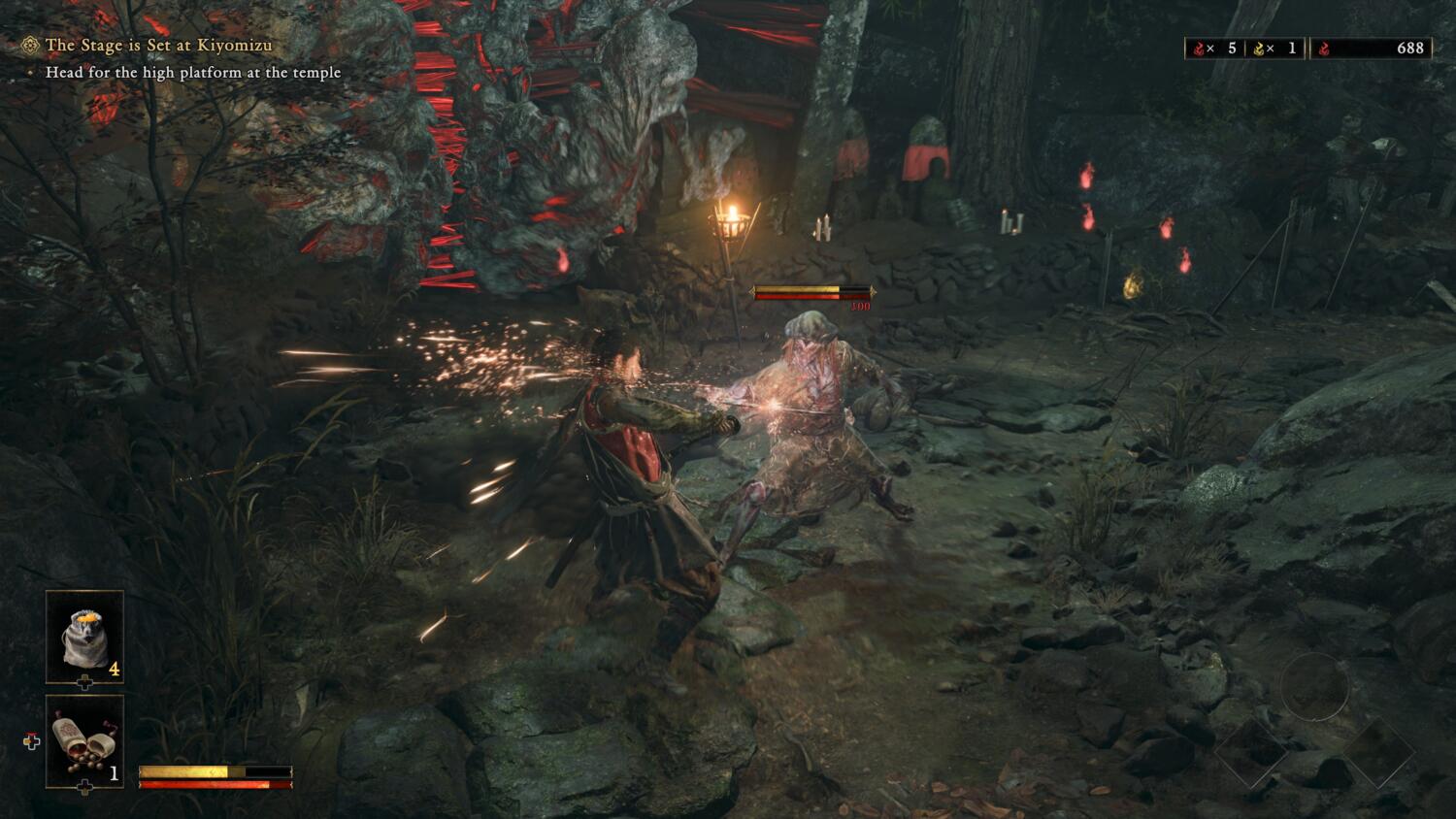
These systems help to keep fights unpredictable, as players will never know when they might activate in the heat of battle. Special occurrences aside, even just the basic parry system is enough to keep a player’s heart rate up thanks to its incredibly satisfying animations that change depending on the direction and type of attack.
Unlike most other games, Musashi isn’t simply deflecting attacks, he’s redirecting the blow, and the sight of him redirecting a blow from an axe of a massive foe, subsequently causing it to lose balance and topple to the ground, is a sight that never gets old and always feels amazing to pull off. In short, this is possibly the best parry system ever to be featured in a game, which is no small feat.

And then there’s the Issen, the iconic riposte move of the franchise. Performed by pressing the attack button at the very last moment before an enemy’s strike lands, the Issen is considerably harder to pull off, but the results are noticeably more devastating, often killing smaller foes in one move. With a few upgrades, players can also perform a Chain Issen, where pressing the attack button once more at the moment the initial Issen strike lands leads to Musashi rushing another foe for a follow-up strike.
Taking all these moves into account, combat becomes an incredibly reactive affair where countering an enemy’s moves is key to victory. Each foe has a separate health and stamina bar, the latter of which can be depleted with both attacks and parries. Once broken, Musashi can perform a Break Issen, a finishing move that either kills basic foes or allows him to target specific parts of larger Boss enemies to either deal massive damage or spawn a large number of souls – another iconic franchise element.
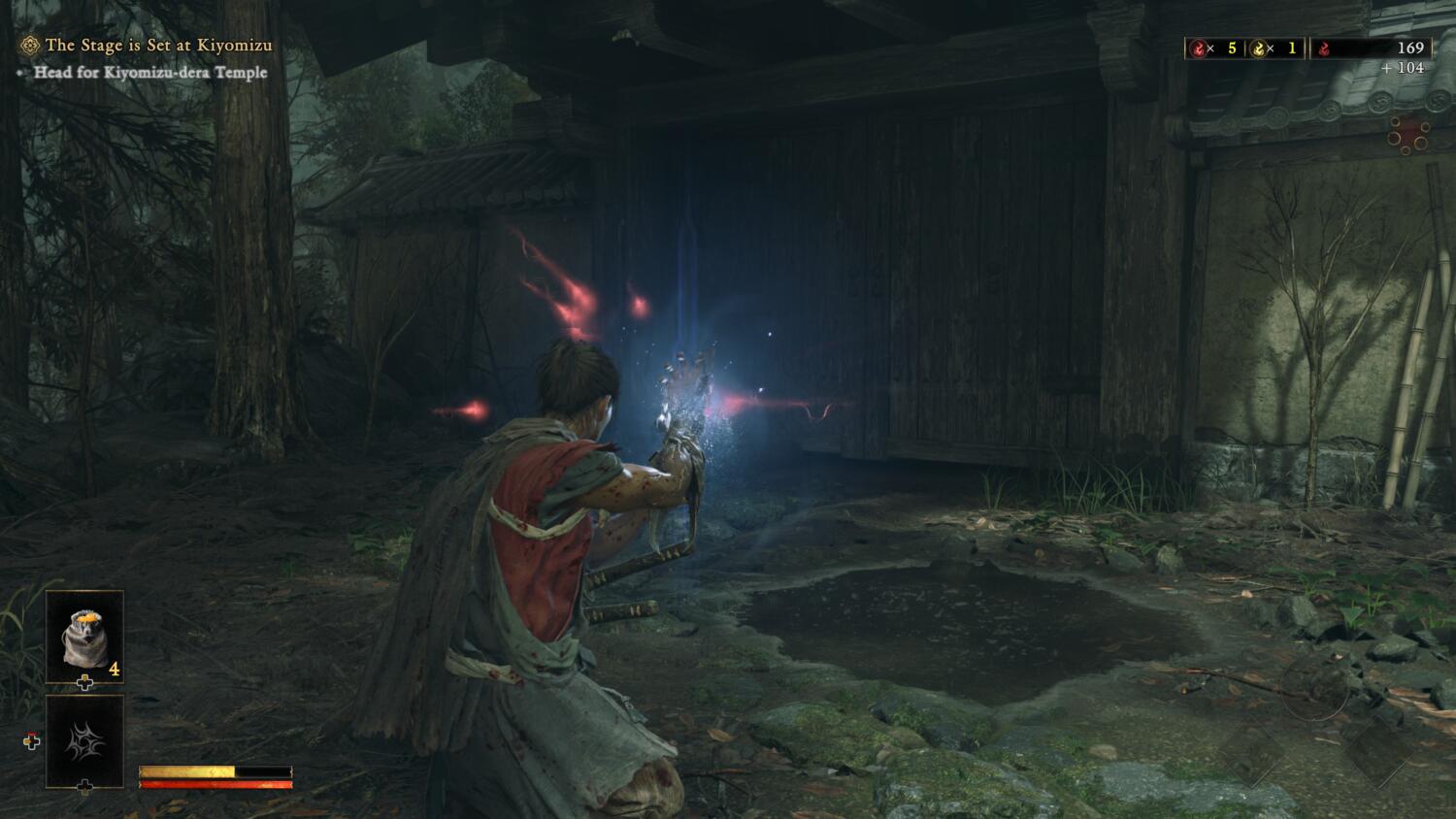
With his Oni gauntlet, Musashi can absorb Genma souls by holding down the left trigger. These come in different colours – Red (currency), Gold (health), and Blue (special gauge), with the latter filling up a meter and allowing him to perform special attacks with Oni Armaments, sub-weapons players will find along their journey. Unlike past games, which feature multiple weapons players can switch between, Onimusha: Way of the Sword is entirely focused on the katana, with additional found weapons instead providing special abilities like a flurry of strikes that spawn health souls, or a charged attack to deal massive stamina damage.
As Musashi travels through Kyoto on his quest to clear the spreading malice by defeating key Genma, he can also find items to improve his stats and gain new abilities. Just like the wide variety of combat moves on offer, there’s also a staggering amount of item types to find, but while the former makes combat more dynamic, the same can’t be said for the latter, which only serves to overcomplicate character progression.
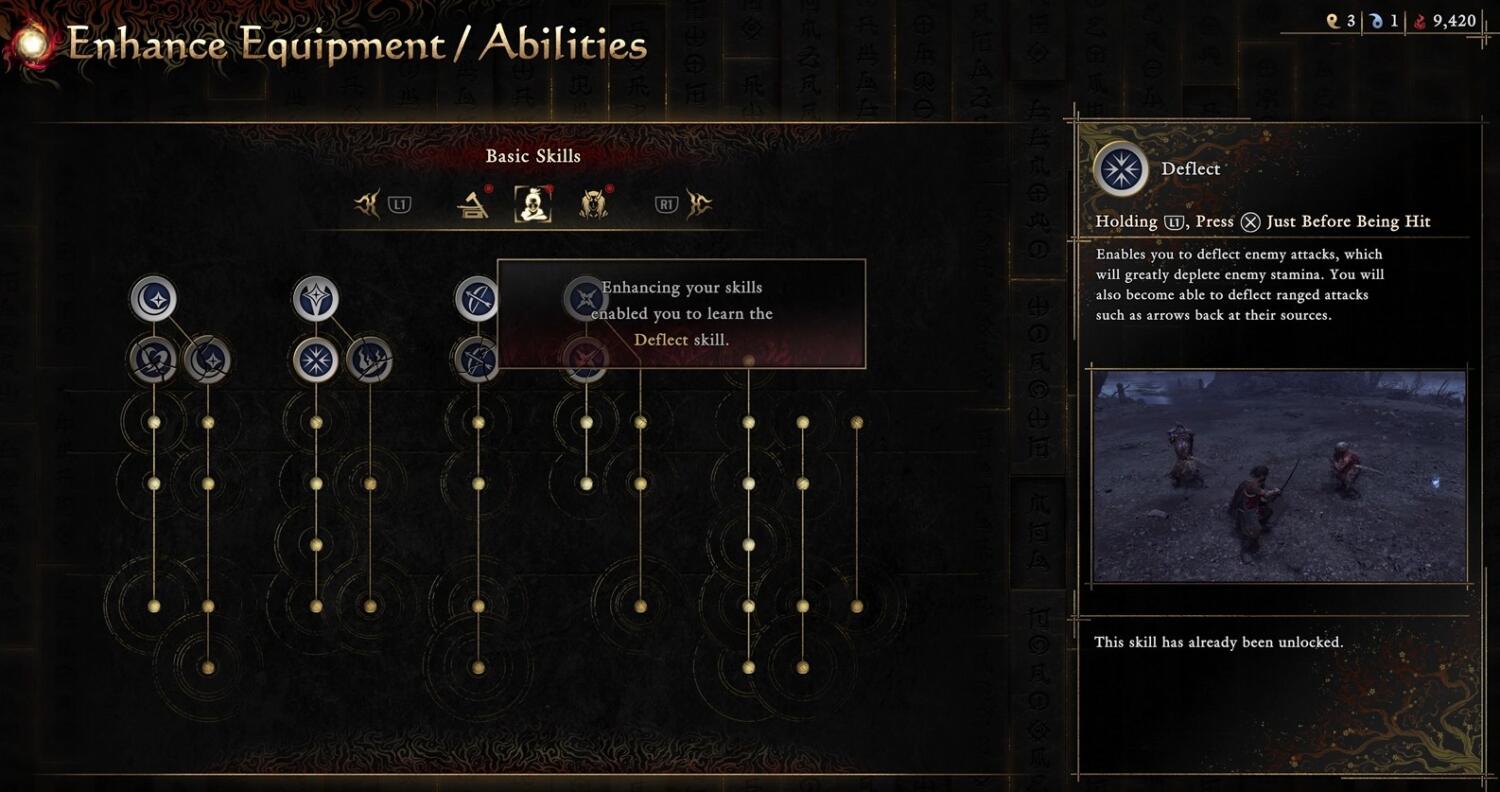
Players are able to upgrade Musashi in five main ways – flat stat upgrades, unlocking new basic attack moves, upgrading Oni Armaments, upgrading charms (items he can equip for bonuses), and increasing the amount of recovery items he can hold in his medicinal pouch. While having many types of upgrades can help to make progression more engaging, the issue here is that each upgrade category requires its own set of items and materials that players will need to collect.
While players will have no trouble collecting crafting materials needed to boost stats or charms, upgrading their skills is where things get much more tedious. While red souls gained from defeating enemies are used to upgrade skills, players need to first attain a specific type of item to unlock said skill, with these coming in two types – Power Stones for unlocking basic moves, and Oni Stones for upgrading Oni Armaments. As players will only gain a handful of such items while playing through the main campaign, this means that those who wish to unlock Musushi’s full capabilities are forced to either scour every inch of the game’s map for specific chests or take on its many repetitive side quests.
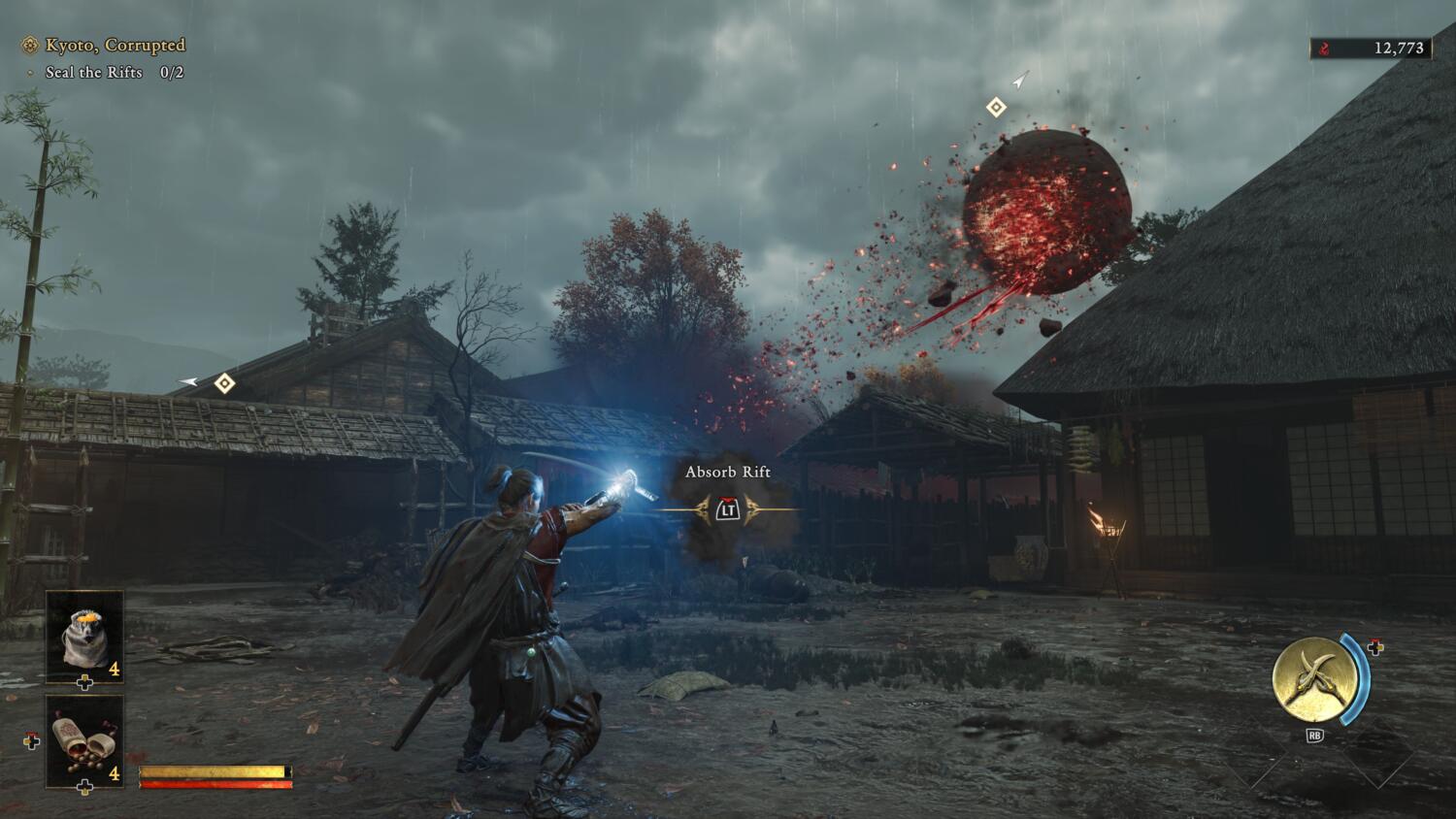
Like its predecessors, Onimusha: Way of the Sword isn’t a completely linear game, with the title divided into different locations, most of which offer winding paths or even larger open zones, such as its main Kyoto hub area. While smaller maps provide just the right amount of side paths to discover and explore, it’s these larger areas that start to feel like a chore to run through in search of items, especially since players will keep returning to this same section and traversing the same streets through the game’s roughly 20-hour playtime.
Aside from its main narrative, which is usually a thrilling joyride of finely crafted paths filled with environmental traversal and light puzzles, alongside intense boss fights and some of the most well-animated cutscenes seen in an action game in recent memory, the game also features numerous side activities, which unfortunately offer none of that. These instead boil down to revisiting past locations to either slay a group of foes or shoot a certain number of flying enemies around the map with Musashi’s bow, which quickly grows repetitive.
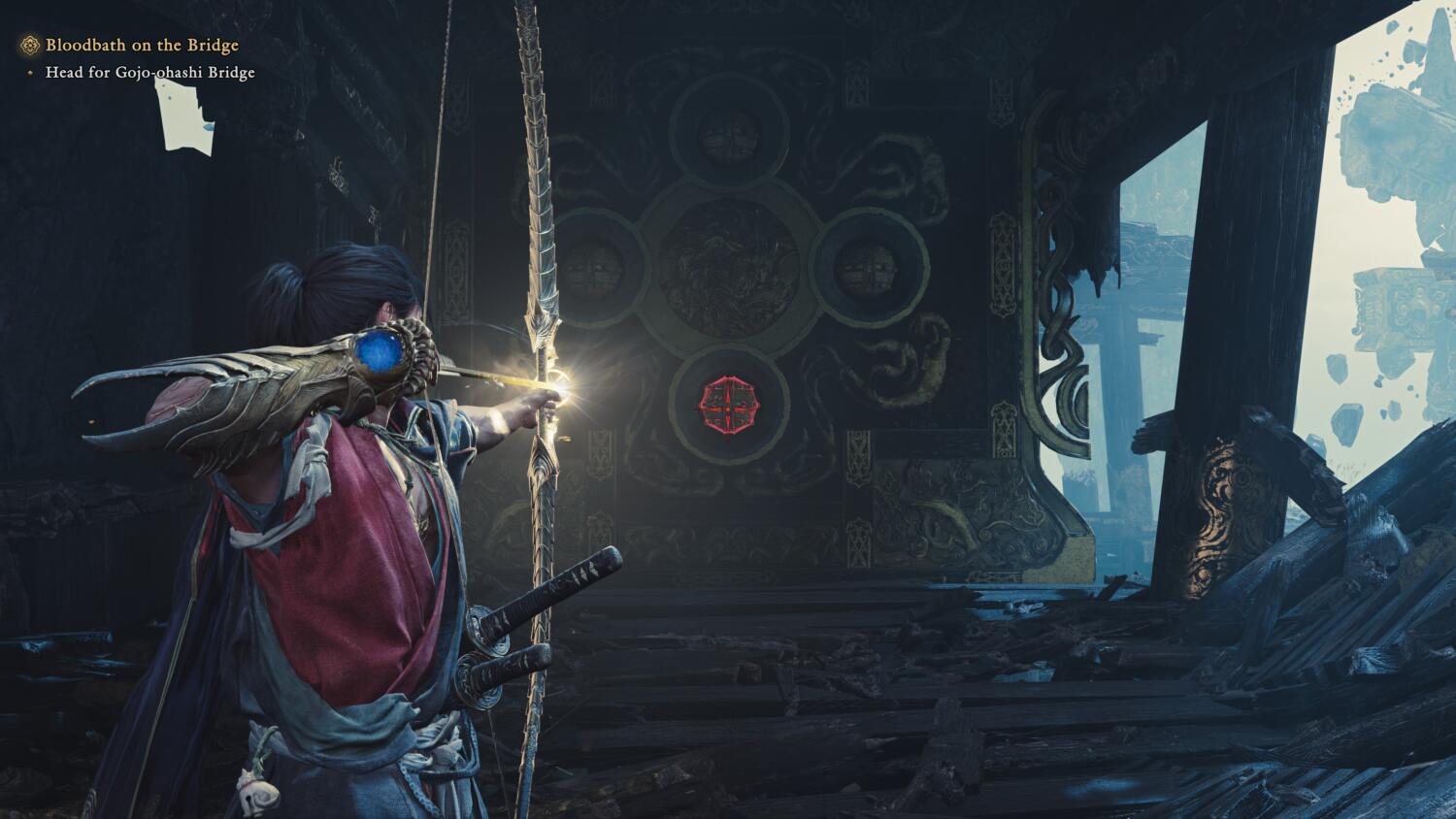
As exploring and side activities are tied to important character progression, this means that the highs of the game’s main missions are somewhat dulled by the lows of everything in between. Of course, players can always choose to rush through the story, but in doing so, they are not only missing out on some of Musashi’s most powerful moves, but it also makes things considerably more challenging.
While Onimusha: Way of the Sword thankfully isn’t yet another Soulslike, this doesn’t mean it’s a walk in the park either. Players should get through basic foes without much trouble, but it’s during the game’s boss encounters, of which there are many, where the action and intensity truly heat up. Every boss in the game features two or more phases, which see the foe powering up and changing its attack patterns. Additionally, bosses can also absorb floating Genma souls just like Musashi if they land a powerful blow, causing them to power up even during the first phase, so one wrong move can turn the tide of battle in their favour.

In this way, late-game bosses can get especially tricky to deal with, since fights get increasingly drawn out as the game progresses. While meticulously learning their attack patterns with every defeat and overcoming them with well-timed parries and deflects is always a thrilling obstacle to overcome, the challenge might get too high for those who aren’t accustomed to such reaction-based games.
Fortunately, the game offers a Story difficulty level that not just reduces incoming damage, but also widens the timing windows needed to perform parries, perfect dodges, and Issen, letting players overcome its difficulty while still providing a satisfying combat loop. Additionally, the game even provides the option to turn on Action Prompts, which enables on-screen indicators to tell players which buttons to press to perform the right counters, and while entirely optional, it’s always nice to see games including these types of accessibility settings.
Even with some minor gripes surrounding side content, this isn’t enough to overshadow Onimusha: Way of the Sword’s excellent reactive melee combat and an immensely satisfying parry mechanic that puts even Sekiro to shame. If you are a fan of melee action games, particularly parry-focused ones, this is one title that shouldn’t be missed – just be prepared for some downtime in between.
GEEK REVIEW SCORE
Summary
Onimusha: Way of the Sword takes Capcom’s classic action franchise to new heights thanks to one of the most reactive melee combat systems seen in recent memory, although its blade is dulled slightly by overly complex progression systems.
Overall
8.8/10-
Gameplay - 9/10
9/10
-
Story - 8.5/10
8.5/10
-
Presentation - 8.5/10
8.5/10
-
Value - 9/10
9/10
-
Geek Satisfaction - 9/10
9/10

Kevin is a reformed PC Master Race gamer with a penchant for franchise “duds” like Darksiders III and Dead Space 3. He has made it his life-long mission to play every single major game release – lest his wallet dies trying.