

In an era of modern, photorealistic visuals, sprite art continues to pack a different charm. Square Enix reinvigorated nostalgia with the HD-2D aesthetic that blended traditional 2D elements with fully 3D environments, along with contemporary rendering effects that were first introduced in 2018’s Octopath Traveler. The gamble paid off, and the styling subsequently carried over to other titles in its ranks, including Triangle Strategy, Dragon Quest, and The Adventures of Elliot: The Millennium Tales.
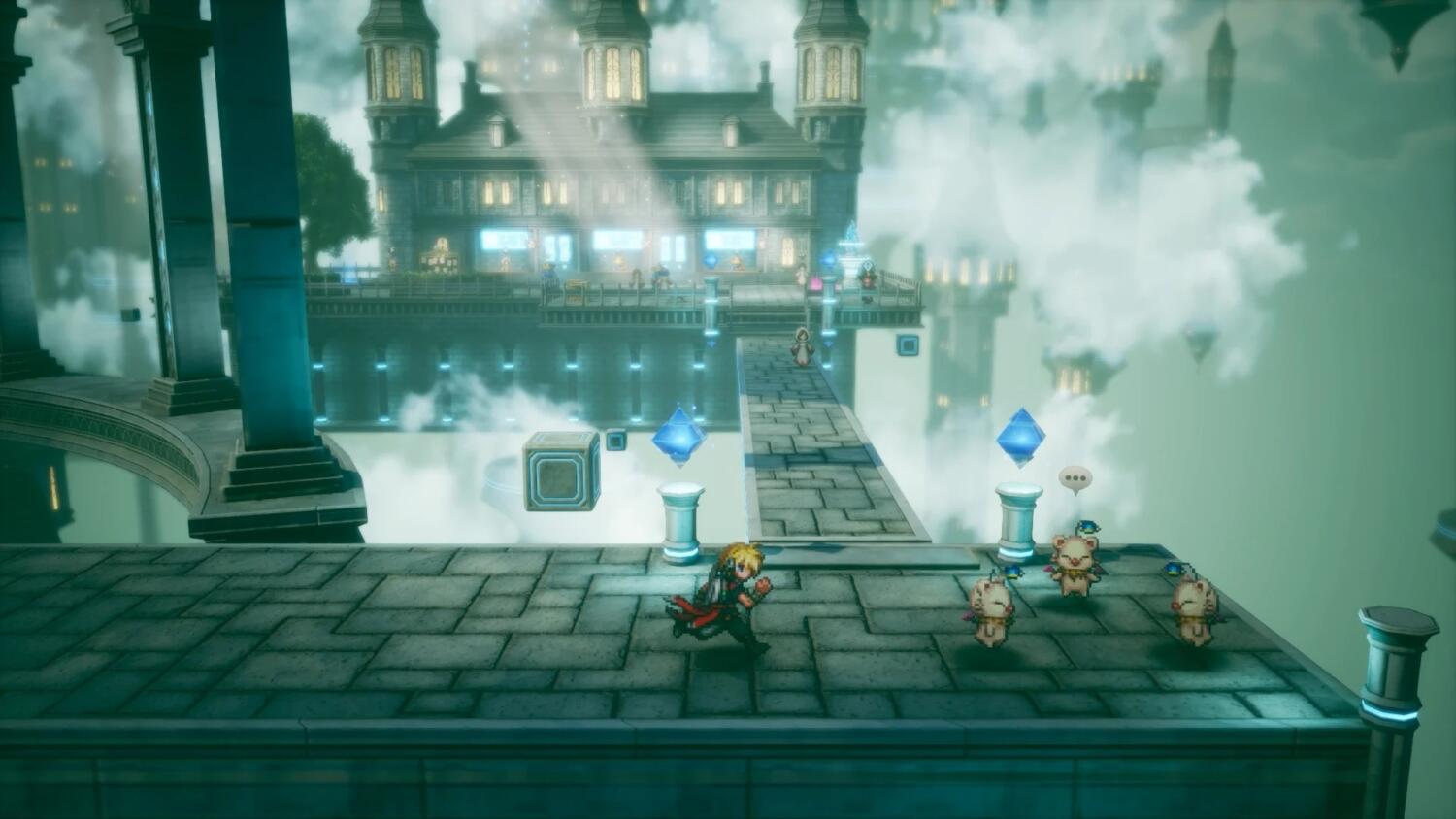
It’s apt that Final Fantasy Resonance keeps the ball rolling, considering how early Octopath Traveler prototypes leveraged assets from Final Fantasy VI. Making its HD-2D debut in the long-running Japanese role-playing game (JRPG) series, the latest instalment harkens back to its classic turn-based roots – breaking the recent string of more real-time action-focused releases – and inherits the Octopath Traveler 0 spirit of turning a mobile adventure into a full-fledged console adaptation.
Here, the full-circle moment presents an expanded repackaging of the now-defunct Final Fantasy Brave Exvius mobile experience, minus the microtransactions and gacha mechanics, while breathing new life into the first story arc, “Lapis”. It may not sound the most enticing off the bat, but prepare for some surprises as the game puts its own clever touches on existing genre conventions in a love letter to old-school classics, by bringing out the untapped potential in exploring smaller-scale experiences.
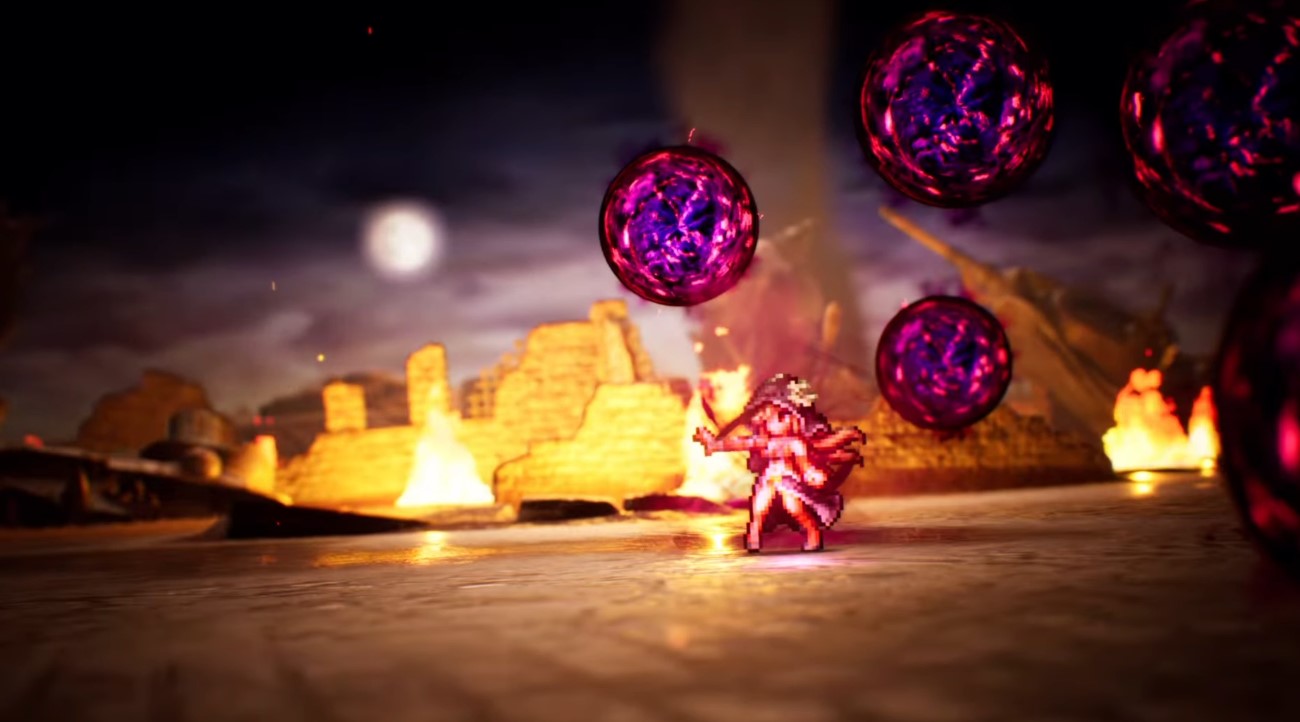
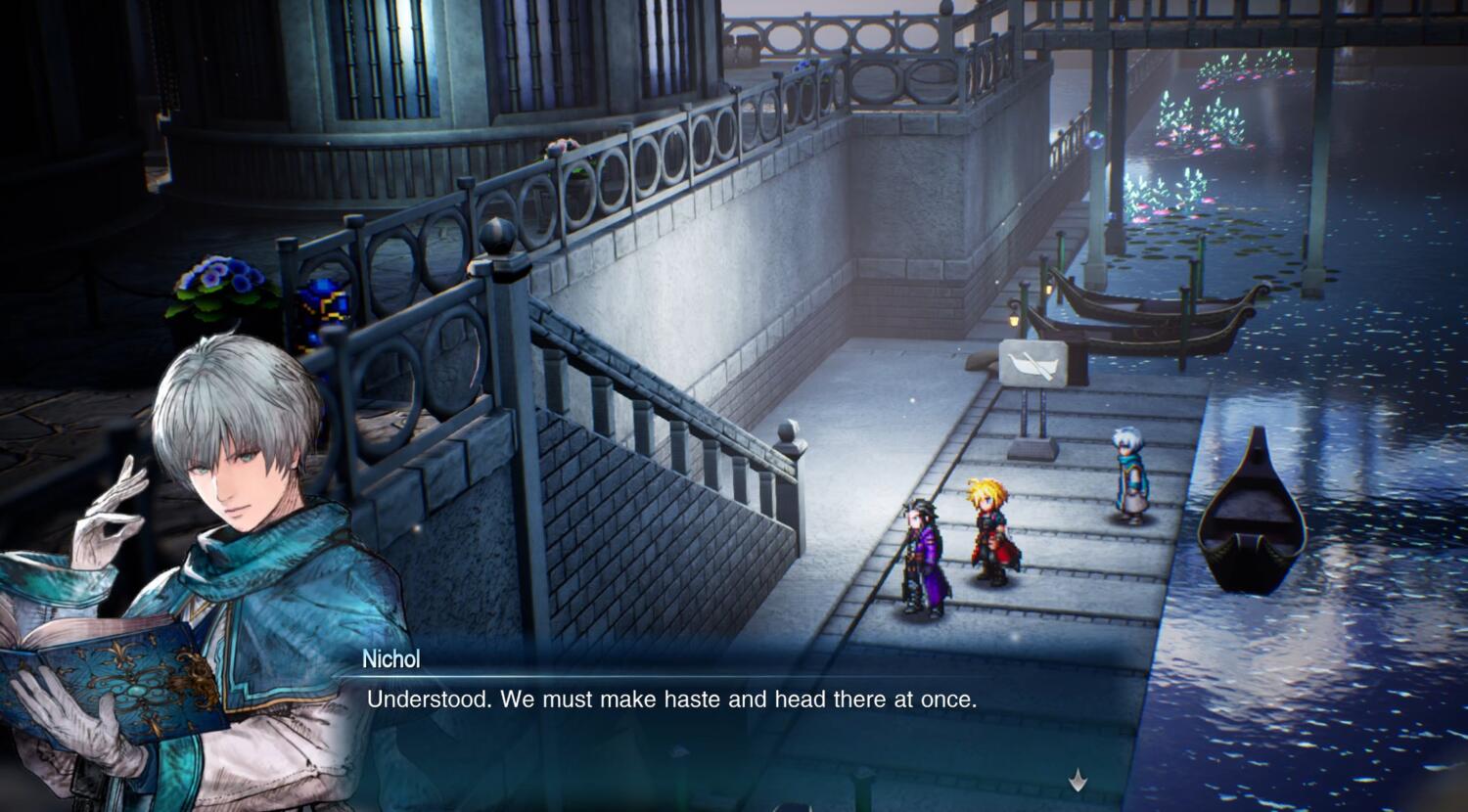
The premise will be familiar to those coming over from the original, following Rain, Lasswell, and Fina, who set out to protect the remaining crystals across the world after the Earth Crystal is destroyed by the Veritas of the Dark, a member of the Sworn Six – a group of armoured warriors who serve as the main antagonists of Lapis. Immediately, the graphical revamp cuts a striking figure, with the opening sequence showing a ruined battlefield engulfed in bright, fiery flames against a dark backdrop.
In true HD-2D fashion, combining dynamic lighting, depth of field, and tilt-shift that creates a diorama-like effect, the new presentation certainly doesn’t hold back on the spectacle. The powerful Archwitch appears in all her enigmatic glory, wasting little time dispatching enemies and unleashing magic in full force against a shadowy figure, while mainstay Summon Bahumut remains a magnificent threat in the skies with its signature Megaflare ability. After a dramatic high, the scene tapers out on a narrative thread.
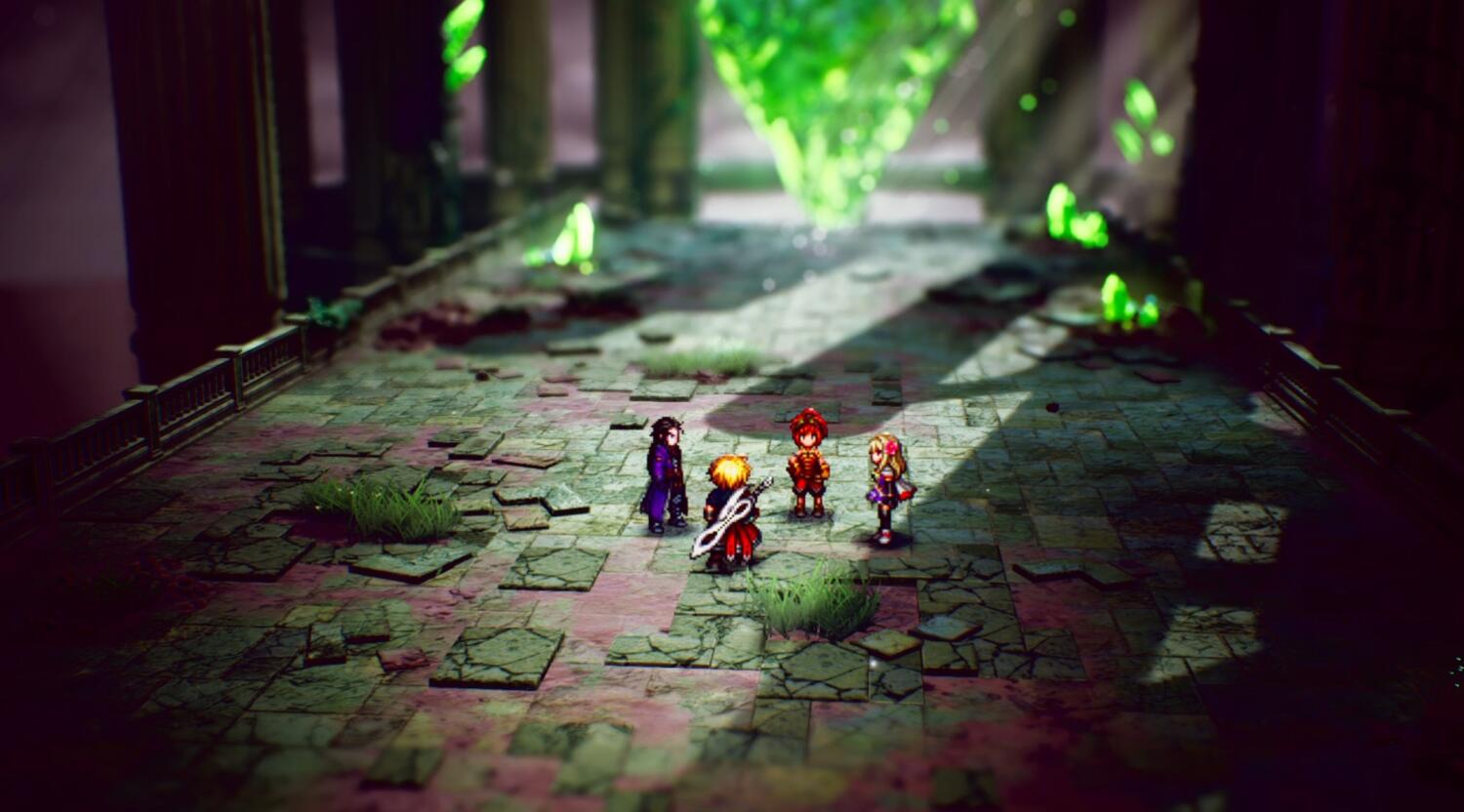
Picking up in the current timeline, the first chapter tasks Rain and Lasswell with investigating the weakening magic barrier at the Earth Shrine, home to the Earth Crystal. Series veterans won’t find this surprising, and the same extends to the main story – predictability running the show from start to finish, and even the supposed plot twists are so run-of-the-mill that players will likely see them coming from miles away. Some would argue the storytelling adheres to the Final Fantasy formula, and that’s accurate enough, but the overuse of cliché tropes begins to grow weary after the first few reveals (personally, the amnesia archetype is the worst offender).
It doesn’t help that Final Fantasy Resonance drops hints a little too aggressively. Instead of neglecting Chekhov’s Gun as one would expect, the title leans heavily into it, making narrative developments feel on the nose, and the lack of nuance is all the more telling here, since it’s not a beat-by-beat adaptation of its mobile counterpart. While certain story beats remain unchanged, the events leading up to them and the characters involved may take a different turn; through it all, the routine of recruiting allies, forging camaraderie, and saving the world still offers a modicum of comfort.
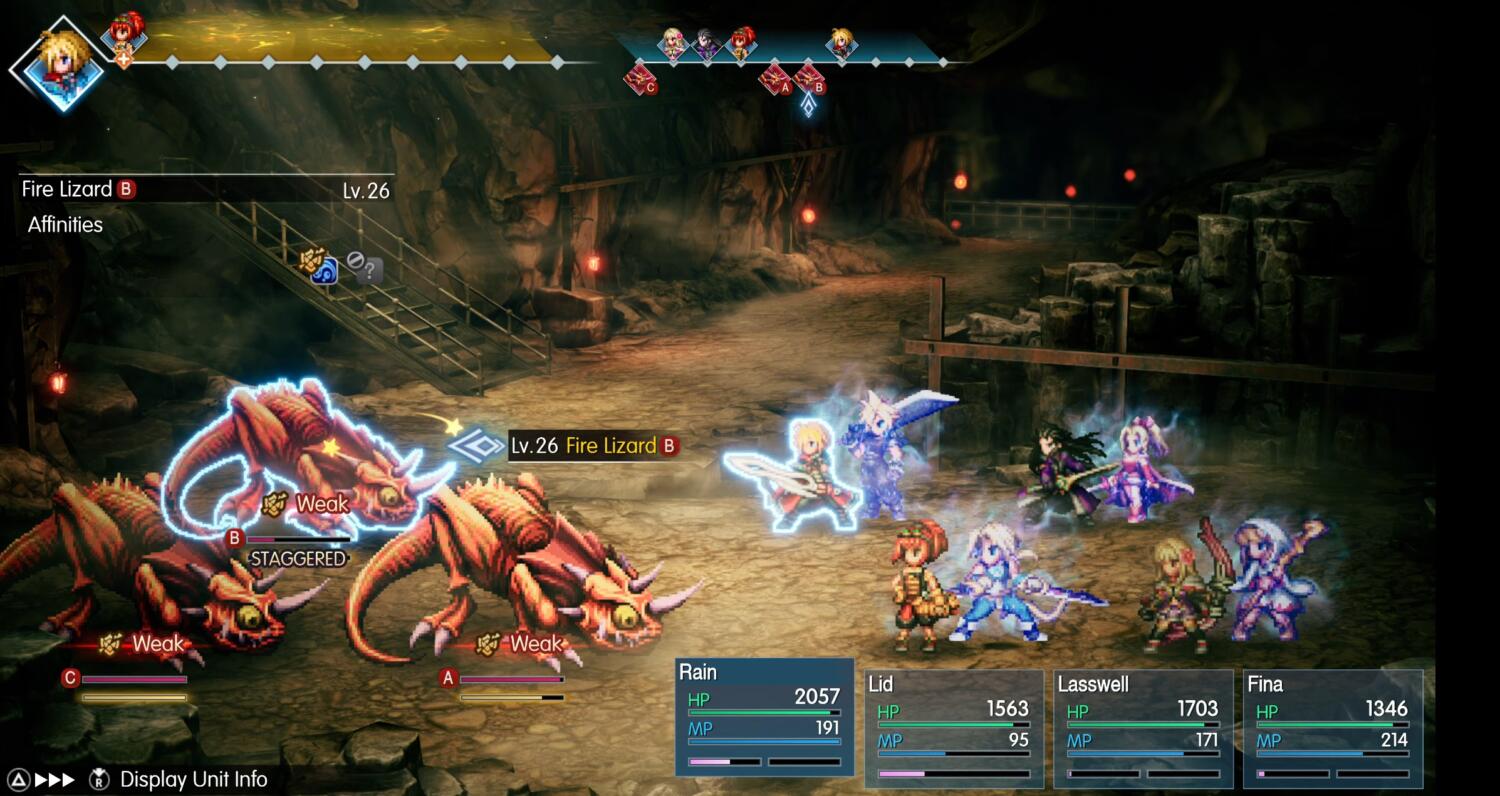
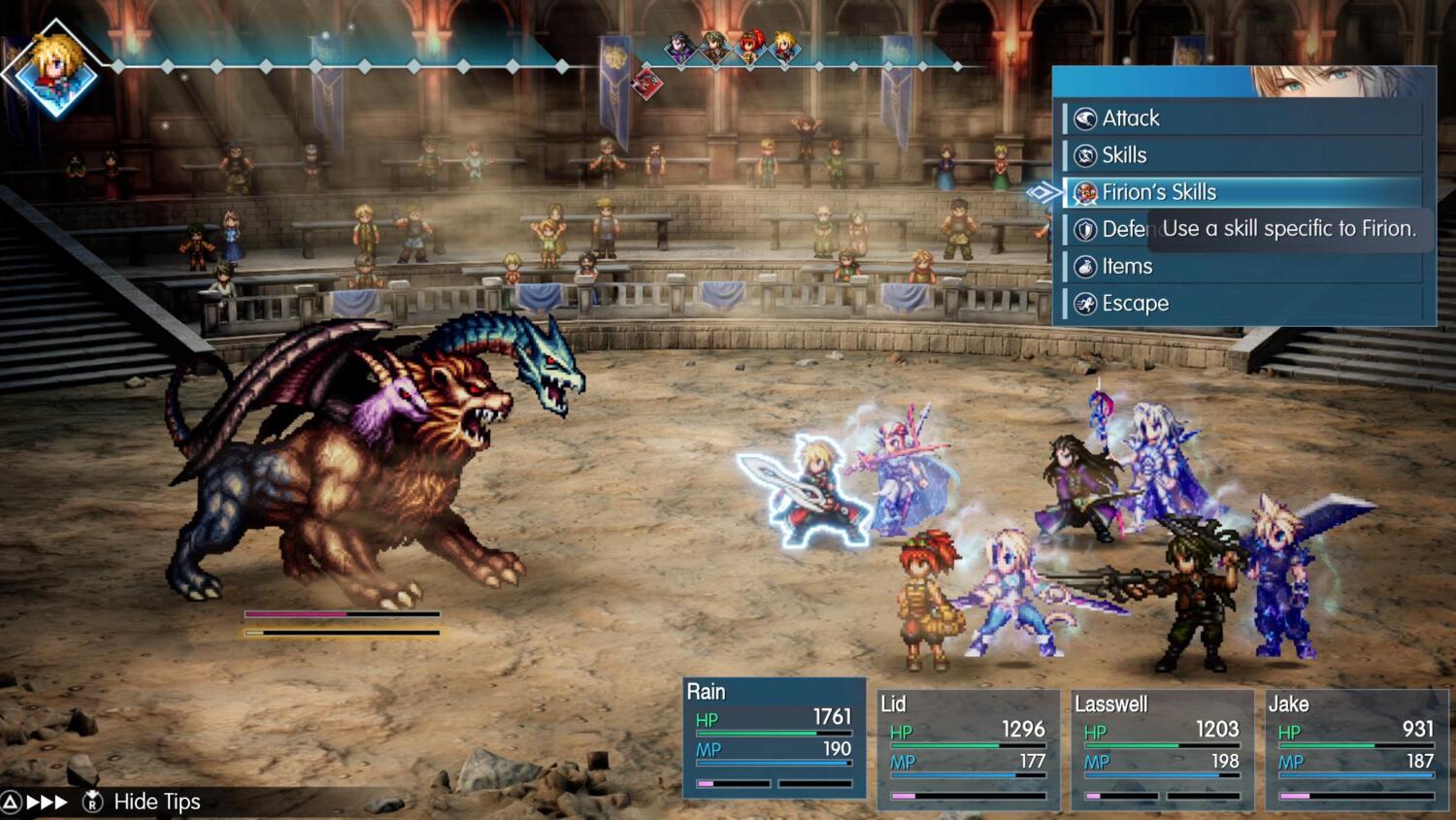
The narrative shortcomings are partially offset by a combat system that spruces up familiar trappings. Each party member has their own attributes, from Physical and Magic Attack and Defence to Speed and Sanctity, with the Stagger mechanic serving as an old friend for Octopath Traveler players. Similarly, foes with a depleted Stagger gauge, denoted by the yellow indicator beneath the health bar, can’t act on their turn and take more damage. Enemy weaknesses are also revealed only after a successful hit with the corresponding attack type, which can feel a little antiquated for first-timers, and elemental affinities form the core of gameplay.
Casting the Libra spell is another way to identify these vulnerabilities, but this will likely sit better with fans of the early-day classics than their contemporaries. Staggering all enemies within a single turn triggers Sweeping Stagger, granting the entire party an extra action during the bonus phase and the option to unleash Resonance, the full power of equipped Visions, or crystallised essences of legacy Final Fantasy characters (think of it as an Ultimate ability of sorts). Once activated, 3D-rendered sequences unfold across the screen, featuring flashy, character-specific action set pieces.
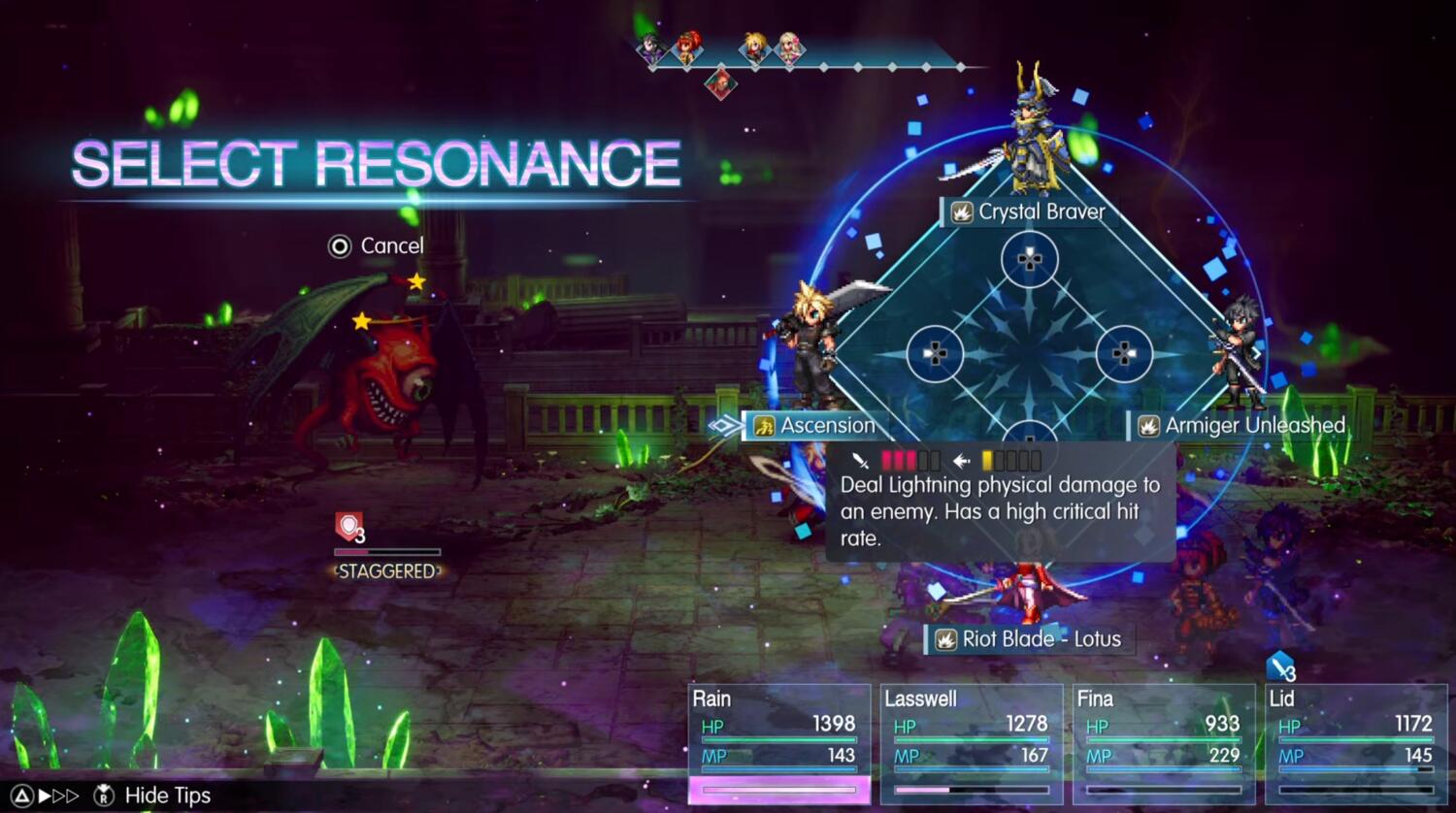
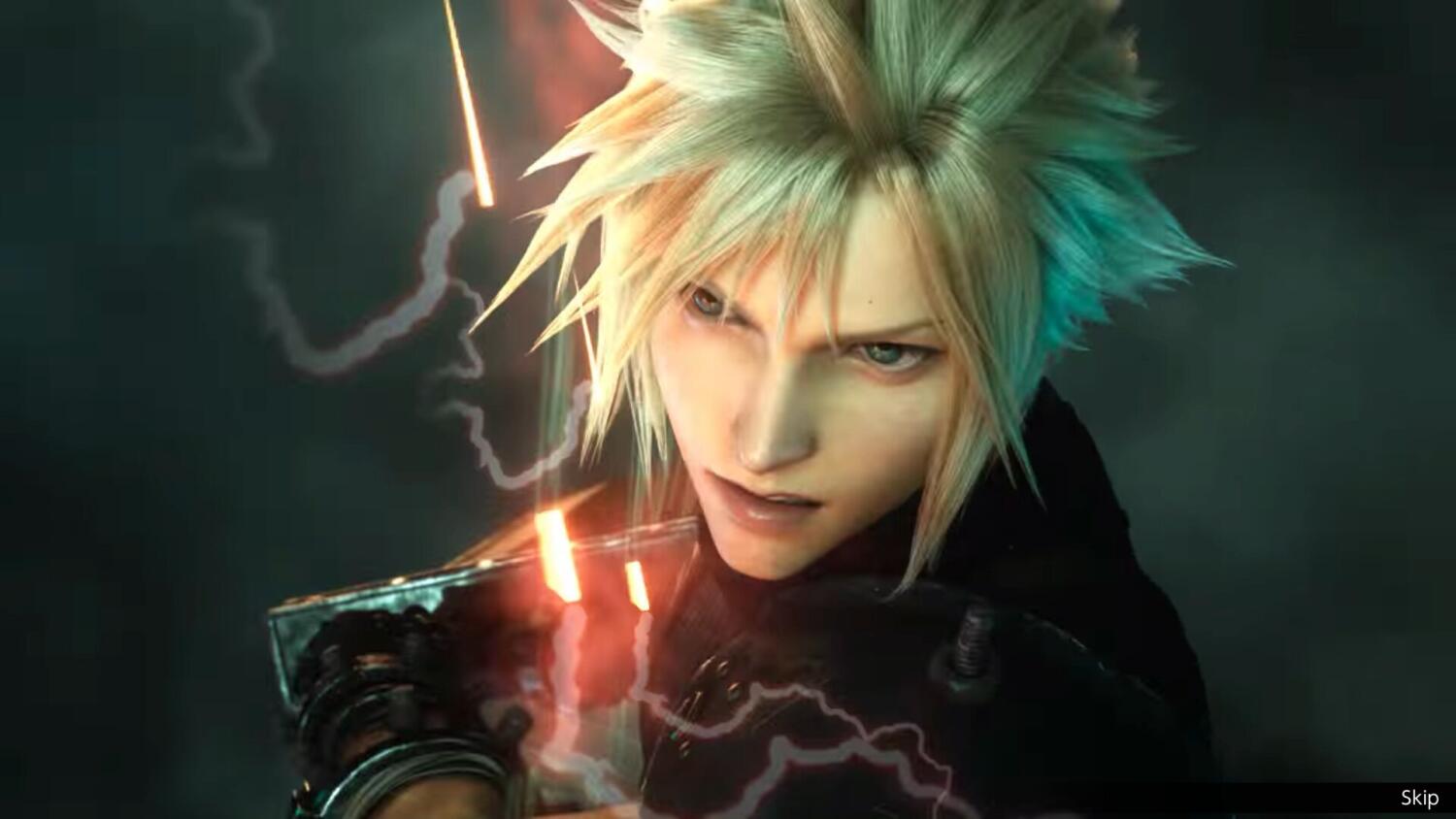
As noted in an earlier preview, they can appear jarring next to the HD-2D visuals, which takes some getting used to, even in its final hours. There’s no denying their significance in Final Fantasy Resonance, however – apart from tying thematically into the overall narrative, Visions also pay homage to the franchise’s storied legacy and lend a distinctive touch that sets the title apart from genre counterparts and the rest of its ilk.
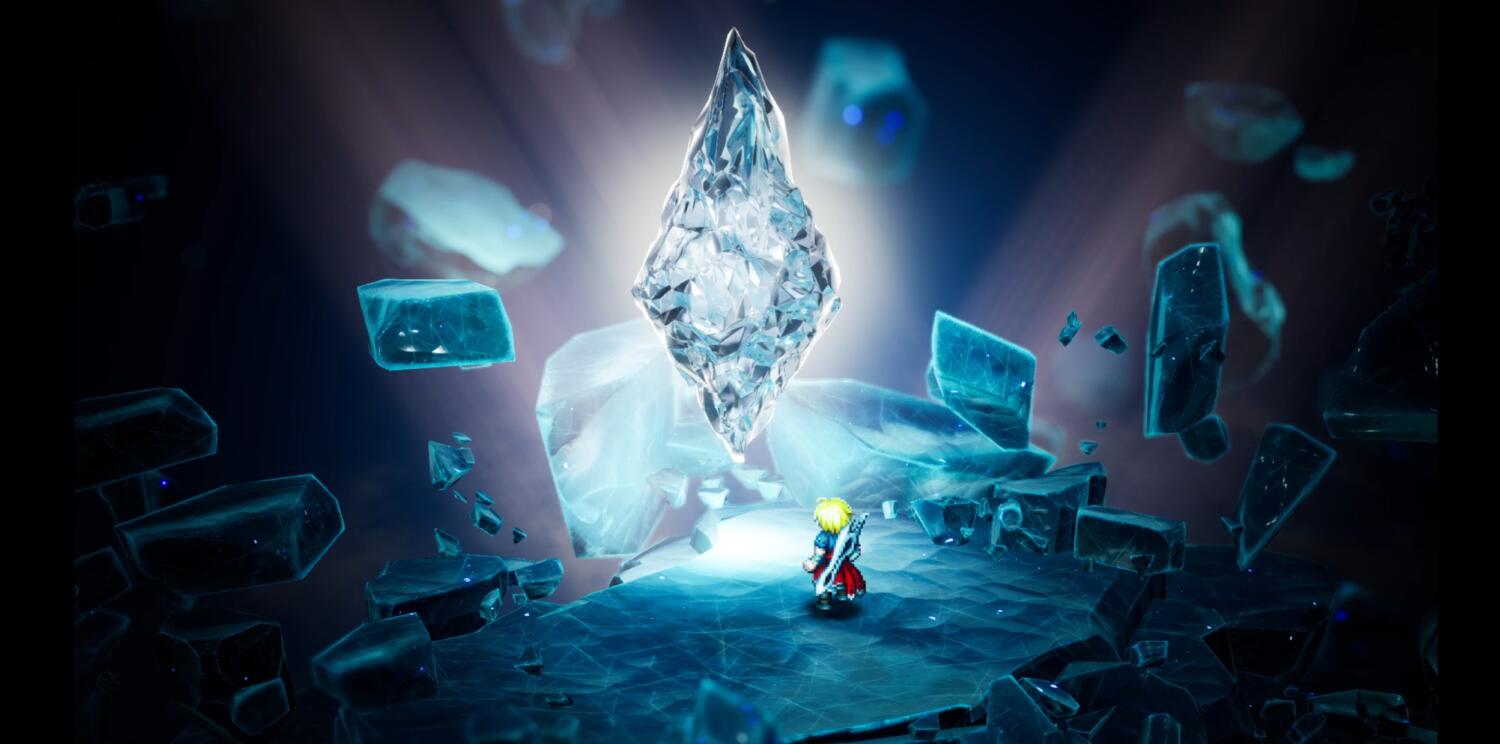
The starting Visions are unlocked naturally as players progress through the story, with others tucked away in crystal shrines, called Sanctums of Light, across the map. A crystallised space, reminiscent of ice spikes, awaits inside, inviting them to anticipate the Vision’s identity and answer a brief questionnaire interspersed with flashbacks to their backstories. It’s a neat way to honour the characters and give the uninitiated more insight into who they are, totalling 26 from across the franchise.
Here’s where the fun lies. Each Vision boasts its own moveset, elemental affinities, Resonance abilities, and one of five role assignments (Sentinel, Commando, Breaker, Medic, and Saboteur) that can alter party proficiencies in combat. Final Fantasy VII’s Cloud, for instance, specialises in Lightning and Water physical damage and single-target critical hits, while FFIX protagonist Zidane has a heavy-hitting, multi-target Earth-imbued attack and can “steal” opponent attributes. Likewise, Warrior of Light from the 1987 original pairs Light elemental skills with healing capabilities, and Brave Exvius’ Leah is a healing unit who can expose enemy weaknesses (Libra) and pass her turn to an ally (Pass the Torch).
As a party member’s frequency of Vision use increases, so does their level of affinity, unlocking more bonuses for them. Mastery levels, too, work similarly – winning battles earn mastery points, unlocking additional abilities and passive perks that can be cross-equipped, while Magicite increases base ranks up to three stars. Taking a leaf out of Final Fantasy Tactics: The Ivalice Chronicles, Resonance lets players assign Vision-specific skills to the corresponding character at the expense of AP, or Ability Points, so long as their affinity hits the required level. This versatility to mix and match brings added depth to gameplay and encourages experimentation to find the ideal loadout, though the number of Vision roles can be a little skewed in the first half of the game, with Commando exceeding the rest by a fair margin.
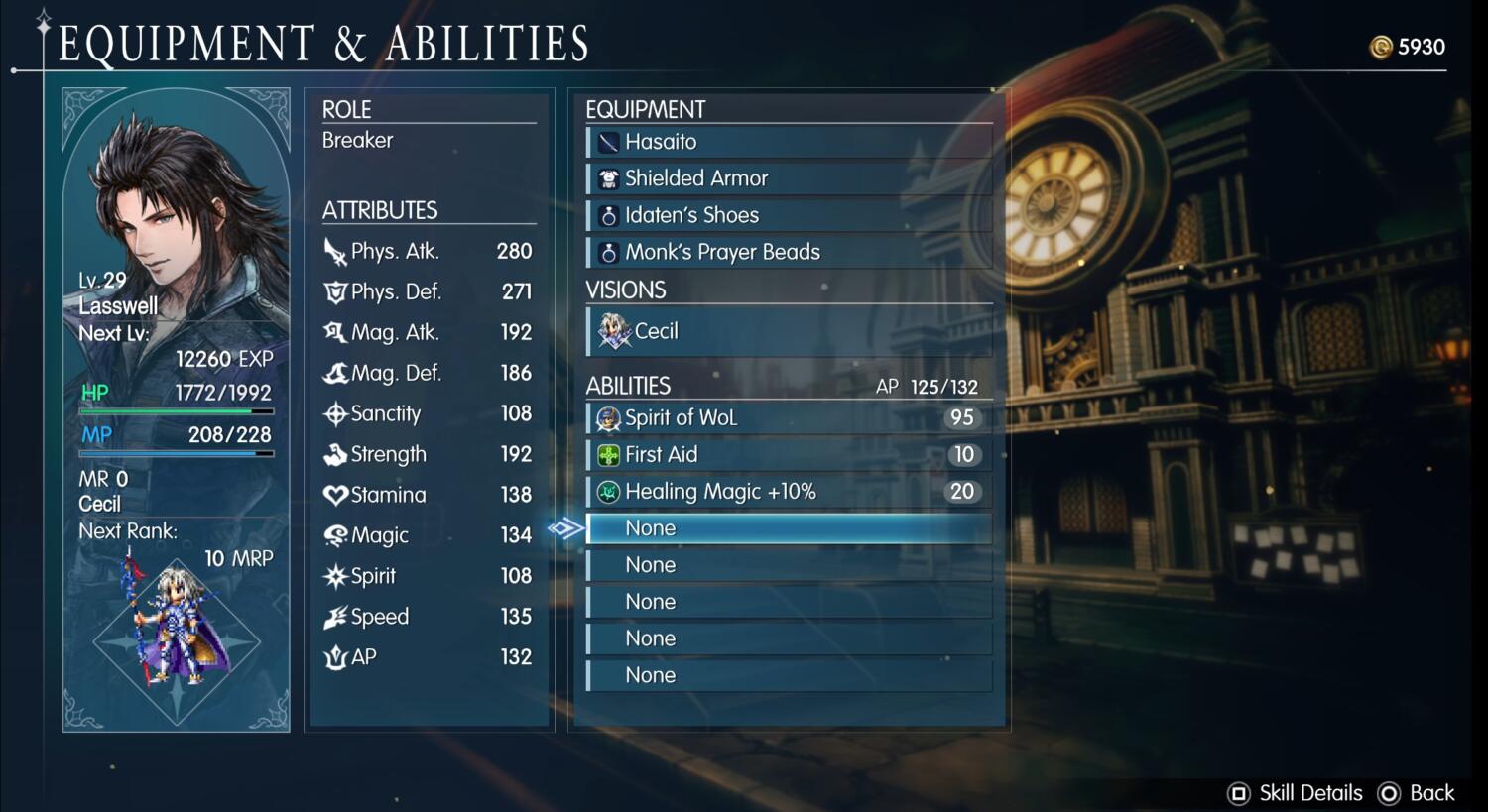
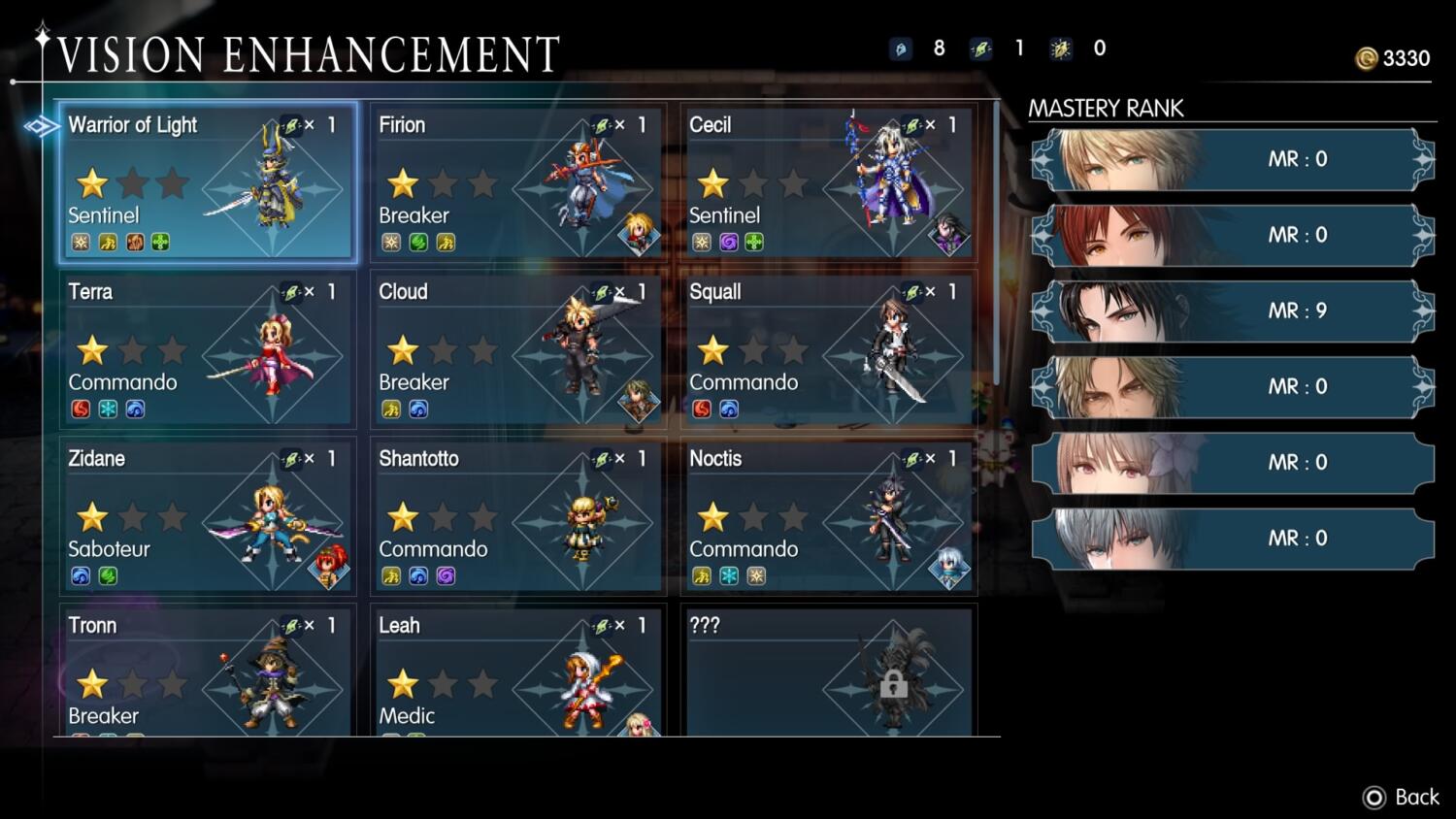
Then, there’s the synergy of the main party to consider. Rain, Laswell, Fina, and the companions they meet along the way have their individual expertise to offer, complementing one another in different ways. With the katana-wielding Breaker Lasswell, players can expect a more Stagger-focused kit and a balanced healing and offensive arsenal, painting a stark contrast to Nichol’s Synergist role, which focuses on buffing the team while exploiting enemy weaknesses. As a Sentinel, Rain is the designated tank and benefits from forcing enemies to attack him and mitigating or reducing damage with shields.
Fina is the most interesting of the starting trio, however. Alongside Light elemental attacks and healing magic, the Medic unit can call upon Espers – powerful Summons that join as an independent ally for three turns before delivering a signature finishing blow and leaving – any time in battle, such as Siren, Carbuncle, and Leviathan. The Commando class is also fairly standard and excels at dealing damage, but Lid, who uses a hammer as her primary weapon, and the gunslinger Jake bring their own flair: the ability to summon a mechanical Chocobo, and luck-based mechanics, respectively.
Limit Bursts, inherited from Brave Exvius as an offshoot of the Limit Break system in the mainline instalments, are unaffected by the roles. Unleashed by filling a character’s Limit gauge, indicated by a purple bar, they can turn the tide of battle if triggered at the right time, much like Resonance abilities, and bring about a sense of satisfaction, especially when both are in play within the same turn.
Between the four-member active party cap, a roster of 26 Visions, and role synergy, Final Fantasy Resonance finds its strength in versatile, fun customisation, but the flip side is that some players may be unwilling to toy around with other combinations after finding the perfect fit for their play style, which defeats the whole purpose. Since the HD-2D adventure harks back to traditional turn-based gameplay, there won’t be ATB, or Active Time Battle, elements here, and the Speed attribute will determine turn order, displayed at the top of the screen.
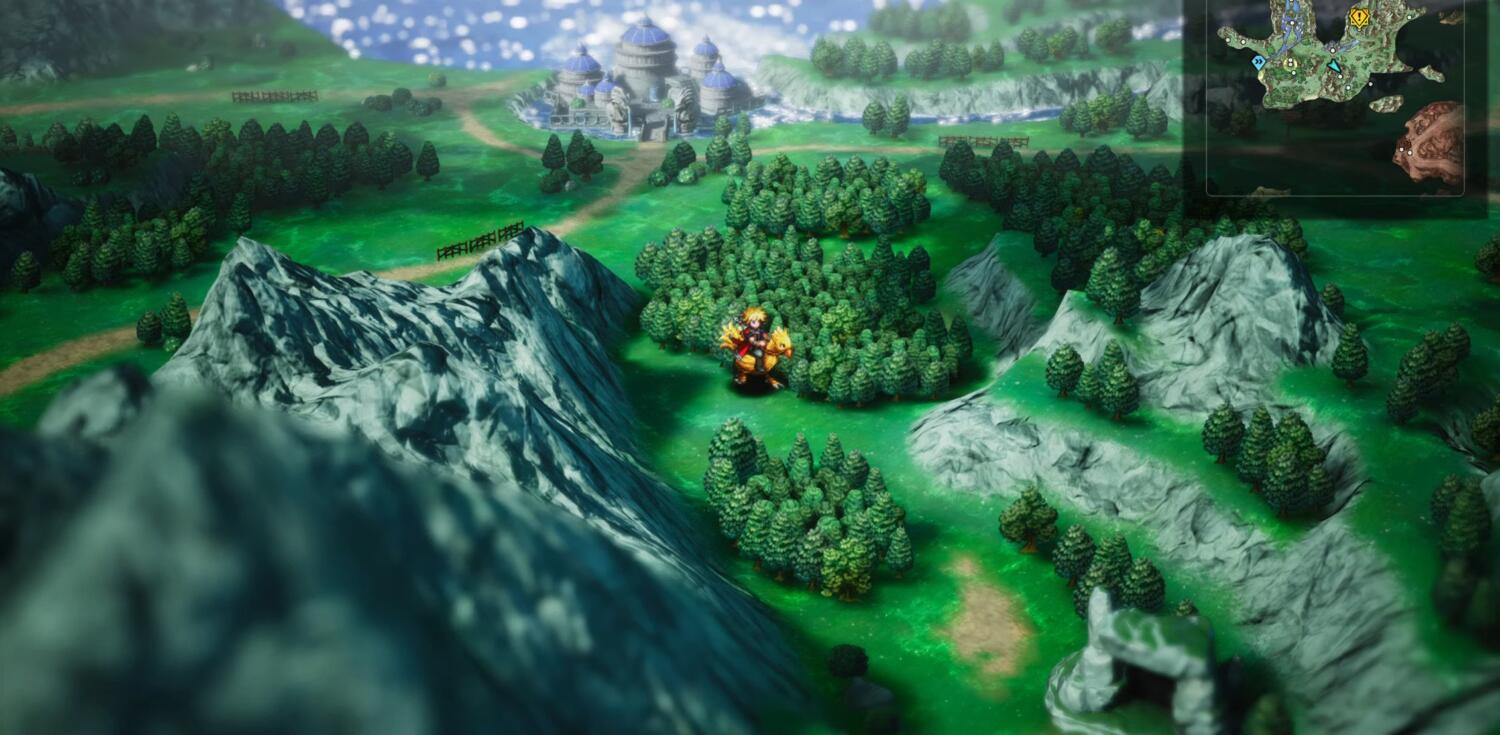
Battles take place in dungeons and the overworld alike, with an adorable chocobo serving as the primary traversal option for the latter, accompanied by its iconic, chipper ditty in the background. Littered across the map are white and yellow sparkles, indicating random items and collectable Tablet Shards that can be exchanged for random rewards, although the occasional awkward camera angle can obscure sightlines. The earlier-mentioned diorama-like effect livens up the world instead of creating HD-2D fatigue, which is a testament to its artistic direction.
As with Octopath Traveler, a recommended level is listed for places of interest, from towns to caves, and fast travel and airship navigation make travelling between them more convenient. Each locale also oozes its own charm and is characterised by distinct elements – Zoldaad, for instance, is connected by a tram system, while Olderion features boatmen to get around and a rope-skipping minigame. The cohesive, defining aesthetic identity proves handy for identifying enemy weaknesses, too, as foes in the same region typically share the same traits.
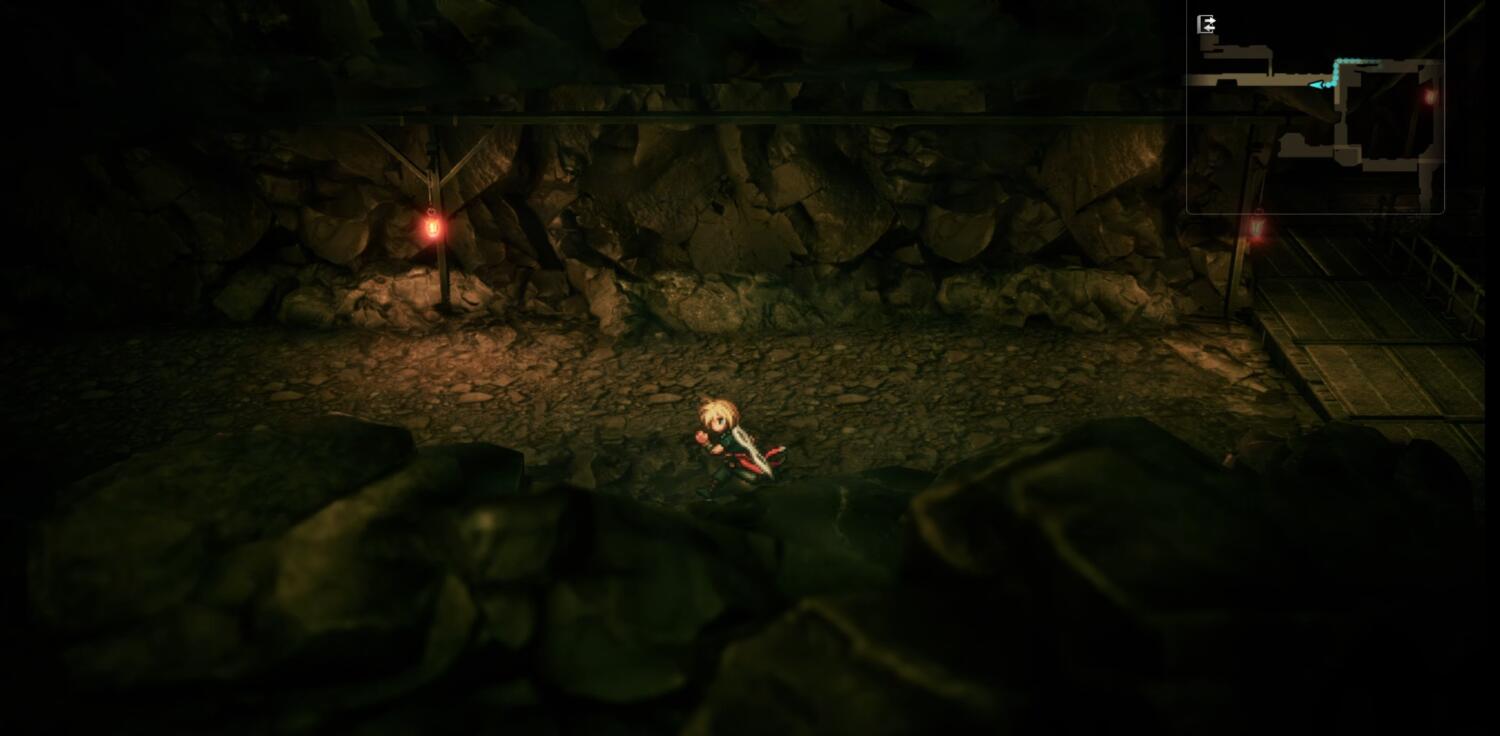
Dungeon exploration is where the old-school influence surfaces most. Like its classic brethren, Final Fantasy Resonance doesn’t replenish MP or HP at save points, leaving players to set up a tent, consume items, or use a character’s healing abilities. It’s fairly standard fare across the board: straightforward routes, little variation in layout, and occasional hidden pathways, all shown on the mini-map on the right side of the screen, so monotony can be a familiar presence. When players have to go back and forth between areas or solve puzzles, however simple, enemy encounters will become more frustrating than usual, but this is an inherent flaw of the genre rather than the game itself.
As players embark on the 20-to-30-hour journey, a handful of secondary endeavours lie in wait. For starters, the Colosseum, located in the starting area of Grandshelt, challenges their mettle across four leagues (Fledgling, Brawler, Gladiator, and Champion), and clearing each fight rewards Magicite, rare crafting materials, and exclusive gear. While brief, side quests reveal more about a character, which can be surprisingly nice, and those who enjoy going off the beaten path may come across optional bosses or powerful foes. Unfortunately, that’s a mixed bag, as the reward may not always be worth the effort.
No Final Fantasy experience is complete without music, and Resonance doesn’t disappoint. With 120 tracks, including 30 new original compositions, it gives a fresh spin on classic mainstays like “Victory Fanfare” and familiar leitmotifs, while switching up the battle score during higher-stakes fights. Where normal encounters feature an agile orchestral blend of flute, piano, and violin, the variation incorporates Latin chanting, frenzied guitar shredding, and lower-baritone, sweeping instrumentals to heighten tension. The accompanying track in cinematic cutscenes, coupled with strong Japanese voice performances, also elevates emotional moments in a way the underwhelming story cannot, and the overworld theme songs are crafted intricately to fit the mood.
By all accounts, Final Fantasy Resonance will likely, well, resonate with RPG traditionalists and turn-based enthusiasts. Like comfort food, it gives off a sense of warmth, and the deft blend of familiarity and novelty is a compelling justification for a return to the past. Rich, flexible customisation, beautiful music, and breathtaking visuals evoke the image of a phoenix rising from the ashes, held back from soaring by the shackles of narrative predictability.
GEEK REVIEW SCORE
Summary
In embracing and reinventing the old, Final Fantasy Resonance has crafted a charming, nostalgic adventure that will occupy a special place in the hearts of old-timers and genre traditionalists. Story is the weakest link here, but its visuals, music, and combat experiences set a new standard for the future of HD-2D.
Overall
8.4/10-
Gameplay - 8.5/10
8.5/10
-
Story - 7/10
7/10
-
Presentation - 9/10
9/10
-
Value - 9/10
9/10
-
Geek Satisfaction - 8.5/10
8.5/10

Si Jia is a casual geek at heart – or as casual as someone with Sephiroth’s theme on her Spotify playlist can get. A fan of movies, games, and Japanese culture, Si Jia’s greatest weakness is the Steam Summer Sale. Or any Steam sale, really.
 Joey Leong

 Kevin Low