
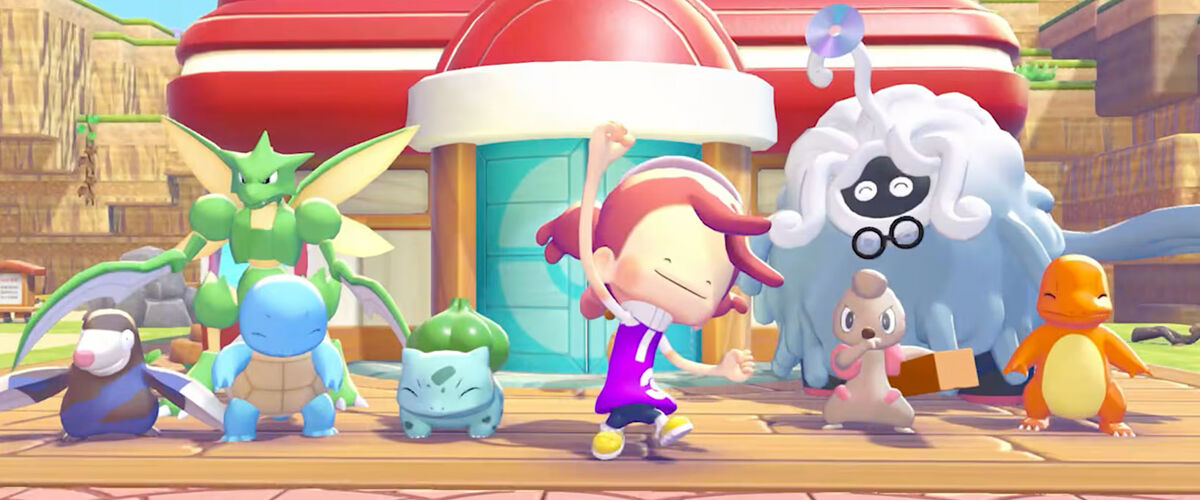
You know something works if it makes you care. Before 2019’s Detective Pikachu melted hearts with a touching scene featuring a group of adorable Bulbasaurs, the Grass-type critter was nowhere near the list of personal favourites. It’s cute, but so are many others, and as far as Starter trios are concerned, the evolved forms of Fire-types almost always look cooler.
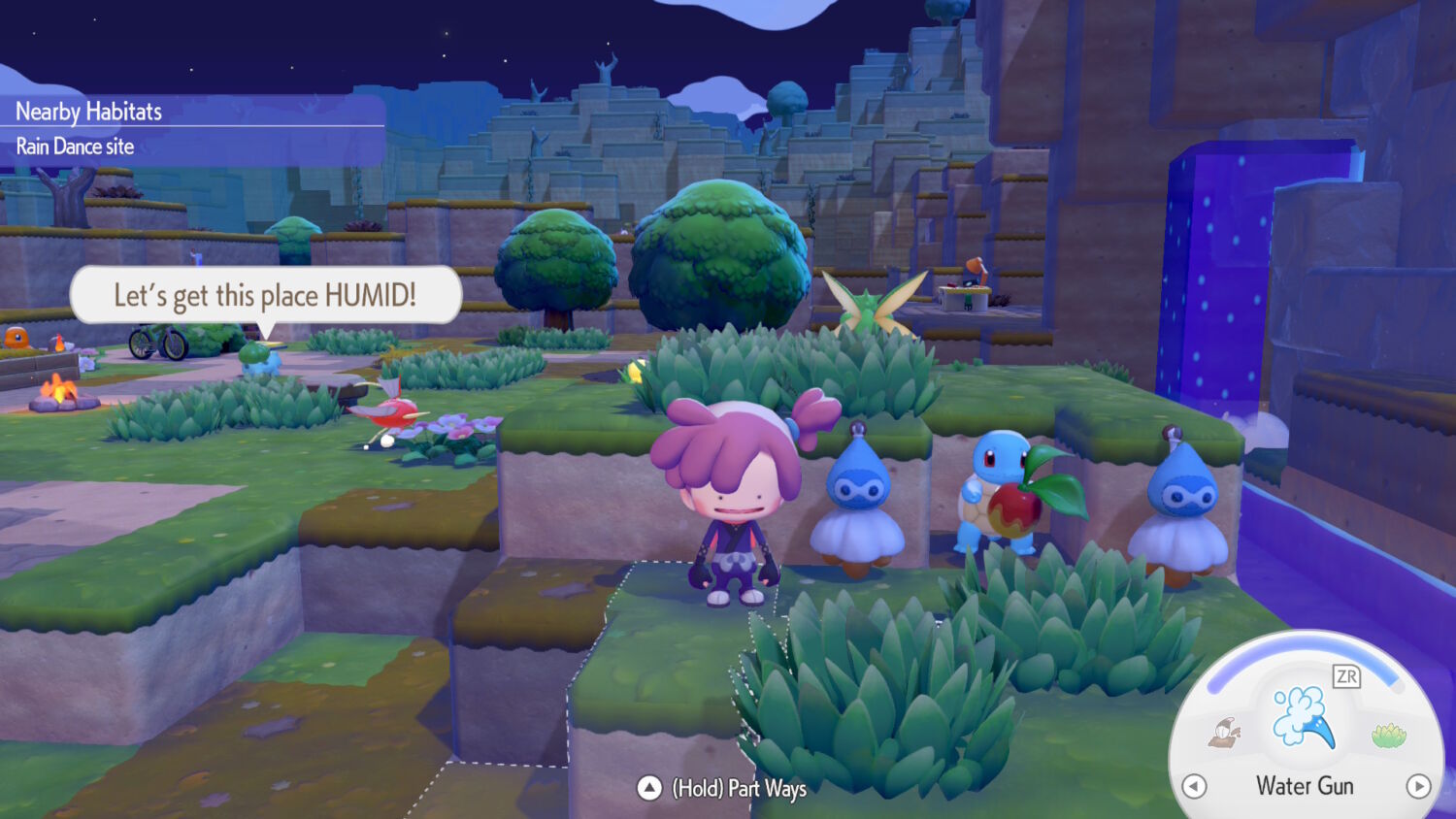
But that appearance sparked something, and Bulbasaur is back in the spotlight, after its now-iconic quote in Pokémon Pokopia gained widespread attention: “Let’s get this place HUMID!” The absurdity is equal parts endearing and surprising, and that’s one way to describe the latest joint effort between The Pokémon Company, Game Freak, and Koei Tecmo. “A match made in heaven” is another – where the level of commitment required for life simulator titles can be daunting, the addictive, time-sinking gameplay here makes it easy to forget these demands, allowing players to go about the experience however they want and at their own pace.
Breaking the familiar mould of its mainline counterparts, the spin-off eschews Pokémon battles for a sandbox adventure that has no combat elements. Instead of a human trainer, the protagonist takes the form of a humanoid Ditto, a clever twist on its shape-shifting abilities, who’s tasked with befriending new critters, learning moves from them to interact with the environment, and restoring a desolate world to its former glory in a Pokémon-only world. Players start in Withered Wastelands, where they encounter Professor Tangrowth and embark on a 40-plus-hour journey to uncover the mystery behind the disappearance of humans.
The answer lies in the familiar terrain of the Kanto region, now devoid of its signature lush landscapes from the other games, in the throes of an ecological disaster. The post-apocalyptic overtones paint a stark contrast to the cosy, laid-back nature of Pokémon Pokopia (which is nothing new for fans who know how dark the Pokémon lore can get), with the first hint of melancholy subtly conveyed through Ditto, who adopts its trainer’s likeness because it misses them.
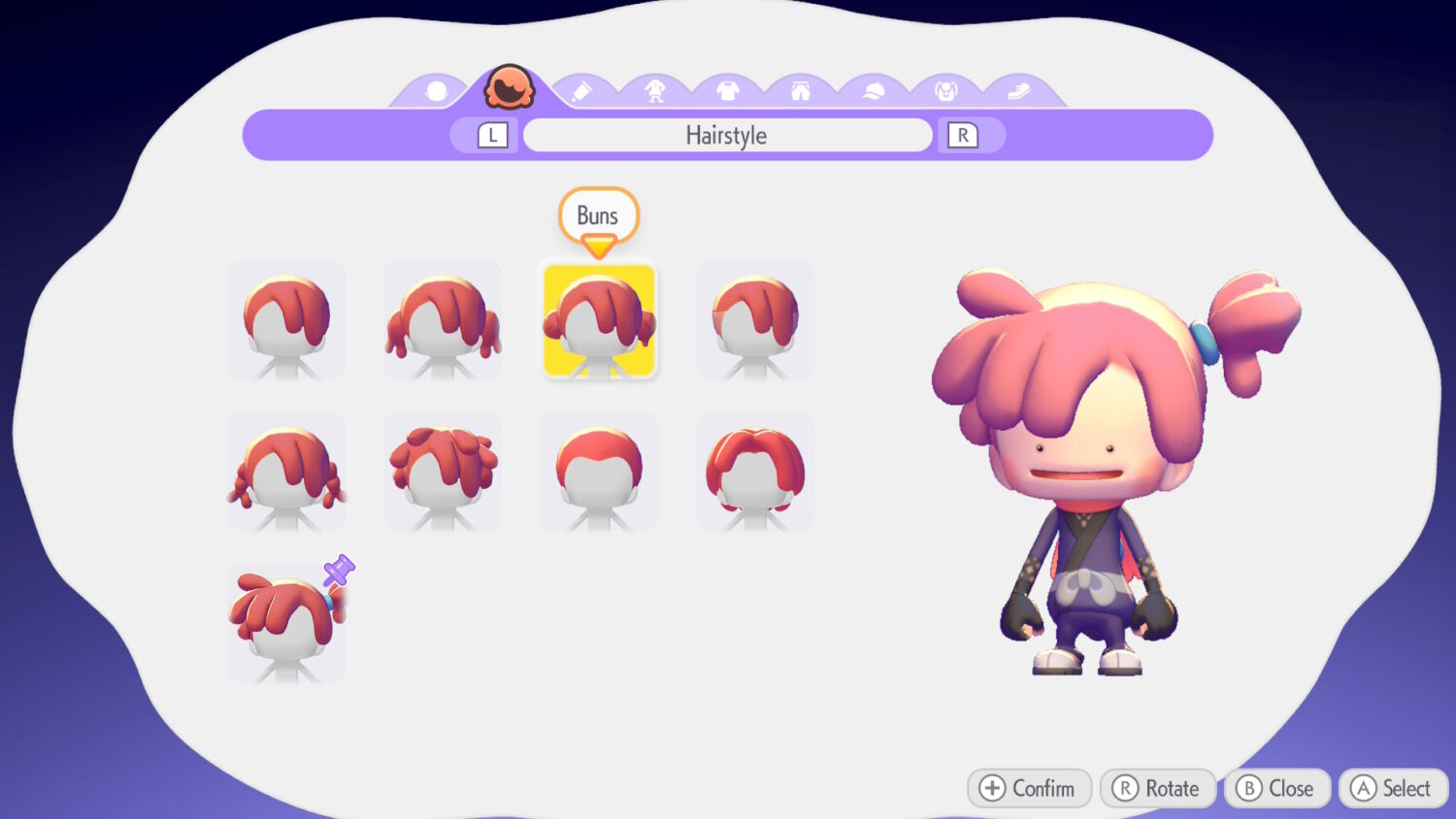
This is where customisation comes in, but don’t expect a wide range of options. The game offers basic features such as hairstyle, headwear, and gender, and once those are locked in, players will learn to create their first habitat out of tall grass. As its name suggests, however, Withered Wastelands is filled with wilted, and not green, life, so they need to water the dry ground and revive dead trees, bushes, flowers, and the like. Enter Water Gun, an ability taught by Squirtle that has Ditto sporting a tiny shell and tail when shooting water from its mouth.
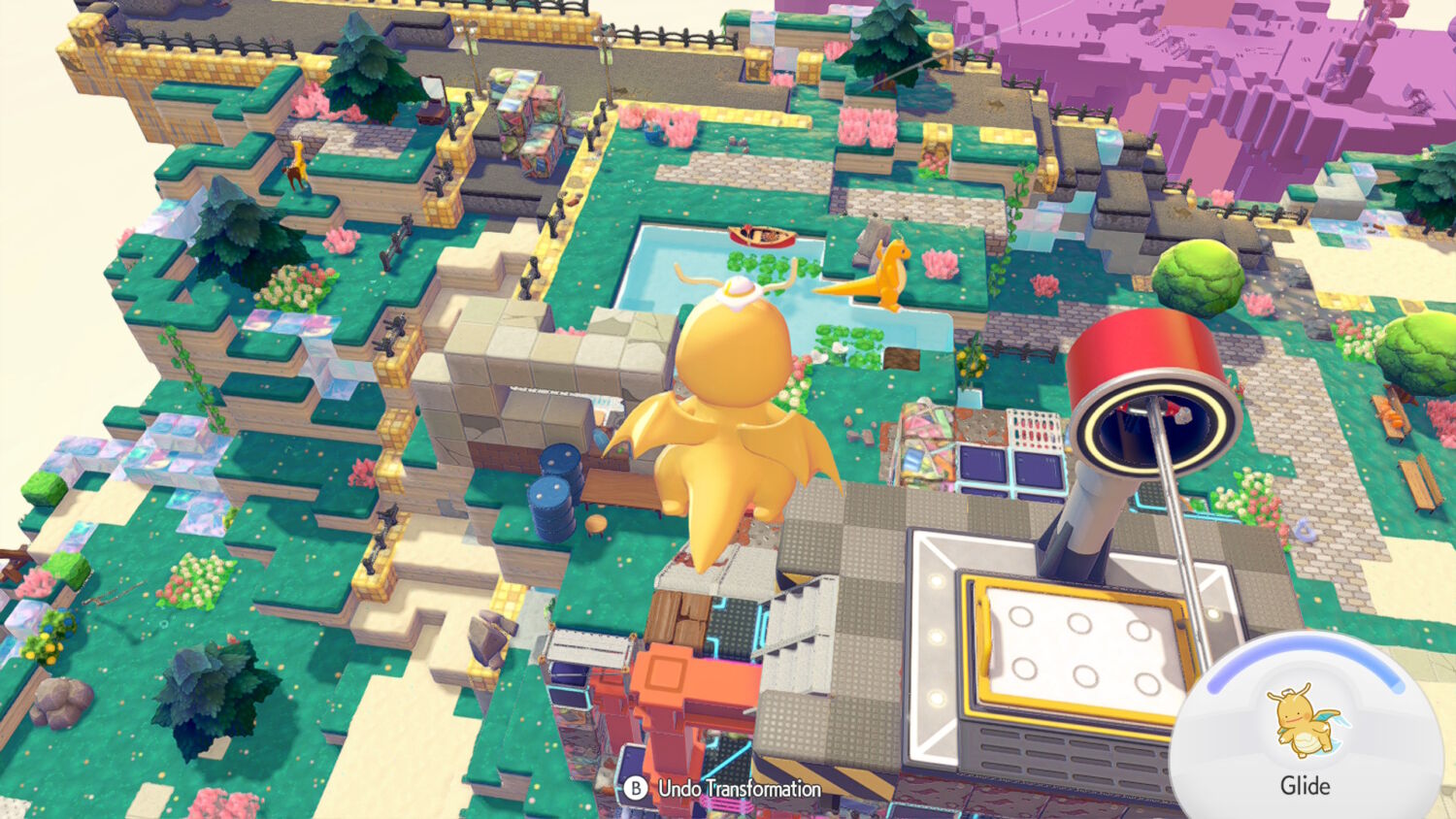
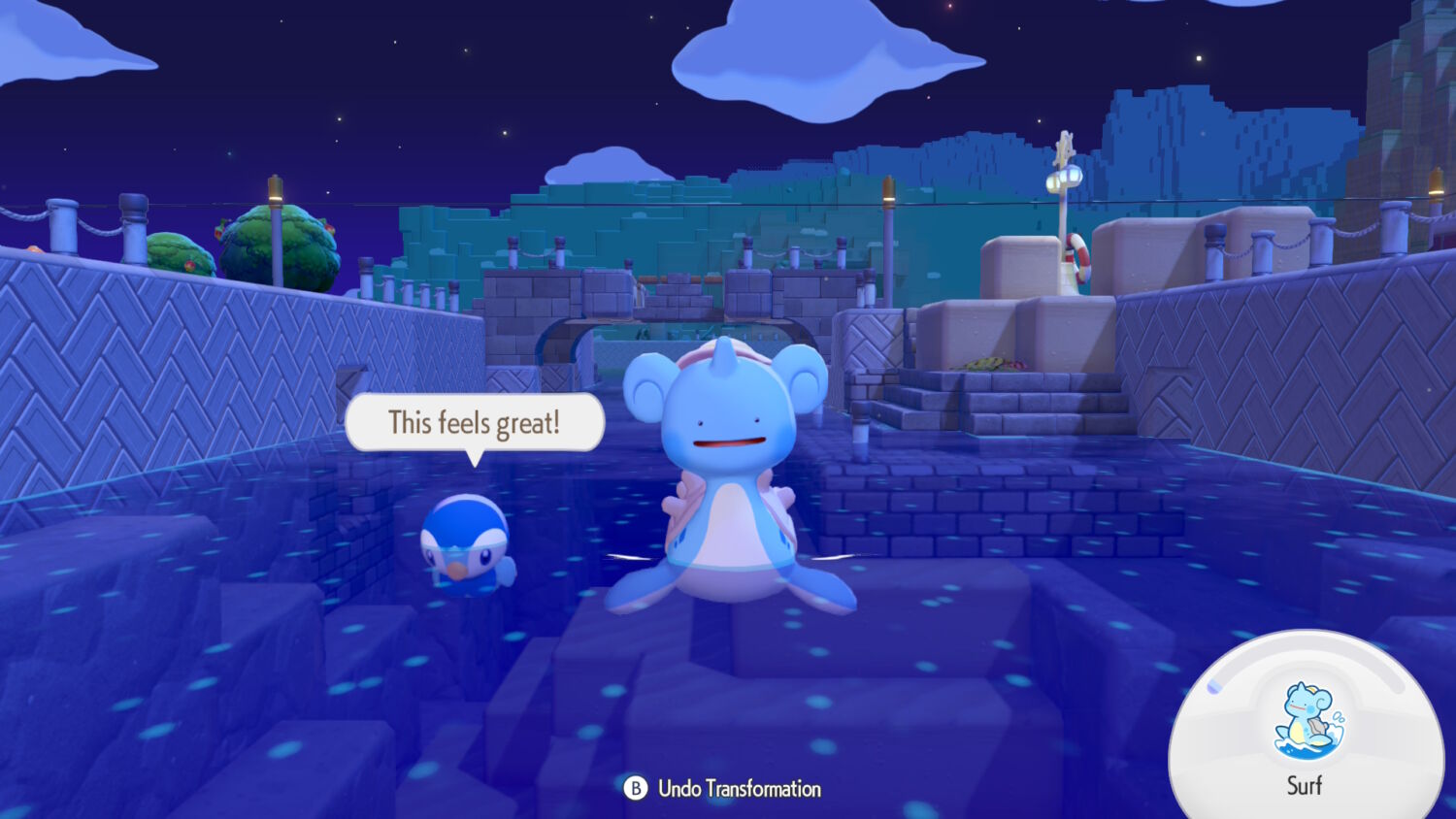
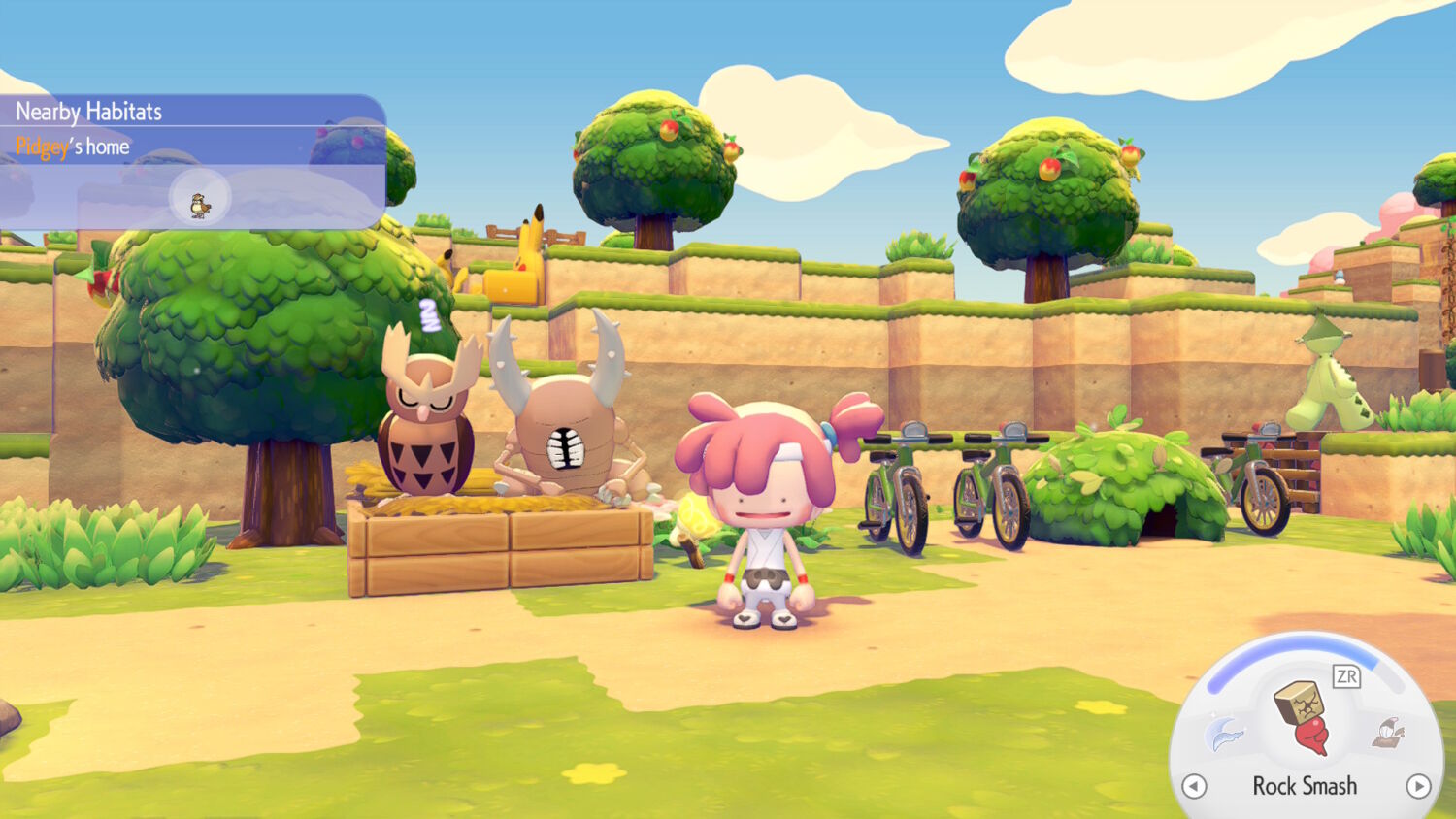
Soon enough, more recognisable critters will start popping up from the tall grass, allowing the blob-shaped creature to expand its repertoire of skills. It can learn Leafage from Bulbasaur to make tall grass grow on dirt and soil, Cut (Scyther) to slice through foliage and wooden objects, Rock Smash (Hitmonchan) to destroy blocks, and later on in the story, Surf across the water as Lapras and Fly – or rather, glide – through the air as Dragonite, among others. Each manoeuvre is easy to pull off and serves its purpose well, despite the occasional misalignment between the grid layout and the intended target that the Nintendo Switch 2’s mouse functionality remedies.
With these terraforming tools at their disposal, players can build different habitats based on hints dropped by the Habitat Dex, which reveals possible inhabitants through familiar silhouettes. The process starts small, from a bunch of flowers or tall grass and a combination of wildlife elements, to more complicated, man-made environments such as a gaming PC setup (yes, you read that right) or a mini library, and Pokémon Pokopia eases into the transition steadily, turning discovery into a rewarding affair. Some Pokémon may take longer to show up, and others only spawn in the day or at night, but the sense of anticipation and excitement that follows each encounter never really goes away, even after tens of hours.
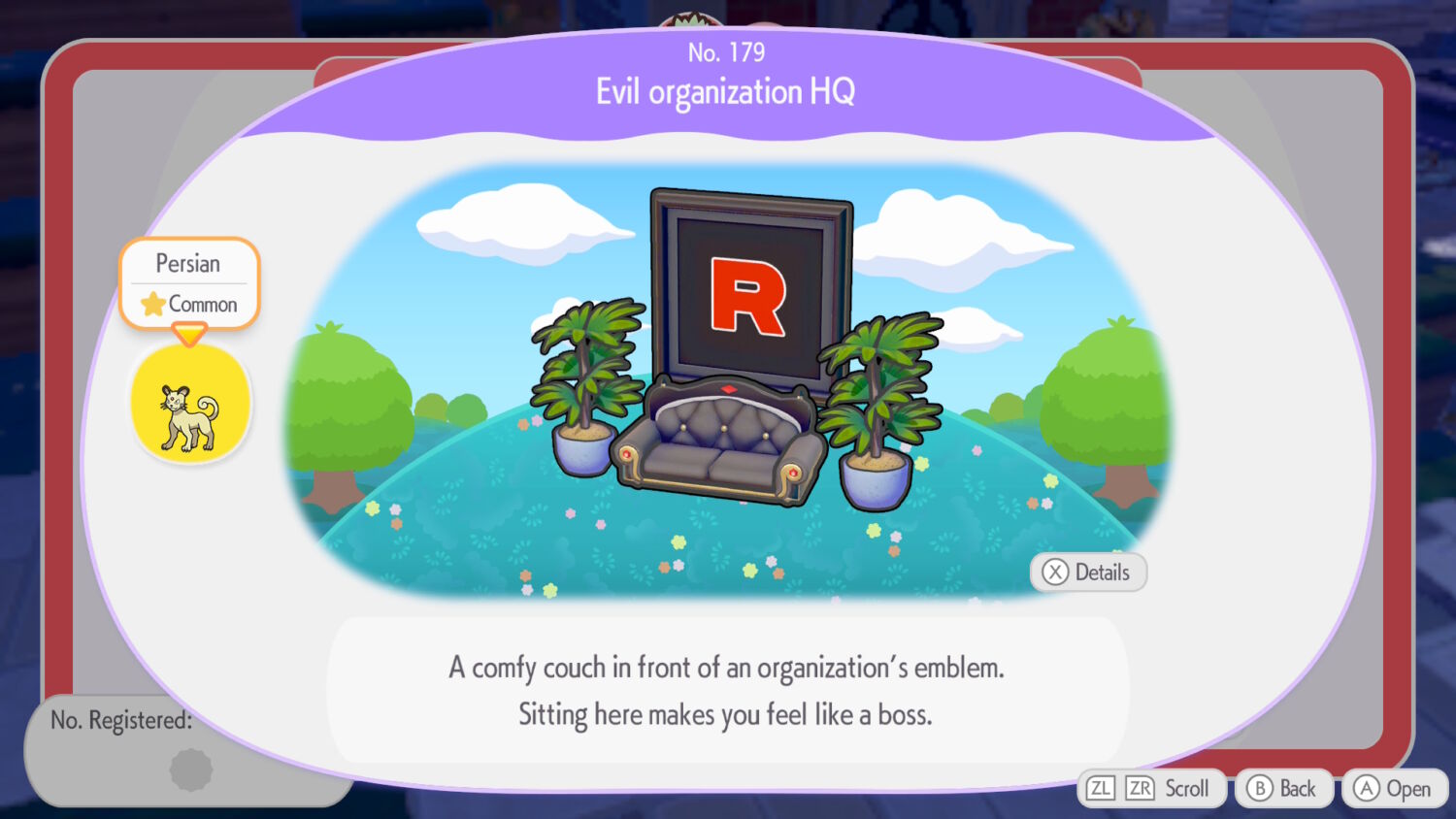
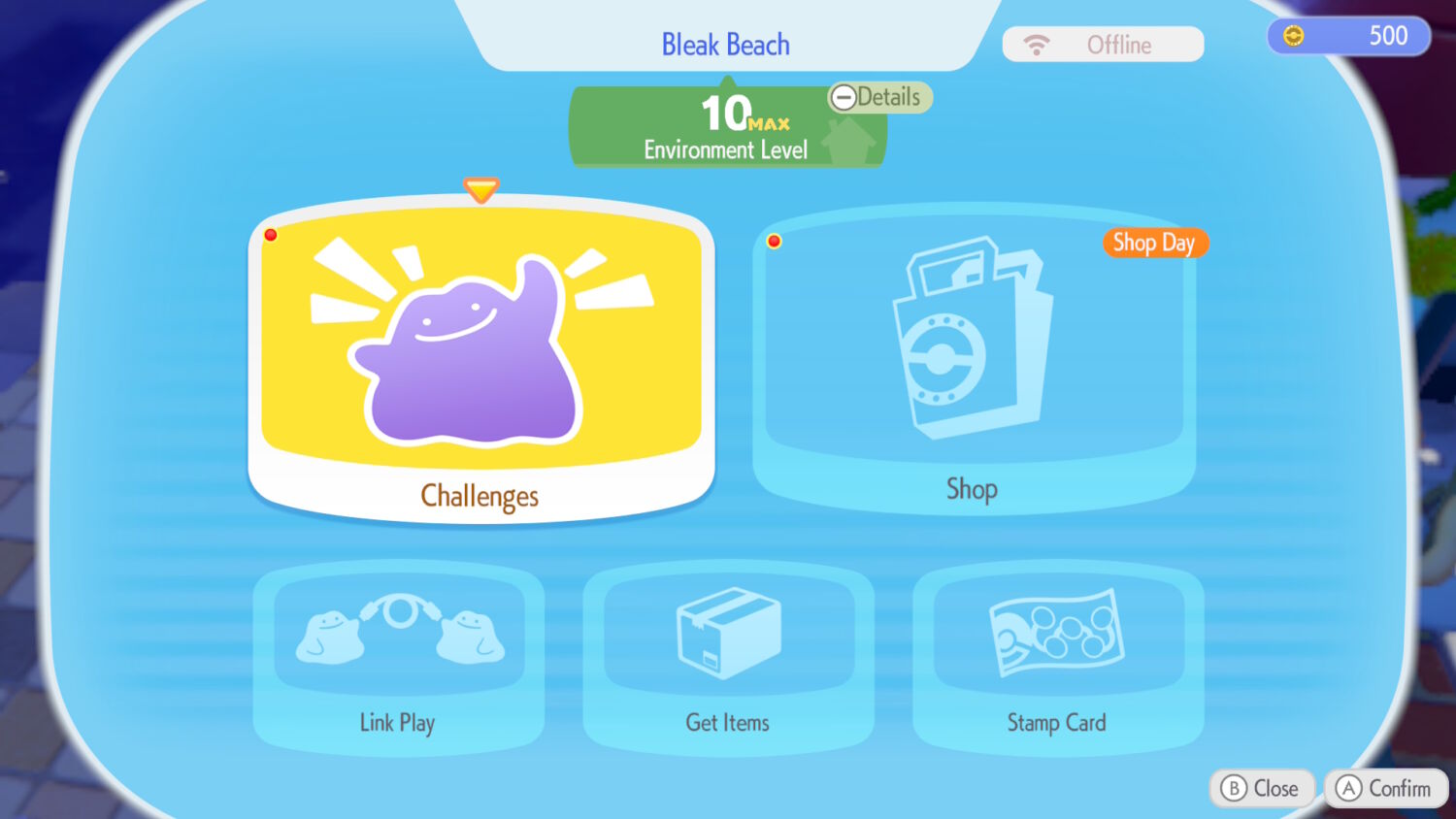
The habitats and creatures are scattered across four main biomes, each decked out in its own theme and distinctive design, with a fifth, Palette Town, incorporating all of that into an open sandbox playground, where co-op play also takes place. Entering Bleak Beach for the first time, for instance, reveals a portside town (or Vermillion City, for lore enthusiasts) polluted with litter and engulfed in darkness, with the storyline centred on generating electricity, while Rocky Ridges is covered in volcanic ash and introduces the ability to create functional railways for transportation. No matter the region, progression follows the same pattern: form habitats to attract Pokémon, increase the environment level, and complete the major story events.
A significant part of the second objective is raising the individual comfort levels of various Pokémon, achieved by giving them gifts, placing their preferred furniture or items in their habitats, completing requests, adding more buildings, and inviting them to stay in homes. New challenges, which reward coins upon completion, are unlocked with each rank-up, with more items and crafting recipes available for purchase in the shop. As the critters grow closer to Ditto, they will also return the favour with gifts of their own and extend invitations to mini-activities, such as playing Hide and Seek or answering trivia questions.
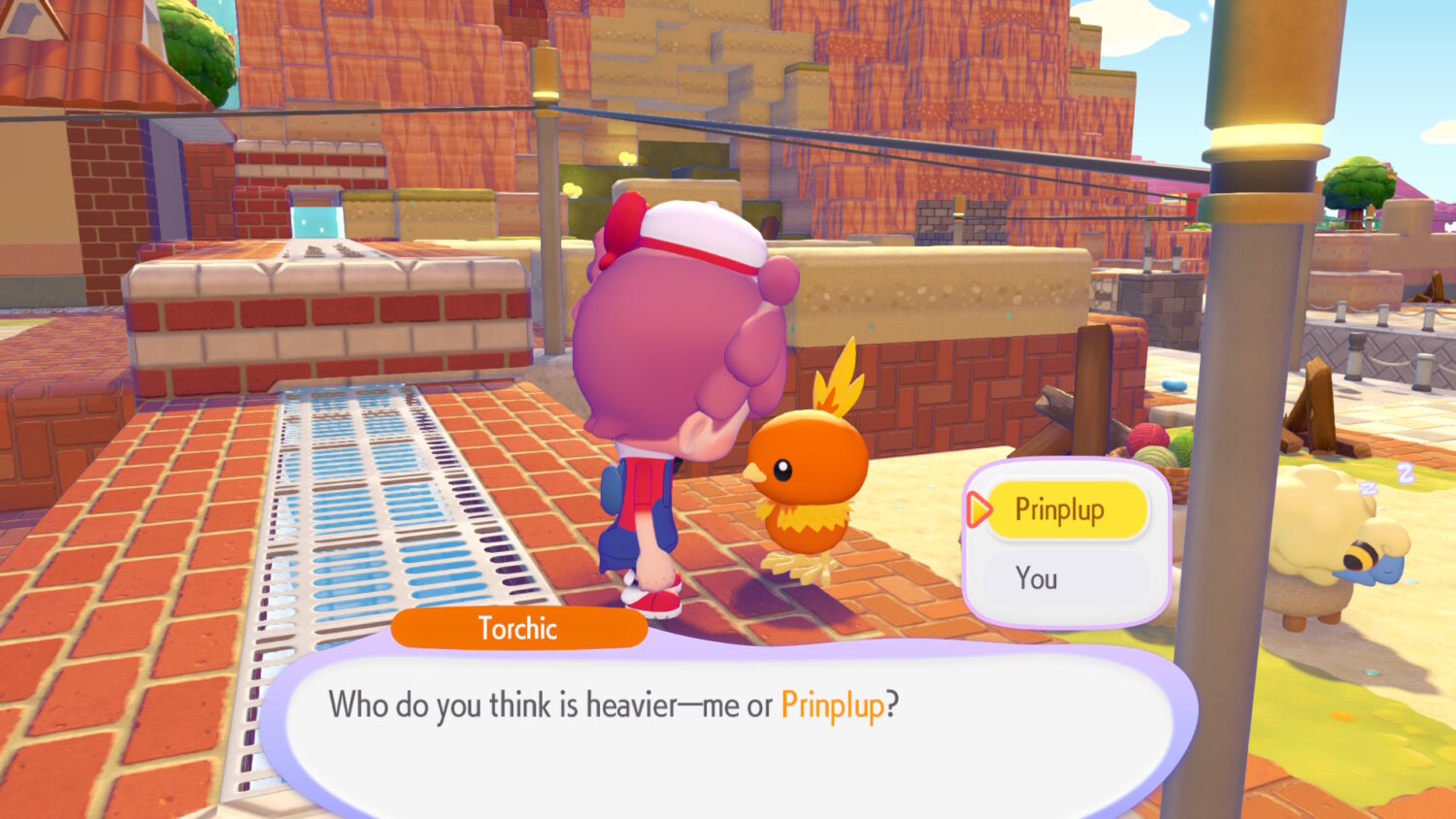
A prerequisite for creating virtually any item, crafting in Pokémon Pokopia works similarly to other games in the genre. Players can process gathered resources at the workbench and use them to spruce up spaces or construct buildings, including pre-fabricated den, hut, and cottage options that disable customisation – a quick fix for those who aren’t the best at decorating. The building controls, however, prove finicky at times, making it difficult to position blocks correctly (as with using Ditto’s abilities), and the lack of centralised storage often incites a tedious hunt for the right storage box.
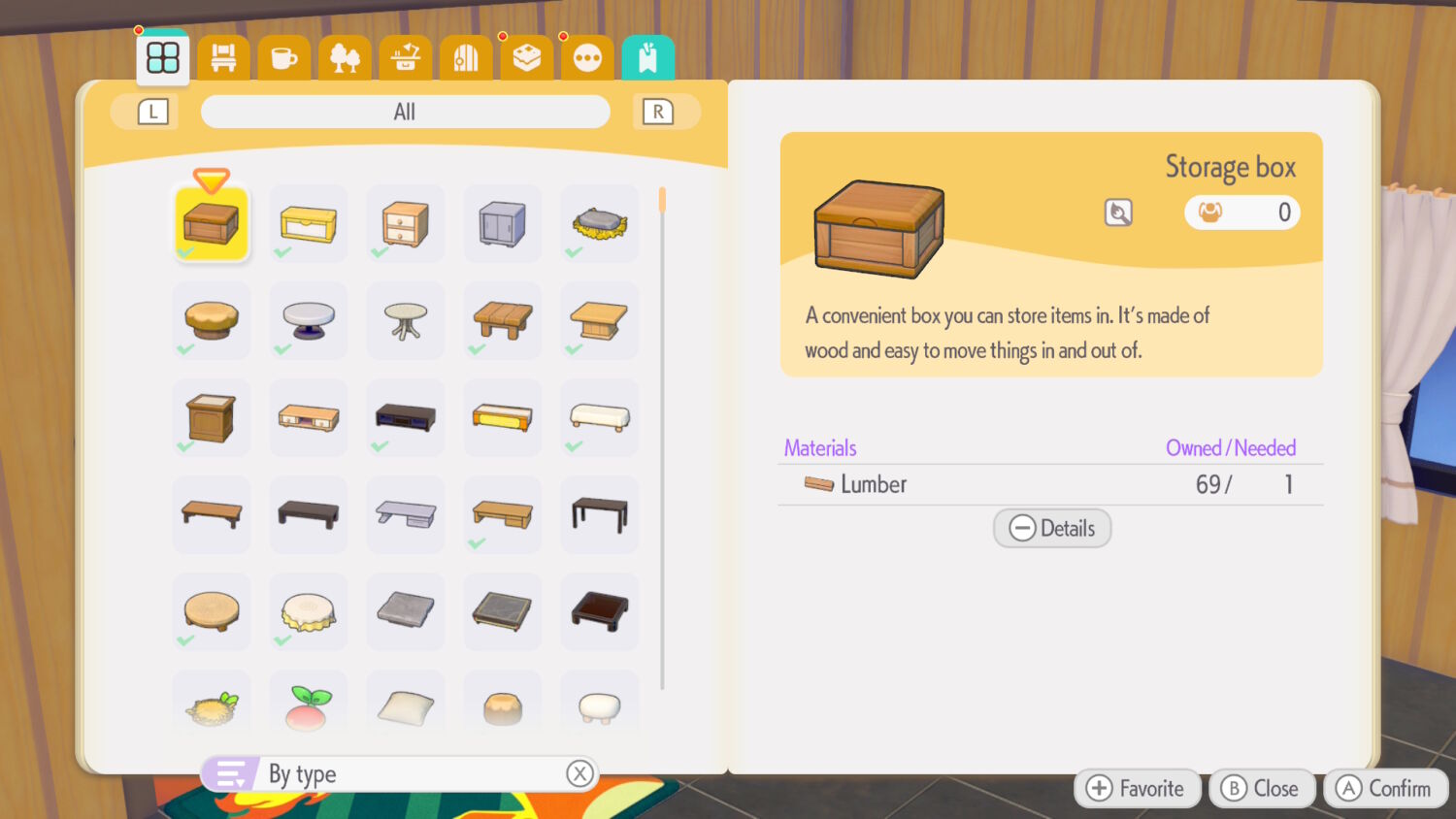
See, Ditto has its own inventory that can be expanded over time, but crafting both small and large storage boxes sets aside more room for items. Since they are strewn across all five biomes and hold different items, keeping track of their respective catalogues is a struggle, especially for scatterbrained individuals, kicking in the strongest when looking for a specific thing to complete a habitat or side quest.
Then, there’s the issue of construction limitations – building larger structures, including the Pokémon Centre in each area, typically takes a few real-world hours to a day, which can slow down progress and bring things to a lull. Changing the date and time manually on the console itself presents a workaround, much like in Animal Crossing: New Horizons, but that still requires additional effort on the player’s part.

The other hurdle is the type of Pokémon needed for the task. In Pokémon Pokopia, each critter has its own Specialties that cleverly tie into its typing or physical traits, and Build is the leading prerequisite here. To get started on a building project, you’ll have to gather one of the Build Pokémon, as well as several others, at the site, and submit the required materials, which sounds easy enough… until you have trouble locating the creatures. To the game’s credit, using Honey at their habitats or having a Teleport Pokémon take you to the target instantly will largely solve the issue. However, there may be moments when the exact habitat slips the mind, or the latter cannot be found, resulting in a time-consuming manhunt.
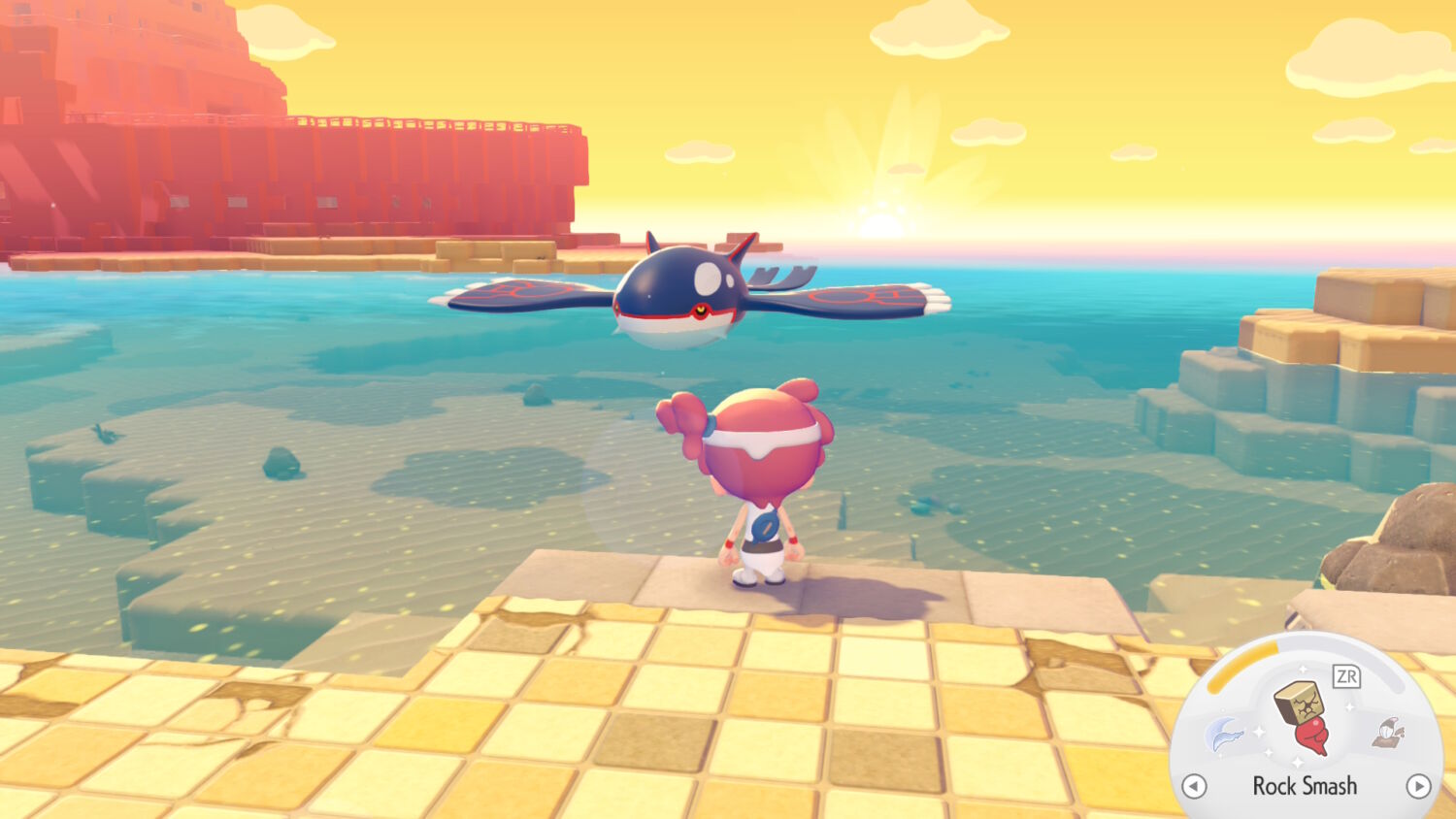
Although Pokémon Pokopia is set in the Kanto region, its roster goes beyond the original 151 Pokémon from the first-generation titles (Pokémon Yellow, Blue, and Red). From the beloved starter trio of Charmander, Squirtle, and Bulbasaur and fan favourites such as Lucario and Gardevoir, to more recent additions like Tatsugiri, it offers representation for long-time veterans and newer fans alike. Joining them are recruitable Legendaries and game-exclusive variants of existing species, including Peakychu, a pale, frail Pikachu unable to generate her own electricity; Mosslax, a moss-covered Snorlax; and Smearguru, a Smeagle covered in colourful paint splotches.
But the true magic lies in how the spin-off adventure makes players care about certain Pokémon, who now have personalities. Going back to the example of Bulbasaur, its excitable nature brings a human touch that was never quite present in the trainer-focused mainline entries, and all other portrayals ooze similar charm – Magikarp, for instance, punctuates its sentences with “yo”, while Alakazam and its mystical ilk use a sophisticated, scholarly-like manner of speech. The lack of the Evolution system also allows interaction between members of the same evolutionary line, leading to some interesting conversations and emotional moments.
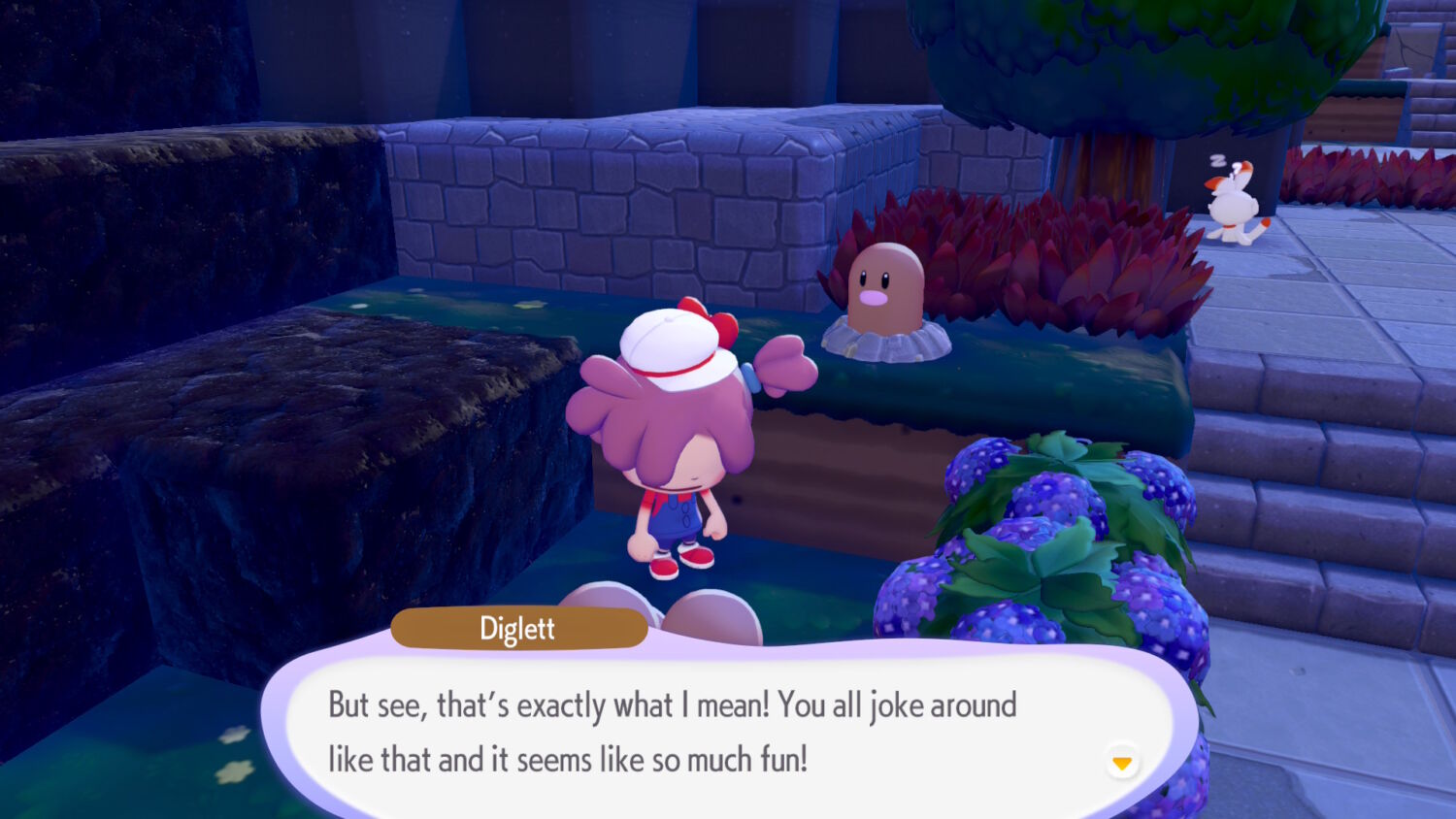
In the former case, an interaction between Diglett and Dugtrio proved wholesome, with the latter telling Diglett to be closer to them so it wouldn’t feel lonely, after Diglett expressed a desire to experience the sibling dynamic. In another scenario, talking to Cubone at its default “Grave with Flowers” habitat spawns a dialogue that references the loss of its mother, Marowak, in canon (“Mom prob’ly woulda liked this place too”), and players can reunite the pair by moving them together into the same habitat. Not every Pokémon will be friendly to one another, however, and witnessing Heracross and Pinsir butting heads over who’s stronger, as well as Flygon and Ninetails exchanging passive-aggressive barbs, was an entertaining, hilarious time.
It certainly helps that Pokémon Pokopia boasts an intuitive escort mechanic, where up to five companions can follow Ditto around without any issue, even if slower-moving Pokémon can occasionally fail to keep up with its pace. This is especially noteworthy because the offshoot title has plenty of tag-along sequences that extend to stairs, carts, and sky lifts, and require a specific Specialty to work, such as Burn for lighting fires or fuelling Smelting Furnaces, and Generate to temporarily power up lights and machines.
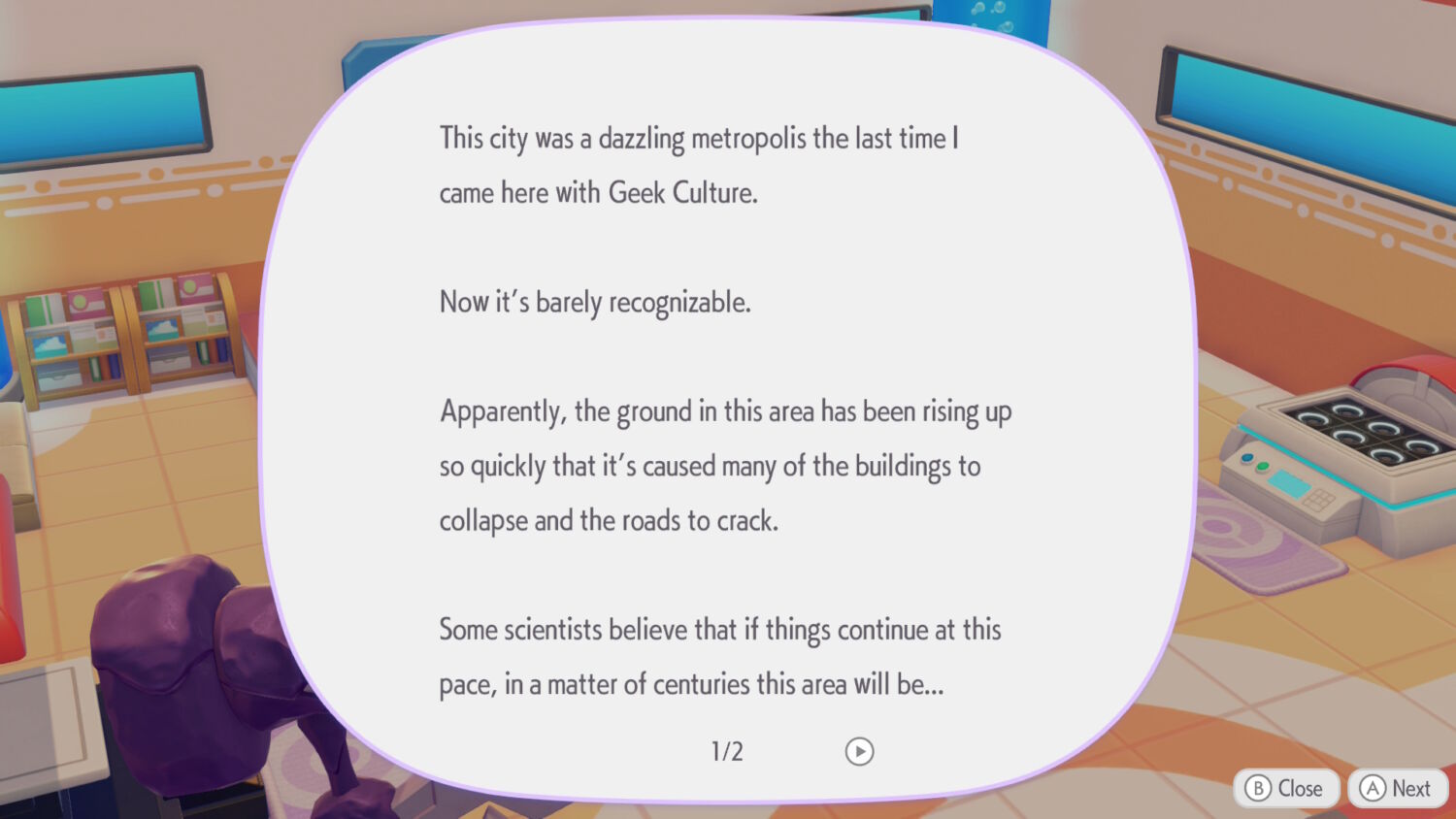
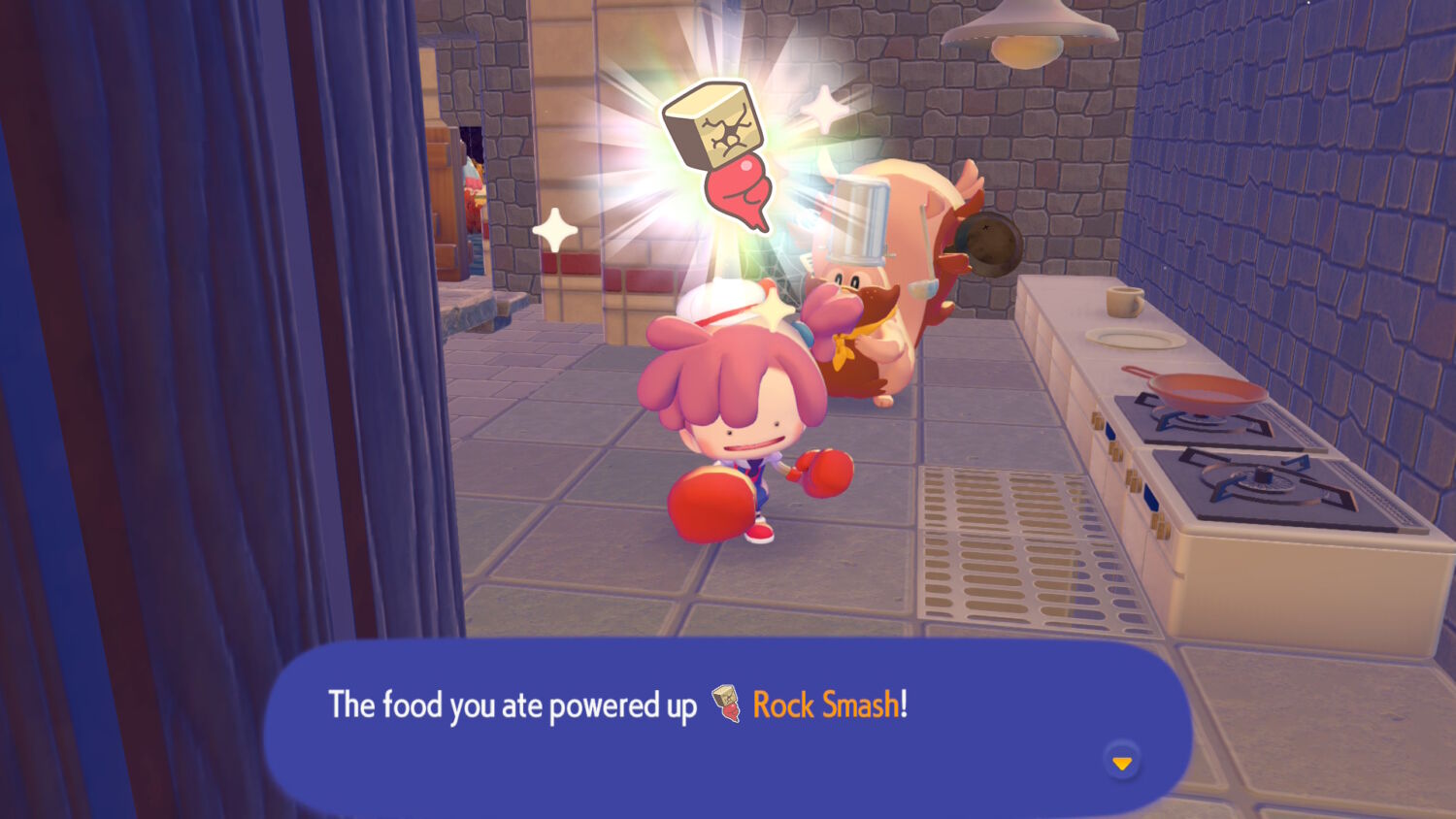
As players explore the world, they will come across hidden secrets in various nooks and crannies, including relics, mysterious slates, and journal entries, alongside new paths through the environment, and iconic locales from the original titles – a nostalgic, welcome celebration of the game’s roots, accompanied by a familiar-sounding score. An upgraded Rock Smash proves useful for tearing down sturdier walls to access deeper parts of the map, which is obtained through cooking, with different dishes boosting different movesets.
There’s a lot to enjoy about the story, too. While Pokémon Pokopia delivers a decent overarching narrative, the best part of the experience comes from uncovering the notes and logs and piecing together its epistolary storytelling, such that the truth slowly dawns on the player like a punch to their gut. It goes without saying that lore enthusiasts will be in for a fun time, but the juxtaposition between the game’s bright, jovial veneer and its darker implications should be intriguing enough for casual franchise and genre fans.
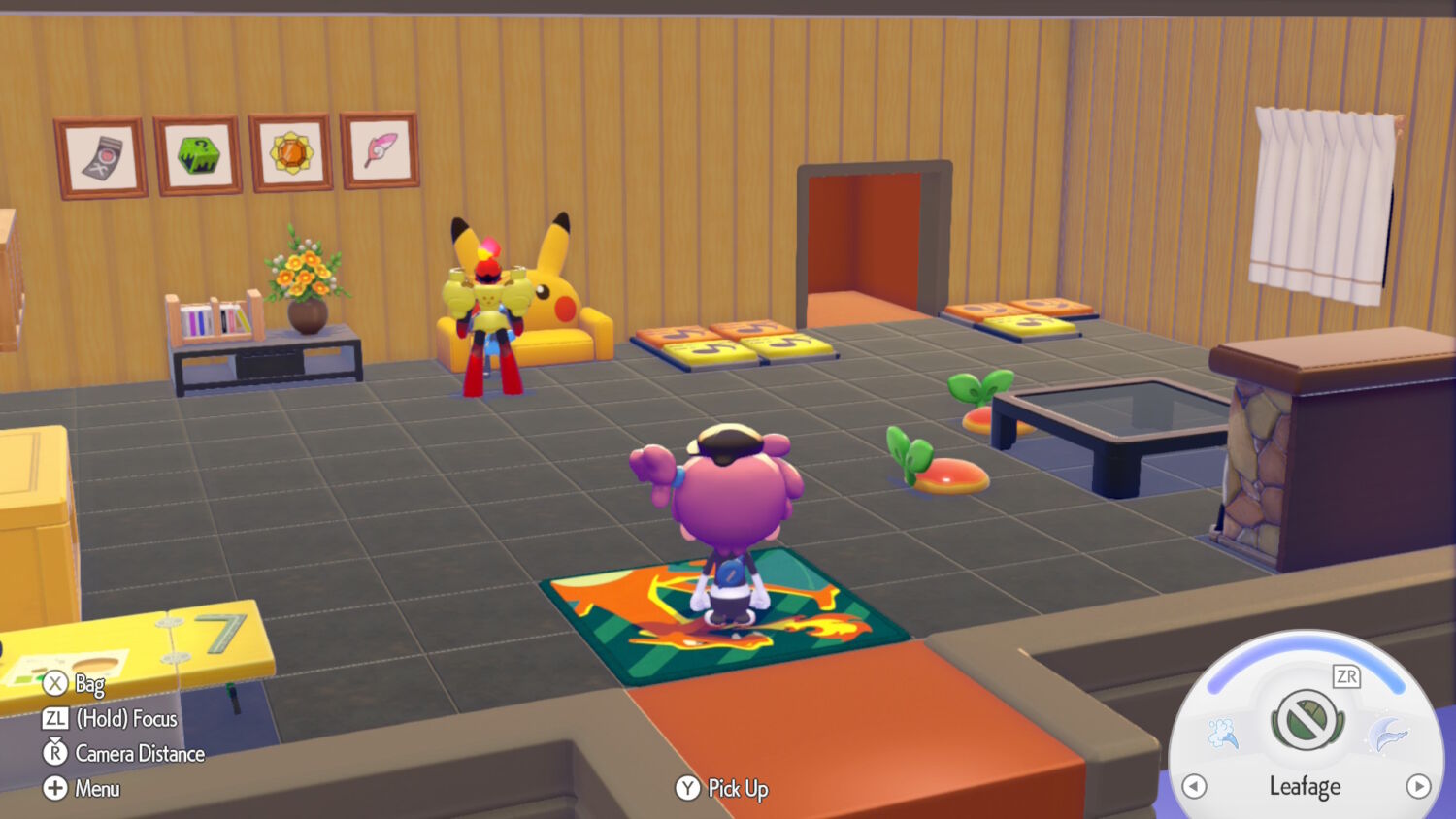
The freedom that it offers, alongside the highly engrossing loop that makes it difficult to put the controller away, is arguably the game’s greatest strength. Where repetition and a slow-burning pace are sometimes responsible for waning interest in cosy titles, they are a source of comfort here, allowing players to live out their own idea of happiness – whether it’s cleaning up the towns, attracting Pokémon to fill out the Pokédex, clearing plots of land for planting crops and flowers, building an entire metropolis, or decorating the insides of different houses. Maybe the plan was to play for an hour, but cut to the next scene, and four hours have passed. Many such cases, without a doubt.
It’s surprising how long it took for a Pokémon experience with farming or life simulator stylings to become a reality, and the wait has paid off handsomely. While seemingly straightforward in most facets of gameplay, Pokémon Pokopia can be unexpectedly layered in the areas that matter, and still is, in some ways, the same beast as fans have come to know. Charming, laid-back, and sincere, the sandbox adventure is an evolution of the best parts of its identity that far outweighs its rougher edges – heck, it even got my brother, a non-gamer Pokémon fan, into non-stop hours of playing, and isn’t that the biggest compliment a game can have?
GEEK REVIEW SCORE
Summary
In crafting a story of hope, restoration, and recovery, Pokémon Pokopia promises time-sinking fun without over-complicating the process. The best Pokémon spin-off to date, it serves as both nostalgic fuel and a love letter to the original Kanto-focused titles.
Overall
9/10
-
Gameplay - 9/10
9/10
-
Story - 8.5/10
8.5/10
-
Presentation - 9/10
9/10
-
Value - 9/10
9/10
-
Geek Satisfaction - 9.5/10
9.5/10

Si Jia is a casual geek at heart – or as casual as someone with Sephiroth’s theme on her Spotify playlist can get. A fan of movies, games, and Japanese culture, Si Jia’s greatest weakness is the Steam Summer Sale. Or any Steam sale, really.

 Kevin Low