

Adapting one of Ubisoft’s most beloved gaming franchises is already a big leap of faith for Netflix, so it stands to reason that a strong creative force will lead the Brotherhood. The streamer’s upcoming live-action Assassin’s Creed series has tapped Johan Renck, best known for helming HBO’s Emmy-winning mini-series Chernobyl, as its director, Variety reports.
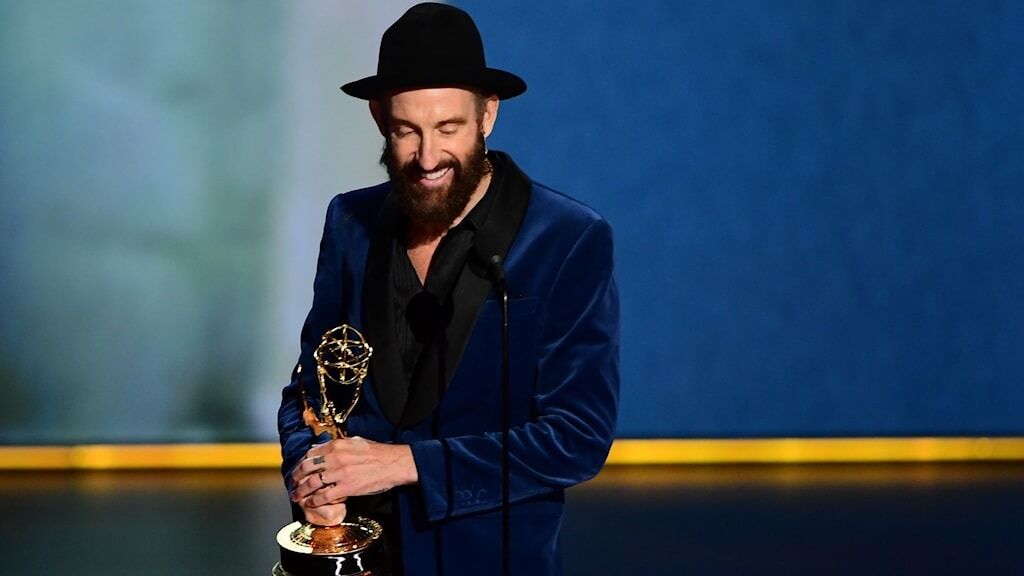
The Swedish filmmaker is set to join Roberto Patino (Westworld) and David Wiener (Halo), who serve as creators, showrunners, and executive producers, as well as co-executive producers Gerard Guillemot, Margaret Boykin, Austin Dill, and Genevieve Jones of Ubisoft Film & Television. Toby Wallace of Euphoria fame and Lola Petticrew (Say Nothing) were recently unveiled as the leads, with Zachary Hart (Slow Horses) and Laura Marcus (Death by Lightning) cast as series regulars.
While Netflix is keeping the plot specifics close to their chest, the official logline reveals that the project will be “centred on the secret war between two shadowy factions — one set on determining mankind’s future through control and manipulation, while the other fights to preserve free will. The series follows its characters across pivotal historical events as they battle to shape humanity’s destiny.”
The extent of faithfulness to the source material also remains unclear, and there’s no word on which game and setting the show will bring to the small screen — the franchise has 14 instalments to date, with Assassin’s Creed Shadows being its most recent release. Further details, including a release date and episode count, were not announced.
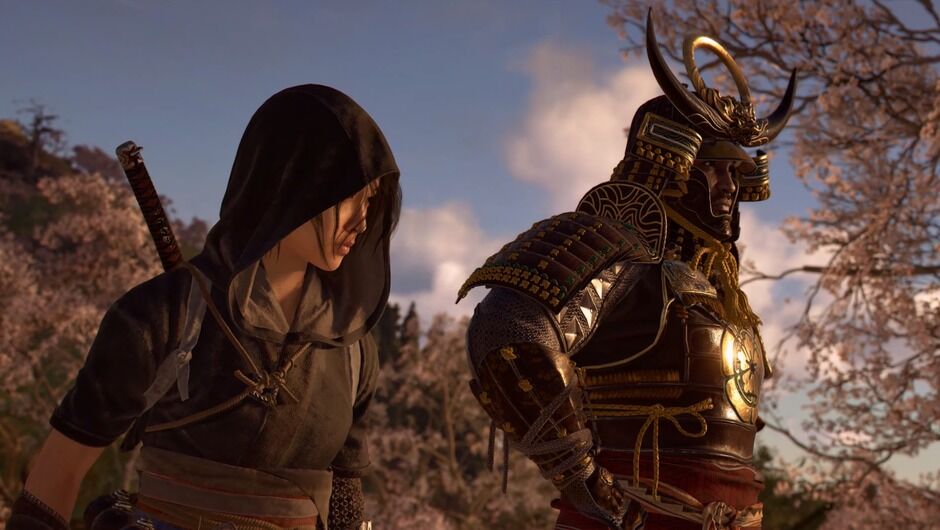
Following the release of its first entry in 2007, a new story and occasionally new time periods are introduced in each mainline game. The overall narrative explores the conflict between two secret orders, the Assassins and the Templars, with individuals in the present timeline using a machine known as the Animus to access the genetic memories of Assassins across different historical eras, such as Altaïr Ibn-La’Ahad in the Third Crusade, Ratonhnhaké:ton (aka Connor) in the American Revolutionary War or Basim Ibn Ishaq in 9th-century Baghdad, as they track down mysterious artifacts left by a precursor race known as Pieces of Eden.
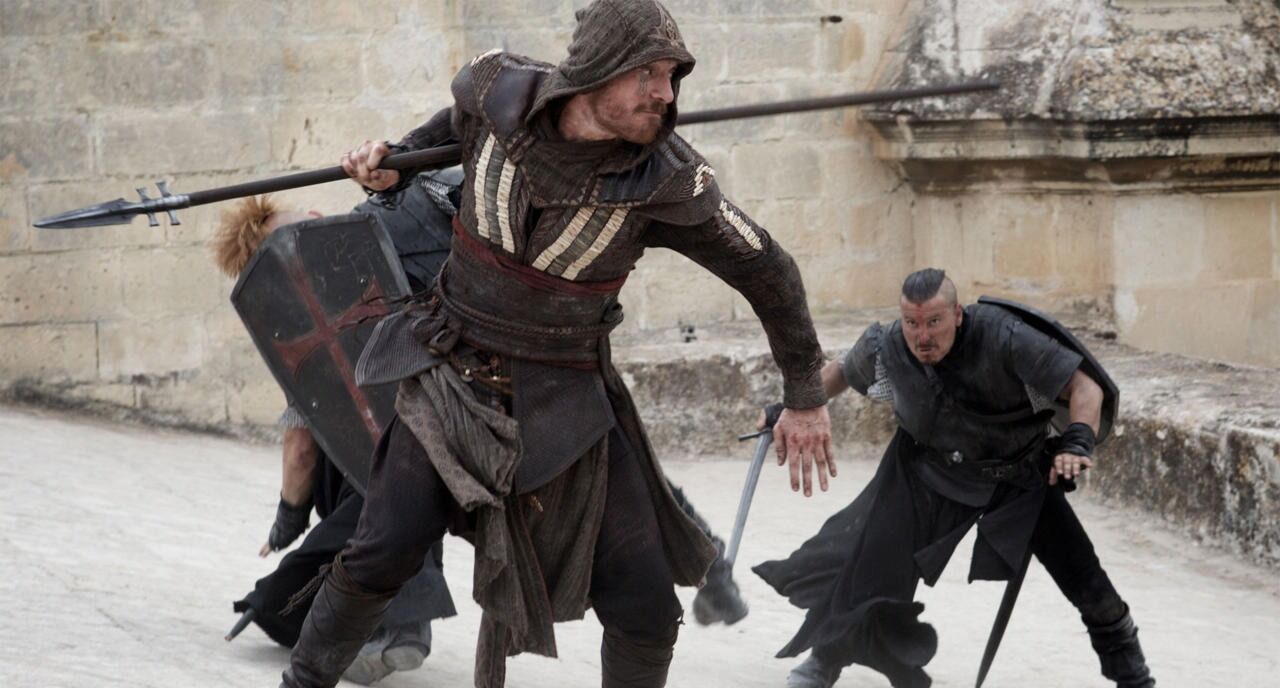
The franchise’s popularity led to its first live-action film adaptation in 2016, starring Michael Fassbender as the protagonist. It was critically and commercially panned, so fingers crossed that Netflix’s forthcoming Assassin’s Creed series can redeem its tarnished reputation on the screen. The show has one thing going for it, at least — Patino and Wiener previously highlighted that the element of “human connection” will be a huge focus.
“We’ve been fans of Assassin’s Creed since its release in 2007,” said the duo in a joint statement then. “Beneath the scope, the spectacle, the parkour and the thrills is a baseline for the most essential kind of human story — about people searching for purpose, struggling with questions of identity and destiny and faith.
“It is about power and violence and sex and greed and vengeance,” they added. “But more than anything, this is a show about the value of human connection, across cultures, across time. And it’s about what we stand to lose as a species, when those connections break.”

Si Jia is a casual geek at heart – or as casual as someone with Sephiroth’s theme on her Spotify playlist can get. A fan of movies, games, and Japanese culture, Si Jia’s greatest weakness is the Steam Summer Sale. Or any Steam sale, really.


 Kevin Low
 Joey Leong