You know a series is iconic when almost all of its mainline titles have received remasters or remakes years after their initial release, and such is the case with Atlus and Sega’s long-running JRPG/life simulation franchise, Persona.
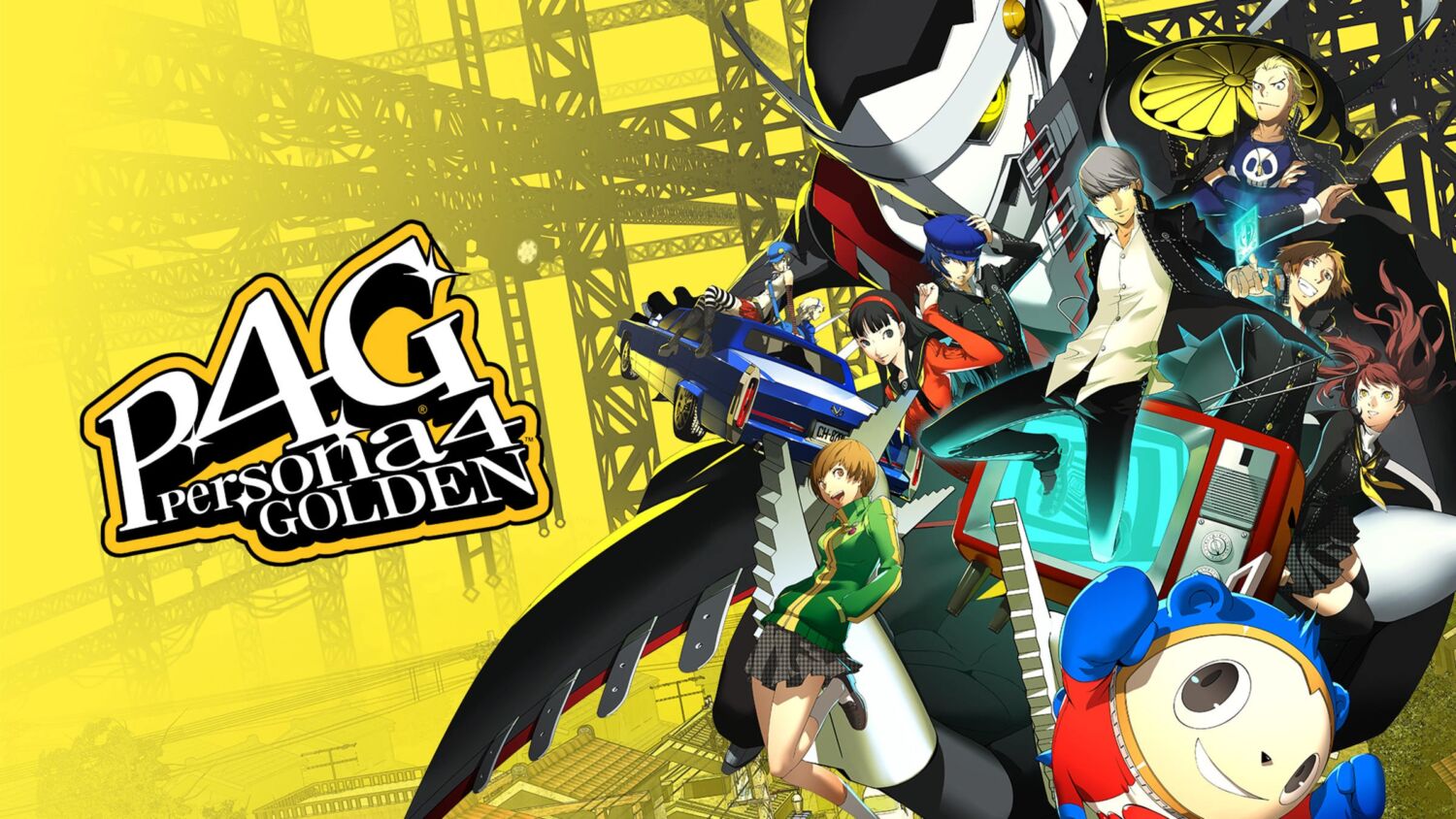
To date, every game from its third entry onwards has been remade, remastered, or tweaked for the modern generation, starting with Persona 4 Golden (2012), an expanded “definitive” edition of the 2008 sequel, Persona 5 Royal (2019), a similar expanded edition as the former, and leading up to Persona 3 Reload (2024), a ground-up remake of the 2006 title which revamped its graphics and gameplay for the modern age.
Now, the fourth game is set to receive the same remake treatment with Persona 4 Revival. The question is, with the title already having received an upgraded version, just how much will the remake add to the experience to improve upon a title that already has a “definitive” version?
To find out, Geek Culture was able to get our hands on a brief 40-minute gameplay preview of the remake while at the Sega headquarters in Tokyo, and while we weren’t able to experience a taste of everything new this revamped edition has in store, we walked away with a clearer idea of the direction it’s taking, and fans are in for a treat.
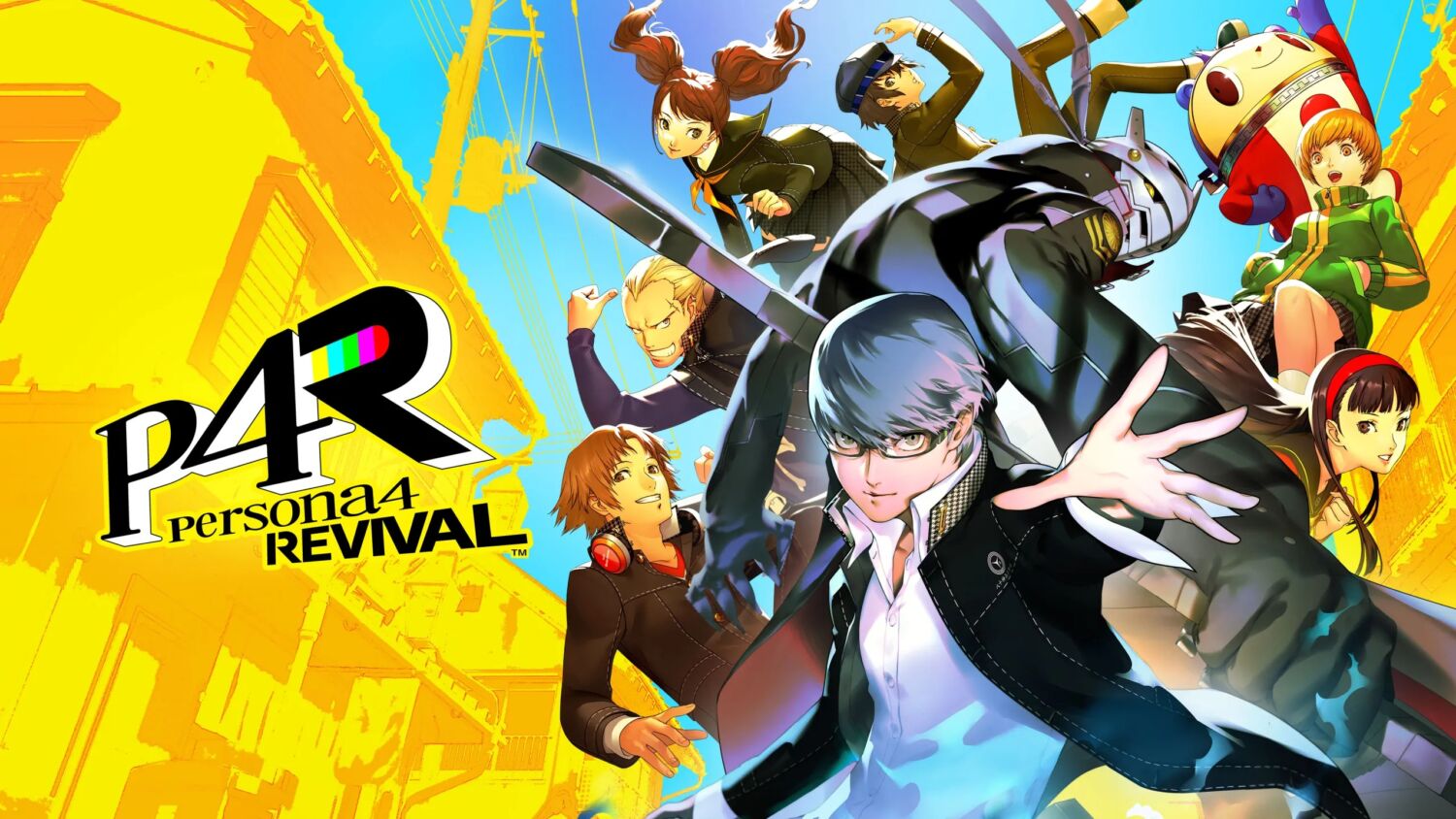
Our preview section was split into two parts, the first being an introductory segment where protagonist Yu Narukami awakens his first Persona, magical “masks” or spiritual personifications of each character’s psyche that they can summon to fight in battle. Much like the original title, high schoolers Yu and his friend Yosuke Hanamura enter a distorted version of their town’s shopping district in search of their missing senior, Saki Konishi, accompanied by a mysterious being named Teddie.
Right from the start, the graphical boost is clear, as the original 2008 title has been brought to the same graphical standards as the most modern game in the franchise, Persona 3 Reload. Even then, the crisp graphics aren’t even the most noticeable change, as that came in the form of the game’s modernised exploration system. The original game made use of fixed camera angles when moving through places like the city streets, but now, players have full 360-degree control, which means they are free to explore every nook and cranny.
Those who played the original game would no doubt be familiar with the protagonist’s initial ambush by the Shadows that led to Yu awakening his Izanagi Persona, but things are presented completely differently this time around, as the original animated cutscene has been replaced with one made by MAPPA, the renowned animation studio behind such hits as Chainsaw Man, Attack On Titan Final Season, and the opening of Persona 5 Royal.

With so many recognised works under its belt, it’s no surprise that the new cutscene feels like it was ripped straight out of a modern anime. The original cutscene was already pretty awesome, but this new one elevates the iconic scene even further.
Once in combat proper, things start to get pretty familiar, as the remake retains almost all of the systems of the original, just now with a new high-definition look. Combat still plays out in a turn-based manner with an emphasis on identifying and targeting enemy weaknesses.
The preview Shadow’s weakness was lightning, for example, and striking it with an appropriate skill causes massive damage and knocks it down, earning the player a “One More”, a free extra turn to perform another action. The twist here is that a player’s party also has individual weaknesses, and enemies can also gain “One More”, making it essential to perform a Guard, a move that raises a character’s defences to not just reduce incoming damage, but also negate weakness effects. Herein lies the core combat loop – finding out each opponent’s weaknesses and performing the correct elemental move to gain more extra turns, and defending when a foe looks like it’s about to launch a powerful attack.
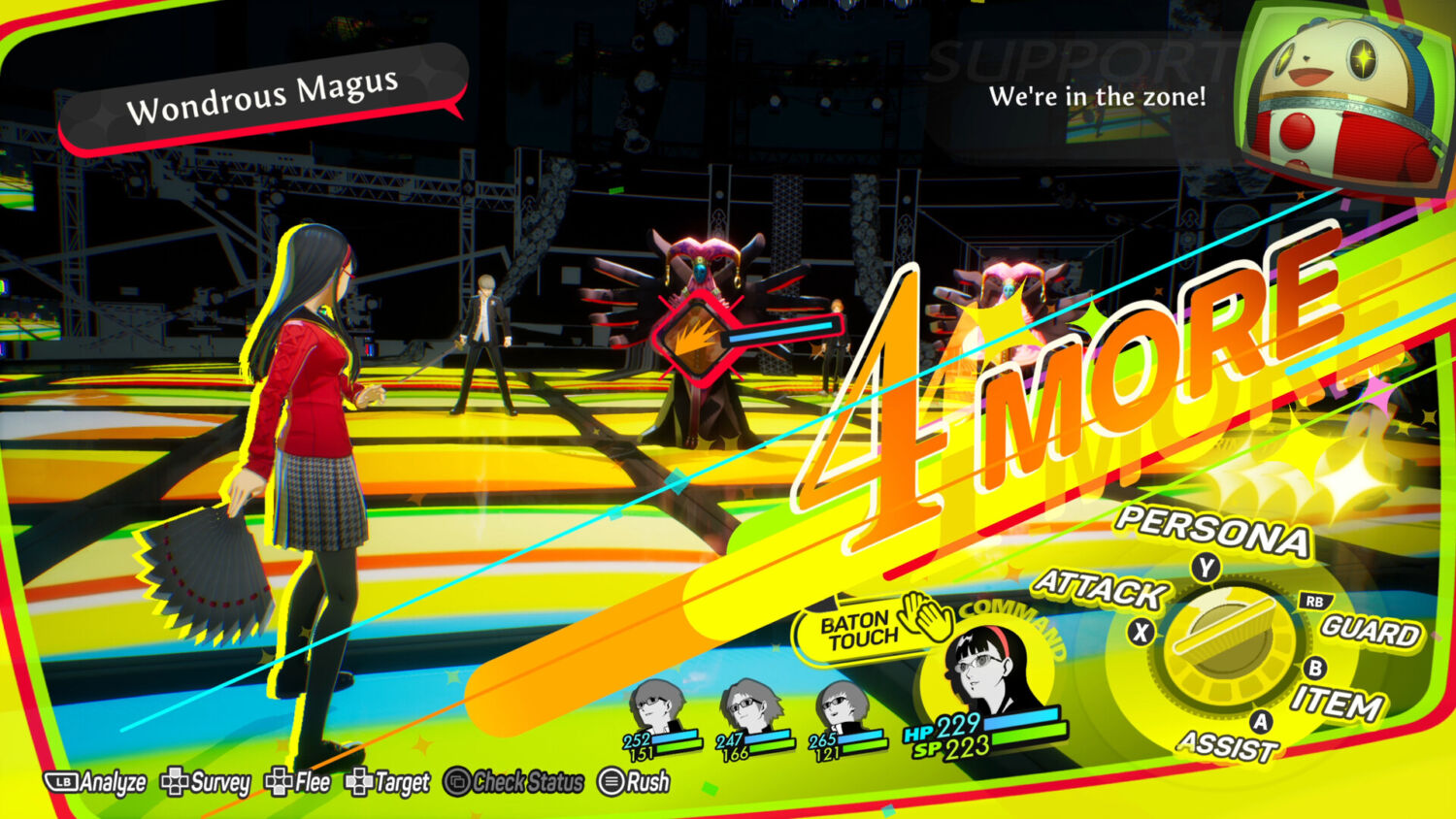
To help improve the flow of combat, Persona 4 Revival introduces “Baton Pass”, a move seen in Persona 5. This move can be activated upon gaining a “One More” and allows a player to switch to another character to use the extra turn instead. What this does is open up more tactical options to keep the “One More” combo going.
For example, the preview had two different types of enemies in a single encounter, one weak to electricity and the other weak to wind. By dispatching one foe weak to electricity, players can then choose another character with a wind-based move using Baton Pass, subsequently using their “One More” move with this character to dispatch the other foe weak to wind, which then gains them another extra move. By stacking weaknesses in a row by tactically planning Baton Passes, players can potentially rake up massive damage against a group of foes if they have the right ability line-up.
Unfortunately, Baton Pass was the only move new to Persona 4 Revival that we were able to try out in the preview, meaning its two other added systems, Prime Time and Send Flying, remain elusive for now.
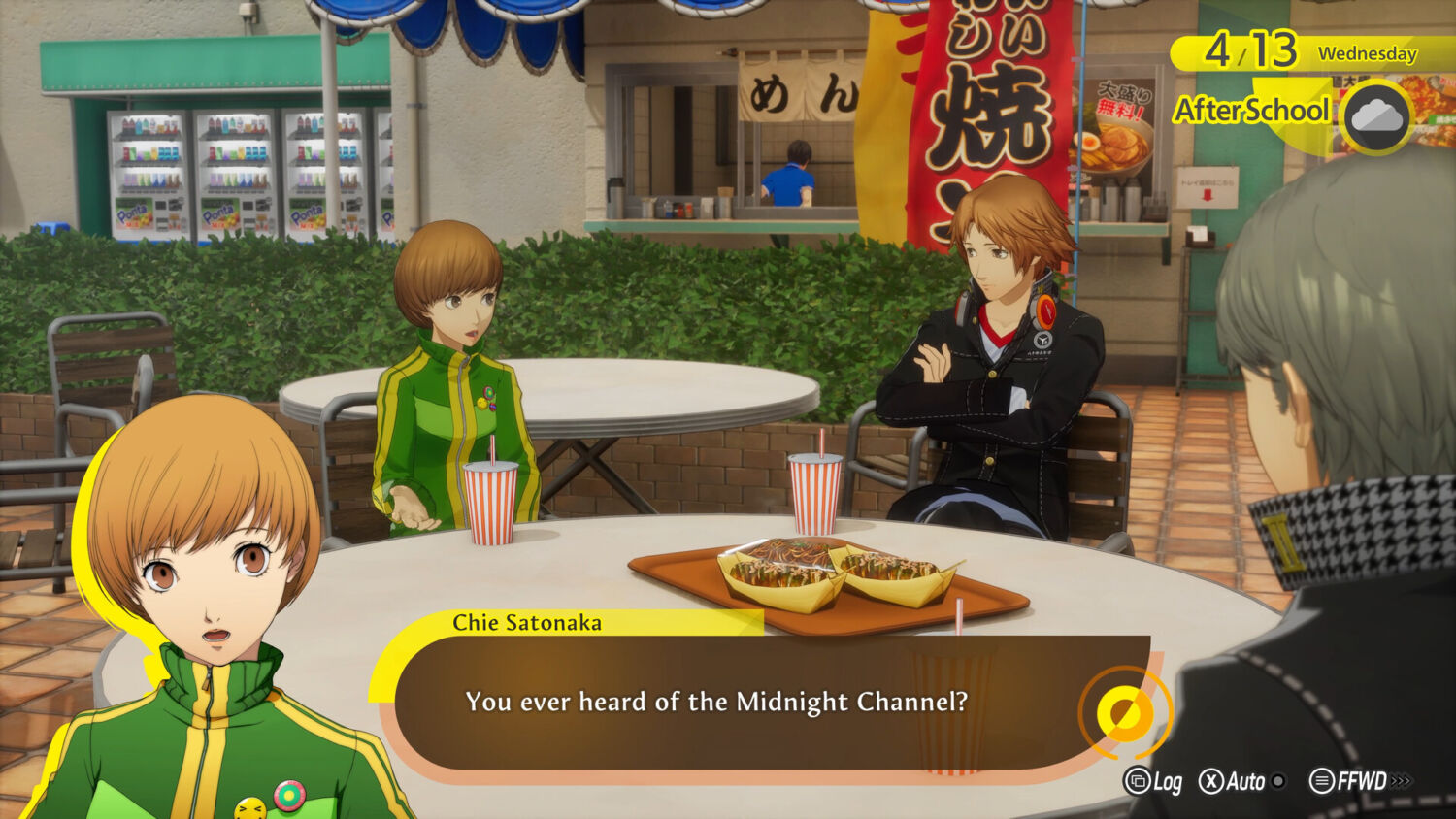
Apart from the remake’s overall graphical fidelity, new cutscenes, and added combat moves, another big change it brings is new animated character portraits, which are now much more expressive than the original, and its new in-engine cutscenes, which replace the original’s animated scenes, such as the introduction and eventual transformation of Dark Yosuke, the boss fight in the preview mission. With this in mind, it seems that the original’s animated cutscenes will be replaced with either in-engine ones or ones done by MAPPA, so it will be interesting to see how the remake spreads out the use of both.
After the short preview mission, we were then able to jump into a dungeon, an exploration and combat-based area derived from the psyche of the game’s characters, in this case being Yukiko’s Castle. Dungeons also come with added features in the remake, in the form of guarding enemy attacks prior to battles and now destructibles in the environment that can provide health and mana refills.
While the latter is self-explanatory, the former is a much more interesting addition, as it allows players more ways to gain the upper hand in battle, or a way to avoid it completely. In the original game, enemies roamed around the map, with a player able to launch a preemptive strike to trigger the battle, much like many JRPGs.

By striking a foe from behind, this triggers a Chance Encounter, which gives the player an advantage in the ensuing battle. Getting hit by an enemy first, however, results in a Pinch Encounter, where the odds are reversed. In Persona 4 Revival, players can now block an enemy’s initial strike, which stuns them momentarily, allowing for a strike to trigger a Chance Encounter or breathing room to run away. What this does is provide options to increase the overall flow of Dungeons, as players no longer need to wait until an opponent’s back is turned to strike and can skip battles entirely if desired.
With just a brief look at Persona 4 Revival, it’s clear that the team at Atlus is not trying to completely change the game, at least in a gameplay sense, instead adding new features to enhance its playability and improve the flow of combat. Its overhauled graphics and impressive animated cutscenes by MAPPA are already impressive enough, so it remains to be seen how its other gameplay additions further revamp the experience when the remake launches on 18 February 2027 for the PS5, Xbox Series X|S, and PC.

Kevin is a reformed PC Master Race gamer with a penchant for franchise “duds” like Darksiders III and Dead Space 3. He has made it his life-long mission to play every single major game release – lest his wallet dies trying.

 Si Jia