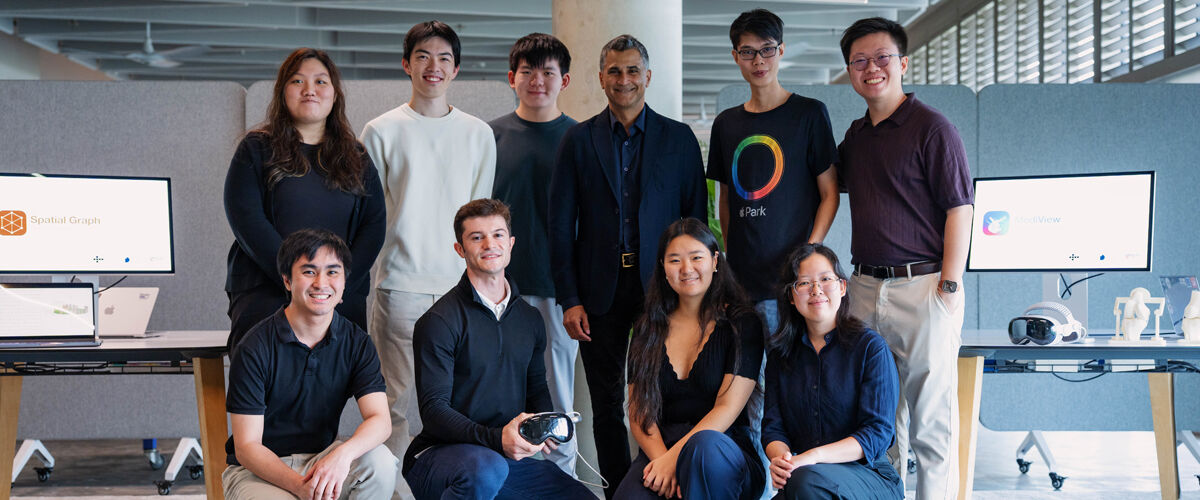
As technology accelerates at a breathtaking pace, the one constant that remains is the classroom, as a learning space that trains the future technologists remains important, especially in emerging fields like biotechnology, machine learning, spatial computing, and more. Once nestled in the realm of science fiction, these are now reshaping how society learns, trains, and solves real-world problems, and preparing the next generation for these opportunities demands forward-thinking education, with the National University of Singapore (NUS) leading the charge as the first institution in Singapore to introduce a dedicated spatial computing module.
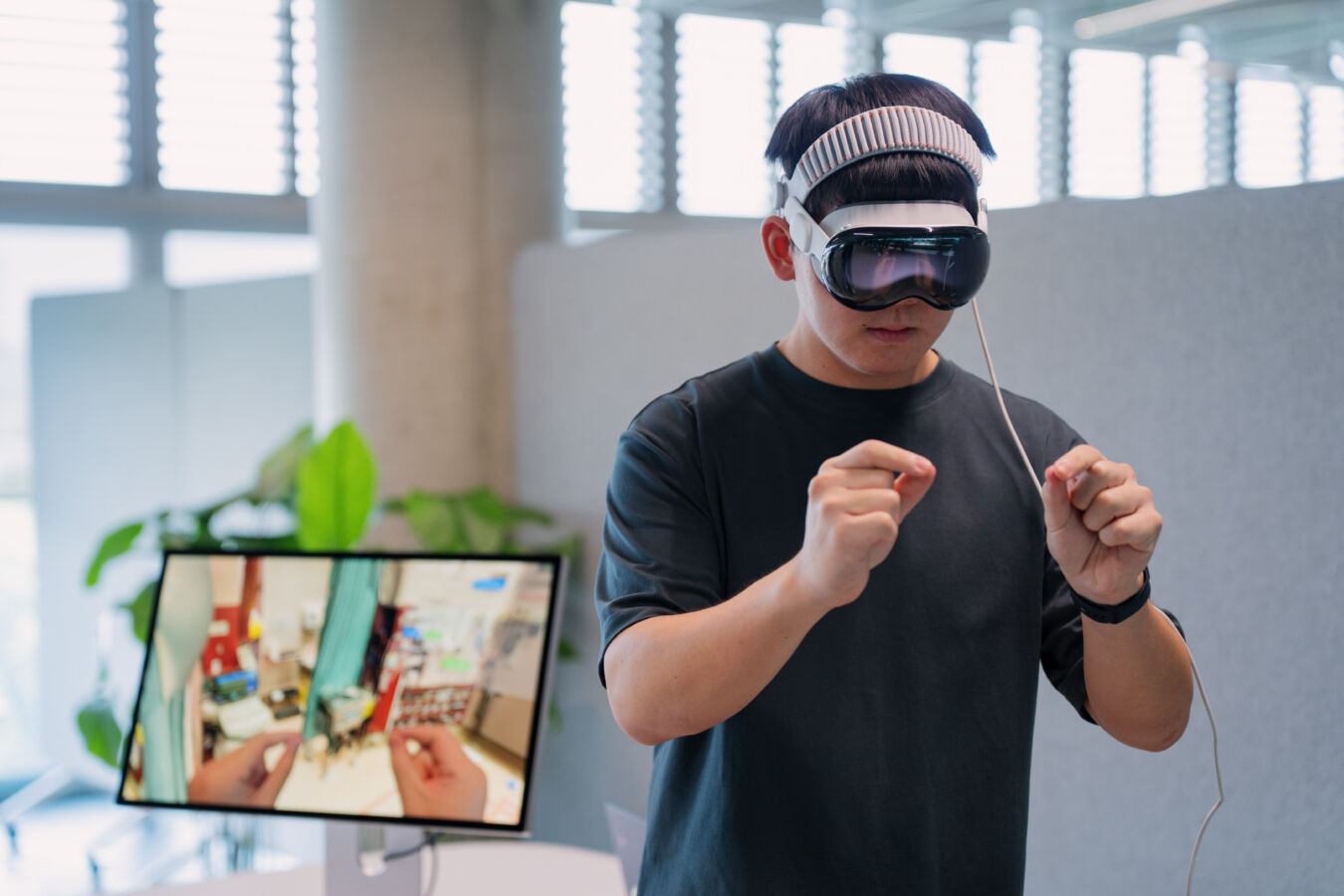
Blending virtual and augmented worlds to let users interact with both real and digital elements simultaneously, mixed reality, viewed through headsets, sits at the heart of this educational frontier. Apple, whose Vision Pro headset, powered by the American tech company’s top-of-the-line M5 chip, represents the cutting-edge aspect of the technology, recognised the significance of NUS’s initiative and stepped in to guide the programme’s pioneer batch of students, underscoring how seriously the industry hardware and software leader views education as the foundation of this field.
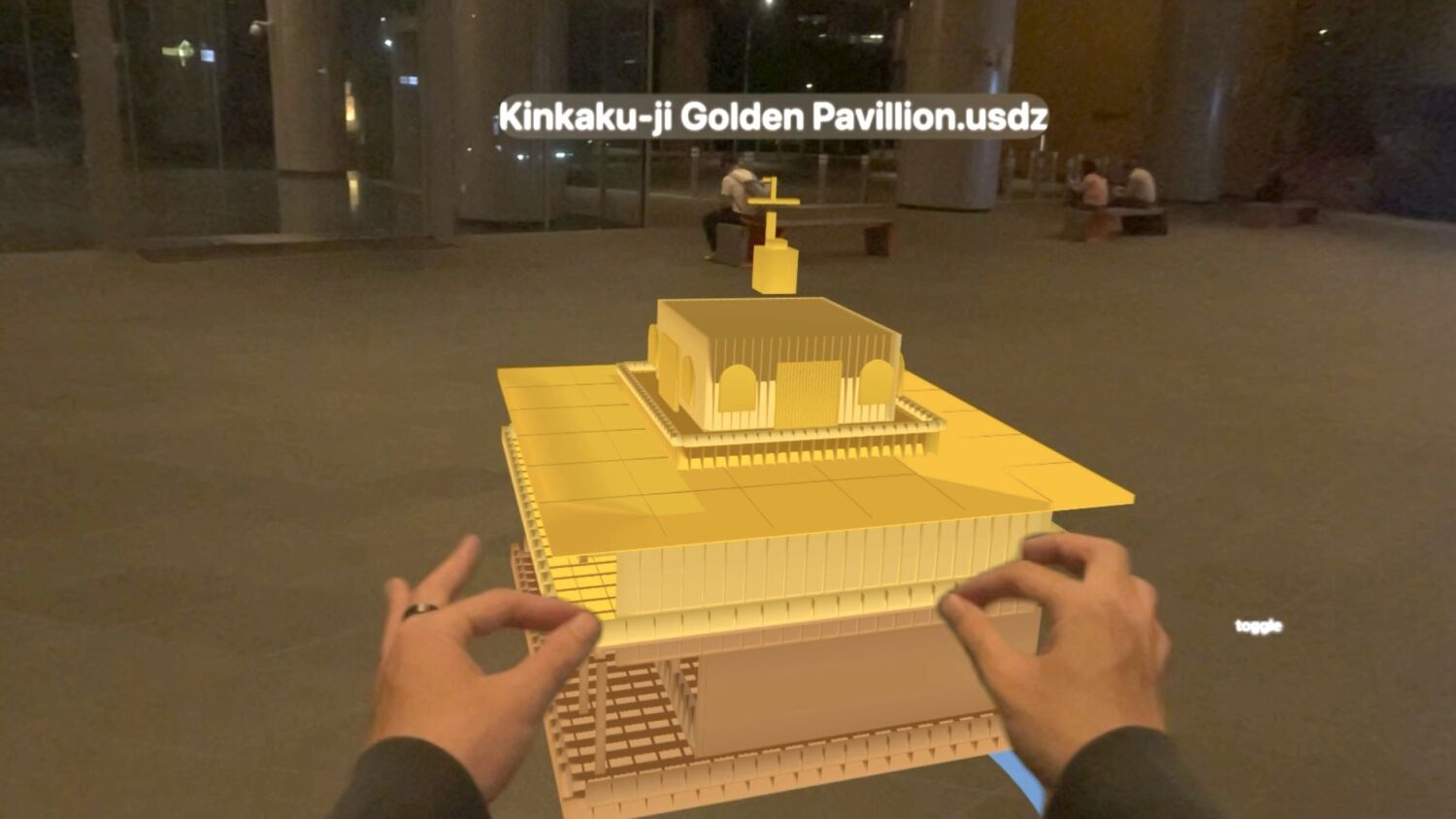
And not just in the entertainment space either, as the projects from the inaugural cohort, shown during a closed-door showcase at the NUS College of Design and Engineering, offered a glimpse of the future across the healthcare, humanities, and STEM (Science, Technology, Engineering, and Mathematics) disciplines. SpatialGraph allows users to interact with 3D models of national monuments created using mathematical equations, opening new possibilities for annotation and storytelling. MediView focuses on ACL (anterior cruciate ligament) — the most common injury among athletes — recovery by visualising rehabilitation exercises and highlighting the working muscles, as well as the limb cross-section.
Marrying tradition with modernity, Weave honours disappearing heritage crafts like rattan weaving, the art of interlacing rattan vines to create baskets, furniture, and other everyday items, and knife sharpening, guiding users through the process in real time. Finally, SpatialWard is tailored for medical professionals, allowing them to place equipment and paraphernalia within a space that brings a clinic or hospital floor plan to life, which will prove handy in emergencies where every second counts.
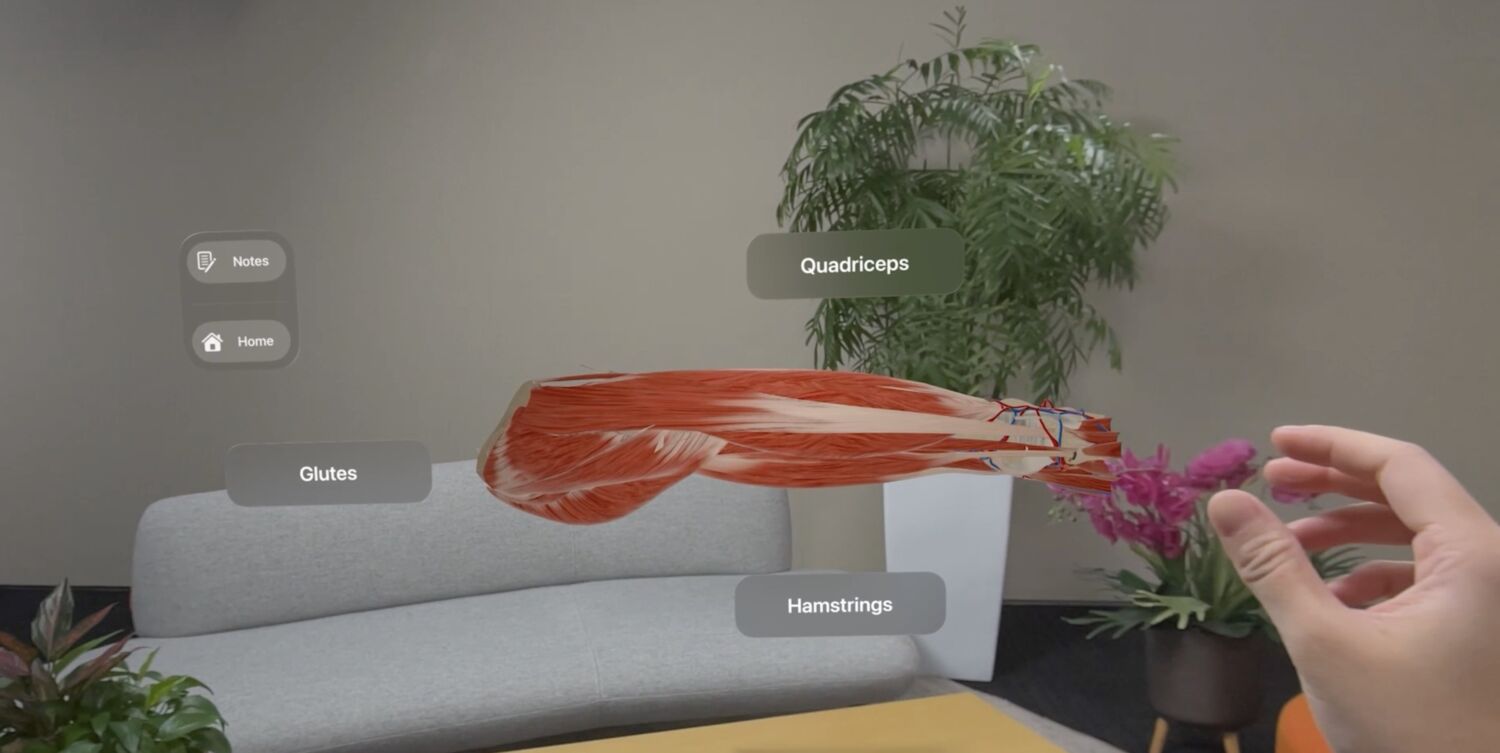
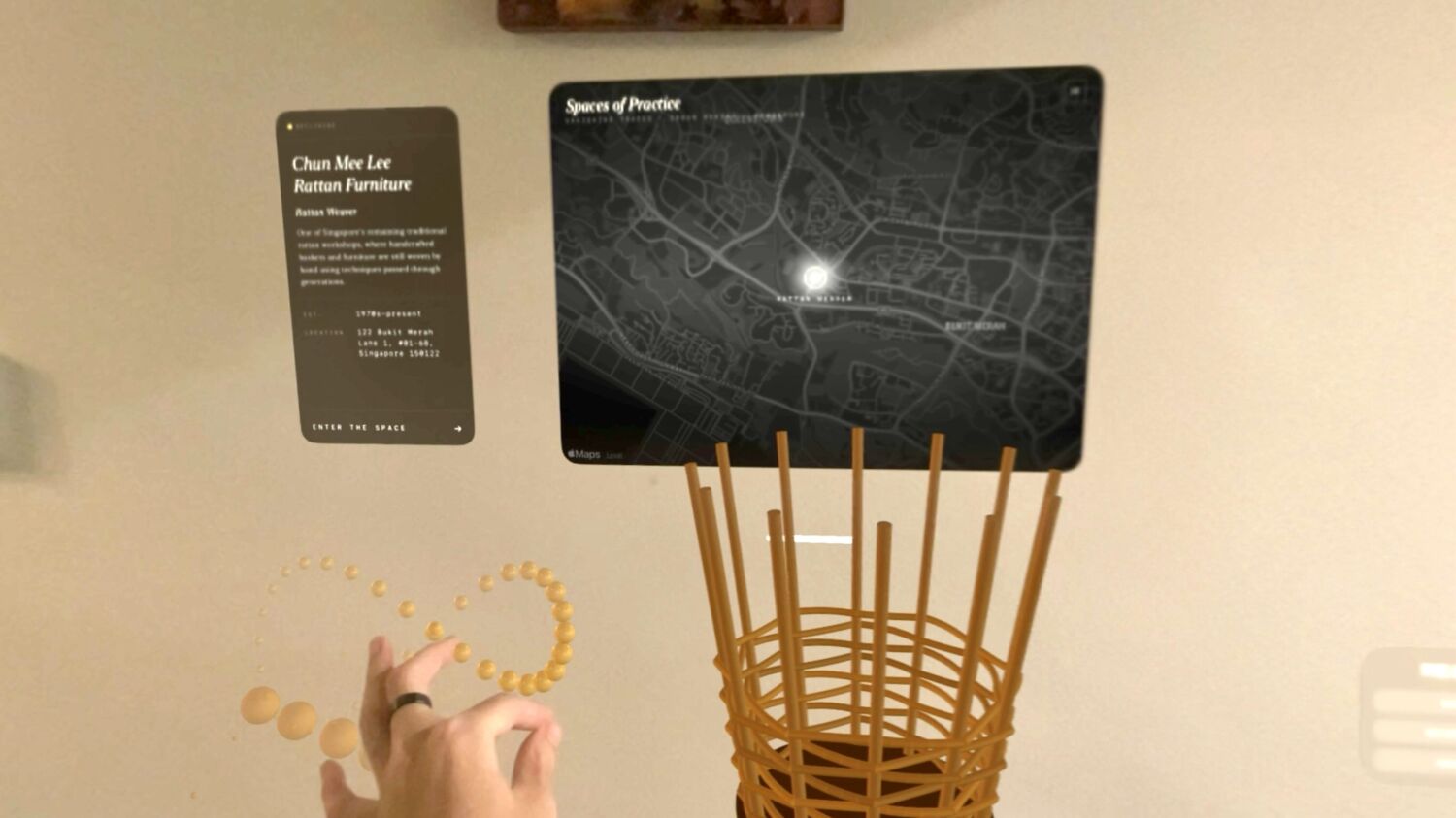
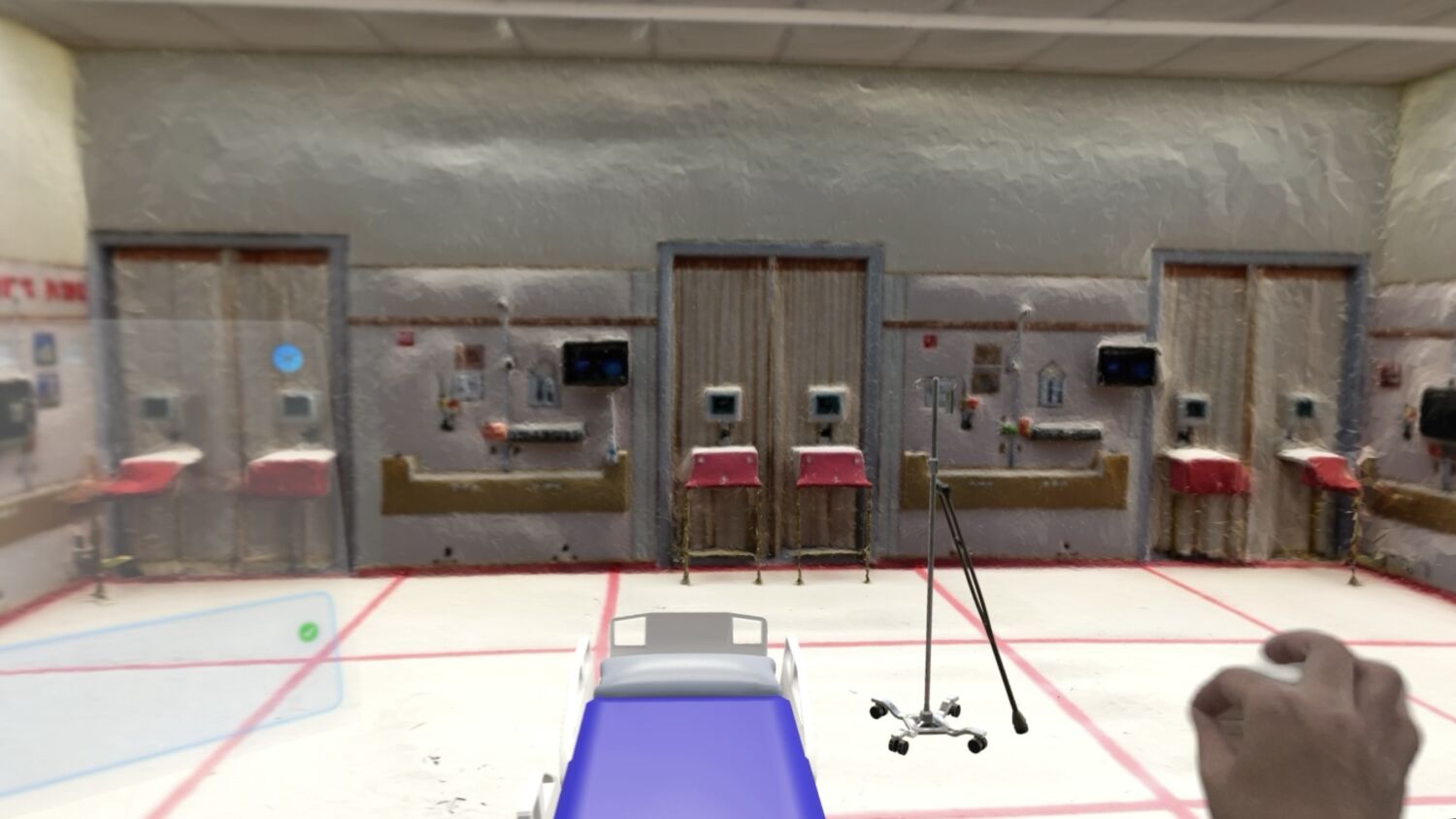
It’s a sneak peek at the possibilities of spatial computing, and things are only getting started. To date, 75 students — a 55/16/4 split between those pursuing Bachelor’s, Master’s, and Doctoral degrees — at NUS have built software with visionOS, the operating system that the Apple Vision Pro runs on, and Apple’s chief financial officer, Kevan Parekh, says he has high hopes for the device’s role in shaping the future capabilities of the tech.
“I always get excited to see what people are doing that reimagines how kids can learn. I can see how these applications can be really profound, and how people can learn differently, so I’m very optimistic,” he says to Geek Culture at the showcase.
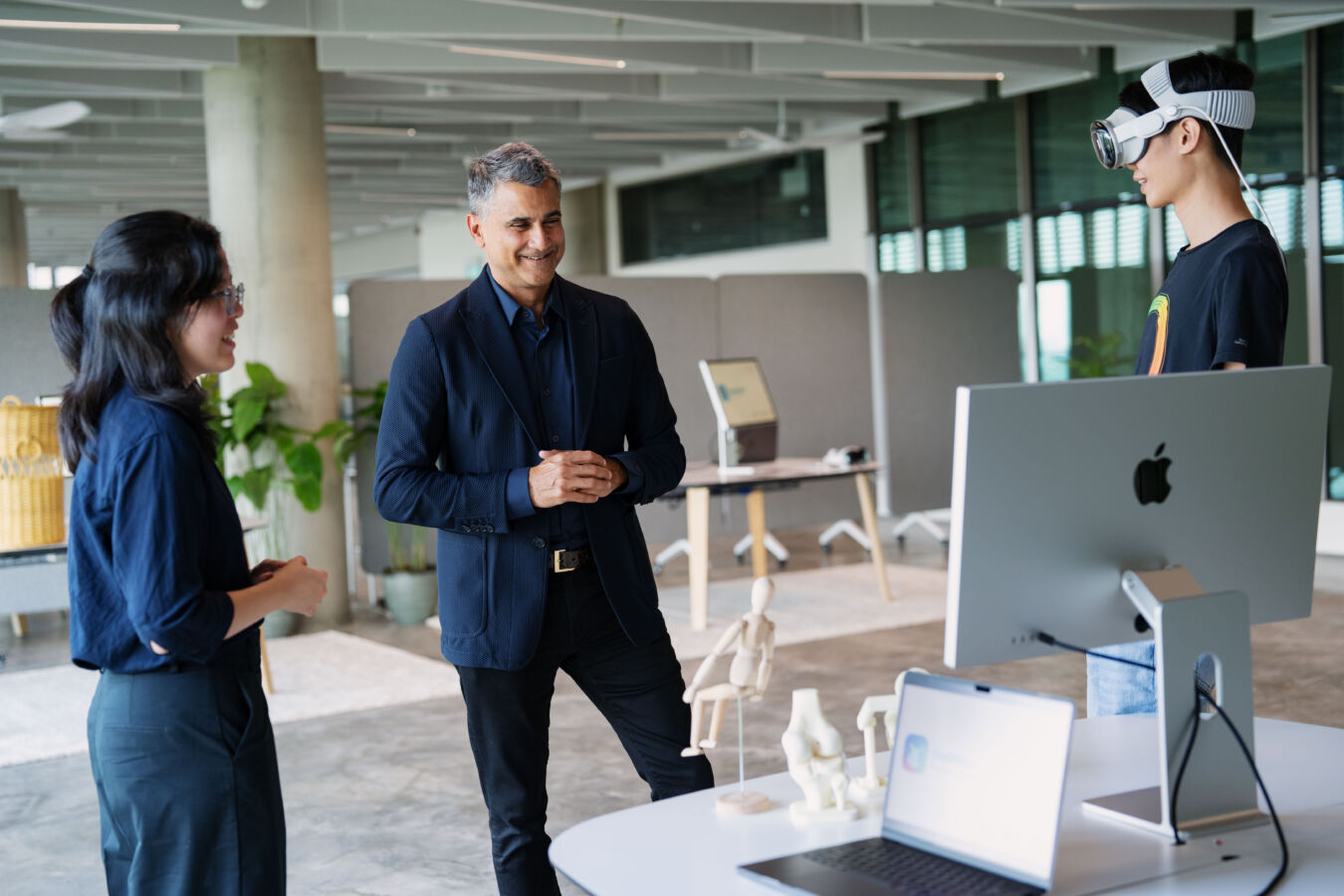
Amid the increased adoption of artificial intelligence (AI), however, there are concerns that normal institutional learning may not keep up with the rapid growth of the software development industry. The 54-year-old, instead, finds comfort in the cooperative spirit when both elements of technology and a learning environment come together, adding that they share “a lot of synergy”.
Addressing the elephant in the room, Parekh explains, “You can see the students’ applications making this platform even more powerful when it comes to rendering new images or maybe thinking about different workflows. I think AI has a really important role in spatial computing.
“It’s also important because I think it can enhance learning in a time [when] people are wondering if students are going to rely too much on AI [and] not really learn. This really helps to reinforce the fundamentals in a different way, [and] I’m excited about the intersection between the two technologies; I think there’s a lot of synergy for them together.”

Si Jia is a casual geek at heart – or as casual as someone with Sephiroth’s theme on her Spotify playlist can get. A fan of movies, games, and Japanese culture, Si Jia’s greatest weakness is the Steam Summer Sale. Or any Steam sale, really.


 Kevin Low