
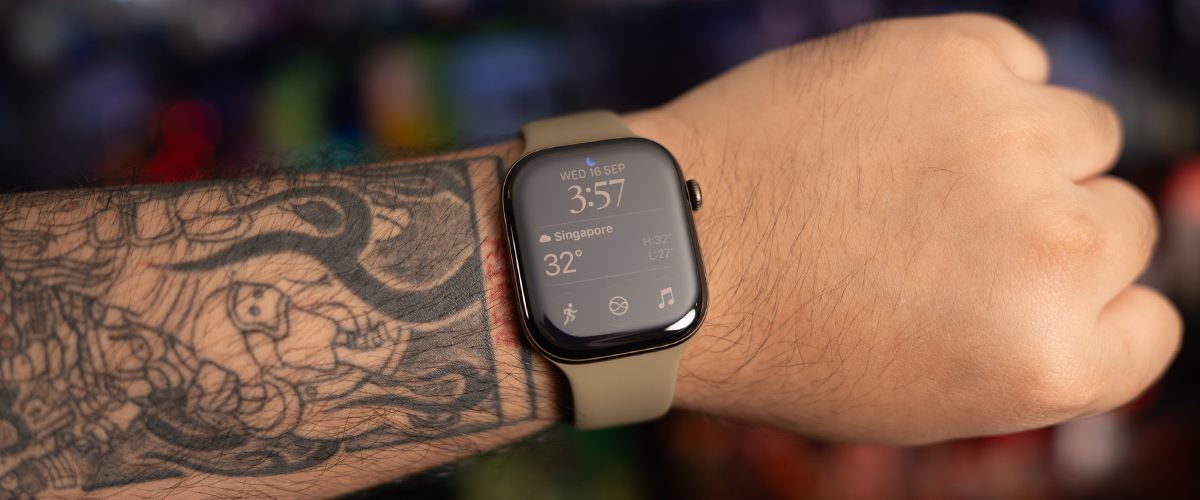
Heart health has always been at the, well, heart of the Apple Watch, starting with ECG measurements and irregular heart rhythm notifications introduced in the third generation, and expanding to Hypertension Notifications eight cycles later. The Apple Watch Series 12 follows the same playbook with an upgraded sensor and continuous heart rate monitoring that may seem insignificant on the surface but are part of a larger holistic approach designed to make health and fitness tracking easier, proving largely effective for day-to-day use.
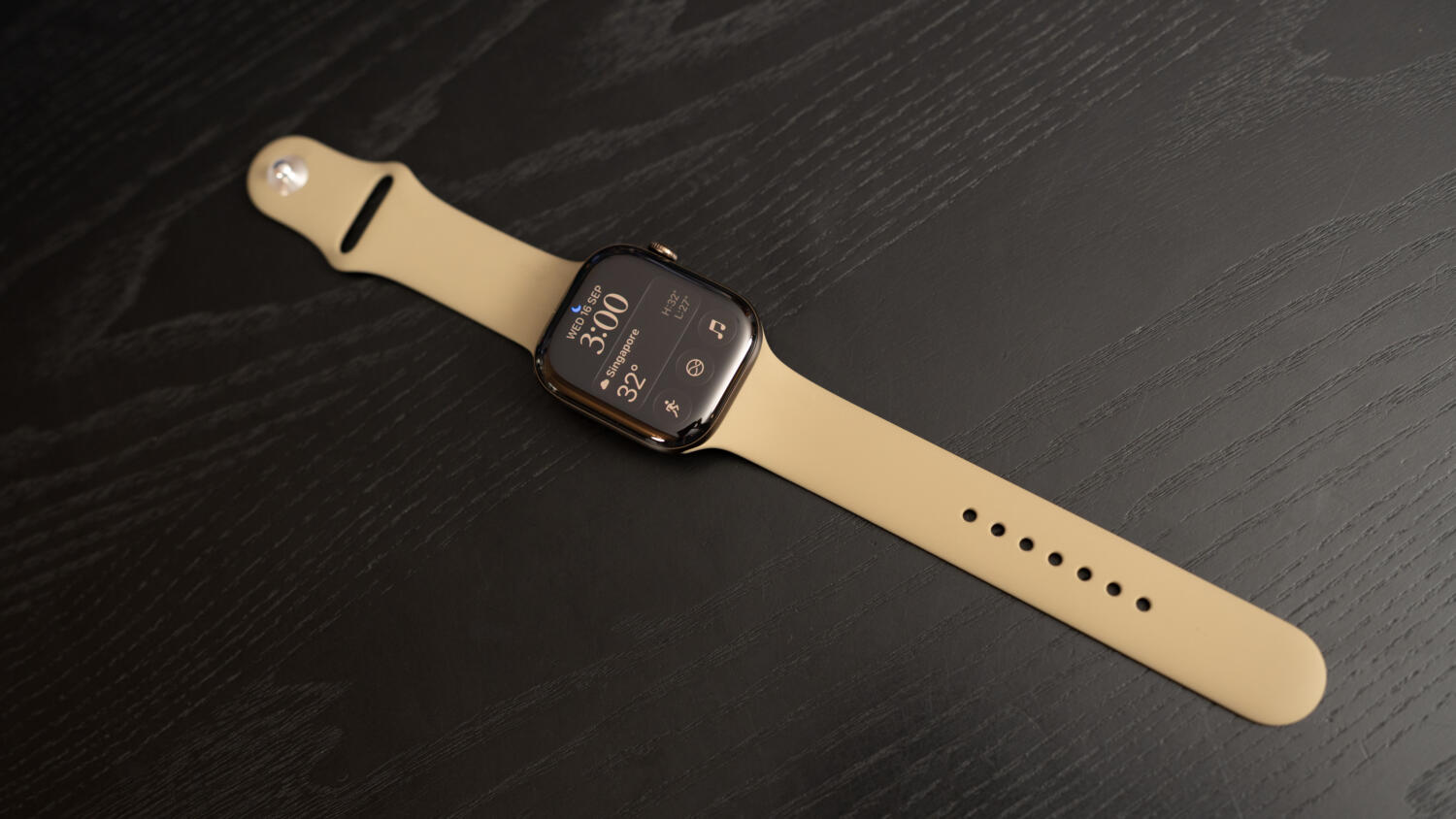
If you’ve never hopped onto the segment, this iteration makes for a great jump-on point.
First, the scientific mambo-jumbo (none of which can be scientifically tested, for obvious reasons). The revamped Health Sensing System, running on new optical and electrical heart sensors, is touted as the most accurate heart rate sensor in a wearable to date and takes heart rate data every five seconds, up from every five minutes before. Heart rate variability, or HRV, the change in the time between heartbeats that measures how well the body handles stress and adapts to changes, now records at five-minute intervals – up to 24 times more frequently – and is categorised into the short-term Recovery HRV reading and Overall HRV.
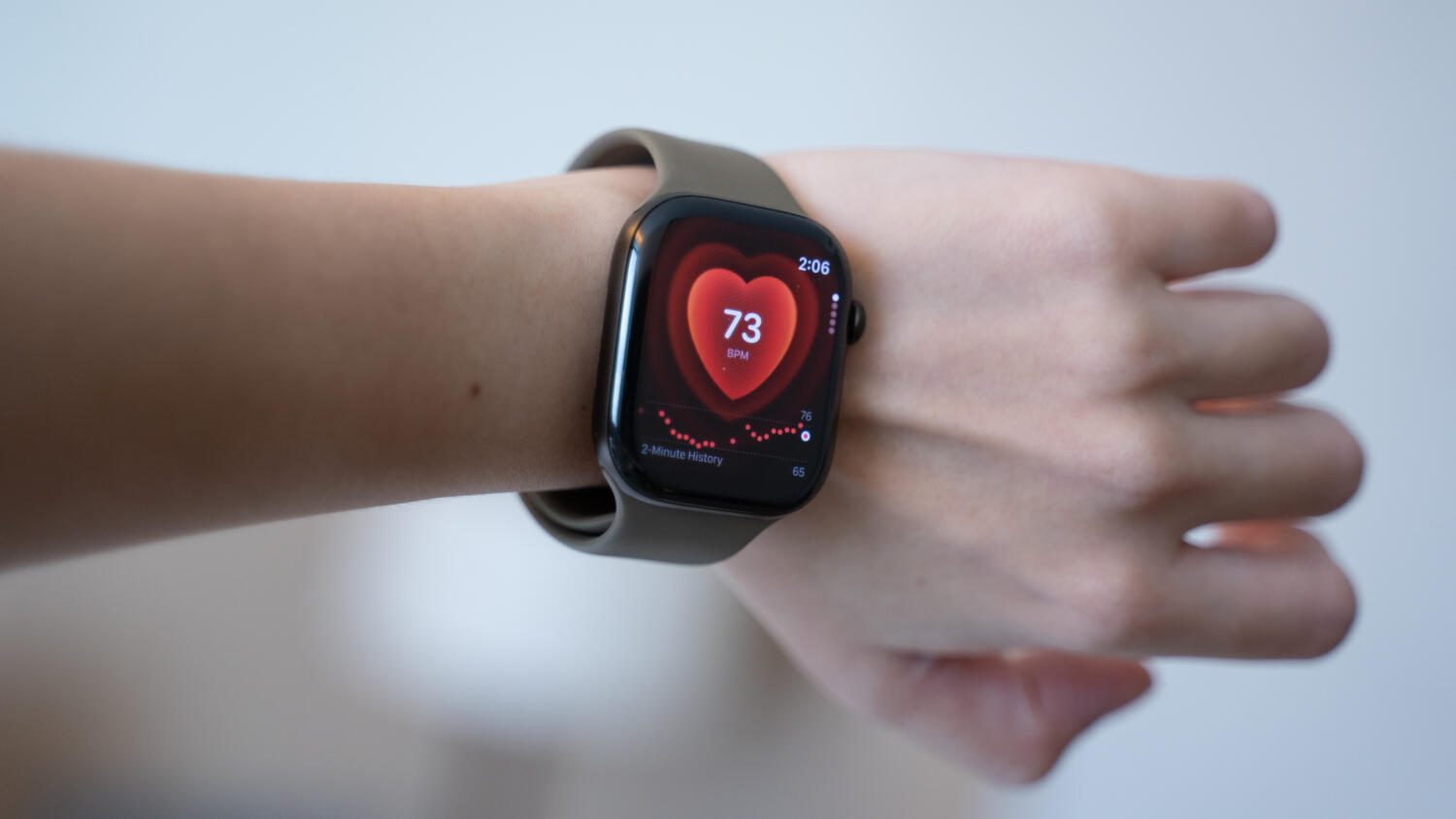
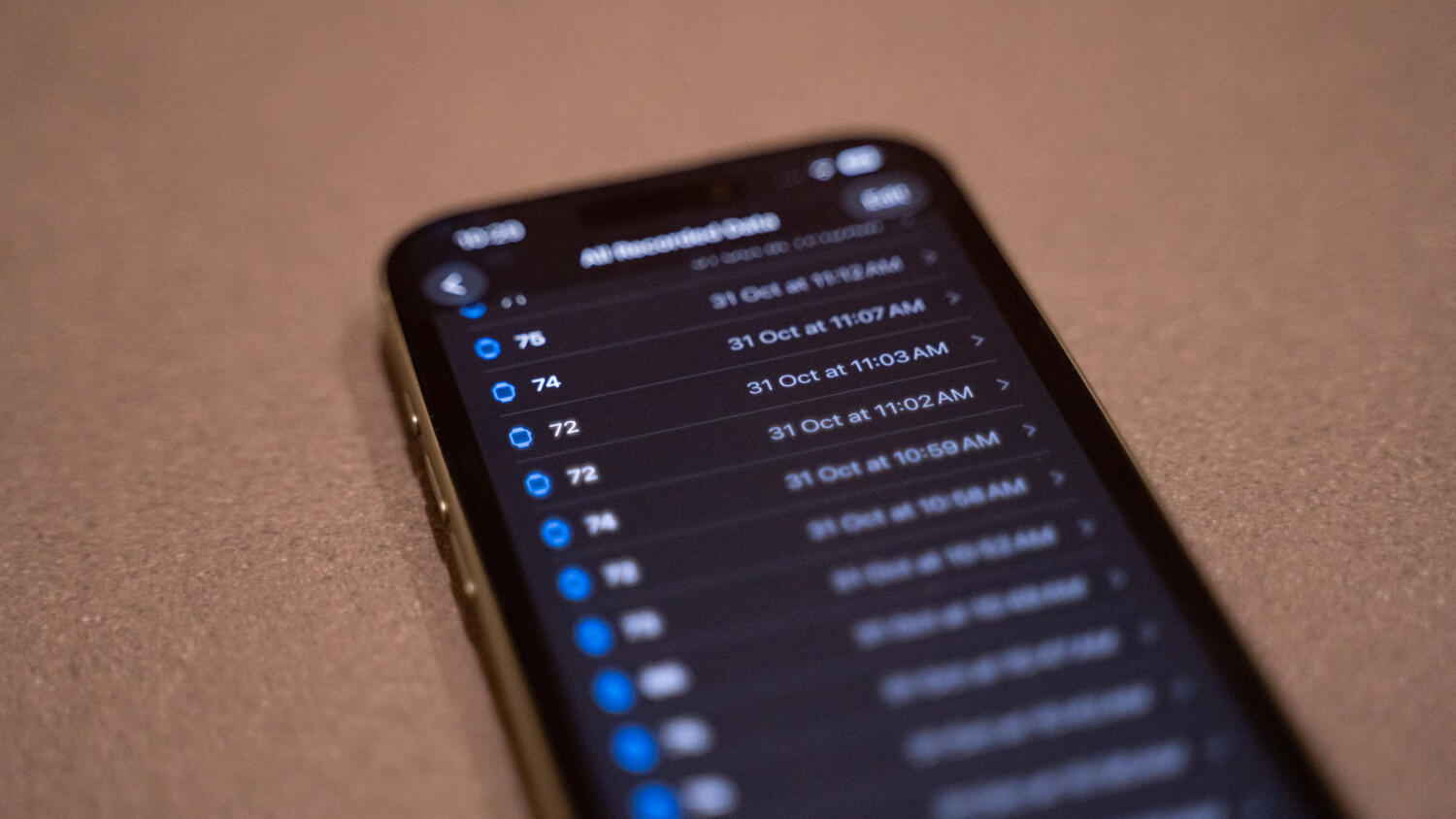
The difference is prominent when stacked against its predecessor. Keeping the Heart Rate app, indicated by a red circle with a white heart icon, open on the watch face reveals constant beats-per-minute (BPM) changes that are later logged to the two-minute history chart beneath. In a move that will appeal to number-loving users and daily data listings run long, it joins existing metrics such as blood oxygen, heart rate range, resting heart rate, and walking average. Case in point – scrolling through a set of Series 12 readings in the app took eight seconds and 49 milliseconds from start to finish, versus four seconds and 18 milliseconds for the previous model at the same speed.
The latest S11 chip does the heavy lifting here, with its faster CPU, GPU, and Neural Engine marking the first major silicon update since the S9 and powering the new sensor array on the underside. Compared with past generations, it houses ring-arranged photodiodes, larger, more efficient green LEDs, which continue to shine brightly in dark settings, and a wider electrode contact area for better skin contact.
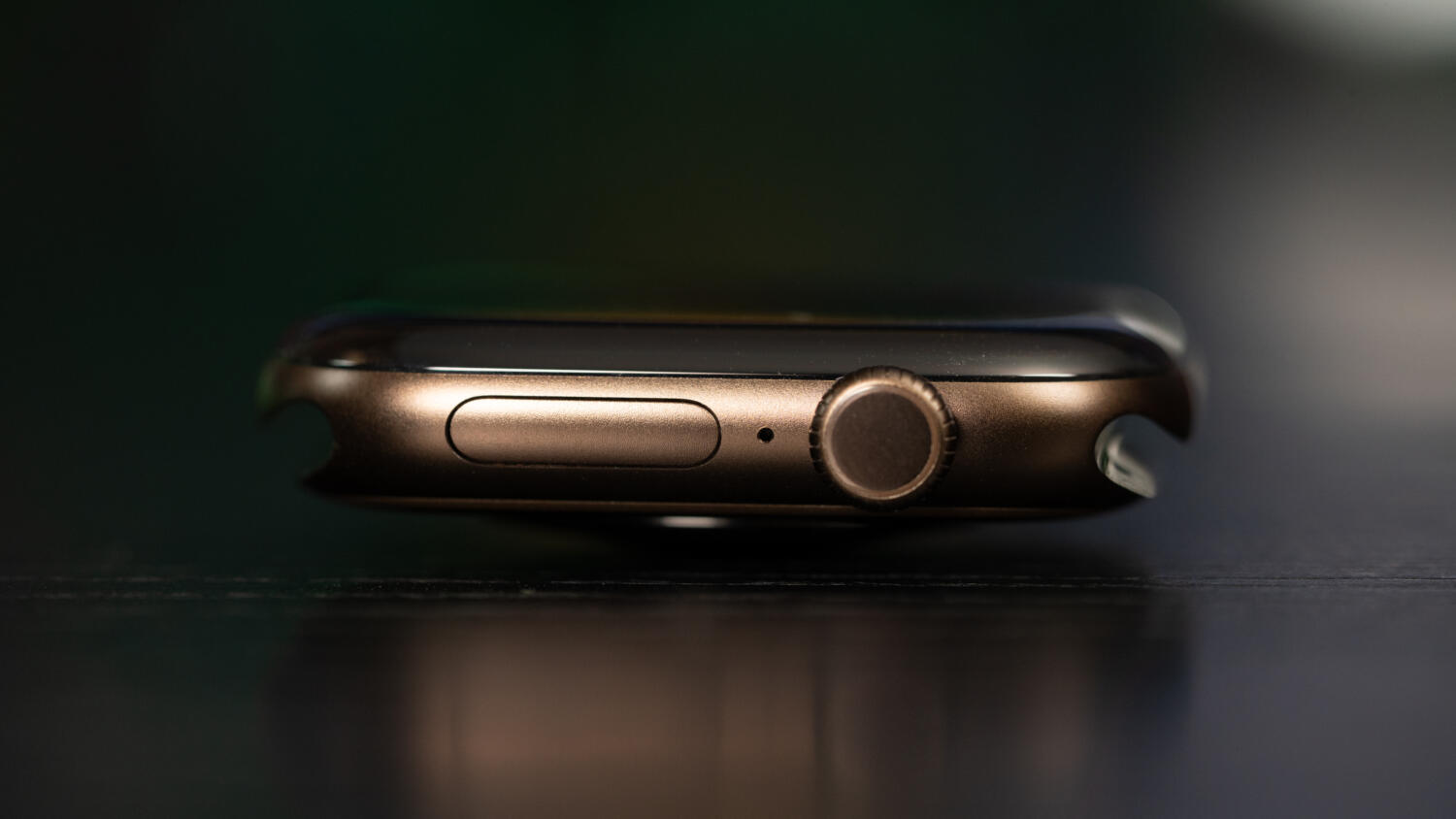
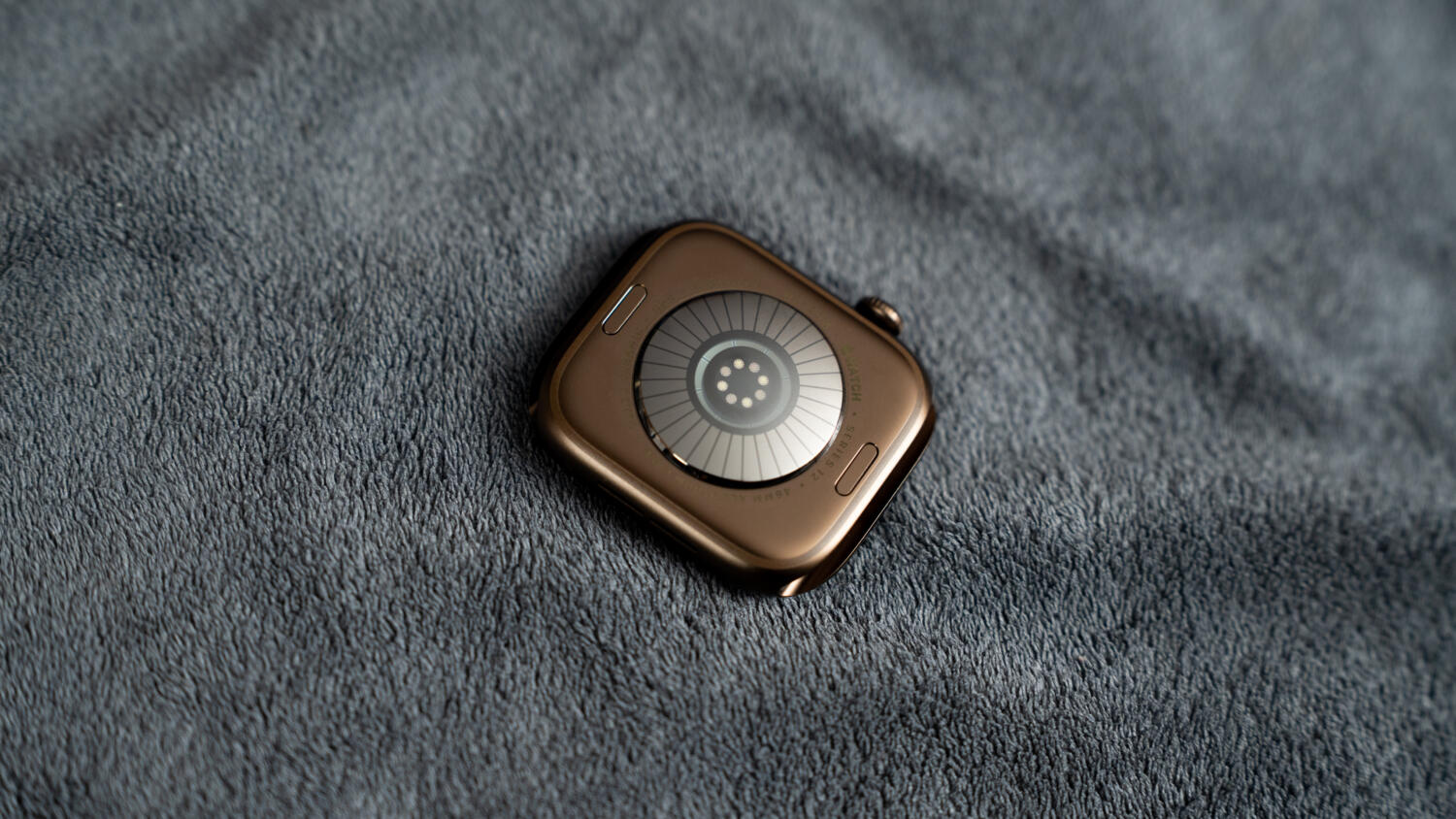
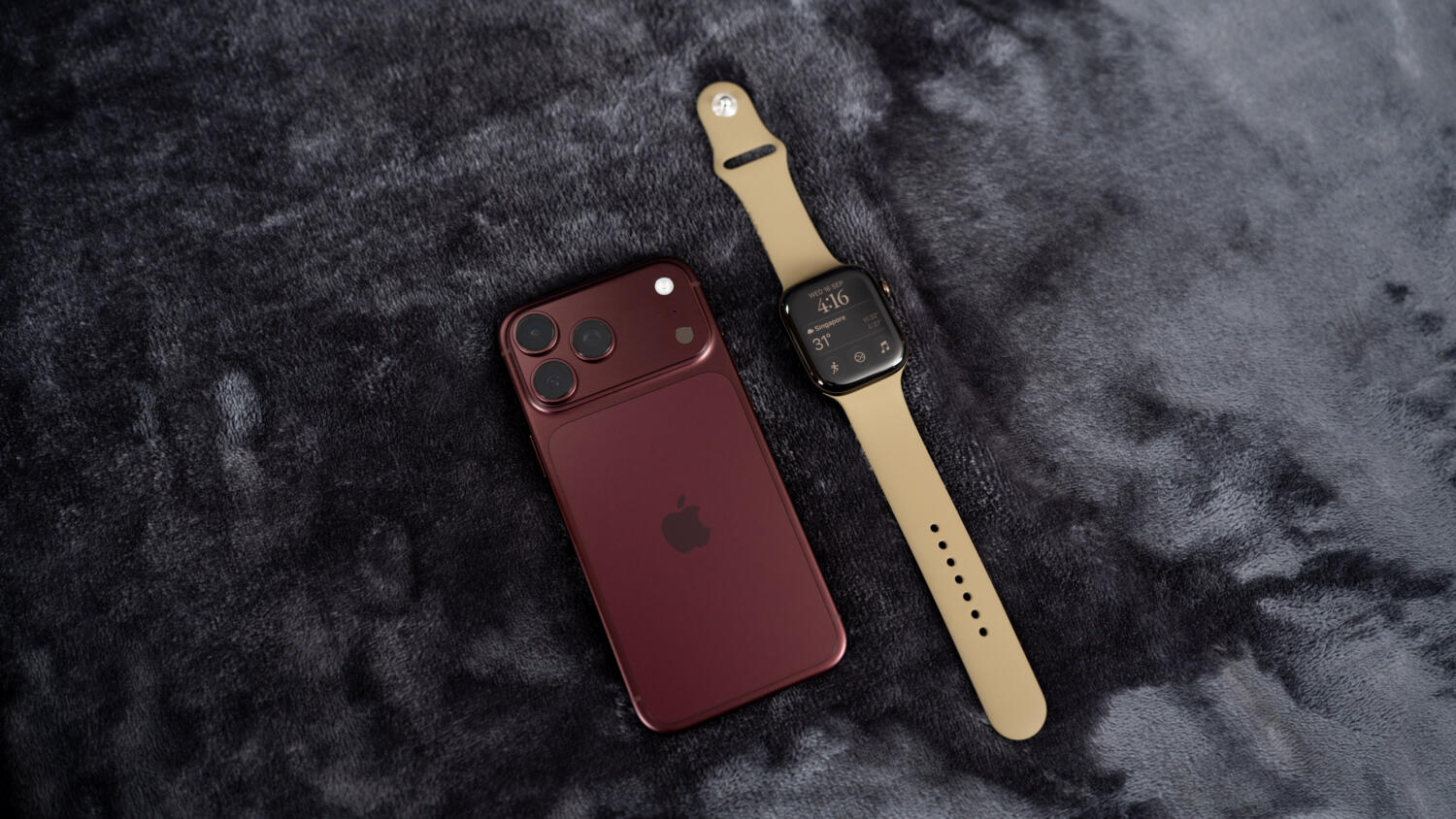
It’s difficult to gauge the margin of improvement, but on a small wrist where it shifts with movement (the strap is fastened all the way, too), the smartwatch could still pick up heart rate. Aesthetic tweaks are minimal beyond that, however, with the all-too-familiar crown and side button on the right, the rounded-edge square case, and sizes fixed at 42mm and 46mm. At 31.5 grams without the band, the former is heavier by a hair (30.3 grams) and slightly bigger (37 x 9.7mm versus 36 x 9.7mm), while the 46mm range measures 40 x 9.7mm, 1mm wider than before.
Depending on the material, these figures will vary slightly, and the negligible, barely noticeable increase makes it easy to mistake the Series 12 for its predecessor. The inherited design is hardly surprising, given the trend over the past few iterations – as the saying goes, if it ain’t broke, don’t fix it – so there’s no reason to switch based on looks alone. Durability has been fortified, courtesy of the same Ceramic Shield 2 on the iPhone 18 Pro, alongside the scratch-resistant coating introduced on the Series 11 and dust and water resistance up to 50 metres.
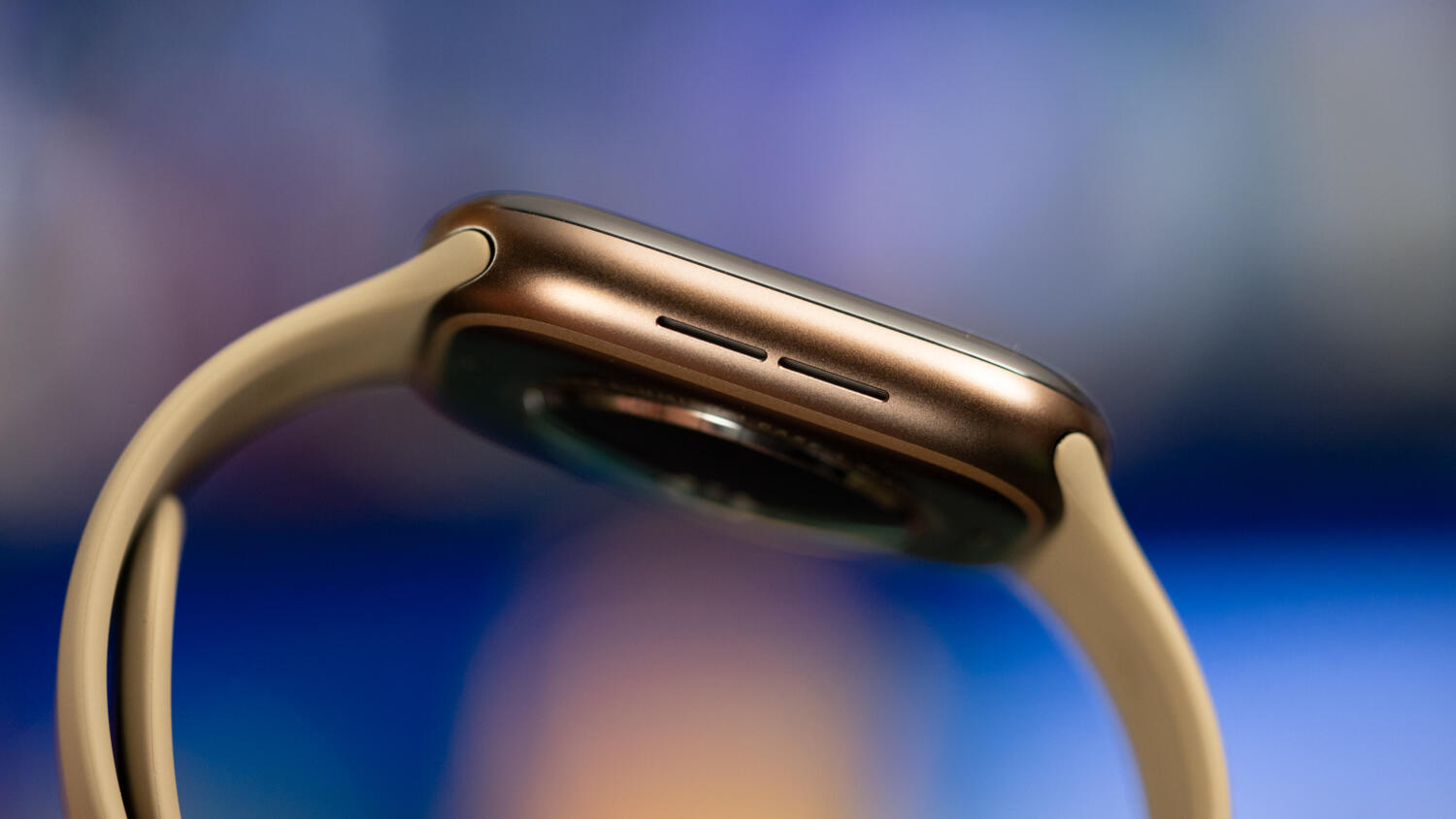
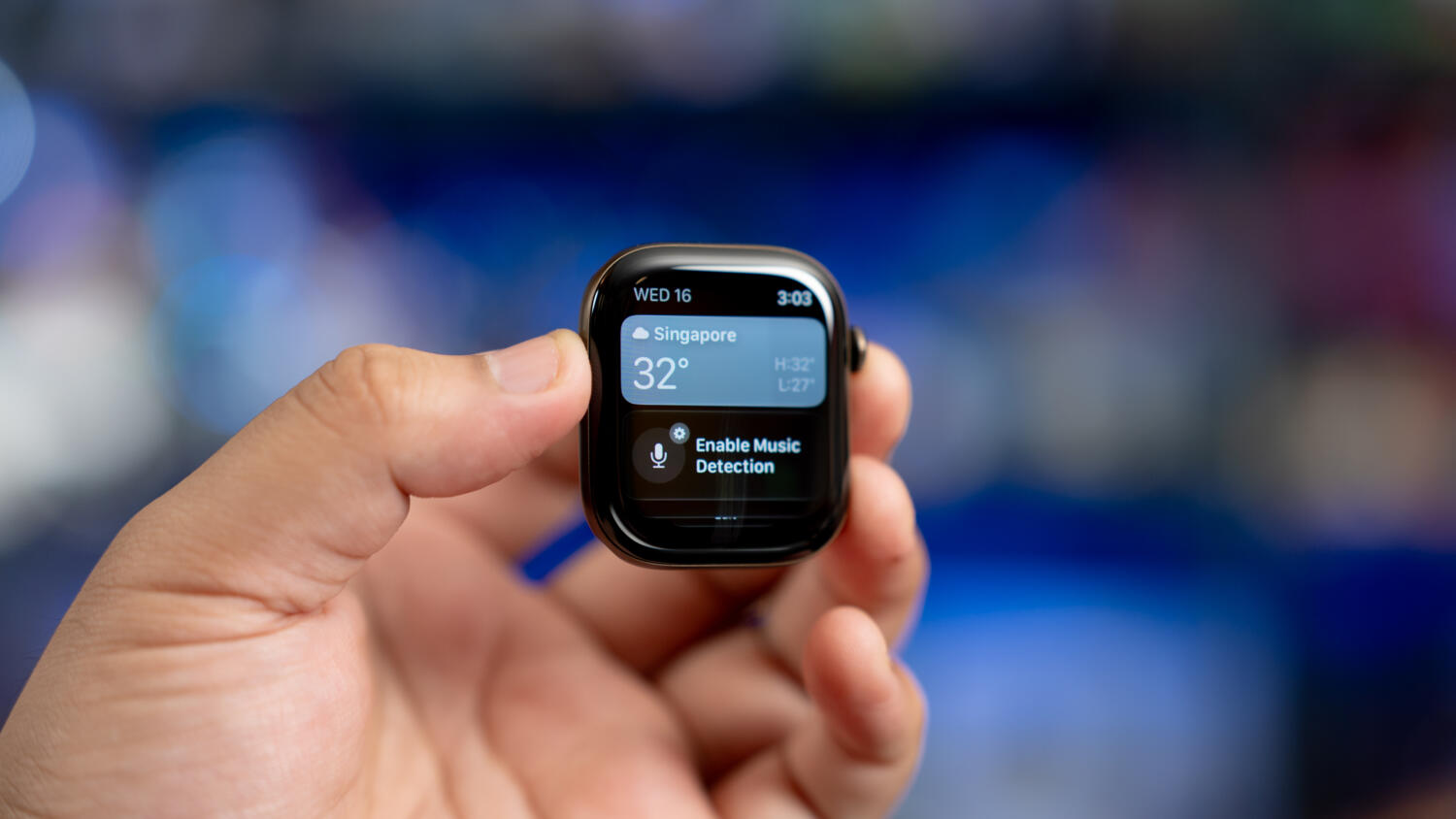
Oddly enough, the bezels around the display appear thicker on the new dark brown review unit, and are most visible on coloured backgrounds. Menu navigation is as fluid and responsive as one’d expect, and performance remains snappy across the board. In the early days of testing, the device suddenly restarted during a gym session, an encounter that has never happened with previous iterations, but was likely a one-off and seems to have been resolved with a WatchOS update.
That’s half the work done on the S11 chip, with the always-on processor handling the rest. Owing to its retooled architecture, the new silicon splits the effort between the main processor and the latter, which powers continuous biometric tracking like the previously mentioned HRV features. Readiness Score is another, and it won’t be new to non-Apple Watch users, except the score adapts throughout the day (Garmin’s Body Battery is perhaps the closest).
Here’s how it works. Once a baseline is established after seven nights of sleep, activity level, overnight vitals, and sleep score will count towards the total, spanning Recover (0 to 1), Pace Yourself (2 to 4), Ready (5 to 7), and Go For It (8 to 10). Accompanying the number is a breakdown of the individual components, presented in a clean, user-friendly interface, with sleep, unfortunately, pinpointed as the main culprit behind all the Ready scores.
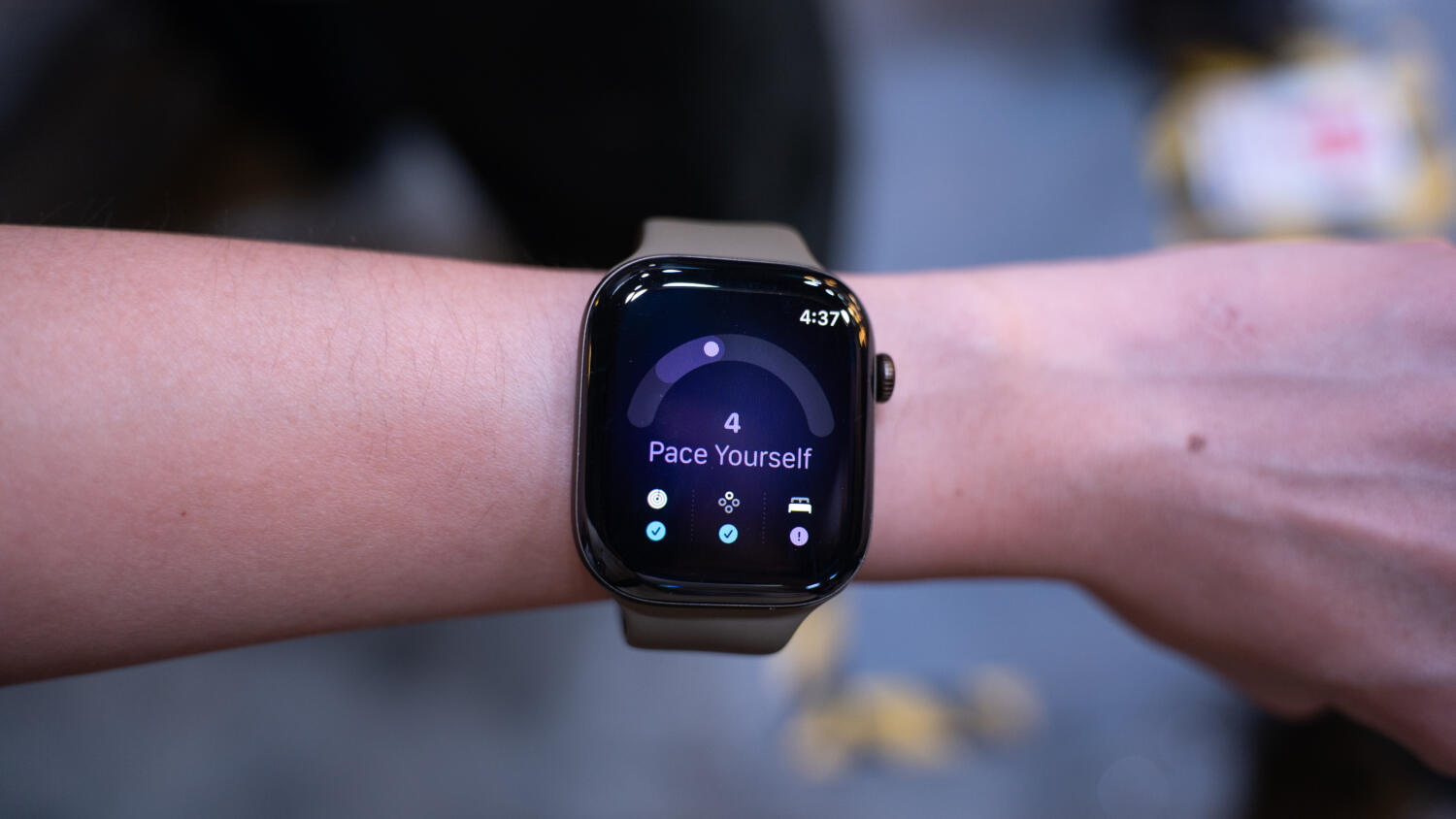
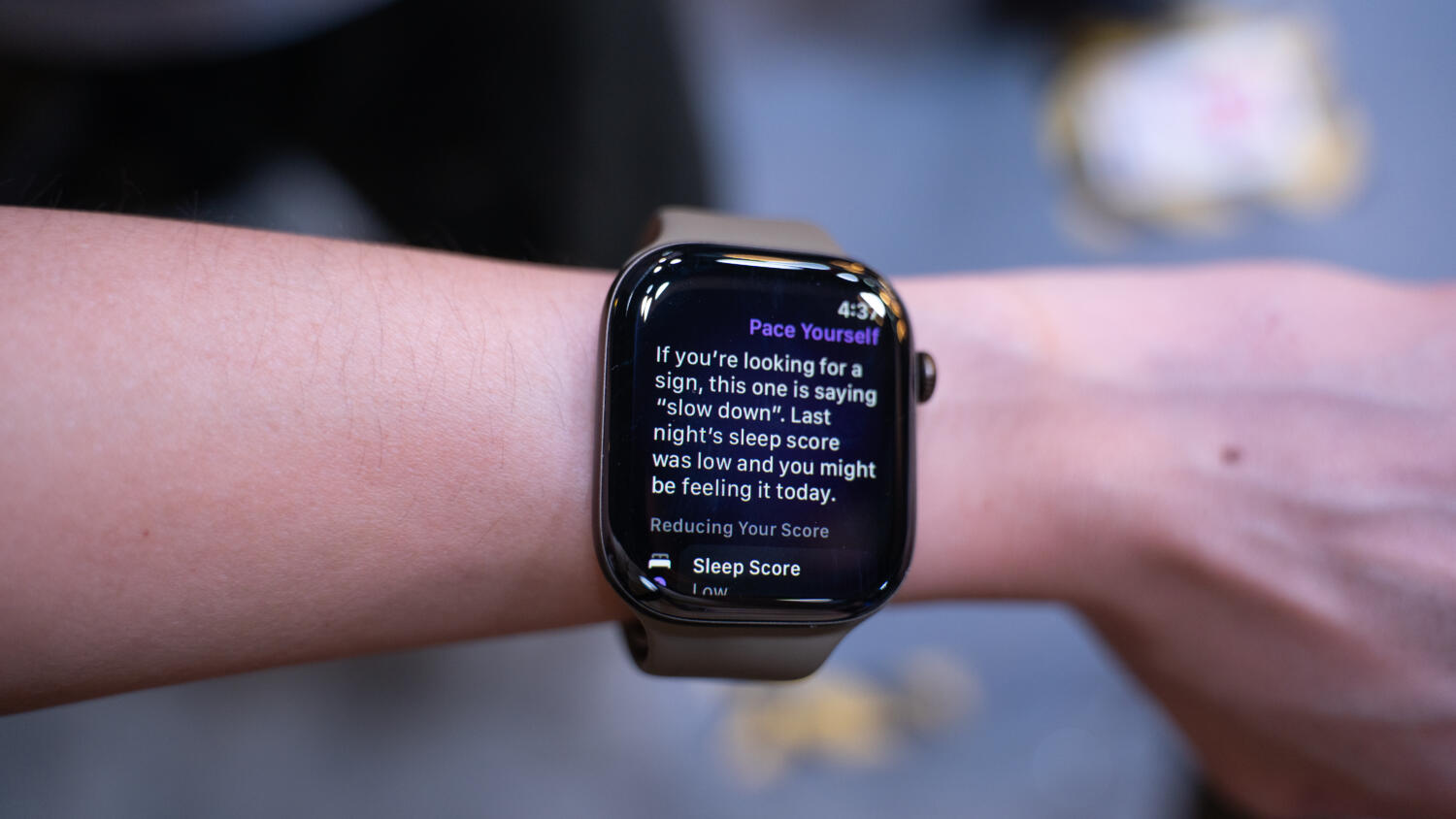
Like Sleep Score, first launched on Series 11, the tally matches the general feeling at that point and is handy for planning when to push during a workout or how long a hangout session should be. Still, there are some caveats – for starters, it relies on consecutive nights of at least four hours of sleep, so missing a round or two means no score will be available in the morning. The dynamic functionality isn’t as intuitive in practice, either, offering no specifics on the change in Readiness Score; dropping from a ‘7’ to a ‘6’, for instance, showed the same summary as before. Is a power nap needed? If physical activity increases, would the score be higher? It’s a guessing game and can be tough to nail down.
While not exclusive to the Series 12, the inability to pull up previous data, accessible only via the Health app, on the wrist can be a mild inconvenience. To Apple’s credit, the free-to-view data is appreciated (Google locks its premium health and wellness features behind a separate subscription), and the detailed insights in Health, albeit deeply nestled at times, work great for long-term monitoring. After 11 generations, there’s hardly anything to fault about the existing suite, from mental health tools to quality-of-life implementations such as Medications and Cycle Tracking, and it’d be interesting to see if the next generation of Apple Watch will introduce something similar to or adjacent to Insulin Resistance Trends, the star of this year’s Google Pixel Watch 5.
Siri AI is the last highlight. The wearable runs on watchOS 27, but the current version lacks the more interesting and contentious Audio Intelligence features: Live Rewind and Siri Recap. Double-pressing the Digital Crown activates the former, converting 15 seconds of speech into a text snippet displayed on the watch face, which users can save directly to the Siri app. Addressing the elephant in the room (aka privacy concerns), Apple added an audible chime and a full-display animation to alert individuals in the vicinity, as well as a hardware-isolated Secure Exclave, where raw audio is buffered and processed.
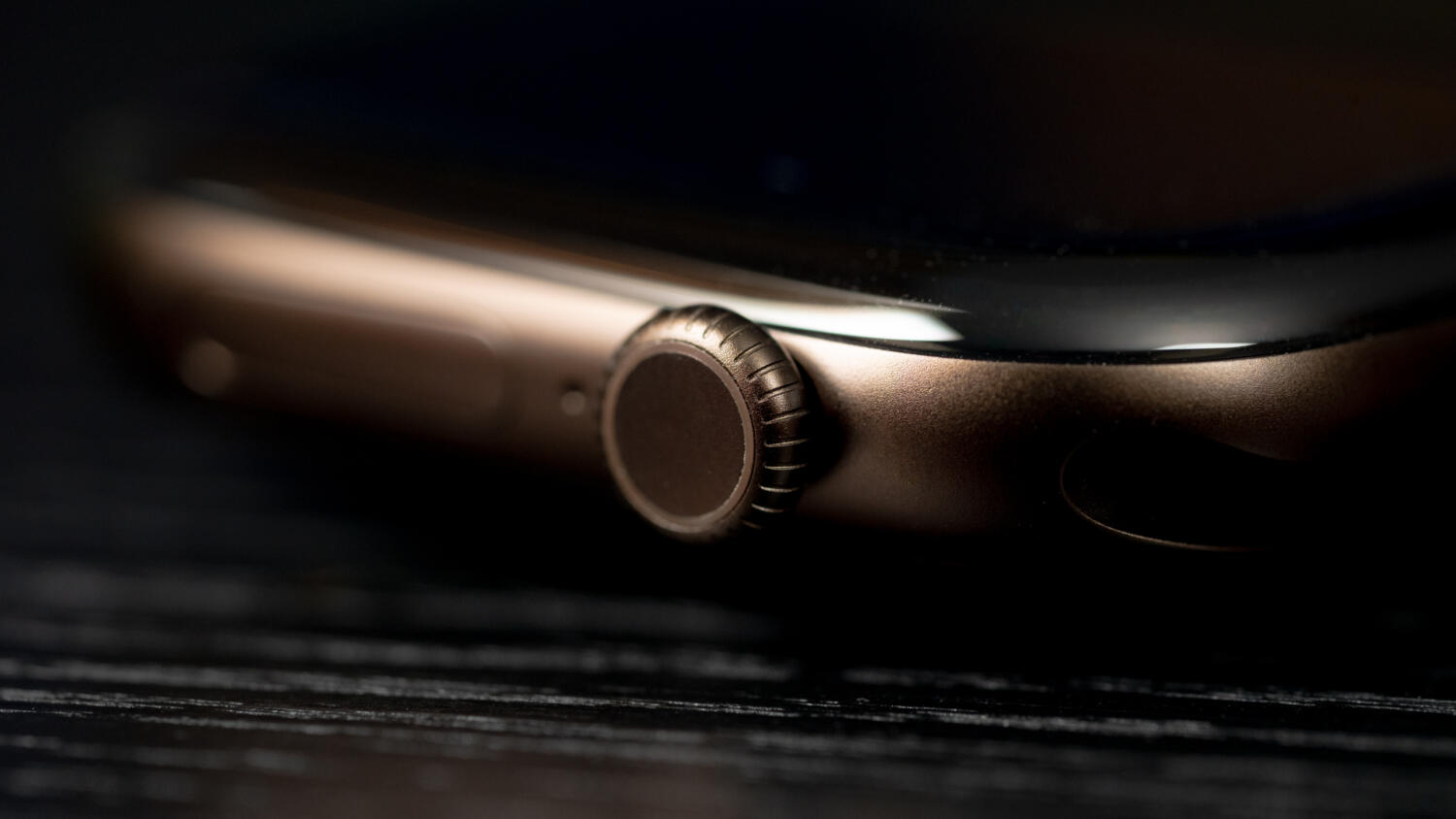
All of this applies to Siri Recap, too, at least on paper, which uses ambient listening to generate summaries and key points of daily conversations. Both can be managed or disabled in the Apple Watch app, and unless selected, summaries are deleted automatically after seven days, with no quote or speaker attribution. A handful of questions remain, such as how it determines whether a conversation is important, but there’s no way to know until the update.
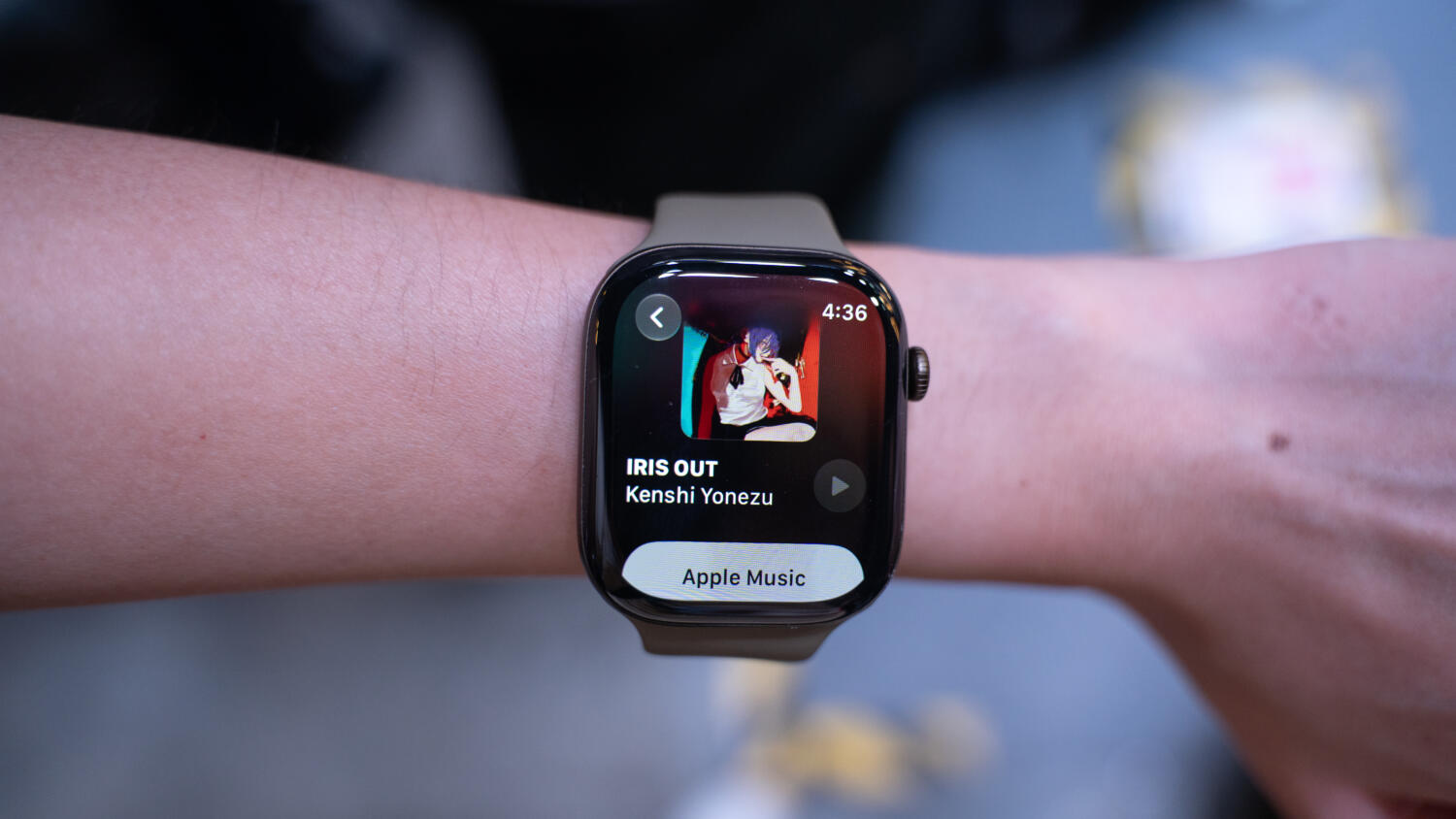
The other two, an upgraded Shazam and Sound Recognition, are already live. The music identification platform is quick to pick up songs accurately across various genres and languages, including Kenshi Yonezu’s “Iris Out” (J-pop), K/DA’s “Firestarter” (K-pop), “Megalovania” from the Undertale game, Olivia Rodrigo’s “drop dead” (synth-pop), and LBI’s “跳楼机 / Jumping Machine” (Mandopop). Barring the first attempt, which required exiting and restarting the app to capture the soundtrack, the testing process went smoothly.
In a welcome accessibility boost, Sound Recognition sends haptic and visual alerts when the Series 12 detects ambient sounds such as a crying baby, car horns, or a doorbell, proving extremely useful for those who are deaf or hard of hearing. After toggling it on, users can also choose which specific noises to identify, although it can be a little inconsistent at times.
Considering Apple’s track record with smartwatch battery life, it would be fair to assume that the round-the-clock monitoring comes at the expense of stamina. Surprise, surprise – while the Series 12 still trails much of the competition, it packs enough juice to last around two days with an active Always-On display in real-world testing. The previous model, in comparison, would run out of juice by the same night on the same mileage. Starting with a full charge on a typical workday, the device usually ends up at around 50 percent by bedtime, sufficient to get through overnight.
Occasionally, though, charging becomes a forgotten task, resulting in interrupted and inaccurate biomarkers, as experienced during the fateful day when Sleep Score plummeted to a new personal low of 30 after the smartwatch went flat two hours in. The faster charging is a lifeline in situations like these, delivering an extra 12 hours of normal use after 15 minutes and going from zero to full in a little under an hour.
At the same starting price of S$599, Series 12 offers worthwhile value for those coming from older Apple Watches. The, well, series of upgrades may not be a significant leap from its predecessor, but the improvements can be felt on the wrist, and the robust tracking technology easily runs the show. Putting the unfinished business with Audio Intelligence, mediocre battery life, and identical design aside, there’s plenty to love here.
GEEK REVIEW SCORE
Summary
Despite what the unchanged exterior may suggest, additions to the Apple Watch Series 12 are iterative in name but meaningful in nature, making a strong case for making the switch.
Overall
8.8/10-
Aesthetics - 8.5/10
8.5/10
-
Build Quality - 9/10
9/10
-
Performance - 9/10
9/10
-
Value - 8.5/10
8.5/10
-
Geek Satisfaction - 9/10
9/10

Si Jia is a casual geek at heart – or as casual as someone with Sephiroth’s theme on her Spotify playlist can get. A fan of movies, games, and Japanese culture, Si Jia’s greatest weakness is the Steam Summer Sale. Or any Steam sale, really.
 HSALS
 Yonk