Call of Duty, Forza, Final Fantasy, Diablo – there are popular games, and there are the franchises that immediately bring top-of-mind recognition and remain at the top of their respective genre niche, whether its in FPS, JRPG, Racing, ARPG or others, and it’s a powerful position to be in, having that certain level of dominance in a particular genre, whether it be through legacy, mainstream popularity, innovation, or a multitude of other reasons.
And that’s exactly what Bandai Namco has established for the flight action genre with its Ace Combat franchise.
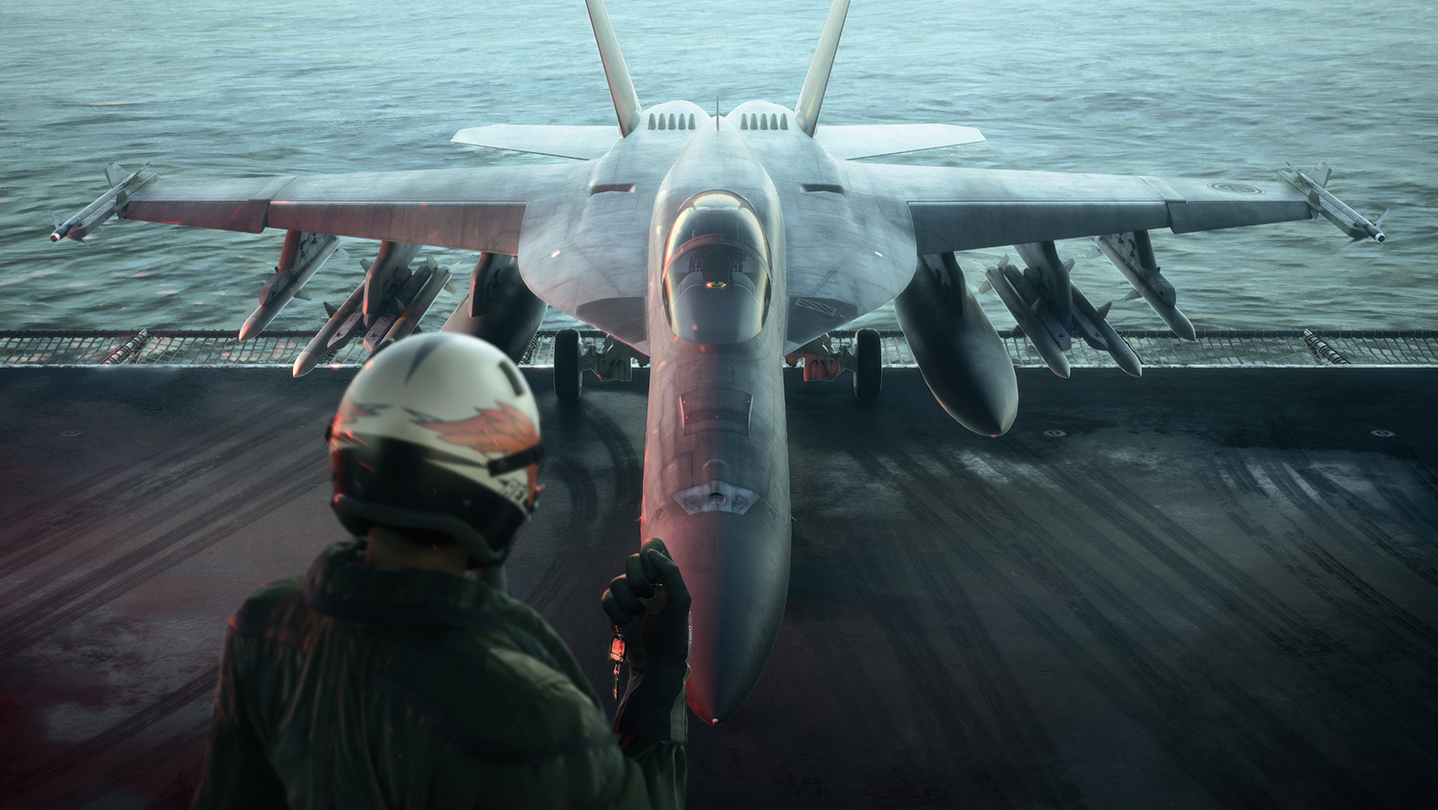
With eight mainline titles and numerous spin-offs over the 36 years since its debut in 1995, the franchise would go on to refine its core gameplay systems using the technologies of the time, steadily growing its fanbase and renown by existing in a unique space within the genre – an approachable middle ground between more arcade-like flight shooters and the complexity of flight simulators.
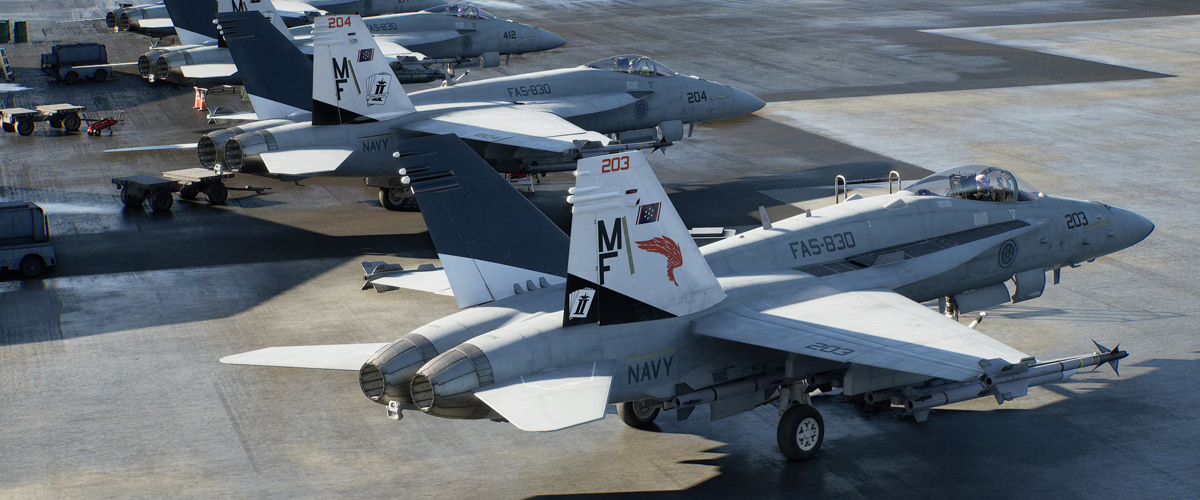
With the recent release of Ace Combat 8: Wings of Theve, the franchise has now soared to new heights by utilising modern technology, bringing not just the best-looking game in the series thanks to Unreal Engine 5 and its next-generation “Cloudly” rendering system for dynamic weather simulation, but also some of the most responsive dogfighting controls to date. It’s a new age for the franchise, but also a culmination of everything it has worked towards since its humble beginnings.
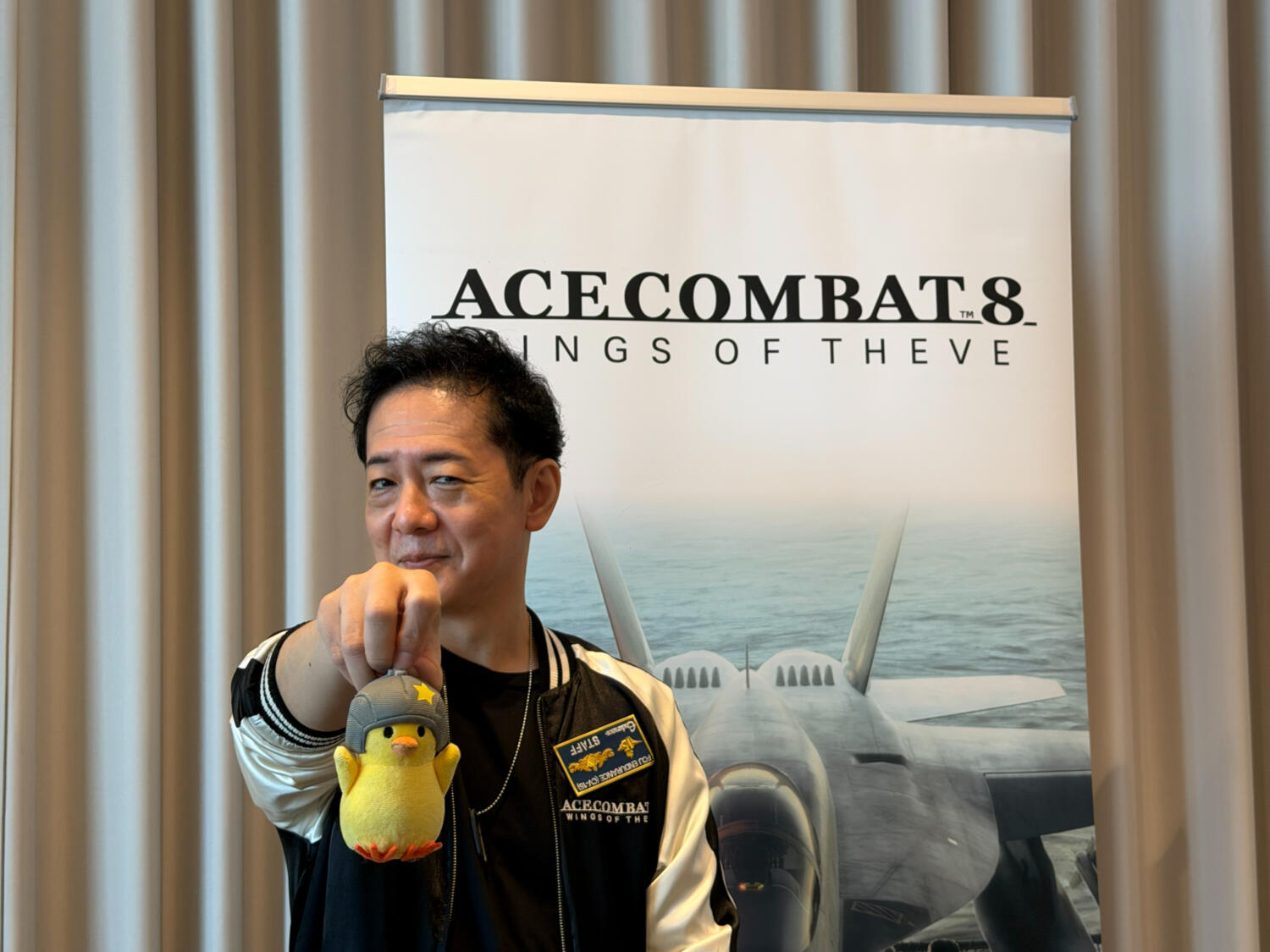
Fresh off the success of its latest title, Geek Culture was able to sit down with Ace Combat brand director Kazutoki Kono at gamescom asia x Thailand Game Show 2026, where he spoke about the franchise’s journey to where it is today.
Ace Combat might be a beloved console and PC franchise today, but like many of the titles under Bandai’s belt, the series actually traces its roots back to the arcades, beginning its life as a pair of flight combat simulators under a completely different name – Air Combat. The original 1993 arcade title and its 1995 sequel, Air Combat 22, which was named after the Namco Super System 22 arcade system board it ran on, were completely different titles from what fans are familiar with today, featuring simplistic but high-intensity short-burst action which saw players shooting down infinitely spawning enemies within a time limit.
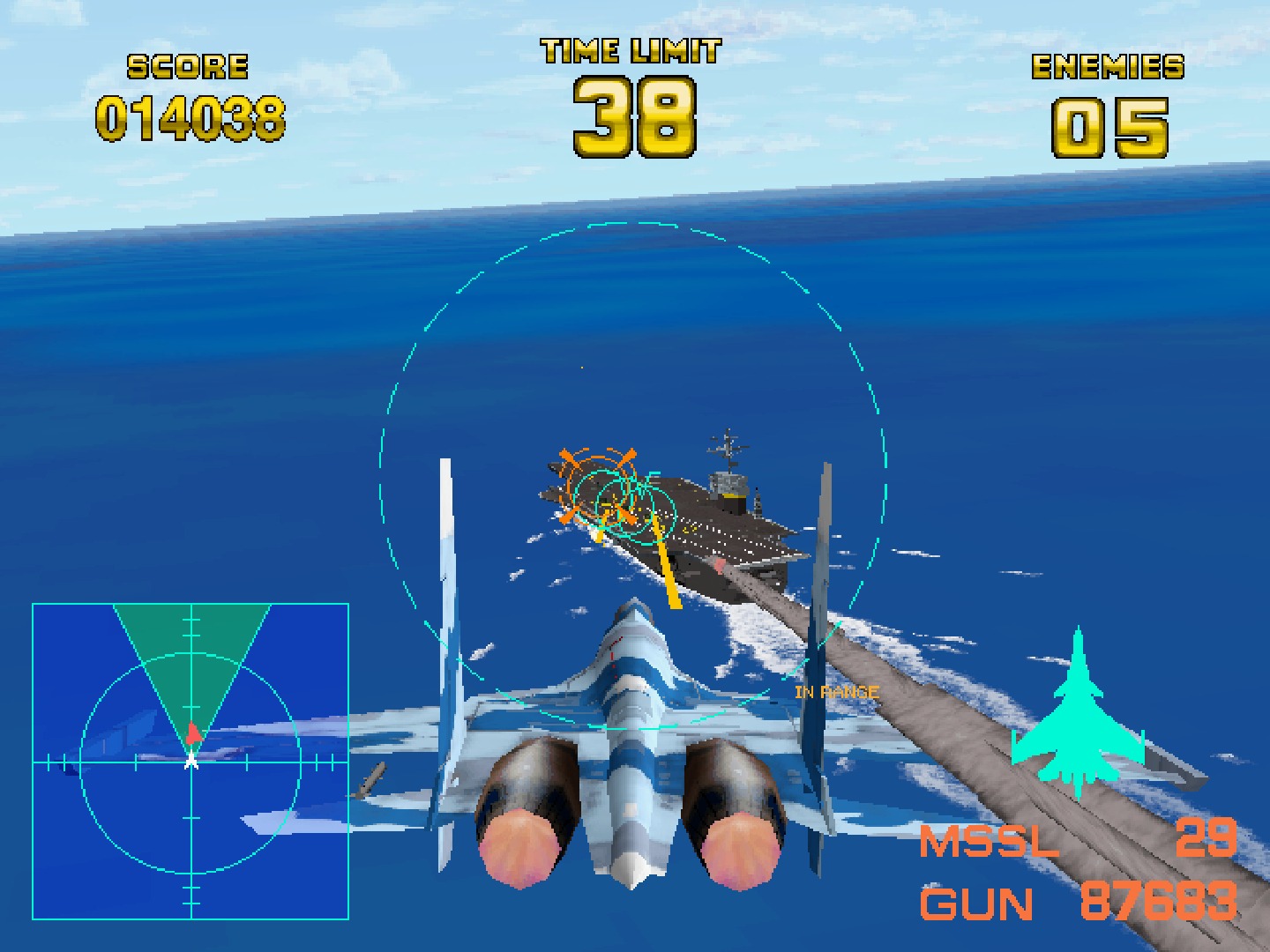
After three years existing exclusively in arcades, the franchise would then expand to home consoles with 1995’s Air Combat (known as Ace Combat in Japan) for the PlayStation 1, breaking free of its predecessor’s limitations and introducing many elements that are still staples of the franchise til this day, such as its structured mission-based campaign design, its fictional Strangereal universe, and its new Ace Combat prefix.
According to Kono, the challenges that came from this transition didn’t necessarily stem from changing how it felt to pilot the fighter jets themselves, but more from how the world in which they are piloting their planes has changed.

“Air Combat 22 was originally an arcade game, but the game’s overall control system hasn’t been changed much since then,” he recalls. “When we shifted to the Ace Combat series, we adjusted how the plane functioned instead, as now players can fly around the 3D space. It’s not the concept of the jet fighter that has changed, but the environment that it flies in.”
While on the topic of the game’s environment, Kono explains, while reflecting on the franchise’s legacy over the years, that at one point, he had toyed around the idea of an open-world Ace Combat title – which would have been a stark departure from its mission-based structure – but ultimately dropped the concept as he felt it would have been detrimental to the franchise’s identity and player enjoyment.
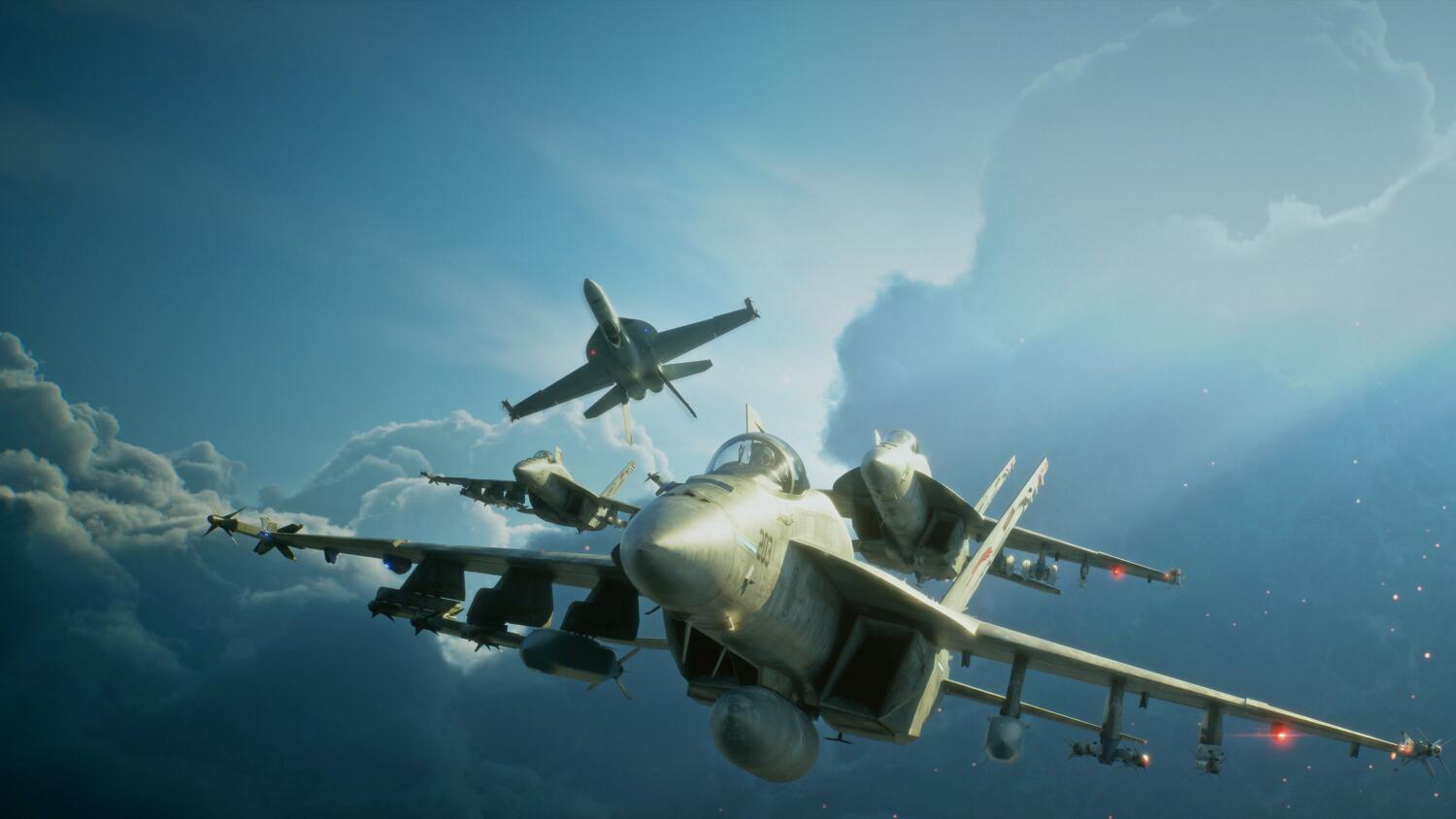
“I have thought about making Ace Combat into an open-world game before,” Kono explains, although he joked that he shouldn’t have revealed this tidbit. “But after simulating how it would have worked in my head, I realised that if this was the case, players would fight in one place, and in order to progress to another mission, you would need to spend maybe two hours travelling from A to B. That would be quite boring, so I dropped the concept.”
Still, Kono stated that, as the franchise heads into the future, he would like to explore more ways to improve the environment where players will fly in, potentially exploring how else they can add the freedom of exploration while still maintaining its familiar structure.

Apart from its overall gameplay style, another constant throughout the Ace Combat series is an overarching story about not just the harsh realities of war, but the concept of hope amidst tragedy. This is best seen in Ace Combat 8: Wings of Theve, which thrusts players into the losing end of a war between the Federation of Central Usea (FCU) and the invading nomadic Republic of Sotoa. Tasked with leading a ragtag group of pilots with no victories to their name, players embark on a journey to defeat the odds, with Kono explaining that this concept was always what the franchise has balanced across the various titles.
“We are working around the themes of war, and when building such themes for entertainment, there always has to be a certain level of respect,” he explains. “Across the series, we always ensure that there will be elements to show that whenever there’s any kind of hardship, there will always be hope too.”
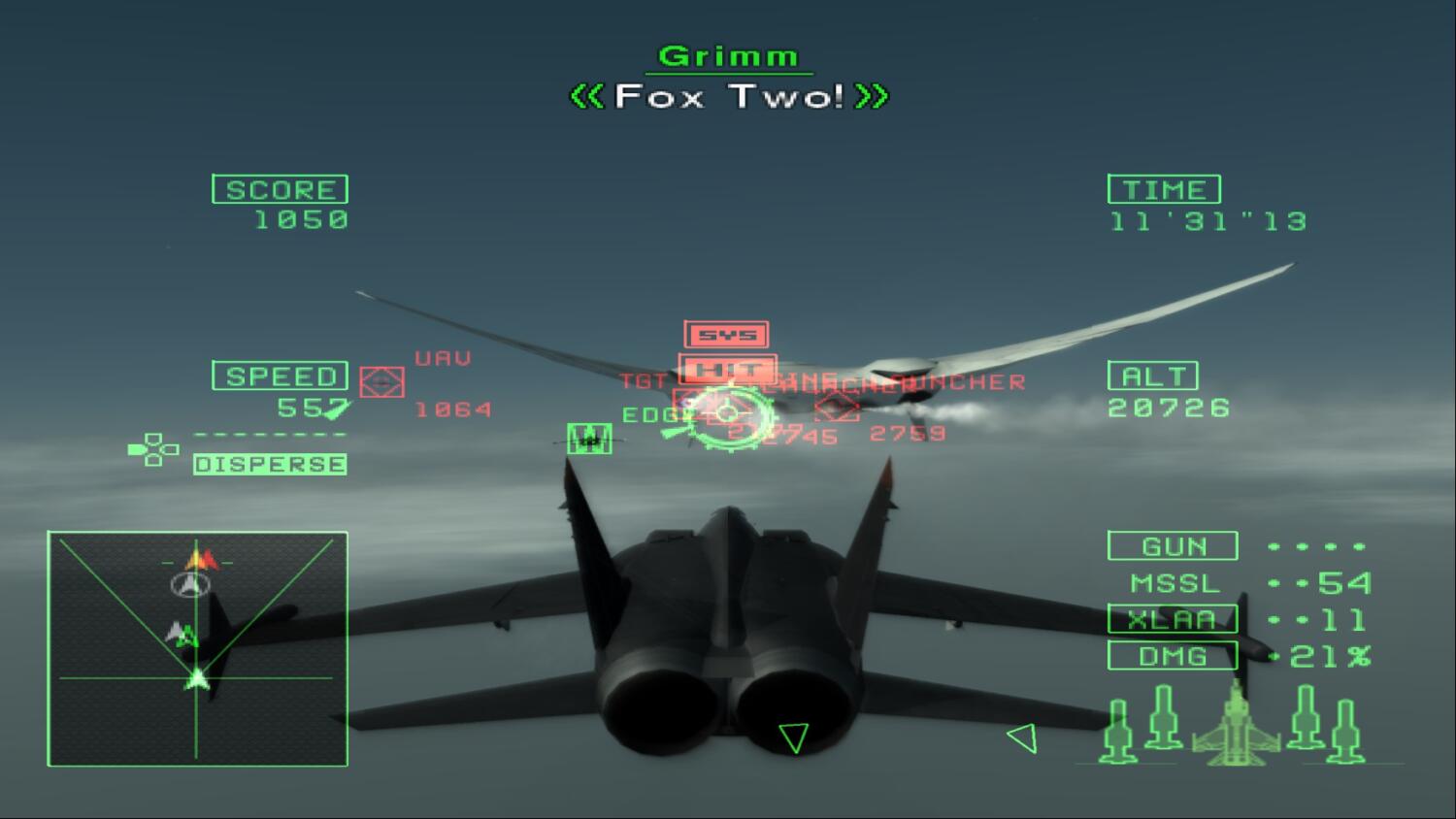
“Still, there will always be two sides, so while from the main character’s perspective, it might seem like hope, from the opposite side, these same characters might seem like grim reapers, or something to fear, so it’s all about understanding that there will always be two perspectives.”
Of course, these narratives all play out within Ace Combat’s Strangereal universe, a fictional version of Earth that might mirror the real world, but features completely different landmasses and historical events. Kono also touched on the franchise’s unique setting, explaining that it didn’t just set the stage for imaginative storytelling, but also provided the opportunity to be less bound to realism.

“One major benefit to having our fictional Strangereal universe is that it lets us implement more sci-fi elements into our games,” he notes. “If you look at real-world fighter jets and their actual technologies, there are limitations to them. So if we just rely on such real-world tech, it would be quite boring as a game. But with Strangereal, we can include things that may never exist in real life, such as our Land Battleships, which makes the game more interesting.”
Another one of such “unrealistic” additions the team brought to Ace Combat 8: Wings of Theve in particular is the ability to now bring two different special weapons on a sortie, letting players swap between them on the fly during missions. While unrealistic, Kono says that this gave players the freedom to choose how to approach missions, and it was also the logical step forward in fighter jet innovation.

“Since we couldn’t just give players a plane which can use as many missiles as possible, it was quite hard to add more systems and gimmicks to our fighter jets, so we instead worked towards enhancing the game experience by giving players the freedom to choose between their standard missiles and the new dual special weapon system,” explains Kono.
“Still, we needed to make sure the game didn’t become too simple or disrupt its pacing, especially now that players will be able to build their jets for both air-to-air and air-to-ground combat, so the key here became how we designed each level,” he adds. “I remember there was an instance during development where I spent two days on a mission and couldn’t clear it, only to realise that if I had equipped bombs instead and dropped them from high altitude, I could complete the mission in five minutes. We want players to have this same feeling of discovering such winning strategies.”
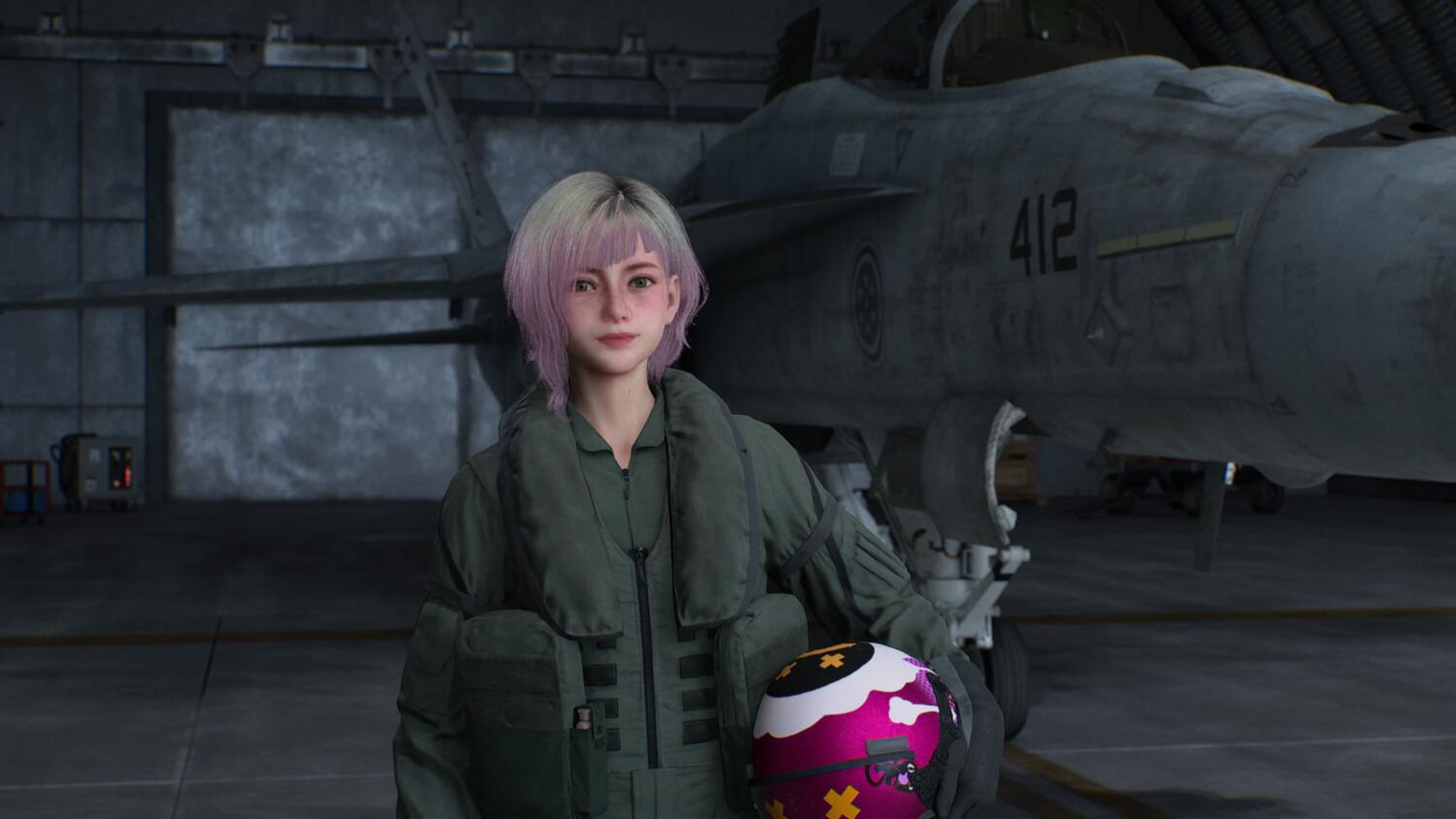
With all its legacy and innovation, Kono didn’t forget to show some love to another iconic aspect of Ace Combat 8: Wings of Theve, its new memorable characters, and in particular, two fan favourites – Joker Flight Ensign Anastasia Severskaya, aka Tasha, and Queen Flight Lieutenant Commander Katherine “Kate” Evans.
Even before the game launched, hype was abuzz surrounding the reveal of Tasha, the pink-haired, carefree “anime girl” that made many fans fall in love with her at first sight. According to Kono, her iconic, eye-catching looks and behaviour garnered exactly the fan reactions they were looking for, but on the other hand, the adoration for Kate was a slow burn, but no less fervent.
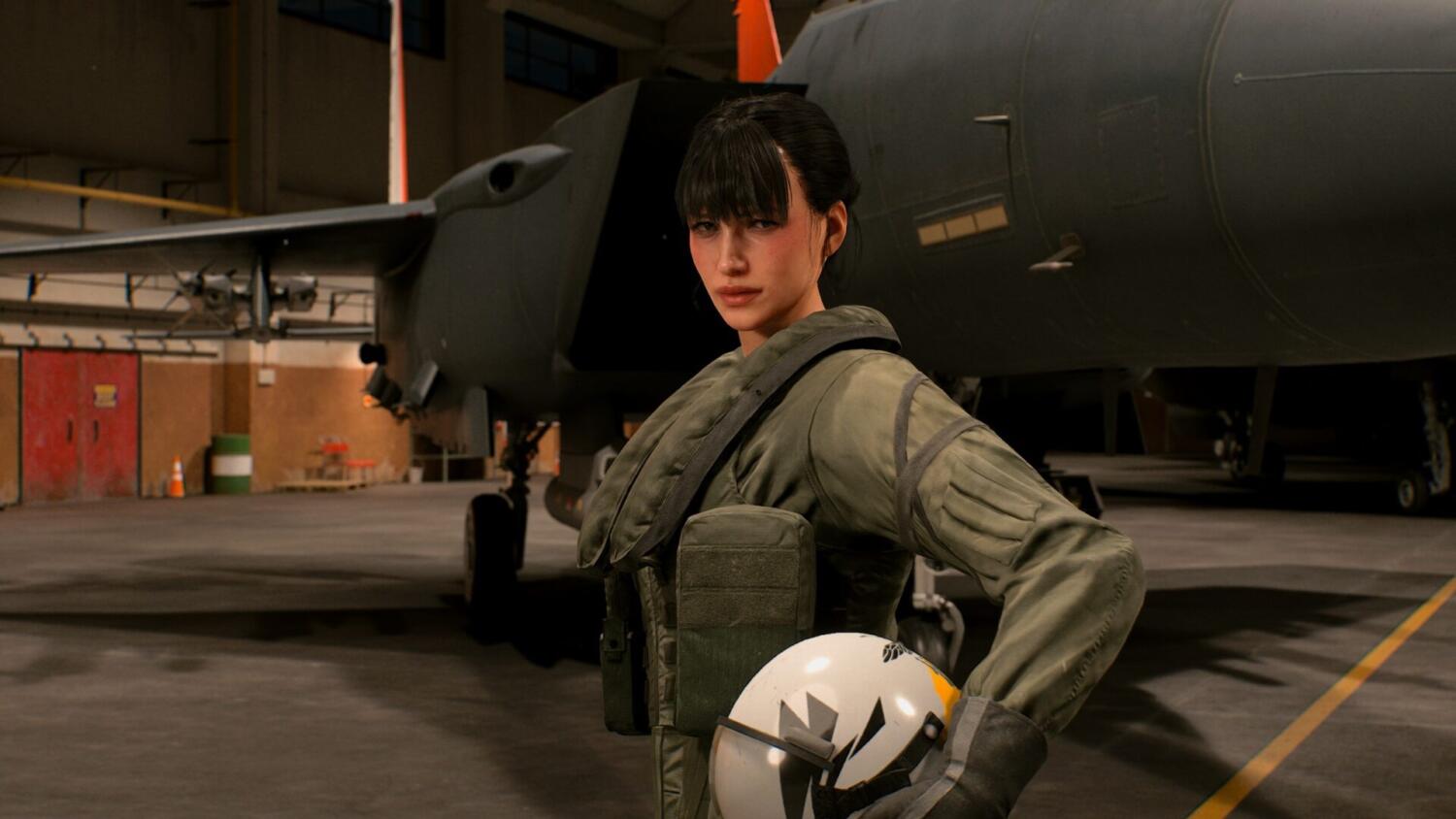
“Kate goes in the complete opposite way from Tasha, as her first impression is not that impactful,” he explains. “But it’s during the campaign that players start to witness her dramatic story, and she starts to win the hearts of fans. Keep in mind that the Ace Combat series has never had any such popular characters before, and so to have two characters that are all over social media, and to have so many fans cosplaying as them, I’m really happy to see that.”
But the most important question of all is where Kono’s own loyalties lie. Kono jokes that he had always been asked who he liked more between Tasha and Kate, even before the game launched, and that his answer had always been Kate, and honestly, there’s no wrong answer here.
Ace Combat 8: Wings of Theve is now available on PS5, Xbox Series X|S, and PC.

Kevin is a reformed PC Master Race gamer with a penchant for franchise “duds” like Darksiders III and Dead Space 3. He has made it his life-long mission to play every single major game release – lest his wallet dies trying.