
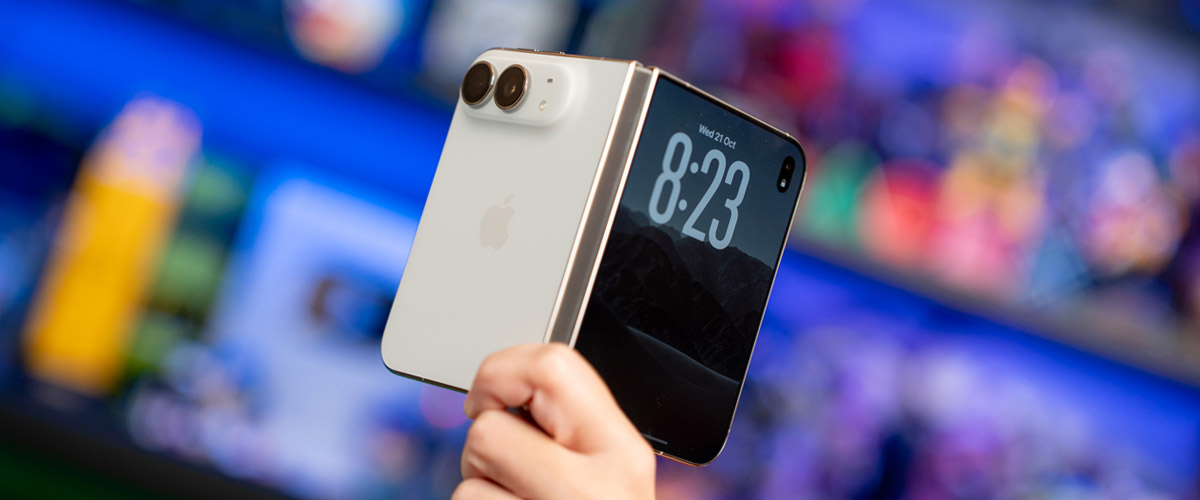
If consumers only ever bought from the companies that first introduced or invented a technology, we would all be cruising around in fancy Mercedes cars, snapping photos on our Eastman Kodak digital cameras and editing them on IBM computers, before printing the images out on Xerox machines, as we grab a cold drink from the General Electric refrigerator.
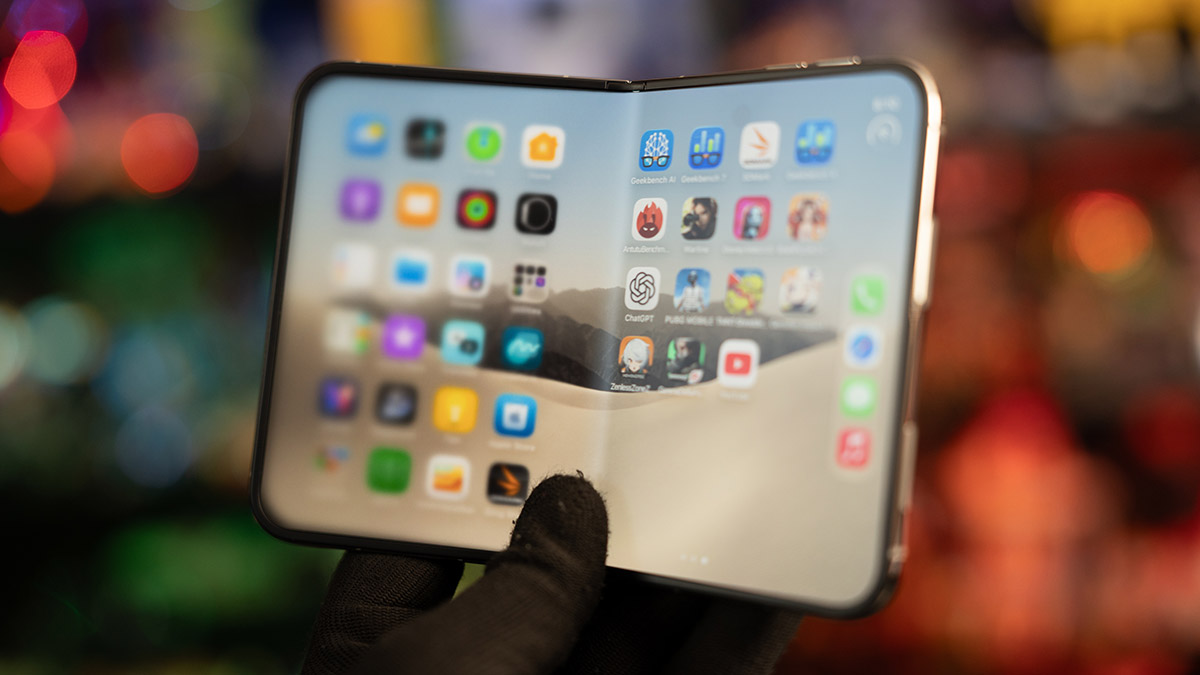
Most of those brand names are no longer market leaders, with their first-mover advantage eclipsed by fast followers who took something new and simply made it better. Such is the case for Apple’s new iPhone Duo, the American tech giant’s first foldable smartphone, arriving in a market kicked off by China’s Royole FlexPai in 2018 and brought to the masses with the Samsung Galaxy Fold the following year.
Wait, were you expecting to read about another tech brand being the first to introduce foldable phones to the mass market? Why should it matter?
Because with Apple, it’s rarely about being first but about taking existing technology and refining it until the company can change how the market embraces it. Case in point? The iPod, iPhone, iPad, Apple Watch, Mac mini, and in 2026, the company’s latest iPhone model that strives to provide more – even as it dials back on certain standard iPhone features – at a relatively steep S$3,099 for the base and barely substantial 256GB capacity model.
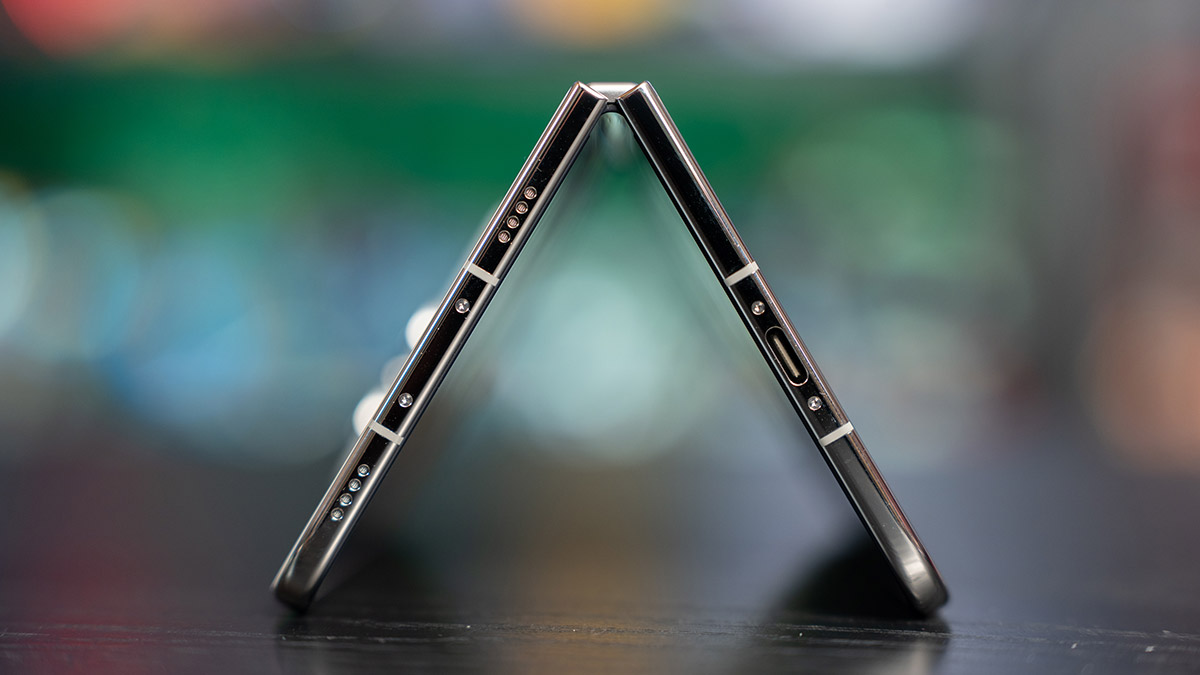
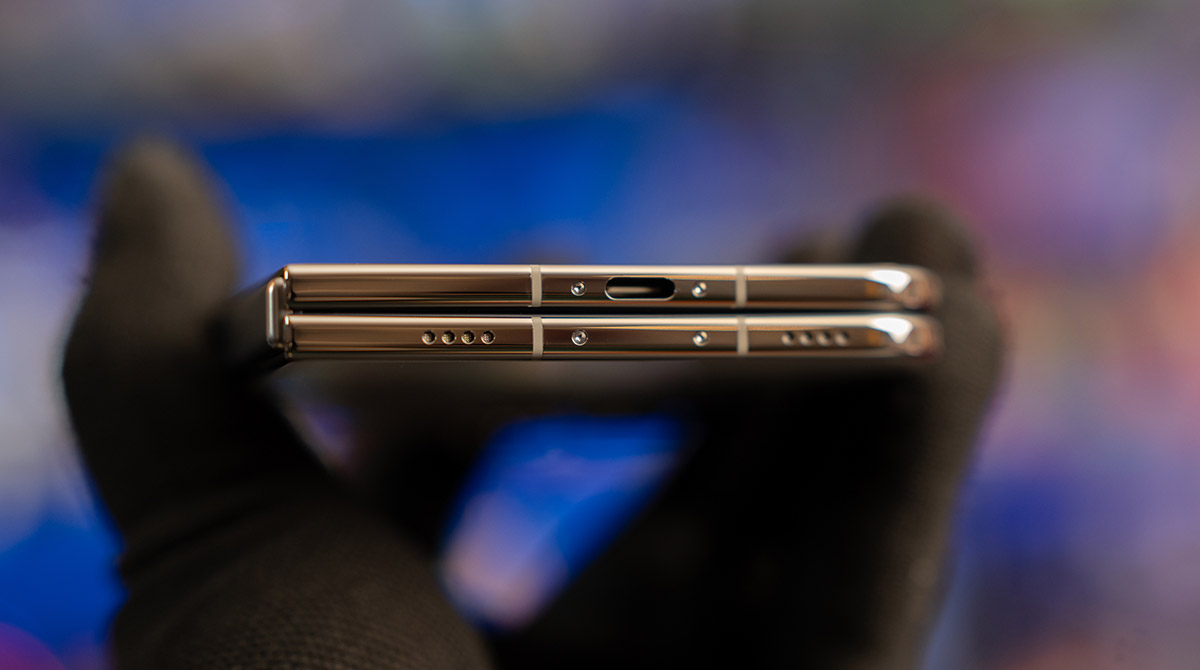
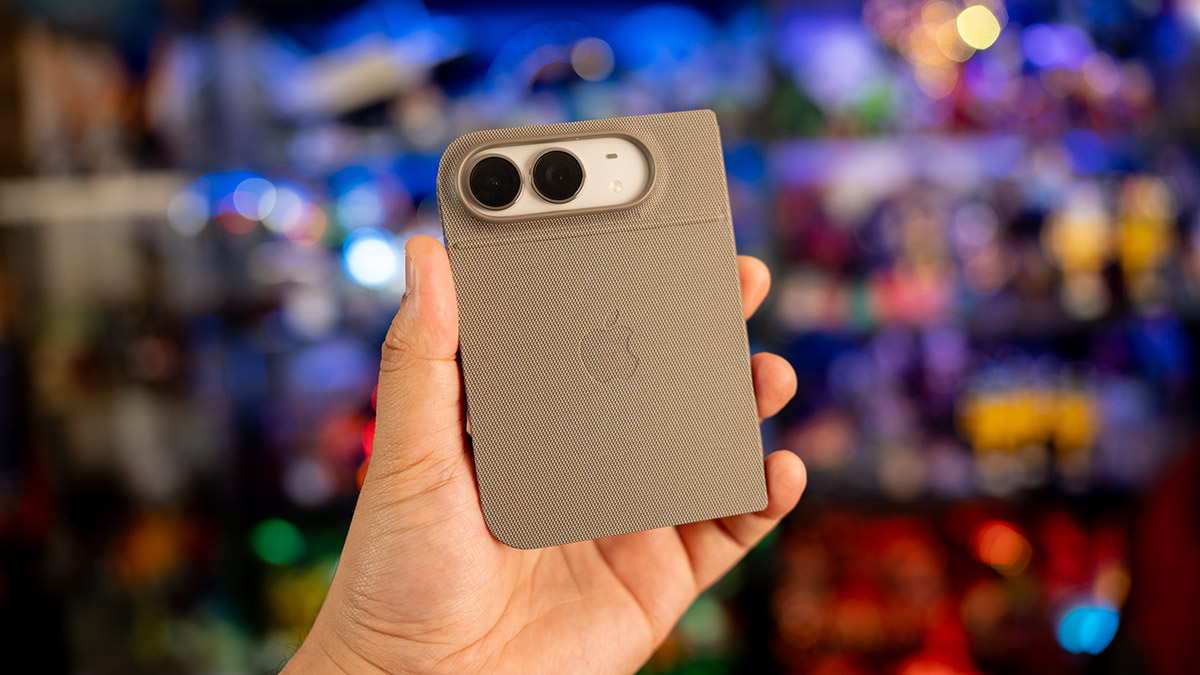
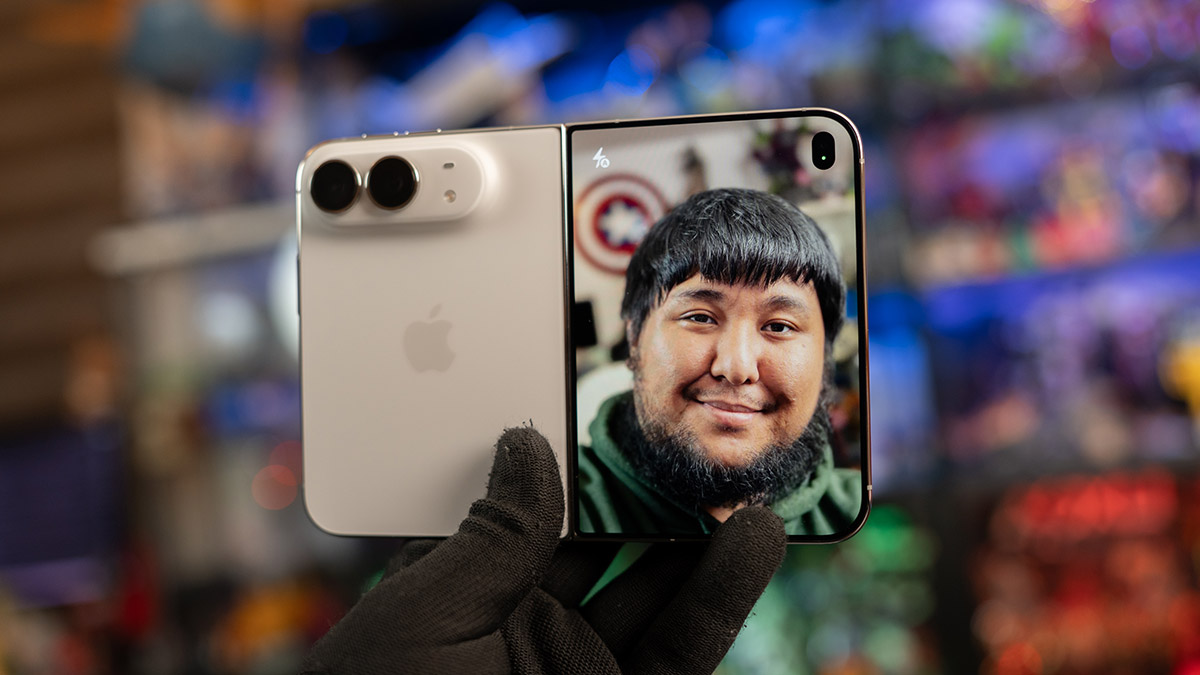
Using a titanium frame around its foldable design, the iPhone Duo is a passport-sized folding phone measuring 164.6 x 117.8 x 5.2mm that, when unfolded, reveals a 7.6-inch OLED display with a 1878 x 2670 (430 ppi) nano-texture finish. It’s also a matte, not glossy, display, which was the standard for most laptop screens a while back, before glossy screens, with their shinier veneer, took over, and there’s a reason for it – the matte glosses over the crease found on every and any foldable screen display.
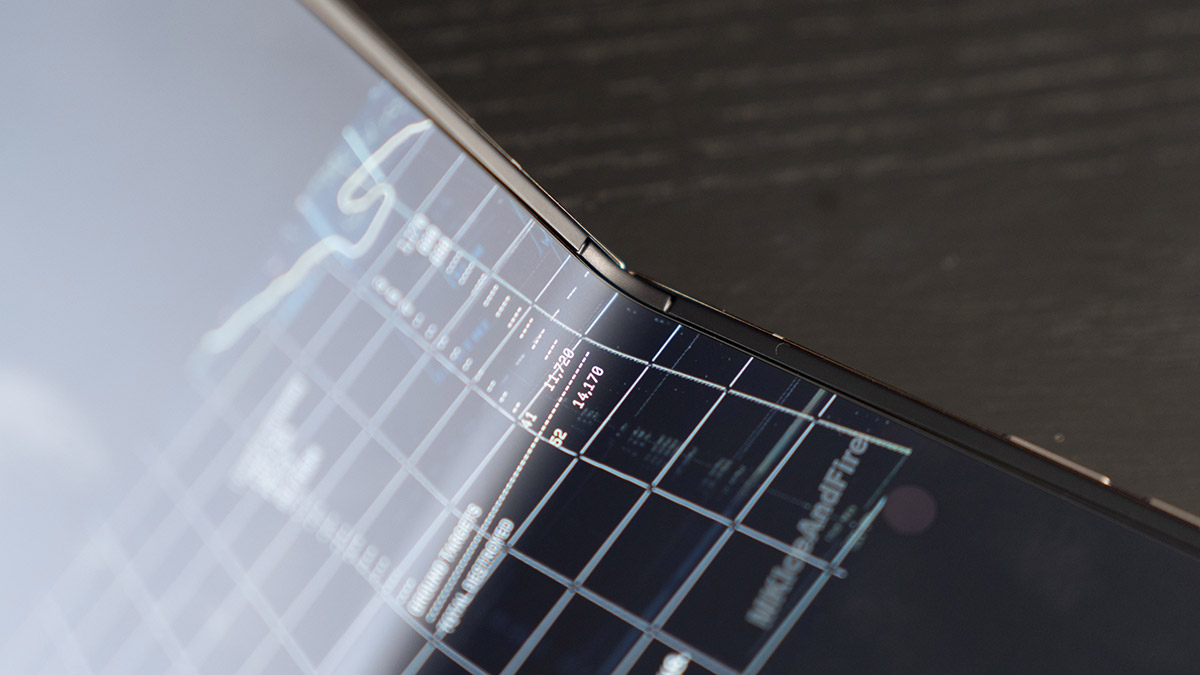
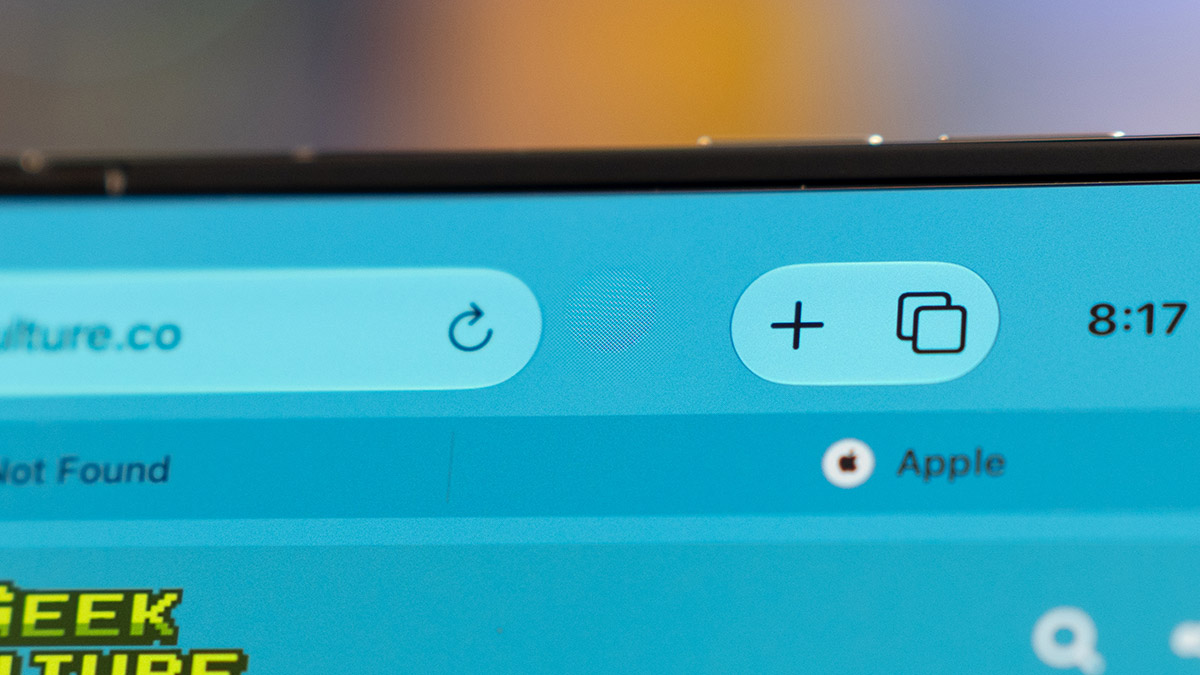
It’s the nature of the technology, which has a foundation in OLED pixels printed on bendable plastic rather than rigid glass. The issue, prevalent in the first few iterations of folding phones, was a crack in the bend line due to extended use and constant folding and unfolding. With improvements, it has now transformed into highly visible crease lines that are more apparent on glossy displays, hence the suspected matte one here.
Measuring a more diminutive 84.1 x 117.8 x 11.3mm when closed to reveal a 5.4-inch OLED, 1398 x 2034 (460 ppi) outer display, the clamshell-like design does feel hefty, not because of its 254g weight (compared to the 249g of the new iPhone 18 Pro Max), but because the recent Samsung Galaxy Fold 8, which also marks the chaebol’s first passport-sized foldable after years of doing an open book style one, is a shade thinner at just 81.9 x 123.9 x 9.7 mm. Therein lies the form-factor preference for use – unfolded, the iPhone Duo feels sturdy, with a heft that offers a secure grip, but it also means it’s big when folded. Conversely, the 201g Samsung Galaxy Fold 8 sits nicely folded in your pocket, but its thin chassis is fragile to the touch and almost feels like it won’t survive a bump when dropped on the table.
Regardless, both displays on the iPhone Duo offer ProMotion up to 120Hz, can be Always-On with 1,600 nits HDR, and up to 3,000 nits outdoors. Available in the dark blue shade of Night Sky and Star White, both come with Ceramic Shield 2 fronts and IP68, or water resistance up to 6m depth for 30 minutes.
Internally, the iPhone Duo boasts the same processor as the iPhone 18 Pro Max – the latest A20 Pro chip with a 6-core CPU (2 super and 4 efficiency cores), a 7-core GPU with Neural Accelerators, and a dual 16-core Neural Engine. In Geekbench 6, the iPhone Duo scored 4,697 in single-core and 12,546 in multi-core, with a Metal GPU score of 65,093. It matches the iPhone 18 Pro Max’s showing of 4,685 in single-core, 12,502 in multi-core and a Metal GPU score of 65,541 when compared with the A19 Pro’s 3,547 and 8,953, and GPU score of 45,521.
Under the newer Geekbench 7, the numbers read 3,872 for single-core, 10,074 on multi-core and 62,316 for Metal, and the scores aren’t directly comparable between versions, as the benchmark was recalibrated. AnTuTu lands at 3,129,711, and 3DMark’s Steel Nomad Light returns a score of 2,569.
Where the iPhone Duo earns its keep is in the tweaked iOS software that is almost identical, but with slight changes to cater to the folding screen. The interface is extremely intuitive, and if you’re a current Apple user, there’s an instinctive familiarity to the way the UI behaves. Instead of simply offering the same interface as you unfold or rotate the device, which is what Android handset makers have done, the cleverer trick is how apps respond to the fold.
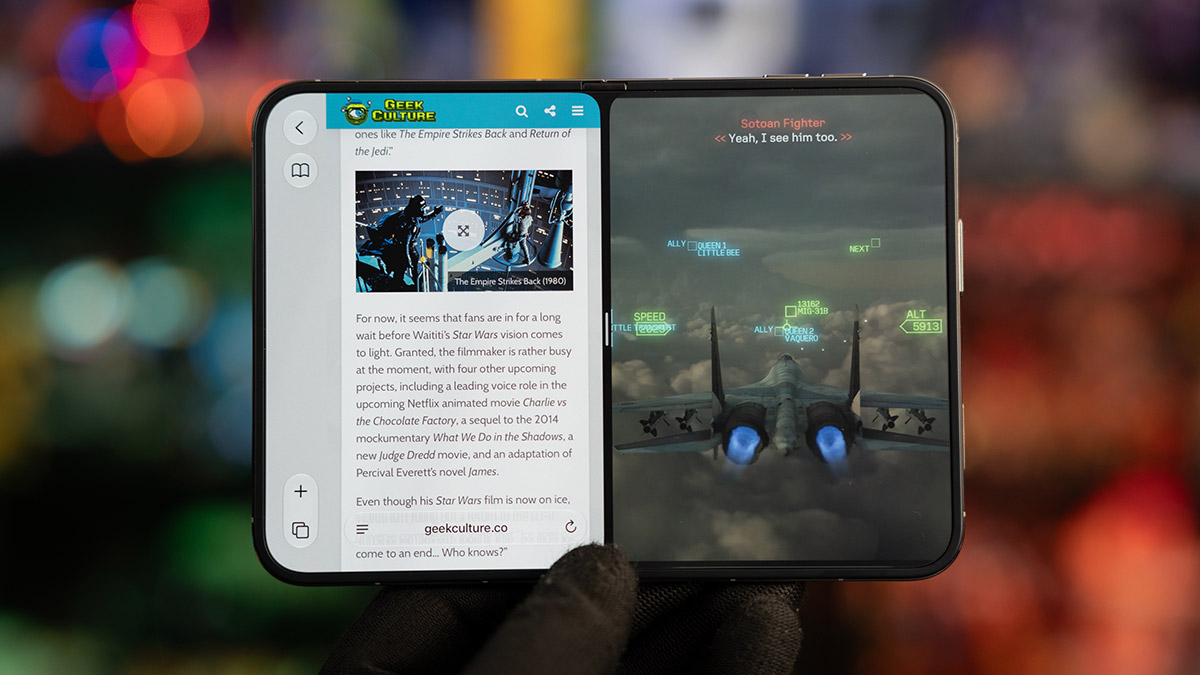
You’ve seen the fluid transition of the animation when the device is opened, with unfolding animation starting with the blur of the screen across the hinge that creates a transparent illusion before the outer display’s wallpaper, UI elements or app windows are proportionally expanded across the same layout on the 7.6-inch inner screen. With the Duo fully unfolded, some apps adopt a one-third, two-thirds layout, with the left column holding the general details and the right, wider column holding the rest of the information. But if you start folding the Duo like a book, the display recognises that the angle affects readability and automatically splits the current layout into two equal halves, left and right.
Think of your email Inbox, where the left narrow column displays the list of emails received, with the contents of the email you selected shown on the wider column on the right. Fold it somewhat, if you’re on a train checking your emails and want some privacy, and the two columns now sit side by side for easier reading.
The flip side, though, is that the real estate providing a huge amount of wasted space never gets used. Case in point is your apps screen, where rows of four apps are lined up across the display, because four app icons fit nicely. On the larger iPad Pro, you get five app icons that are more spaced out, but there’s a larger border at the edge of the device. And on the iPhone Duo, you get the same four app layout with the same spacing between apps, and a larger border of empty space that doesn’t get used at all, which is a waste of that sweet, larger display. We get it – the apps have to be in the same position regardless of whether it’s shown on the larger or smaller display, and changing its placement to cater for more apps on the larger screen can confuse users accustomed to the positions of their apps on a page, but it’s equally frustrating to constantly be at the literal edge of your seat when you’re seated on a bench, and no one else is around.
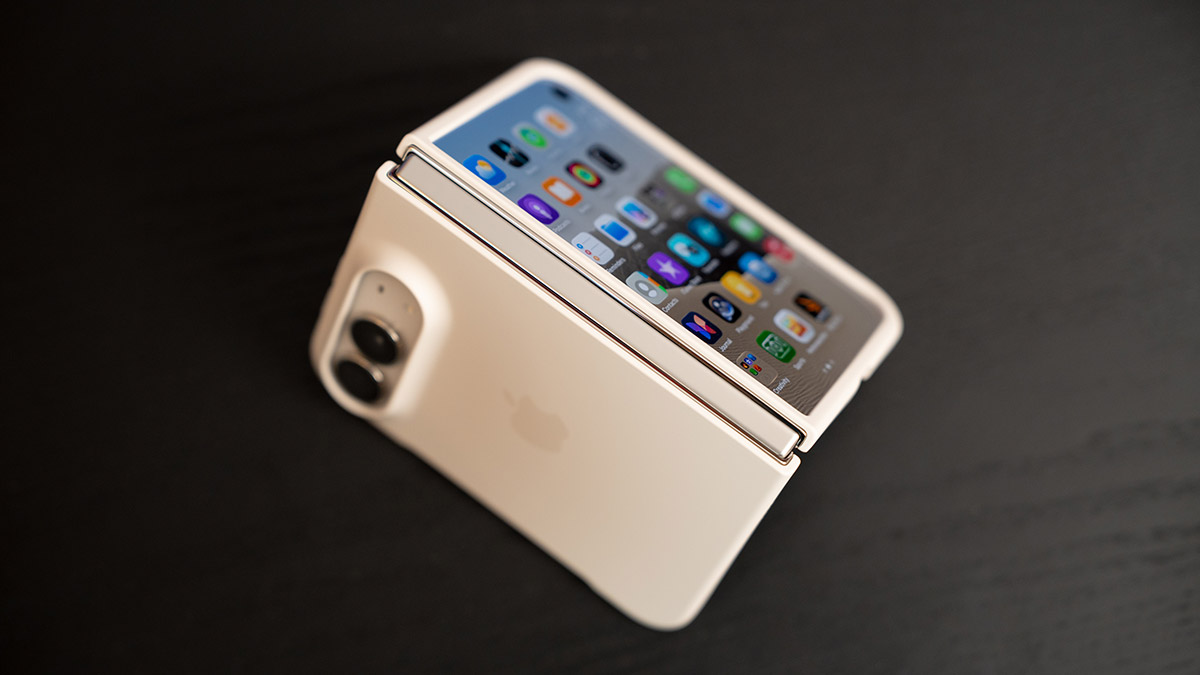
Video streaming is just as considered, and navigating the Netflix or Apple TV app is a breeze, with the video orientation changing as you rotate, fold and unfold the phone. Place the Duo on a table in a laptop-style orientation, and the video plays on the top half of the screen while the bottom half becomes the controls. Fold and stand it up as a tent, and the video plays on the cover display, just as it was intended. It’s a natural flow that other brands haven’t fine-tuned to this level, with strong audio coming from two audio ports on the phone. When folded, there is a speaker on the top edge of the outer display, and the bottom edge of the other half of the device. This means that speaker placement will always have a right and left/top and bottom effect, depending on how you position your device, which provides a great presentation of audio. And because of the matte finish, screen glare is less of an issue, and you can discreetly use the tent orientation to play videos on your desk and by the side, without looking like you’re holding and staring at video on your vertical phone.
The sad news is that, at the time of this review, all the Apple and some partner apps work great, but not so for the other apps out there. Developers have only had a short time to optimise their apps for a new display, and it shows because not everyone has done so, so you get what early iPad adopters had years ago – an iPhone app that runs on the larger display, but with black bars around the edge because it has not been optimised for the bigger screen. Remember that amazing demo of HoYoverse’s Zenless Zone Zero on the iPhone Duo during the launch announcement? Well, it’s not here yet, so all you get is the current version that doesn’t take advantage of the real estate, but you know it’s coming eventually.
The good news is those who camped to pre-order the iPhone Duo are probably receiving their unit in December, and even January 2027, which means that by the time they fire up the device, HoYoverse’s planned rollout of Version 3.3 by mid-November 2026 would be complete.
And speaking of announced features that aren’t yet available – you can connect the Apple Pencil USB-C to the device, and have the Pencil work with both Duo displays to take down notes. The catch is that this will only be made available through an upcoming software update.
For the user interface, Apple has made the right edge panel the default space for information and controls, so the Home Dock now sits there, with your four commonly used apps easily accessible with your thumb. It has also created a new icon that combines the once separate indicators for Cellular, Wi-Fi and Battery Life, and it’s also where the back button lives, putting it right at your right thumb. Left-handers will feel left out, though, as you cannot change the layout to suit your use.
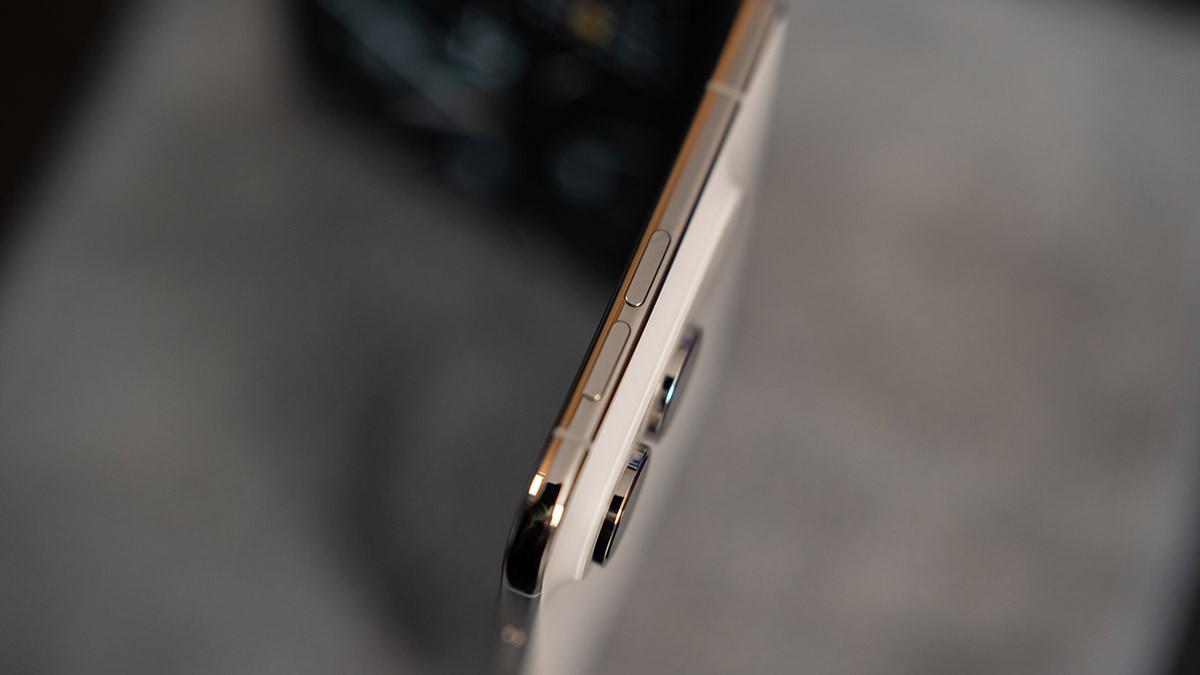
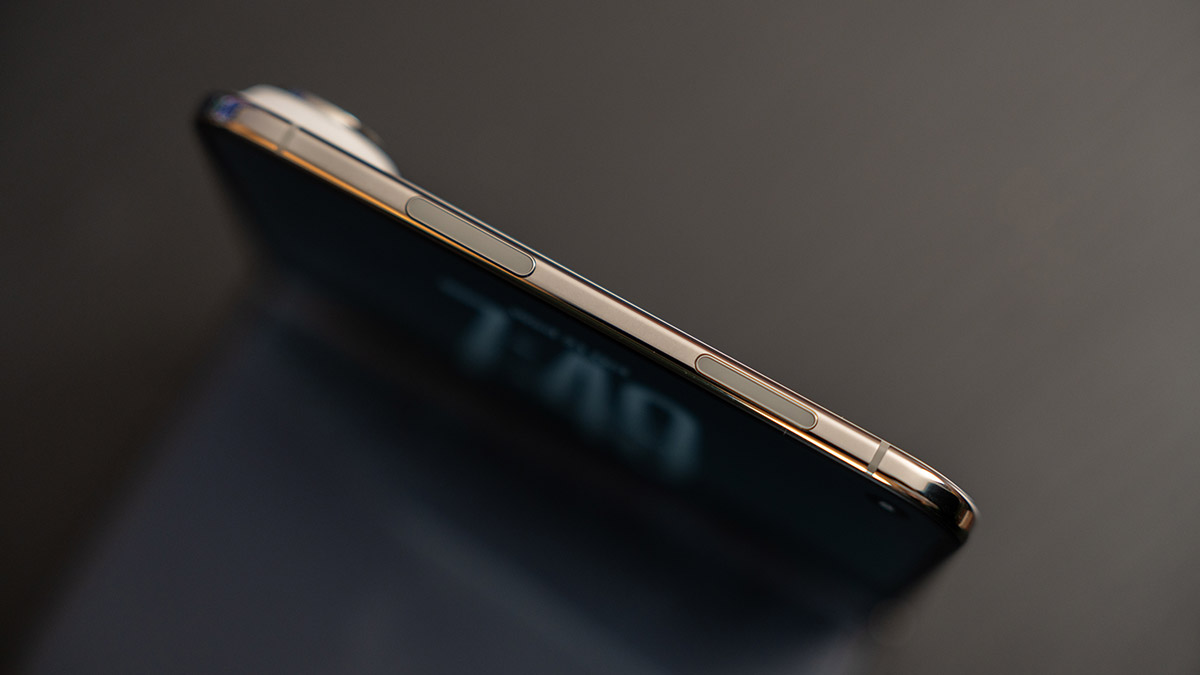
But as impressive as some updates go, there are also some regressive ones for this first-of-its-kind for the company. Instead of Face ID, the Duo uses the older Touch ID with the side button, so you cannot unlock your device by staring at the screen. Instead, you have to deal with that slight wait as you place your finger on the button along the edge of the device to allow you access. The availability of the greater real estate, to almost match that of the 8.3-inch iPad mini, is hampered by the fact that it can only do split-screen for running two apps at the same time. Meanwhile, the likes of the Samsung Galaxy Z Fold 8 and HONOR Magic V6 are capable of running three apps concurrently.
Imagine playing a game or watching a video in one window, while messaging a friend in another, and browsing your email or a document in a third window? It’s not something Apple users will get to enjoy yet, but there is one trick that helps. Now this doesn’t fully support three-app multitasking, but App Pairs allows you to pair two apps together on the screen, and then swap to another two apps that have also been locked together. It’s easier than rotating through four apps, and this way, you can have your email app paired with your Netflix app in split-screen mode if you want to keep up with a show that doesn’t need your full attention, but also want to draft some emails. Meanwhile, you can pair a game running alongside a Telegram or WhatsApp chat, and you can easily swap between these two sets of App Pairs. We tried swapping around up to four App Pairs, and things ran smoothly, even if you’re still limited to two concurrent apps running on the screen. Unlike the iPad, though, you cannot resize your apps so you’re left with a 50/50 split, so there’s no way to play a game in a larger window while relegating a chat with your significant other to a smaller one.
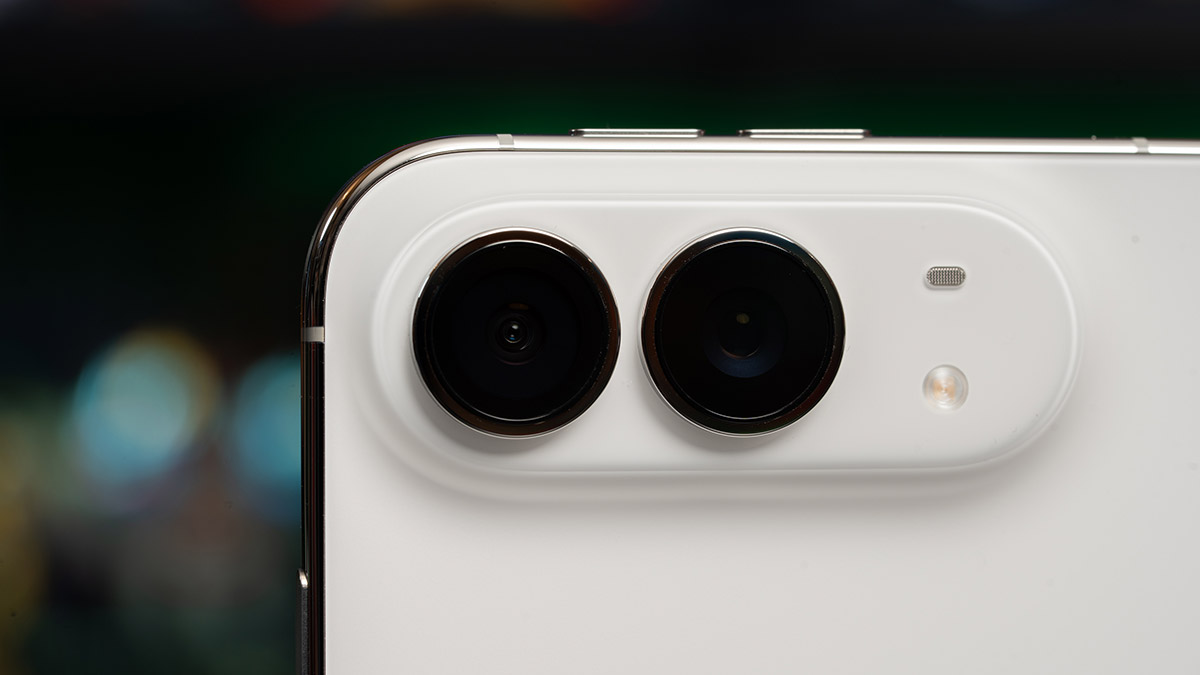
The camera has also scaled down some features, especially when compared to the iPhone 18 Pro, and there is now a dual camera setup, with a 48MP Dual Fusion Main, comprising a 48MP Fusion Main and 48MP Fusion Ultra Wide, and a 12MP Center Stage front camera. The newly announced variable aperture on the iPhone 18 Pro is missing, as is the Reference Image identification feature, but these are replaced by some AI enhancement to the camera.
Smart Take allows you to prop the device up and take photos with the rear camera, without a countdown timer or a sprint from behind the camera to the group shot. The camera detects your natural pose and recognises when you’re ready to snap the photo, and the group, or an individual, can shift positions and move around, and this keeps shooting up to 20 photos at one go, so everyone ends up posing and ready at least once.
Then there’s the selfie using the rear camera, but with a clear view of what the camera is taking photos of – simply open the Duo and fire up the camera, and the cover screen becomes your viewfinder, letting you frame yourself without guesswork while using the 48MP rear camera. Does your kid get distracted? The cover display can play a short Snoopy animation to hold their attention, which also happens to line their eyes up with the lens.
Apple also touts a three-way FaceTime chat with another party if you’re with a group of friends. Instead of your group squeezing to fit within the frame of the front camera, you can unfold the Duo and fit some of your friends into the call by deploying the device’s rear camera, and they can see the other party using the outer display. It’s a three-way call using three cameras: two locally and one for the other caller. Which is a great idea… except that this works only if you FaceTime someone without an iPhone Duo. Otherwise, FaceTime calling between two iPhone Duo devices is still locked to a three-camera setup, with two cameras ever used from only one iPhone Duo. If your Duo is using the dual camera call mode, the other party cannot deploy both their cameras on their Duo, and if they do so, it will deactivate your rear camera and use your front camera instead. It’s frustrating when a new feature is introduced, but it can only be used with owners of other iPhones out there – early adopters also want to join in the fun with other early adopters too!
On the battery front, twice the display also means the need for greater juice, and the device offers dual batteries, which can be charged up to 50 per cent capacity in about 20 minutes with a separate 60W adapter. It also comes with MagSafe and Qi2 wireless charging of up to 25W, and for now, it seems to be holding up to Apple’s claim of 24 hours of use, but with unoptimised apps filling the device, it remains to be seen how developers embrace the device and build powerful but not power-hungry apps for it.
With only an eSIM option, the iPhone Duo is not meant for everyone. At a S$3,099 price point for the 256GB model, S$3,399 for the 512GB, S$3,999 for the 1TB and a staggering S$4,899 for the 2TB version, it’s a hefty price to pay for something that is both fabulous and finicky. The bothersome quirks are a reflection of this first-of-its-kind for Apple that brilliantly trumps the competition in some ways, but still needs to find its footing in others.
With Android competitors, previously heavy on open-book folding phones, rushing to release their passport-styled foldables to beat Apple, it’s clear that Apple’s entry is the start of a new round of battles. Android had a head start with foldables, and the iPhone Duo comes with some of the same issues those had, but Apple also quickly addressed and fixed some of them, while refining what’s available. Apple wasn’t the first on this, and it doesn’t need to be because by simply stepping into the fray, it has already put everyone else in check.
GEEK REVIEW SCORE
Summary
It’s not a perfect device, but the iPhone Duo does several things right by recognising that a foldable phone is not simply a smartphone that can bend. The high price tag means most consumers will wait for a future, cheaper version, but they will be missing out on a fascinating device.
Overall
8.5/10-
Aesthetics - 8.5/10
8.5/10
-
Build Quality - 8.5/10
8.5/10
-
Performance - 9/10
9/10
-
Value - 8/10
8/10
-
Geek Satisfaction - 8.5/10
8.5/10

Hsals needs more space in his house, and more money in his bank account to pay for all the toys, collectibles and other geek related items that companies are churning out. Free-time? Girlfriend? Who’s got time for those?
 Si Jia
 Yonk
 Kevin Low