

Company directions, like its privacy policies, can change, and that’s the direction Apple is taking with its new Privacy ad that promotes the steps taken on its Safari browser to protect users, while also taking jabs at competitor Google Chrome.
The main theme of the ad focuses on Safari, which is designed to keep data trackers away from users. These trackers, deployed to keep tabs on a user’s web browsing history, preferences and habits, can be used to create a user’s virtual identity or fingerprint, making it easier for companies to track your online profile.
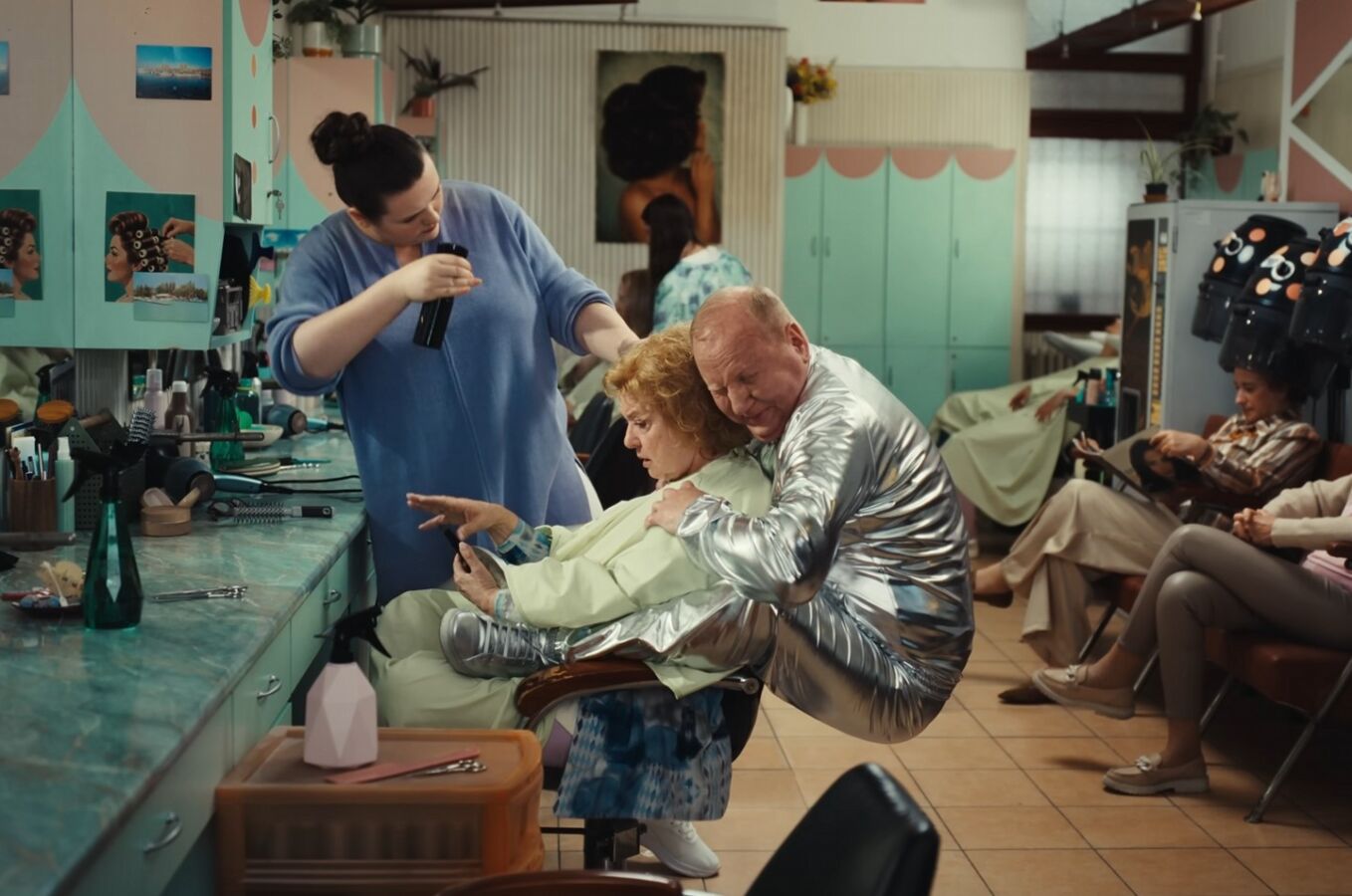
The minute-long video shows smartphone users going about their daily routine on their smartphone, with some individuals burdened by folks in silver jumpsuits clinging on and following them everywhere they go, leaning on them or sitting on their shoulders.
These clingers, in silver, or chrome, in case you miss the direct inference, behave as unwanted lurkers prying on your digital journey.
Safari is the first browser to block third-party cookies since 2019, and since then, Apple has taken steps to improve on the browser’s privacy features, including ITP, or Intelligent Tracking Prevention, which identifies trackers built into websites, removes data, and even hides a browser’s IP address to protect users.
Safari’s Privacy Report also shows users all the cross-site trackers that have been blocked by ITP, for those curious as to how and when their online activity is being monitored.
It’s built-in fingerprint defence also prevents advertisers and websites from using a series of characteristics, such as your device, browser settings and plug-ins, to build a unique user profile that can be used to track you. One example is to present a blended version of your device to prevent trackers from singling your device out.
And with the prevalent nature of adding tracking URLs at the end of website extensions to monitor online behaviour, Safari’s Link Tracking Protection on Private Browsing strips away such tracking identifiers, allowing users to open links without revealing their identity.
Which begs the question – why are users still clinging to browsers that use, instead of protecting users?

Hsals needs more space in his house, and more money in his bank account to pay for all the toys, collectibles and other geek related items that companies are churning out. Free-time? Girlfriend? Who’s got time for those?
 Kevin Low