
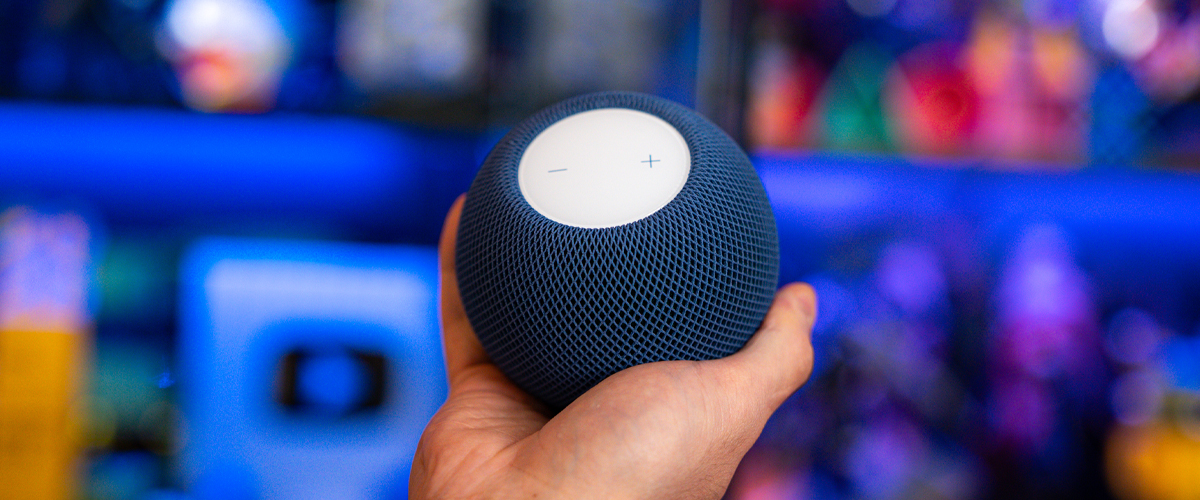
When it comes to audio, bigger might naturally seem better, but it might not necessarily apply in the home setting. For those looking to recreate the cinema experience from the comfort of their living room, there’s a balance to be struck where not every speaker needs to make its presence felt before the music even starts, and you need a compact audio device that adds to the space but does not take it over completely.
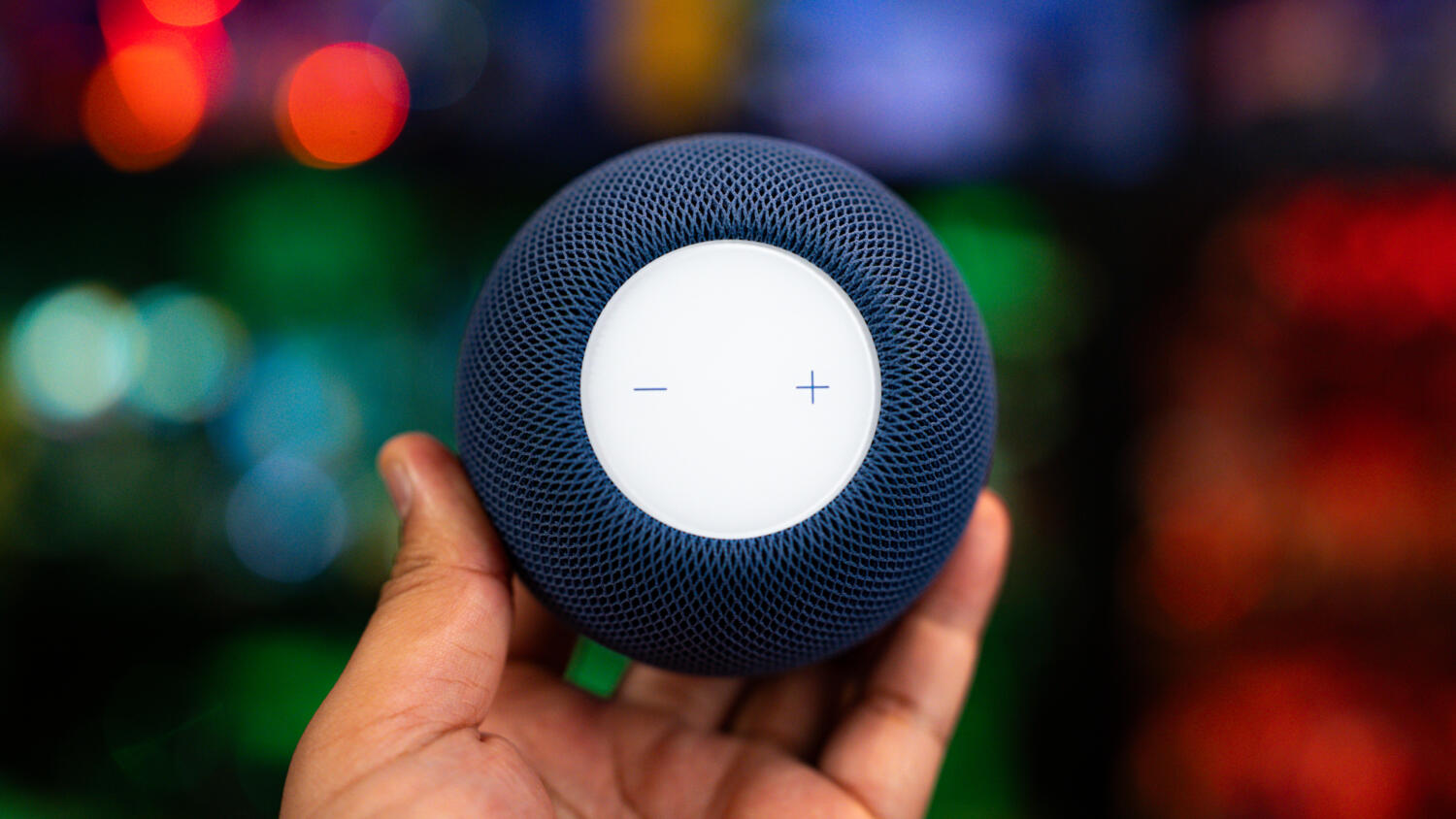
For tech giant Apple, these come in the form of its HomePod speaker lineup. Instead of a table-top speaker the size of a shoebox, Apple offers two compact variants – the larger main HomePod that’s the size of a small cantaloupe, and the grapefruit-size HomePod mini. While there have been two generations of the HomePod, the original mini, released in 2020, has remained Apple’s sole reigning pocket powerhouse in your home, taking up a little space while still offering crisp audio. And its latest iteration, the HomePod mini 2, aims to take this experience to a new level, while still holding the same position at home.
Measuring the same 84.3 by 97.9mm dimensions as its predecessor, the HomePod mini 2 still fits effortlessly into practically any living or workspace, so long as it’s near a charging outlet, as it’s not wireless and the 1.5m long power cable limits its placement. Weighing only 335g, it’s actually slightly lighter than the original HomePod mini at 345g.
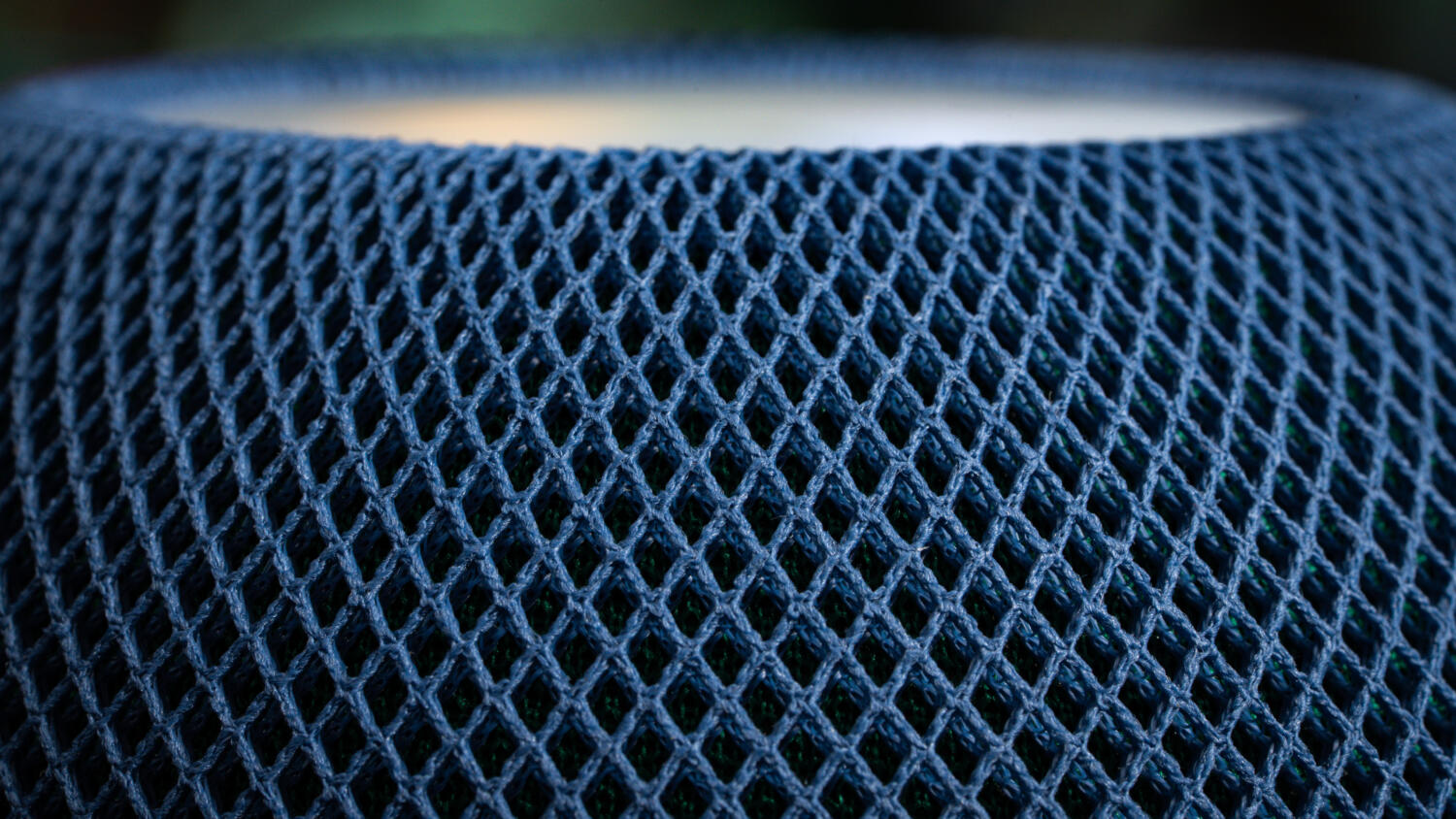
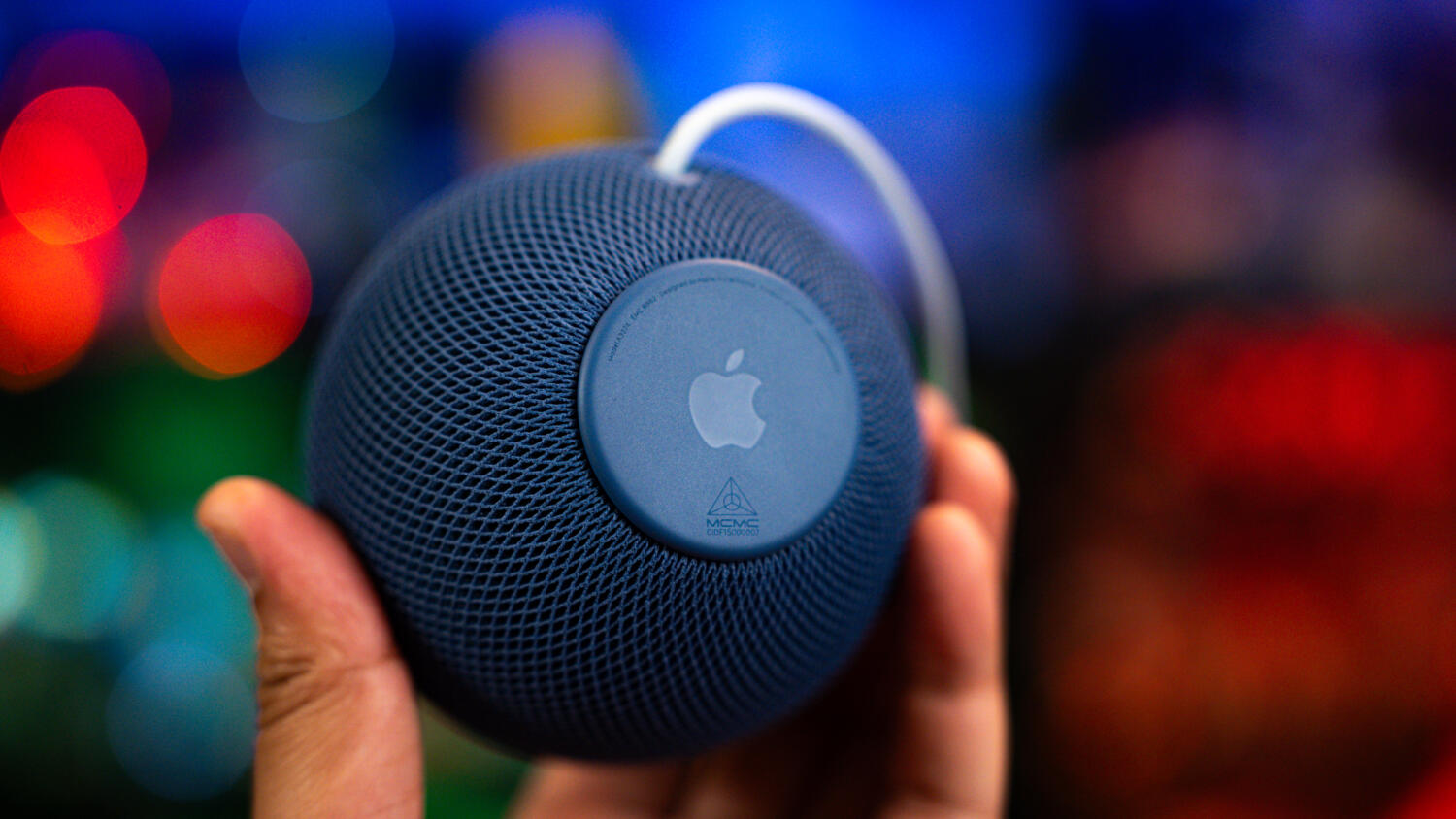
Out of the box, you might struggle to find any differences between the new HomePod mini 2 and its predecessor, as the two look virtually identical. The circular palm-sized speaker still features the same two-tone, seamless mesh coating designed for sound to pass through clearly, as well a built-in power cable with a USB-C head, which must be connected to an included charger head or any compatible power outlet. The mini 2 retains the same white and black colours, but also comes in three new ones – a lighter shade of blue, as well as pink and green.
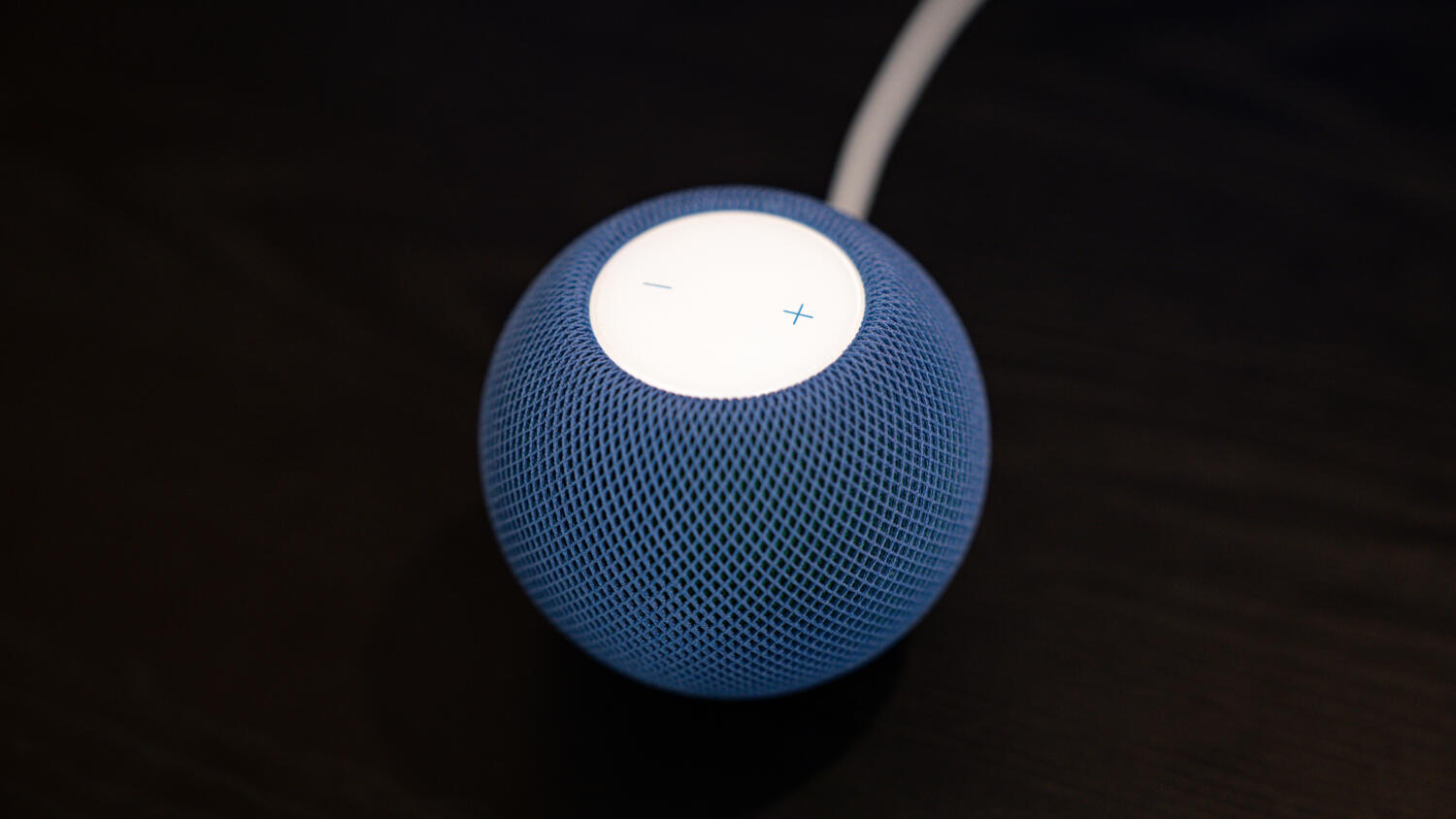
With its near pocket-sized dimensions and manageable weight, this might make the HomePod mini 2 seem perfect for portable use, but this isn’t what the always-on device was designed for, intended to be a permanent home speaker setup despite its appearance.
But like any new iteration of an established product, the question lies in whether the successor is even worth the upgrade. Since its release, the HomePod mini has settled into a familiar role of being an affordable entry point into the company’s audio lineup, and after six years without a refresh, expectations for a successor have had plenty of time to build.
For those unfamiliar with Apple accessories, the HomePod series aren’t technically plug-and-play like practically every other speaker on the market, as connection is tied exclusively to Apple’s ecosystem and its Home app. Still, setting it up with an iPhone takes only a few seconds and simply requires a user to place their iPhone near the device to initiate a quick setup process via their Home app.
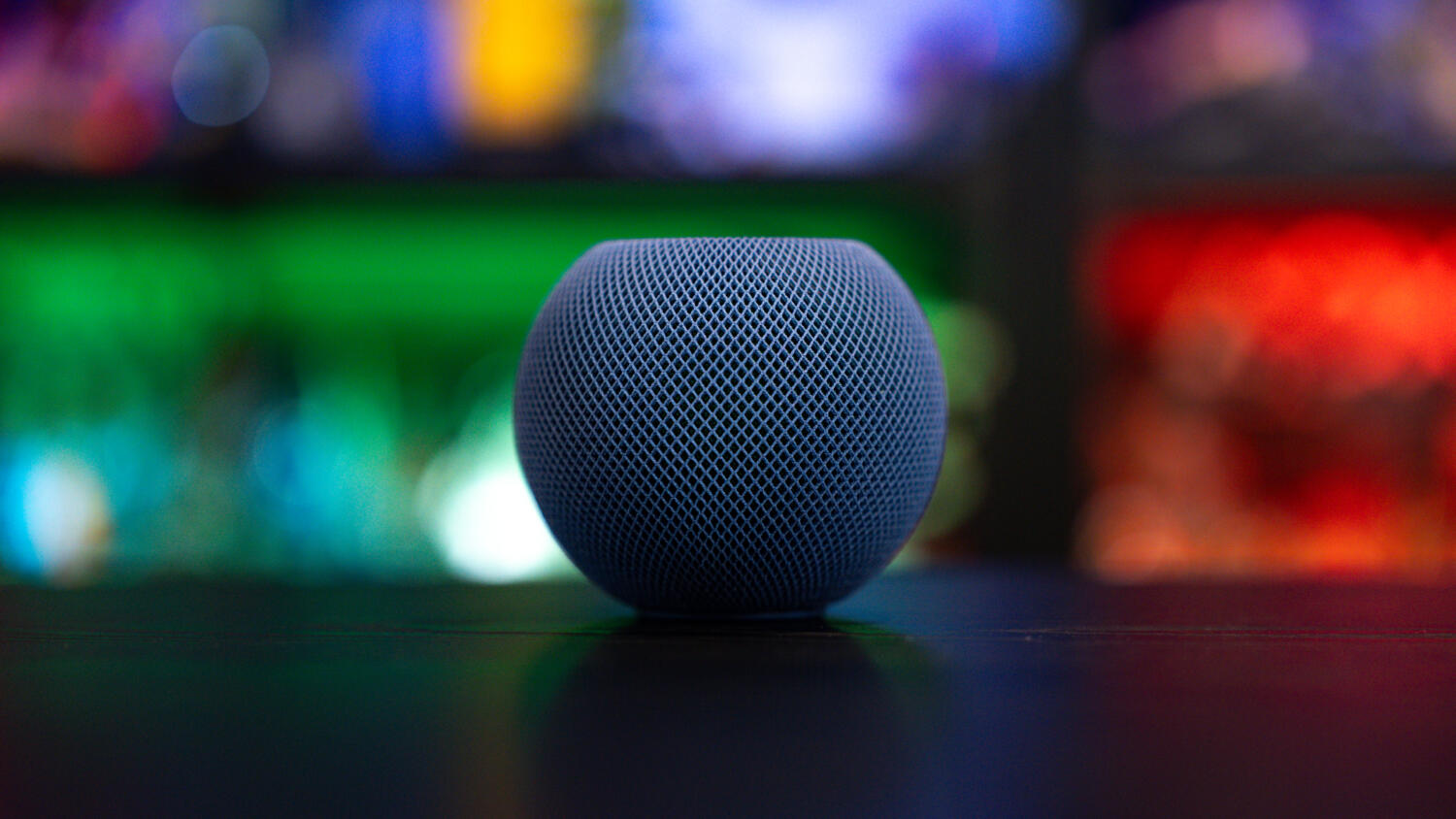
Once set up and in use, the HomePod mini 2 offers respectable sound quality for its size and asking price. Much like its predecessor, its 360-degree audio is still its most defining feature, allowing users to get clear audio as they walk around the room. The device does feature an upgraded S10 chip, which marks a multi-generation leap in processing power compared to the original’s S5, and while it’s made to seem like a major upgrade on paper, the actual differences are more subtle in practice.
On its default settings, the HomePod mini 2 is rather treble-heavy, meaning vocals are produced clearly, while bass takes a backseat and is more subdued. While comparing it with its predecessor, the HomePod mini 2 offers a brighter sound profile, while the older-generation device takes a more balanced approach with its highs and lows. At the end of the day, it all boils down to whether a user prefers the crisper-sounding trebles on the mini 2, or the fuller bass on the original, but the fact remains that the HomePod mini 2 doesn’t offer as clear an audio upgrade as some fans might expect, considering the long wait for this newer model.
But Apple rarely creates devices with a single purpose, and this isn’t just a speaker, as it serves more as a flexible smart home companion that just happens to primarily be audio-centric. Like its predecessor, users will still be able to set timers or alarms on the mobile app, which subsequently rings off the device itself, making it useful for situations like following recipes while cooking, or if you just want to make sure the entire household wakes up at the same time. The intercom feature also makes a return, meaning users can record audio while out of the house, which will then be played from the speaker for those at home to hear, a feature that might be useful if the household has a security camera setup in place.
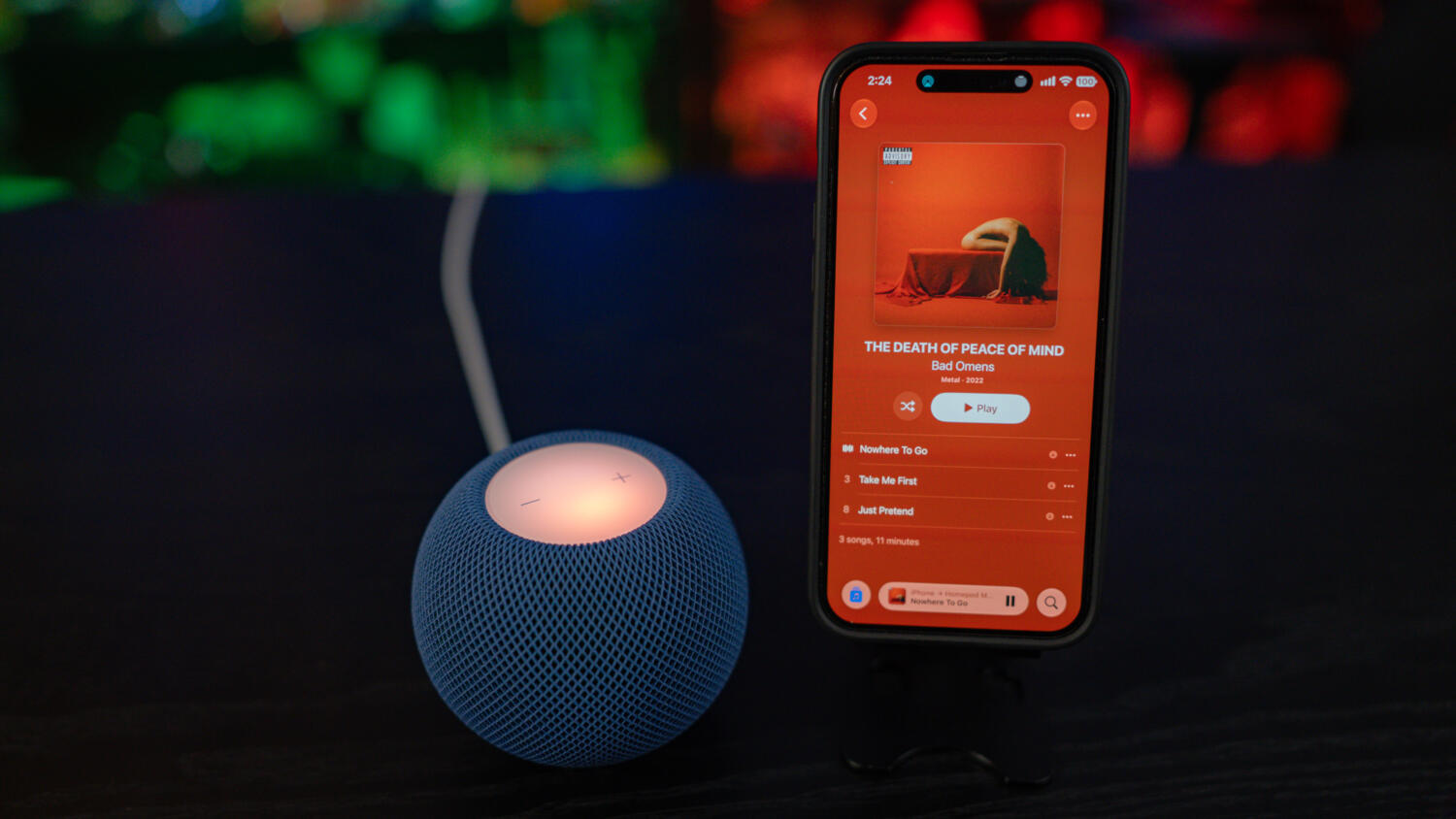
So what’s actually new about Apple’s latest mini speaker? It’s all about the lighting. While its predecessor featured dynamic multi-colour swirling lights on its touch control panel, Apple has introduced the Sound Glow feature for the sequel. What this means is that the second-generation speaker is now able to display multiple different LED colours that will match a song’s album art, and they will also pulsate to the beat of an audio track. But remember what we said about Apple’s ecosystem? This feature is only available on official apps like Apple Music, so third-party music services like Spotify will still display the same static white light as seen in the previous generation.
And then there’s Siri AI, Apple’s upgraded personal AI assistant that can operate off the HomePod mini 2 and link to a user’s iPhone or iPad, essentially transforming the speaker into a smart home device similar to dedicated AI assistants. The catch here is that this feature isn’t actually available yet, with Apple stating that it will arrive in a future software update, so we weren’t able to test it for now.
The HomePod mini 2’s new and final defining feature is that it allows users to sync up multiple devices to transform its soundscape. This can be done in two main ways – first by pairing two speakers together for a stereo setup, and secondly, by pairing four speakers together with the new Apple TV 4K, to transform the foursome into a surround sound setup.
While these sound pretty enticing on paper, the main issue here is compatibility. A stereo sound setup can only be made using two devices of the same model and generation, meaning a HomePod mini 2 can only be paired with another mini 2, and not the older-generation device or its bigger HomePod brethren. Forming a surround sound setup comes with even bigger limitations, with the feature not just exclusive to the newest 4th-generation Apple TV 4K, but also to the new HomePod lineup.
This means that in order to form a surround setup, users will need to either buy four HomePod mini 2s or opt for a mixed setup using two HomePod mini 2s and two existing 2nd-generation HomePods. Either way, they will still need to drop the cash for four brand-new devices, plus the newest Apple TV 4K, to make use of this feature, as it won’t be compatible with any legacy device.
Alas, since we were only sent one review unit, we were unable to test this feature as well, but judging from the HomePod mini 2’s impressive 360-degree sound, having such a four-speaker setup might be a pretty decent alternative to getting a dedicated surround speaker, but of course, this all depends on whether a user already has, or is planning to get, the newest Apple TV 4K.
At S$199, which is S$60 more than the launch price of the original HomePod mini, those who currently own the previous-generation device and aren’t planning on getting a fully-fledged Apple TV setup will find little reason to upgrade, unless they really need flashy lights, slightly better trebles, with slightly muted bass as a trade-off.
Similarly, those looking to get a new HomePod mini device might find it more enticing to search for pre-owned first-generation devices at a lower cost instead, especially if they are just looking for a single-device setup. Of course, the device is still set to receive Siri AI in a later update, but until then, it’s too early to tell whether this feature will be enough to warrant an upgrade. Or just get the new HomeView speaker that comes with a smart screen, at S$399.
Those with the newest Apple TV 4K might find it more worthwhile to drop the extra dough for four brand-new speakers, but at the same time, there might be alternatives out there that offer comparable or even better-sounding audio at a similar price point, meaning it all boils down to how much you want to keep your setup within Apple’s ecosystem.
GEEK REVIEW SCORE
Summary
At a base level, the HomePod mini 2 provides more of the same impressive 360-degree sound as its predecessor, especially at an entry-level price. But limited improvements to its actual sound quality, coupled with the fact that most of its new features either haven’t been implemented yet or require a full set of Apple’s latest devices, mean that it’s only a worthwhile upgrade for those who are all-in on the Apple ecosystem.
Overall
7.8/10-
Aesthetics - 8/10
8/10
-
Build Quality - 8.5/10
8.5/10
-
Performance - 7.5/10
7.5/10
-
Value - 8/10
8/10
-
Geek Satisfaction - 7/10
7/10

Kevin is a reformed PC Master Race gamer with a penchant for franchise “duds” like Darksiders III and Dead Space 3. He has made it his life-long mission to play every single major game release – lest his wallet dies trying.
 Si Jia
 HSALS