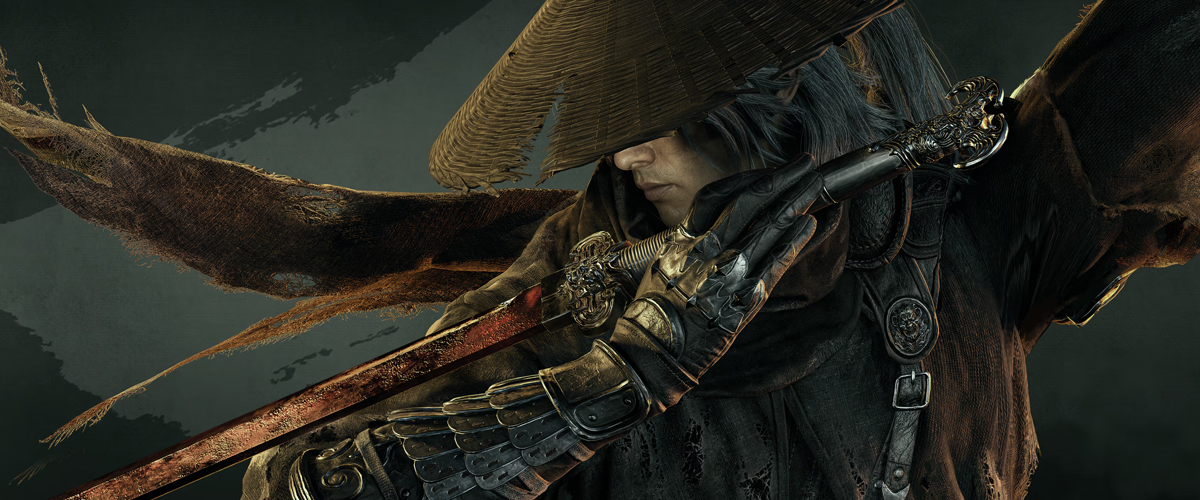
Not too long ago, China-made games placed in the modern AAA gaming space were practically unheard of. Sure, some titles like the Xuan-Yuan Sword and Sword and Fairy franchises did manage to garner dedicated fanbases, but these never broke through to the mainstream. But everything changed with Game Science’s 2024 action soulslike, Black Myth: Wukong.
Suddenly, the gaming world saw an influx of high-budget titles from various Chinese studios, including Everstone Studios’ 2024 free-to-play RPG Where Winds Meet, alongside Leenzee’s soulslike Wuchang: Fallen Feathers and Ultizero Games’ action RPG Lost Soul Aside, both released in 2025. Now, Beijing-based studio S-GAME is throwing its own hat in the ring with its debut title, the wuxia (武侠, literally meaning martial arts and chivalry) “KungFu Punk” action-adventure Phantom Blade Zero.
For a debut title, Phantom Blade Zero certainly makes an impact, offering the fluidity of third-person melee action not even seen in some Western AAA titles out there. But look hard enough, and cracks do start to show, with an overall sense of unpolish that cements the fact that, impressive as it is, this is still the studio’s first try.
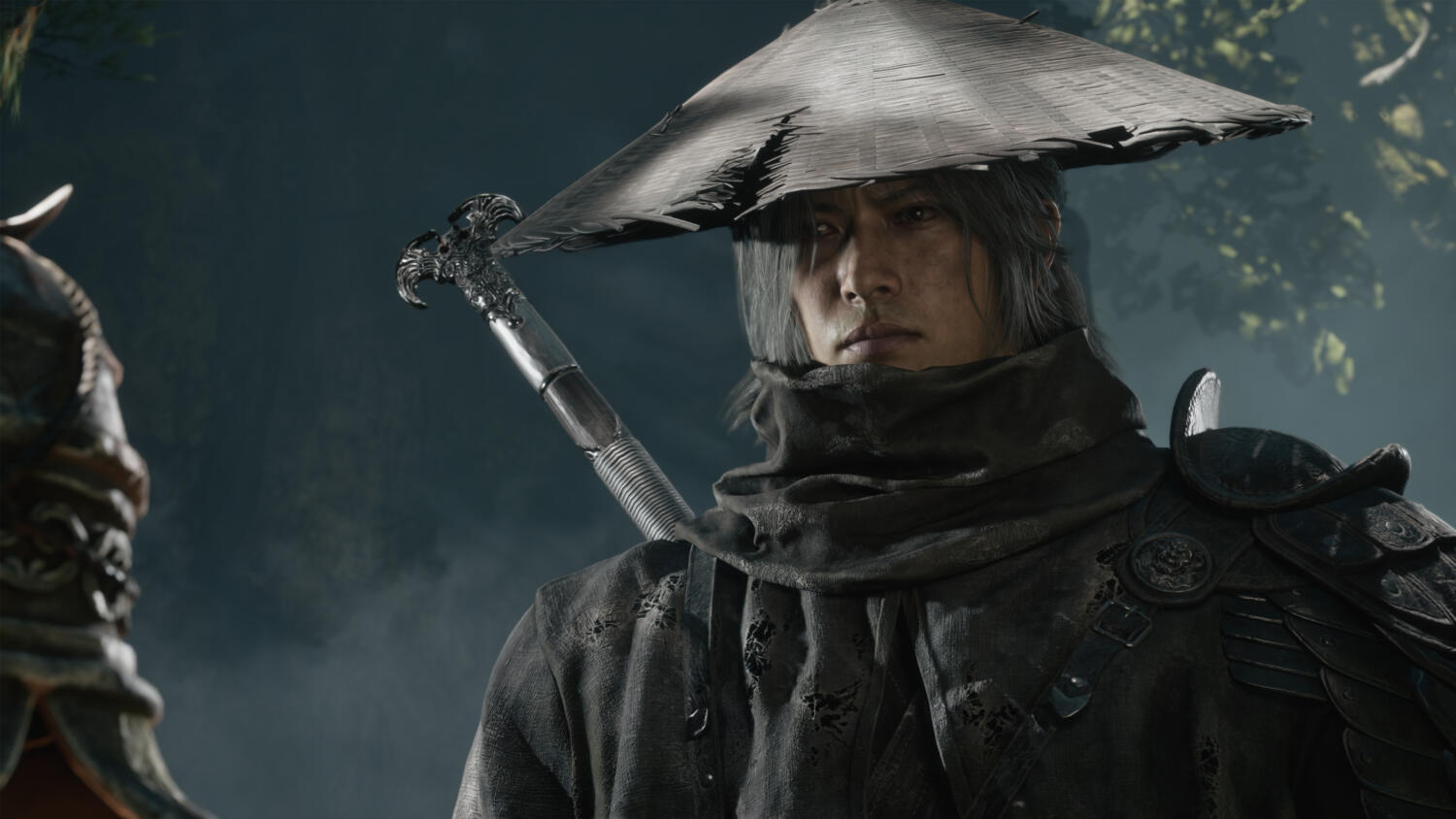
Set against the backdrop of the wulin (武林, which literally translates to “martial forest” and refers to a fictional society of Chinese martial arts heroes in wuxia fiction), players take on the role of Soul, a fearsome warrior of the Order, a group dedicated to maintaining peace and balance in the world. After being set up for the murder of its leader, Soul faces off against his childhood blood brother, Zuo Shang, in a bloody final battle, only to receive a blade through his heart. At the doorstep of the underworld, a mysterious healer known as the Flesh Sculptor offers him a choice between two replacement hearts – a Hollow Heart that will revive him but completely strip him of any emotions, or a Tainted one, which lets him retain everything that made him human, but with only 66 days to live.
Naturally, our hero chooses the Tainted Heart, setting him on a quest to find the fabled Radiant Heart, an artefact that lies in the heart of the city of PangZhen, said to be able to reanimate the dead and bring him back to life properly. His journey isn’t simple by any measure, however, as he now has to contend with not just members of the Order, sent by Zuo Shang to hunt him down, but also the Transcension, a mysterious mass transformation event that overloads people’s Sha-Chi (杀气, literally meaning killing energy) and drives them mad, warping them into powerful Maskwalkers.
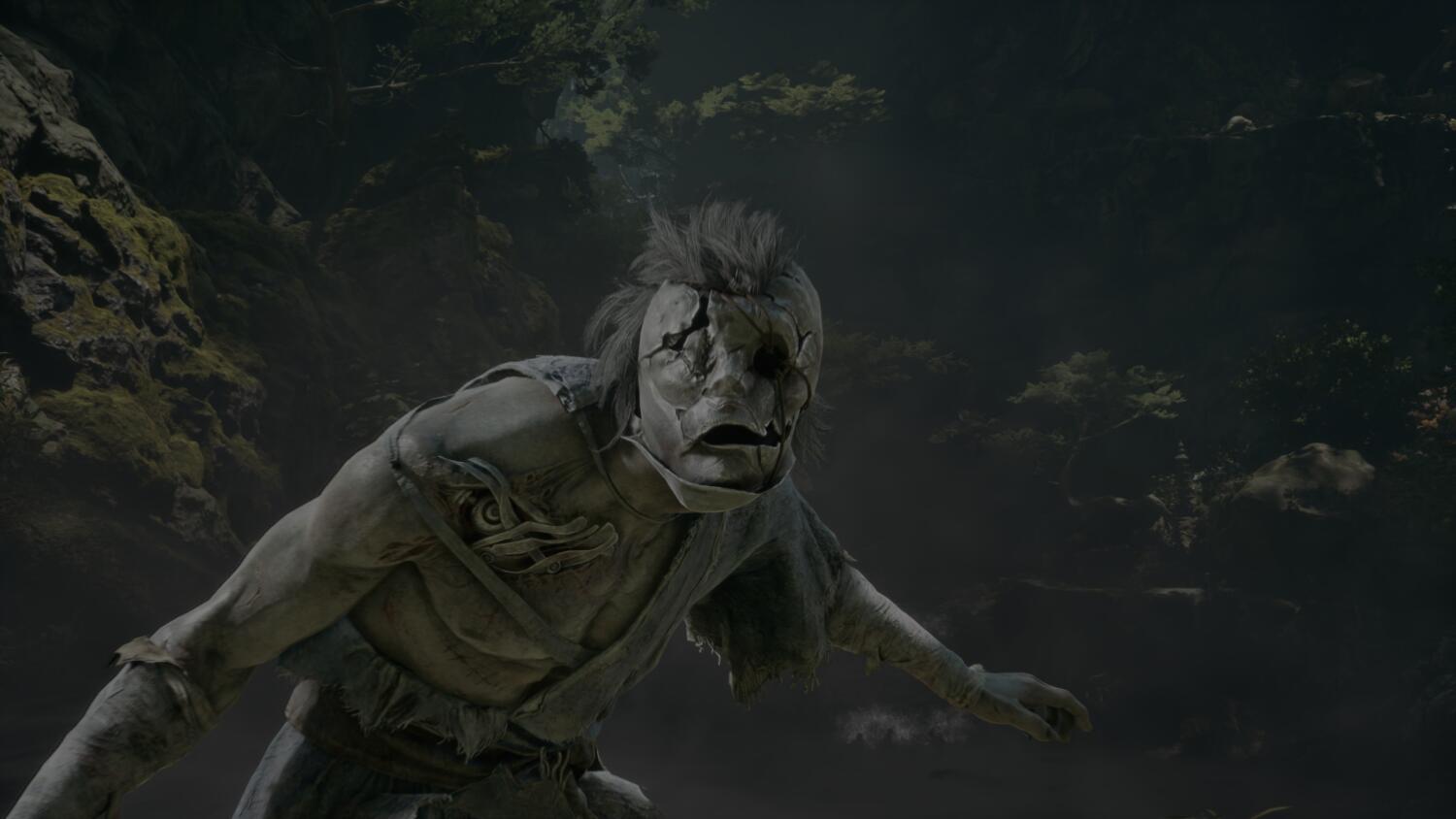
Of course, the story isn’t as simple as it seems, as over the course of his journey, Soul will learn the truth behind his forgotten past, why he murdered his mentor, and the massive conspiracy that lies beneath the rotting core of the wulin. Phantom Blade Zero packs in tons of lore about its world and people, but the way it presents these important story beats leaves much to be desired.
The bulk of the issue stems from just how much information the game throws at players, oftentimes without any prior context, and since most of these are rooted in Chinese mythology, it can get pretty hard to follow, especially for those not already familiar with certain terms and phrases. To make matters worse, a lot of the game’s worldbuilding boils down to extremely lengthy text logs found throughout the world, forcing players to stop and read huge chunks of text if they want to learn more about the world. It is as they say, show, don’t tell. The game also provides both English and Mandarin voice-over options, but like many games made by non-native English speakers, lines delivered in the former are acceptable at best, cringeworthy at worst.

Fortunately, the main focus here isn’t its story, but the action. Phantom Blade Zero boasts its own original combat style, KungFu Punk, which blends traditional Chinese martial arts with influences from modern pop culture. This means fights are designed to blur the lines between realism, tradition, and extravagance, something the game completely nails, with some of the game’s more climactic fights even set to a glorious Chinese heavy metal soundtrack, making them all the more epic.
In battle, the action is swift and intuitive. Players will combine strings of light and heavy attacks alongside defensive moves like blocking, parrying with the right timing, and dodging. These aren’t new concepts by any means, but S-GAME has managed to refine these systems to an impressive measure. Blocking, for example, might seem like a relatively simple mechanic to pull off, but Phantom Blade Zero adds an extra edge to immersion here thanks to its fluid animations, which see Soul actually deflecting blows differently based on incoming attack direction, the type of equipped weapon, and the power of the deflected blow.
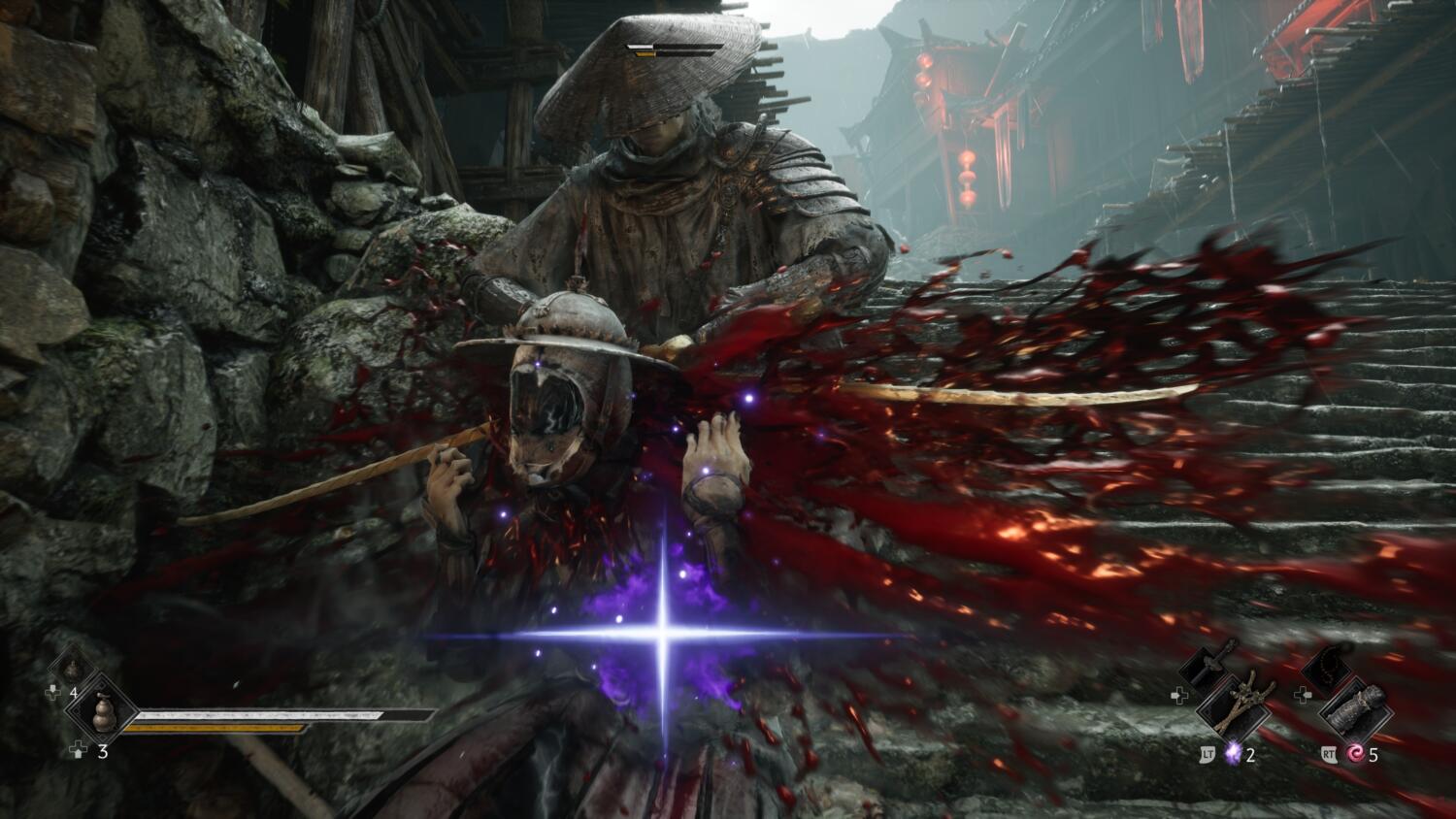
Speaking of which, players coming from more parry-focused titles, such as FromSoftware’s Sekiro: Shadows Die Twice, might need to rewire their brains a little here, as although there’s a parry system, the frequency of enemy attacks, especially those from the game’s many boss encounters, is so intense that blocking is often key for survival, leaving parrying and dodging for stronger attacks, signalled by a blue and red flash, respectively.
With the fluidity of combat on display, one might find it hard to believe that this title hails from a studio with little prior game development experience. This starts to make sense when you realise that Donnie Yen, the actor, filmmaker, and action director behind cinematic hits like the Ip Man franchise and John Wick: Chapter 4, has lent his expertise to the game as its action choreographer and creative consultant, which is why combat looks not just flashy, but authentic at the same time. Yen also appears as a side character in the game, albeit an important one, with his quest chain presenting some of its toughest challenges.
Unlike past China-made games like Wukong or Wuchang, Phantom Blade Zero isn’t a Soulslike, instead playing out more like a character-action game similar to the Devil May Cry franchise or Ninja Gaiden. This doesn’t mean that the game is easy by any means, as enemies, especially bosses, tend to put up a fight, and Soul can easily fall in a couple of hits if players don’t pay attention to their movesets. The game also provides multiple difficulty levels, including an easier story mode and even an ultra-difficult mode known as “66 Days”, which sees one day being struck off Soul’s life every time he is defeated, forcing players to start from the beginning once all 66 days are up.
When everything clicks, and it usually does, Phantom Blade Zero is a true showcase of wuxia action. Soul will come face-to-face with numerous enemy archetypes along his journey, each requiring their own tactics to overcome, from fast-moving Maskwalkers on horseback that zip around the battlefield and force players to stay aggressive, to giant walking bombs that are incredibly tanky but can explode at any time.
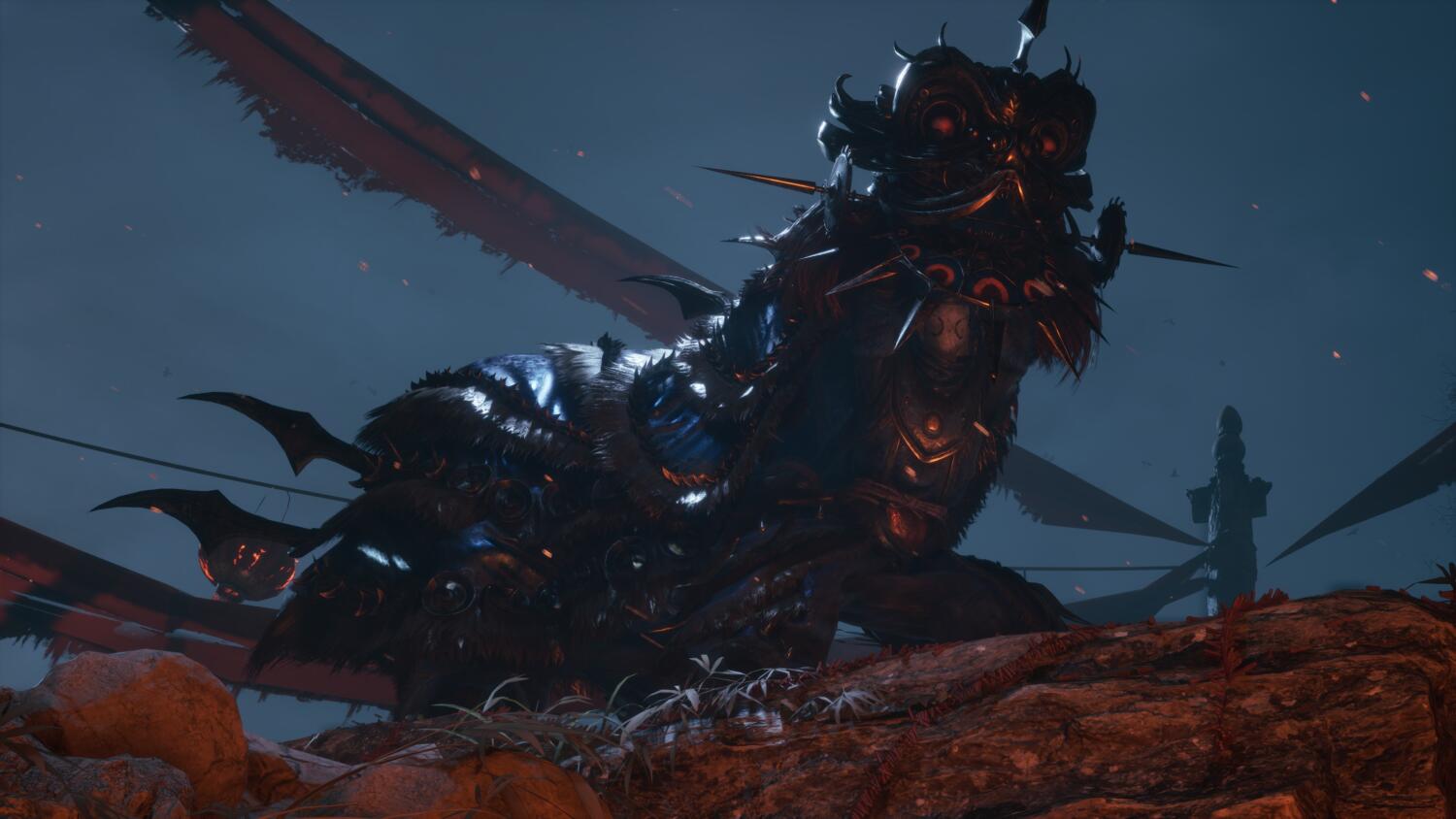
Even then, the highlight here is, by and large, the boss encounters, with players encountering no less than 15 bosses on a single, main story-focused playthrough, and easily twice that if they choose to seek out the game’s many hidden locations, side quests, and challenging optional fights, with completionist playthroughs easily being upwards of 30 hours.
Each boss also comes with not just their own Chinese mythology-inspired look (such as an impressive battle against a Lion Dance troupe or a group of warriors that fight while in a constellation-like formation, to name just two) and movesets to learn, but many also offer second phases, which see them power up and completely change their attack patterns. These fights are almost always tough to overcome, even on story mode, but the odds never feel unfairly stacked against the player, and clashing blades with such powerful fighters never fail to make players feel like a complete badass.

In addition, overcoming boss encounters will also reward players with a new weapon, and the game features an impressive number. For basic weapons, Soul has the option to equip two at once, and has a choice between one-handed swords, heavy two-handed blades, and dual-wielding. Each weapon doesn’t just have different looks and attack powers, but also has unique playstyles tied to them. From blades that drain an enemy’s HP with every hit, to swords that harness the powers of wind and lightning concurrently, or a “drunken fist” style that lets Soul take a shot of alcohol mid-fight to control the blade mid-air to attack from afar, the choices on offer here are staggering, and players should have no difficulty choosing a tool that suits their playstyle.
And we haven’t even covered Phantom Edges yet. These special tools of destruction have limited, rechargeable uses, but can completely change the flow of battle when used at the opportune moment, with some examples including the Lion head from the aforementioned Lion Dance troupe that can spew flames, tools that can heal, or summoning various forms of minions for a limited amount of time. Having so many choices does mean that players will undoubtedly find some options more useful than others, such as weapons that have high shield-breaking capabilities essential to get past pesky armoured or shielded foes, meaning players might end up having many weapons in their inventory that they won’t actually use.
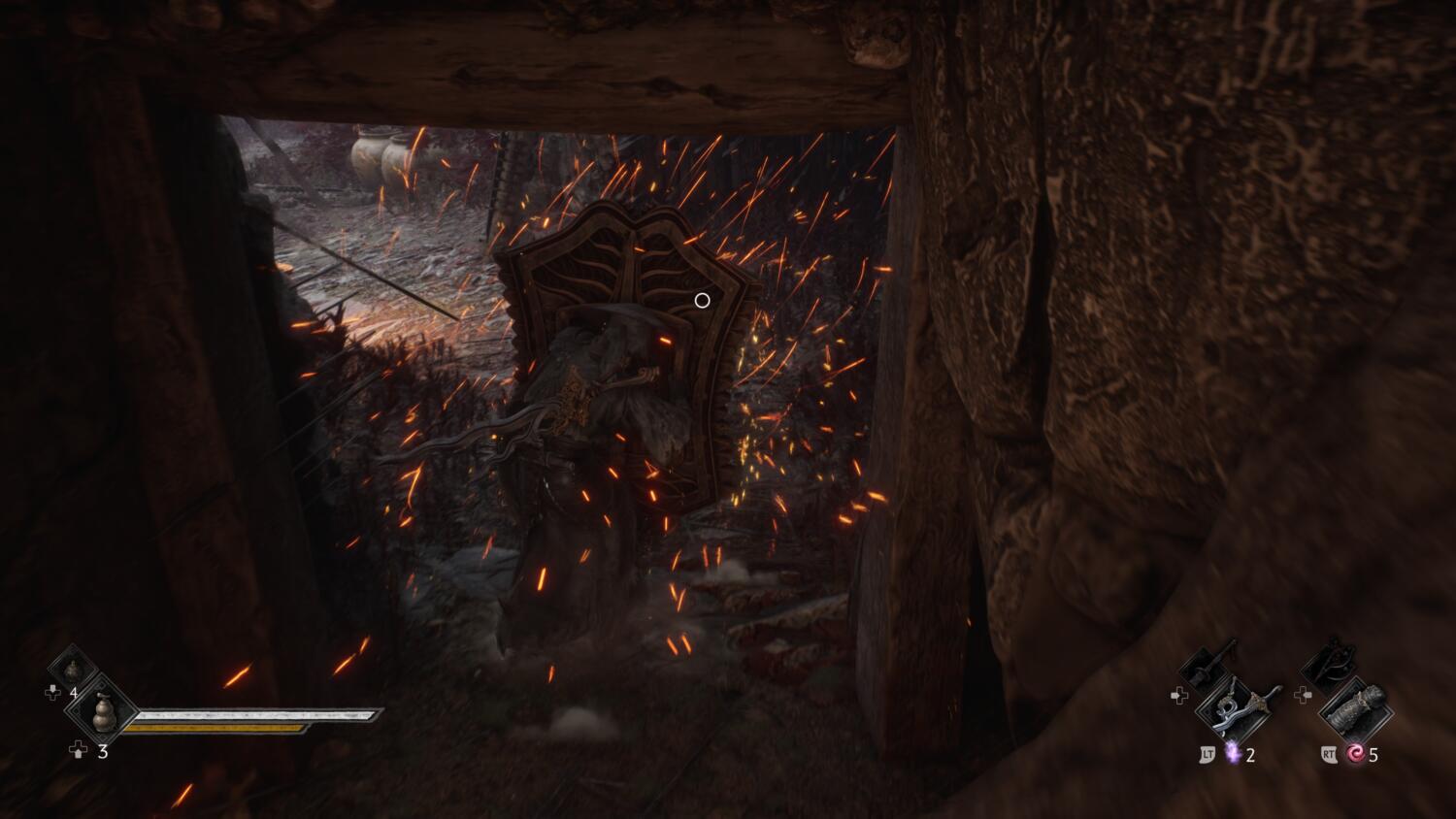
A lot of effort has definitely been put into ensuring that Phantom Blade Zero’s combat feels refined and satisfying, so it’s unfortunate that once battles are over, the game’s faults start to show their ugly face. The game doesn’t feature an open-world design, but instead a series of semi-linear areas with multiple paths for additional exploration, alongside a healthy dose of Metroidvania elements and backtracking thrown into the mix. This means that when players are not actively engaged in combat, they are platforming around said levels to hunt for items and secrets, and simply moving from point to point can be a frustrating affair.
While Soul is perfectly capable of performing acrobatic feats like wallrunning and rope vaults at predetermined locations, he also can’t jump higher than a few centimetres, meaning players will constantly find themselves stuck on the smallest of ledges or even tiny rocks on the ground while they are moving around the world, which breaks the flow every time it happens. Some areas also require precise jumping and platforming, something the game’s movement system obviously wasn’t designed for, and sliding off ledges to your death and having to restart from a checkpoint will quickly become annoying.
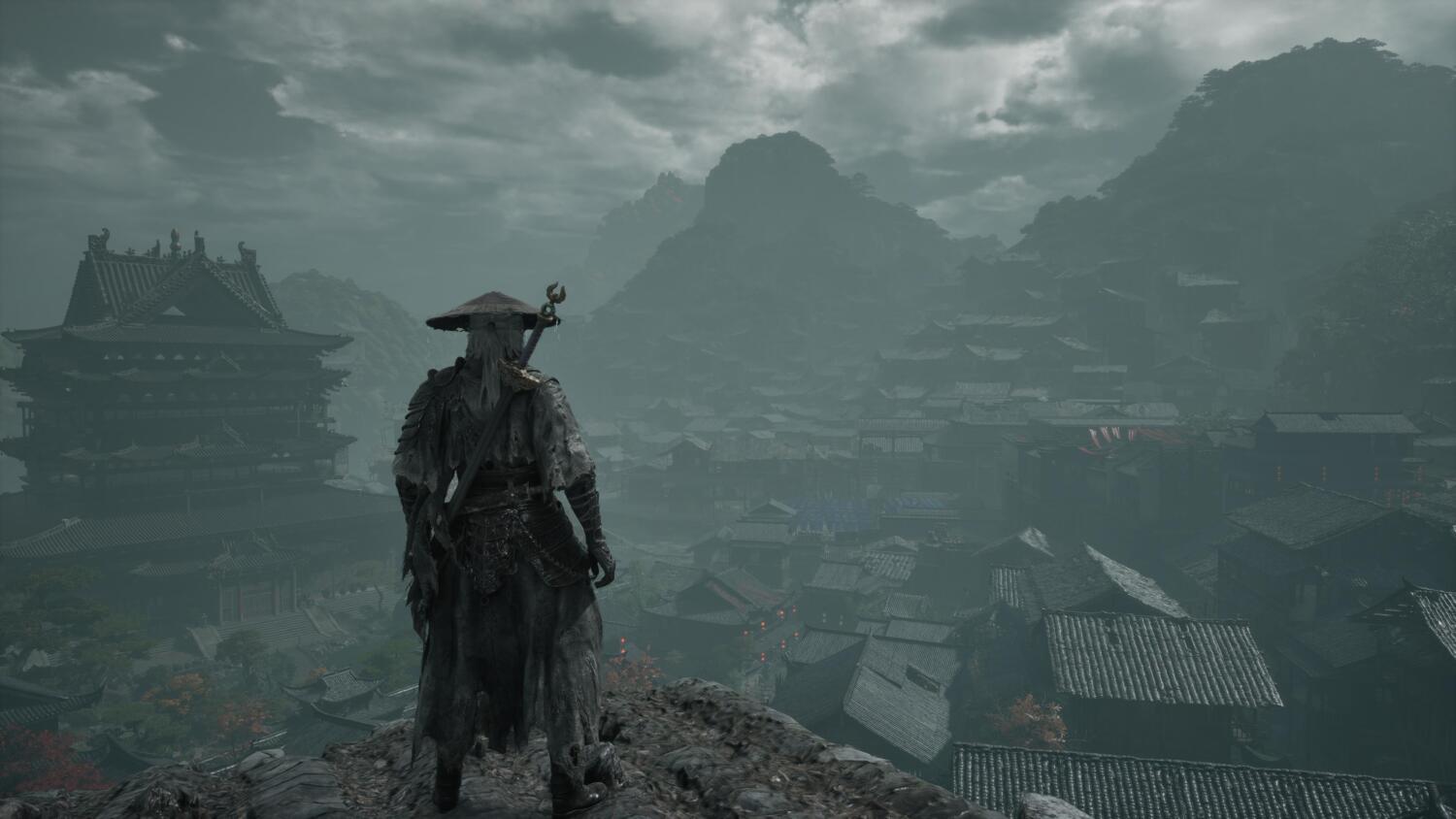
It’s not just finicky traversal, either, as the game is rather unpolished overall. We experienced multiple non-game-breaking bugs in our playthrough, such as floating environmental objects, missing textures, out-of-sync or missing audio, and massive performance issues like migraine-inducing stuttering in certain late-game locations, even on a beefy RTX 4080 rig with Ray Tracing already switched off.
The game also crashed on a couple of occasions, including one that crashed the PC’s video card, requiring a full reboot. Of course, these issues could very well be addressed with a couple of patches, but as it stands, these problems detracted from an otherwise excellent experience.

When firing on all cylinders, Phantom Blade Zero is character-action redefined, thanks to its fluid and intense KungFu Punk action. But just like the tainted heart of lore, everything comes at a price, and once the action stops, the cracks start to show, breaking the illusion of a AAA action experience and proving that S-GAME’s debut title still has a ways to go before it can achieve true wuxia perfection.
GEEK REVIEW SCORE
Summary
Phantom Blade Zero stuns with its dazzling KungFu Punk combat that feels as good as it looks, but clunky traversal and an overall lack of polish outside of battle mean that S-GAME’s debut title is still one step away from greatness.
Overall
8.6/10-
Gameplay - 9/10
9/10
-
Story - 8/10
8/10
-
Presentation - 8/10
8/10
-
Value - 9/10
9/10
-
Geek Satisfaction - 9/10
9/10

Kevin is a reformed PC Master Race gamer with a penchant for franchise “duds” like Darksiders III and Dead Space 3. He has made it his life-long mission to play every single major game release – lest his wallet dies trying.
 Si Jia
 Joey Leong