
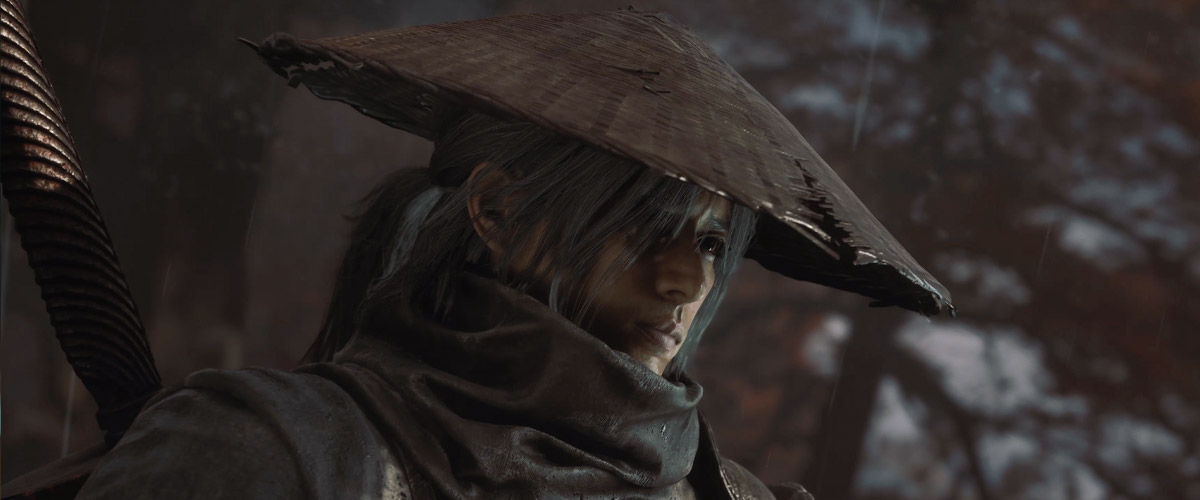
From the moment Phantom Blade Zero was revealed, the combat looked almost too good to be true. Swords clashed at dizzying speed, fighters swept across the battlefield with balletic precision, and every perfectly timed counter and in-engine cutscene seemed lifted from the climax of a big-budget kung fu film.
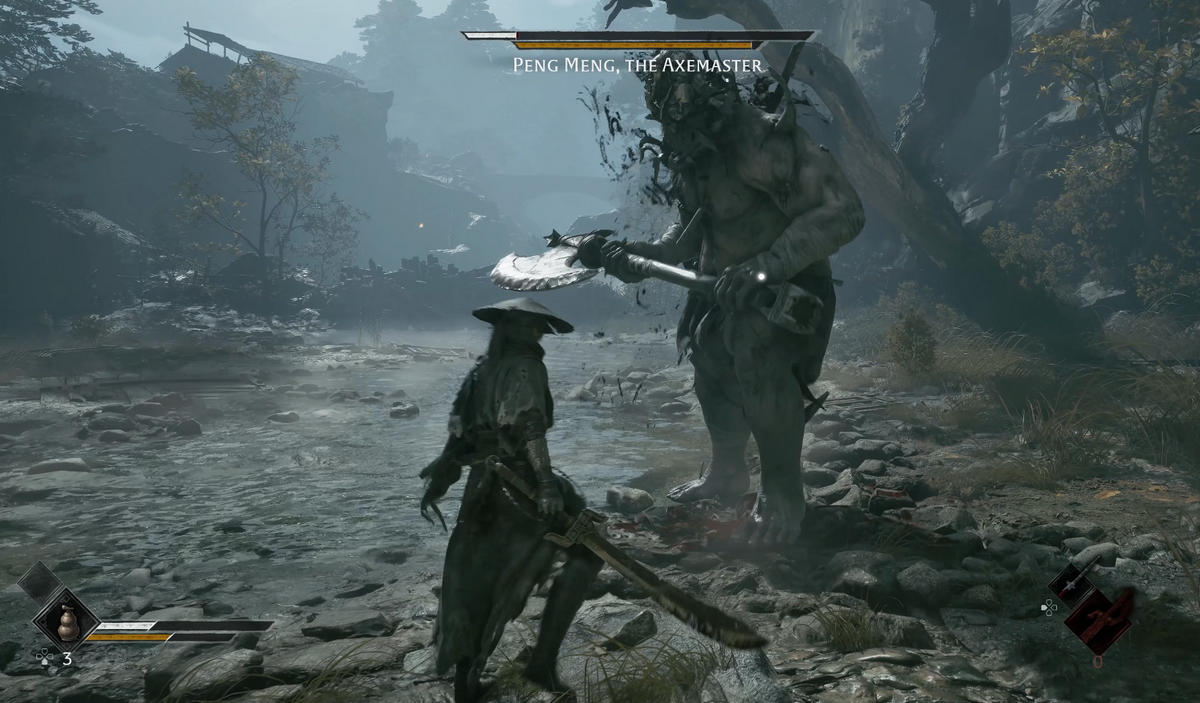
But S-Game’s action RPG has more going for it than slick Hong Kong action cinema-styled choreography as its distinctive “Kungfupunk” world, unusual weapons, tightly connected environments and race-against-time story mechanic suggest a game with genuine substance beneath the spectacle.
Following an extended hands-on session covering the opening chapter and two later boss encounters, here are six reasons why Phantom Blade Zero could be one of the year’s essential action games.
1. The combat makes every battle feel like a martial arts showdown
Combat is the headline attraction, and it does not take long to understand why.
Phantom Blade Zero draws heavily from Chinese martial arts and classic kung fu cinema, placing rapid attacks, elaborate techniques and precisely timed defensive moves at the centre of the experience. Fights unfold in fast, fluid exchanges that feel carefully choreographed without taking control away from the player.

There is a satisfying rhythm to each confrontation. Enemies press forward aggressively, forcing Soul (the protagonist) to read their movements and react rather than simply overwhelm them with a string of attacks. Larger encounters demand patience and careful positioning, while one-on-one duels feel closer to deadly dances than conventional videogame brawls.
The result is combat that looks spectacular but still asks the player to pay attention. Its style may be the first thing people notice, but the underlying tension is what makes each exchange exciting.
2. Donnie Yen shaped the game’s distinct martial arts
Few names are more closely associated with modern martial arts cinema than Hong Kong action star Donnie Yen, and his involvement gives Phantom Blade Zero more than just a recognisable face.
Serving as the game’s creative consultant since 2023, Donnie Yen has contributed his knowledge as both a martial artist and filmmaker to the game’s combat design. S-Game has also worked with professional martial artists and stunt performers, combining motion capture, wirework and fight choreography to recreate the energy of a cinematic kung fu battle in playable form.
Donnie Yen also provides facial and motion capture for Mó Yuan, the Gold Masked One, who appears throughout Soul’s journey. That means his contribution is woven into the game itself, from the way its fights move to the physical presence of one of its recurring characters.
Celebrity involvement can sometimes feel like a marketing exercise, but here it feels right, and players can feel the smooth flow of the martial arts influence throughout.
3. Its enormous arsenal meaningfully changes how you fight
With 30 primary weapons and 25 secondary weapons known as Phantom Edges, Phantom Blade Zero is not short on options, but these weapons are not just variations on the same basic move set as each one brings its own mechanics, tactical strengths and, in some cases, exploration abilities.
Jagged Steel rewards relentless offence and repeated strikes build an enemy’s Bleed Gauge, eventually triggering Blood Loss for additional damage. The Dread Axe takes the opposite approach, allowing Soul to charge a powerful cleave capable of smashing through heavy shield and it can also break chains obstructing certain paths.
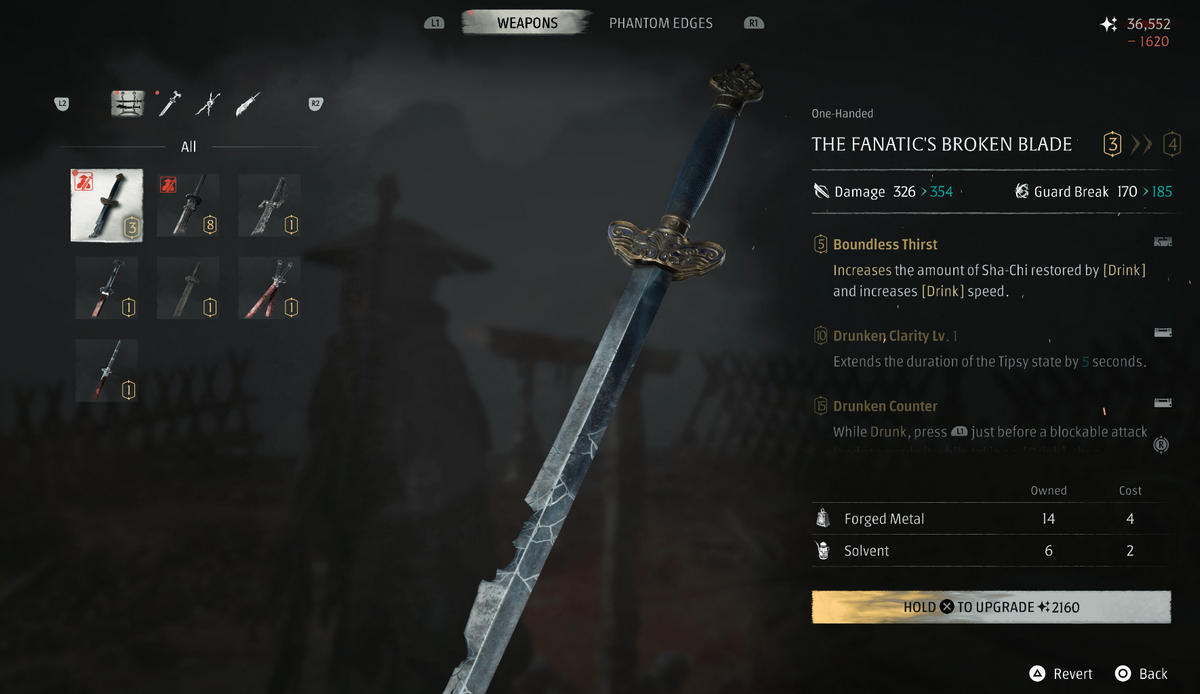
The Hunter’s Chain Sickle is particularly memorable as it gives Soul a longer attack range, but its blades inflict more damage than its chains, making spacing an important part of its design. Outside combat, it can grapple onto distant anchor points and open routes that were previously inaccessible.
Other weapons are equally inventive. White Serpent and Crimson Viper work as a pair, using the longer weapon to launch the shorter blade at enemies. The flexible Soft Snake Sword can coil around an opponent’s guard and cut through incoming thread-based attacks. Heavy fists and hammers break shields, while weapons such as the Tiger Cannon and Flaming Mane offer ways to control crowds from a safer distance.
Better still, experimentation is encouraged. The Reforging Talisman lets players reset a weapon’s level, recover every invested material and immediately transfer those resources into something new. Finding an interesting weapon should therefore feel exciting rather than creating anxiety about wasted upgrades.
4. Kungfupunk gives the world an identity of its own
Developer S-Game describes Phantom Blade Zero’s action as “Kungfupunk”, and the name captures its unusual mix of influences surprisingly well.
Traditional Chinese martial arts, folklore and wuxia provides the foundation, but they are combined with machinery, body modification, steampunk inventions and touches of contemporary anime and action cinema.
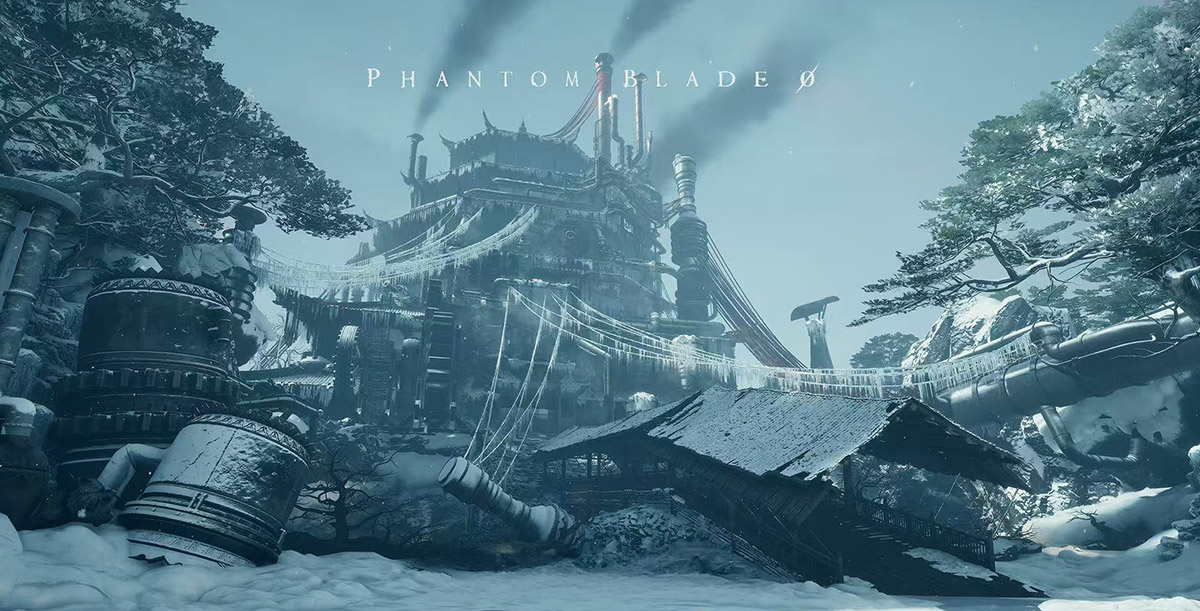
For fans of the genre, the wuxia in this Wulin is not simply a picturesque backdrop for sword fights, but encompasses a martial underworld shaped by rival factions, personal loyalties and competing beliefs. Warriors have gathered in Pangzhen, turning the town and its surrounding regions into a nest of hidden motives and uneasy alliances.
Thankfully, these are merely foundational and no knowledge of wuxia, Chinese history or mythology is required to follow the story. Ideas such as loyalty, friendship, betrayal, regret and the desire to protect another person provide a familiar emotional foundation, making the world approachable even when its imagery and traditions are unfamiliar.
It is a setting that feels rooted in an established tradition while still presenting something visually fresh.
5. Its interconnected levels reward curiosity
Rather than adopting a conventional open world, Phantom Blade Zero uses compact, branching regions with interconnected routes, taking inspiration from Soulslike map design while still maintaining a clear sense of narrative direction.
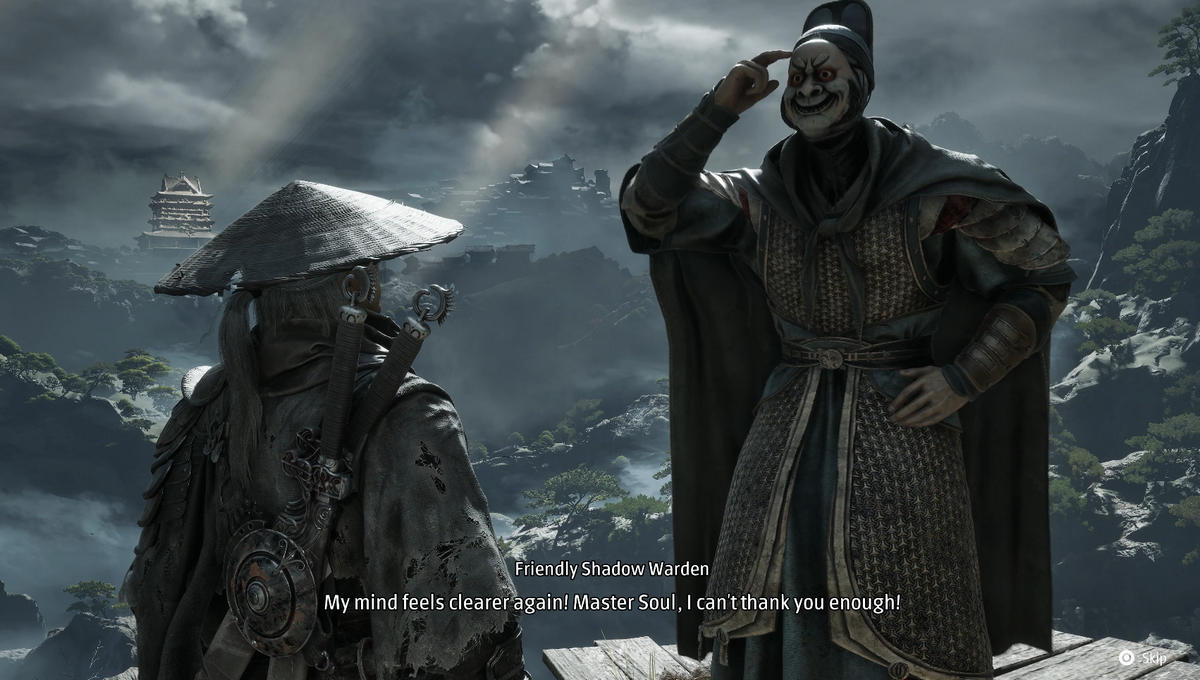
Eight hand-painted ink maps help players navigate without revealing every secret. Side paths lead to additional characters, enemies and equipment, while some routes only become accessible after obtaining the appropriate weapon. Bells connect discovered locations through fast travel, making it easier to return and investigate places that may have been missed earlier.
What makes these environments especially promising is the way they are staged as each level is treated almost like a theatrical production, with lighting, sound and scenery establishing the mood before the action begins.
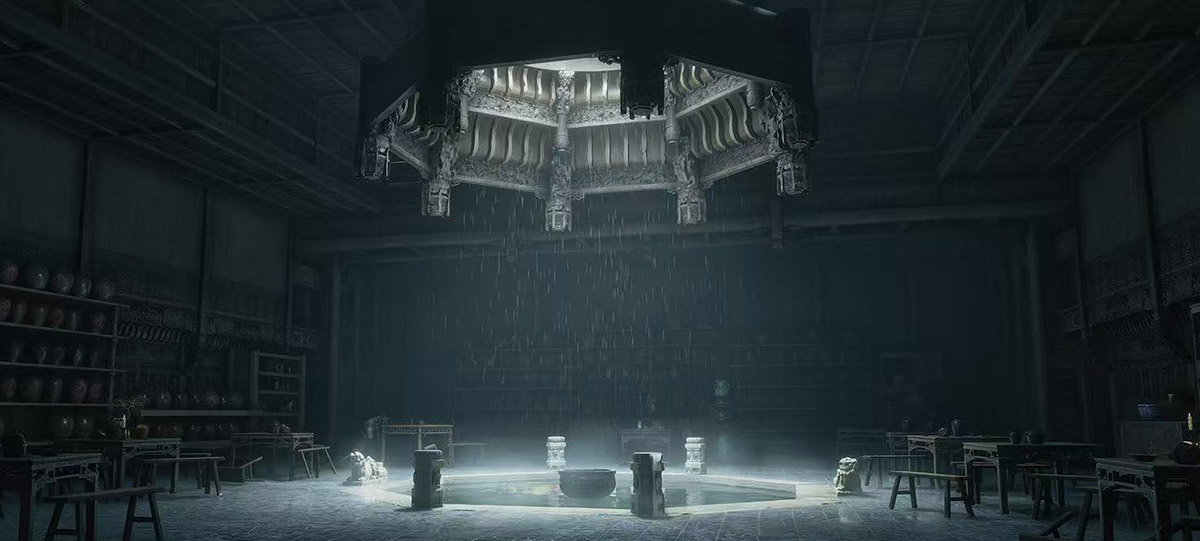
One location places Soul inside an abandoned warehouse filled with suspended puppets. Survivors offer fragments of its history, unsettling noises draw him deeper inside and environmental details gradually suggest what happened there. Elsewhere, mysterious red threads block the way, inviting the player to follow them towards the enemy responsible.
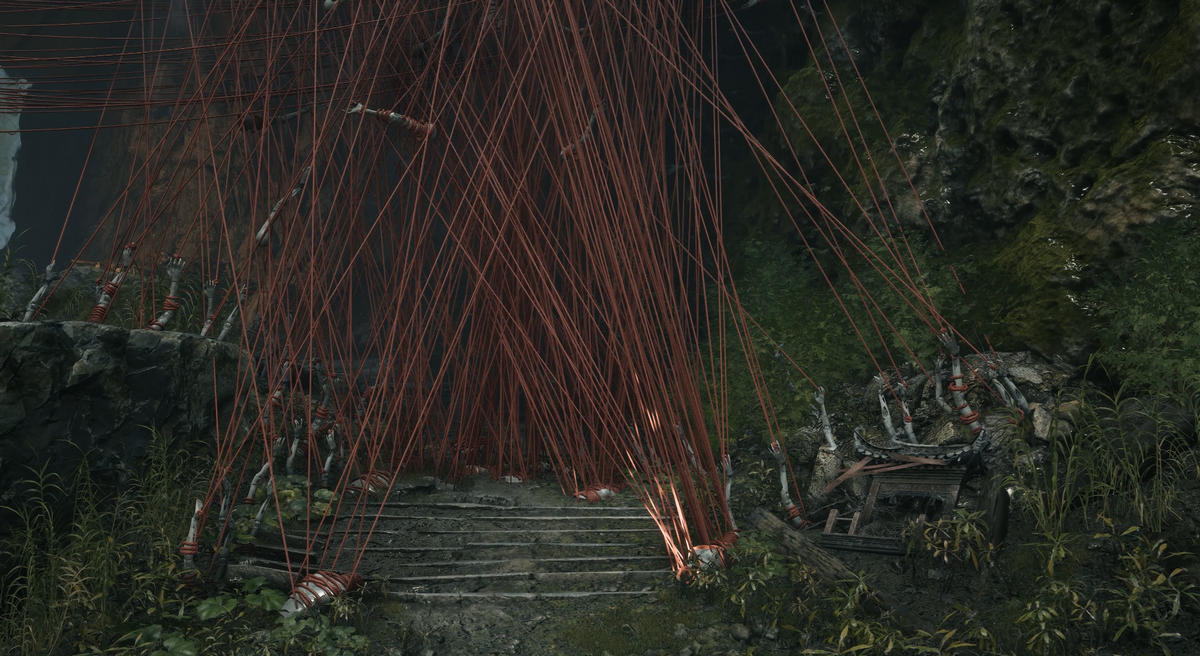
These are not merely corridors connecting one fight to another. They are spaces that build tension, tell stories and give each confrontation a reason to happen.
6. Soul’s 66-day deadline gives the story real urgency
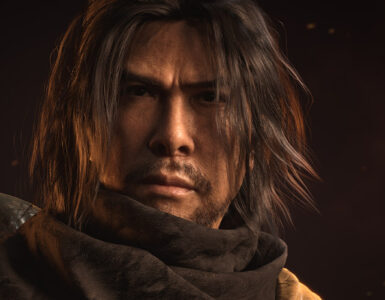
At the centre of Phantom Blade Zero is Soul, once the Order’s most feared blade. After being framed for the murder of his leader, he is betrayed by his former allies and confronted by his childhood blood brother, Zuo Shang. Their duel ends with a blade driven through Soul’s heart.
A mysterious healer known as the Flesh Sculptor saves him by replacing his heart with an artificial one but this procedure comes at a terrible price as Soul only has 66 days left to live.
It is an immediately compelling premise. Soul is not simply chasing revenge or trying to defeat another all-powerful villain. He is searching for the truth behind his betrayal while desperately trying to find a cure, all as a larger conspiracy threatens the foundations of the Wulin.
The supporting cast could give that mystery its emotional weight. Soul encounters warriors who continue to defend their ideals, others who have surrendered to darker impulses and people trying to live according to codes that have already failed them. Their loyalties are revealed through the choices they make under pressure, while the player’s own decisions can influence Soul’s journey and eventual fate.
That ticking clock gives every discovery a little more urgency. Soul may be an accomplished warrior, but his greatest enemy could be time itself.
Phantom Blade Zero clearly knows how to make an entrance with extravagant action, unusual weapons and blistering sword fights but its long-term appeal will be how those elements come together.
In martial arts cinema and action, weapons change both combat and exploration, as environments build atmosphere while quietly revealing pieces of the story. The Kungfupunk aesthetic gives the world a recognisable identity, while Donnie Yen’s involvement strengthens the connection between the game’s playable action and its cinematic martial arts influences.
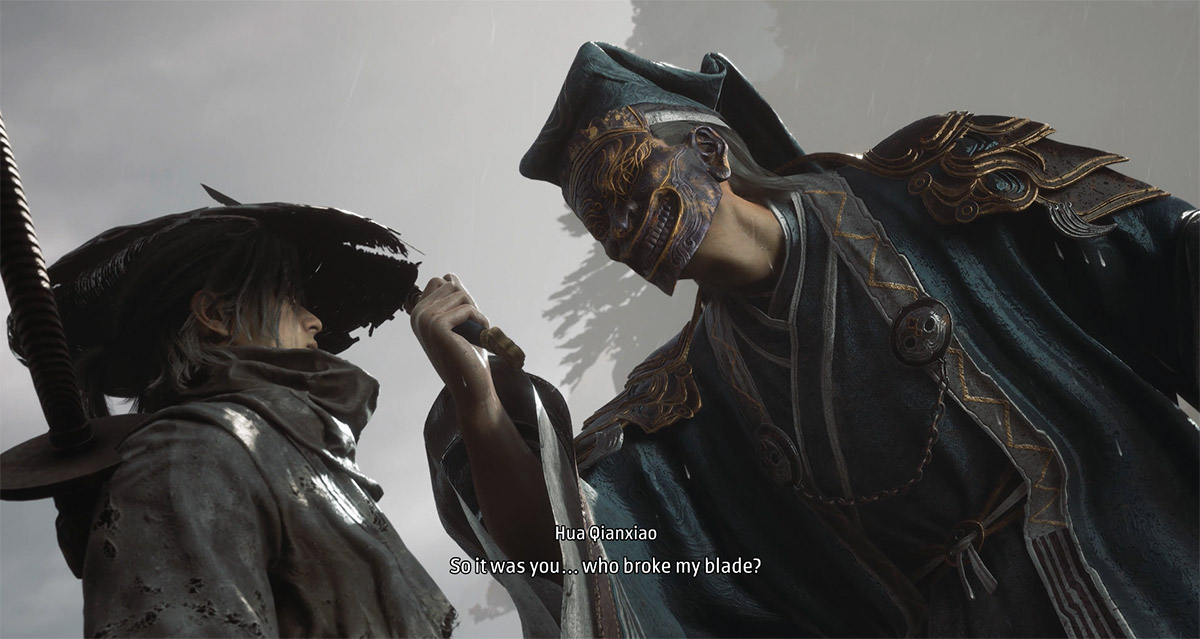
Most importantly, there’s a human story beneath all that spectacle and Soul’s remaining days gives him a reason to keep moving, even as the conspiracy around him grows larger and the possibility of survival becomes less certain.
If S-Game can maintain that balance across the full experience, Phantom Blade Zero has the potential to become one of the year’s defining action games.
Phantom Blade Zero is set for release on PlayStation 5 and PC on 29 October 2026.
Yonk is a geek who is fortunate enough to have an equally geeky Star Wars fan for a wife, who owns a LEGO Millennium Falcon encased in a glass coffee table as their home’s centre-piece.
 Kevin Low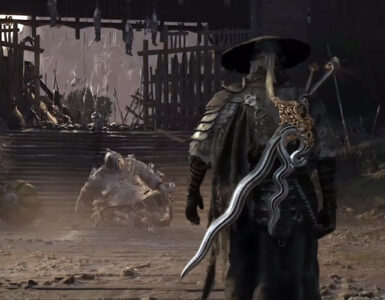
 Si Jia