
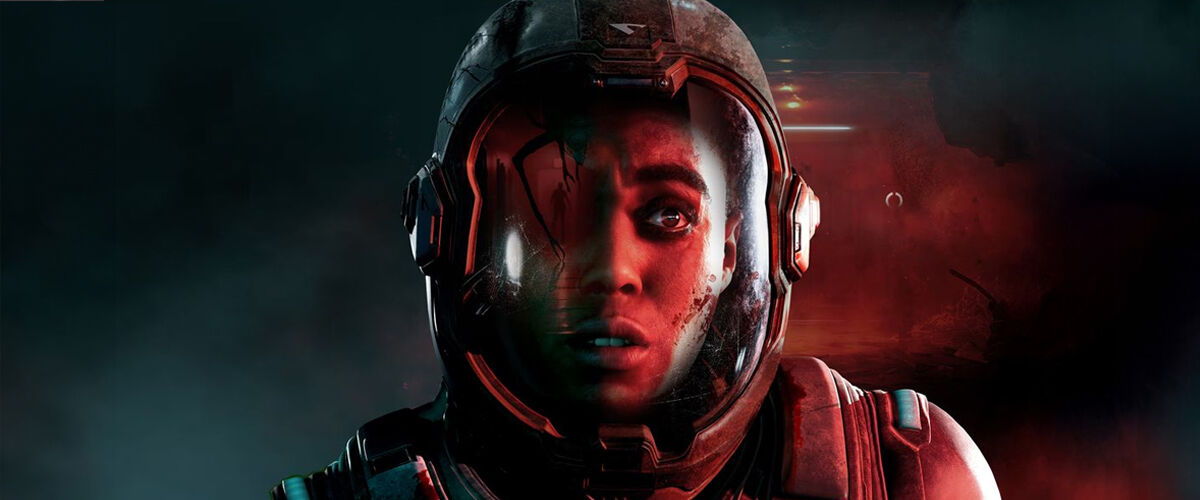
For developer Supermassive Games, best known for its work within the interactive drama gaming space with horror titles like 2015’s Until Dawn or 2022’s The Quarry, space is its next frontier. And in approaching the setting for Directive 8020, it has also borrowed liberally from two sci-fi horror classics – 1979’s Alien and 1982’s The Thing.
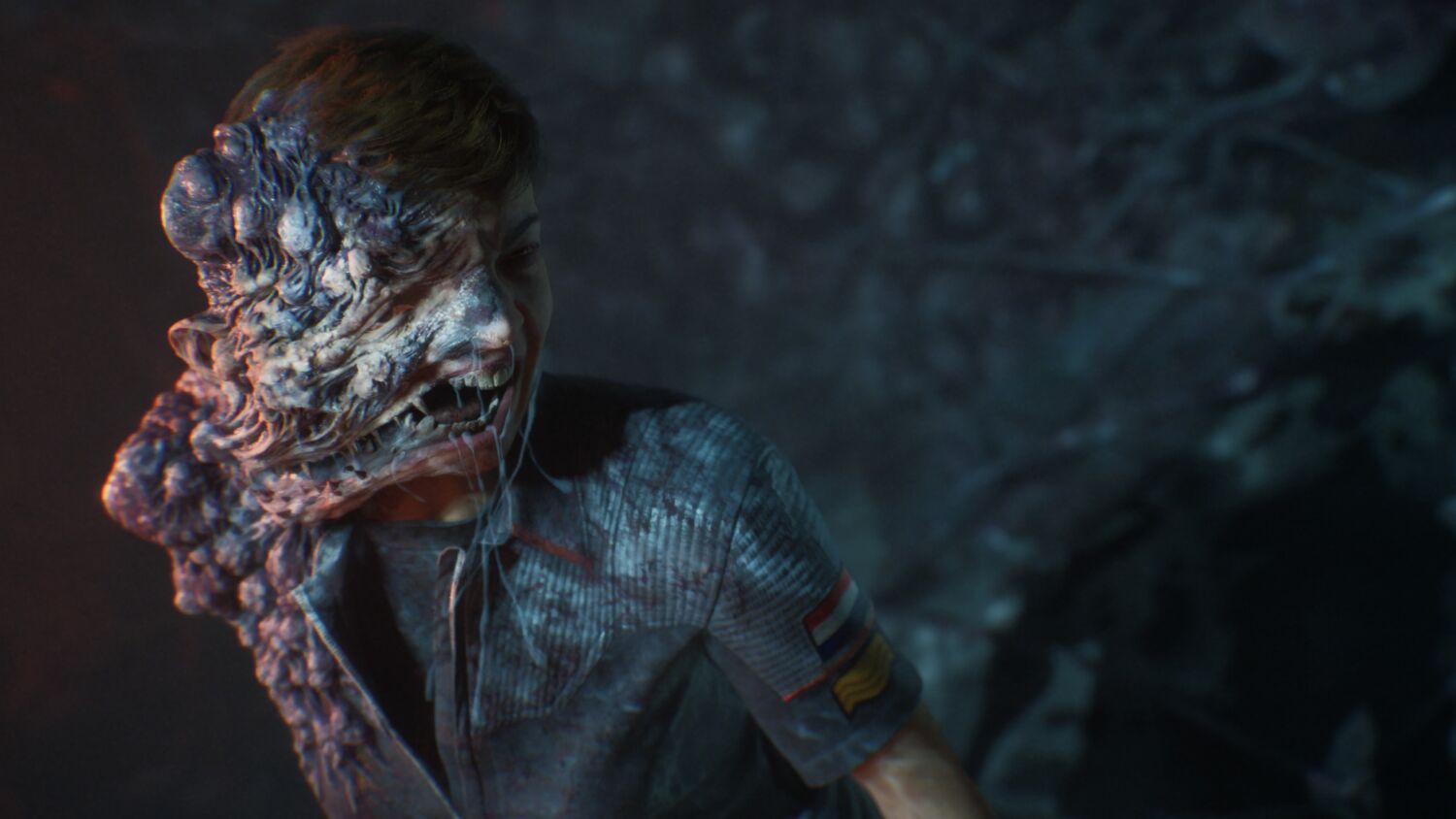
The former establishes the premise of being stuck on a ship with an alien threat, and nowhere to run, while the latter has an alien entity masquerading as humans, as everyone tries to figure out who to trust. And a combination of these two concepts in a video game format sounds like a recipe for success… right?
With this fifth game in the developer’s The Dark Pictures Anthology, a series of interactive drama and survival horror games set in the same universe, the studio is looking to not just introduce a new sci-fi setting light-years from Earth, but also something it has never done before, with Turning Points. This serves as an accessibility system that allows players to rewind their choices on the fly, adding a game-changing feature for a genre that has so far been defined by consequence.
With its intriguing alien doppelgänger premise and groundbreaking push towards player accessibility and flexibility, Directive 8020 largely succeeds in providing a tense survival horror narrative experience that relishes in its ease of replayability – but it’s also sadly bogged down by somewhat wonky animations, writing that plays a little too safe, and an overreliance on bland stealth segments.
For those unfamiliar with the Supermassive interactive drama format, the studio’s titles are less conventional video games and more interactive experiences, kind of like watching a movie with extra steps and choices to make. This means those looking to dive in should expect around 40 per cent of their overall experience to be actual gameplay, with the remaining 60 per cent filled with cutscenes of branching choices and quick time events (QTEs) thrown into the mix.
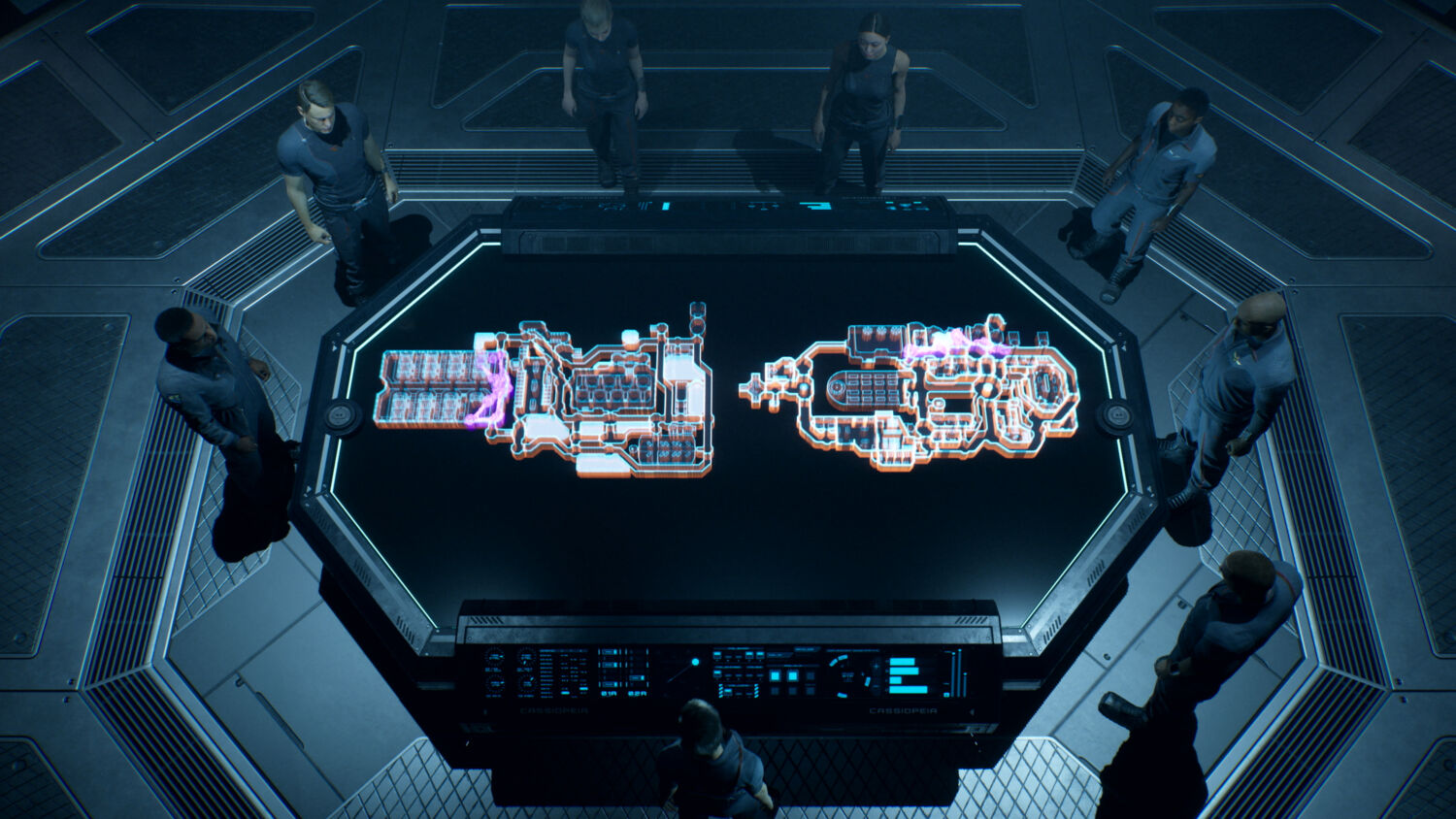
As it is with most sci-fi plots surrounding interstellar travel, the Earth is dying yet again, so mankind needs to look towards the stars for a new home. This time, our second chance lies in the uncharted planet Tau Ceti f, and so the starship Cassiopeia is sent on an eight-year journey to survey the planet from orbit, awaiting the arrival of its sister ship Andromeda to settle on humanity’s next home.
Of course, things go wrong almost immediately, as while prepping for orbital procedures, the Cassiopeia is struck by a small, unknown object. While most of its crew are still in cryo, two monitoring engineers seal the breach, believing the ship to have been struck by an asteroid. Unbeknownst to them, a mysterious alien lifeform had infiltrated the ship and this gelatinous mass is capable of completely replicating anything it comes into contact with, human cells included. Not knowing what they had just trapped on board, the two engineers are swiftly murdered, with the invasive alien taking over their forms.
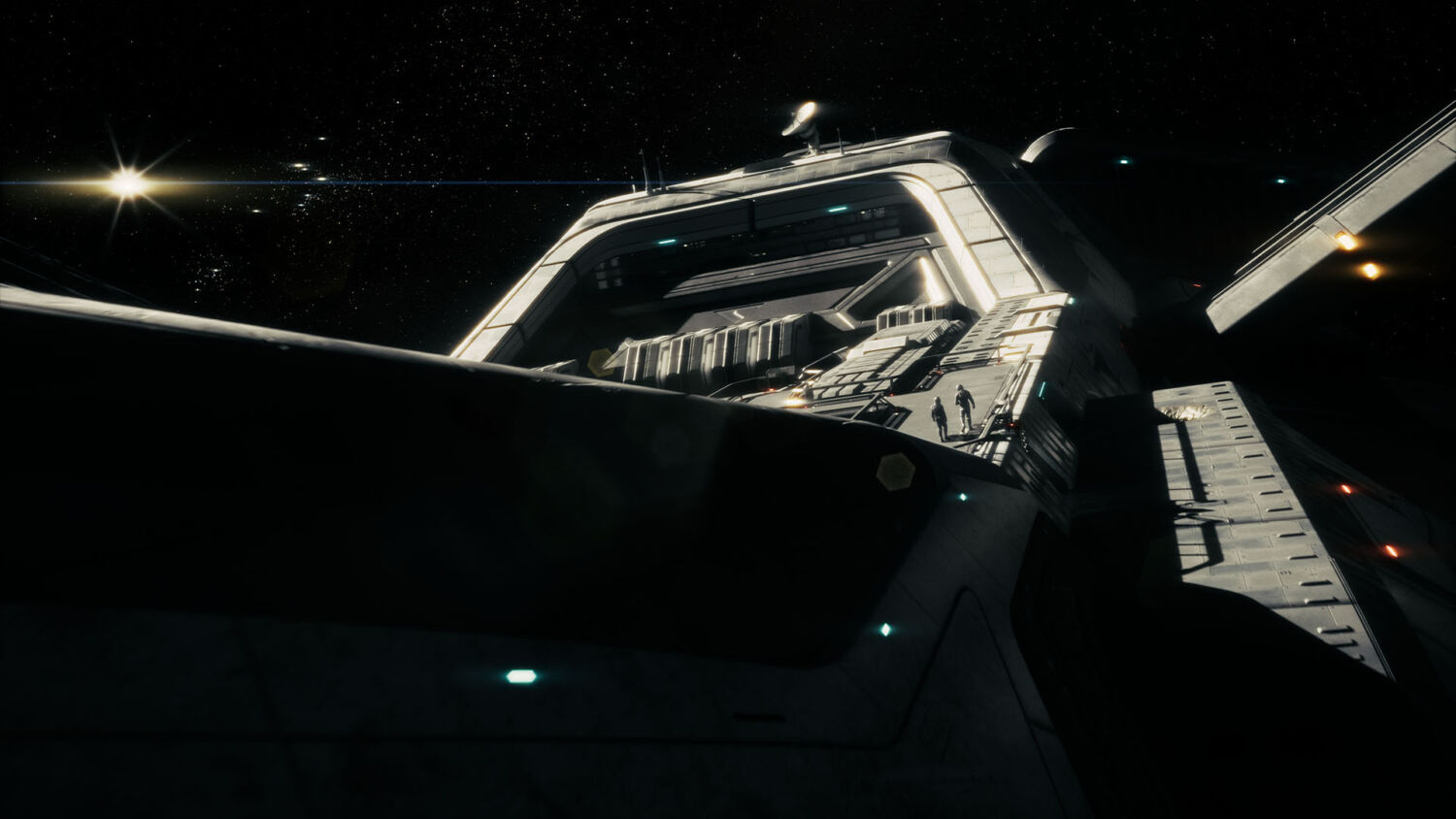
With the ship slowly being overrun by the mass, its main crew of eight gets woken up to a nightmare that they have no idea is hiding among them, and what begins as minor behavioural oddities soon spirals into complete chaos as the Cassiopeia crash lands on Tau Ceti f, and with no fuel to take off again, everyone is now trapped with nowhere to run, and no one to trust.
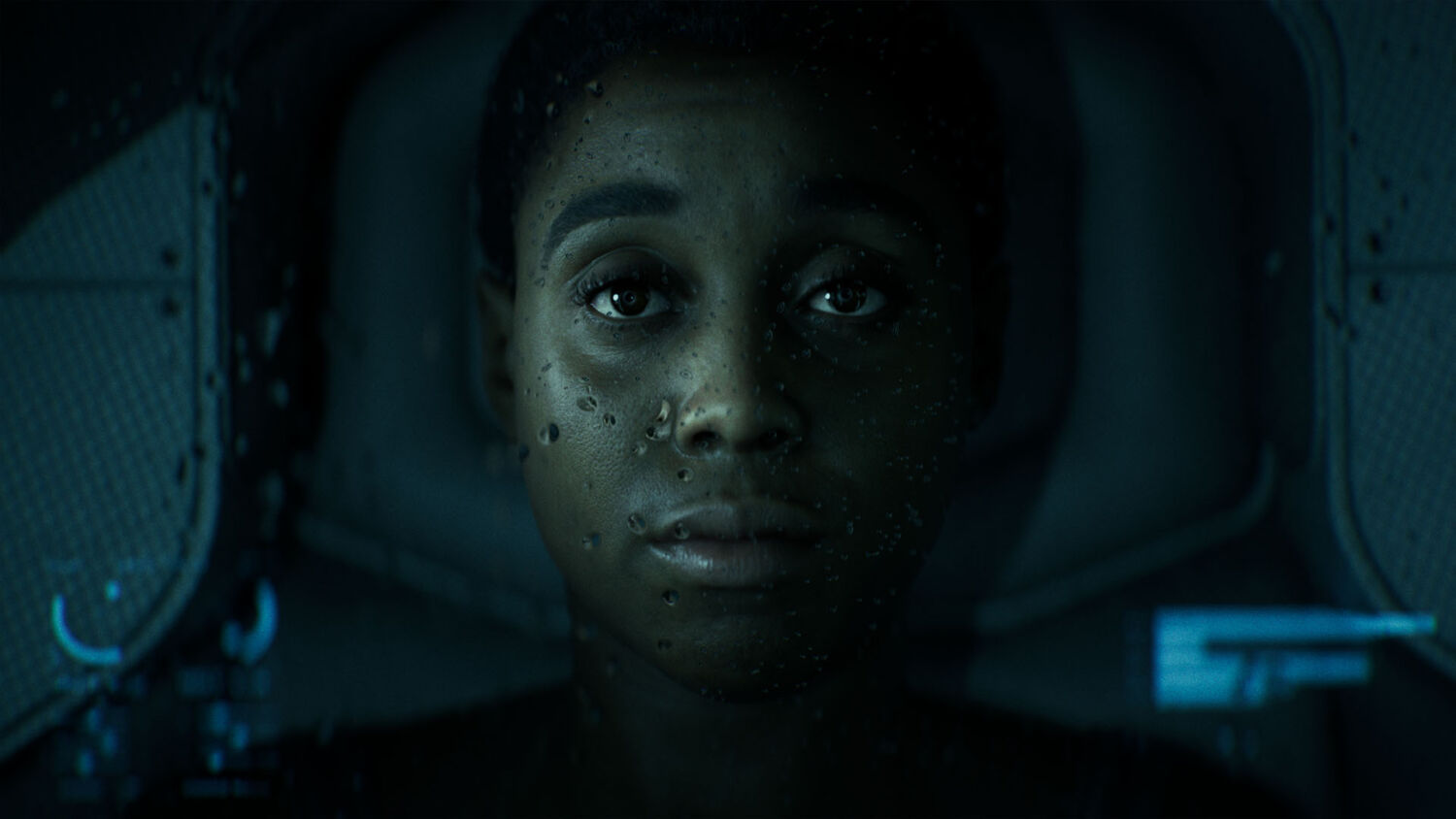
A horror story about doppelgängers lives and dies on its buildup, and this is something Directive 8020 absolutely nails. The player might already know beforehand who’s a mimic and who’s not, but watching the characters go from dismissing suspicions to witnessing the entity in its true, monstrous form is satisfyingly intense, and this transition of hope to utter despair, knowing that they are trapped with no escape, is further driven home thanks to impressive facial animation.
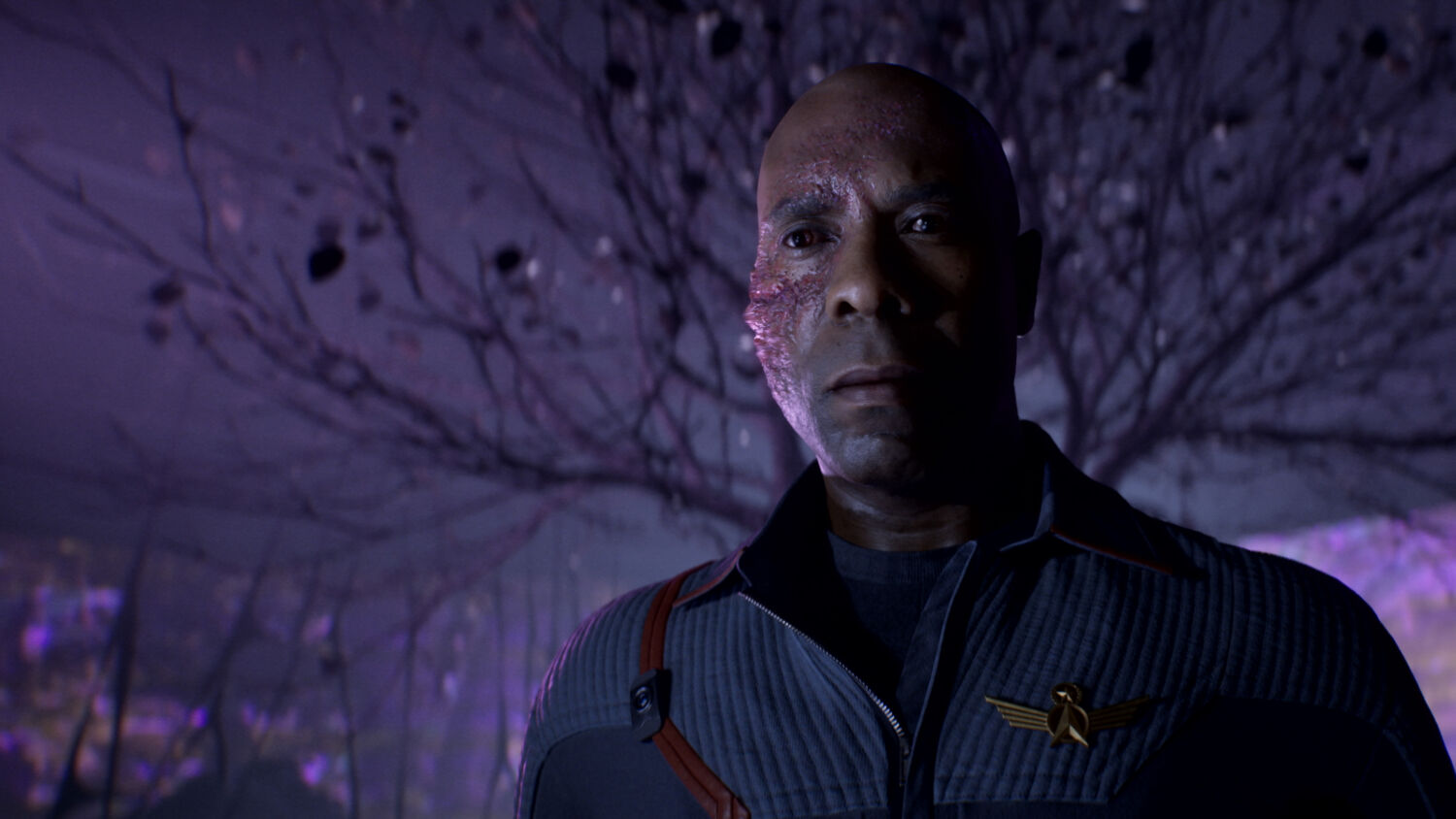
Nothing is more gratifying than seeing the exact moment a character realises the severity of the situation, and players can almost visualise the synapses firing off in their brains and the terror setting in, thanks to excellent facial expressions that highlight even minute details like a slightly furrowed brow or that little bit of sweat forming at their temple. Voice acting is also excellent throughout, further adding to the believability of the outrageous events, although special commendations must be given to Danny Sapani (Black Panther) and model Winston Thomas, who voices and lends his likeness to Cassiopeia commander Nolan Stafford, respectively, for their amazing portrayal of a decorated leader cracking for the first time in his career.
Still, Directive 8020 is not devoid of issues, as unlike its impressive facial tech, the animations of its character models leave much to be desired. Movement of limbs is often stiff and akin to the pre-mocap era of gaming, and for some reason, characters tend to move their heads way too much during basic conversation, looking really unnatural and breaking immersion.
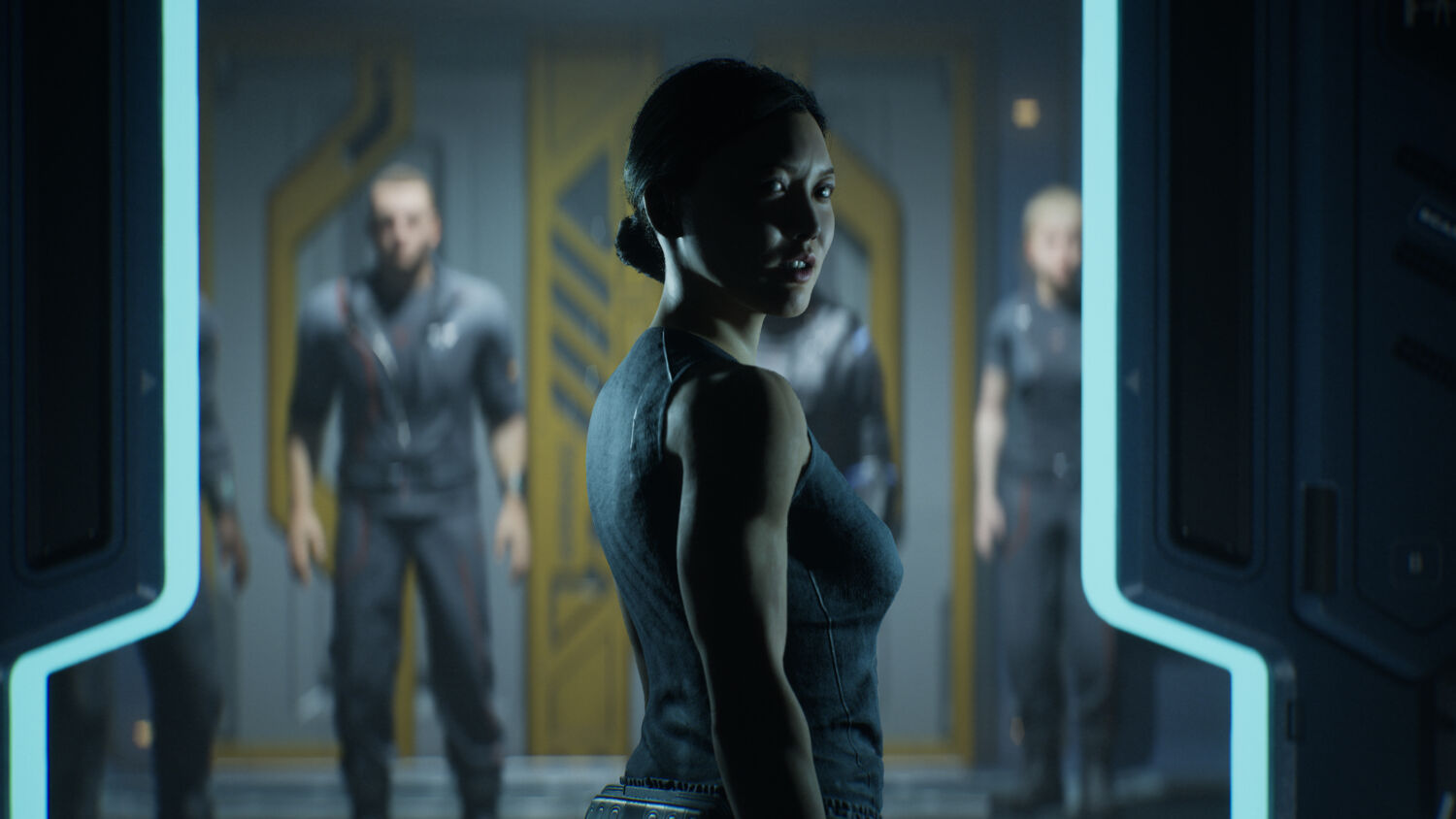
While most of Supermassive’s previous interactive adventures usually feature characters with a vast range of personality tropes, both positive and negative, almost all of the characters in Directive 8020 are likeable, which can be both a pro and a con depending on how you look at it. On one hand, not having a mix of annoying or straight-up obnoxious characters is quite a missed opportunity when the game gives you power over who lives and who dies, as this can lead to pretty interesting player choices or potential redemption arcs. On the other hand, making it so that a player is likely to form emotional attachments to everyone in the crew means these same decisions have that added weight.
Or… at least they should, as despite being framed as a horror thriller where players have to be careful about who they trust, the game makes it far too obvious who is a mimic, and more importantly, doesn’t provide enough instances where players have to decide the fate of characters. In our playthrough, there were only three times throughout the entire game where we had to choose who lives or dies, and each time, the impostor was blatantly obvious.
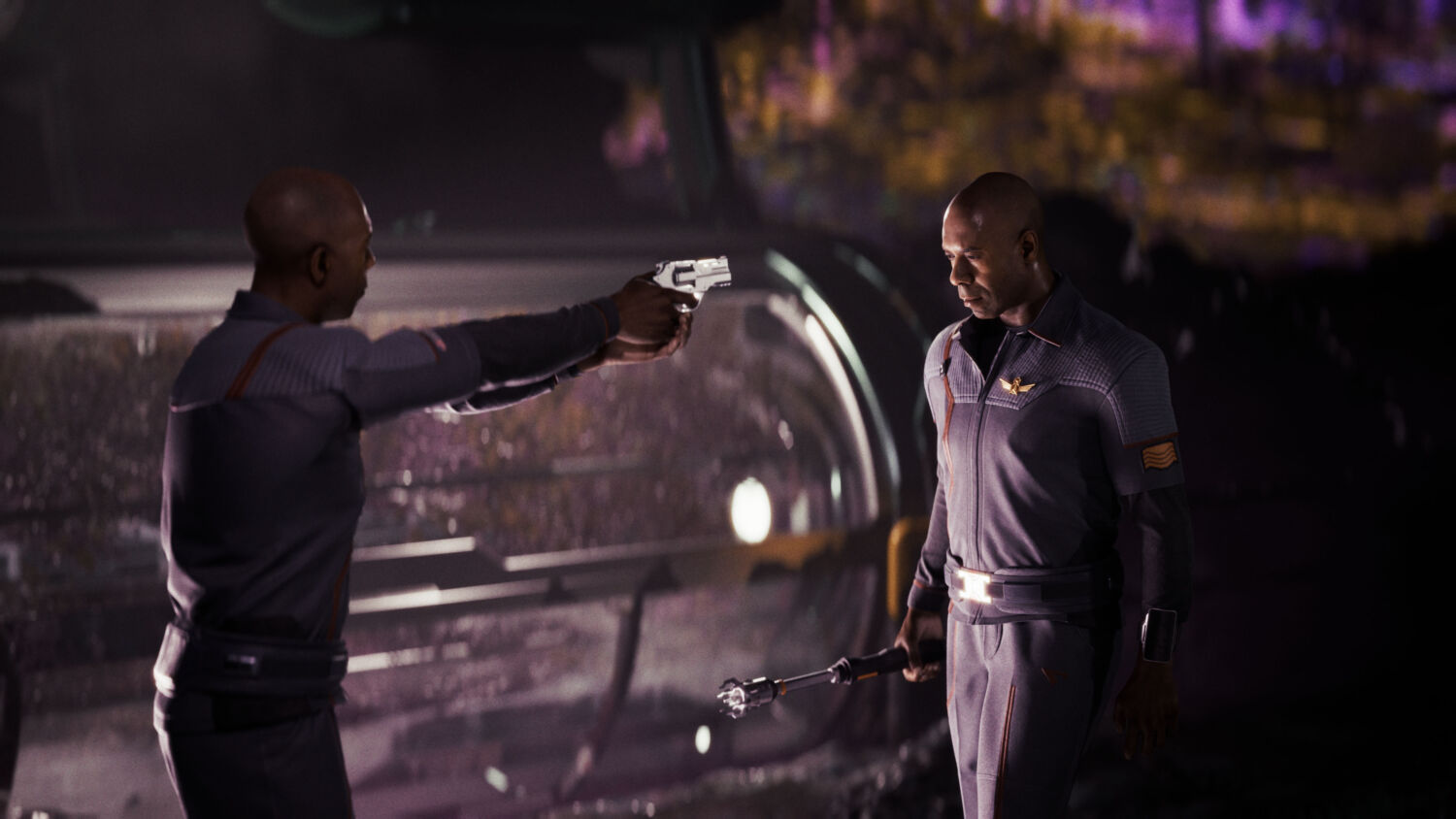
And then, there’s the twist, as there always is in a Supermassive title, and without spoiling anything, the big reveal in Directive 8020 is nothing short of mindblowing, simultaneously coming completely out of left field while still making complete sense and directly tying in to the game’s new features at the same time. It’s masterfully executed, and most importantly, it makes players rethink every decision they made thus far, and every one to come, proving why the studio is at the top of their field when it comes to storytelling in games.
Its story might have its highs and lows, but at least Directive 8020 makes it so that it’s incredibly easy to experience every aspect of its narrative thanks to its Turning Points system. Similar to a souped-up version of Life is Strange’s rewind feature, every decision in the game, both minor and major, can be altered and re-made at any time by accessing a flowchart-styled menu, which not just highlights which path a player has currently taken, but also all its potential outcomes, with hints given for locked paths to help players understand what they needed to do to achieve them.
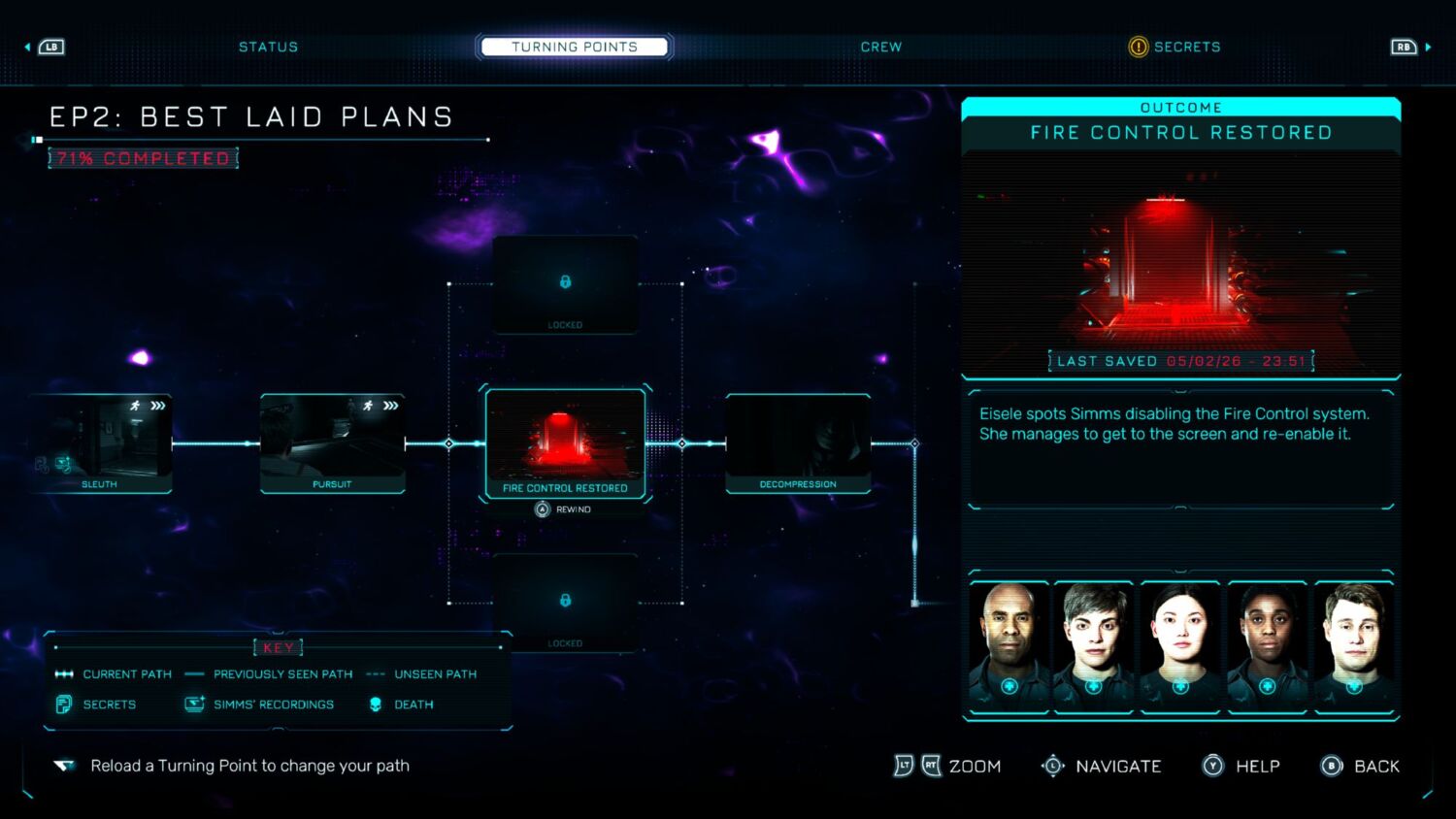
Turning Points works wonders in replayability and accessibility, especially for completionists or interactive experience newcomers, allowing the former to uncover all the branching paths, collectibles, and even some secret encounters the game has to offer, while offering the latter the ability to rewind mistakes or unfavourable outcomes. Of course, this might not sit well with every fandom’s usual group of purists, and that’s why the game still offers a “Survival Mode” that completely disables this feature.
While players are not watching the horrors unfolding via cutscenes, they will be controlling each of Cassiopeia’s crew in brief gameplay snippets in between. This usually consists the usual Supermassive affair of walking from place to place, solving light environmental puzzles while finding and interacting with collectables that help to flesh out the plot, and in some instances, even provide subtle foreshadowing of revelations to come, including the aforementioned big plot twist.
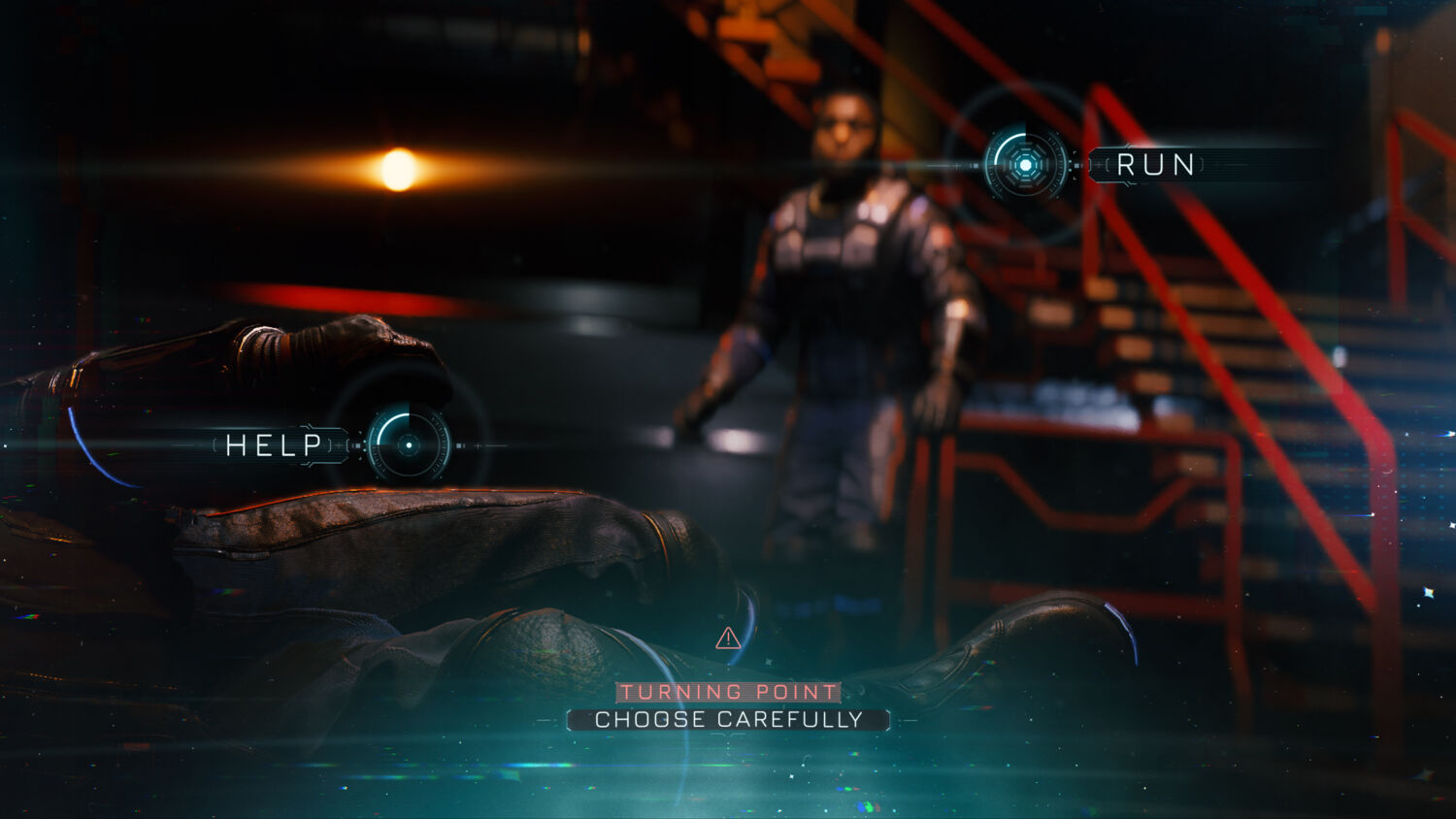
These segments aren’t anything extraordinary, but it does help to mix up the experience. Unlike past Supermassive games, however, which occur across varied locations, Directive 8020 mostly plays out on a single ship, meaning players will soon get tired of exploring the same bland “sci-fi-ey” corridors that look identical to each other.
At least these sections still fare much better than the game’s bland stealth-based encounters, which feel half-baked and shoehorned in. It’s the most basic of stealth systems, which sees players simply avoiding mimics by creeping around them behind cover, with the formula never evolving throughout the entire game apart from maybe throwing in an object that can distract enemies here and there.
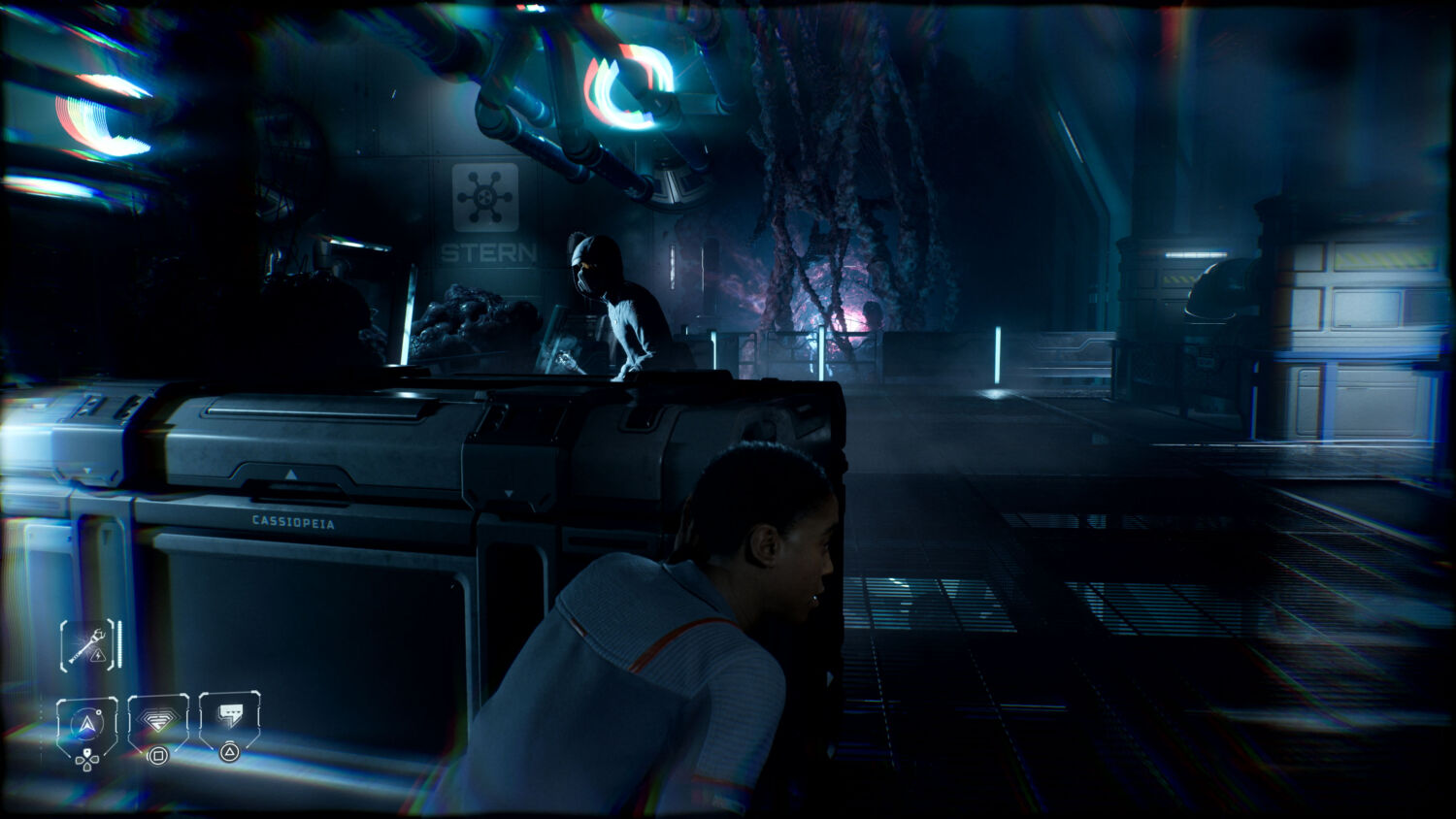
This would have been fine if there were only a handful of such encounters throughout, only at critical moments, but the game forces players into such stealth sections multiple times per chapter, and by the fifth time, you’d probably just want to get it over and done with. At least the game does provide the tools and accessibility settings to do so, as characters are equipped with a stun rod that can disable enemies for a limited time when they are caught, provided they can complete a simple QTE beforehand, and there is also an option to disable the cooldown of stun rod uses, so those tired of stealth can simply turn this on, and make a beeline for their objectives, stunning their foes whenever they need to.
Directive 8020 as a whole feels like an experience that starts and ends phenomenally, with its middle portion leaving much to be desired. For every tense moment and excellent emotional performance, there’s an annoying stealth section and wonky animations. Still, the payoff alone is enough to make everything worth it, and not to mention the excellent Turning Points feature, which Supermassive should consider adding as a staple of future games from here on out.
GEEK REVIEW SCORE
Summary
Even with some wonky animations and an overreliance on mind-numbing stealth sequences, players should still stick around and witness the Cassiopeia fall to chaos from its doppelgänger threat, as its payoff is more than worth it.
Overall
7.7/10-
Gameplay - 6.5/10
6.5/10
-
Story - 9/10
9/10
-
Presentation - 7/10
7/10
-
Value - 8/10
8/10
-
Geek Satisfaction - 8/10
8/10

Kevin is a reformed PC Master Race gamer with a penchant for franchise “duds” like Darksiders III and Dead Space 3. He has made it his life-long mission to play every single major game release – lest his wallet dies trying.

 Yong Le