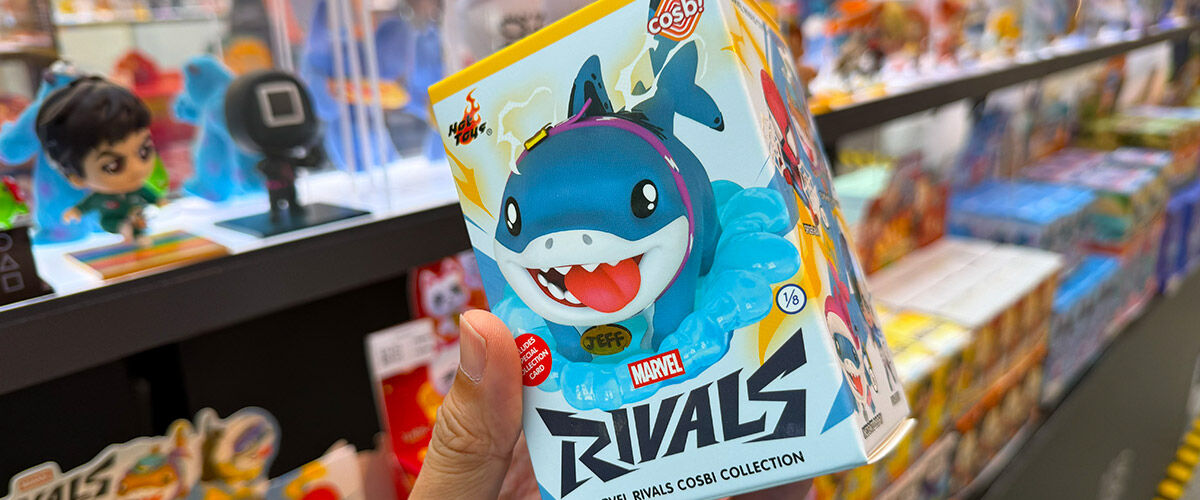
Tired of spending money on something without knowing exactly what it is that you’re buying? Well, the authorities have your back because starting today, enforcement will be made against all types of luck-based purchases, including blind boxes at retail, loot crates from video games, random useless items from arcade claw machines, and even curated menu items in omakase restaurants!
Restaurants will only be able to serve properly identified food items on the menu, doing away with the act of paying for a complete menu, yet leaving it up to the chef to decide what’s being served, in the chance that diners don’t like what they are eating.
This follows closely discussions to regulate the sale of blind boxes, as authorities in Singapore have officially enacted the ban to curb the sales of probability-based products, which is also set to include more than just traditional blind boxes or trading card game packs.
In a bid to minimise the risk of gambling, a dedicated task force – Singapore Anti Blindbox Organisation (SABO) – has been set up, to enforce new regulations set to go into effect from today. It will work directly with suppliers of hobby shops like Popmart, local card shops like Collectibles and Card Arena by MyRepublic, and leading Japanese restaurants hawking curated menu items but not sharing the food items, to phase out the sales of all products with “blind box” mechanics.
According to Kingston Lee, who used to be Singapore’s third-ranked Magic: The Gathering (MTG) player, and now leader of the new task force, any product or services marketing without its complete contents publicly listed will fall under this new ban and be restricted, as they resemble gambling and can foster negative purchasing habits, especially among the younger audience demographics.
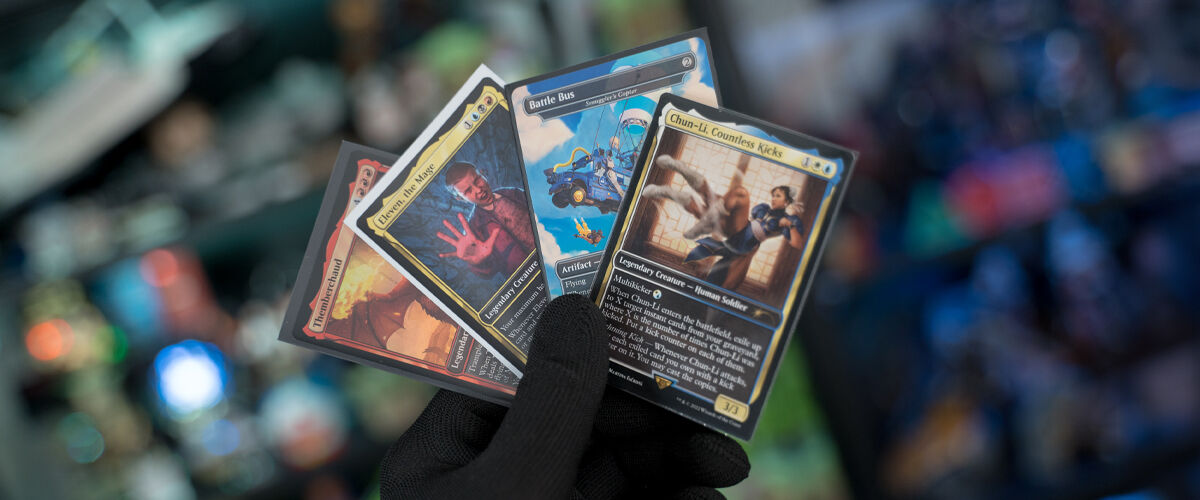
The SABO task force will consist of a mix of government officials, retired members of the Singapore Police Force (SPF) and the Immigration & Checkpoints Authority (ICA), founders of the nationa’s growing number of failed restaurants, as well as members of the local hobby scene, led by SABO Kingston, to “bridge the gap between the Singapore government, the F&B sector and the local hobby scene, to ensure fair business practices alongside a familiar face leading the charge.”
This also includes video games where developers sell loot crates touting premium items such as weapons, gear and equipment, when it’s obvious that such pay-to-play mechanics only benefit the game developers to buy Good Class Bungalows in Singapore.
“As you all know, I believe I’m Singapore’s number one MTG player even though I have been declared third,” said Lee in a LinkedIn post.
“But victory comes at a price, and now I have no more money to buy new card packs because I keep getting terrible draws. So that’s why I was approached to head up this new task force as the SABO King. I think banning blind boxes is important as ensuring you know what you’re eating at a restaurant, and I want to make sure no one else will suffer as I did. Also, if nobody can buy card packs anymore, that also means no one can challenge my number one spot.”
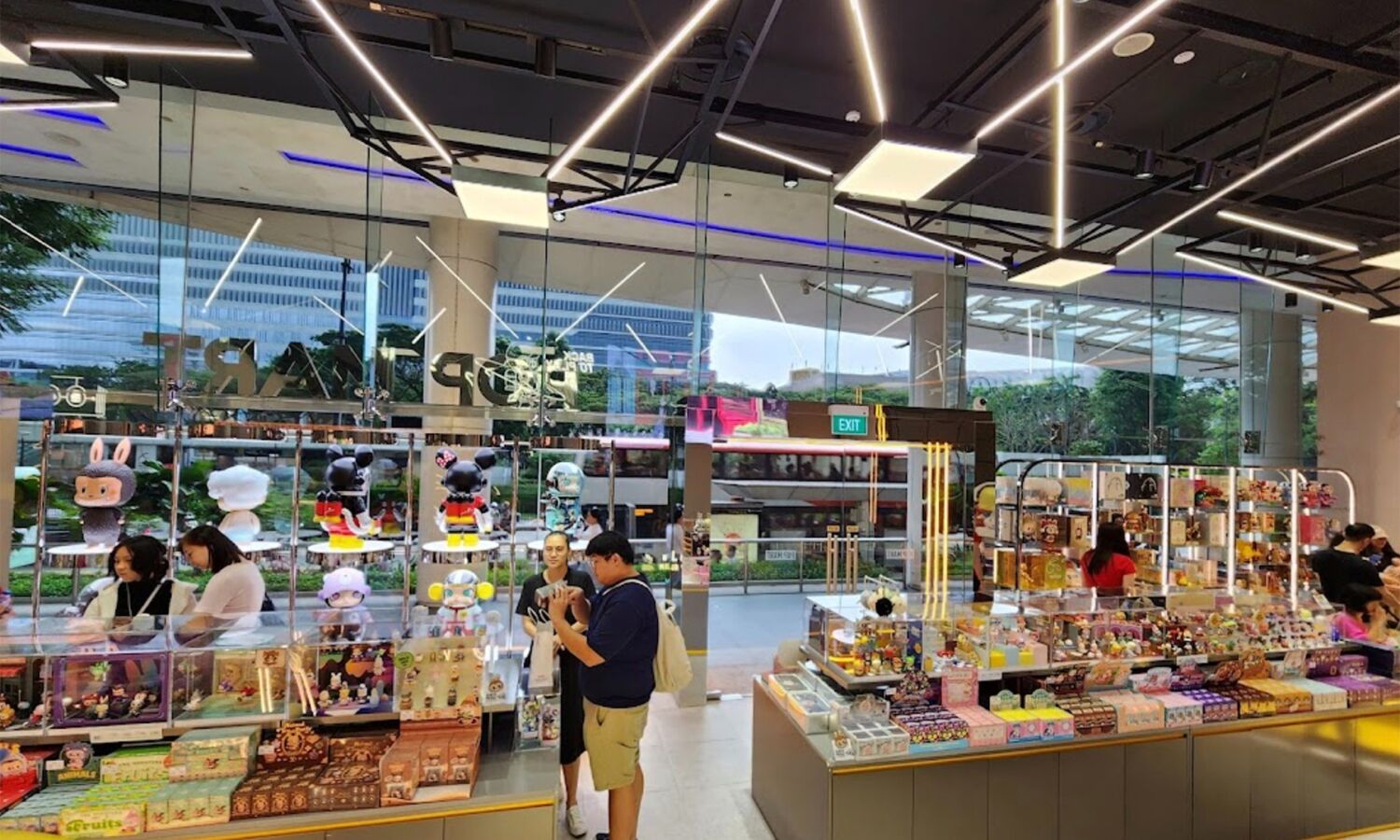
The new ban will take effect from today, and currently encompasses the following:
- Sales of all “blind-box” items and products with no guarantee of what’s inside, including trading card game packs such as those seen in popular card games like MTG, Pokémon TCG, or Yu-Gi-Oh!, and LEGO minifigs.
- Removal of all “gacha” machines (vending machine-dispensed capsule toys) across the country
Additionally, new product categories will also be added to the ban in waves throughout the year, with a full list of banned products below:
May 2026
Claw machines: Coin-operated machines with randomised outcomes where players might not win anything, or just receive prizes of variable value. The destruction of all claw machines will stop depriving children of their parents’ hard-earned money
June 2026
Advent Calendars: Festive collectables sold by companies like LEGO, which consist of various “windows” each hiding a prize of varying desirability.
July 2026
Lucky draws and fundraisers: Luck-based activities commonly hosted by banking institutions, shopping centres or credit card companies, where participants stand a chance to win prizes. Participants must be guaranteed a top prize, or else.
August 2026
McDonald’s Happy Meal toys: As these are targeted solely at kids, and purchasers are not always guaranteed to get what they want, these will also be categorised under a gambling risk.
September 2026
K-Pop merchandise and photocards: Buyers will not always receive the photocards of their favourite artiste when purchasing, and additionally, sales of such items will also compete with the local music scene, and therefore must be banned.
October 2026
Omakase menus: Although diners pay a fixed and often exorbitant price, it is the chef who decides what they end up eating, so this technically classifies as a mystery box.
November 2026
Street-hailing Taxi services: Passengers do not know the exact price they will pay by the end of the trip, which falls under chance-based mechanics, especially if there are traffic jams or road accidents.
December 2026
Economic Rice stalls: As diners are not guaranteed which type of food items will be available each day, this is classified as a “blind-box” mechanic and will be regulated. Such ‘cai fan’ food stalls will instead have to clearly list and stick to a weekly menu instead.
The regulations of Blind Boxes, trading card games and other chance-based products and services will take effect from April 2026, as Singapore slowly inches towards its dystopian future as Asia’s richest, but most boring country.

When it comes to providing the right hardware at the right price, Destro is the man of the hour. Just don’t count of him keeping his deals exclusive to just one party. If you have coin, Destro has the wares.
 Si Jia
 Yonk
Yonk