
This interview has been edited for clarity.
Realism has always been the name of the game for Polyphony Digital’s Gran Turismo racing simulator series. At a time of arcade-style racing with exaggerated car movement, the franchise shifted gears to real-world physics that require players to understand vehicle handling, eventually building its expertise around accurate driving emulation.
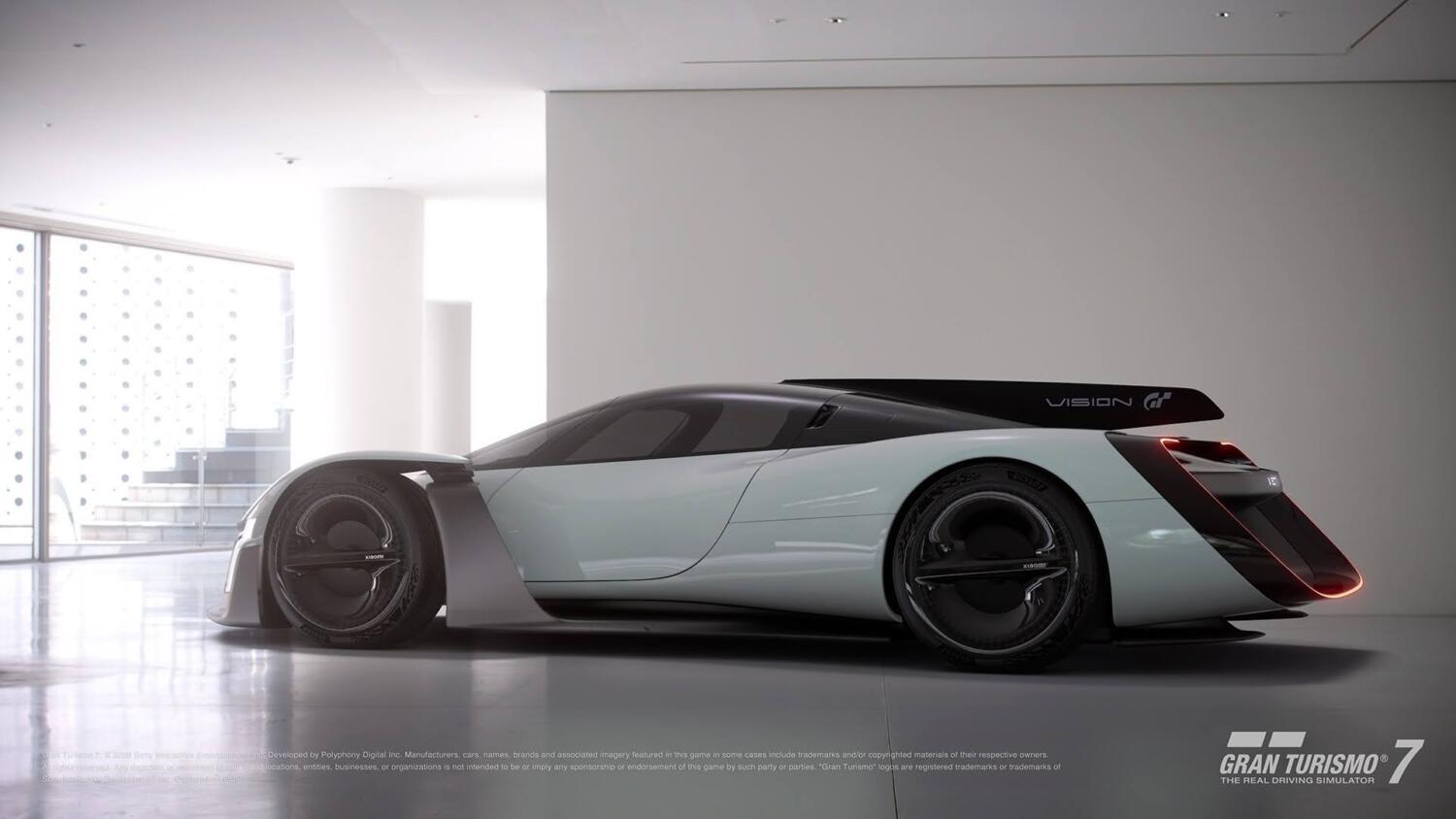
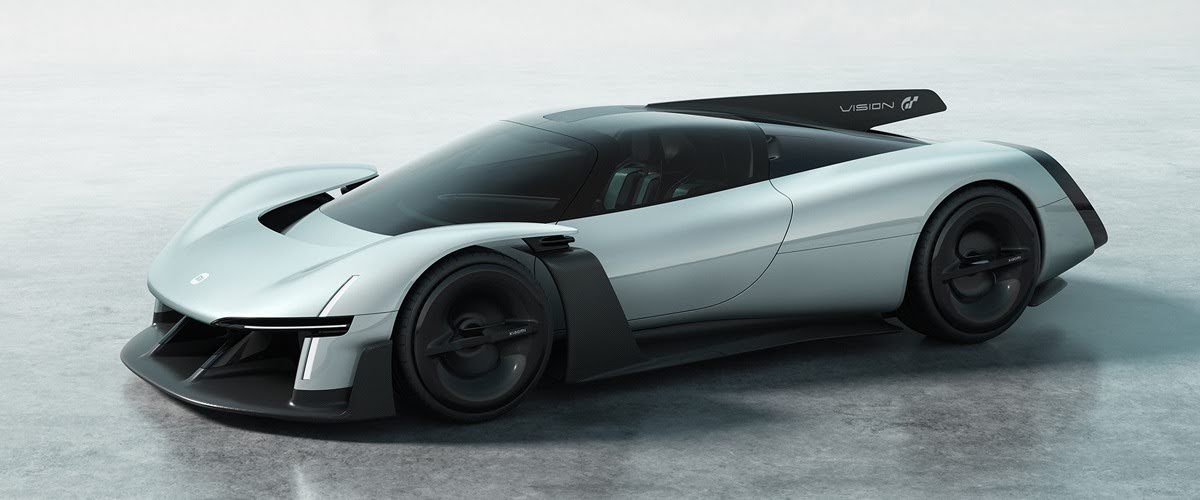
Where it stands out from genre counterparts, however, is a vast selection of licensed automobiles and virtual concept cars designed specifically for the franchise, including various sports-car manufacturers such as Alpine, Ferrari, Porsche, Lamborghini, and more. The tradition has endured and continued into 2022’s Gran Turismo 7, with the latest update marking a celebratory milestone for Xiaomi, the first Chinese technology company to join the Vision Grand Turismo (VGT) project. Prior to this, VGT introduced a series of virtual concept sports cars designed by global automotive manufacturers specifically for the Gran Turismo franchise.
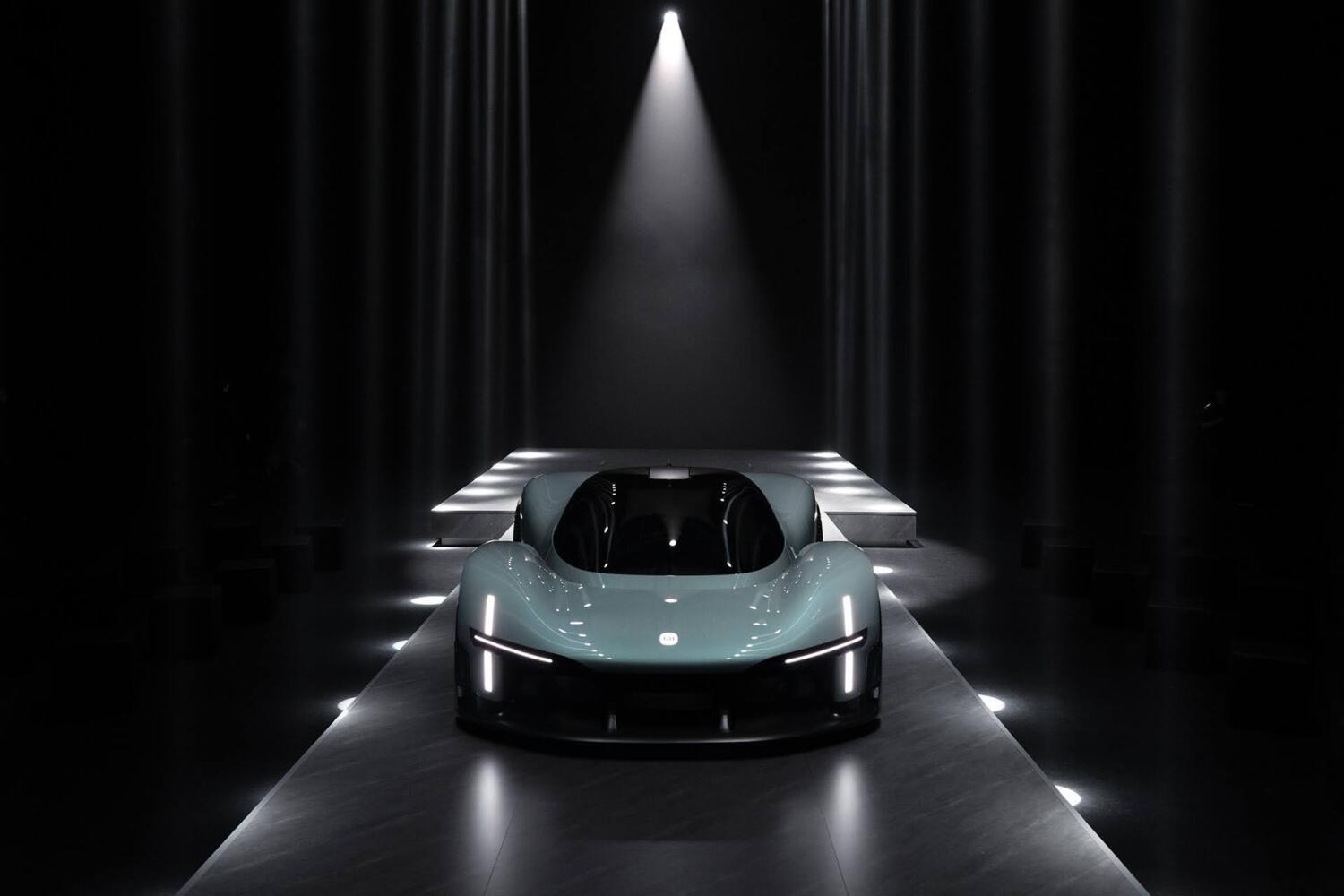
First unveiled at Mobile World Congress 2026 in March, the Xiaomi Vision Grand Turismo received a full-scale physical model a month later and will race into the game on 15 October as part of the Spec IV major update. Some may find the collaboration unexpected, but franchise creator-producer Kazunori Yamauchi thought the Chinese electronics giant, which also has an automotive arm, would fit nicely into the roster and extended a personal invitation to them at last year’s GT World Series global racing esports tournament series in London.
The Human x Car x Home ecosystem is the ace up its sleeve, designed to merge personal devices, smart electric vehicles (EVs), and home appliances into a single, unified setup powered by the Xiaomi HyperOS. Serving as the driving force behind the Sofa Racer concept, the Xiaomi VGT ditches the traditional bucket seat of most hypercars for a cocoon-like cockpit that houses the dashboard, door panels, and seats in a ring-shaped architecture. The Xiaomi Hyper XiaoAI and MiMo foundation model add finishing touches, allowing the vehicle to perceive and respond through light, sound, and touch.
“This is a performance car, but it also has to be part of this ecosystem – the way it clings to the driver and the way it interacts,” explains Jean-Arthur Madelaine, head of design at Xiaomi Europe R&D and Design Center, in an interview with local media on 3 October, when the Singapore leg of the GT World Series was held.
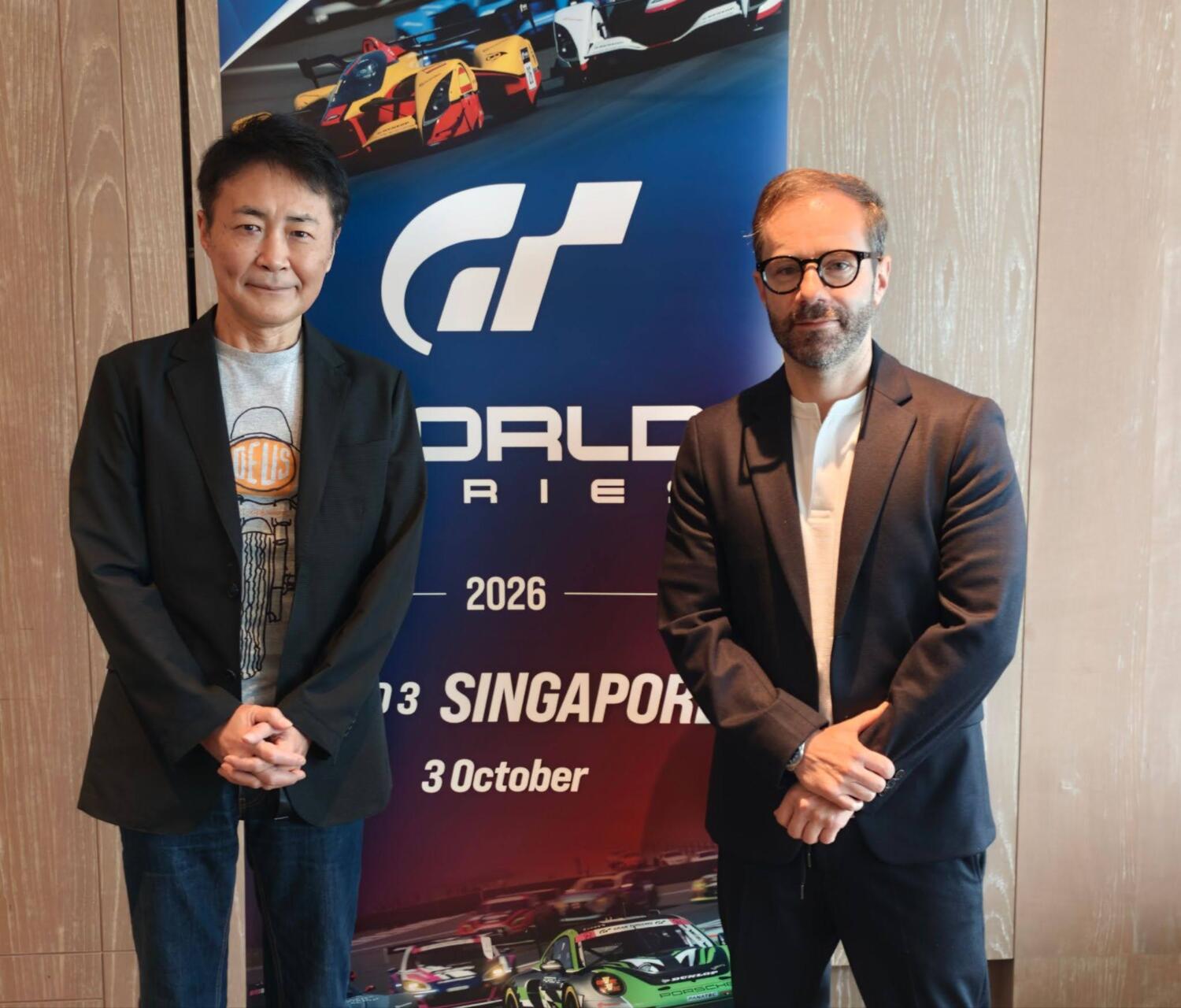
“We thought of the steering wheel as what you would do with a smartwatch, [such as] feeling your heartbeat, checking your emotions, and talking to you, almost like a co-pilot. It’s coming from the tech industry, and that’s something very specific to show.”
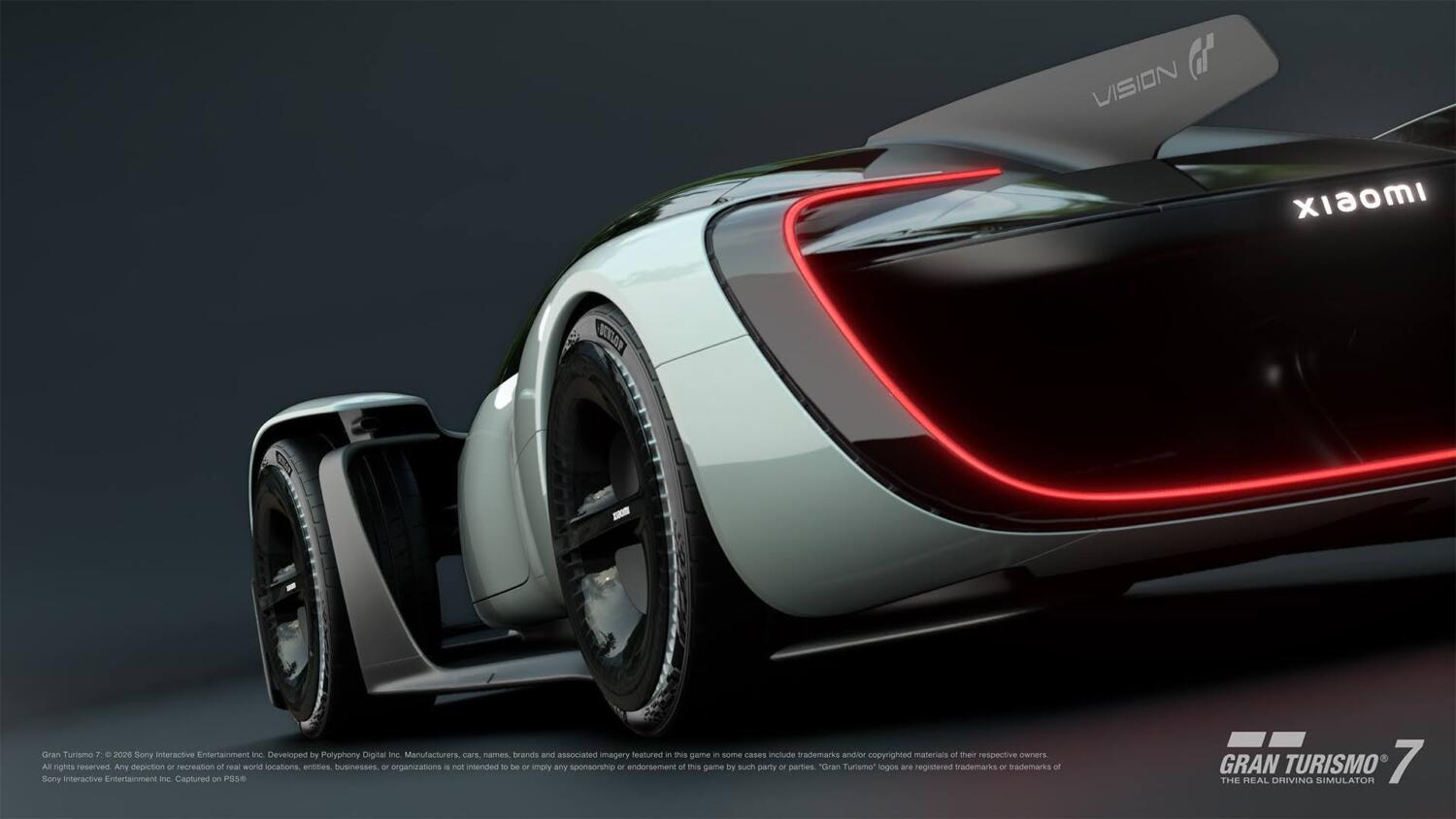
It’s an edge that dedicated automobile manufacturers lack, complemented by the “Sculpted by the Wind” design philosophy. In a game totalling 574 cars to date, each must have its own distinctive traits, and the Xiaomi VGT finds its identity in aerodynamic solutions on production models such as the Xiaomi SU7 and YU7, with the cross-shaped headlights doubling as airflow guides. Meanwhile, the signature halo-shaped taillight is integrated into the rear air channel, where the Active Wake Control System – featuring a matrix of micro-perforations – manages airflow using real-time data on vehicle speed and angle.
Then, there are also the Accretion Rims. Running on a magnetic system, the vortex-shaped wheel covers can remain stationary when the car is in motion, reducing the aerodynamic drag caused by rotating wheel surfaces while creating a floating effect. Alongside a teardrop-shaped silhouette and cutouts on the body, the design elements work in harmony to strike the ideal balance between low drag and high downforce for electric hypercars.
For Madelaine, the direction was clear from the outset: developing a “crazy car that was impossible to drive” was out of the question. Since many designers on the team are Gran Turismo fans, it was important to preserve the realism and deliver “something that we’re going to be able to play, and not just be there to look good”. Fast forward to completion, and the industry veteran admits to being surprised by the game’s high level of fidelity, likening the realisation of the concept car to a “rebirth”.
“When you’re a designer, the first time you see the design in real life brings this sense of excitement that [never goes away even] after 20 or 30 cars, because of what it represents. This time, sitting in the seat on the simulator and seeing the car you’ve designed in the game gives the same feeling. It felt like the second birth of the car, which was very nice, and I wasn’t expecting to feel so emotional [about it],” he shares.
There’s good reason to bask in the sense of fulfilment, too. With Xiaomi EVs sold exclusively in China, the Xiaomi VGT is a good opportunity for players around the world to enjoy the experience – even if it’s virtual – and especially for younger audiences who don’t have a driving licence.
The introduction of the Xiaomi VGT is also set to herald a new era of racing. For the first time in its history, Gran Turismo 7 will welcome a dedicated EV Experience programme that lets players explore the distinct acceleration, braking, and handling characteristics of high-performance EVs, including the Xiaomi SU7 Ultra, in an authentic driving environment.
Naturally, their differences from standard internal-combustion engine cars pose challenges, and sound is chief among them. Since Yamauchi hardly offers input into the collaborative process, trusting automotive manufacturers to bring their own vision to life, creative clashes weren’t a concern. Instead, the main struggle was translating the quiet hum into a tactile experience. As he explains, speed is exponential to accelerating power – so the more power one has, the higher the top speed – which means players need to brake earlier into a corner to reduce speed.
“That’s where the world of sound design for EVs lies, because you can’t hear the engine ramping up. You convey the lively feeling of the sound as you are accelerating, [and] it’s important to convey the sense that you’re going faster to the player, because they wouldn’t be able to control the car during turns otherwise,” continues the 59-year-old, who finds EV cars “just as exciting in a different way,” after taking the Xiaomi VGT for a spin in the game before flying to Singapore.
With the vehicle hitting the streets of Gran Turismo 7 after the SU7 Ultra, the tech juggernaut has proven itself as a trailblazer in the automotive landscape as well, bringing together original design, advanced engineering, and digital innovation. This spirit of embracing novelty is at the heart of everything Xiaomi does, and the Xiaomi 18 Pro flagship smartphone will carry it over from the track to the pocket when it launches in Singapore later this year.

Instead of iterative changes to appearance and functionality, however, the device features a display on the rear that doubles as an additional interface. It isn’t just for show, either – while users can create mini apps and wallpapers tailored to their needs or preferences and showcase photos and creative content, the screen is also designed for practical scenarios, such as displaying important notifications when face down and framing shots with the main Leica camera.
Behind the engineering marvel is an intricate balance between integrating display quality, imaging, structure, and software, and controlling thickness, power consumption, and durability, proving that new technology can become meaningful when it makes familiar tasks easier or opens up more possibilities.
These automobile and smartphone innovations are merely scratching the surface of Xiaomi’s ambitions. Alongside developing in-house computing capabilities and building language, multimodal and speech models through Xiaomi MiMo, the company has invested over RMB 105.5 billion into research and development (R&D) from 2021 to 2025 and owns more than 47,000 granted patents worldwide. It plans to continue strengthening its R&D efforts, with over RMB200 billion earmarked for investment from 2026 to 2030.

Bringing everything together is the Human x Car x Home strategy, with Xiaomi HyperOS enabling connections across smartphones, vehicles, and smart homes, unifying hardware and software into an ecosystem that understands a user’s individual needs. The numbers don’t lie – on the EV front, the company has sold over 700,000 units as of this July, and the SU7 is currently ranked first in the Chinese market.
Moving forward, its expansion efforts will span all portfolios, including a planned European EV entry in 2027, wider international launches for its smartphones, and growing its major home appliance range in Southeast Asia. By continually building its expertise, Xiaomi reinforces its commitment to transforming technology capabilities into new experiences across more aspects of daily life – be it a concept car on a virtual track or an interactive display on a smartphone. The sky’s the limit when it comes to innovation, after all.

Si Jia is a casual geek at heart – or as casual as someone with Sephiroth’s theme on her Spotify playlist can get. A fan of movies, games, and Japanese culture, Si Jia’s greatest weakness is the Steam Summer Sale. Or any Steam sale, really.

 Kevin Low