
Former Assassin’s Creed creative director Alexandre Amancio has shared his candid thoughts on the state of the AAA gaming industry, suggesting that the key to successful development lies not in throwing more people at a problem, but in having smaller teams instead.

“There’s this theory that says that whenever humans create something that surpasses a hundred people, it completely changes the dynamic of it.” Amancio described during an interview with GamesIndustry.biz, “As soon as you surpass that, the ratio of management to people working on the game explodes. You start having a very management-heavy structure: You need to have people to coordinate the people coordinating.”
“Something that a lot of AAA studios mistakenly do, or certainly did in the past, is think that you can solve a problem by throwing people at it,” he added, “But adding people to a problem stagnates the people that were already being efficient on it. It just creates a lot of variable noise.”
The future, then, lies in smaller teams, according to Amancio, and that there are many things gaming can learn from other industries, citing the film industry as an example, where it has “evolved into coalesced, core teams in which each person is responsible for putting together a crew to help them on that project”, allowing different projects to have “their go-to people”.
“I think the future lies in taking that learning from the film industry, where you have core teams that are complemented with either outsourcing or with co-dev for specific needs,” he explained, “You get the right crew for the right project at the right time.”
Amancio’s words do ring true, especially looking at the recent performance of games like Sandfall Interactive’s Clair Obscur: Expedition 33, which, despite being made by a relatively small and inexperienced team, still managed to put AAA titles to shame with its innovations and storytelling, leading to a nine-award sweep at The Game Awards 2025.
Meanwhile, modern AAA titles continue to disappoint both commercially and amongst fanbases, be it due to complacency, like Call of Duty: Black Ops 7, or because studios chose to chase money-making trends like the live-service format, as seen in numerous failed titles like Anthem or Concord.

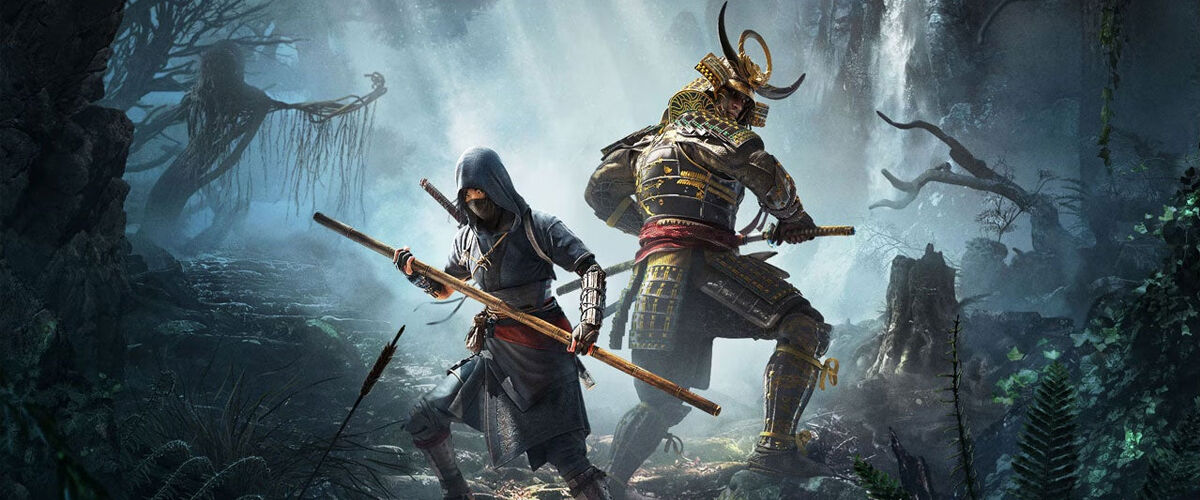
Even Amancio’s previous home, Ubisoft, is no stranger to such unfortunate trends, with the recent Assassin’s Creed games like 2020’s Valhalla or 2025’s Shadows often criticised for being overly bloated and prioritising quantity over quality. Let’s hope the supposed next entry in the franchise, the much-rumoured Assassin’s Creed IV: Black Flag remake, will serve as a reminder of the heights the franchise used to enjoy, and help drive the decision-making for subsequent entries to come.

Kevin is a reformed PC Master Race gamer with a penchant for franchise “duds” like Darksiders III and Dead Space 3. He has made it his life-long mission to play every single major game release – lest his wallet dies trying.

 Si Jia