
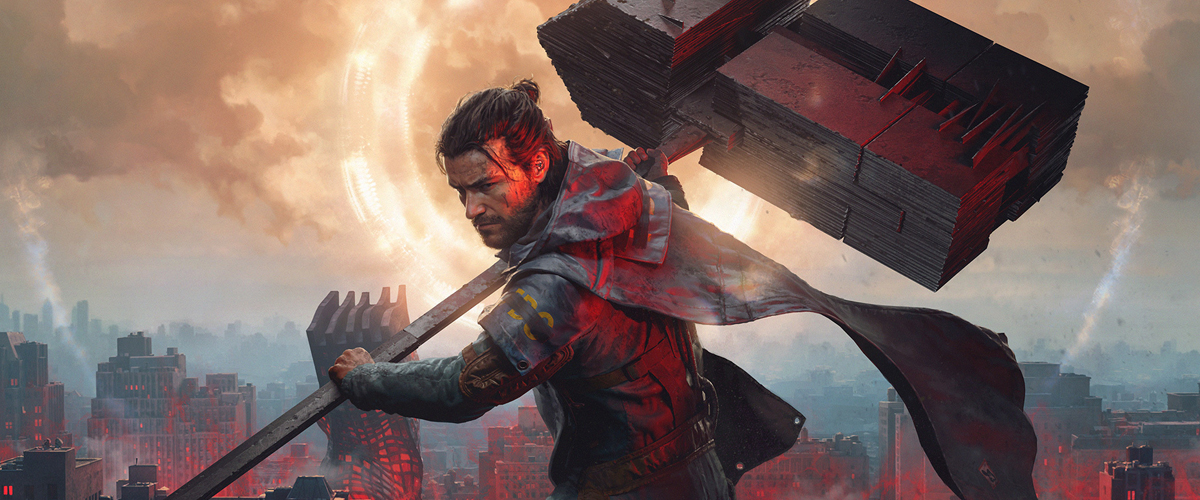
Much like the Oldest House and its constantly shifting corridors, Control Resonant has transformed Remedy Entertainment’s mind-bending action-adventure franchise, taking the third-person shooter action of the original 2019 game and morphing it into a melee-focused brawler instead, while also expanding its world beyond the confines of the FBC (Federal Bureau of Control) Headquarters and taking to the streets of Manhattan.
And while moving to the open-world format expands the sequel’s scale significantly, alongside increasing the stakes of its narrative, this structure is ultimately a detriment to the sequel’s overall experience, resulting in a game that does many things right, but just can’t live up to the heights of its predecessor.
SPOILERS AHEAD FOR CONTROL – 2019’s Control saw players taking on the role of Jesse Faden, who ventures into the mysterious headquarters of the FBC in search of her missing brother, Dylan, only to become trapped in the logic-defying building. Made the director of the FBC, she was tasked with the daunting mission of wiping out the Hiss, a hostile entity that has infected The Oldest House and everyone in it, transforming them into warped monstrosities.
Over the course of the game, players learn the truth behind Jesse and Dylan’s tragic past, with the pair discovering a slide projector in the landfill of their hometown of Ordinary that is actually an Object of Power with the ability to open portals to other dimensions when used with different slides. The FBC seizes control of the slide projector and captures Dylan, training him to become its next director after discovering that he has paranatural powers.
This training is cut short after a tragic mishap with the Slide Projector, where a gateway to the Hiss dimension was opened and caused it to leak into the world, slowly taking over everything and everyone it came into contact with. Sensing Dylan’s innate powers, the Hiss use him as a vessel to spread their influence, with Jesse eventually able to expel the Hiss from Dylan, placing him in a coma.
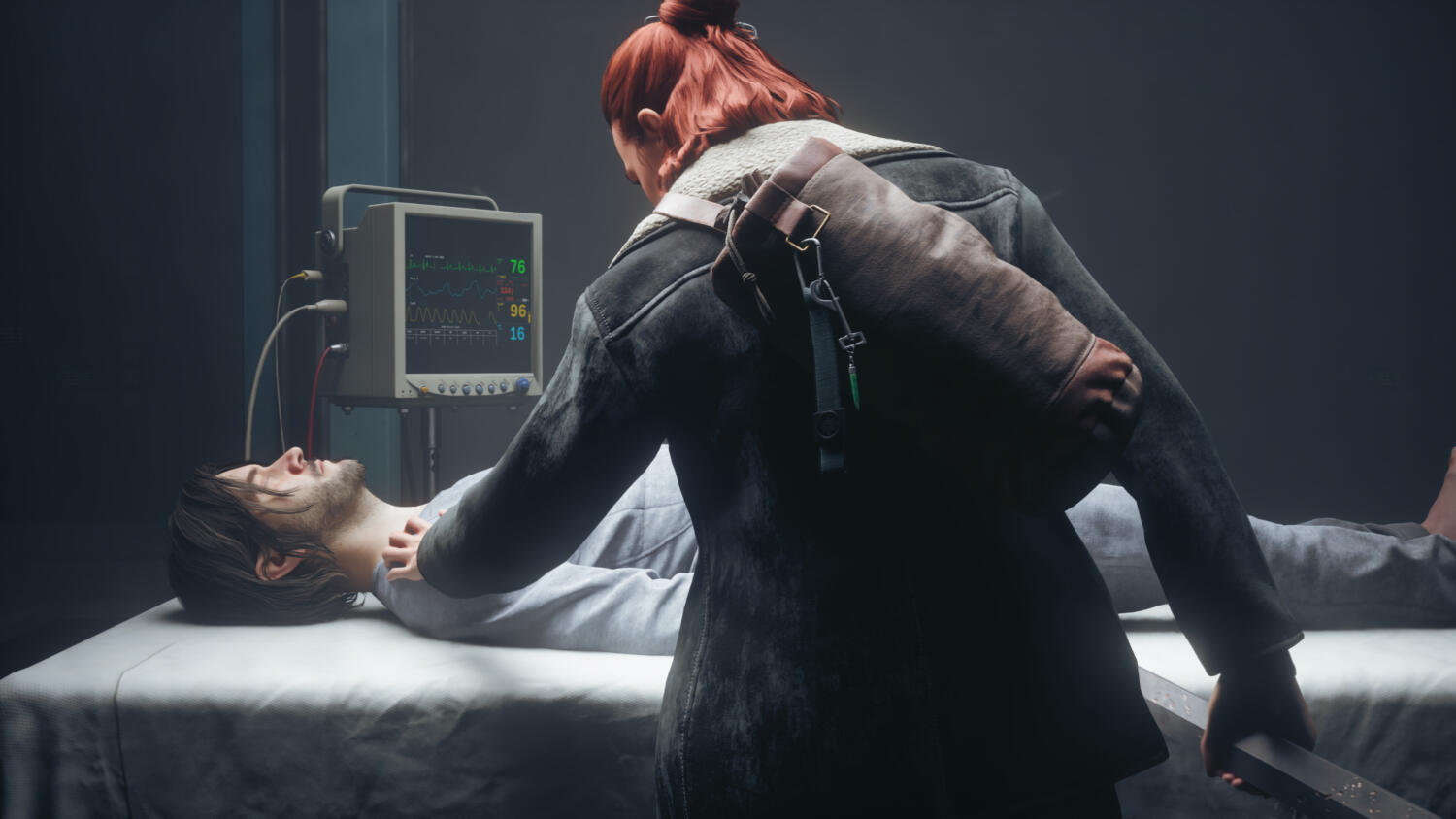
Set seven years after the events of the original, Control Resonant sees a hardened Jesse – who has spent the past seven years fighting off the remnants of the Hiss in the Oldest House – mysteriously go AWOL, but not before jamming the Aberrant, another Object of Power resembling a metal rod, into the chest of her comatose brother, inviting the all-powerful entity known as The Board into his mind.
Dylan awakens to an FBC in distress, as the Hiss has now broken free of the Oldest House and spread into the city of Manhattan. What’s more, the surviving FBC members are also facing a new threat, a phenomenon known as “The Patterning” that has contorted the city and cut it off from the rest of the world. This mysterious force is also capable of warping certain individuals into Resonants, powerful, distorted beings that are capable of destroying the Hiss.

Armed with his new powers courtesy of The Board and the Aberrant, Dylan teams up with the FBC and sets off on a mission to hunt the Resonants and potentially learn the secrets behind their Hiss-killing abilities, all while following traces of his sister, who he learns has entered the dimension between dimensions to stop an impending threat that’s far worse than the Hiss.
If all this sounds pretty convoluted, that’s because it is, and Control Resonant’s narrative is quite on-brand for the franchise and offers a very natural plot progression following the events of the first game. The story might offer more of those mind-bending paranatural occurrences fans of the franchise will expect, but perhaps the star of the show here is Dylan himself, who is the complete opposite of the Hiss-infected version seen before.
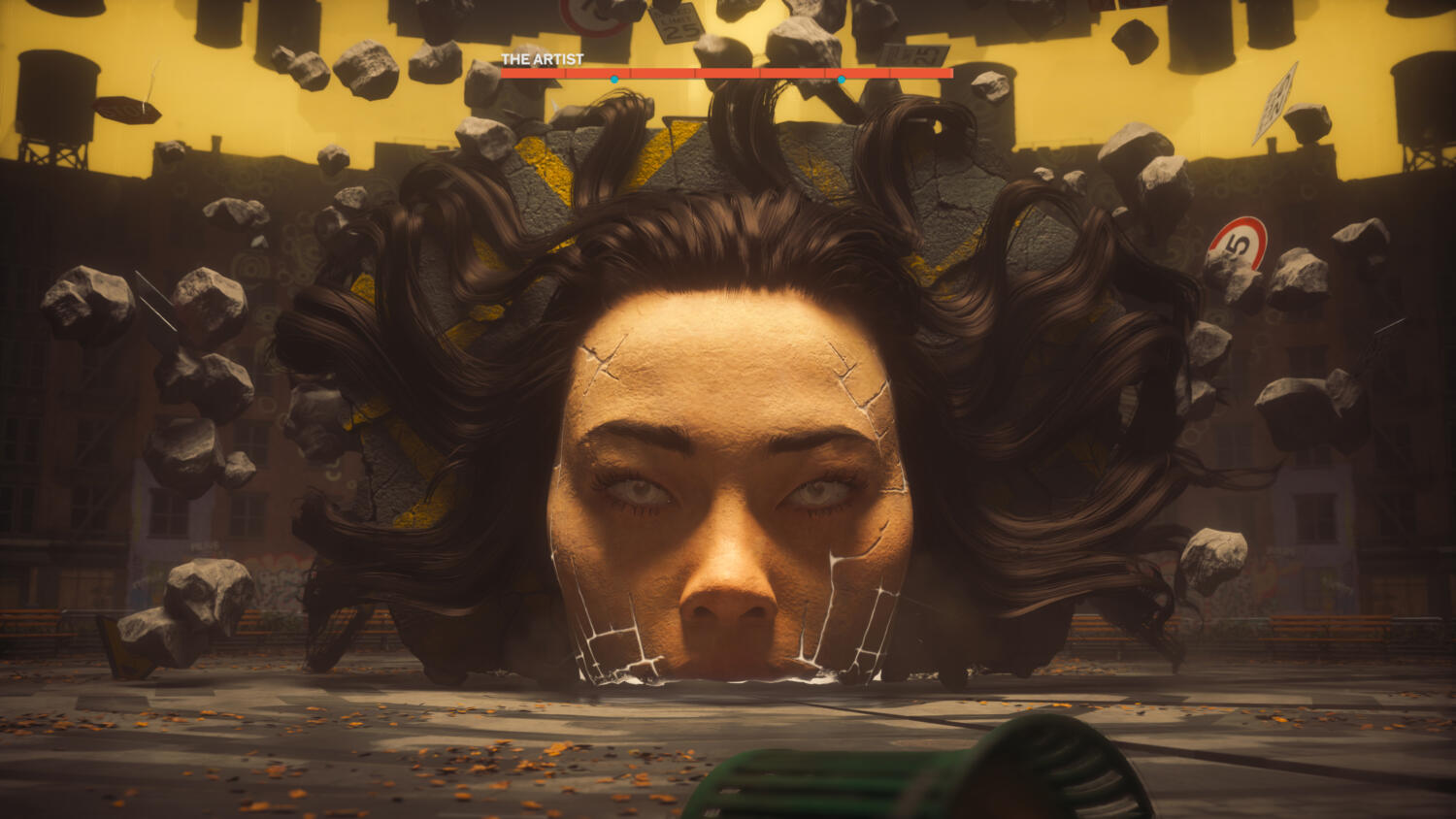
While Jesse is headstrong and goal-oriented, and will stop at nothing to fulfil her mission, her younger brother is a far gentler soul who just wants to help people. He fully understands and admits to the horrible things he had done in the past and is determined to set things right, resulting in an extremely likeable character with a satisfying redemption arc, and learning more about his tragic past and upbringing at the FBC only makes him easier to root for.
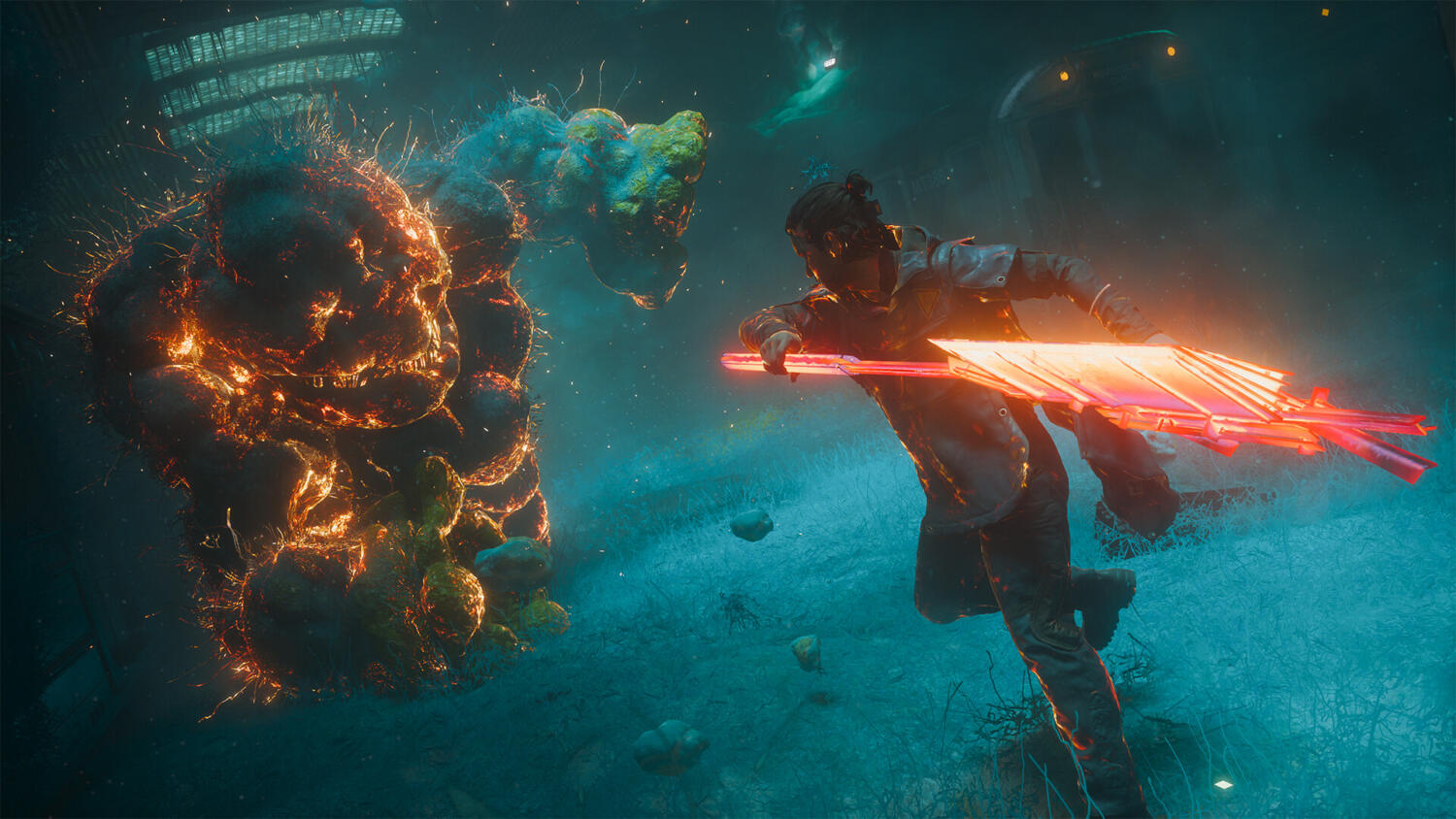
Dylan might be a kind soul, but that doesn’t mean he is a pushover, at least not any more. With the Aberrant in hand, players are able to choose between one of three primary melee weapon forms and one of three secondary forms, which function as a light and heavy attack, respectively, with each form having its own benefits and playstyle. The primary weapons, for example, consist of Cleave, an axe that excels in airborne combos; Glaive, a slower but wide-hitting scythe attack; or Strike, dual swords that hit fast with a focus on criticals, but with less damage per attack.

Weapons are also split into different damage types, with Blunt weapons better at breaking armour and dealing stagger damage, while Sharp ones are used to break shields. Each weapon also deals a certain amount of stagger damage, and once the stagger bar is filled up, it allows players to perform an instant execution move, even while at range.
Apart from six main weapons to choose from, players will also learn a handful of abilities as they defeat Resonants. These include familiar ones seen in Control, like grabbing and hurling pieces of the environment or forming a shield, to new ones like summoning minions or even harnessing the powers of the Mould. Much like the weapons, however, many of these abilities require a choice to be made, meaning choosing one will lock out the other one or two remaining choices.
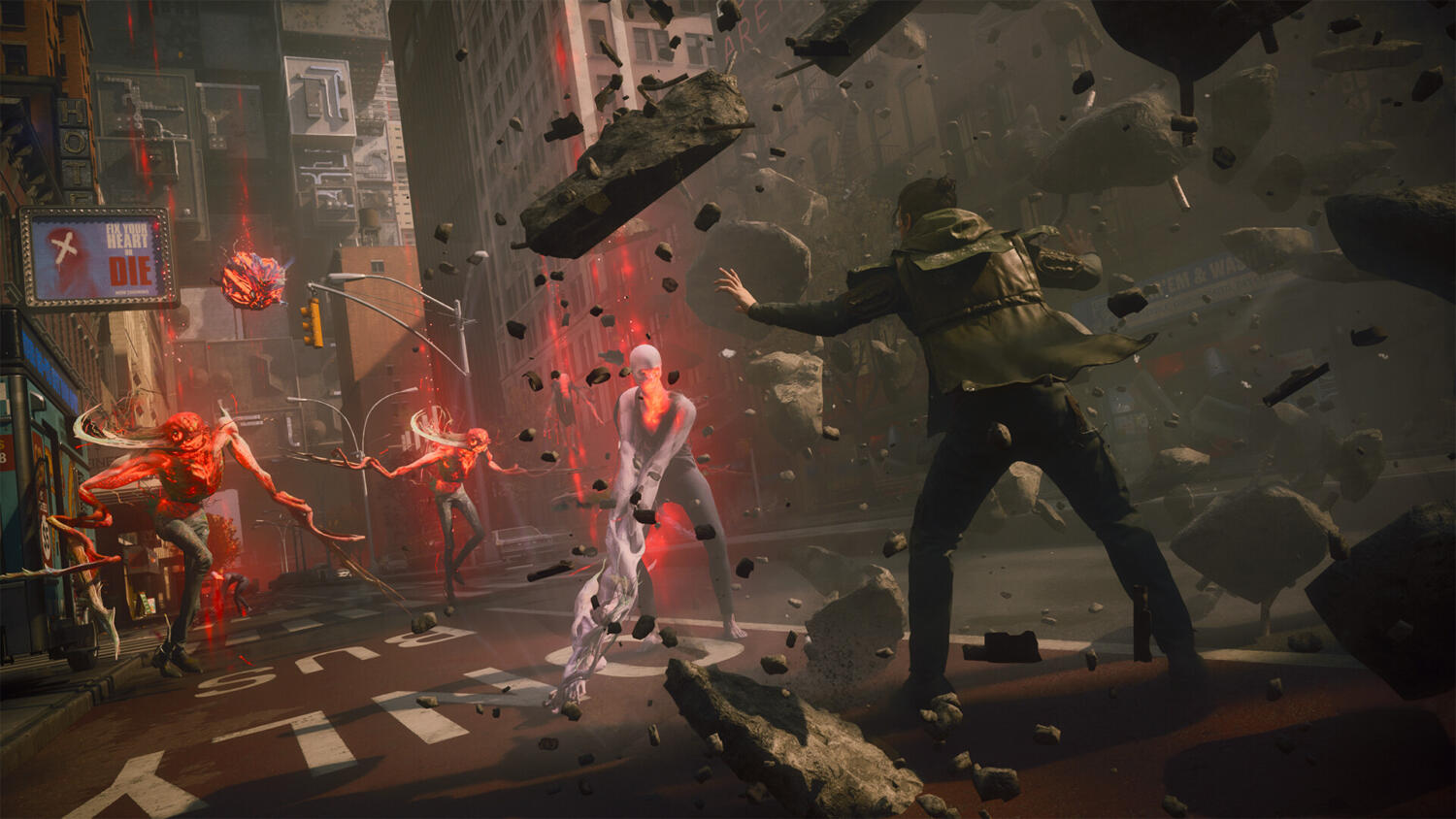
While the number of weapons and abilities on offer is much higher than that of its predecessor, Control Resonant unfortunately locks most of these behind a choice, instead of allowing players to switch freely between them. This means that players will quickly find their favourite combination of weapons and skills, as the game allows them to try out all the different choices before making a final decision, meaning that they are more likely to stick with the same primary and secondary weapon throughout the entirety of the campaign.
Of course, players can still reset their weapon and skill choices later down the line, but they must first find certain items via missions or out in the open world. Still, combat would have certainly benefited more by allowing players to swap between different weapon presets in real-time, offering more build complexity and flexibility instead of having them locked into one decision.

It isn’t just the weapons that have changed, but also how each encounter works at a fundamental level. Unlike Control, players won’t have to defeat every enemy they come across, as each combat encounter now consists of multiple waves of larger foes, mixed with smaller fodder enemies that will constantly spawn until the larger ones are defeated.
Much like the first game, Dylan doesn’t automatically regenerate health and needs to gain health from pickups dropped by defeated foes, and that’s where the fodder comes in, with the combat loop encouraging an aggressive playstyle where players try to take out the larger foes as fast as they can before being overwhelmed by the smaller ones, only backing off and targeting the fodder when they need to bring their health back up.
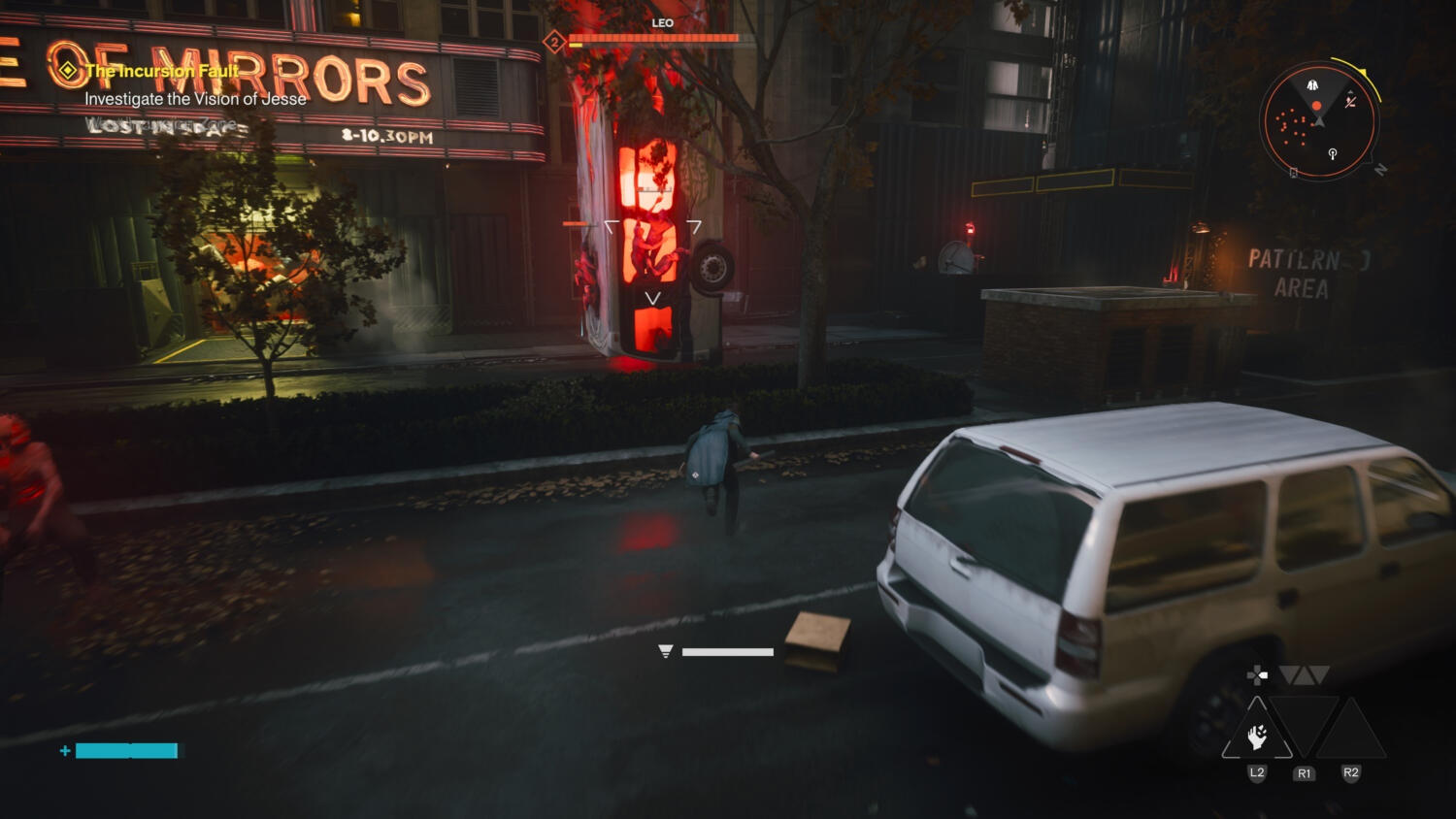
Control Resonant’s melee combat is unsurprisingly a far cry from Jesse’s Service Weapon in the first game, although the sequel still encourages offence over defence. Players will constantly zip between foes on both the ground and in the air, landing basic attacks to charge their abilities and firing off a well-timed skill to deal massive stagger damage and open foes for an execution. Still, while combat is thrilling most of the time, the overall sense of weapon progression just isn’t as satisfying as the one seen in Control.
In the first game, players are slowly fed new gun forms as they progress through the game, each time offering something for them to experiment with, but here, they are presented with all six weapon choices from the start, and once a player finds one they are comfortable with, this means that they will be using the same tools throughout the entire campaign, with progression only coming from a skill tree for each weapon that unlocks new moves or attack modifiers.
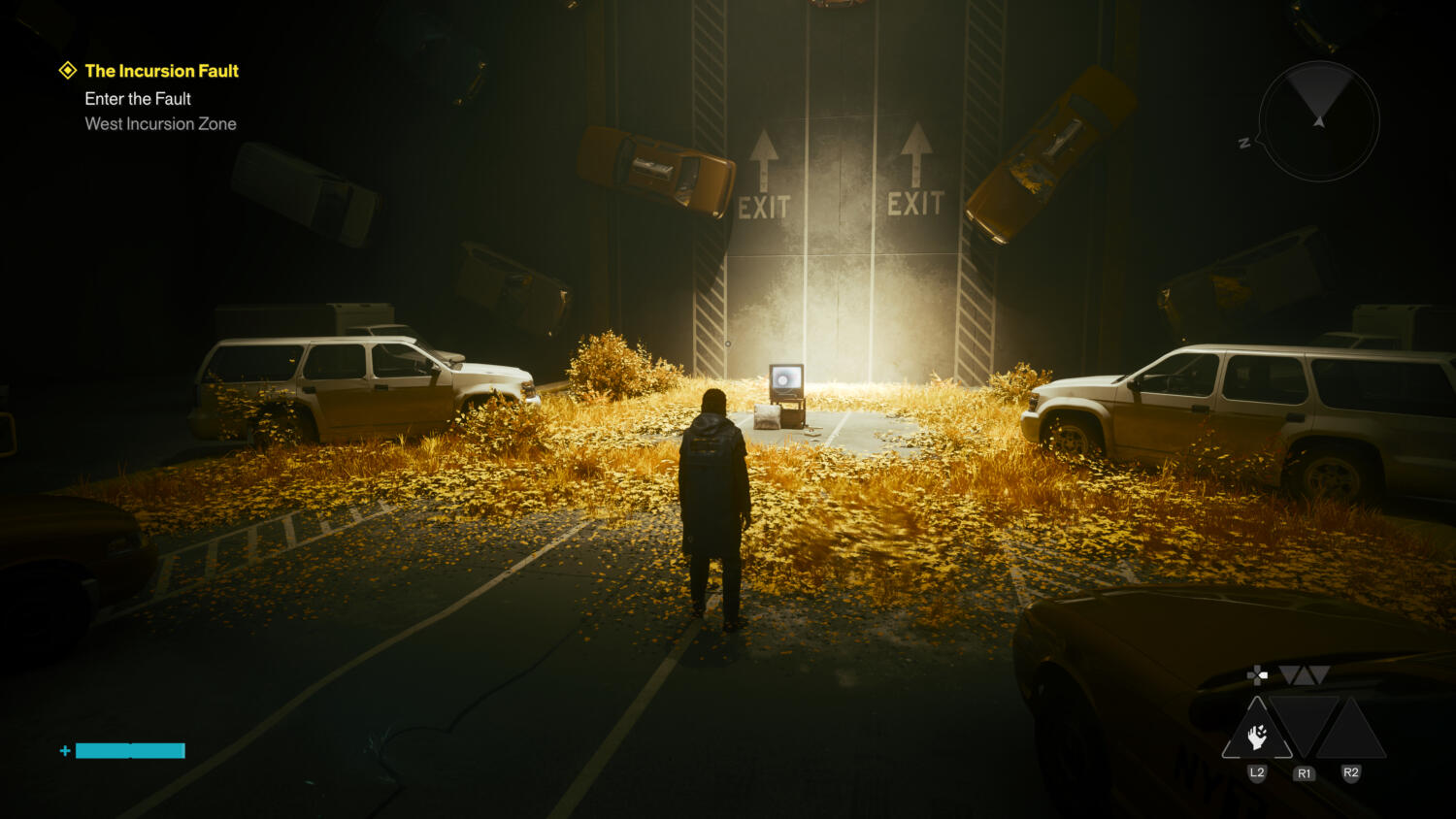
Along the same vein, Control Resonant’s shift to an open-world Manhattan also feels like a downgrade compared to the original. The Oldest House offered something new to discover at every corner, from Altered Items to Objects of Power, puzzles and new enemy archetypes, and while the sequel still features many of these elements, they are now spread out throughout Manhattan and turned from finely crafted encounters into repetitive open-world activities.
The game also unfortunately features the same issues as its predecessor, where encounters start to get tedious near the end of the game, with players being bombarded with tons of busywork, prolonged enemy encounters, and repeated boss fights. But due to its much more open map design, this feels much more like a chore in the sequel, with players often having to make frequent revisits to explored areas to complete side quests.
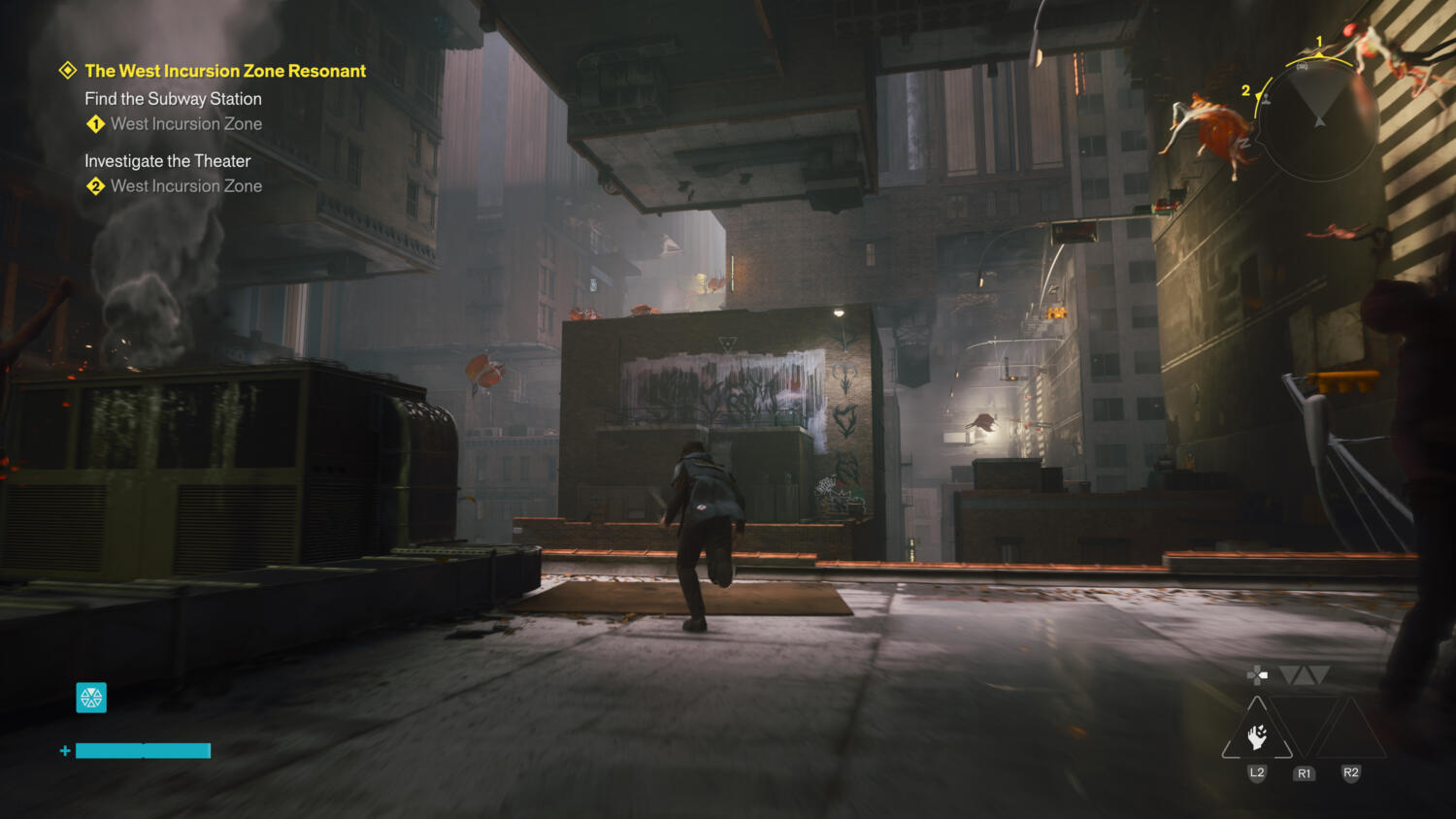
At least players will have no shortage of interesting locations to explore thanks to Control Resonant’s open world structure. Manhattan might be your average urban jungle, but The Patterning has warped the city and made it fold onto itself à la 2010’s Inception, meaning players will have to navigate the environment in a particularly interesting way, one where every wall could potentially be a floor. Unfortunately, this also means that the game isn’t suitable for those prone to motion sickness or sensory mismatch, as the title relies heavily on twisting a player’s sense of direction, so buyer beware.
As a sequel, Control Resonant does many things right. Its narrative is a satisfying extension of the original’s well-established plot, its main character Dylan is a far more likeable character than his older sister, and its new melee combat can be a rush at times. Unfortunately, the sequel is held back by its design choices, namely its lack of satisfying weapon progression and its shift to an open-world format. The Oldest House was undoubtedly one of the strongest aspects of the original, and by largely removing it from the equation, the spark that came with it is now lost, making Control Resonant a good sequel, just not a great one.
GEEK REVIEW SCORE
Summary
Control Resonant marks a risky genre shift for the franchise, one that comes with both improvements and downgrades, resulting in a sequel that, while enjoyable, isn’t able to reach the heights of its predecessor.
Overall
7.7/10-
Gameplay - 7.5/10
7.5/10
-
Story - 8/10
8/10
-
Presentation - 8/10
8/10
-
Value - 7.5/10
7.5/10
-
Geek Satisfaction - 7.5/10
7.5/10

Kevin is a reformed PC Master Race gamer with a penchant for franchise “duds” like Darksiders III and Dead Space 3. He has made it his life-long mission to play every single major game release – lest his wallet dies trying.

 Yong Le