
Six years can be a long time in game development, with the Souls-like and action game space welcoming a bigger crowd since. When Bandai Namco’s Code Vein introduced the world of Revenants in 2019, it defied conventional expectations in more ways than one – a riff on the traditional vampire myth, and the juxtaposition of a bleak, post-apocalyptic world with anime-infused storytelling and aesthetic.
That also left the action role-playing game (RPG) in a tricky spot, however, where it’s neither a niche title nor a must-play for genre enthusiasts. None of this cult appeal looks set to change with Code Vein II, but the surprise return may be all the better for it, as a three-hour preview held in Singapore gave the impression that the team knows and has built on the best parts of its identity: customisation and fast-paced, flashy action.
Contrary to what its numbered title may suggest, the upcoming romp is more of a reboot than a direct sequel. Instead, it’s being touted as the spiritual successor to the original, featuring a completely new story that takes place in a future where both humans and the Revenants coexist in a world on the brink of destruction. The sudden appearance of the Luna Rapacis now turns the vampire-like entities into mindless creatures called Horrors, rather than the Lost of before, with players taking on the role of a Revenant hunter on the quest to stop the world’s inevitable collapse by travelling to the past, accompanied by a girl called Lou, who possesses the power to manipulate time.
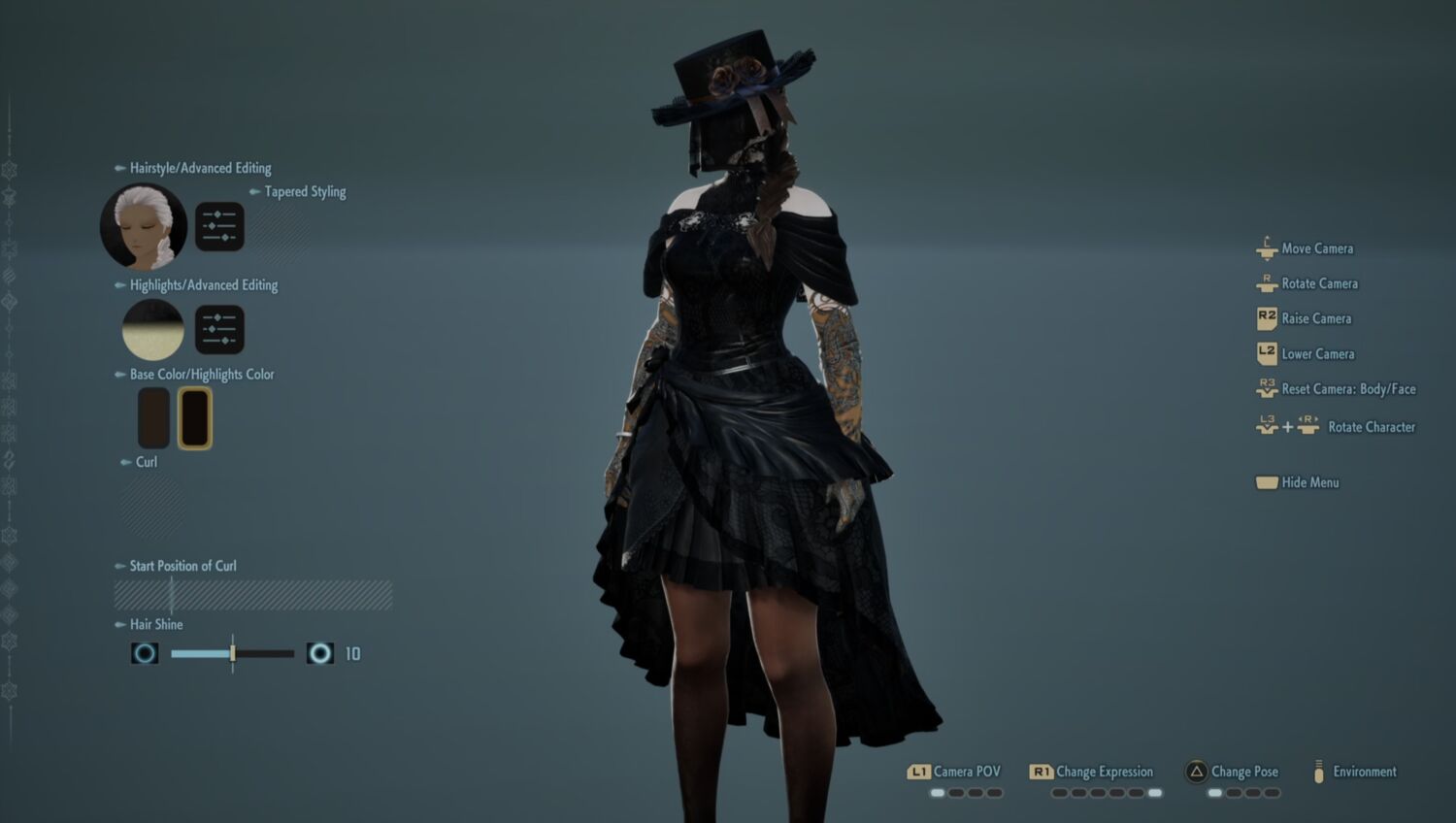
As with the previous outing, the protagonist is the sum of the player’s creative expression, and it shouldn’t come as a surprise that the already robust character creator has expanded further here. Preset designs and basic options such as height, hairstyle, and dress styles are available for those who want to waste little time, while others can find enjoyment in tinkering with the finer details, including different shades of the same colour, the placement, shape, and size of specific body parts, individual pieces of an outfit, and even the starting point of a hair curl or the amount of hair shine. No question about it – there’s more than enough fuel to go wild for hours on end.
The same freedom extends to combat, which retains familiar hallmarks that series veterans would recognise, and first-timers may find overwhelming. Weak Attack, Strong Attack, Charged Strong Attack, and Dodge make a return in Code Vein II, as do core mechanics like Blood Codes, the physical manifestation of the power held by an individual Revenant, the stamina bar, and the Buddy System.
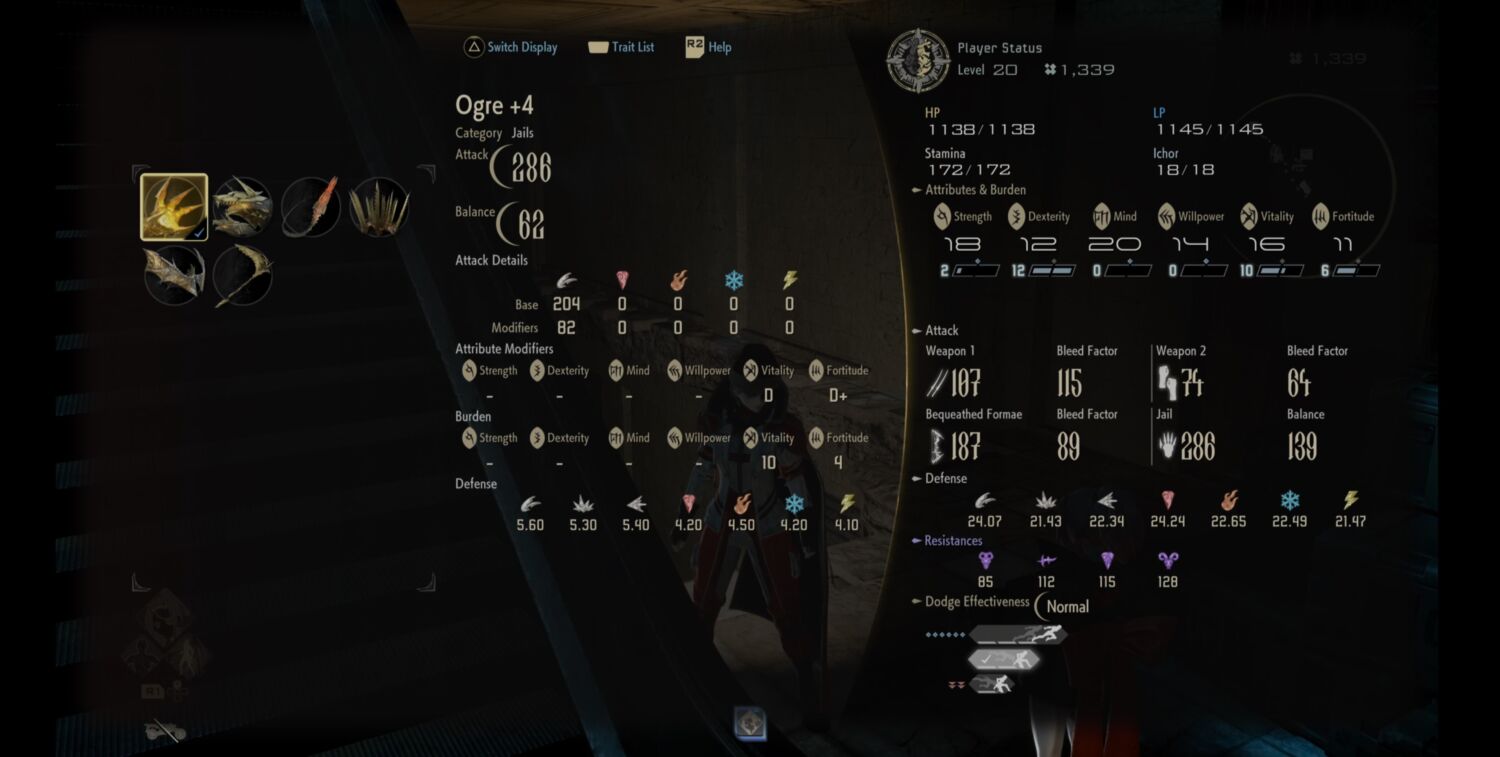
The blood-draining Blood Veil attacks are now repackaged as Jail equipment, increasing specific stats and improving drain actions when equipped. Naturally, each boasts its own look and moveset, with the Defense-boosting Ogre (yes, the one from the first game) allowing players to dash forward a short distance and drive the claw through an enemy.
Then, there’s Formae, special Revenant abilities that consume a resource called Ichor, categorised into three forms: Weapon Formae, Defense Formae, and Bequeathed Formae. The first can be equipped to a weapon and unlocks up to four abilities, complementing its defensive counterpart with access to one of three types – Guard, Counter, or Special Evasive Maneuver – at a time. Bequeathed Formae is the most formidable (or formae-dable) of the lot, summoning a special weapon to unleash devastating attacks at the cost of a longer cooldown.
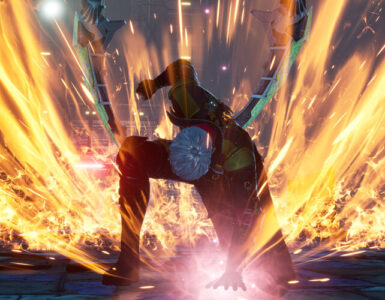
While it’s easy to be thrown off by the jargon, all of this boils down to the gameplay loop of stacking bleeds through chaining basic attacks, using Jails to harvest Ichor from opponents, and spending it on the various Formae or activating flashy finisher moves. The flow builds up a steady rhythm that translates well into combat, with different loadouts characterised by a distinct flair and feel – the Battle Axe: Idris’s Conceit Bequeathed Formae, for instance, generates a wide-area shock wave before congealing into a temporal force field, which slows enemies down.
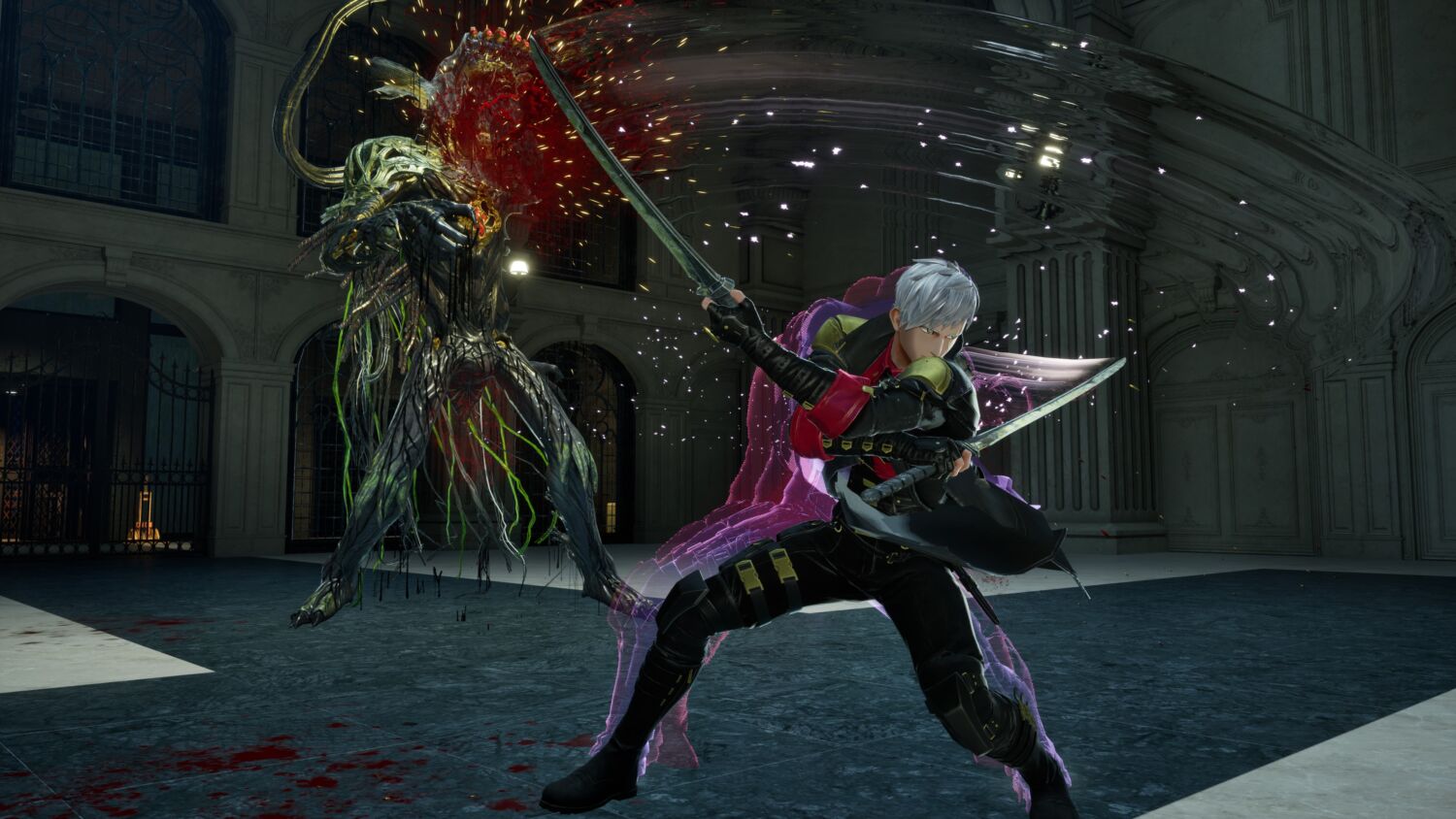
Together, the mechanics work to incentivise experimentation. Fleet-footed players may opt for the Umbral Shift Defensive Formae to enable quick stepping in a desired direction, whereas Mutinous Bracer unlocks the ability to parry enemy attacks, making it ideal for purists and Souls-like veterans. Bleeding Shield (Light) plays it safer by guarding against strikes and nullifying physical damage at the expense of stamina consumption, which a perfect block can reduce. Throw customisable Forma Sets for each weapon type, such as a jump-and-slam and spinning blade combination for the newly-introduced Rune Blades, and Boosters that increase stats and activate various supplemental effects into the mix, and that’s another point to versatility.
Inheriting its predecessor’s reputation of an anime-flavoured Souls-like, Code Vein II promises a challenge. Tough-as-nails bosses are a given, but don’t underestimate the common enemies, as they can suddenly appear out of the shadows to land a backstab, hit harder and more than expected, or attack from a distance while players are taking on the others. During the preview, foes with a longer reach and wider striking range, as well as self-detonating abilities, were often the cause of death, which, like before, sends players back to the nearest Mistle, where they can rest, level up, customise their weapon, change partner, and more.
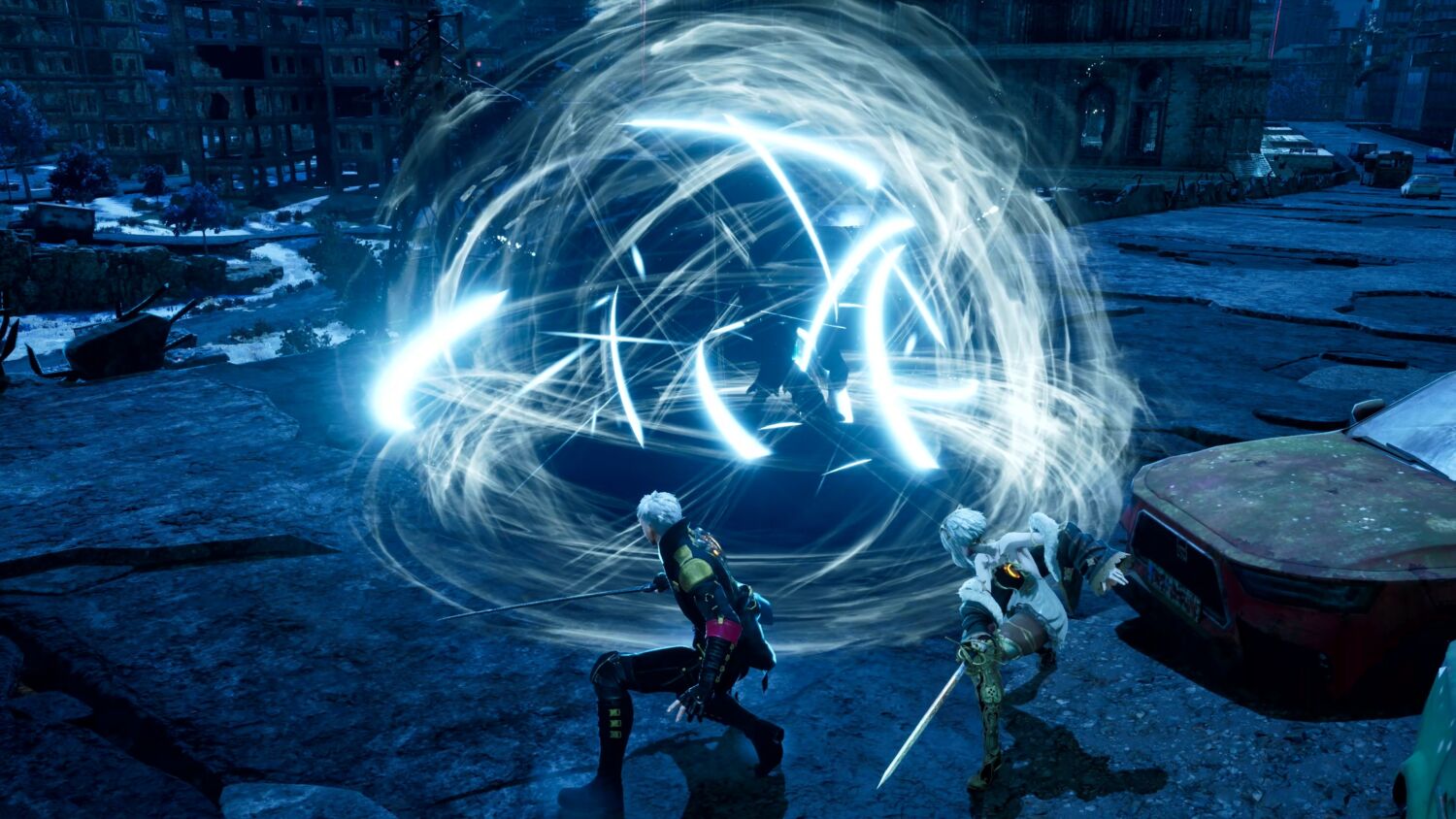
Here’s the good news – there’s now a revival feature of sorts. Building on its existing Buddy System, the sequel introduces Restorative Offering, which partially restores health when HP drops to zero and temporarily leaves the partner incapacitated when activated, and Assimilation, where the protagonist becomes one with their partner to gain stat boosts and powerful new abilities. In a previous interview, producer Keita Iizuka confirmed that the Buddy System is optional and can be turned off, but warned that a solo undertaking “will be very difficult.”
The choice to remove a companion from the battlefield is a smart one, considering that the unintuitive, finicky AI assistance was one of the gripes in the first game. Here, they seem to be less suicidal, if still a bit inconsistent, hanging back at times and going full-on aggressive in others (such as during boss encounters), ultimately proving useful overall. Each Revenant partner comes equipped with their own strengths, passive bonuses, and special effects called Link Traits, including Josée Anjou, ruler of the Sunken City.
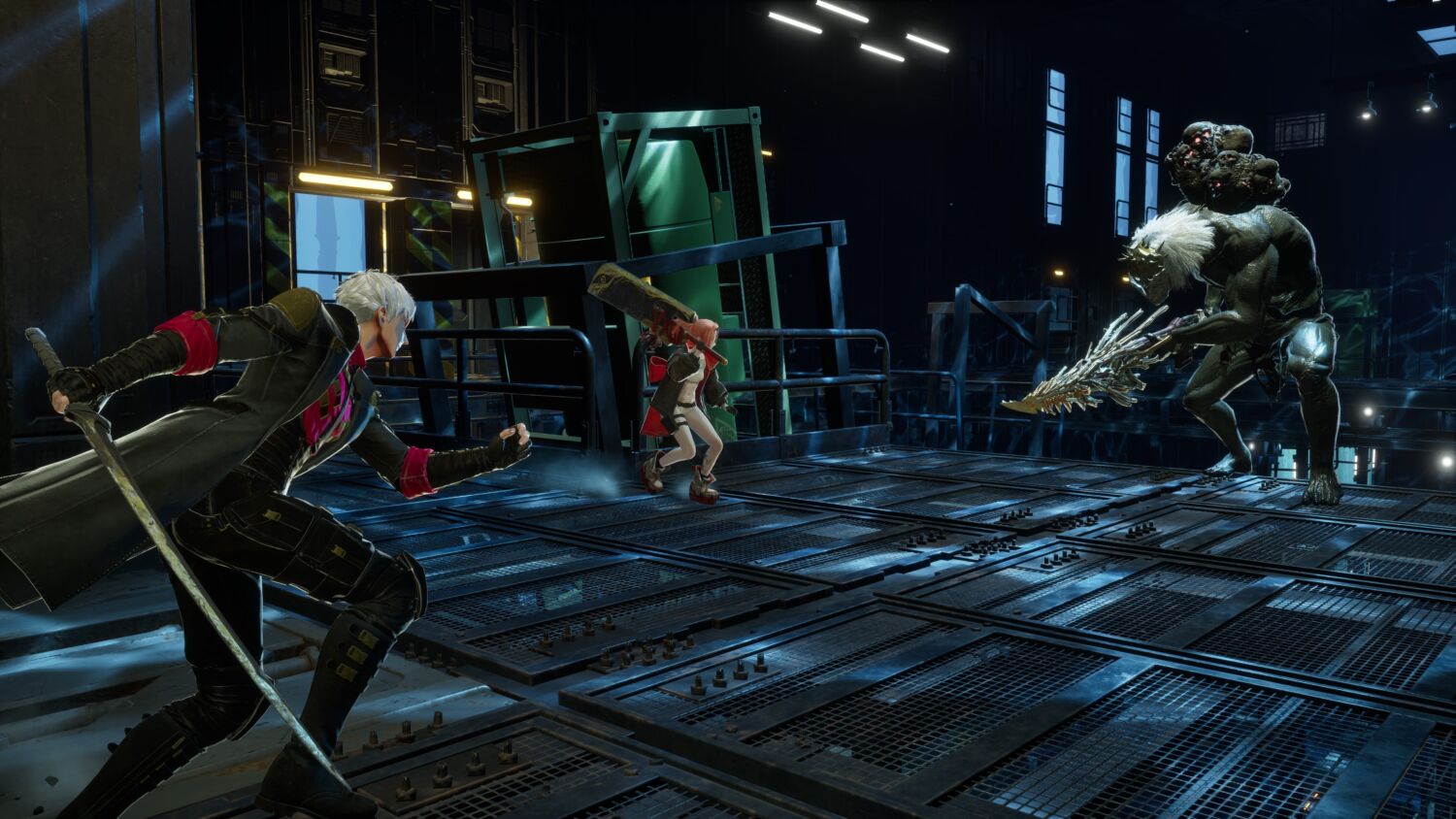
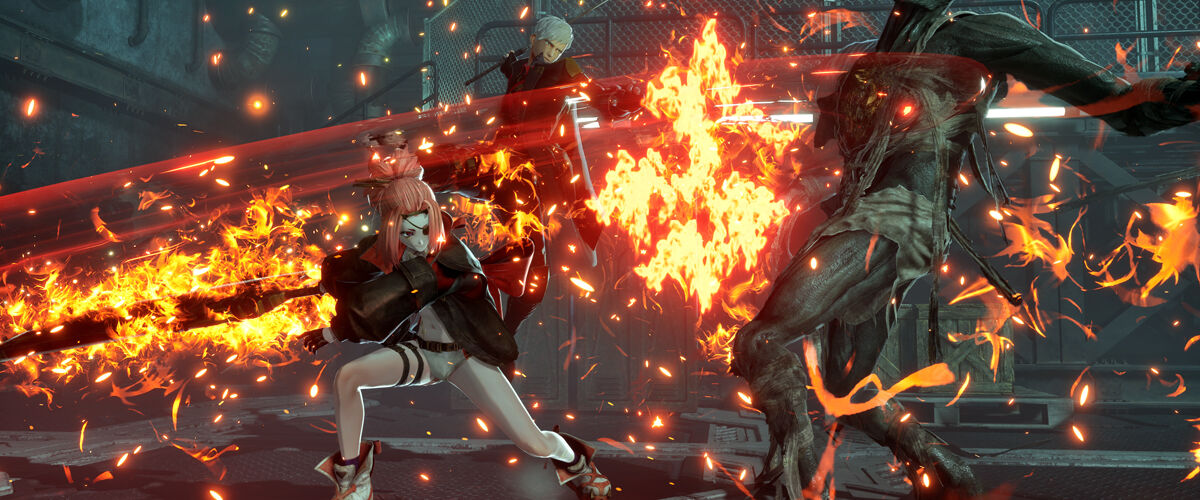
Wielding a two-handed sword, the pink-haired companion trades speed for hard-hitting power capable of staggering enemies, and can imbue her weapon with flames for both close-up and mid-range attacks. Switching between Assimilation and the standard Summoning modes was also a smooth affair, and it won’t be the only back-and-forth process she’s subjected to in Code Vein II – the preview unravels Josée’s lore across the past and present timelines, which is perhaps the most intriguing element of the standalone sequel.
While there’s still much secrecy surrounding the element of time travel, director Hiroshi Yoshimura shared in a separate interview that it will involve characters from the past called Heroes and their bond with the protagonist. A small fragment of this emotional storytelling was glimpsed through Josée’s backstory, spanning a guilt-wracked past to an inevitable outcome that delivered more emotional weight than expected.
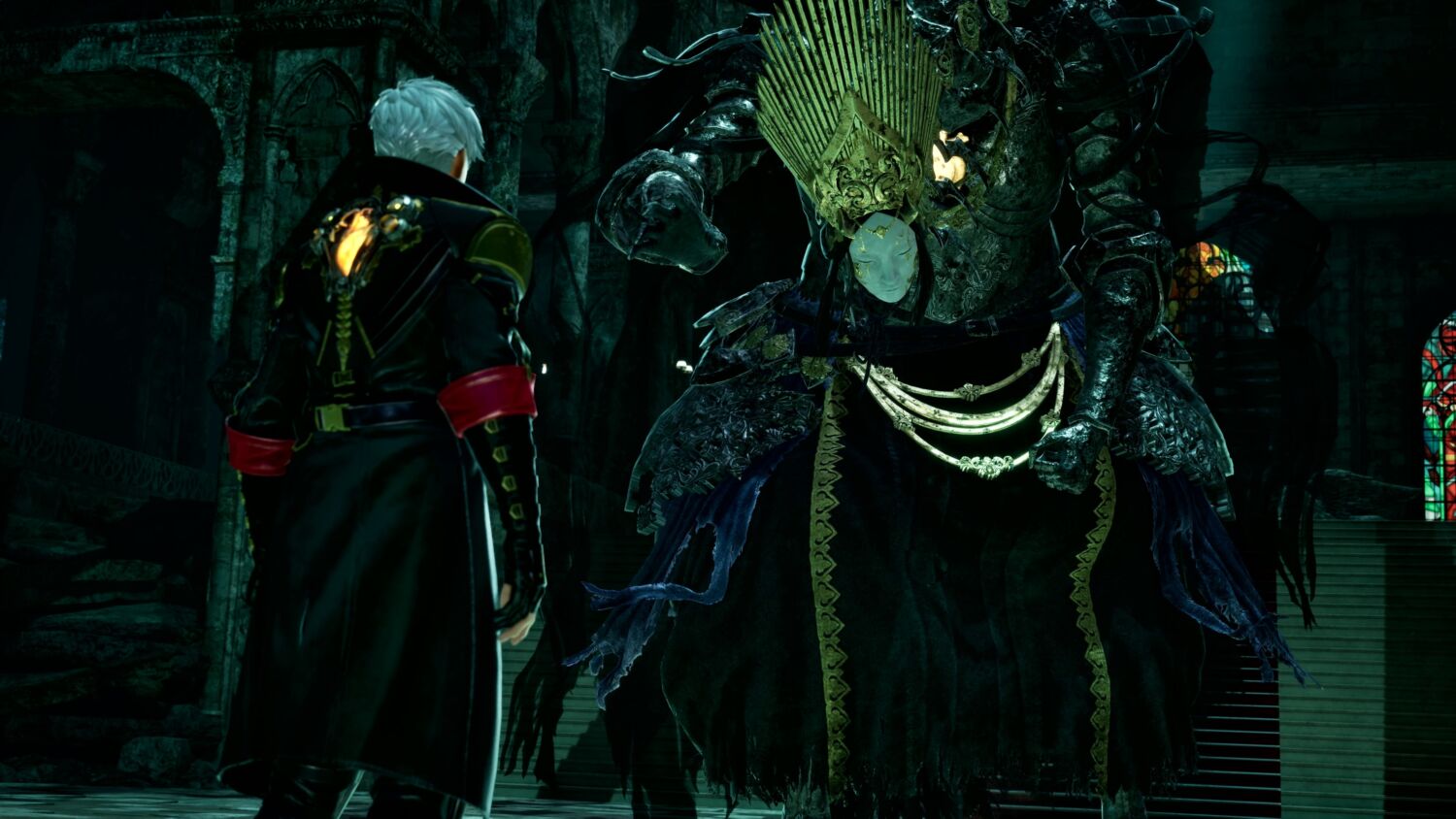
There wasn’t any opportunity to indulge in exploration, but it’s been established that players can traverse the overworld on a motorcycle. Outside, the distinctive environmental design makes it easy to distinguish between the two timelines – the glowing red sky bleeds bleakness atop a swathe of destroyed, tattered buildings, with the past showing more signs of life.
Dungeons are a lot less intuitive to navigate, as branching pathways and surrounding elements often look too similar, and the dimly-lit conditions certainly don’t help matters. It’s a familiar stab at evoking a sense of organic exploration, exacerbated by the scarce Mistles scattered along the way, and the level design can be confusing at times – even if the Traces system seeks to offer some directional aid by highlighting the player’s footsteps, similar to the functionality of the Chemical Lights in the first outing.
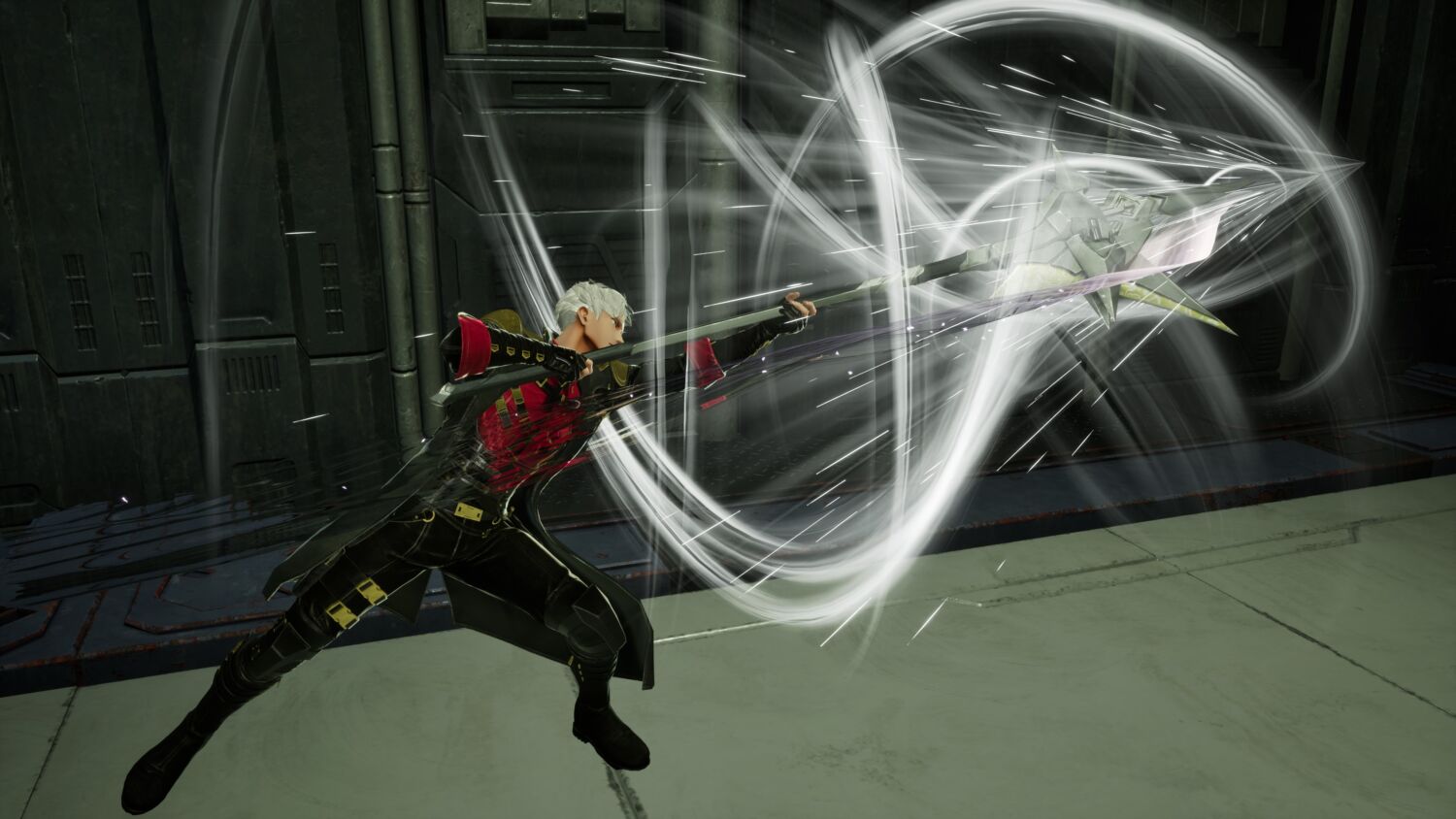
Despite the complete departure from established worldbuilding, Code Vein II hasn’t lost its touch in customisation and action-focused combat, featuring deeper, well-oiled mechanics and welcome flexibility that should appeal to returning fans. Nailing the other aspects, including the ambitious time-travel narrative, won’t be easy, but who knows, in the process of shooting for the moon, the sequel may find a second heart of its own.
Code Vein II releases on 29 January for the PS5 and Xbox X|S, and 30 January for PC.

Si Jia is a casual geek at heart – or as casual as someone with Sephiroth’s theme on her Spotify playlist can get. A fan of movies, games, and Japanese culture, Si Jia’s greatest weakness is the Steam Summer Sale. Or any Steam sale, really.

 Kevin Low