
This interview has been edited for clarity.
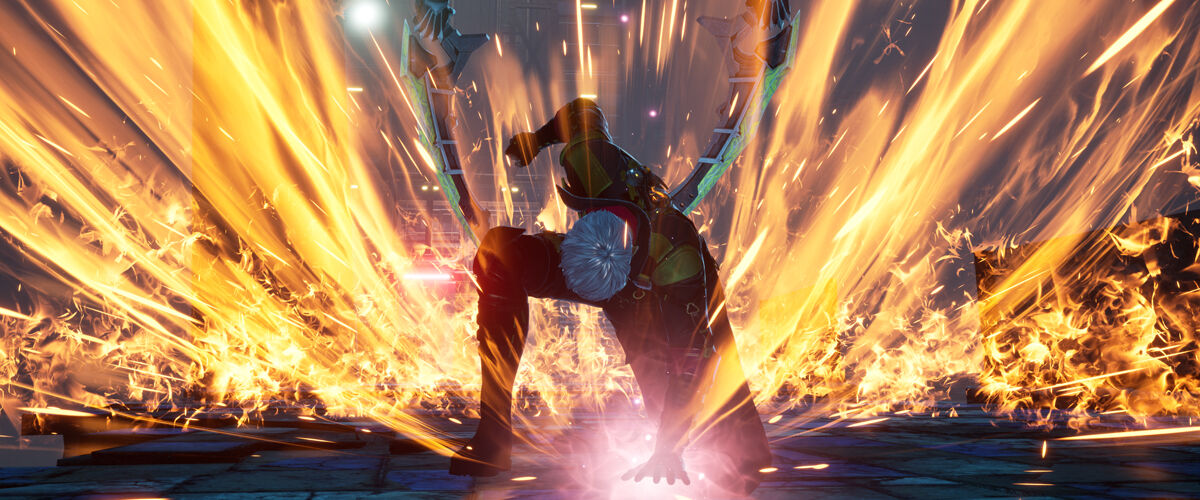
The vampire myth has been told time and again, but there’s a magnetism to its thematic exploration that allows for enduring appeal. From the earliest Gothic works to modern pop culture, these nightwalkers have been subjected to various transformations and reinterpretations, and keeping the mythical bloodsuckers alive in video games is Bandai Namco’s Code Vein.
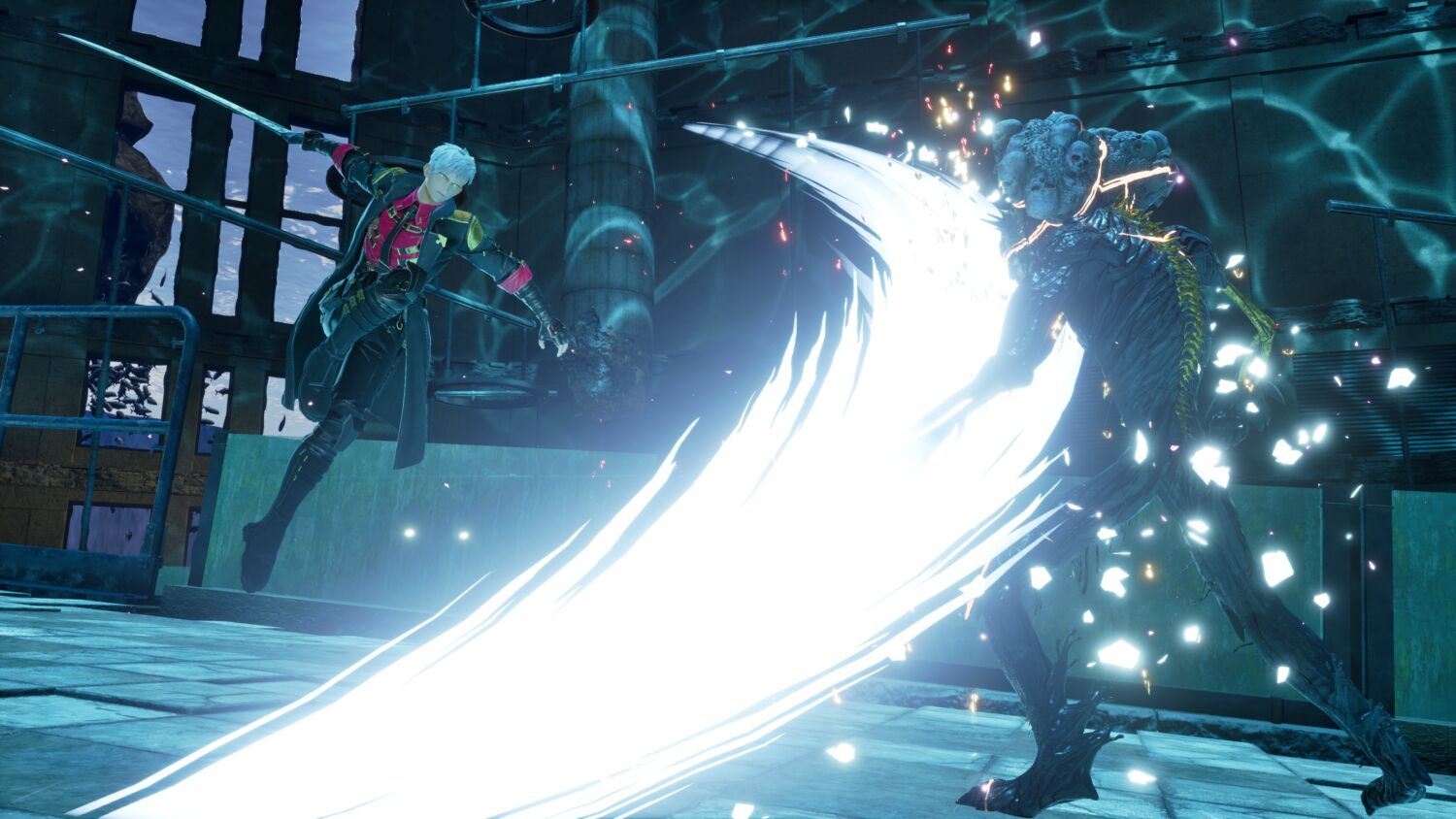
The 2019 action role-playing game (RPG) played into familiar leanings with the introduction of Revenants, undead humans with vampiric abilities and strength who require human blood to avoid entering a frenzied state that mutates them into the Lost. There’s a twist, however – instead of traditional methods such as decapitation or fire, they only die when their heart is destroyed.
Making a surprise return after seven years is Code Vein II, where the Lost no longer exist. Due to the sudden appearance of the Luna Rapacis, Revenants are now transformed into mindless creatures called Horrors, setting the stage for a new story to take place in a future where both humans and the immortal beings coexist in a world on the brink of destruction.
This phenomenon, as director Hiroshi Yoshimura shares in an exclusive interview with select Southeast Asian media, is an expression of the threat that the current timeline faces in the sequel. This time, the standalone sequel incorporates time travel into the core part of the narrative, with players stepping into the role of a Revenant Hunter on a quest to stop the world’s inevitable collapse by travelling to the past, alongside a girl called Lou, who possesses the power to manipulate time.
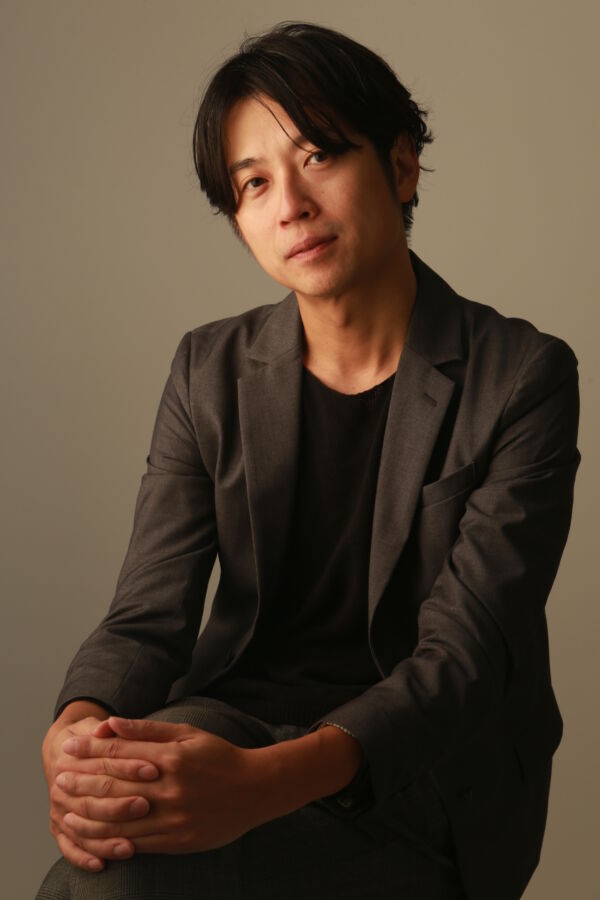
“The moon is a significant object for the Revenant, and [here], it shows that the world is going to be destroyed, and the rampant feelings highlight that both humans and Revenants are also facing death,” he explains.
Feelings are, in fact, central to the Code Vein II experience. As players progress through the story, they will encounter a roster of new faces, including the former human-turned Revenant Noah G. MagMell, Josée Anjou, ruler of the Sunken City, and Valentin Voda, descendant of one of the most formidable Revenant bloodlines, each with their own story to tell and unravelled through animated cutscenes.
There’s a second element involved in fleshing out the player’s dynamics with them – the Buddy System. Building on its debut in the first game, the optional feature invites one of these characters as an AI-controlled companion in combat, who can now become one with the protagonist (literally) through Assimilation, granting stat enhancement, and can be swapped out for another at a checkpoint.
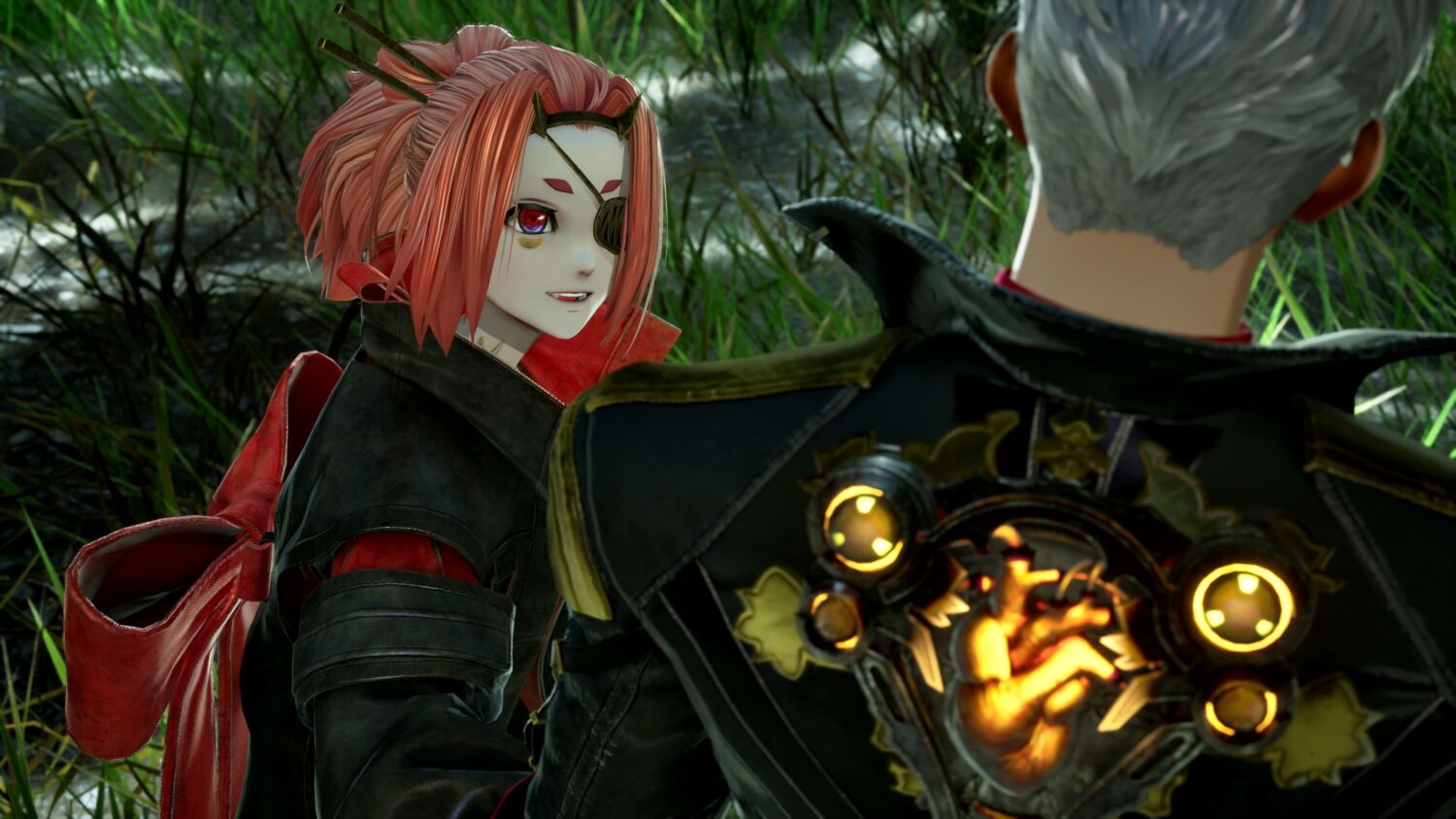
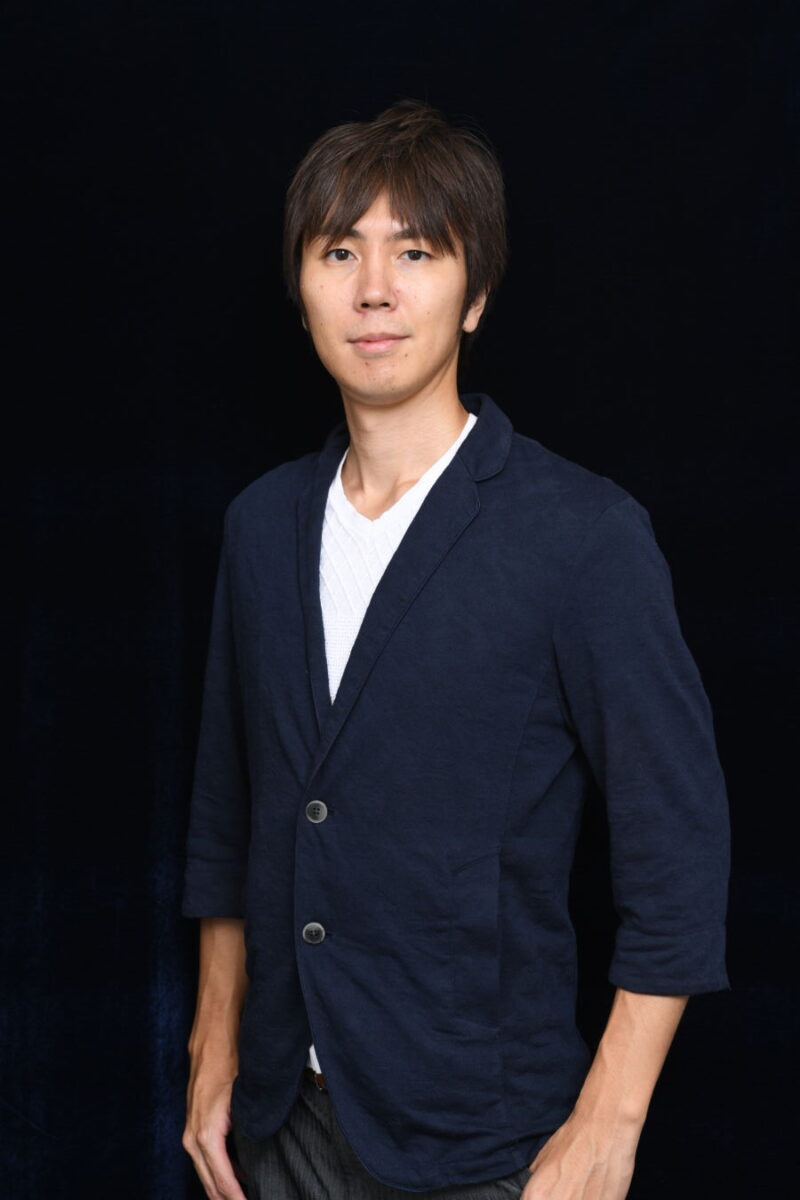
“As this buddy also has their own past and character, players may feel empathy for them, and this emotional attachment can be the motivation to play,” shares producer Keita Iizuka, adding that the gameplay loop of fighting difficult enemies and possibly dying with only one helping hand, and not a group of companions, can make it “quite stressful [to] build a certain connection with your partner, but that’s a very unique point of the campaign.”
Yoshimura tacks on, “This is a very complicated scenario where the characters have their own thinking and value systems, and that’s what we value. In this game, there are characters from the past called Heroes, and I would like players to feel from the way they act, and be affected by how they are or what kind of beliefs they have.”
A glimpse of this emotional storytelling was gleaned from a separate hands-on preview, which chronicles the narrative arc of Josée, voiced by Miyuki Sawashiro (Raiden Shogun/Raiden Ei in Genshin Impact) in the Japanese dub, across the two different timelines. Between learning about her guilt-wracked past and the inevitability of its outcome, a tug at the heartstrings won’t come as a surprise.
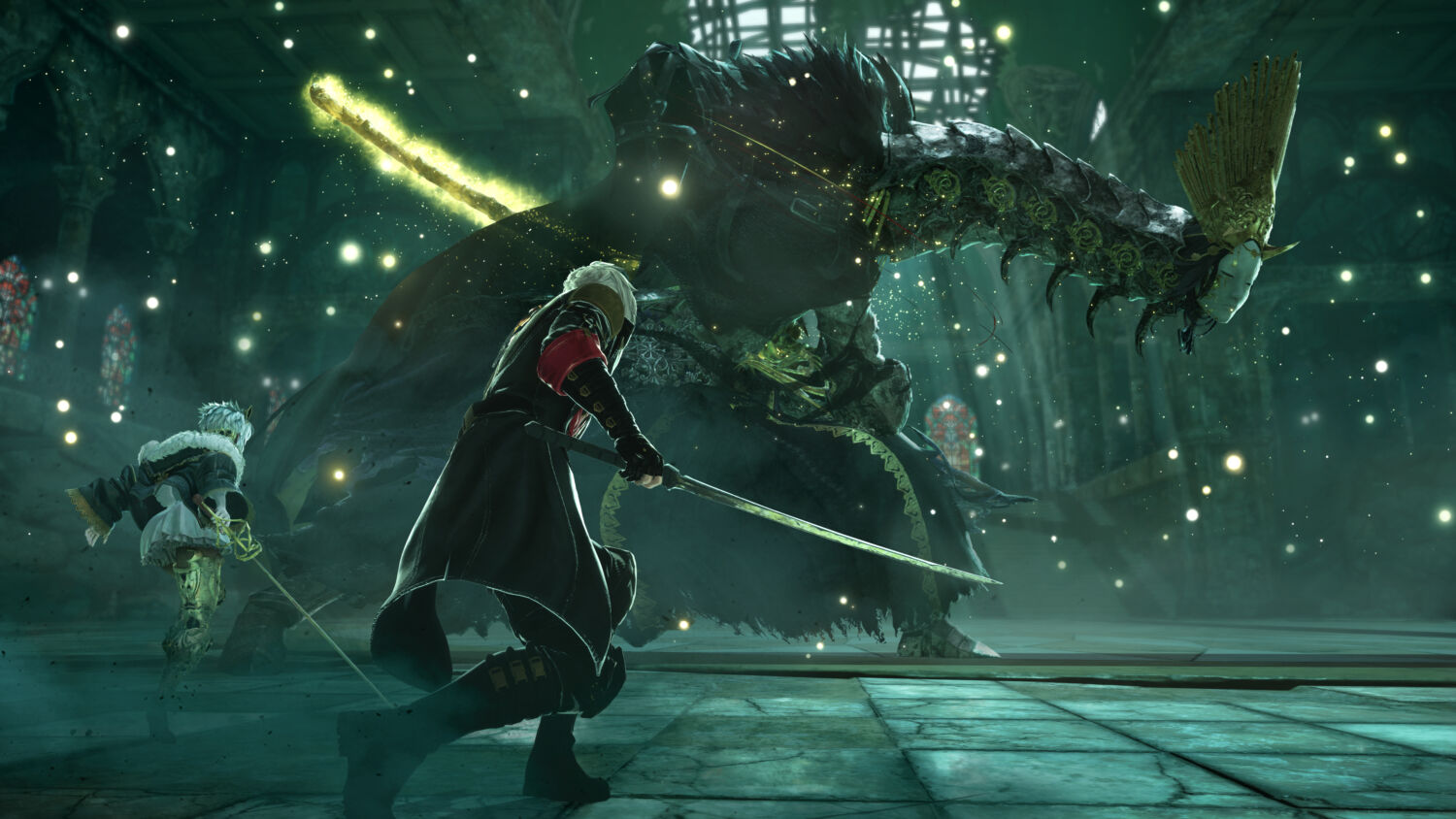
The question, then, is why introduce a fresh cast when Code Vein II can tap into existing characterisations that returning fans would already resonate with? As Yoshimura expresses, there were no plans to incorporate the characters or events from the first title, because the sequel offers them the opportunity to change the past without altering “the individual experience that players had with the previous story and characters.”
In exchange, something else needed to be tweaked. To reconcile the difference in thematic exploration, the team transformed the original creative approach into a poetic marriage of two inverse ideals: time and the timeless, or immortality.
“In the first game, we created a world where there is no death, because of the Revenants and post-apocalyptic setting,” explains the director. “Here, time travel is the crucial component, so we renewed the Revenant designs based on the theme of time.”
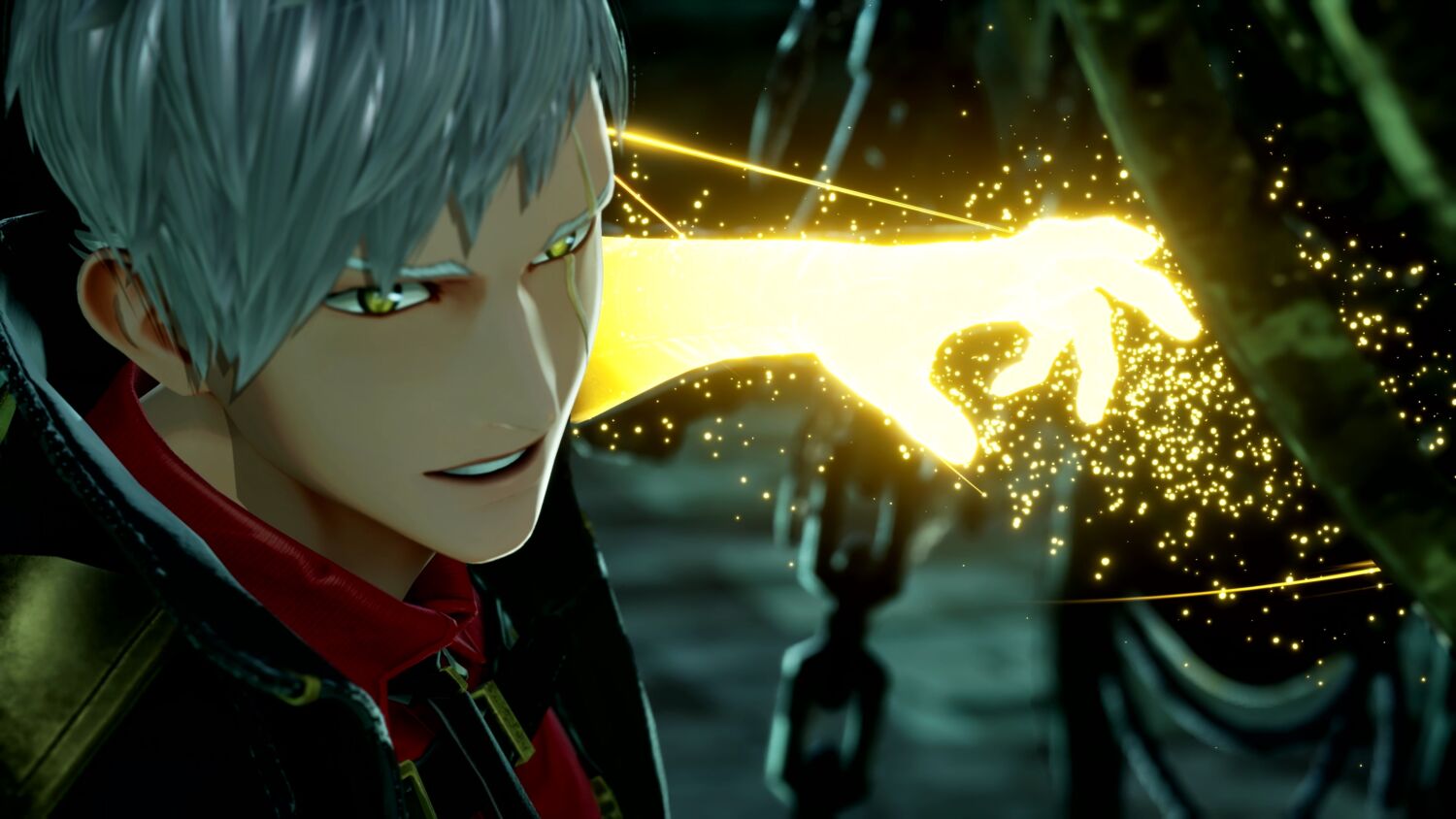
Highlighting the role of this new, “very attractive” world in developing the unique capabilities and technology of the Revenants, he continues, “What signifies their power or technique is a gold-coloured heart, the symbol of Code Vein II, and the protagonist receives the top of this part in the game.”
The effects of time aren’t just confined to fiction, however. Closer to the real world, the action RPG space has grown so much during the sequel’s six years in development that fan expectations are way higher, with elements such as animation quality and the freedom of decision-making setting the new standard – not counting the game’s emphasis on weapons and character dramatisation.
In terms of choice, Iizuka clarifies that players have to follow the main questline as it dictates, but they can choose how to approach some of the missions. Citing one of the character stories, the producer illustrates the workings of player agency at a certain point: to go back in time to alter the past, or continue with the story and move on to the next character.
Choosing the former option will affect the events of the present timeline, resulting in a longer playtime than the 30 to 40 hours it takes to finish the main story, and isn’t that the whole point of diving back into the world of Code Vein? While the lore and action gameplay may keep the heart beating, it’s the characters that serve as its lifeblood, fortified from the outing prior.
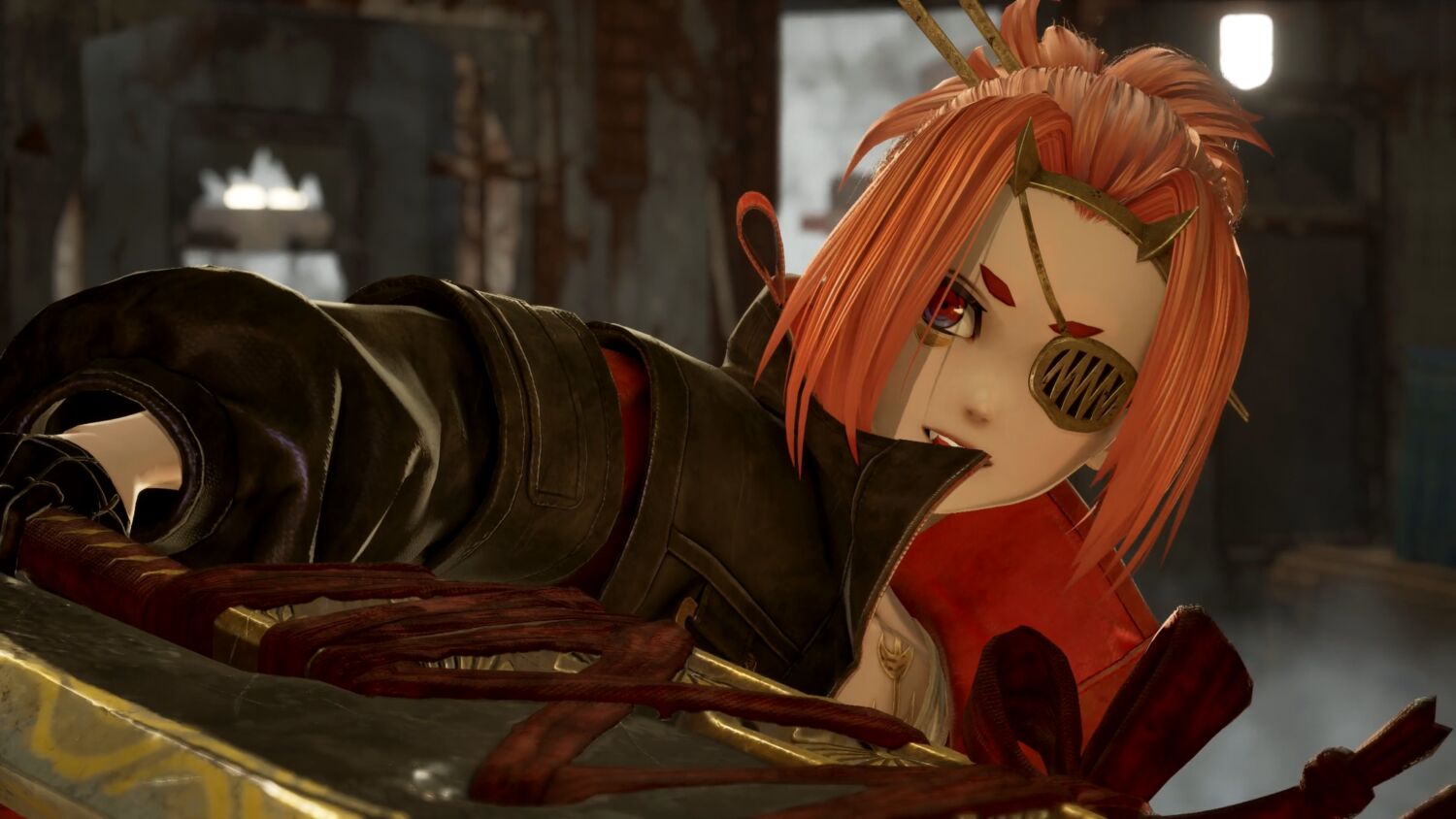
As Yoshimura puts it, “The access we have from the previous game allows us to describe and deepen the way of life of these characters and what they believe in.”
Code Vein II releases on 29 January for the PS5 and Xbox X|S, and 30 January for PC.

Si Jia is a casual geek at heart – or as casual as someone with Sephiroth’s theme on her Spotify playlist can get. A fan of movies, games, and Japanese culture, Si Jia’s greatest weakness is the Steam Summer Sale. Or any Steam sale, really.


 Kevin Low