This interview has been edited for clarity.
The history of entertainment has spawned enduring, iconic pairings across various genres, including Batman and Robin, Woody and Buzz Lightyear, Han Solo and Chewbacca, Mario and Luigi, Link and Zelda – you name it. Among the list, however, emerges a more specific kind of dynamic duo that’s no stranger to the video game world: the surrogate parent-child dynamic, as seen with Joel and Ellie in The Last of Us, Kratos and Atreus in God of War, and Lee and Clementine in Telltale Games’ The Walking Dead.
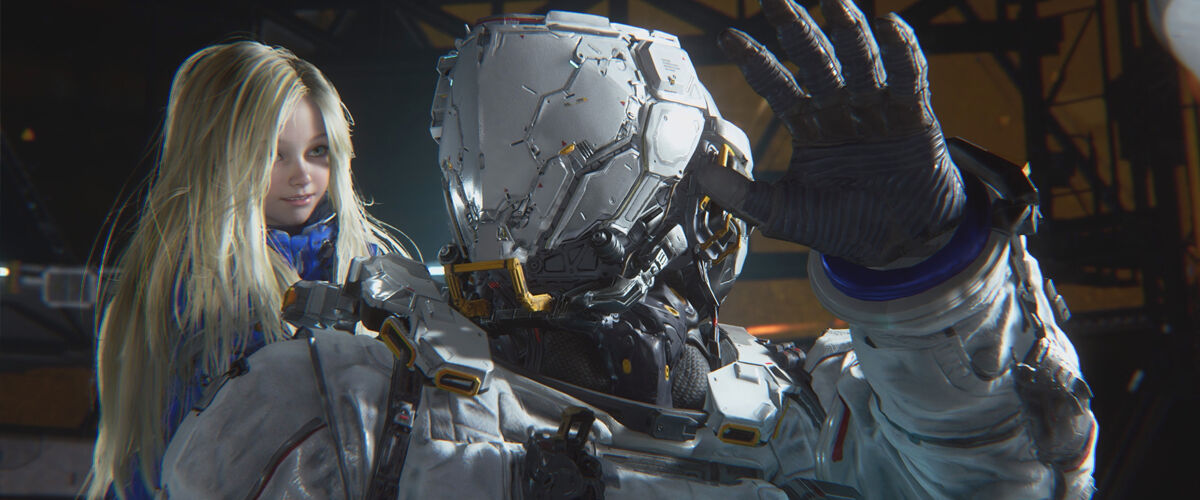
Pragmata, Capcom’s upcoming action-adventure, teases its own spin on the formula but instead of two human beings (or mortals, in Kratos’ case), it shines the spotlight on spacefarer Hugh and a young android girl, Diana, who have to work together to fight the hostile AI controlling the lunar research station, IDUS, and return to Earth. It sits right at home within the sci-fi space genre, but the elements and beyond-Earth setting are also evocative of the horror genre that the team originally explored.
After all, space has long become a core part of the horror experience, with its intense isolation, chilling fear of the unknown, and claustrophobic environments proving effective at inducing and weaponising dread. While the approach seemed like a good fit in the beginning, the team had to shift gears after ironing out the finer details.
“In the earlier days of development, even before it had the title name, we knew we wanted to create a new game that took place on the moon,” shares director Yonghee Cho in an exclusive interview with select Southeast Asian media, via translator and fellow producer Edso Edwin.



He adds, “Horror was one of the genres we look at in the beginning, but as we moved on and all the puzzle pieces fell into place, we got the title Pragmata and the end of the game locked in early, and realised that the game’s genre had to be the one we see today.”
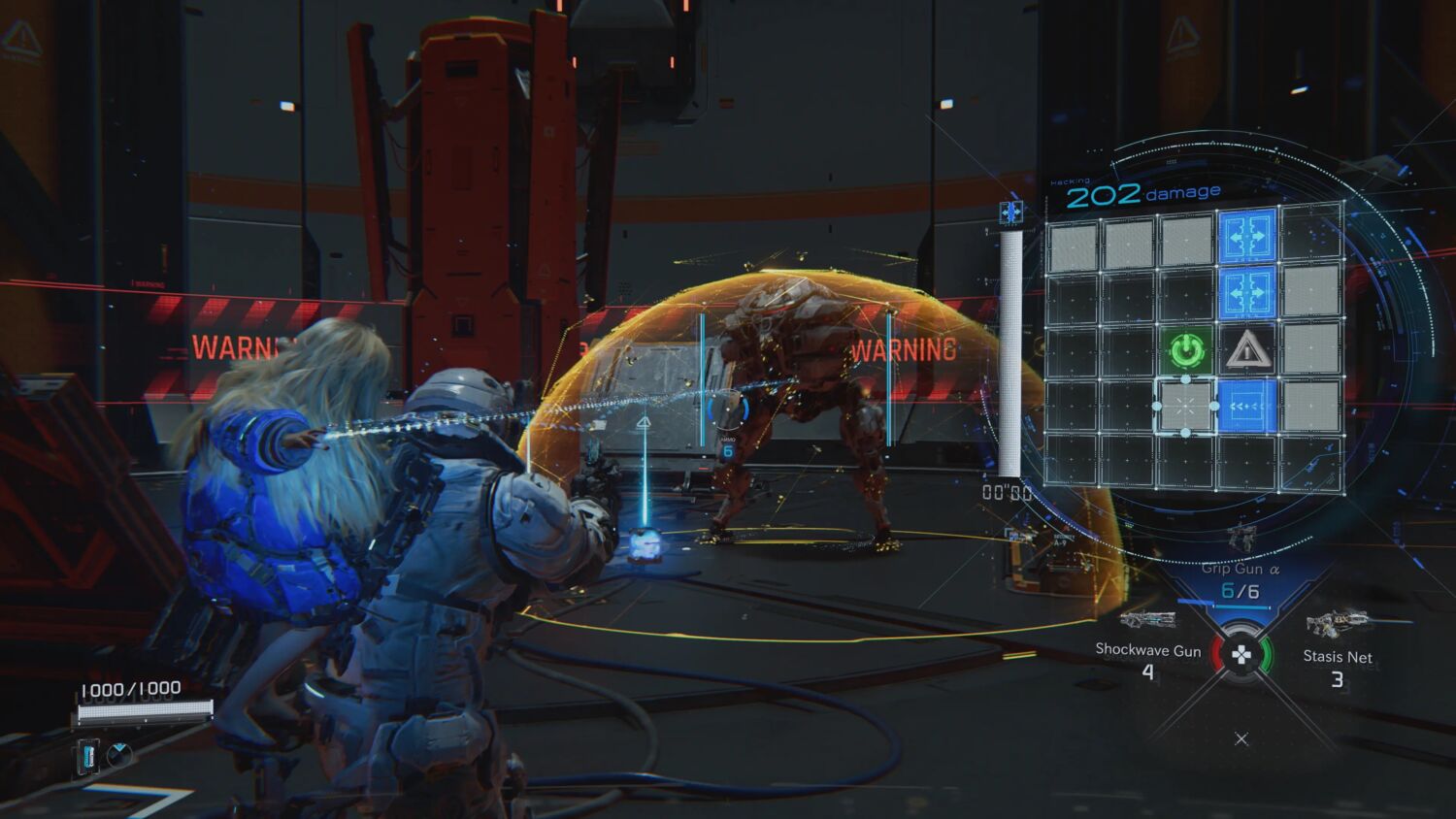
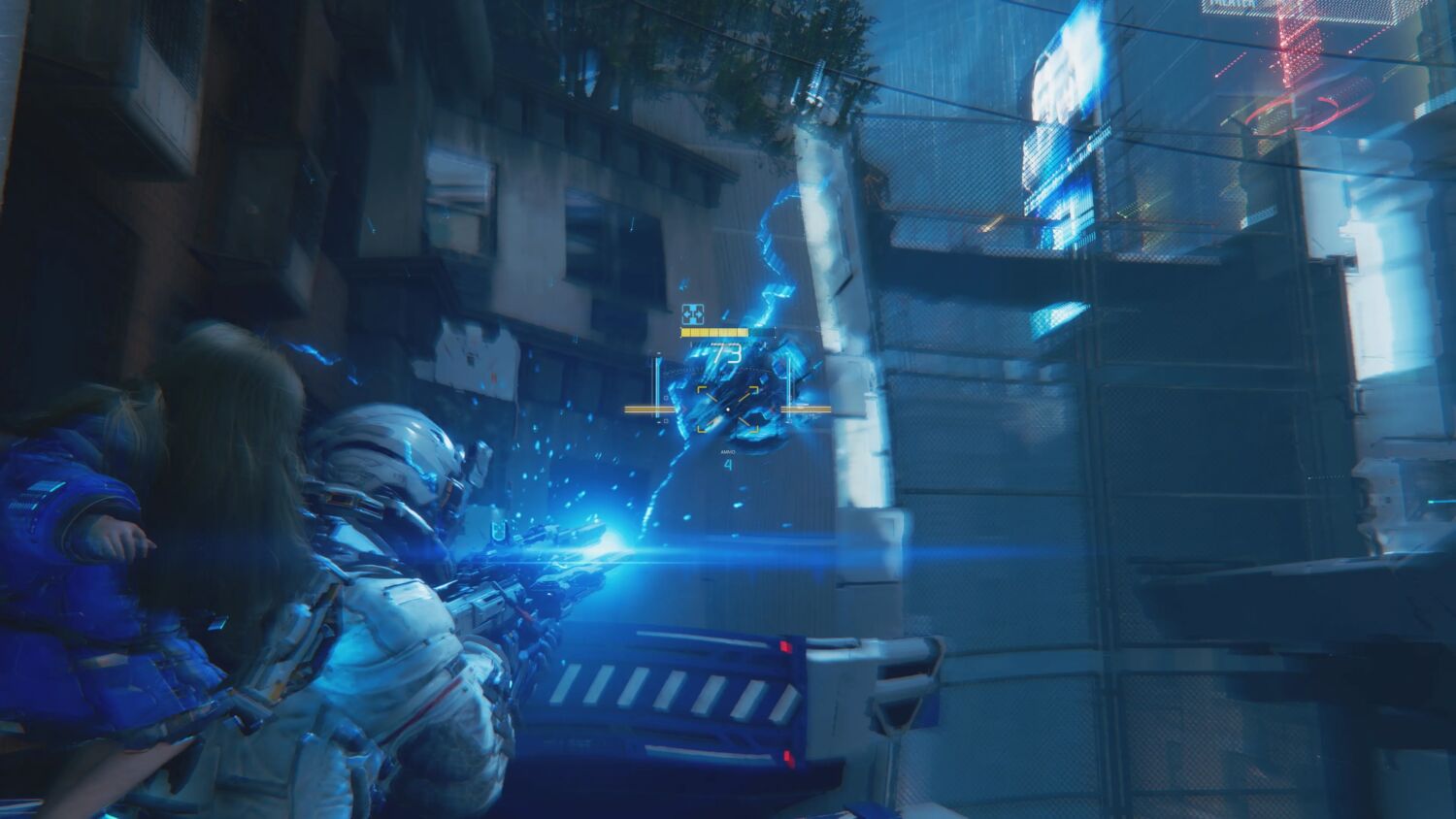
That’s to say, this action-adventure is also an intriguing amalgamation of third-person shooting mechanics, hacking puzzles, and dodging enemy attacks – all taking place in real time. The second break from tradition is that players control both Hugh and Diana at the same time, where the latter hacks into and disables an automaton’s defense system to reveal its weak point for Hugh to attack. Simply shooting head-on doesn’t work, because bullets cannot penetrate a robot’s armour, and the initial awkwardness of grasping the different play styles is a deliberate move.
“As you come into Pragmata, you don’t know when to shoot, hack, and combine these two characters, [and] this sort of not being used is something that’s reflected in their connection,” Cho explains, “As you progress, you get used to their abilities as they get closer, and the connection between all of this grows.”
Between the two, the hacking sequence will be the more foreign challenge, requiring dexterity and quick thinking. Each puzzle sees the player guiding the cursor across the grid to reach the target tile, while evading obstacles and toggling optional bonus nodes, or perks, that grant additional combat advantages, such as increased damage for Hugh. It forms a unique rapport that goes beyond the typical protector-ward portrayal, in which safeguarding is often one-sided. Here, it works both ways.
As producer Naoto Oyama highlights, “With an adult-kid pair, what you often see is that the adult has to protect as they go forward, but in Pragmata, the two of them work together.”
Describing Diana as the “the light in this lonely and metallic world,” Cho agrees that her role extends beyond just a mere tool for combat. Part of the gameplay loop involves going back to the shelter, or what’s better known as base, in between missions to stock up on or upgrade weapons, gear, consumables, and loadouts, or unlock new ones, fulfilling the criteria of practicality and progression.
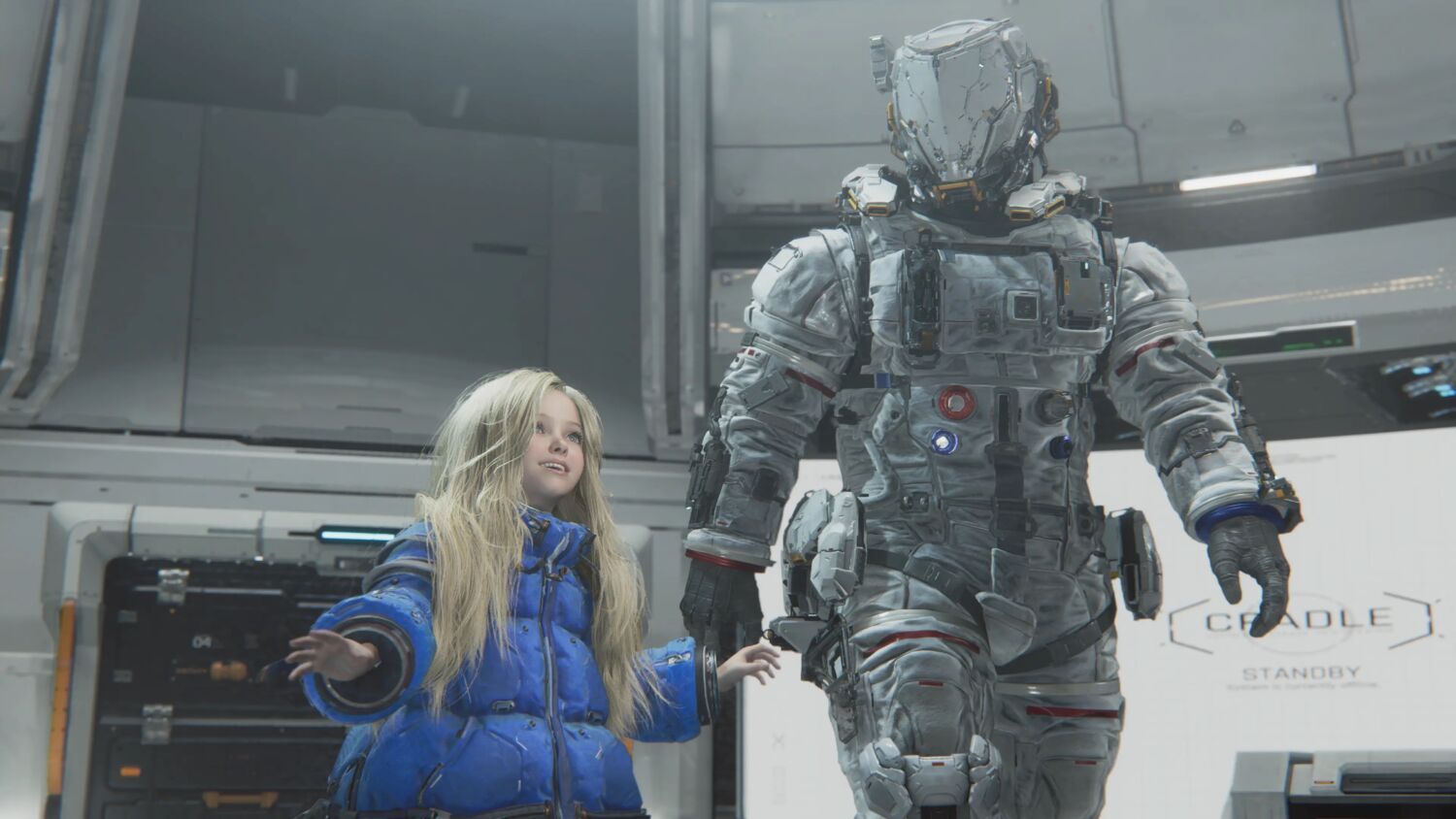
The other half lies in establishing an emotional connection. Where Hugh and Diana are a unit out in the field, the shelter separates the pair from each other, allowing players to interact with Diana individually, get to know her better, and strengthen their bond. Gifting her memorabilia found along the way also unlocks additional dialogue offering more insights into Diana’s personality, as seen during a hands-on preview of Pragmata, before they are added to the collection.
“Once you step out [back] into the station, you’re using her abilities, which are in your literal right hand,” says the Resident Evil 3 Remake alumnus. “As you go on, you’ll start to feel like Diana is your right hand, and you’re working with her, so this way, you grow close to her as a character.”
Even the smallest of details contribute to the relationship-building, with Cho citing the game over screen as an example, where Diana is the one who runs over to Hugh and rescues him, resulting in another instance of interaction between them.
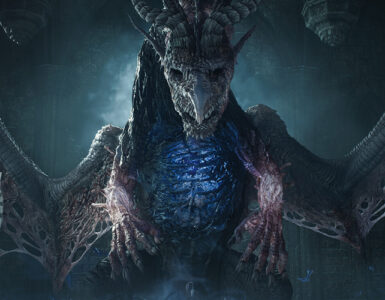
In learning to reconcile a world of differences, players are living through the duo’s journey concurrently, from overcoming the initial barrier of gunplay and hacking to finding the natural rhythm that Pragmata is built on. Enemies will be lying in wait, and some are creepier than others, courtesy of soulless open-eyed stares and unnatural, stilted movements that are ripe material for a jump scare or two.
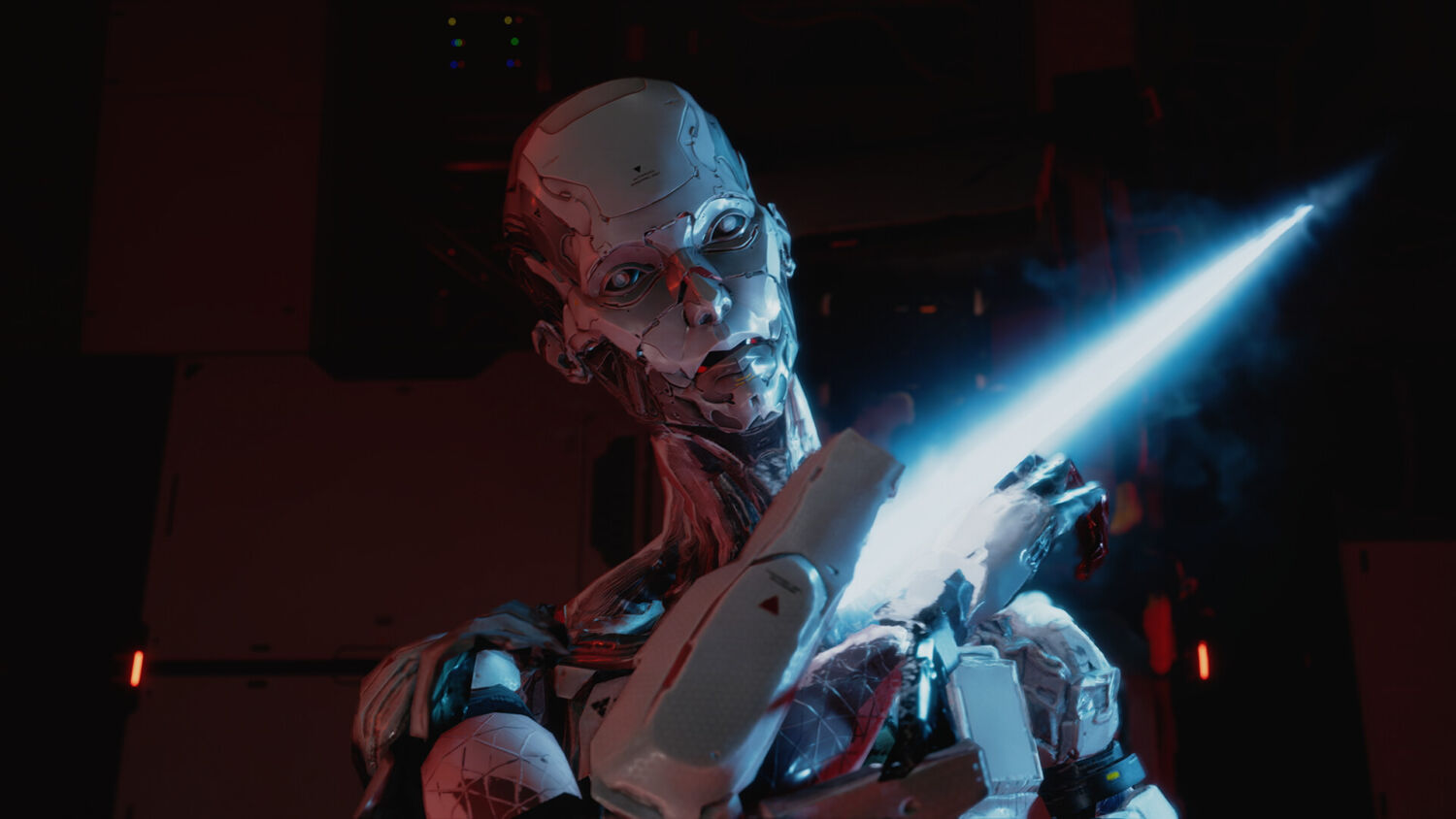
“When we’re trying to create enemies, we try to see how they can be placed into something that creates a bit of tension, some pressure [and] excitement,” Cho expresses.
A beat of silence, then a tongue-in-cheek jab: “But as you play on, they might not be as scary, and depending on the player, you may even find them cuter than Diana”.
Indeed, “cute” is an apt descriptor for the android companion, whose inquisitive nature, honest commentary, and innocent questioning bear an authentic flair that echoes childlike behaviour in the real world. Setting Diana up as more than an inanimate entity is nothing short of poetic – the plural of “pragma” from Ancient Greek, “pragmata” literally translates to “things”, but can also mean “real beings” or “transcendent realities” in a philosophical sense – and shooting for the moon is perhaps the apt solution to bring everything together.
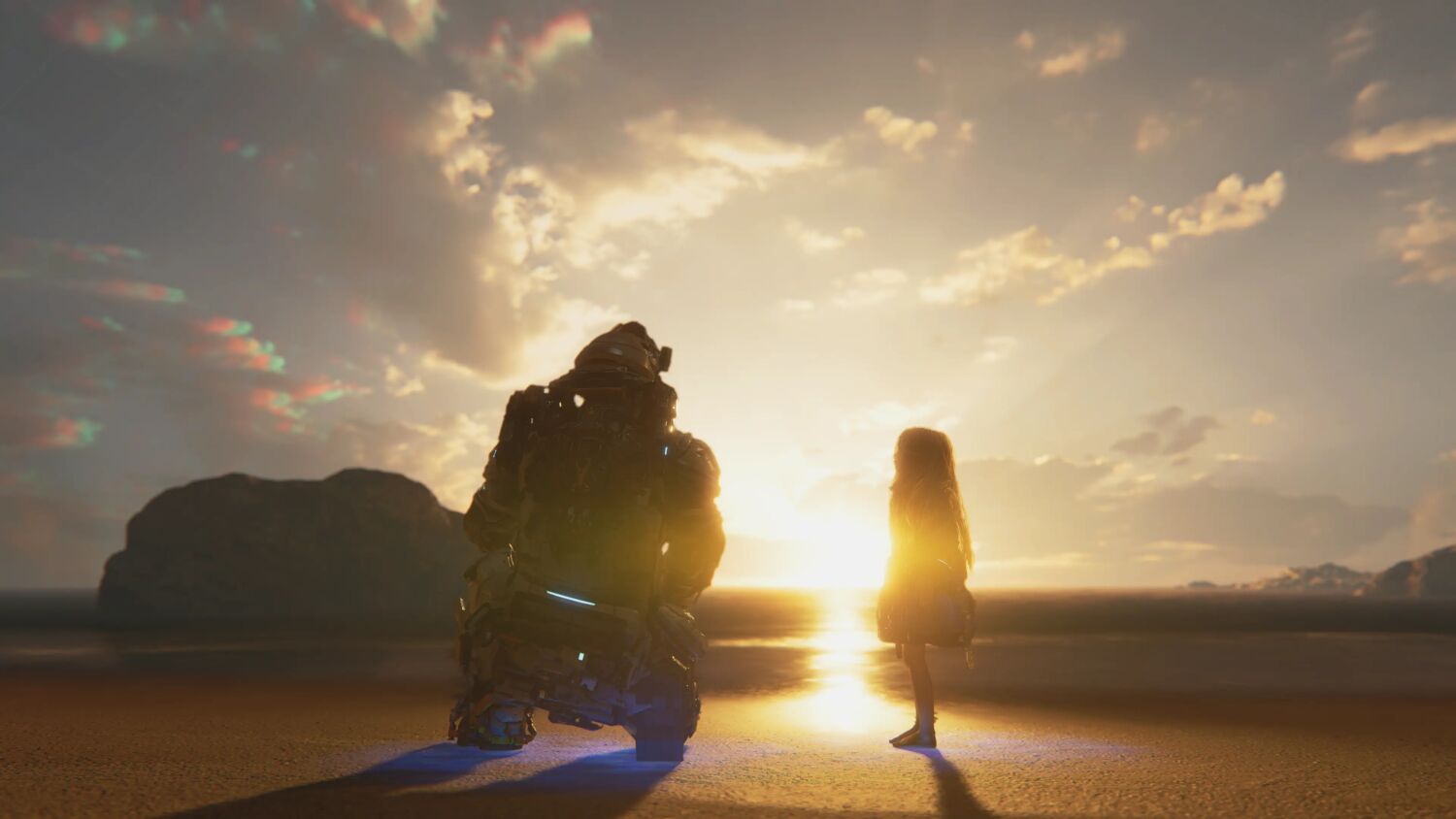
Pragmata releases for PS5, Xbox Series X|S, and PC via Steam on 17 April, while the Nintendo Switch 2 version will launch in Southeast Asia on 24 April as originally scheduled.

Si Jia is a casual geek at heart – or as casual as someone with Sephiroth’s theme on her Spotify playlist can get. A fan of movies, games, and Japanese culture, Si Jia’s greatest weakness is the Steam Summer Sale. Or any Steam sale, really.


 Kevin Low