Apple has always been known for its minimalist, elegant aesthetics, but the iPhone 17 series marks a slight departure from tradition. The latest Pro and Pro Max iterations, sporting a vivid orange colourway option, return with a flashy redesign, while the new iPhone Air steals the limelight with its ultra-thin, premium build. In between the splendour lies the quieter, more unassuming base model, offering incremental yet meaningful upgrades that narrow the gap between entry-level and high-end functionality, and showing that sometimes, boring simplicity is still the way to go.


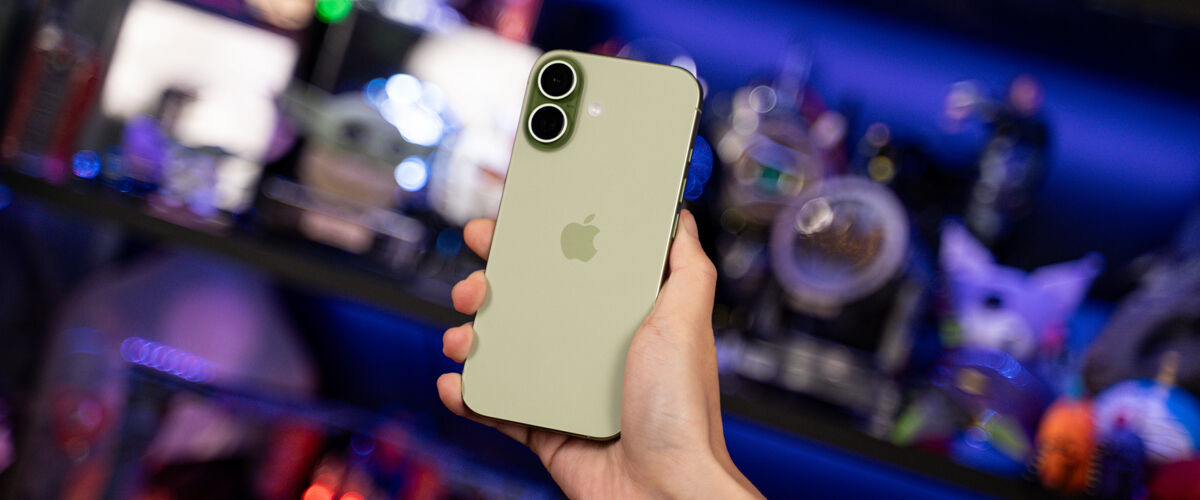
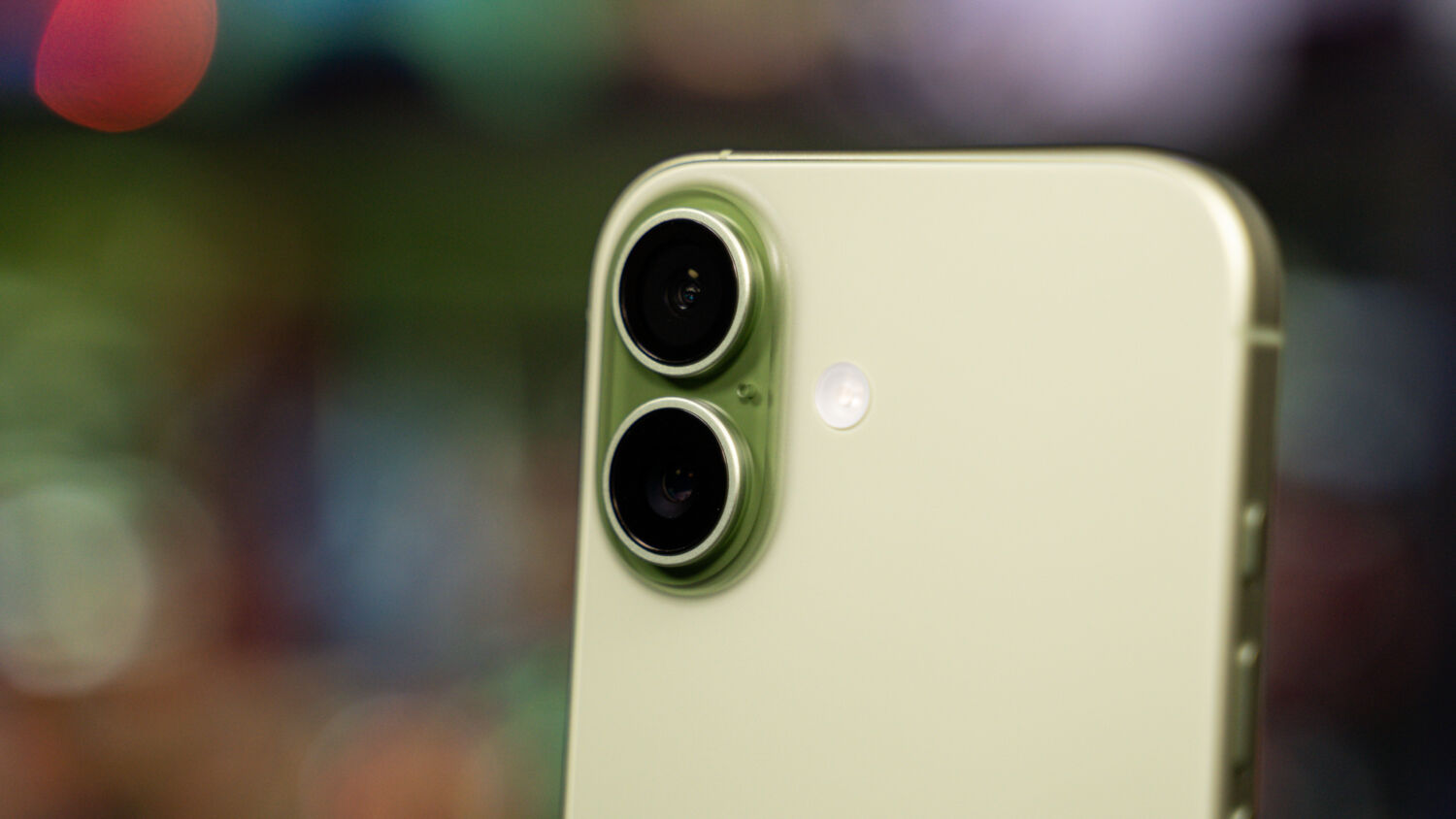
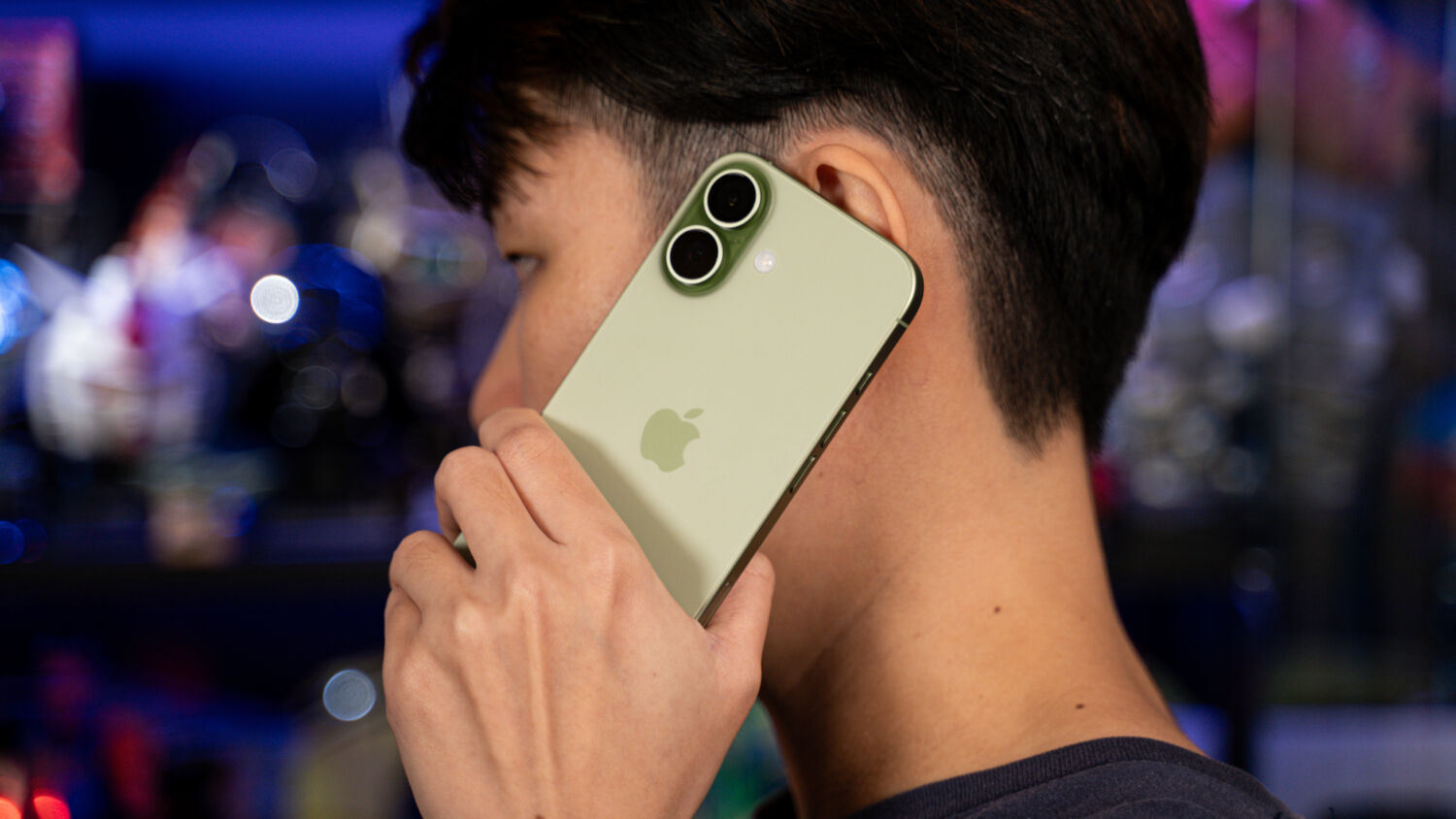
At first glance, the device appears to be largely unchanged from its predecessor. The pill-shaped camera module and subtle fruit logo remain on the rear, accompanied by five familiar buttons on the side: the volume rocker and Action button (left), as well as the power and Camera Control buttons (right). A USB-C port sits at the bottom edge, and the Dynamic Island notch continues to find its place at the centre-top of the front display.
Not much has changed in terms of feel, either. Like before, the iPhone 17 is a comfortable fit in the hand and doesn’t capture fingerprints or oil residue as easily as some of its contemporaries. The solid chassis eliminates flex under force, and its side rails are nice to grab onto, with the key presses delivering tactile, satisfying feedback. The main difference, instead, lies in its display, which is now bigger and more durable.
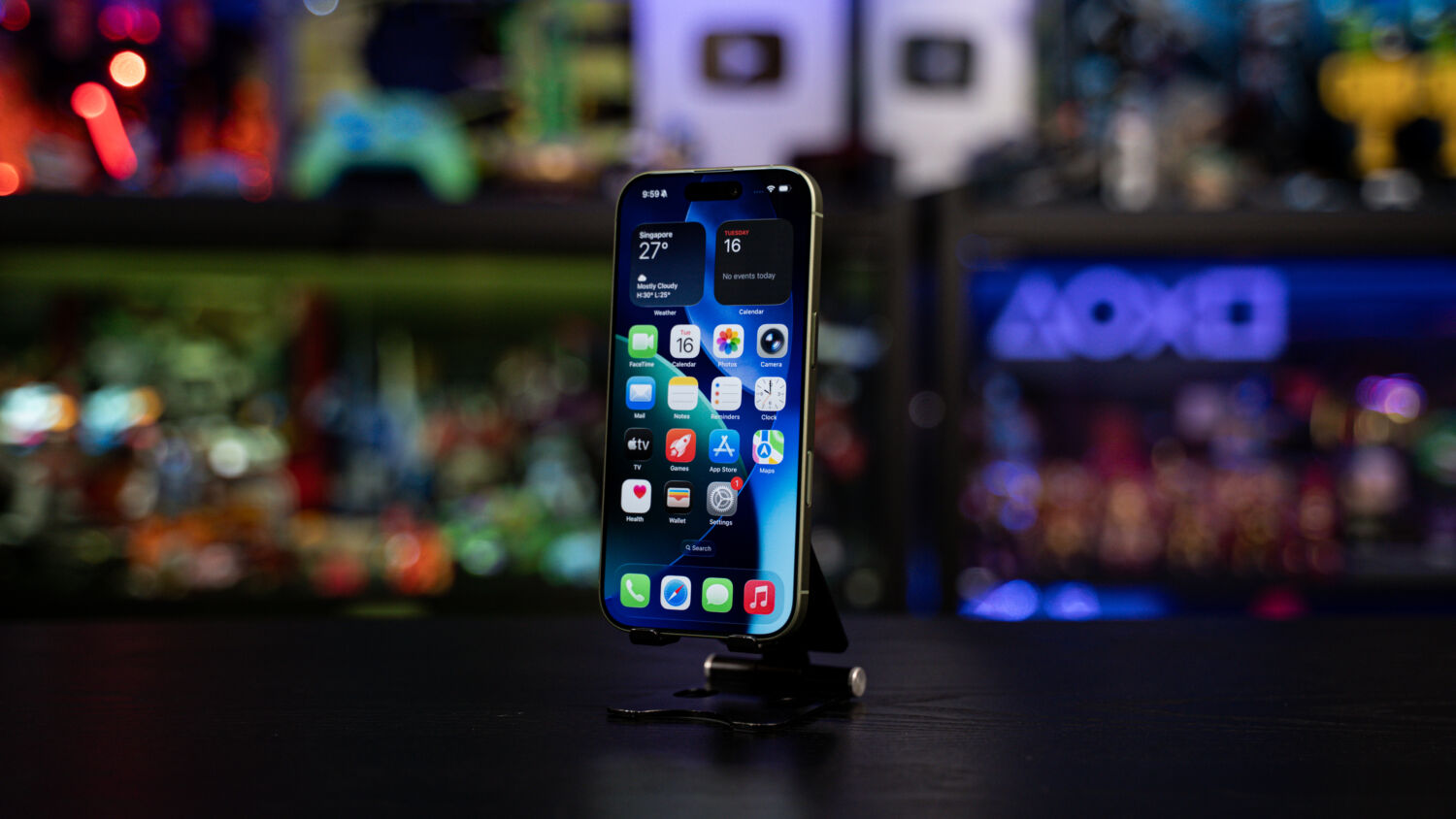
Measuring 6.3 inches, it comes in slightly taller than before (versus 6.1 inches) and has been fortified with Ceramic Shield 2 coating to resist scratches up to level 7 on the Mohs scale of hardness. Most notably, Pro-exclusive features are now available on the standard model for the first time – the ProMotion display marks a long-overdue refresh rate upgrade from 60Hz to 120Hz, putting Apple up to speed with the current industry norm.
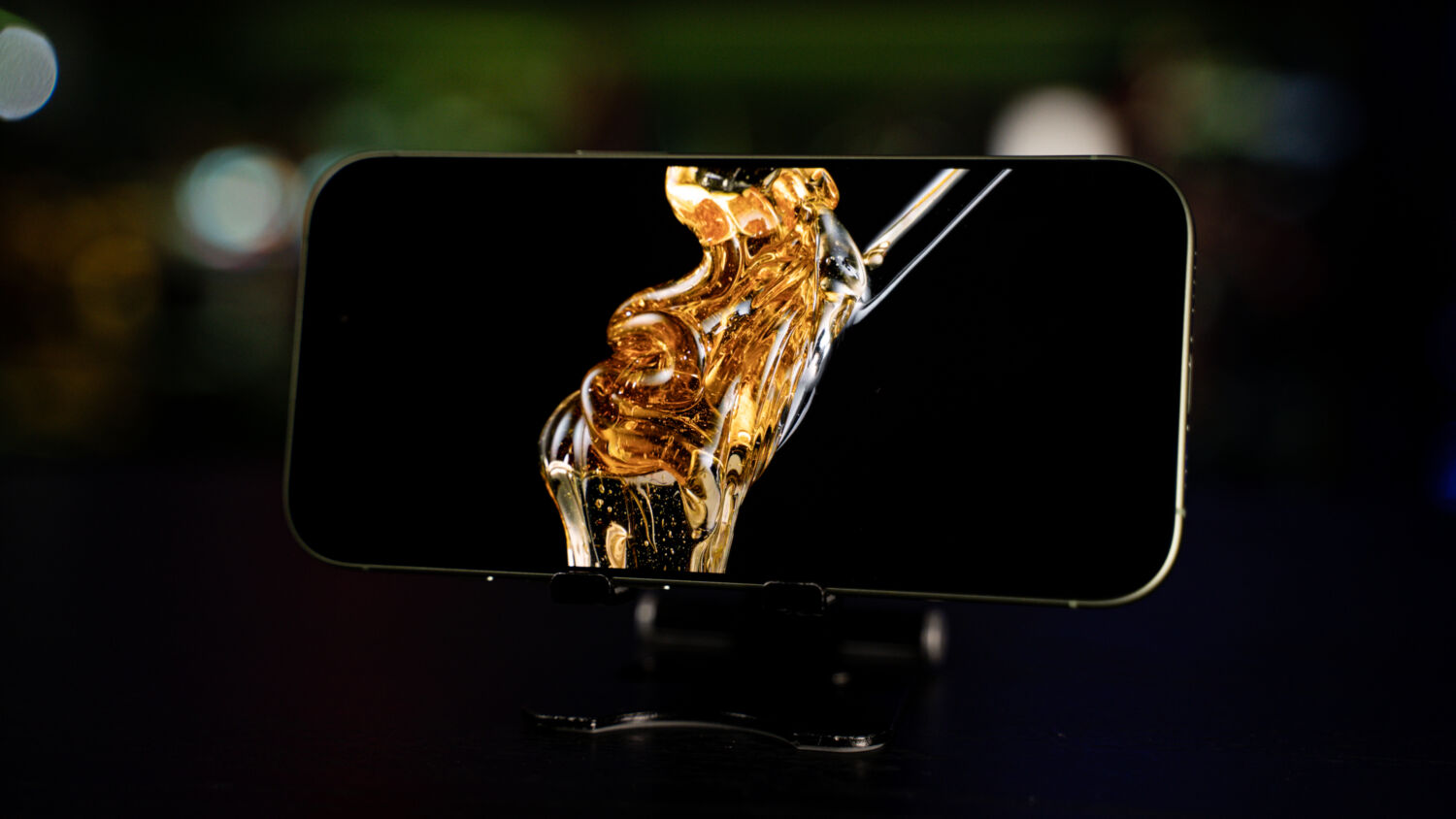
It may not seem like a lot, but the difference in viewing experience proves otherwise – a side-by-side comparison of the iPhone 17 and the iPhone 16 yielded smoother scrolling through web pages and social media, improved fluidity when navigating between apps, and more responsive animation on the latter. By extension, the Always-On display allows users to glance at essential information, including time, date, notifications, music controls, weather conditions, and more, without having to unlock the phone.
Peak brightness is also bumped from 2,000 nits to 3,000 nits, eliminating concerns over outdoor visibility, even in hot, sunny Singapore. Coupled with slim bezels, Super Retina XDR tech, and a souped-up resolution of 2,622 x 1,206 pixels (compared to 2,556 x 1,179 pixels), the display is as crisp and dynamic as one would expect from the Cupertino giant. Be it the trailer for the finale of Stranger Things or the music video for KPop Demon Hunters’ “How It’s Done,” colours appear striking to the eye, accompanied by deep blacks, rich contrast, and sharp detail.
Under the hood, the iPhone 17 is powered by the new A19 processor, which packs a six-core CPU, a five-core GPU, and an enhanced Neural Engine, with a dedicated Neural Accelerator attached to each GPU core. It’s difficult to determine the accuracy of Apple’s claims of 20 per cent faster performance, but the speed does make itself known during both work and play – demanding, particle-heavy games such as Wuthering Waves and Zenless Zone Zero run without a hitch, while editing videos on Capcut and photos simultaneously works like a charm. Capable thermal management keeps temperatures within reasonable limits, ensuring the device is only lukewarm, and not overheating, at worst, unless graphical settings are cranked to the highest – a task best left to the vapour chamber cooling system and A19 Pro chip of its Pro counterparts.
Apple has always taken pride in its photography expertise, and it’s no different here. The 48-megapixel (MP) wide-angle camera makes a return, this time paired with a beefier 48MP Fusion ultrawide shooter, up from 12MP previously, and a 2x “optical-quality” zoom and 10x digital zoom. As expected, there’s still no dedicated telephoto lens, which is a bummer considering that even the entry-level Google Pixel 10 now boasts one, so concertgoers and sports spectators will have to live with the compromise (or opt for the Pro models).
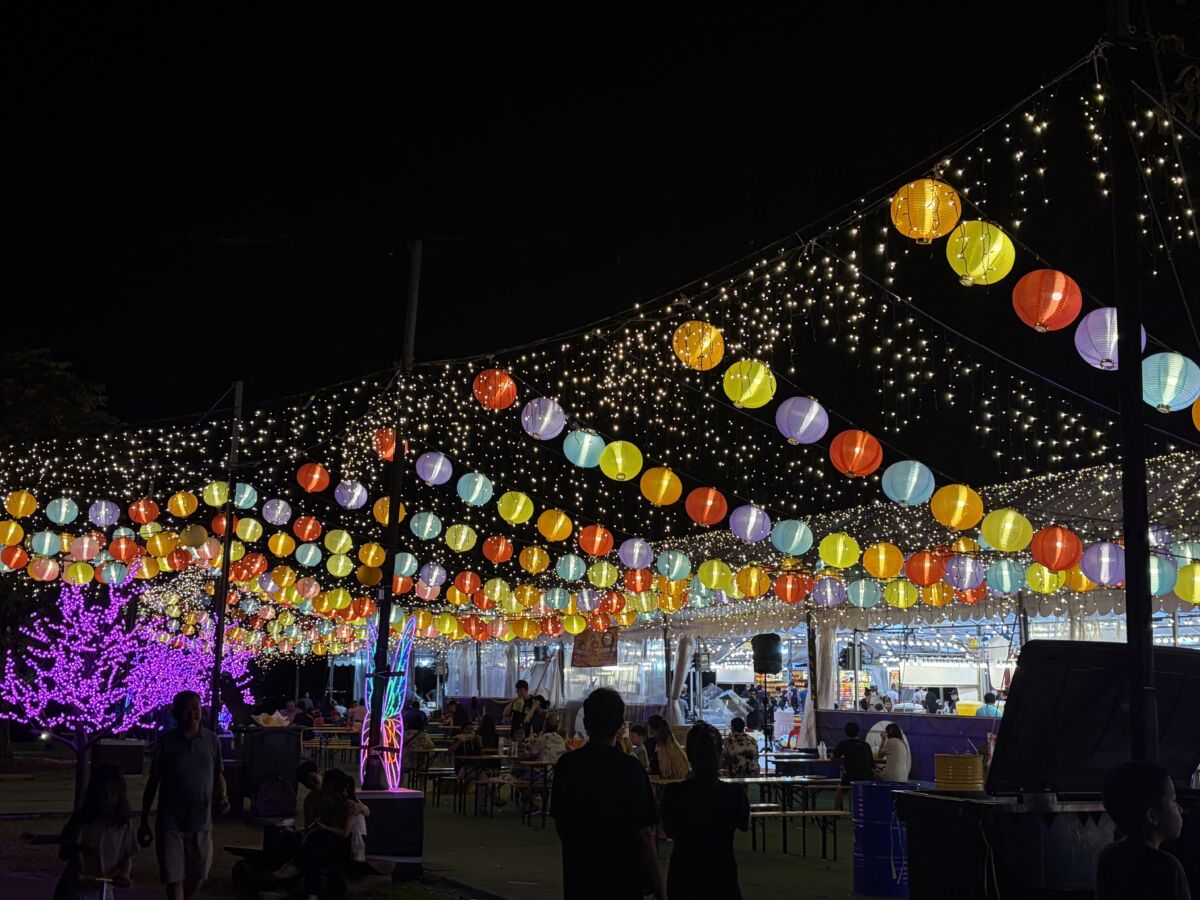
For the most part, though, the iPhone 17 remains a stellar day-to-day driver. Daytime shots show crisp detail, natural, punchy colours, and well-balanced shadows and highlights, while low-light performance yielded more-than-decent images, albeit with duller sharpness. Close-ups and Portrait Mode bring a touch of vibrancy to true-to-life hues, accompanied by accurate subject and background separation, as well as mouthwatering bokeh that occasionally fumbles edge detection.
The more exciting upgrade is the 24MP front-facing camera – kept identical across the entire new lineup – that touts a new square sensor, allowing users to snap tall and wide pictures regardless of orientation. Center Stage, which tracks and keeps the subject in frame as they move around during calls or online meetings, has also been inherited from recent Macs and iPads to automatically adjust the framing and fit everyone in for a group shot. It’s a nifty and convenient tool, especially for those who have trouble taking selfies or wefies, if inconsistent at times.





















Another party trick on the iPhone 17, Dual Capture lets both the front and rear cameras capture video content simultaneously. The mode isn’t exactly new to the market, having been available on Android devices for years, but Apple enthusiasts can now look forward to more creative expression and flexibility in specific use cases, such as vlogging, reaction shots, and the like. Although the inability to look in two places at once may make it challenging to fit the user and action within the frame, a little practice and muscle memory offer easy fixes.
As before, the Camera Control button serves as a shortcut to four primary functions: opening the app (a single click), activating the shutter and snapping a photo (double click), starting and stopping video recording (long press), and accessing zoom/aperture settings and Photographic Styles (double soft-tap). It still suffers from wasted potential and the learning curve of having to gauge the exact amount of pressure and swiping force required for each action, however.
All of these camera features are nestled into a more minimalistic and simplified interface as part of the iOS 26 software update, resulting in the relocation of several settings. The translucent Liquid Glass design is an acquired taste, and personally, doesn’t show text or read the best, but at least there’s a slew of customisable options available. Photo shuffle, for instance, constantly cycles through gallery photos to use them as the lockscreen wallpaper, which now ships with a 3D-like effect, and the digital clock can dynamically adjust its size according to the screensaver.
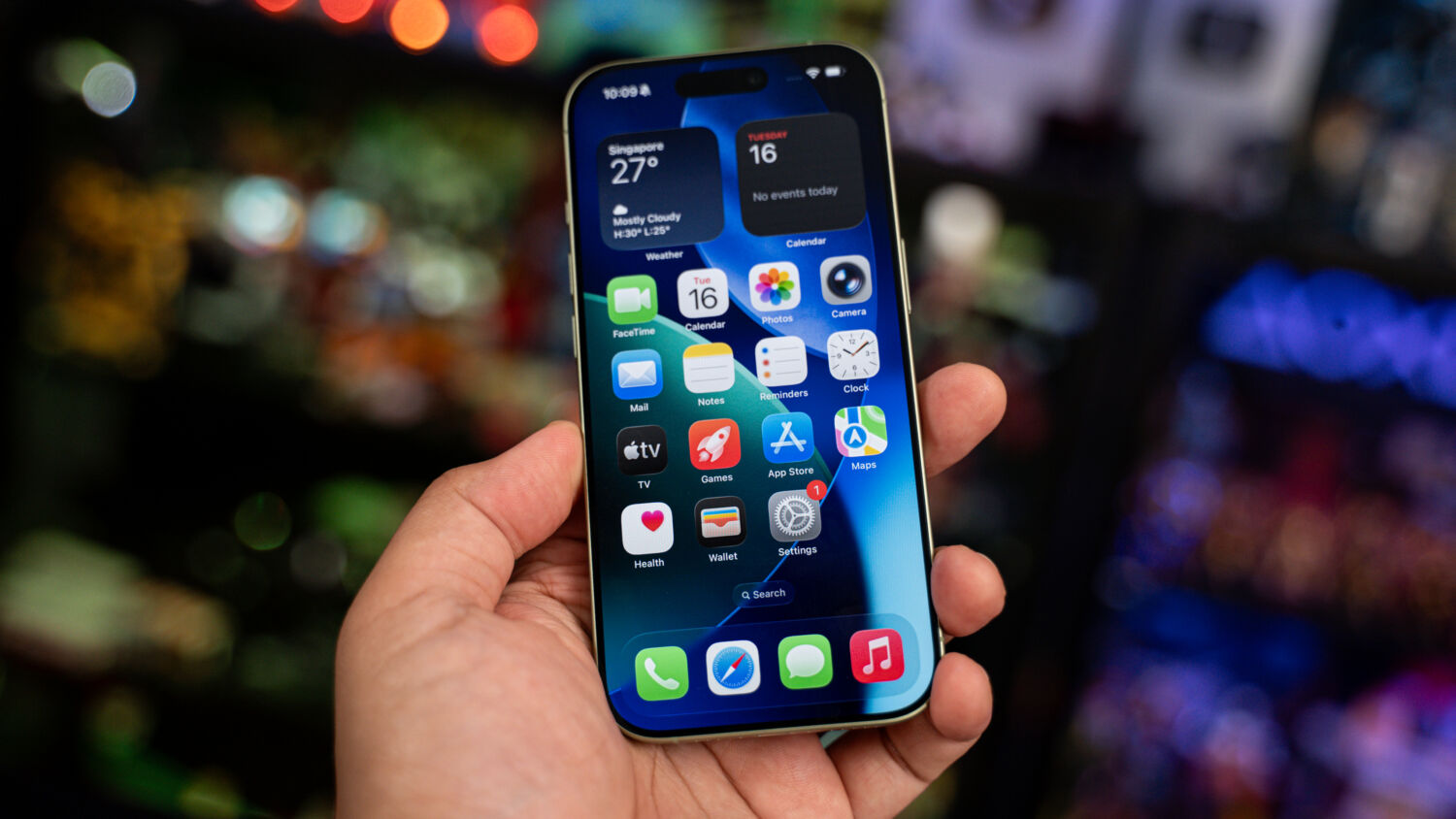
Beyond visual appeal, iOS 26 brings a mix of existing and new Apple Intelligence features to the iPhone 17, including Clean Up, designed to remove objects from images; Visual Intelligence, Apple’s version of Google Lens that uses the camera to scan the environment and pull up information about objects, text, and more; the ability to save and view boarding passes and tickets to Apple Wallet; and a more streamlined Library and Collections experience.
A standout addition is Call Screening, which monitors incoming calls from unsaved numbers, gathers the necessary details, and conveys them to users so they can decide whether to pick up, decline, or ask for more information, proving highly effective at warding off scammers. For those in Asia, Live Translation recently welcomed several Asian languages, such as Chinese (Traditional) and Vietnamese, to make communication in a foreign country easier.
As long-time users would know, Apple never gives away specific battery specs for its handsets, listing a 30-hour lifespan for the iPhone 17 – eight hours more than its predecessor. Putting it through the rigours of a full-day event, from 11am to 8pm, saw the battery dip to around 35 per cent after texting, scrolling through social media, posting a series of event highlights on Instagram Stories, and listening to music, all while Always-On was active. Individual mileage will, of course, vary, but surviving through a typical workday won’t be an issue at all.
If a little more juice is needed, Adaptive Power Mode extends battery life by automatically adjusting the phone’s performance to the use case at that moment, requiring one week to learn user habits. Charging speed is faster as well, hitting 50 percent in 20 minutes with a 40-watt adapter.
Priced from S$1,299, the iPhone 17 represents Apple’s best baseline offering to date. The leap to previously Pro-exclusive features brings compelling value, and the differences between the standard and more powerful models are no longer as jarring as before. An upgraded display and camera system may not look like much, but they are significant in the ways that matter, and don’t come at the expense of additional cost. It’s an easy choice for users who are several generations behind, though iPhone 15 and 16 owners may want to hold onto their devices for a little longer.
GEEK REVIEW SCORE
Summary
With plenty of value, especially for those coming from older-generation models, the iPhone 17 comes the closest to blurring the line between standard and premium functionality.
Overall
9/10
-
Aesthetics - 8.5/10
8.5/10
-
Build Quality - 9/10
9/10
-
Performance - 9.5/10
9.5/10
-
Value - 9/10
9/10
-
Geek Satisfaction - 9/10
9/10

Si Jia is a casual geek at heart – or as casual as someone with Sephiroth’s theme on her Spotify playlist can get. A fan of movies, games, and Japanese culture, Si Jia’s greatest weakness is the Steam Summer Sale. Or any Steam sale, really.
 Kevin Low