This preview includes interview quotes that have been edited for clarity.
RGG Studios has never been satisfied with just doing one thing right. Since its 2005 debut, the studio’s flagship Yakuza (aka Like A Dragon) franchise isn’t just beloved for its rich worlds and punchy arcade-style brawler combat, but also its wealth of optional content. These comprise more than just side missions, but a plethora of in-depth mini-games too.
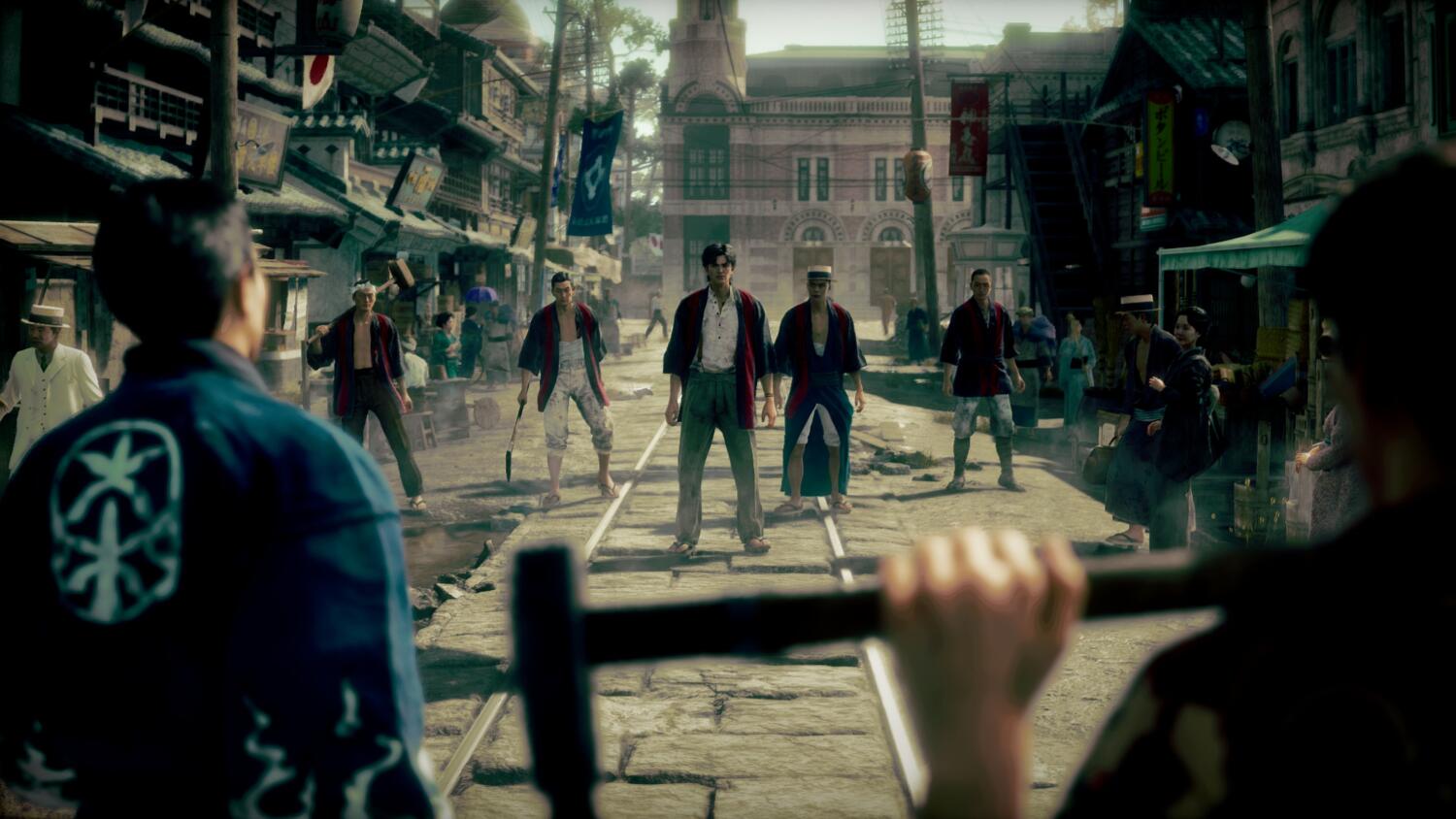
From franchise staples like karaoke and baseball, to fully-fledged game modes like Cabaret Club Management in Yakuza 0 (2015) and Yakuza Kiwami 2 (2017) or the Bad Boy Dragon biker gang mode in Yakuza Kiwami 3 & Dark Ties (2026), RGG titles often pack in many diversions to engage with on top of the main campaign. So it’s no surprise that for its upcoming brand-new IP, STRANGER THAN HEAVEN, the team has once again built a unique side activity for players to get lost in amidst the action.
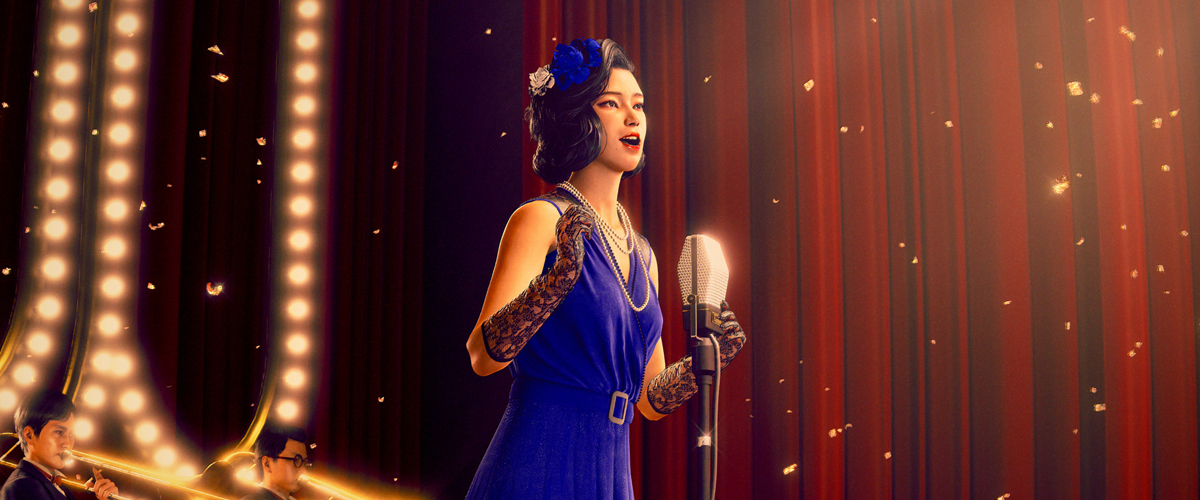
We’ve already gotten a glimpse of the game’s revamped combat system – RGG’s most complex one to date – at our previous hands-on session, and while our latest preview of the game, which took place in Jakarta, Indonesia, offered more opportunities to try out the tactical brawler action, what stood out the most was the first look at Showbiz, the game’s new show management mode, which sees protagonist Makoto Daito creating music and scouting for performers to put on live shows.
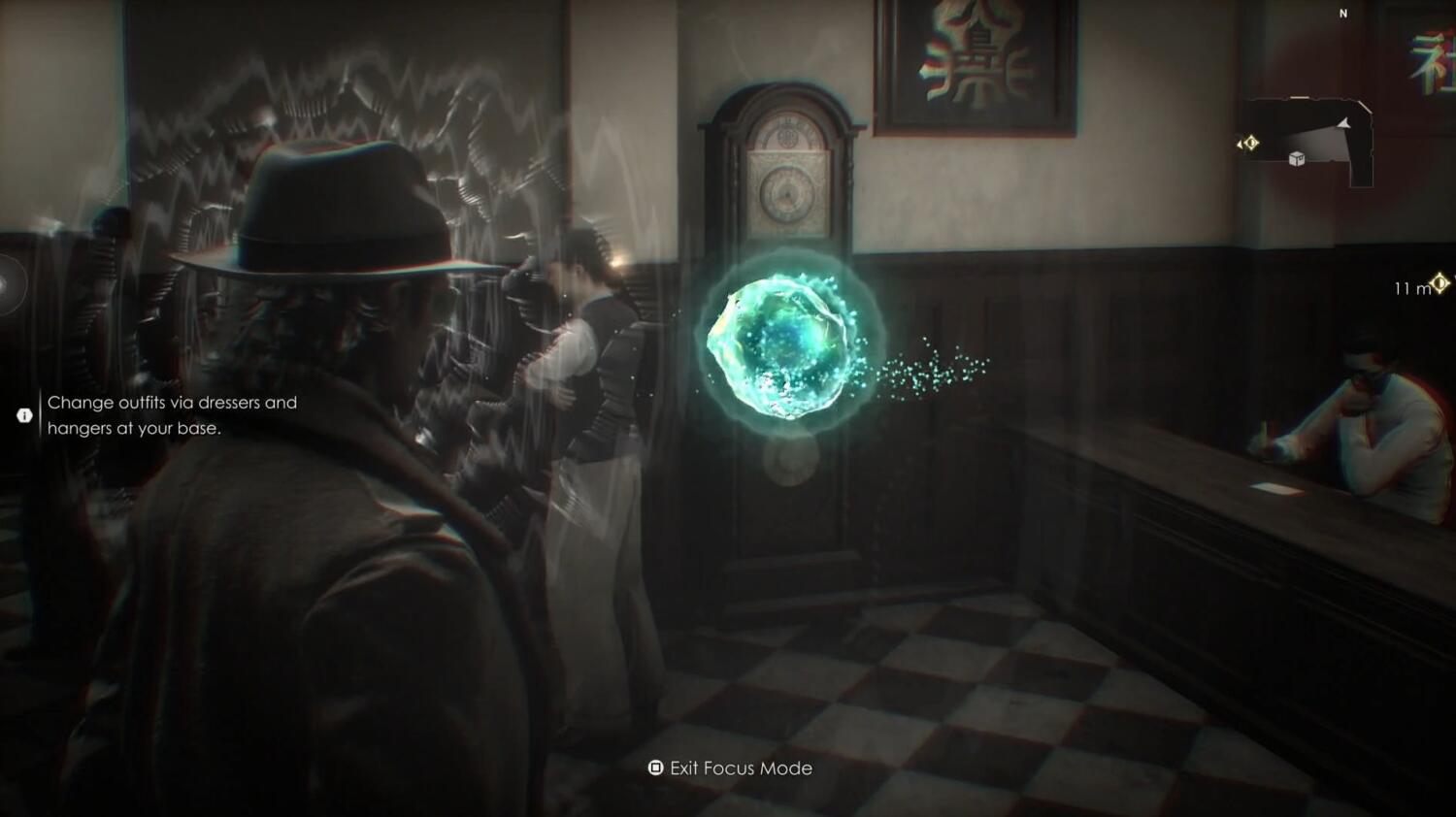
It all begins with inspiration. While exploring across the game’s five eras – Fukuoka (1915), Hiroshima (1929), Osaka (1943), Shizuoka (1951), and Tokyo (1965) – Makoto is able to gain musical inspiration from the world around him, be it the faint humming of flickering lights, the methodical chopping of a butcher, or a ticking grandfather clock. By pressing the square button on the PS5 (X on Xbox), players can enter a state of focus to point out and approach notable audio sources to add them to Makoto’s collection.
By doing this, players can unlock different moods for Makoto and his crew to compose songs. Each song players can perform in STRANGER THAN HEAVEN consists of different backing instruments like drums or piano notes, with players able to adjust the mood of each individual component, making them sound happier, more intense, or more dramatic, fundamentally altering how the song is played while maintaining its overall flow and lyrics.
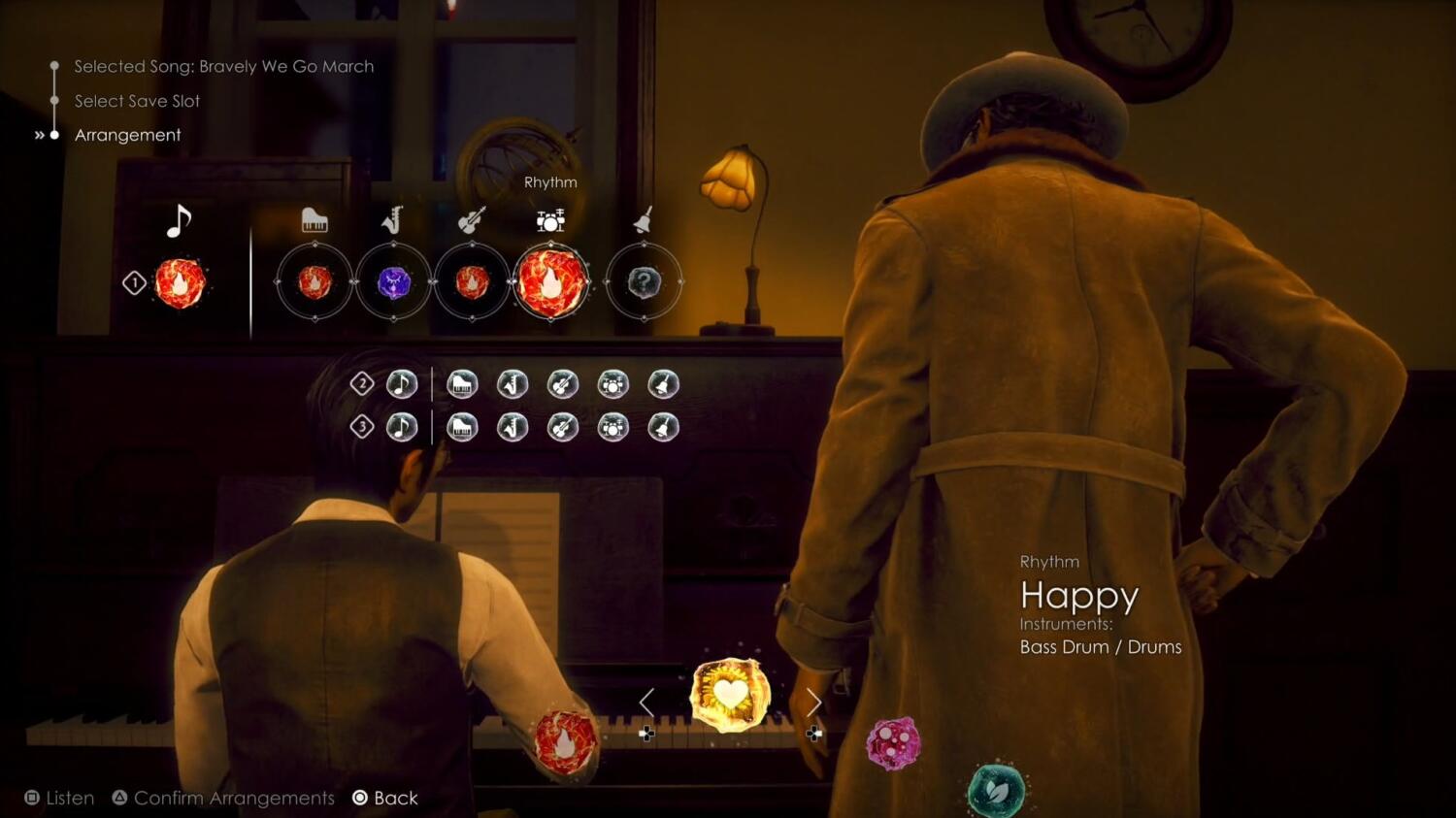
Mood changing isn’t just a cosmetic adjustment, as it will heavily affect a player’s earnings from the live shows they set up. Throughout his journey, Makoto will meet musicians he can recruit, such as Keiko Shirai (voiced by Japanese singer Ado) and Suzie (voiced by American singer-songwriter Tori Kelly), to perform shows at various venues. These shows not only require specific performers, but also a recommended mood for songs.
By matching the mood of their composed songs to that of the show’s requirements, players will then have to balance how to earn the most money from it. As moods for each song are unlocked gradually as a player gains inspiration, sometimes it is better to choose a song with the correct mood unlocked instead of just going with the most popular track available.
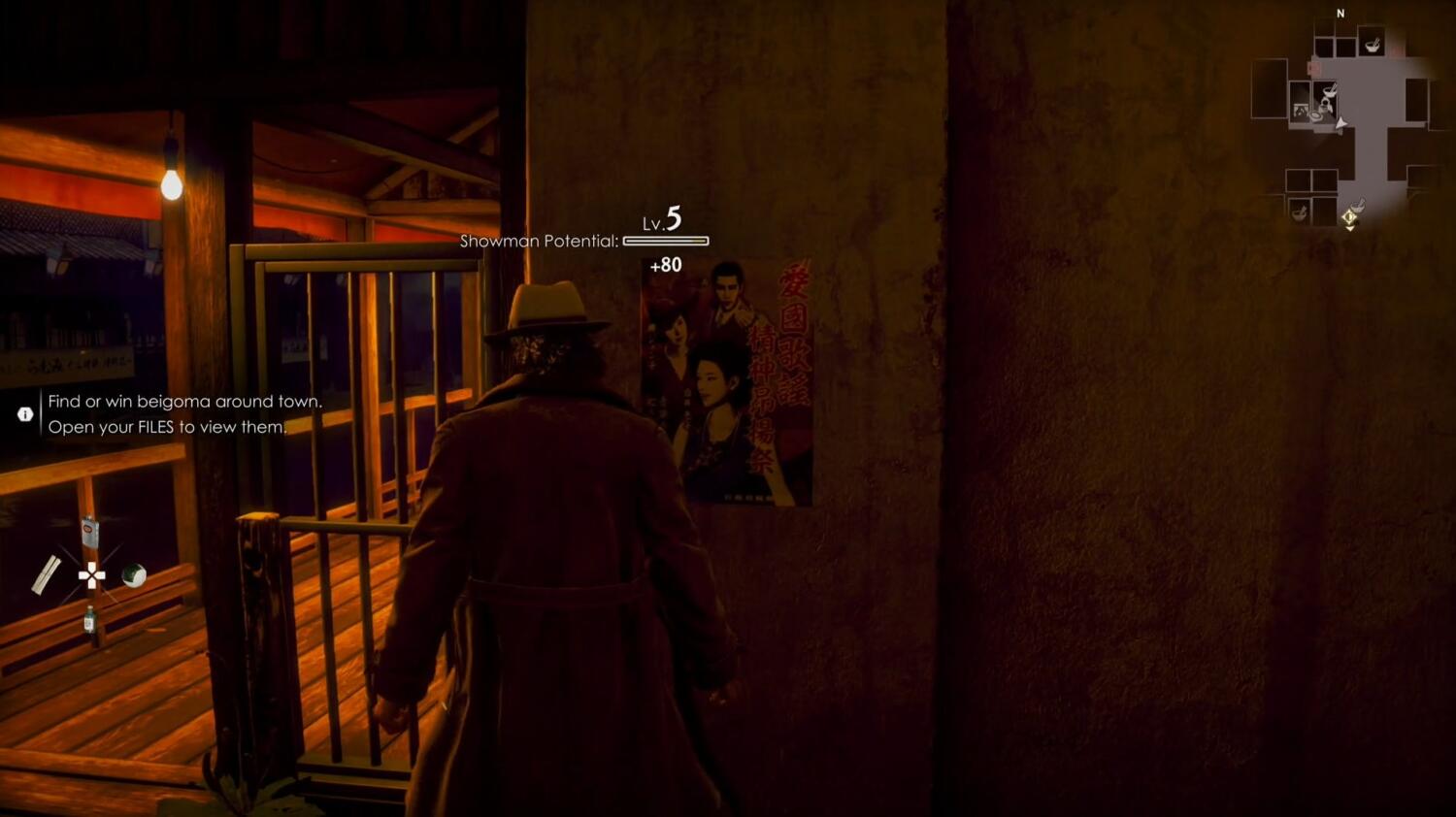
Once the show and songs are prepared, it’s time for promotions, as Makoto still needs to attract paying customers to his shows. In our preview, we could do this by placing posters around the world, which in turn increases Makoto’s Showmanship rank and how large of a crowd each of his shows will bring in, with other avenues of promotion seemingly unlocked as the game progresses.
Finally, players must then head to the show venue to kick off the final steps – tweaking its stage layout and effects. Apart from the singer, players can choose up to four backing performers, comprising drummers, pianists, violinists, and backup singers, each with their own popularity and hiring cost, alongside optional stage effects like spotlights, smoke machines, and confetti cannons, resulting in a risk-reward system as all these elements cost money to implement.
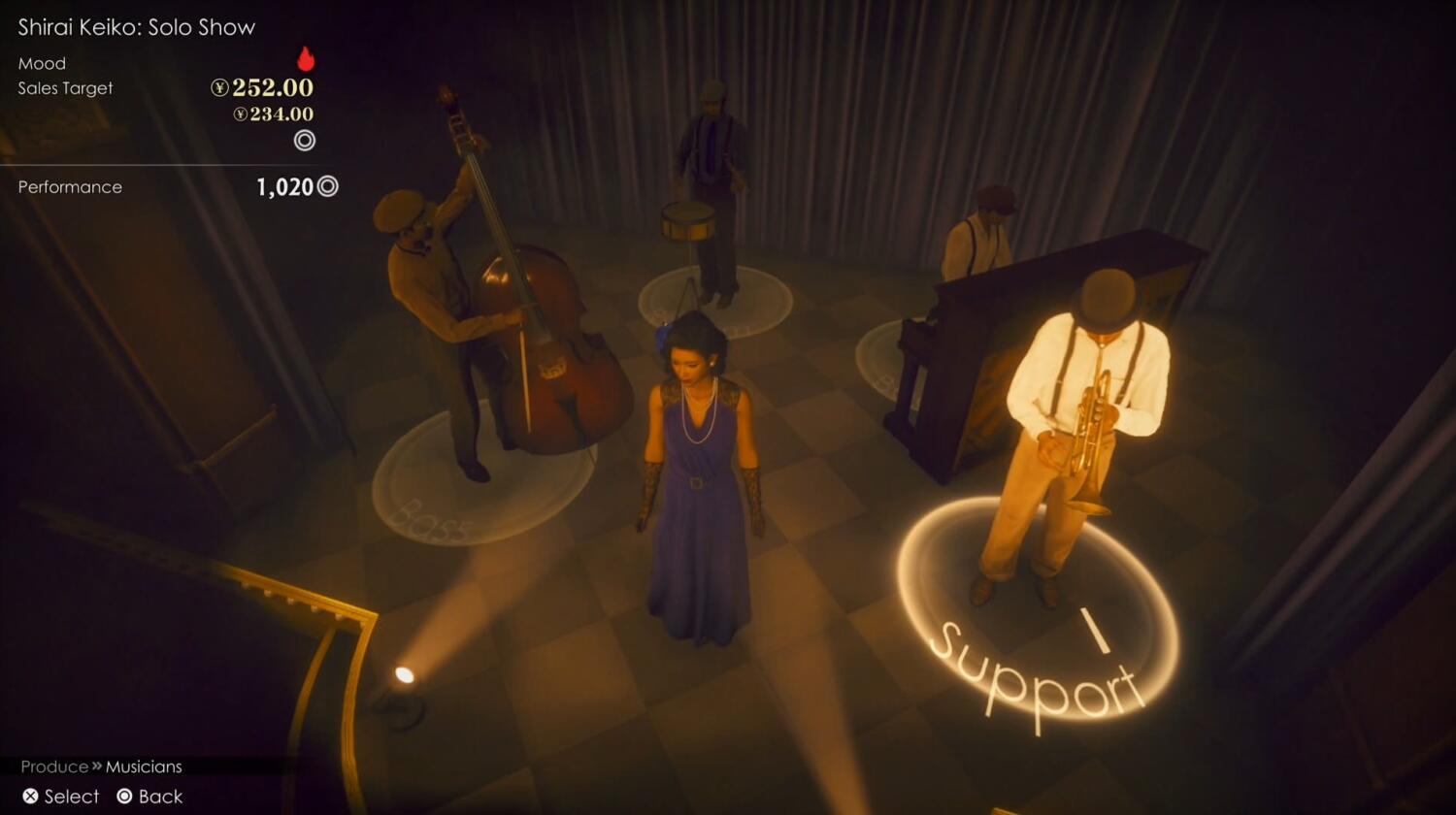
When the performance begins, players won’t be sitting back and enjoying the show either, as it begins a QTE (quick time event) mini-game where players must press keys in time with the music. Each correct input increases the amount of cash earned, with any selected stage effect also adding additional keys to press, making the mini-game more difficult, but the payoff more rewarding.
Showbiz also serves a wider purpose in STRANGER THAN HEAVEN’s narrative, as it’s the core way in which Makoto earns both money and respect as a mixed Japanese and American refugee from the US.
“The focus was for something that is also vital to the game’s story,” explains producer Hiroyuki Sakamoto in an accompanying Q&A session. “It is how Makoto finds where he belongs and learns how to make a living with his talent, so we went about thinking how to turn this into a gameplay experience, and that’s where Showbiz came from.”
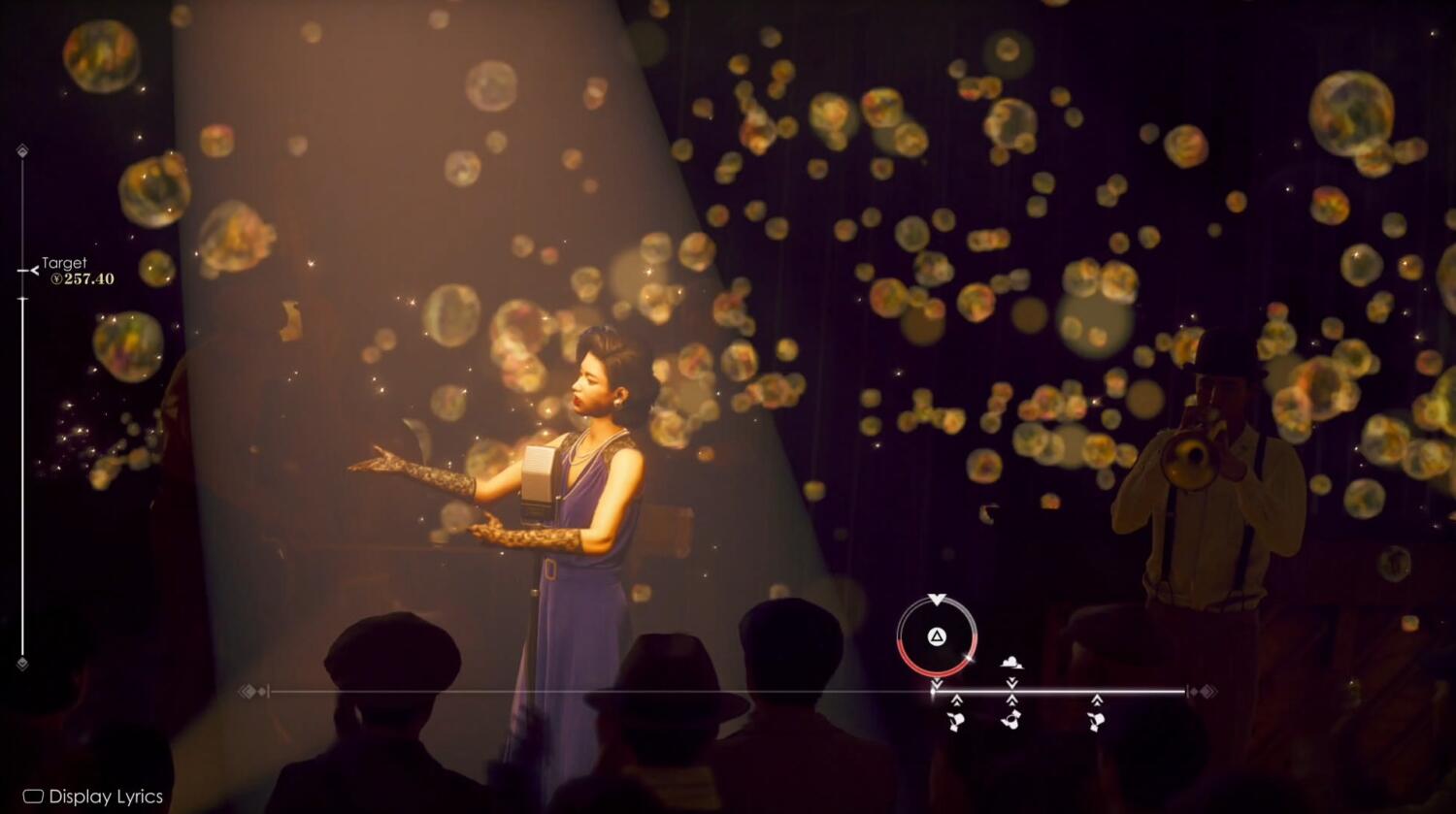
The team also teased that the activity will evolve as players advance through the eras, so what starts as a small performance in a run-down basement in 1943 Osaka could eventually turn into a classy performance in a high-end restaurant a decade later, with performers all growing with the player to match the times.
While the preview only gave enough time to set up two shows, Showbiz is already shaping up to be an engaging diversion for players to seek out as they progress through Makoto’s era-spanning adventure. While the game mode is entirely optional, the team had previously explained that engaging with it is the best way for players to earn valuable currency to purchase the equipment needed to tackle the game’s hardest challenges.
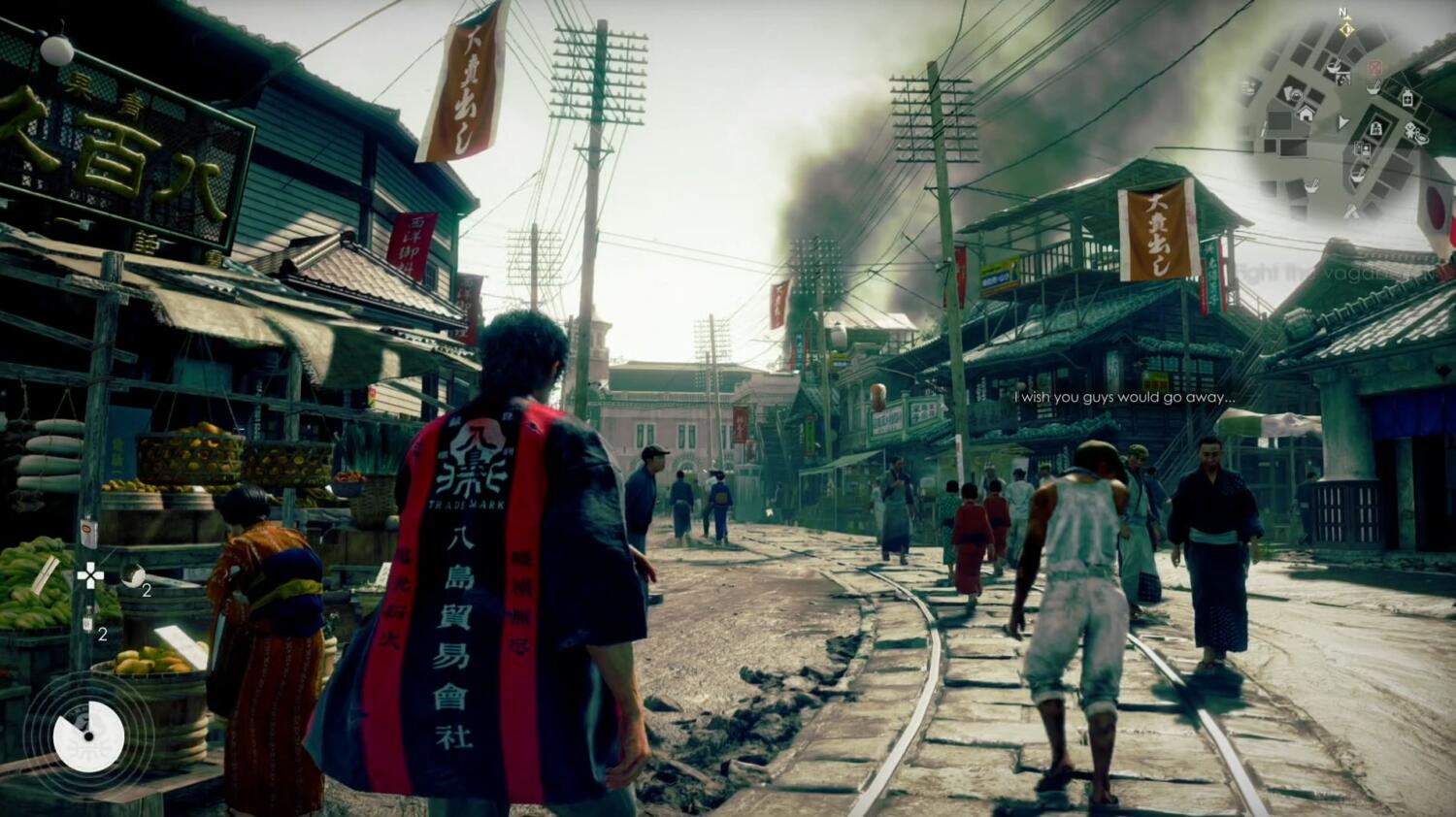
Speaking off, the preview session also offered a look at the game’s other “open-world” experiences. Like the Yakuza franchise, STRANGER THAN HEAVEN doesn’t feature a seamless open world, but is instead split into various expansive regions across its five eras. In between missions, players are free to explore the map to engage in side activities, or build their gear for the battles to come.
In our session, we were able to try out three optional mini-games – Arm Wrestling, which requires players to spam the correct buttons to outmatch opponents; Knife Game, aka five finger fillet, which challenges players with inputting the correct button combination as fast as possible; and Beigoma, a traditional Japanese game and precursor of the modern-day Beyblade, which sees players collecting spinning tops to battle against opponents in a ring. Other activities include Shogi, a card matching game called Koi-Koi & Oicho-kabu, and a card throwing game called Menko, but there wasn’t enough time to try out what these entailed.
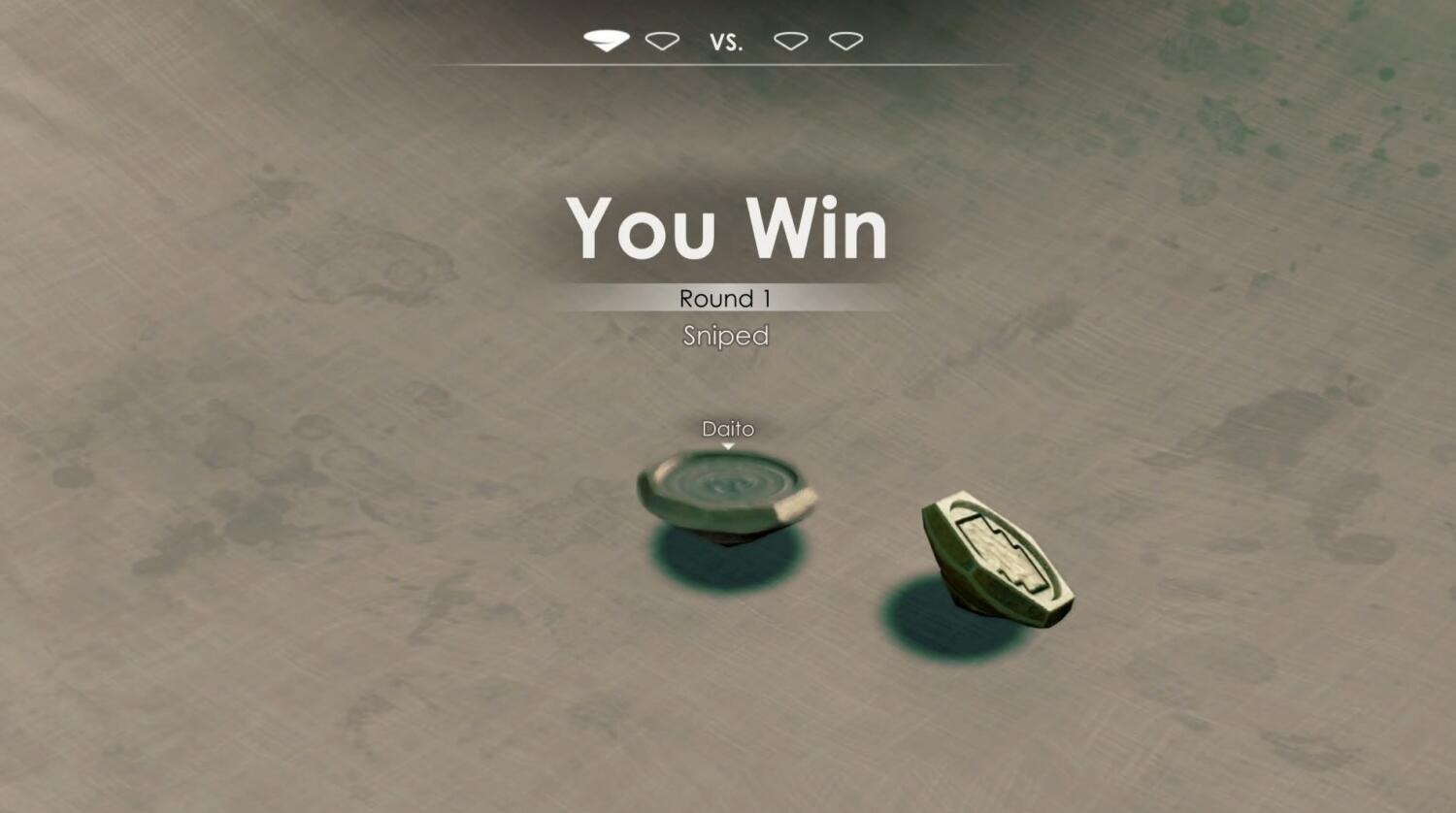
“One of the rules we made for ourselves is not using technology that would not have existed in that era,” explains Sakamoto when asked about the mini-game design process. “In 1915, for example, life in Japan was simple, and so these were the entertainment available to the people without electronics.” He also adds that as the game’s eras progress, more mini-games will be introduced to reflect the times, including pachinko in the game’s final era.
While players can lose themselves in STRANGER THAN HEAVEN’s many side activities, it won’t be long before they are thrust back into combat once more. While its new grounded melee system certainly made an impact upon its reveal, one of the biggest lingering questions was how the team would keep combat feeling fresh across the seemingly lengthy five-era-long campaign.
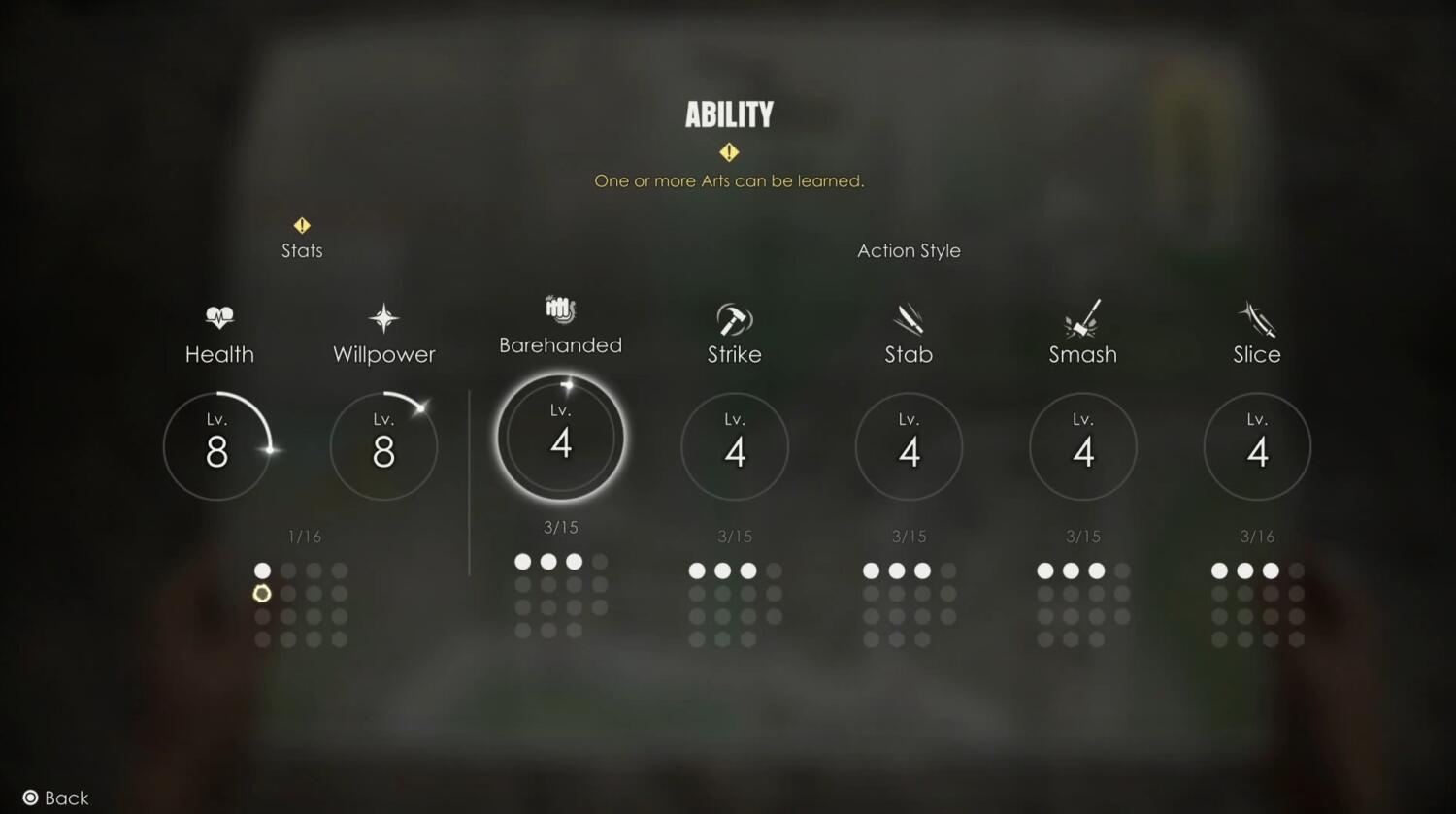
The latest preview does shed some light on this matter by revealing the ability and gear systems. As players level up, they can unlock skills in six categories, one for general stats and five for each of the game’s weapon types – barehanded, strike, stab, smash, and slice. These can range from passive bonuses like decreasing the time it takes to use healing items, or new moves like a perfect evade when using stab weapons.
And then there are the weapons, which can be bought from blacksmiths around the world. Each weapon has its own rating level and stats, and can be further upgraded via forging, which exchanges materials found around the world for stat improvements. Finally, each weapon also has various Awakened Abilities – powerful perks that can be unlocked with specific materials.
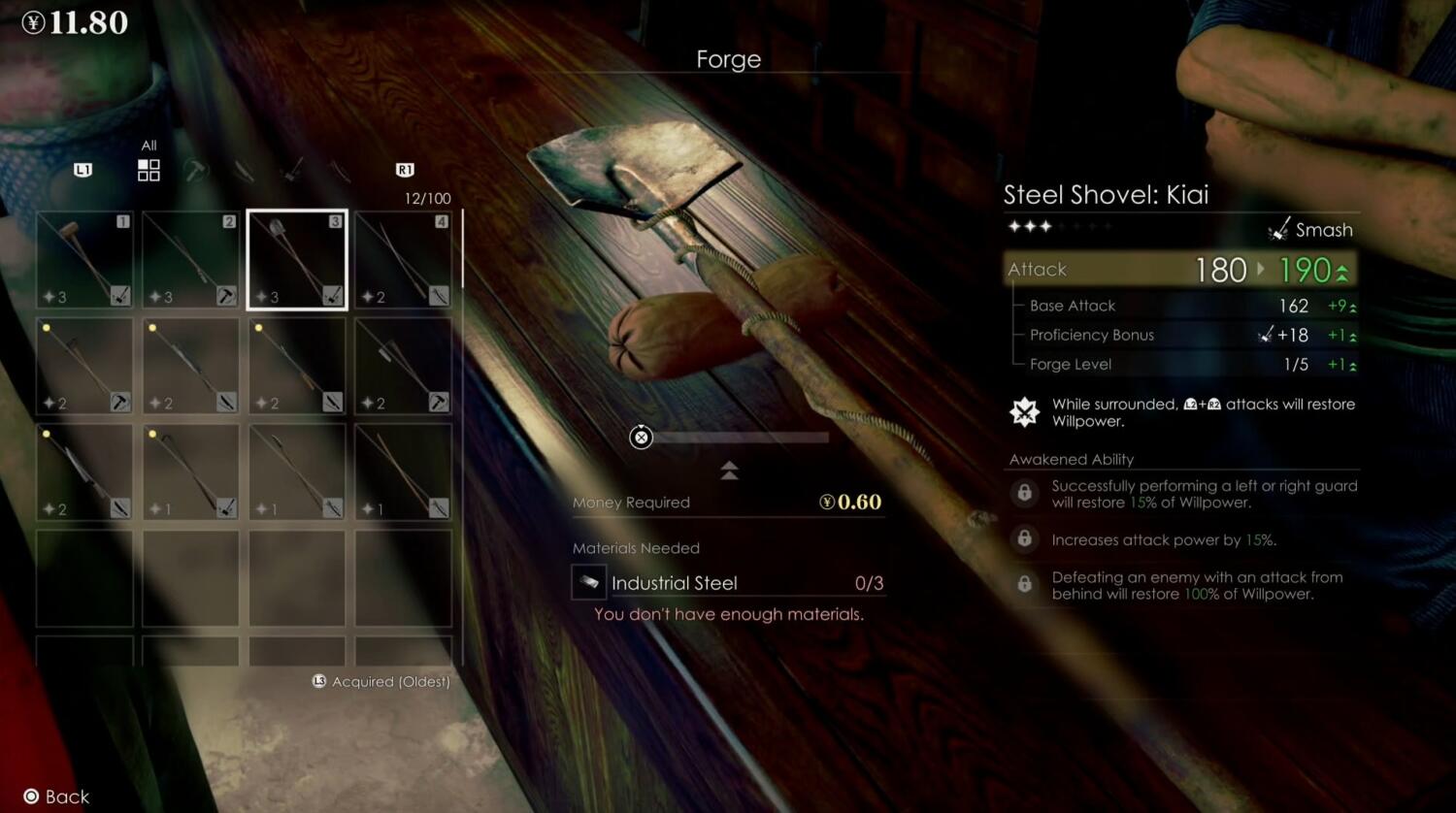
“Unlike past titles, STRANGER THAN HEAVEN doesn’t have preset melee combos, players can make their own combinations through left, right, and charged attacks,” adds Sakamoto.
“And when players progress through the eras, their mastery of the weapons also evolves, so even if they keep using the same weapons, they might be able to unlock new Awakened Abilities to switch up their playstyles and keep combat fresh throughout the game.”
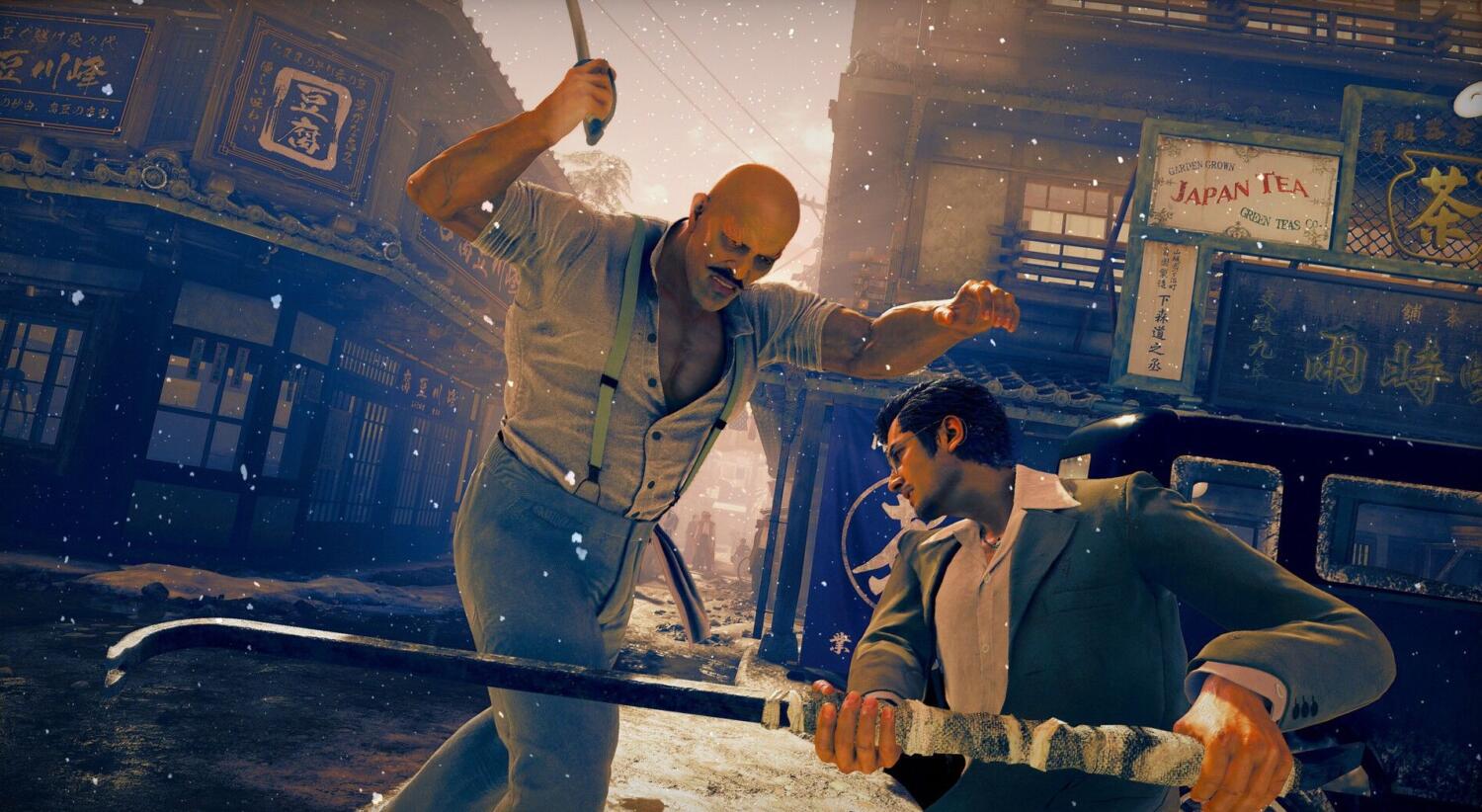
While we’ve only managed to get our hands on two brief preview sessions of the game, STRANGER THAN HEAVEN is shaping up to be RGG’s most refreshing title to date. By switching up fan expectations with a completely new combat system and introducing one of its most complex side activities to date, one that is intrinsically linked to the era-spanning story of its main protagonist, this is one title for both fans and newcomers to keep on their radar as the game approaches its release on 15 January 2027.
Kevin is a reformed PC Master Race gamer with a penchant for franchise “duds” like Darksiders III and Dead Space 3. He has made it his life-long mission to play every single major game release – lest his wallet dies trying.