
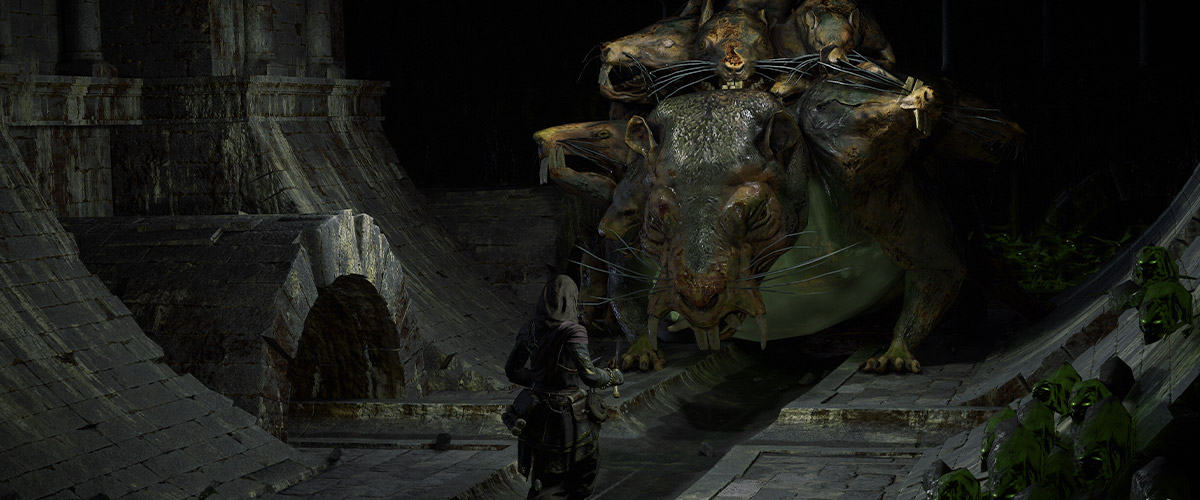
After eight years in development and two years in early access, Path of Exile 2 (PoE2) is finally set to launch on 11 December 2026. For Jonathan Rogers, co-founder of Grinding Gear Games and the game’s director, that date marks the end of a long, player-shaped process that had to satisfy both Path of Exile 1 loyalists, and a new audience coming in cold.
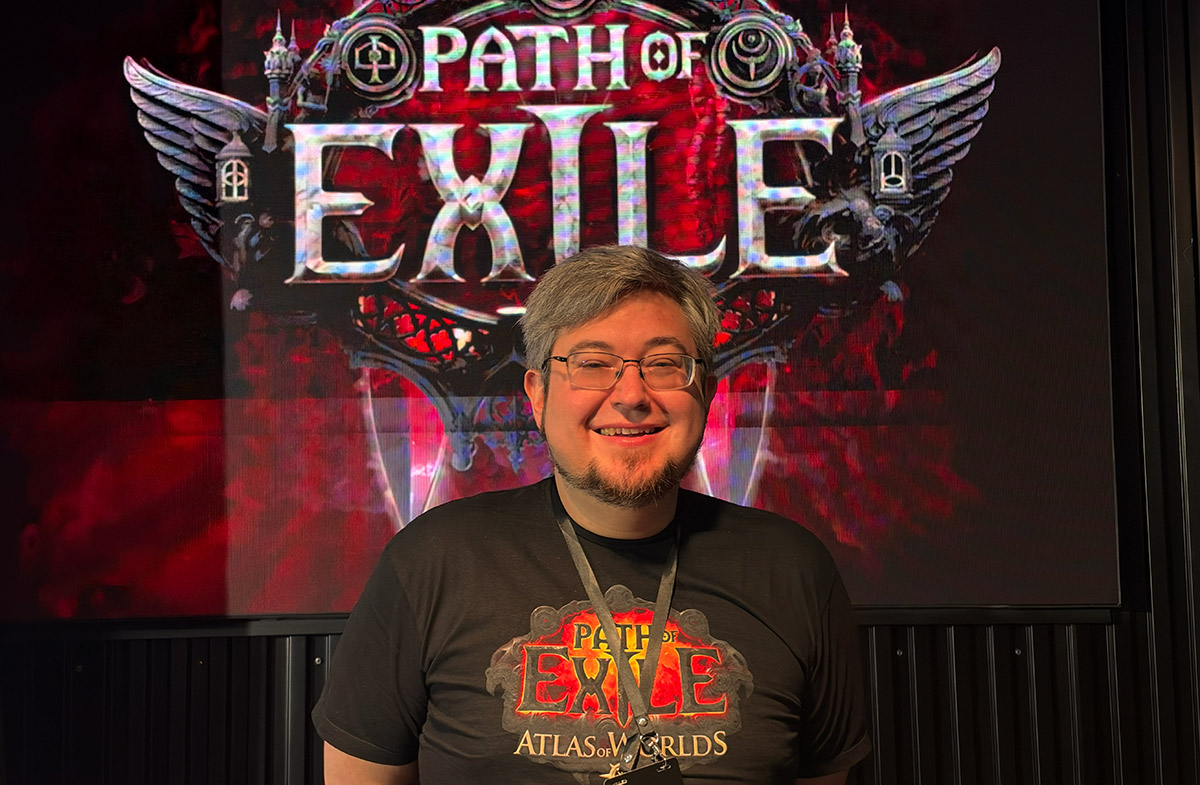
“We definitely expect there’ll be way more people trying PoE2 once it’s free-to-play,” Rogers shared during a group interview at a special preview event for Path of Exile 2 in Bangkok, Thailand. “Why would you not try it?”
But he is just as realistic about the players who may never leave the first game behind. Some have drifted away from the wider gaming scene entirely and just want to keep playing the game they love. That’s partly why the studio keeps supporting the original, and Rogers sees that continuing.
“I think it will continue for a long time.”
The sequel’s big pitch is not that it abandons Path of Exile’s identity, but that it finally delivers parts of the ARPG fantasy fans have wanted for years. Greatswords and daggers are in, axes are coming, and the Templar, perhaps the most requested class of all, is still looming large in the players’ minds. Rogers says that is because the class naturally fits the fantasy people keep asking for – the spellcaster who is also a front-line attacker. It’s next on most players’ wish lists, and it’s the kind of hybrid he believes belongs in a game like this.
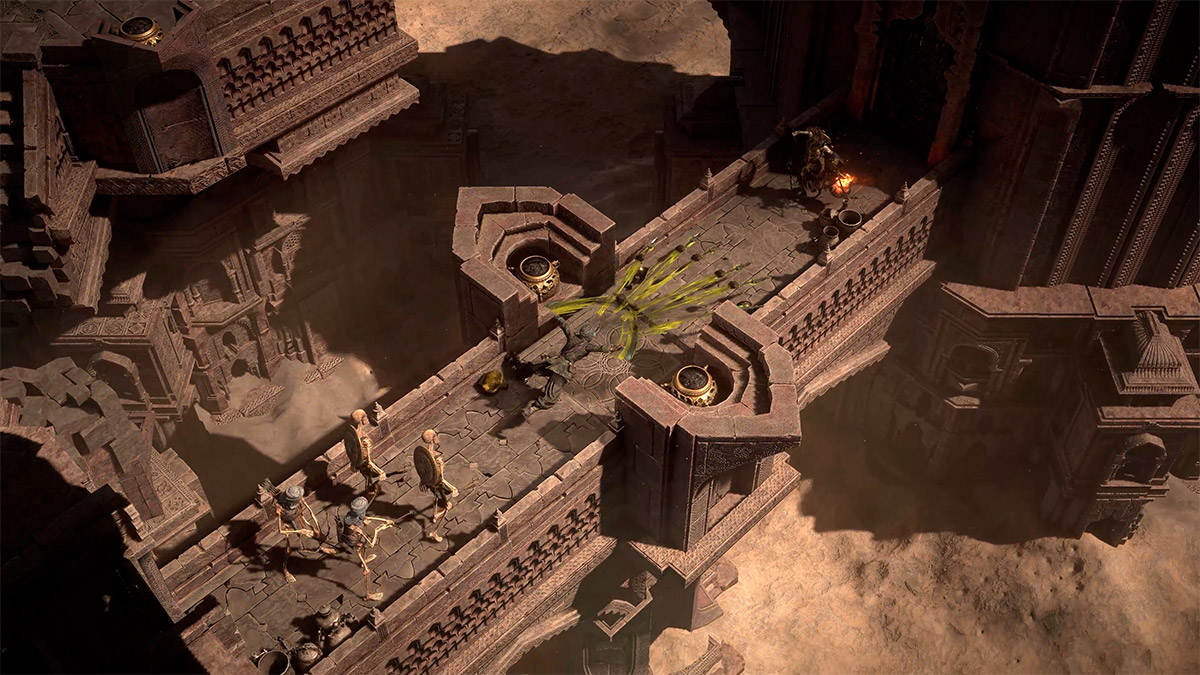
The team often looks beyond the ARPG genre for inspiration, but every idea has to be pulled back to what makes Path of Exile feel like itself. The latest example is Conquerors of Wraeclast, a league layer inspired by Heroes of Might and Magic. The aim wasn’t to graft a strategy game onto an action RPG, but to borrow the feeling of building and commanding without losing the core combat loop.
“We wanted to simplify, compared to a game like, with all the sort of resources,” Rogers says. In Heroes of Might and Magic, there are wood, iron, and other material layers and Path of Exile 2 trims that down to a single resource – supplies.
“We kind of got rid of all of that because we just wanted to keep that layer relatively simple for an ARPG context,” he says, even as the battle still matters.
“You expect to be able to go down and fight in them yourself,” he says, which is why the system had to feel like an extension of the action, not a replacement for it.
That same push and pull between complexity and clarity has shaped nearly everything else about the game. Rogers says the studio had to rethink systems it thought it already understood. The item system, in particular, forced major changes.
“We definitely felt like we knew what we were doing when it comes to item systems after Path of Exile 1,” he says, “and yet we had to make very, very drastic changes to that to make early access much better.”
Player feedback also pushed the team in directions it had not expected to go. Sprinting was one example where it was not something the development team planned for, until players started demanding it.
Early Access, in that sense, became less a preview and more a long conversation. Rogers admits the team underestimated how long the process would take. “We could complete the content faster than we did,” he shared. “It just took way longer than we expected.”
He notes that part of the reason was simple – the quality bar was higher than before. The studio also did not finish everything it wanted. A few classes still missed the cut. Even now, some of the biggest priorities are still being polished in time for 1.0.
Class design has been one of the clearest examples of how the sequel has evolved. The Shadow, Rogers says, came together fast because the fantasy behind it was so familiar.
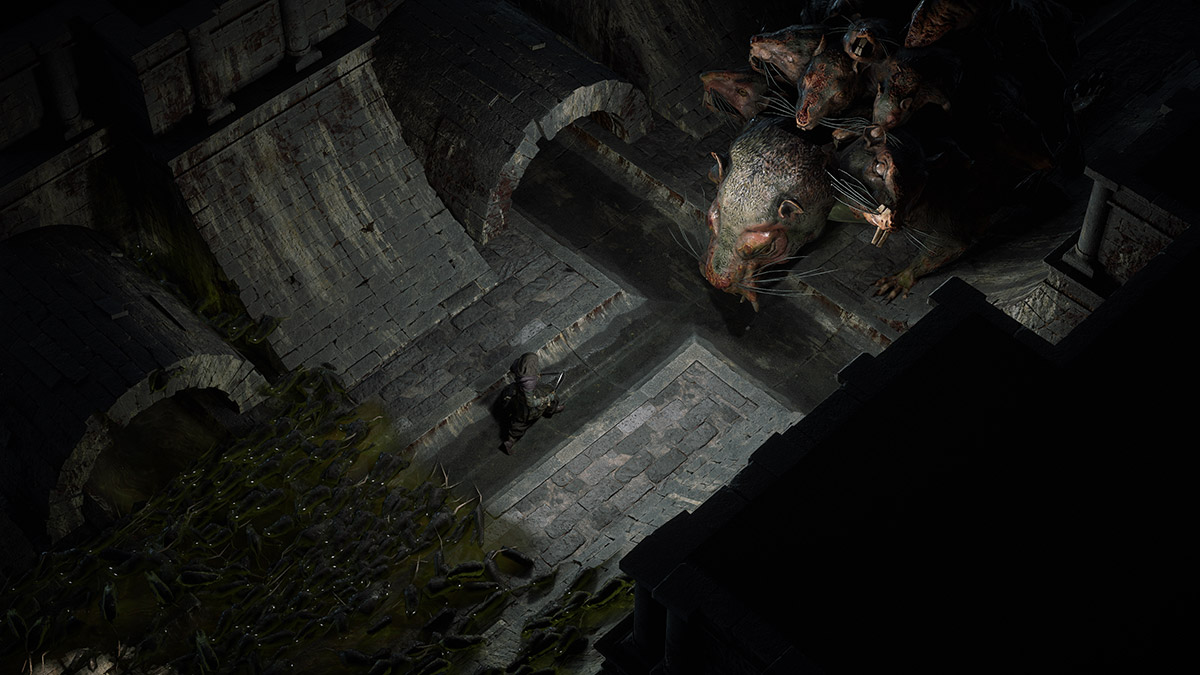
“The stealth assassin is such a stereotypical idea that everyone has in their mind,” he says. The real work was translating that fantasy into an ARPG that still feels fast and responsive. Once the team worked out how stealth should feel, “everything else flowed incredibly quickly.”
Other classes have needed more attention. The Warrior is one of the most urgent cases because its feel and animations were built around older assumptions and Rogers concedes the other melee classes now feel better. The Sorceress is getting another pass too. It’s perfectly fine, he says, but not yet as good as he wants it to be. These read less as admissions of failure than as signs of a game still being tuned toward the shape the studio has in mind.
“The Warrior is the one that was the most urgent,” he says. “The other melee classes are all better than it, I think, in terms of the way they feel.”
Balance follows the same arc and the team has been narrowing the gap between the strongest and weakest options through buffs, nerfs and cleanup of unintended interactions. Build diversity improved steadily, until the Gemling Legionnaire brought in too much power, which will be adjusted. More broadly, he frames the process as a long relearning of balance principles as Path of Exile 1 took years to get where it is, and Path of Exile 2 is starting that process from the beginning.
“We just had to start from scratch again, basically,” he says. That is also why early access mattered so much. “I can’t imagine what it would have been like if we’d have gone to 1.0 without having all that experience.”
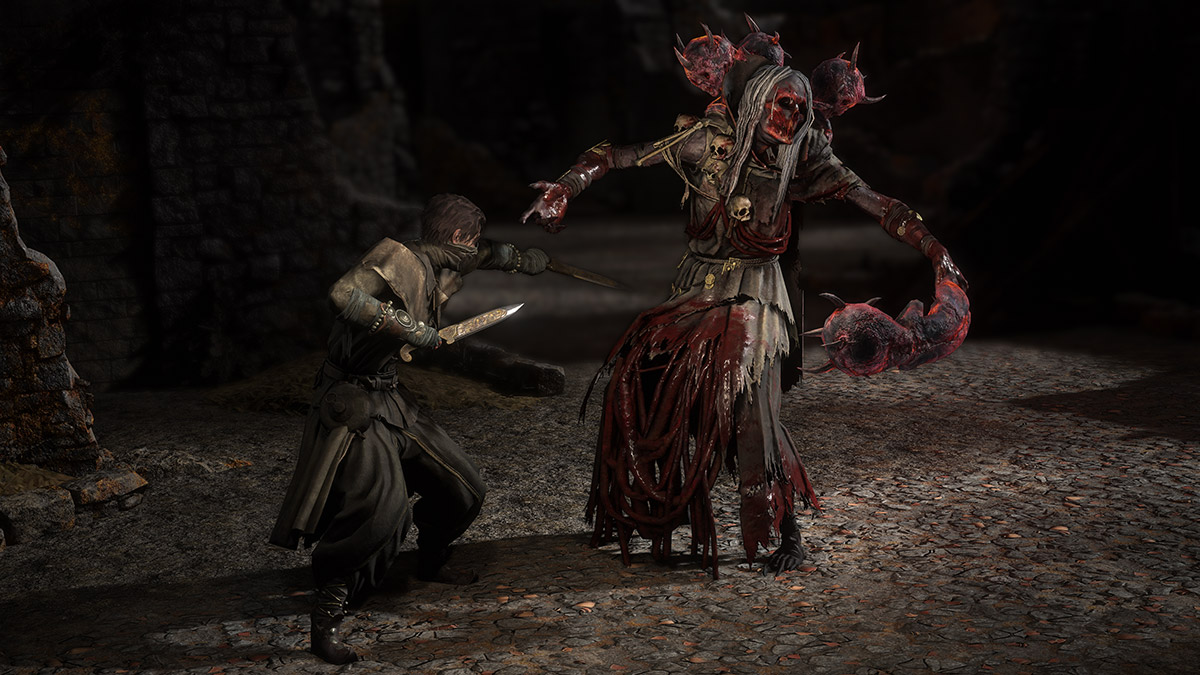
Support gems are another area where the team is trying to balance freedom and progression. Rogers does not want to simply hand players more of them.
“I don’t want to increase the number of support gems you get because it is an important character power progression thing,” he says.
What he does want is a way for players to change what they already have, like recutting a gem rather than adding another one. It is the kind of compromise that keeps the system meaningful while making it less punishing to experiment.
The technical side of the game has taken just as much work. Rogers speaks about optimisation with the kind of pride you would expect from someone who used to work as an engine programmer. He says the team spent a huge amount of time dealing with a nasty NVIDIA driver problem that caused the game to crash and restart. “It took us a huge amount of time to work out what was causing that and then deal with it,” he says. Once that was solved, the studio could push much harder on CPU work and multithreading. “It really just comes down to CPU optimization,” he says. The current version, he says, should run around “25 percent faster on the CPU” than the previous one.
That work matters because Path of Exile 2 is not just about design ambition. It is also about reach. Rogers says the team wants the game to run on as many machines as possible, and he notes that the game does work on ARM hardware. Mac support is also coming, since he’s also a Mac user, so there’s the personal sense of achievement in making the title work on Apple’s hardware.
What comes through most clearly in the interview is that Rogers sees Path of Exile 2 as both a sequel and a correction. He does not want to dumb the game down. He does not buy the idea that the audience splits neatly into casual and hardcore camps. “I actually think that the distinction is only whether someone chose to play the game for longer,” he says. In his view, the task is not to chase a separate audience, but to make a game good enough that people stay.
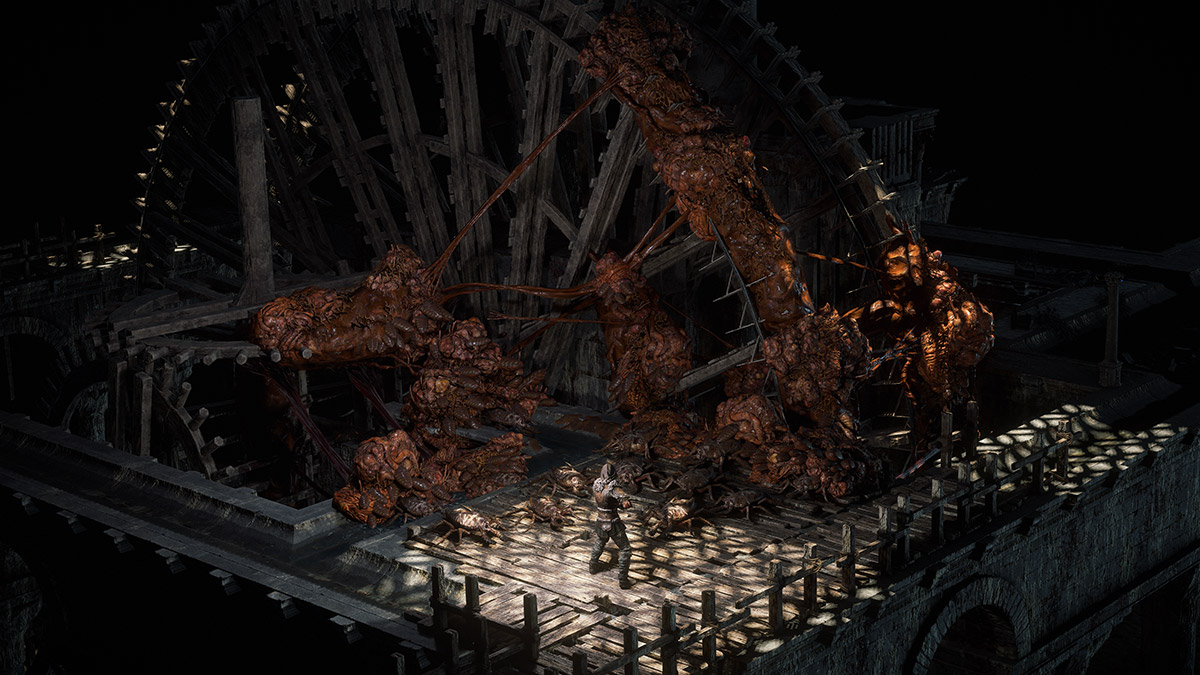
That same philosophy helps explain why he talks so much about resets, leagues, and the rhythm of players leaving and coming back. “The resets are a huge part of that,” he says of Path of Exile’s longevity. The game does not try to hold players forever. It gives them a reason to return hungry. They play for a while, finish the league, leave, and then come back later. “
As Path of Exile 2 heads toward launch, Rogers sounds relieved, and in his words, “It’s a big sigh of relief,” he says. The game has been in development for eight years, and the team is ready to ship. But it is still a live game, still being tuned, still being reshaped by the people playing it.
Path of Exile 2 releases on 11 December 2026. The full release brings together 10 playable classes, 26 Ascendancy classes, over 320 skills, more than 400 unique Items, and over 150 endgame maps. This includes Acts 5 and 6, which brings 24 new areas, 18 new unique bosses and over 20 new special encounters as the battle against the Twilight Order and the Beast reaches its climax.
Yonk is a geek who is fortunate enough to have an equally geeky Star Wars fan for a wife, who owns a LEGO Millennium Falcon encased in a glass coffee table as their home’s centre-piece.

 Kevin Low
 Si Jia