This interview has been edited for clarity.
When making a video game, especially one in a completely different genre compared to anything a studio has done before, the safest option seems to be to learn from the best. For HoYoverse’s Petit Planet, the Chinese studio’s first foray into the cosy game space after years of RPGs like Genshin Impact and Honkai: Star Rail, the inspirations from Nintendo’s massive hit, 2020’s Animal Crossing: New Horizons, are pretty clear at first glance.
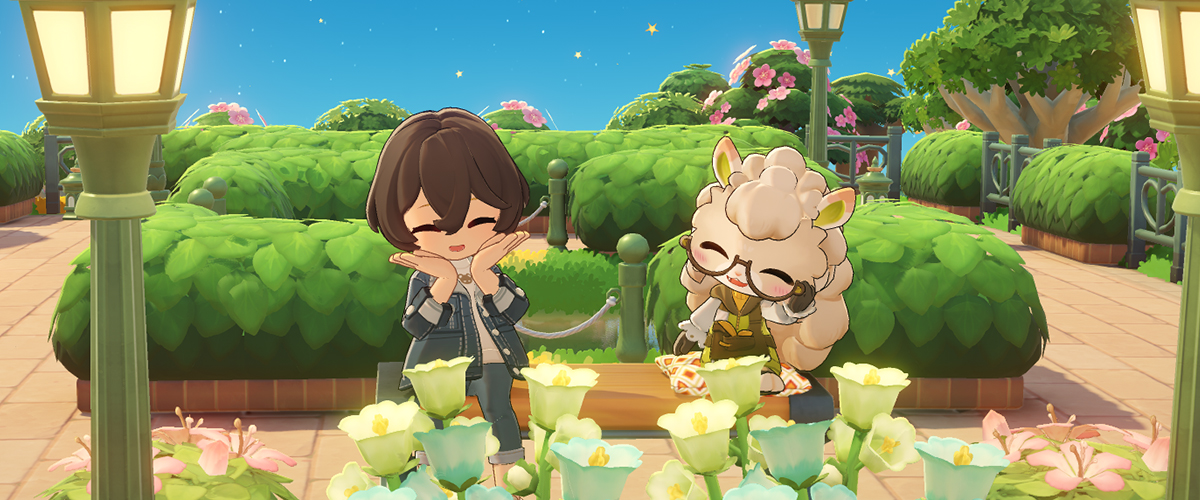
Geek Culture was able to get a few hours of hands-on time with the upcoming free-to-play title during the HoYoverse Media Tour 2026 in Seoul, South Korea, and found out that this was indeed the case, with many familiar elements such as a stylised design, cute anamorphic companions, and the process of catching critters to display in a “museum” all being adapted, albeit in a slightly different way.
Still, our preview left us with some lingering questions, notably how the game will work as a free-to-play live-service option – perhaps the biggest boon or barrier to entry depending on how monetisation will be handled – and how it sets out to differentiate itself from other genre contemporaries. To this end, we were able to speak to lead game designer Murphy and lead artist Yinli Huang during a follow-up interview to find out more about how the game is gearing up for launch.
Being in the cosy game genre, it’s important that a title allows players to engage with its content at their own pace, and has enough of it to keep coming back for more, even if they were to take an extended break from the game. As a free-to-play live-service title, the question arises as to how much content will be made available to a player without being paywalled, and according to Murphy, things are looking pretty accessible, at least for now.
“All of Petit Planet’s core gameplay, including its life simulation and all content related to forming friendships and building stories with the Neighbours, is included for all free players,” she explained. “In terms of our monetisation model, we can confirm that it will only be associated with cosmetics, meaning things like furniture and clothes.”
While this is certainly an enticing prospect for those looking to jump into a cosy game without any commitment, we did encounter a situation during our preview where embarking on certain quests, such as the seasonal mission for the Season of Snowfall, required some sort of currency to start. While it wasn’t made clear how a player would earn this currency, it does still leave the question of whether it may require grinding from players, which then opens the room for possible “time-saving” microtransactions in the future, similar to what most free-to-play titles employ.
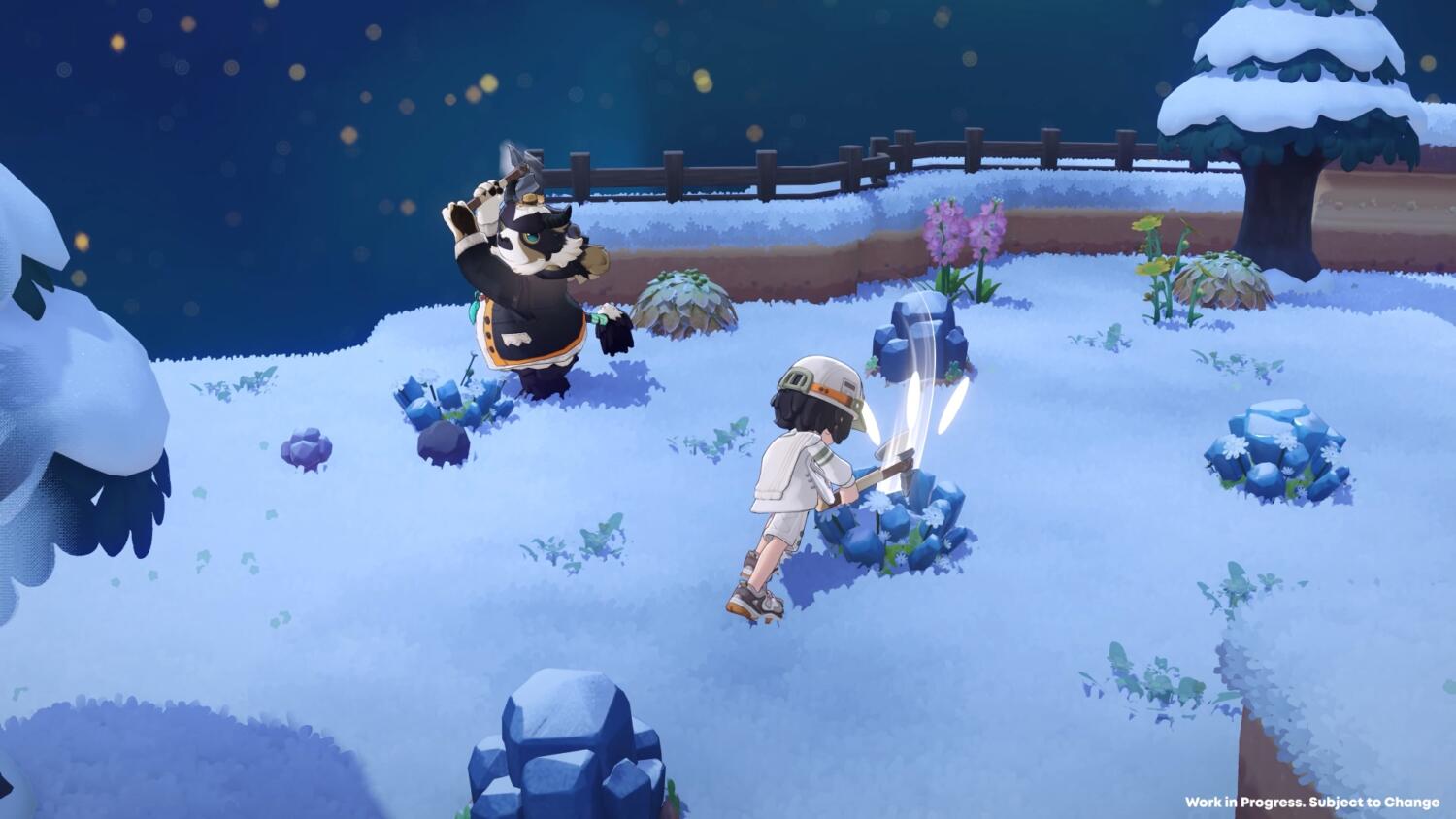
Still, these are all speculation for now, but monetisation wasn’t the only big question, as, being a HoYoverse title, many wondered how the team would handle its slower, more relaxed gameplay approach, especially compared to the studio’s other titles, which constantly add a barrage of new content, such as Honkai: Star Rail’s upcoming Version 4.7 update, in an effort to improve audience retention.
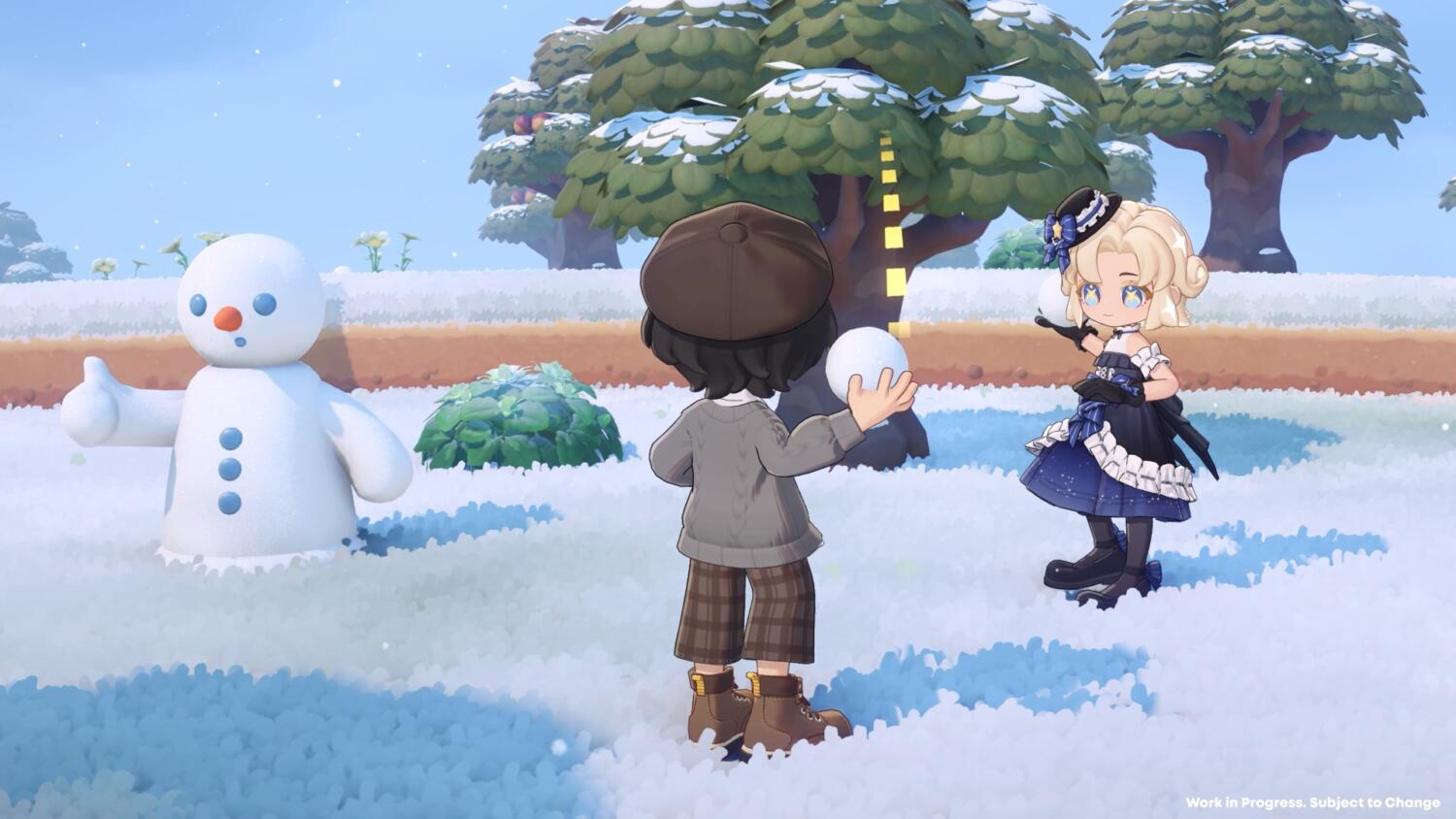
“As a live-service title, we will constantly add new content to the game, like festival events, which are inspired by real-world festivals, alongside the concept of seasons,” Murphy adds. “Each season, players will be able to meet new Neighbours, alongside new clothes and furniture to unlock.”
To this end, another point of concern with such a seasonal line-up is whether players will constantly need to keep up with updates to get access to the latest additions before they are gone, something that might be counterintuitive for a relaxing play-at-your-own-pace title like Petit Planet. While we have seen time-limited events in previous games from the studio, Murphy adds that players who join the game after the season has ended will still be able to experience the content of past seasons.
She admits that this feature is still a work in progress however, as the team is still figuring out how to allow “latecomers” to receive all the rewards from previous seasons, noting that they will come to some sort of solution in the future. “These will only be available in our later updates because this is a cosy life simulator, so we don’t want to be too pushy for our players,” she adds, noting that the team is also experimenting with extending the time window for these limited events, so that players can engage in them without having too much pressure.
In fact, this sort of pressure was exactly what the team hoped to avoid with Petit Planet, as it set out with the overarching goal of creating a life simulation game, not a management simulation game, meaning it’s about enjoying the moment, not chasing goals.
“In many management simulation games, there will be a certain focus for players, there will always be some sort of pressure, such as how to get your farm, for example, to the next level, or systems like earning skills, levelling up, and acquiring better equipment to tackle higher challenges,” Murphy explains.
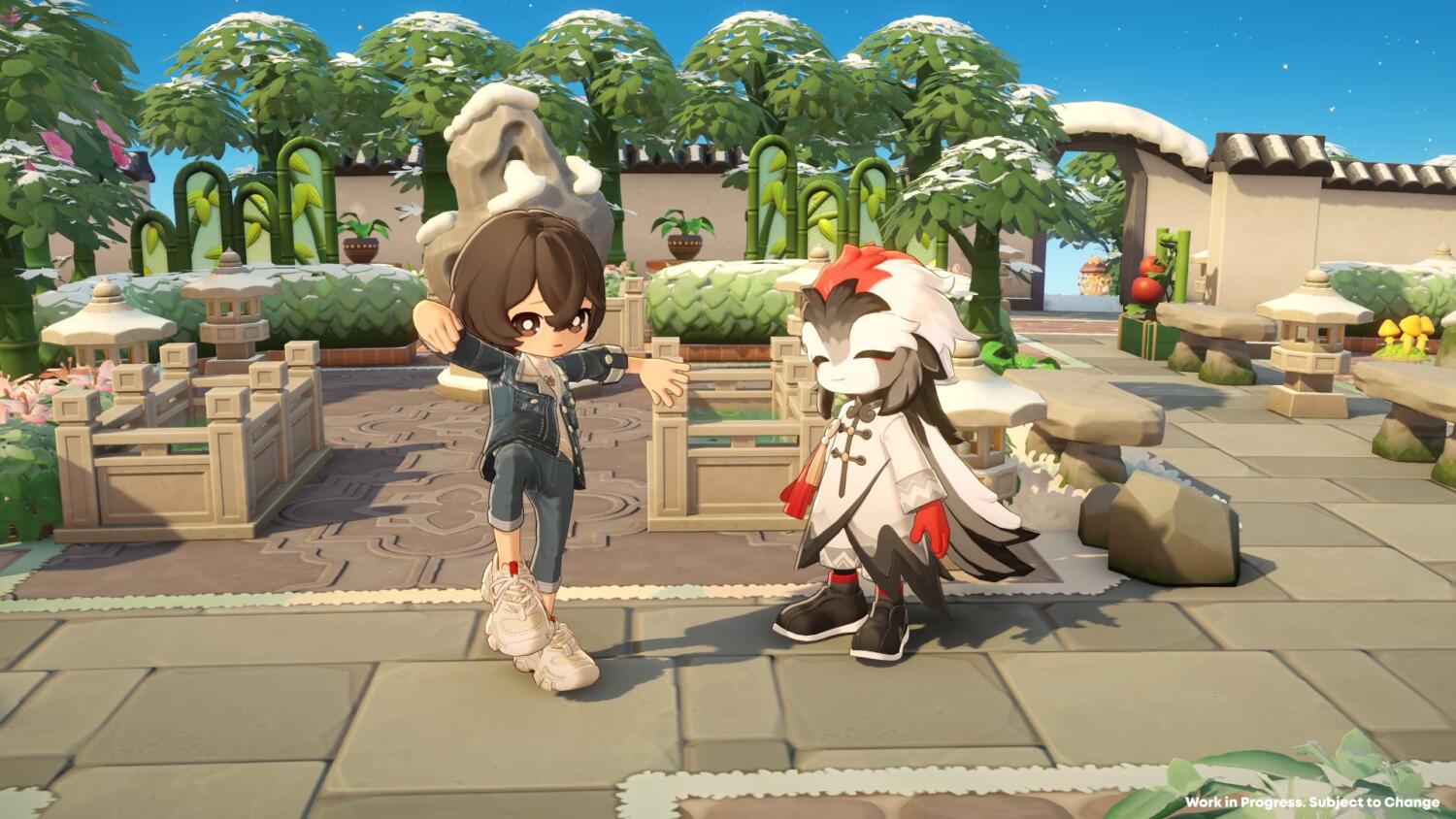
”But that’s not the case in Petit Planet. We always come back to the randomness in daily life, so there’s no growth curve in our game, we just want to provide more of those little surprises and small pleasures in life for players.”
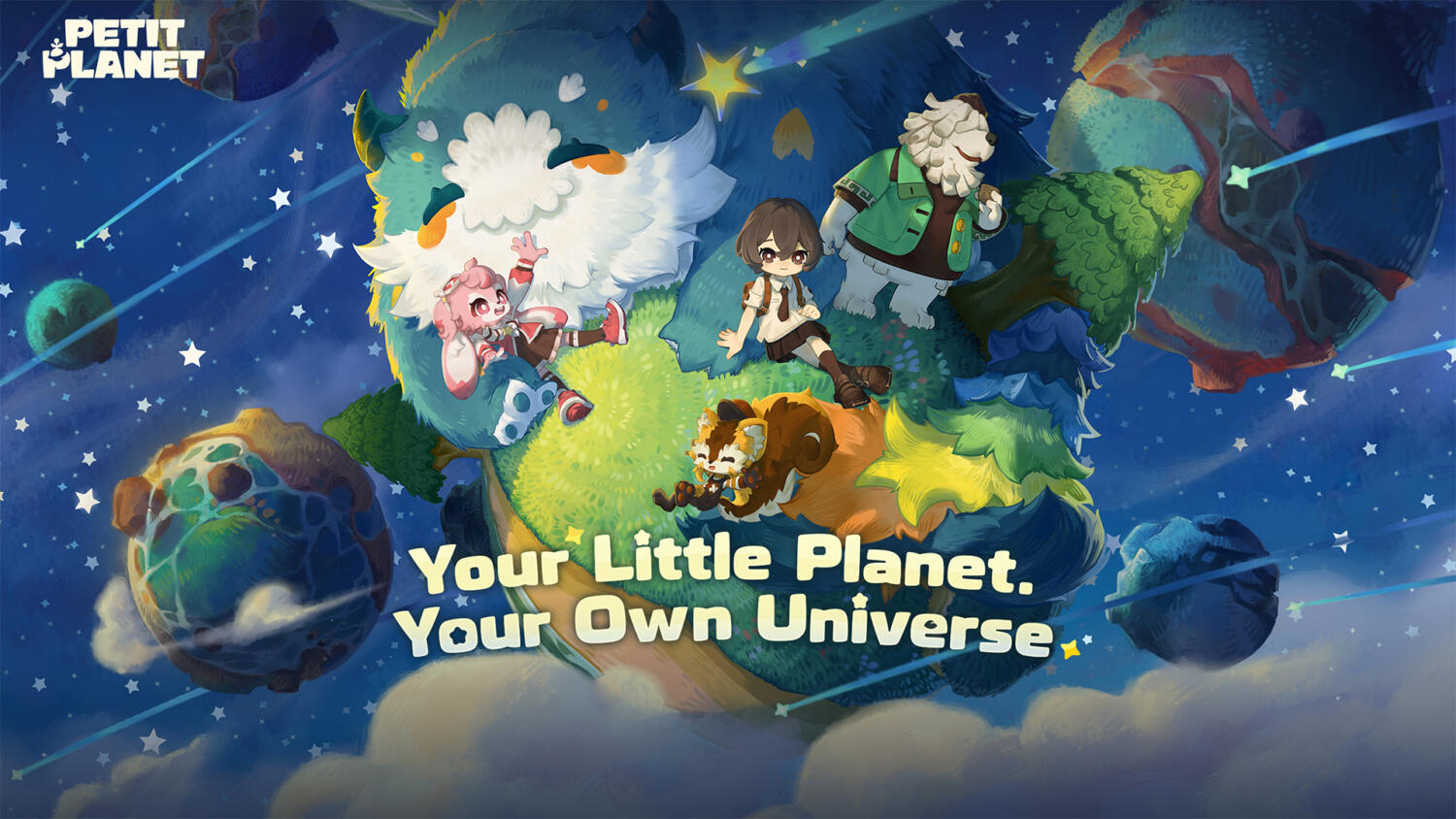
Finally, there’s the question of the game’s defining art style and design. Unlike most cosy games, which see players tending a town or an island, Petit Planet, as its name suggests, tasks them with nurturing an entire planet’s surface.
When it comes to planet tending, one naturally starts to fantasise about crafting the planet of their dreams from scratch, forming different areas around the globe with different biomes, so their home planet can have varying climates and environments as it grows. While the team kept just how big the scale of Petit Planet’s planet-crafting features will be under wraps for now, Huang did tease that more extensive customisation might come in some form in a further update.
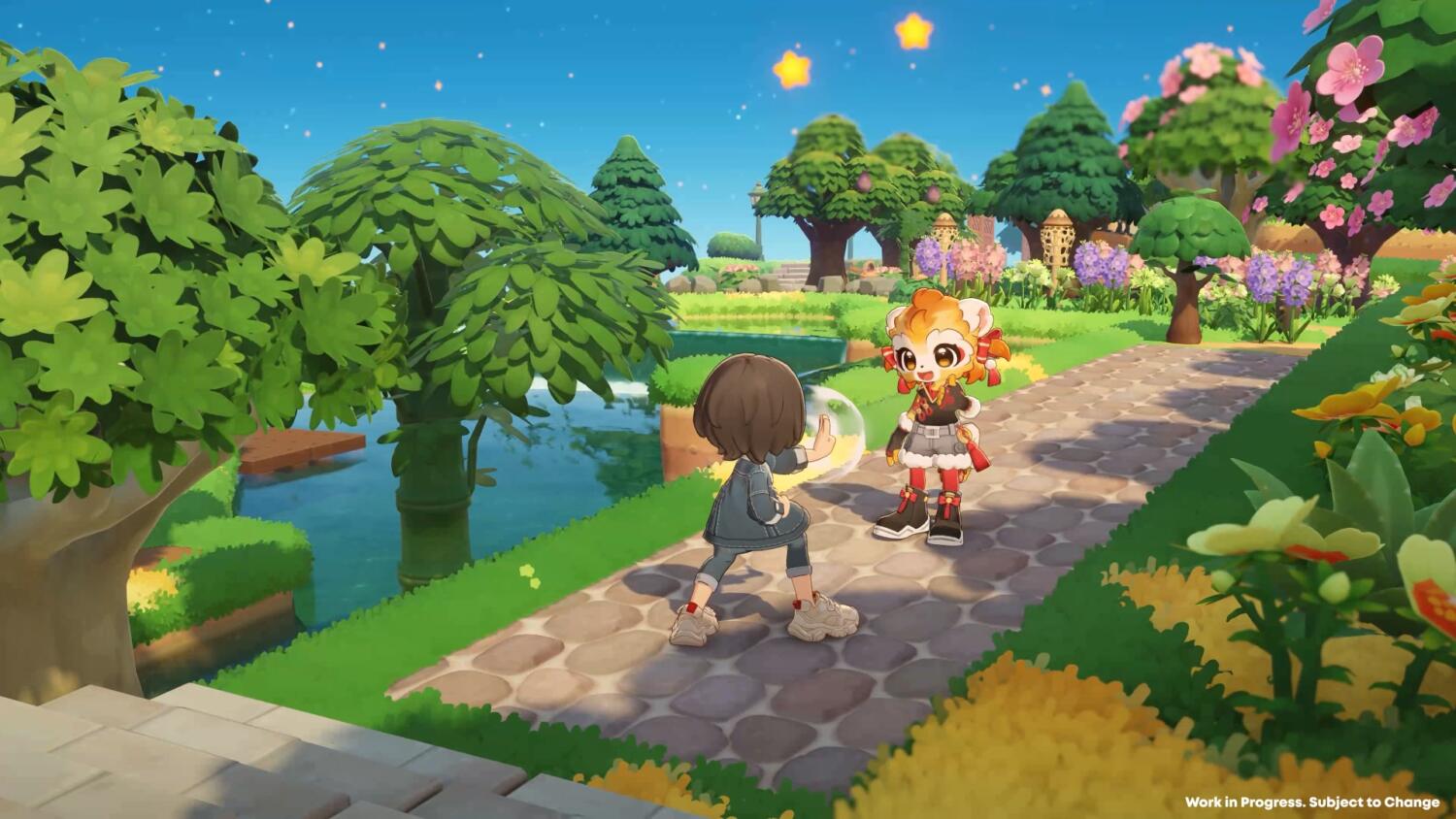
“In the future, players will be able to explore planets with different climates, for example, desert or snowy planets,” he explains. “Down the line, we will also unlock the resources seen on such planets for players to customise their own.”
On the topic of planets, having the game take place on a more spherical plane also presented its own set of challenges for the player, since this might lead to motion sickness. Huang admits that he is also prone to motion sickness, to the point where he gets it while riding an elevator, so he understands that this might be a hurdle for some, and has taken the steps to address the issue.
“We spend a great amount of time navigating how players control their characters and how the world moves with the camera,” he recalls. “Initially, we found out that if we put everything on a sphere and combine it with certain camera movements, it’s more likely to induce motion sickness.”
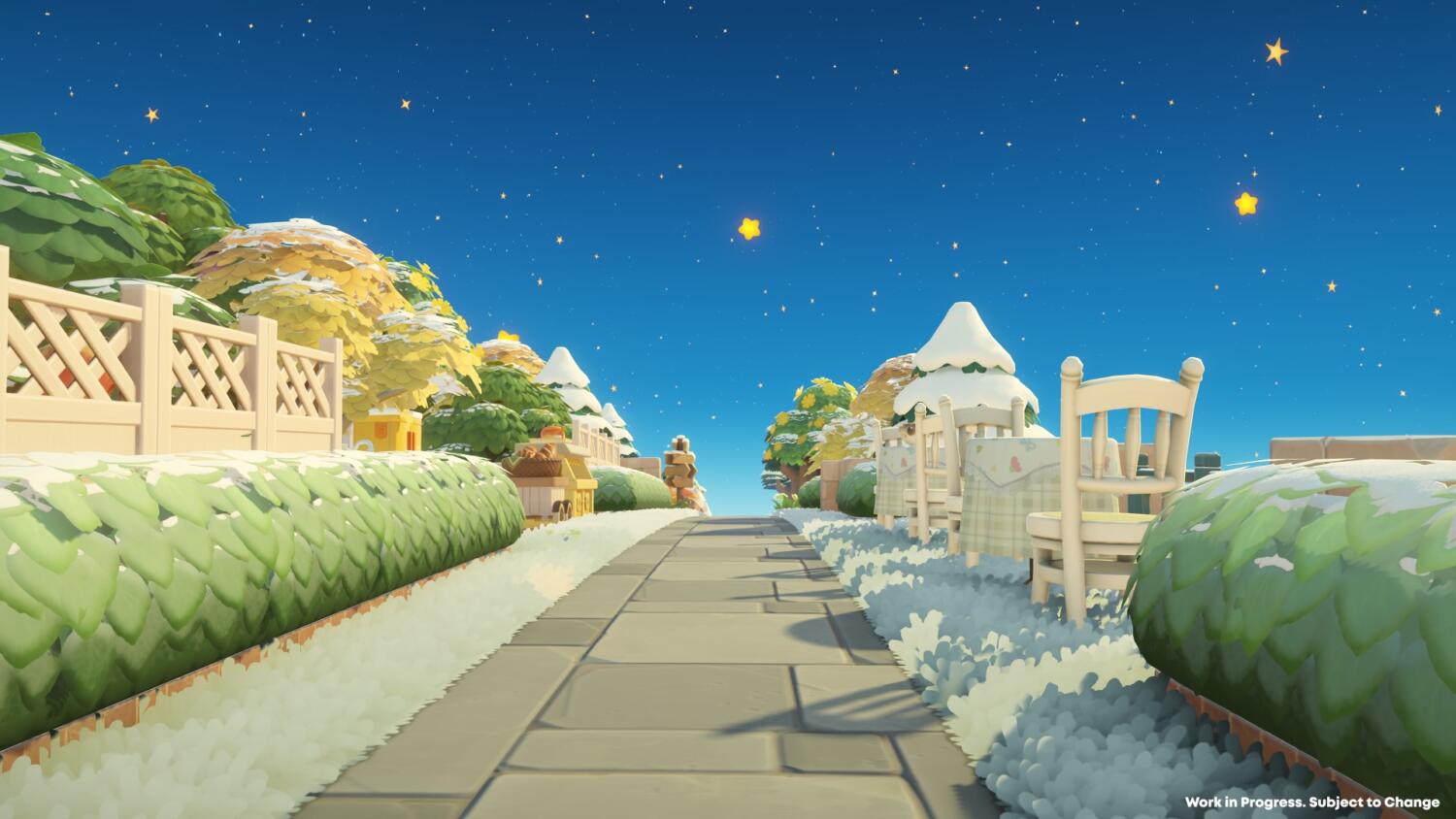
“We looked at many references and did research on what caused motion sickness and how 3D movement works, alongside some internal tests, too. We asked our team members prone to motion sickness to play the game and note down their feelings, such as when they start to feel dizzy and how long they played until they felt that way, so we could find a baseline for what most players will be comfortable with.”
The team’s concern about the player experience doesn’t end there, however, as they also took into consideration certain barriers to entry when it came to critter design, how its many fish, insects, or birds looked in-game.
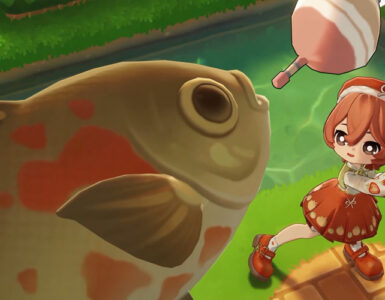
Petit Planet features an entirely stylised art style, meaning all the critters that players will be able to catch are presented in an almost cartoonish way. This is quite the stark contrast to titles like Animal Crossing: New Horizons, which, despite featuring a stylised look for things like characters and environments, offered a more photorealistic look when it came to critters. While some players will understandably prefer a more realistic look, Huang explains that the reason the team decided to stick with its more cartoony art style was due to player accessibility.
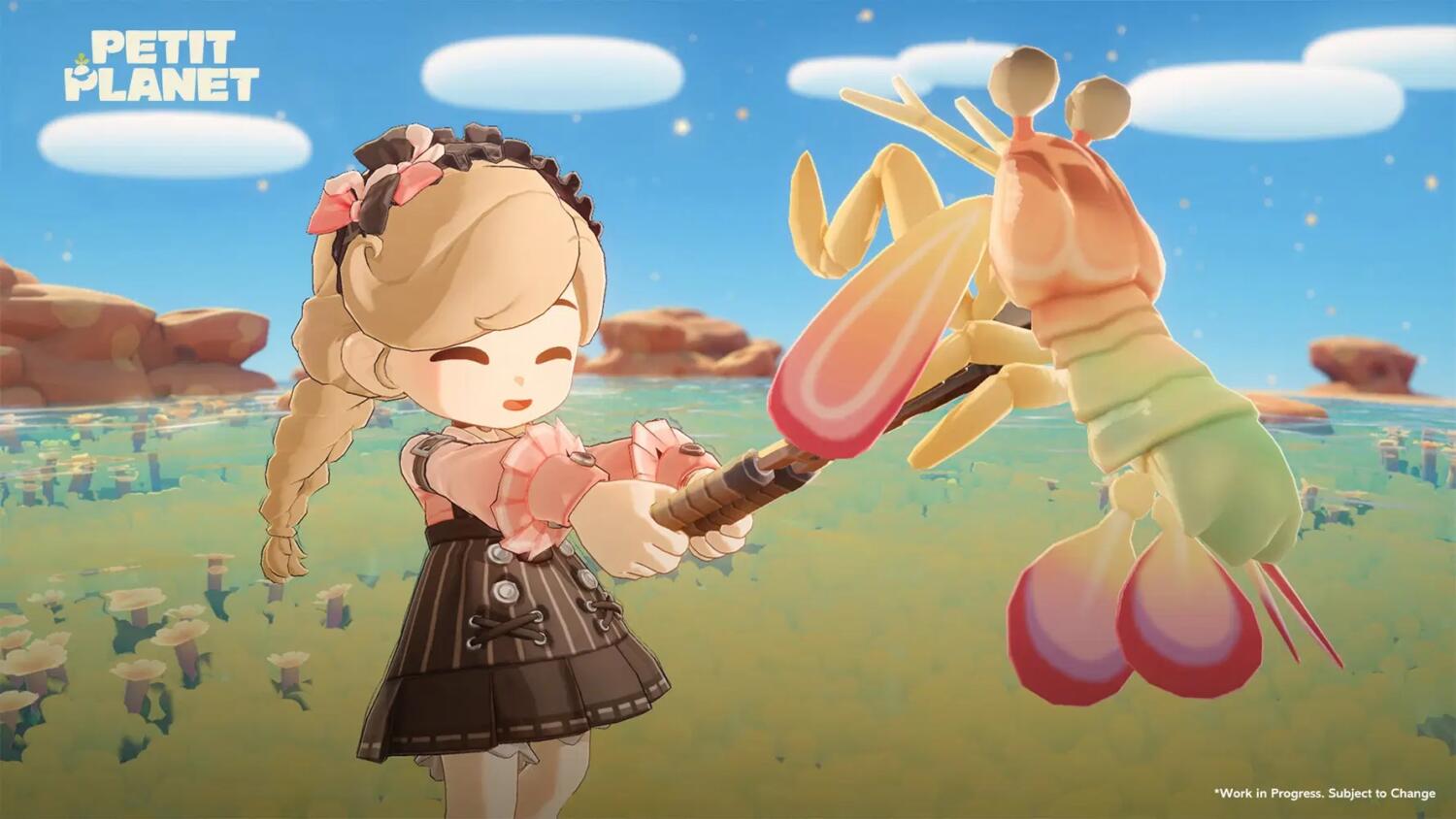
“When designing the creatures in our game, we found that some players might actually end up being afraid of them if we went with a more realistic style,” he explains. “Because some people might have certain phobias of bugs or birds, what we did was to set up a wide spectrum of design, from completely cartoonish to full realism, and constantly test the boundaries of acceptance until we came to an acceptable middle ground to feature in the final game.”
It’s clear that a lot of heart and soul has been poured into crafting HoYoverse’s cosy game debut, and although the game has clearly taken major cues from ones that came before, Petit Planet is looking to offer up something new not just due to its approachable free-to-play format and unique planet-based environments, but also a promise to keep things fresh for the foreseeable future.
Just what this post-launch journey will entail will eventually be revealed when the game launches on 4 December 2026 for PC, Android, and iOS, with a Nintendo Switch 2 version planned for 2027.
Kevin is a reformed PC Master Race gamer with a penchant for franchise “duds” like Darksiders III and Dead Space 3. He has made it his life-long mission to play every single major game release – lest his wallet dies trying.
 Si Jia