The longer a video game spends in development, the higher the expectations that come with it. Meeting these expectations can be tough, and when it finally gets released, the results can be hit or miss, as seen so many times before with titles like Square Enix’s Final Fantasy XV (2016) and Bethesda’s Starfield (2023). And who could forget Gearbox Software’s 2011 failure, Duke Nukem Forever, which took over 14 years to make, only for it to kill off the franchise and become the gaming industry’s poster boy for what happens when a game gets stuck in development hell.
Amidst that uncertainty though, there has been one studio that has shown remarkable consistency, pushing out hit after hit despite making fans wait years between releases – Rockstar Games. Known primarily for its two major franchises, Red Dead Redemption and Grand Theft Auto, the studio is no stranger to lengthy development periods, especially when it comes to recent releases. 2013’s Grand Theft Auto V, for example, took approximately five years from conception to release, while 2018’s Red Dead Redemption 2 upped the ante with its eight-year development phase.
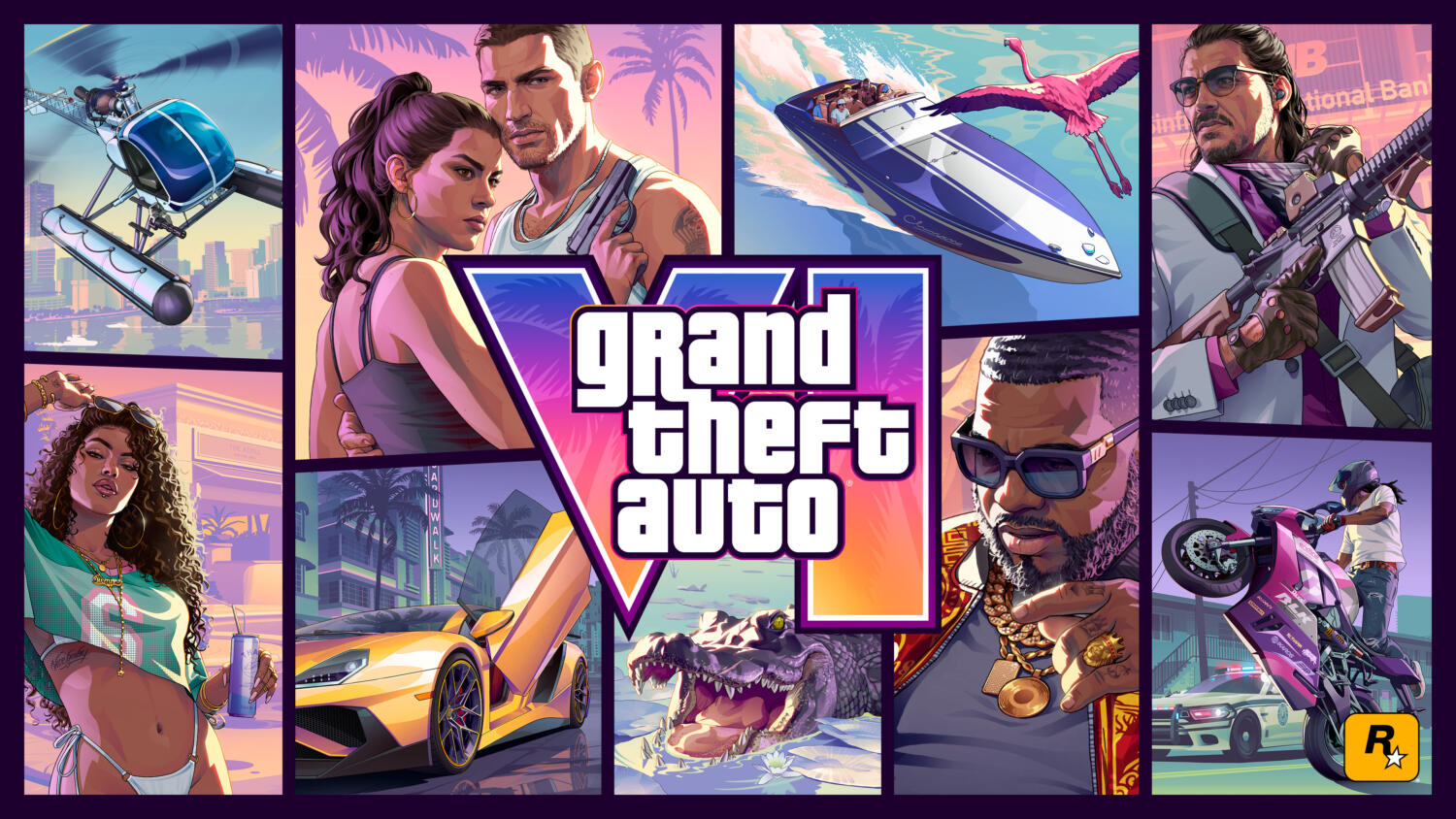
Its latest, Grand Theft Auto VI, has extended that window with a record-breaking 13-year development cycle, and after years of anticipation, rumours, leaks, and constant delays, the game is finally here, but it is also so gargantuan that it has the potential to become too big to ever fail; in true Rockstar spirit, the game succeeds in almost every way possible. Welcome to Leonida, a fictional state (based on Florida) that many of us will get to know better than even the real one we grew up in.

Grand Theft Auto VI doesn’t just mark Rockstar’s first game release for the modern generation of consoles, it’s simultaneously a culmination of all the learnings from past titles from the Grand Theft Auto and Red Dead Redemption franchises, while also being a huge departure from what we’ve seen from the crime adventure series to date, something that’s immediately noticeable thanks to its more intimate narrative.
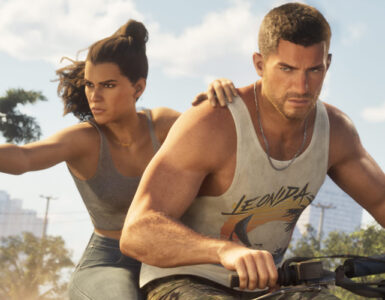
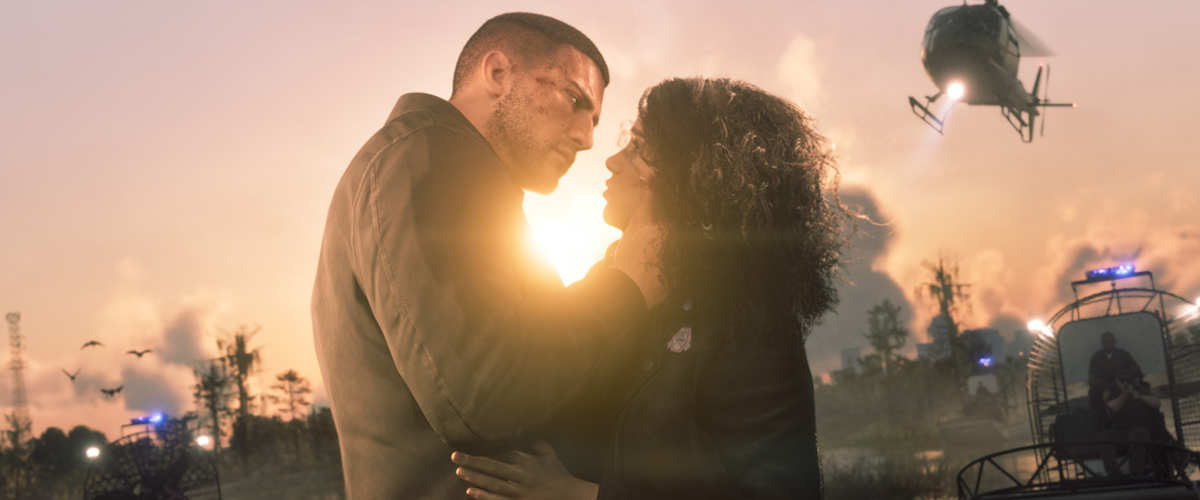
Unlike past Grand Theft Auto stories, which focus on a broader narrative that its characters just happen to find themselves a part of, Grand Theft Auto VI takes a far more personal approach with its main duo, Jason Duval and Lucia Caminos. After a chance encounter surrounding a stolen car, the pair quickly become partners in crime, and eventually life partners, in a modern-day Bonnie and Clyde story.
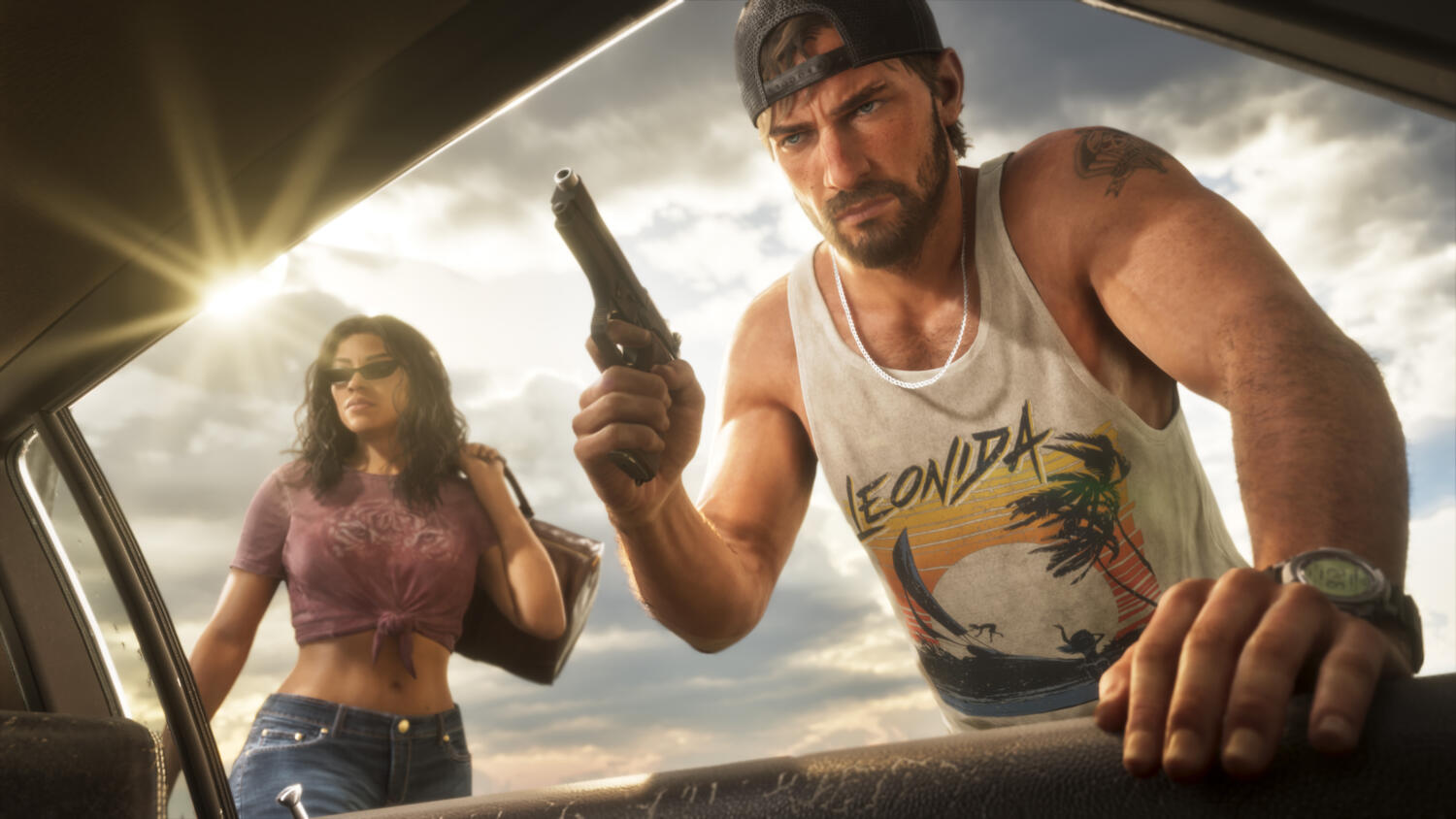
Starting off as small-time crooks, Jason and Lucia’s lives are turned upside down after one fateful job – the theft of a seemingly unassuming duffle bag. Inside, however, lies a dark secret concealed in an encrypted hard drive, one that’s big enough to make cops turn on each other and make our heroes enemy number one of both the police and Leonida’s most powerful criminal organisations.
With the whole world against them, the couple spend a majority of the game on the run, moving from one area of the state to the next. Through all their highs and rock bottoms, their relationship shines through, as it’s presented in a not just relatable, but believable way. The couple’s personalities play off each other well, with Jason being the level-headed planner who is all too familiar with crime but desires a quiet life, while Lucia presents almost the complete opposite with her more confrontational nature and dreams of a lavish life.
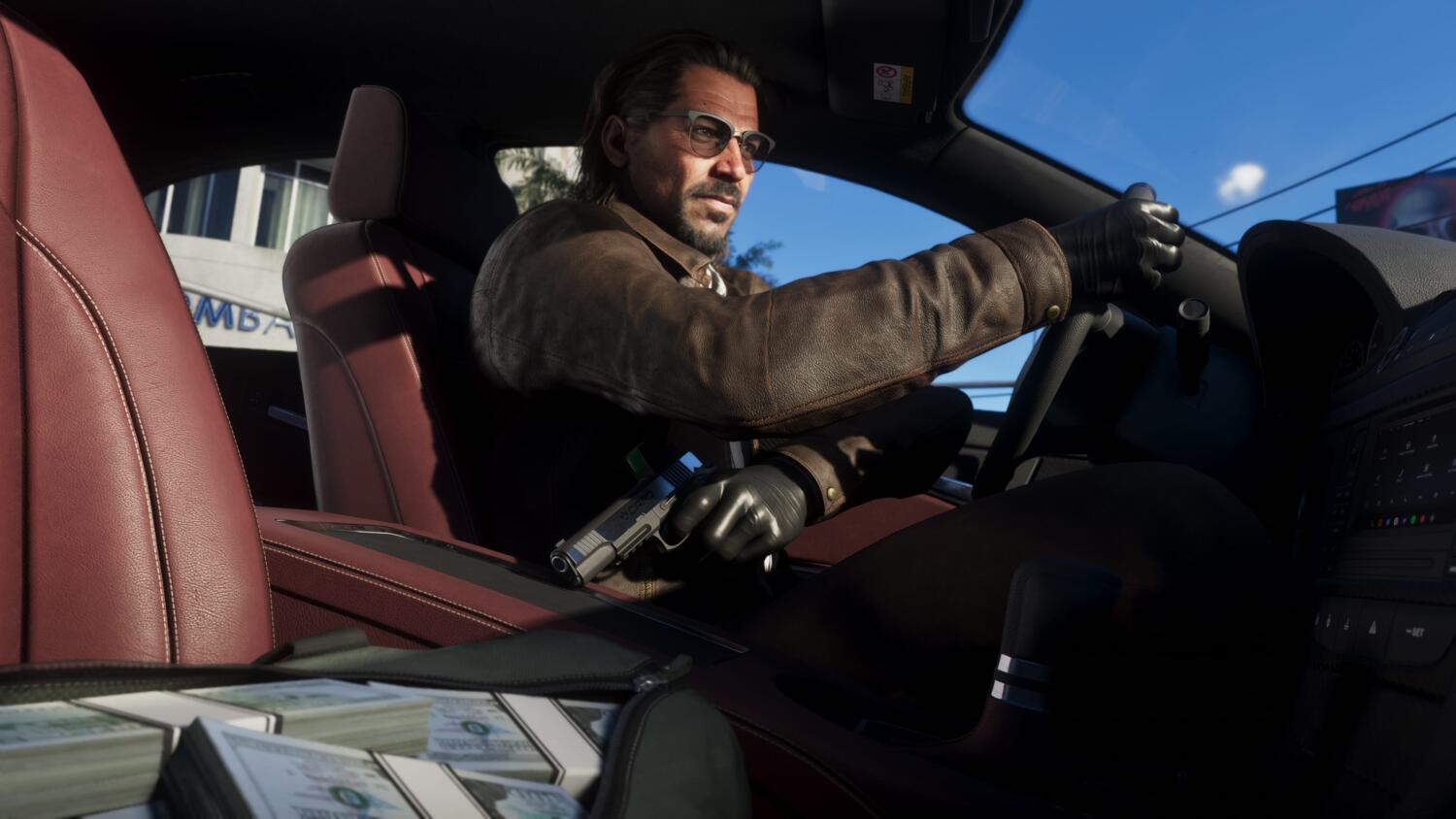
Like other games in the franchise, Grand Theft Auto VI also features a colourful cast of side characters players will meet throughout their journey, like the old-school smuggler Brian Heder and his badass wife Lori, Boobie Ike, the manager of the hip Vice City (based on Miami) club Jack of Hearts, and Raul Bautista, the stone-cold professional career criminal who recruits Jason and Lucia on a series of high-stakes heists. Rockstar’s expert character writing also comes through here, constantly keeping players guessing about any ulterior motives they might have, with the eventual truth often coming as a complete surprise.
Of course, with such an emphasis on Jason and Lucia’s relationship, a player’s enjoyment can boil down to how invested they are in the love story. While the couple are easy to like, some may choose not to engage in the game’s romantic element, and that’s why the game makes this part completely optional. Even if players don’t go down their romantic path, the couple are still deeply intertwined as partners in crime, making the narrative still play out cohesively so they won’t miss out on much apart from specific intimate moments.

Grand Theft Auto VI’s extremely personal and relatable story might be the icing on the cake, but its gameplay is what that ties everything together, and Rockstar has nailed the evolution of the franchise to a T. In essence, the studio has translated the emergent gameplay and roleplaying systems from Red Dead Redemption 2 into the Grand Theft Auto formula, although that’s still just the tip of the iceberg, with every major franchise system seeing an improvement in terms of realism and dynamism.
Take the simple act of shooting, for example. In past games, combat was solid, but nothing spectacular, leaning more towards the arcadey third-person shooter style. Here, different firearms actually have weight behind every shot, meaning there’s a clear difference in weapon handling and recoil when using a gang member’s stockless AK-74 versus an M4 assault rifle fully kitted out with compensators and tactical grips.
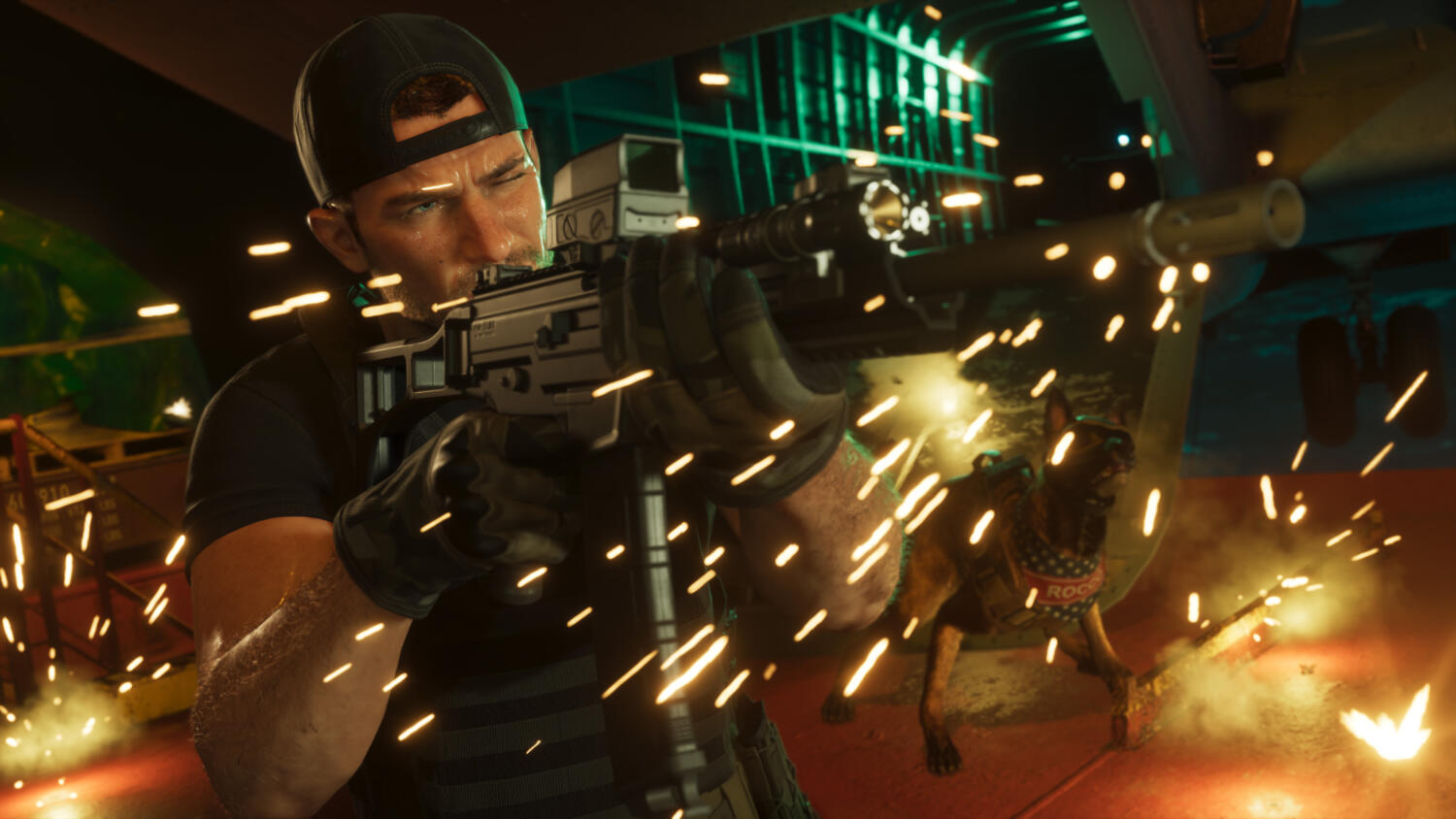
The game also features a morality system similar to that seen in Red Dead Redemption 2, meaning a player’s actions will dynamically change their criminal profile from Professional to Irredeemable, which affects certain elements of its story and how NPCs and a player’s partner react to them. The major way to manage this profile is through combat itself, as the game now allows players to incapacitate enemies and not kill them by aiming at non-vital parts of their bodies, like their arms and legs, while avoiding confrontation altogether gives the biggest boost.
This emergent gameplay extends outside of shootouts too, as Grand Theft Auto VI has seen an impressive evolution in its two other staple game mechanics – stealing vehicles and carrying out robberies.
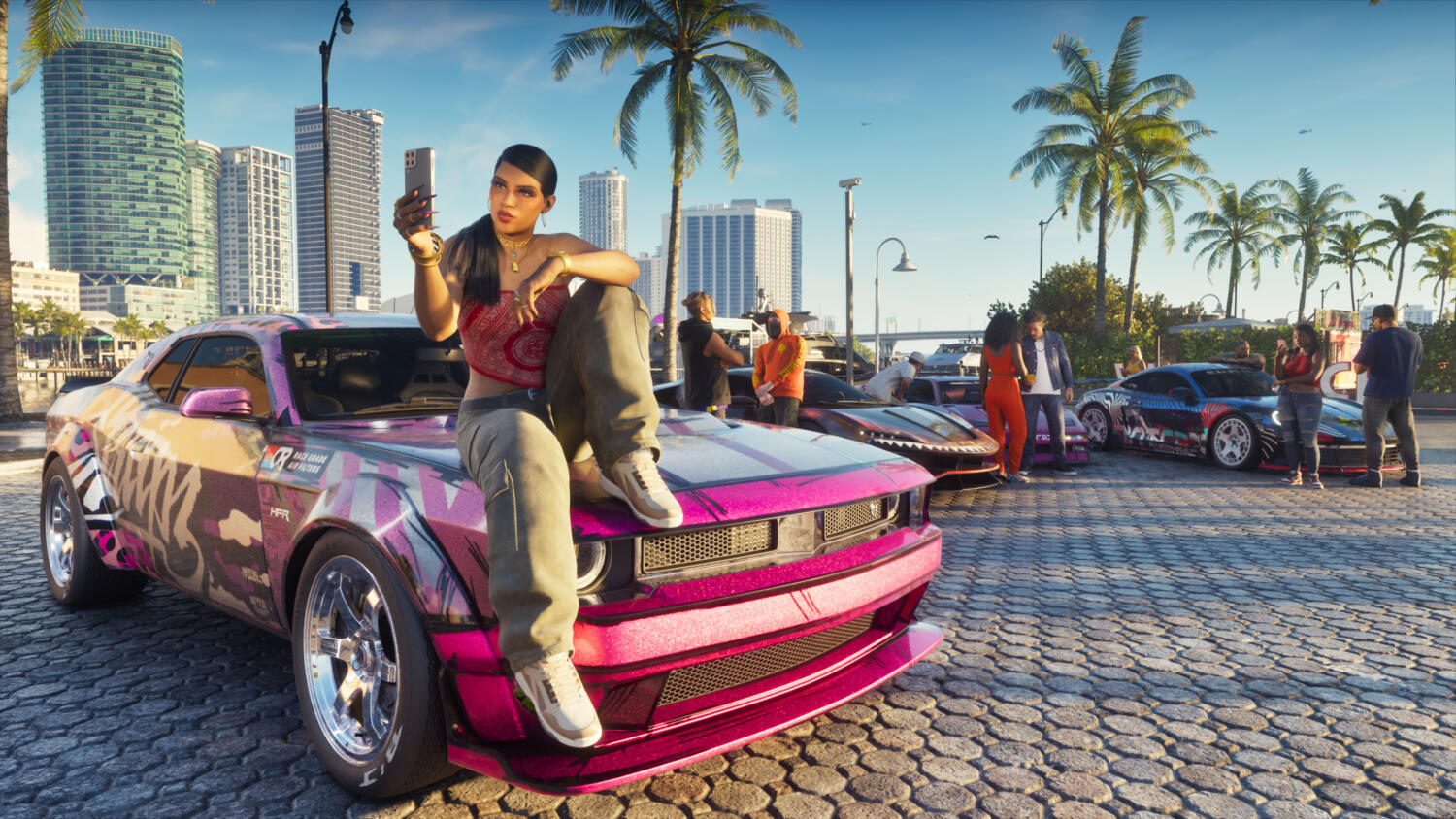
With its latest entry, the franchise has finally lived up to its title, as the process of committing grand theft auto has been completely reworked. In past games, you would simply smash a car’s windows and drive off, but here, vehicular theft is a much more complex affair. Vehicles in the game feature two main security features – how they are locked and whether they have trackers built in.
More rundown cars found on the city outskirts still use ignition keys, meaning players are still able to smash windows and hotwire them, or unlock a slim jim for a more discreet approach, but higher-end cars are unlocked via key fobs, meaning players won’t be able to start them up even if they break in, unless they unlock a key fob cloner. Some cars also have advanced trackers within, meaning they will automatically alert the authorities unless a player drives above a certain speed.
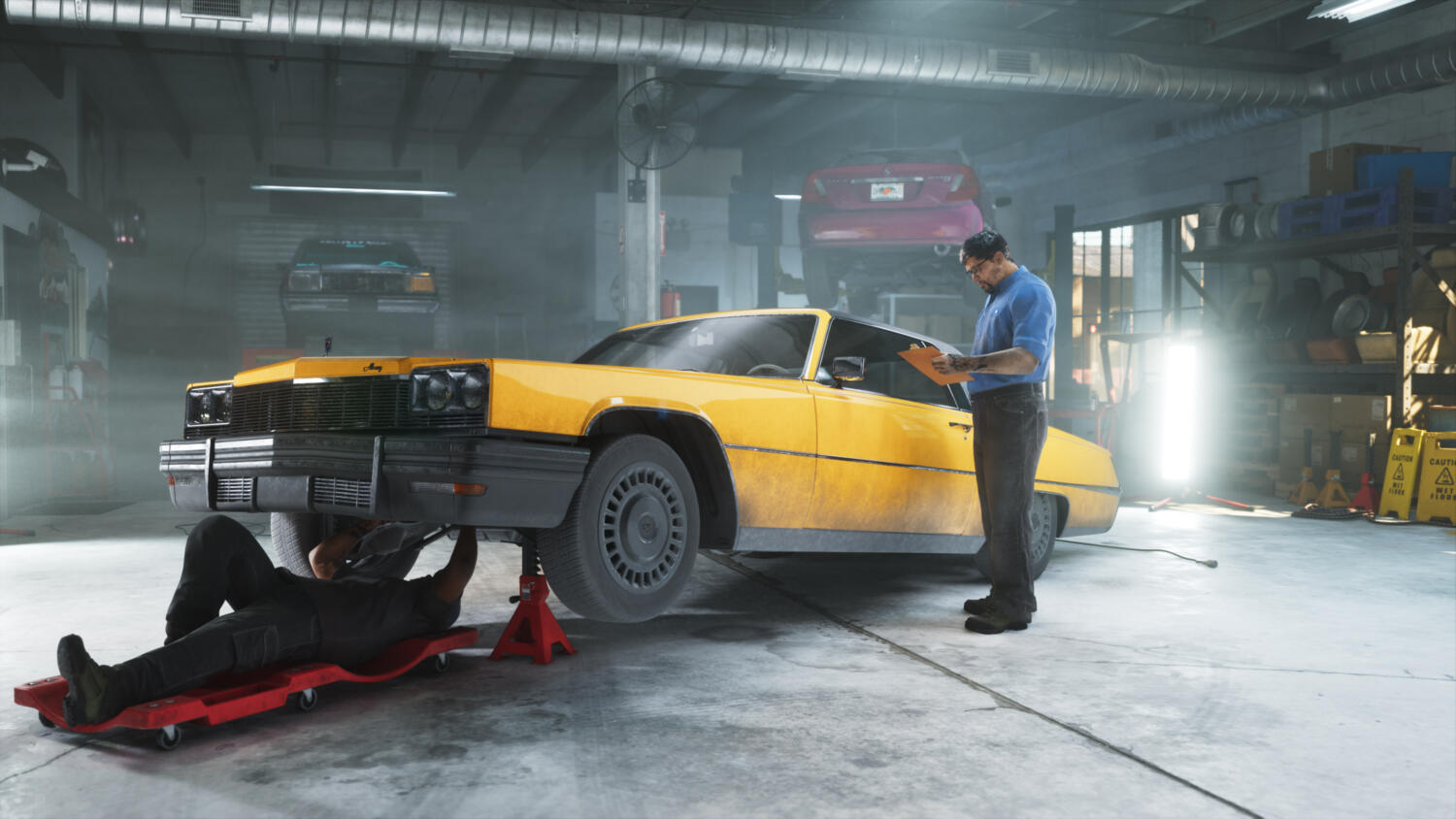
These systems play into the game’s vehicle ownership system, as players can now permanently own any vehicle they come across in the world by registering them at specific auto shops, provided they have the tools to break in and the money to pay.
Stealing cars isn’t the only activity players will be engaging in outside of missions, as robberies now play a larger part in earning money, and this system has been refined as well. Stealing from smaller businesses, like convenience stores or clothing stores, plays out similarly to how it did in past games, but as the story progresses and players start to explore denser city locations, the complexity of robberies ramps up substantially. Some of the highest-priority targets, like banks or jewellery stores, require proper planning to pull off, with each featuring more advanced security systems like armed guards and cameras, safes to break into, and even vaults.
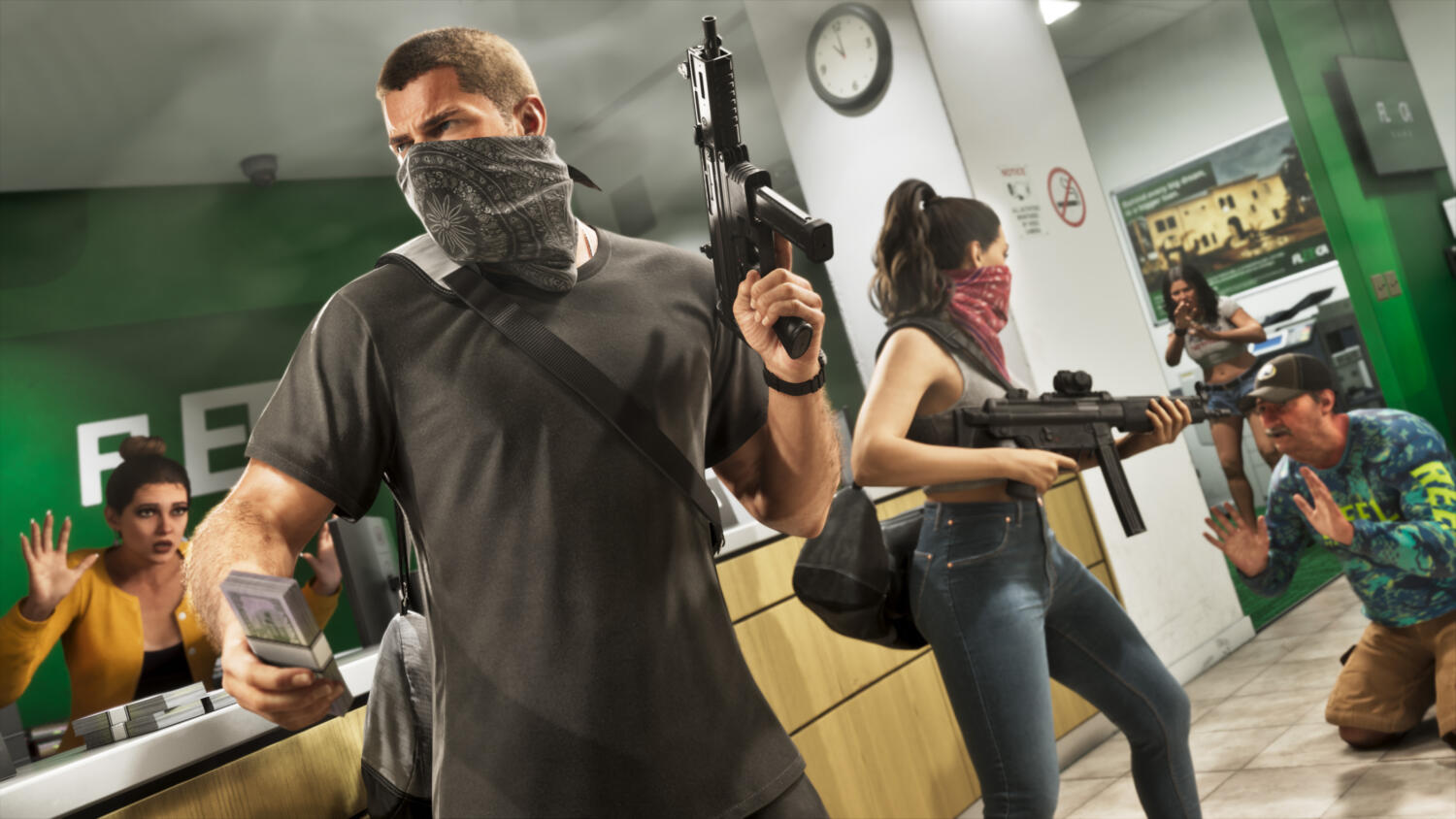
With this in mind, players can now choose to bring both Jason and Lucia on such robberies to ease the process, as one can be a lookout and control the crowd while the other snags the loot. Most locations also offer options to approach in a stealthy manner, such as breaking in from the back door, disabling security cameras, or hunting for safe codes on Post-its or on computer screens instead of just blowing the lock with explosives.
If done smartly, it’s also entirely possible to rob a location without the police ever being called, but most of the time, alerting the cops is an eventuality, and Grand Theft Auto VI has also reworked how its wanted system works, a change that makes the franchise’s staple police chases much more realistic and dynamic.
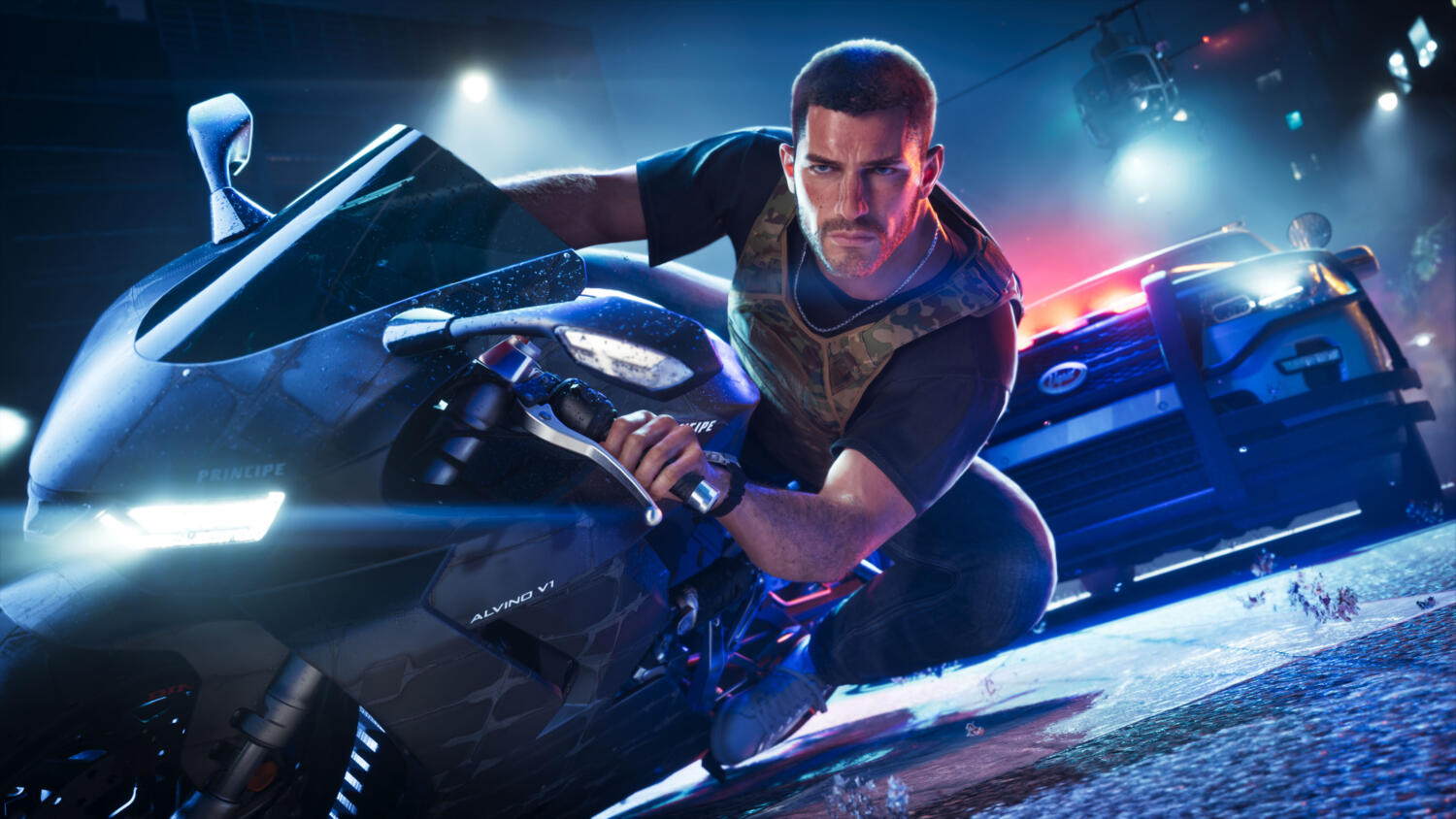
Here, when players receive the “wanted” status, it isn’t just about breaking line-of-sight or outrunning the police. Every crime reported also comes with a set of descriptions of the player, comprising what they are wearing, whether they are alone or with a partner, if they are armed, or if they are driving in a vehicle. Even if a player evades the cops, the general location of the crime will still be marked on the map for a set amount of time, meaning if players return while still fitting these descriptions, they will still be identified by the police.
By taking the steps to address these descriptions, such as swapping out clothing, wearing or removing headgear, splitting up with their partner, or switching vehicles, players can essentially go under the radar and slip past right under the cops’ noses. This means that having proper planning and escape routes now works more realistically. For example, by having a secondary vehicle placed in a discreet location beforehand, players can now rob a bank and trigger the cops, successfully evade them, and then swap vehicles to drive right past the searching police – it’s incredibly satisfying and makes it feel like you’re a professional bank robber.

Shooting, stealing cars, and performing robberies are just some of the more notable improvements when it comes to Grand Theft Auto VI’s push towards realism and immersion, as with all games from Rockstar, it’s the small details that make the magic. From hitting the gym to gradually increase both a character’s stats and their physical build (and losing them after missing enough workouts), to the way a character actually shimmies and squeezes out of vehicles when there’s not enough space to open doors fully, and even the fact that you can now manually activate turn signals for no apparent gameplay reason, it’s the little things that are a testament to the studio’s attention to detail, and they are making a world for players to completely lose themselves in.
And prepare to lose yourself for a long time, too, as the game’s main campaign takes roughly 50 hours to complete and even features multiple endings depending on your actions, with more completionist playthroughs easily taking weeks, if not months, to finish, depending on how much a player wants to immerse themselves in the sights and sounds of Leonida.

Leonida has no shortage of sights to show either, with six distinct regions spanning the neon-lit urban hub of Vice City to the swampy, gator-filled swamps of the Grassrivers (based on the Florida Everglades), and the almost never-ending stretch of mountain ranges and forests of Mount Kalaga National Park, each not just featuring some of the most advanced environmental rendering seen from Rockstar to date, but also housing its own secrets and dynamic events to encounter. Weather rendering is by far the standout here, with Grand Theft Auto VI featuring some of the most realistic thunderstorms seen in a game ever, and a player can completely dry stand on one side of the map only to see the far-off city covered in distant clouds and lightning strike from miles away.
Everything said about the game has been excellent so far, but there’s still a huge elephant in the room that needs to be addressed – the fact that the game is launching in the 2026 console generation with a 30fps cap on both the Xbox and PlayStation consoles, including on the more powerful PS5 Pro. Say what you will about the argument between 30fps and 60fps, and while some claim that they are unable to tell the difference, there’s no denying the fluidity of higher frame rates.
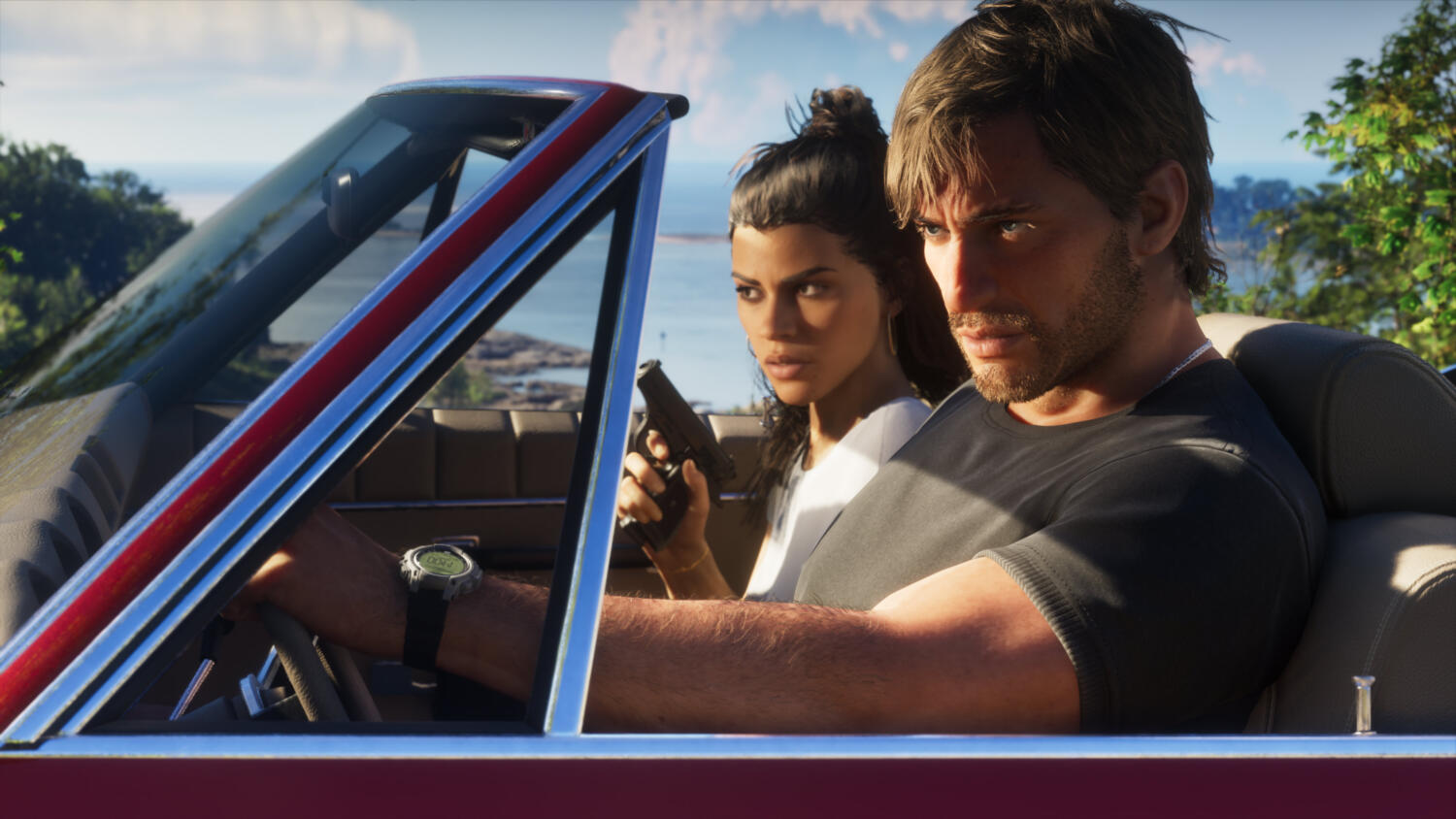
While some might argue that 30fps is more “cinematic”, having double the frame rate directly affects the smoothness of gameplay, meaning things like panning the camera around and aiming during firefights feel more responsive, something Grand Theft Auto VI unfortunately struggles with thanks to a noticeably more sluggish feel due to the 30fps cap. It’s a shame, as Ray Tracing seems to be permanently on in the game, so there was the potential for Rockstar to give an option to remove these advanced features for a smoother performance mode, so here’s hoping for a patch down the line. The game will also eventually be released on PC with unlocked framerates, but since the studio has not mentioned any release window so far, players are stuck with the 30fps experience for now.
30fps woes aside, Grand Theft Auto VI is easily the pinnacle of Rockstar’s gaming ambitions. Every element, from its story, looks, and gameplay systems, has seen a massive improvement from its predecessors, and works hand in hand to form one of the most dynamic video game playgrounds for fans to immerse themselves in. It’s been a long time coming, but as they say, patience is a virtue, and this is one Bonnie and Clyde crime adventure that’s well worth the wait.
GEEK REVIEW SCORE
Summary
After 13 long years, Grand Theft Auto VI is finally here, and it’s everything that fans had hoped for. With its emergent gameplay systems and one of the most immersive worlds that Rockstar has ever created, this isn’t just another open-world experience; it’s a digital playground for fans to get lost in for hours on end.
Overall
9.6/10
-
Gameplay - 9.5/10
9.5/10
-
Story - 9/10
9/10
-
Presentation - 9.5/10
9.5/10
-
Value - 10/10
10/10
-
Geek Satisfaction - 10/10
10/10

Kevin is a reformed PC Master Race gamer with a penchant for franchise “duds” like Darksiders III and Dead Space 3. He has made it his life-long mission to play every single major game release – lest his wallet dies trying.