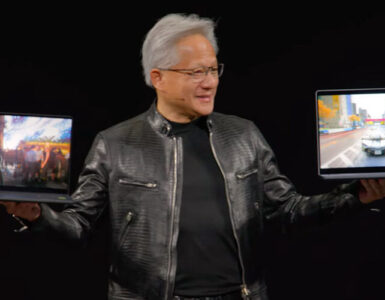
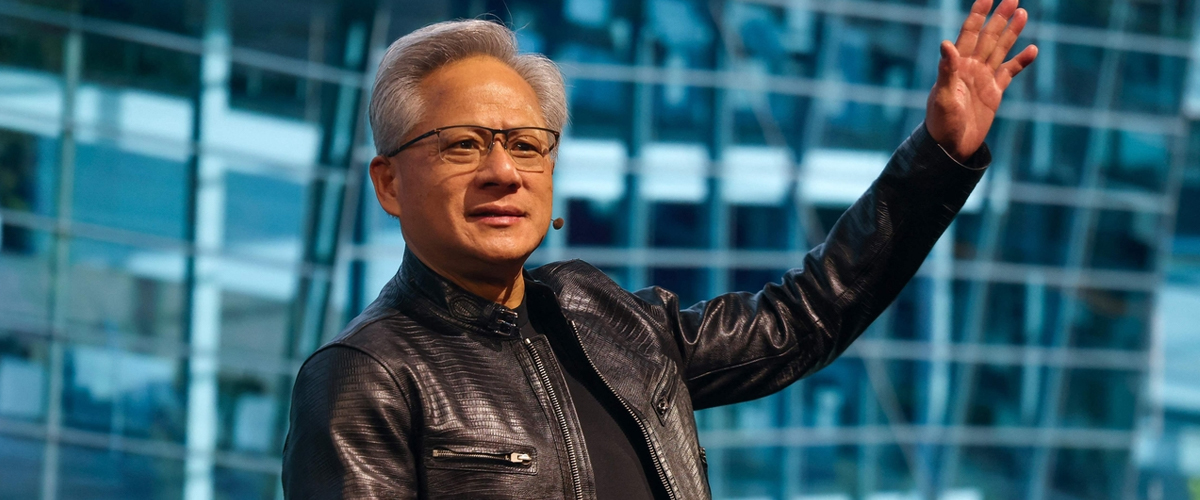
When you’re at the top of your game, it’s easy to forget how quickly you can fall. In a fall from grace for one of the biggest tech leaders, Jensen Huang has resigned as Nvidia‘s CEO after 33 years. The abrupt but unsurprising move comes after days of controversy, which began with reports of his alleged affair with a suspected Chinese spy, later identified as Alice Huang (no relation), former director of Singapore-based data centre company Megaspeed.
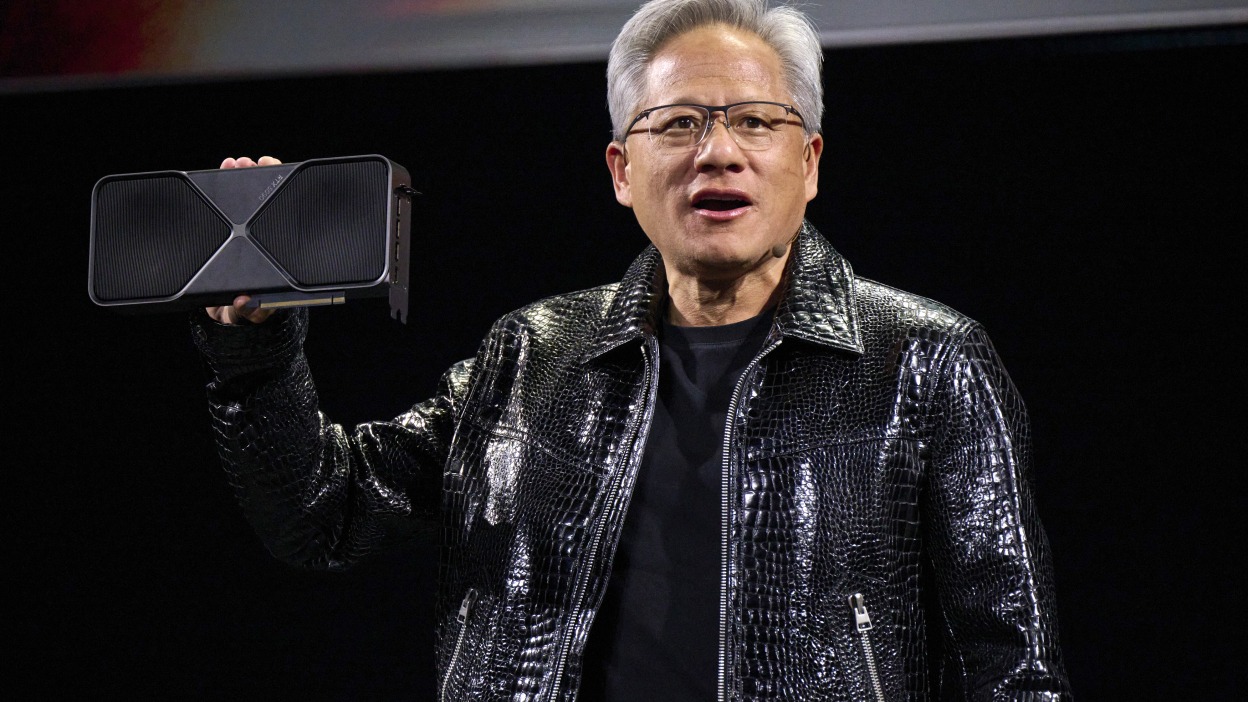
The departure is effective immediately, with finance chief Colette Kress taking over as interim CEO and remaining in the position until a permanent replacement is appointed. Huang will also leave the board of directors, leaving behind a tarnished legacy of an industry titan who, just weeks ago, was the face of artificial intelligence (AI).
“Colette has helped lead Nvidia through a period of extraordinary growth and has a deep understanding of our business, customers, operations and financial position,” wrote committee chair Harvey Jones in a statement accompanying the news. “She is supported by an experienced leadership team that has been instrumental in executing Nvidia’s strategy and advancing its technology roadmap. The Board has full confidence in Colette and the leadership team, and we expect the company’s operations, customer commitments and product roadmap to continue without interruption.”
The company’s tumultuous start was further rocked by the revelation of Huang’s second extramarital affair with an Nvidia executive, following an earlier admission that he had been “unfaithful” to his wife and took “full responsibility” for his actions. According to Bloomberg, the founder has been a shadow of his former self since, using phrases like “whatever” and “I don’t care,” and describing himself as a “piece of sh**”. It’s a far cry from his usual charm and energy, exacerbated by surprise, surprise, reports of a third affair with another employee.
These latest developments violate Nvidia’s code of conduct, which warns against conflicts of interest involving personal relationships, and put the tech giant at risk of additional legal liability if either staff member alleges misconduct. Huang’s initial infidelity came to light amid an FBI investigation of his and Alice’s relationship, prompting an independent investigation exploring whether he’d been the target of a “foreign intelligence effort”. The latter was barred from re-entering Singapore after a probe into Megaspeed found insufficient evidence to charge her directly with chip diversion, and the board then met on Wednesday, 11 November, to decide on Huang’s place in the company.
Kress, who joined the company in 2013 — when the GeForce GTX 780 graphics card — was released, and was involved in its shift into a data centre and AI juggernaut, reinforced her commitment to “building on the extraordinary foundation Jensen created over the last 33 years” and “advancing the work that has made NVIDIA a leader in accelerated computing and AI”.
“Jensen’s contributions to Nvidia are profound. Nvidia is one of the most consequential technology companies in the world. The Board and the company thank Jensen for his immeasurable contributions to the company and the industry,” she concluded.
Moving forward, Nvidia will likely remain under tight scrutiny, marking a challenging road ahead. Huang’s lack of successor planning has expanded its leadership search to external candidates, including AMD’s Lisa Su, coincidentally his cousin, while his exit disrupts an AI ecosystem that he helped shape. The rise of the now-former rock-star CEO, attributed to his signature black leather jacket look, has been detailed over the years, starting with a conversation in a Denny’s diner which led to the company’s founding and to the multi-trillion-dollar central player today, where its chips power many of the data centres and computing systems used to train and run AI models.

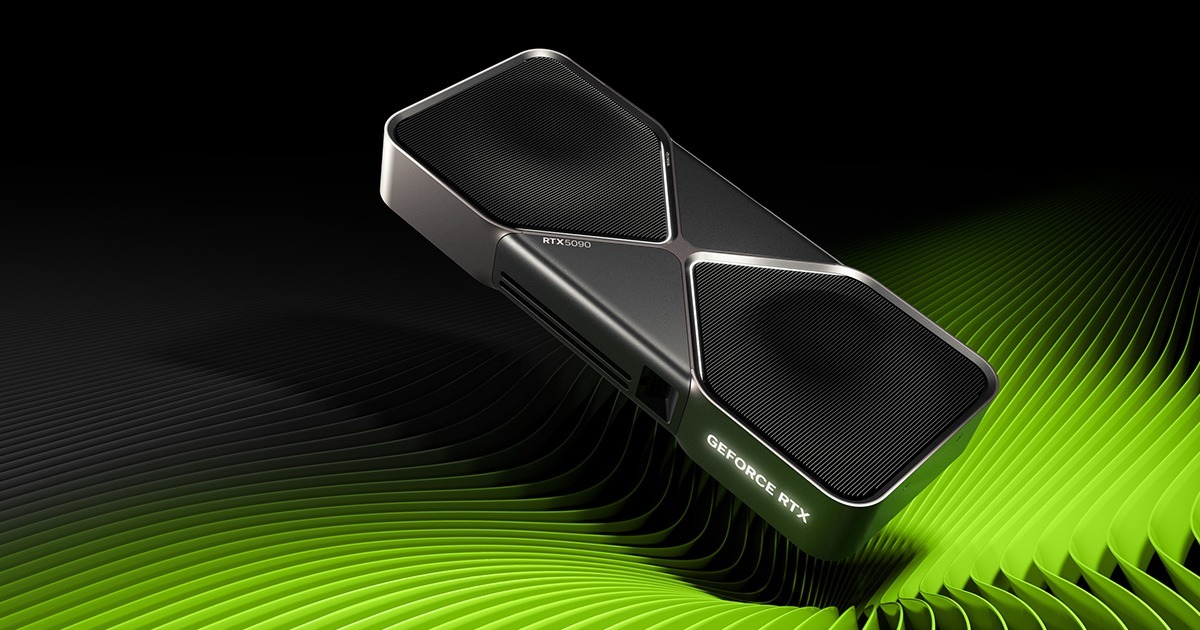
The prospects for PC gaming aren’t looking bright, either. Between massive AI-driven profits and the absence of gaming in its Q2 2027 earnings report, Nvidia appears to be putting GeForce hardware on the back burner — another blow to an already beleaguered market beset by supply constraints for flagship parts such as the RTX 5090 GPU and consumer RAM, and by extension, price hikes. Instead of the RTX 60 series, the tech giant launched the first wave of the Nvidia RTX Spark computing platform back in October, featuring a custom N1X superchip with an ARM-based 20-core NVIDIA Grace CPU, a Blackwell RTX GPU with up to 6,144 CUDA cores and fifth-generation Tensor Cores, as well as day-one support for DLSS 5, ray tracing, Reflex, and various games including Alan Wake 2, Cyberpunk 2077, Pragmata, Crimson Desert, Resident Evil Requiem, and Call of Duty: Black Ops 7.

Si Jia is a casual geek at heart – or as casual as someone with Sephiroth’s theme on her Spotify playlist can get. A fan of movies, games, and Japanese culture, Si Jia’s greatest weakness is the Steam Summer Sale. Or any Steam sale, really.

 Kevin Low