It’s always a risk when a gaming studio branches out to try out a genre it isn’t familiar with. We’ve seen this occur numerous times before, and sometimes, there’s a rare spark that works, such as with Avalanche Software, then best known for making family-friendly, licensed movie tie-in and kids’ games like Cars 3 and Disney Infinity, before pivoting towards the massive RPG hit, Hogwarts Legacy.
More often than not though, this journey can prove fatal for a studio, as it did with legendary Dead Space developer Visceral Games, which decided to shift focus from horror to take on an ambitious Star Wars heist game, only for Project Ragtag to get cancelled mid-production, which led to the studio’s eventual closure in 2017.
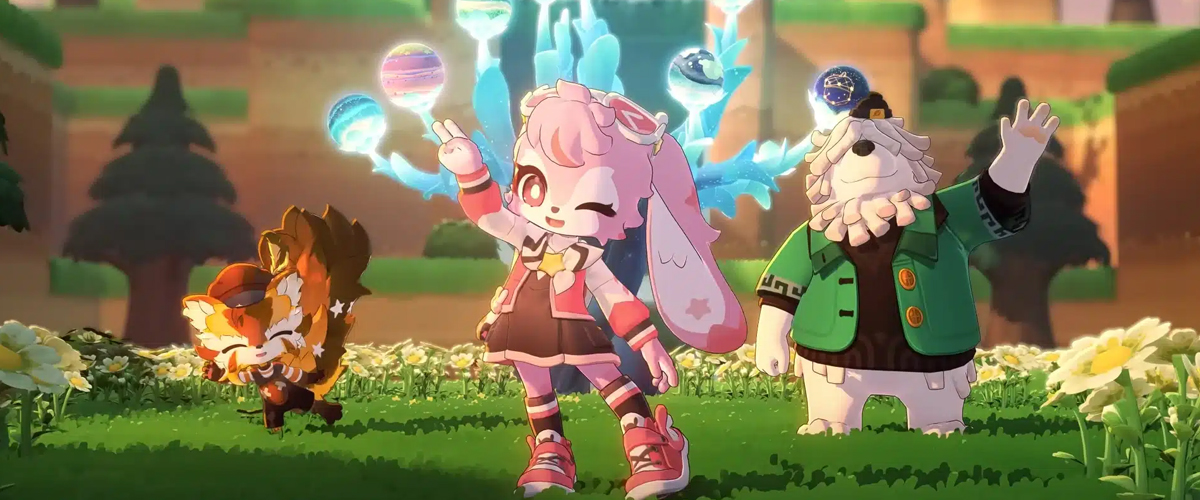
Renowned Chinese mobile game developer miHoYo, of the Honkai series, Genshin Impact, and Zenless Zone Zero fame, certainly feels confident it can pull it off, as after years of experience in the RPG genre, the company, which operates the HoYoverse brand, is now setting its sights on a comparatively more niche genre with its first-ever cosy game, Petit Planet.
Think non-violent, relaxing simulation games popularised by 2016’s Stardew Valley and 2020’s Animal Crossing: New Horizons. Add in this year’s Pokémon Pokopia, and it’s clear that fans haven’t had as many options of the genre compared to more mainstream ones. So it makes sense, then, that HoYoverse’s big push into the space takes some major cues from New Horizons, and it was something Geek Culture was able to experience first-hand during the HoYoverse Media Tour 2026 held in Seoul, South Korea.
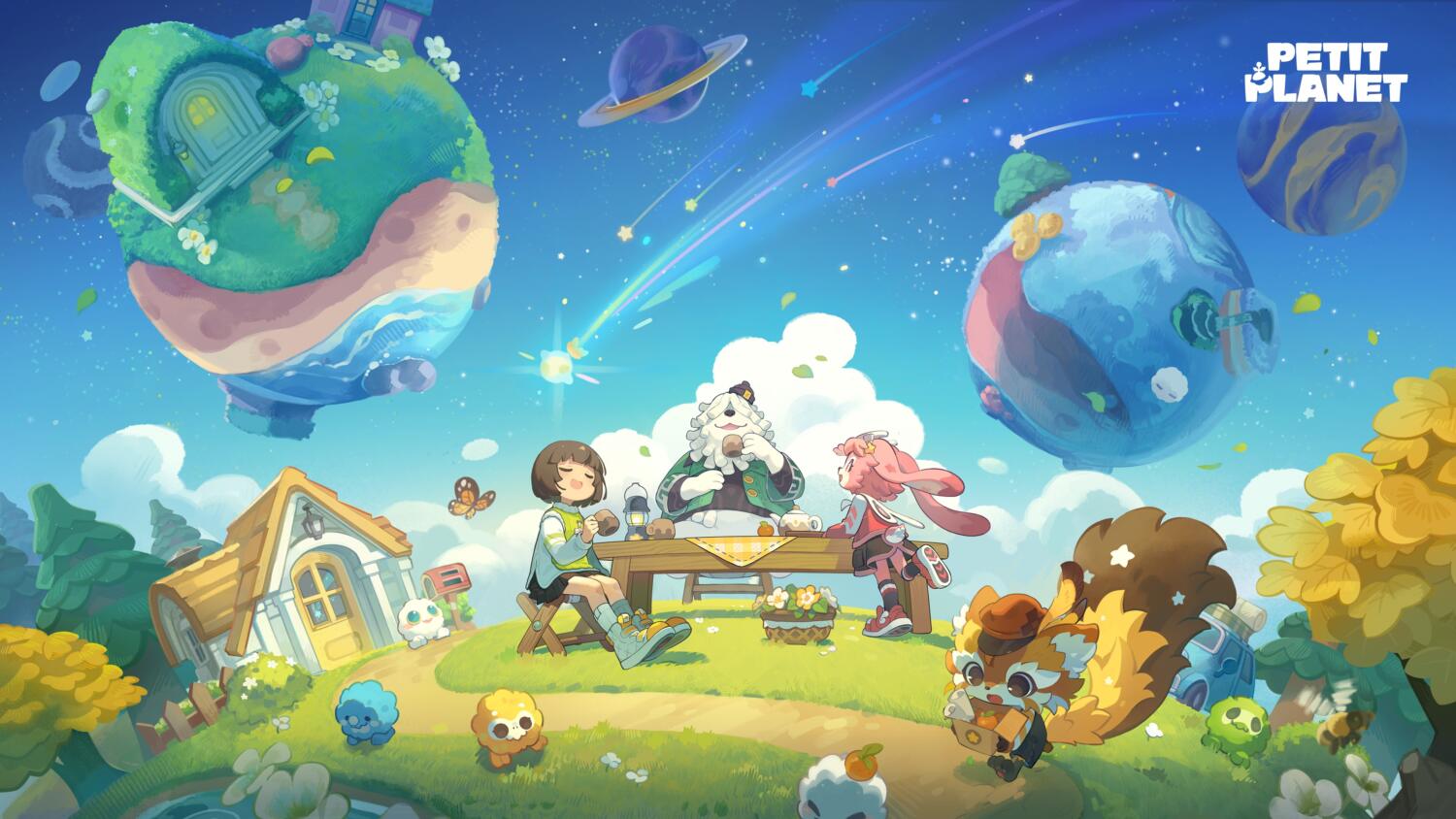
While the Animal Crossing inspiration was clear from the get-go, the biggest question going in is what Petit Planet provides that other games didn’t on the market. While our two-hour hands-on couldn’t answer this completely, it did give us a better understanding of the direction it was going in, and while there are some slight lingering doubts, the studio’s first cosy title is looking to be exactly the kind of world fans would want to lose hundreds of hours in.
The main theme of the game is simple, yet instantly familiar to those coming from Animal Crossing (yes, this preview will have multiple comparisons to Nintendo’s hit franchise, but to be fair, there’s no better goal to strive towards). Everything takes place in the Starsea, a universe full of uncharted planets just floating around, and as a Planet Tender, it’s your job to pick one and nurture it.
Yes, while Animal Crossing featured islands for players to claim as their own, Petit Planet, as its name suggests, features an entire planet for players to build up almost from scratch, which means the scale here is already looking to be much bigger.
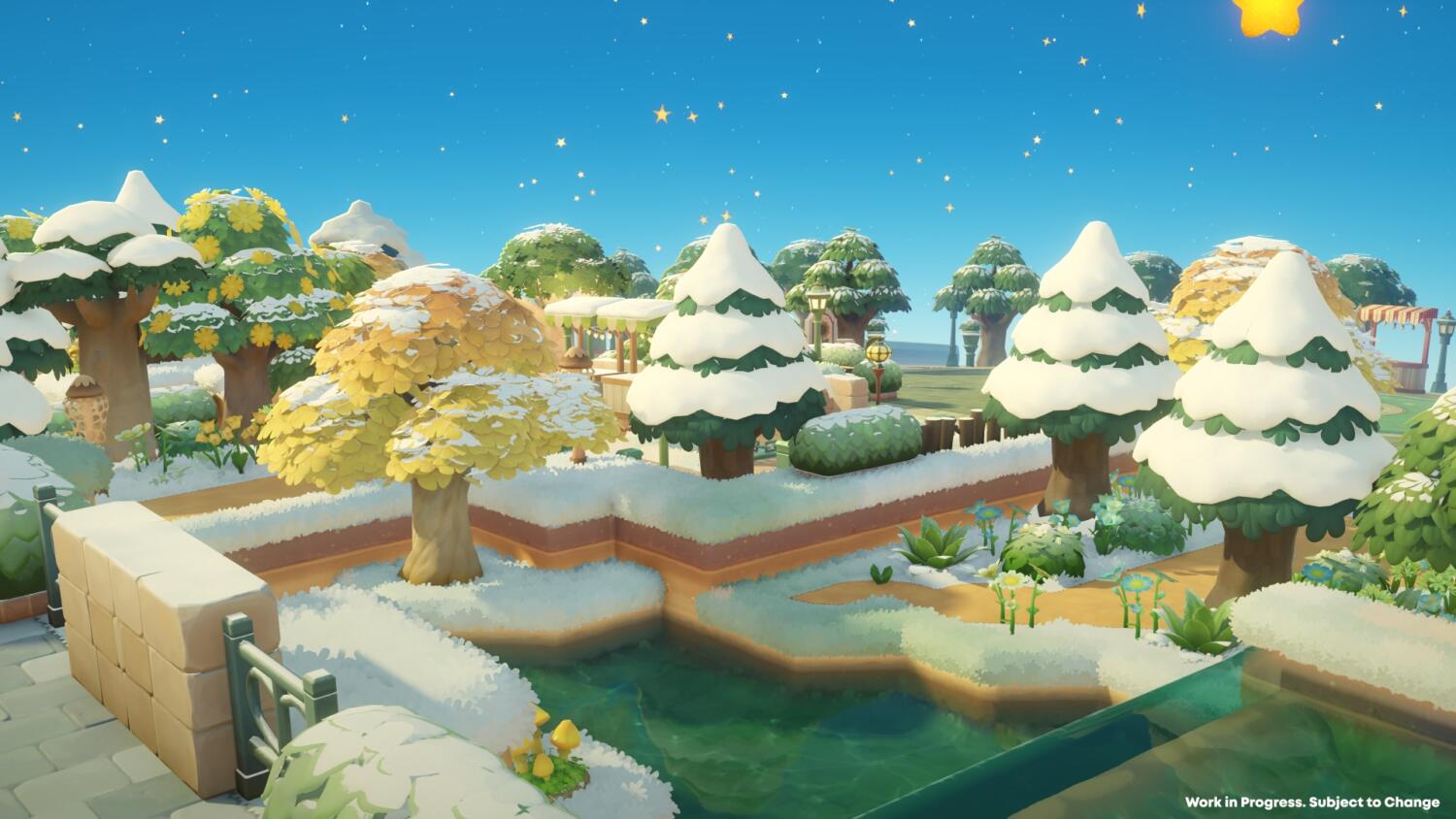
The first order of business is to choose a planet, and the demo build offered a choice of two – Hexia and Taffeh – each with its own starting “biome” and its associated natural resources, the former featuring lush green Verdant Plains and the latter giving more of an Autumn vibe with its Golden Savannas. Once picked, everything plays out like its inspiration, players will meet a colourful cast of anamorphic creatures who inhabit the planet alongside them, and must take on tasks to slowly build up their planet.
The biggest difference here is movement and camera control. Unlike Animal Crossing’s fixed camera angle, Petit Planet plays out more like a traditional third-person RPG with full 360-degree mouse and joystick movement. This might seem like a minor change, but it’s anything but, as it completely affects the way players will interact with the world, as now, you can truly appreciate the scale of the planet you are trying to build since you are now able to glimpse across the horizon.
This isn’t just an aesthetic change, too, as this freedom of camera movement means performing the familiar daily tasks, such as collecting natural resources, fishing, or catching bugs – things that were all staples of Animal Crossing too – are now made much more intuitive, as a player has better fine control of how they swing their nets and axes, or where they cast their rods.
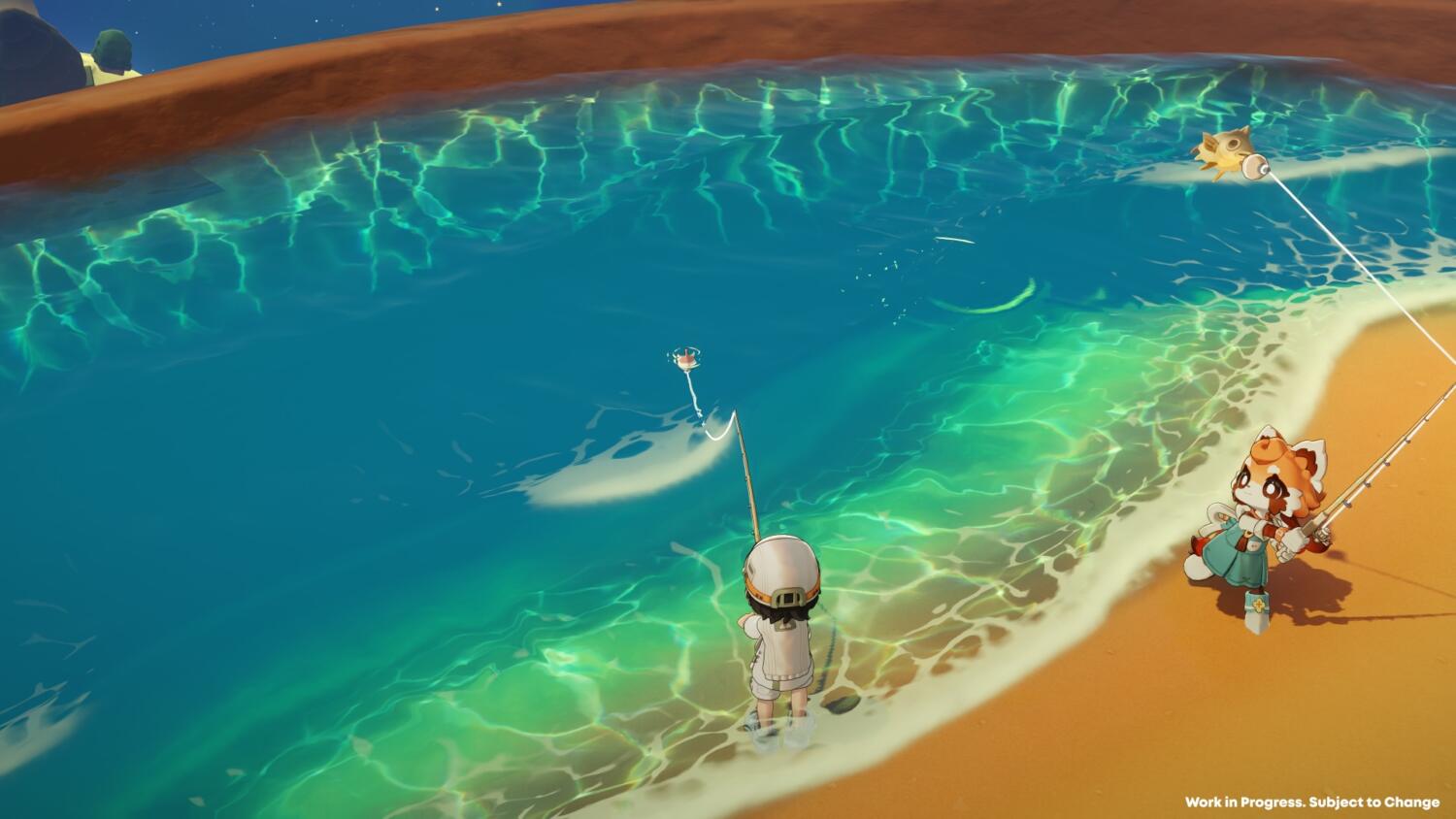
Fishing, in particular, feels much smoother here, as players can now control where they place their initial bait more accurately with an actual cursor, instead of relying on player-position-based systems. Apart from fishing, all the cosy game staples are here, including building up your house, collecting materials for crafting and cooking, capturing all sorts of critters to be displayed in a “Museum” – named the Omni-Gallery in this game – and befriending visiting NPCs (Neighbours) to get them to move in and expand the planet’s residents.
So, what’s actually different here? From our limited experience so far, the first big pivot lies in the core gameplay loop, at least in the early game. Instead of gaining cash to pay off loans, the players’ goal in Petit Planet is to care for the Luca Seed, a shiny blue sprout in the middle of the initial town that can gradually grow into a massive tree.
By performing all manner of daily tasks, players will accumulate Luca, which is the essence of a planet, and once they have enough, they can water the Seed with it to make the tree grow, changing the planet in the process. These changes can range anywhere from making certain materials spawn throughout the map, introducing rivers and fish, or even creating entirely new biomes, such as a sandy beach full of new materials and critters to catch, as seen in our preview session.
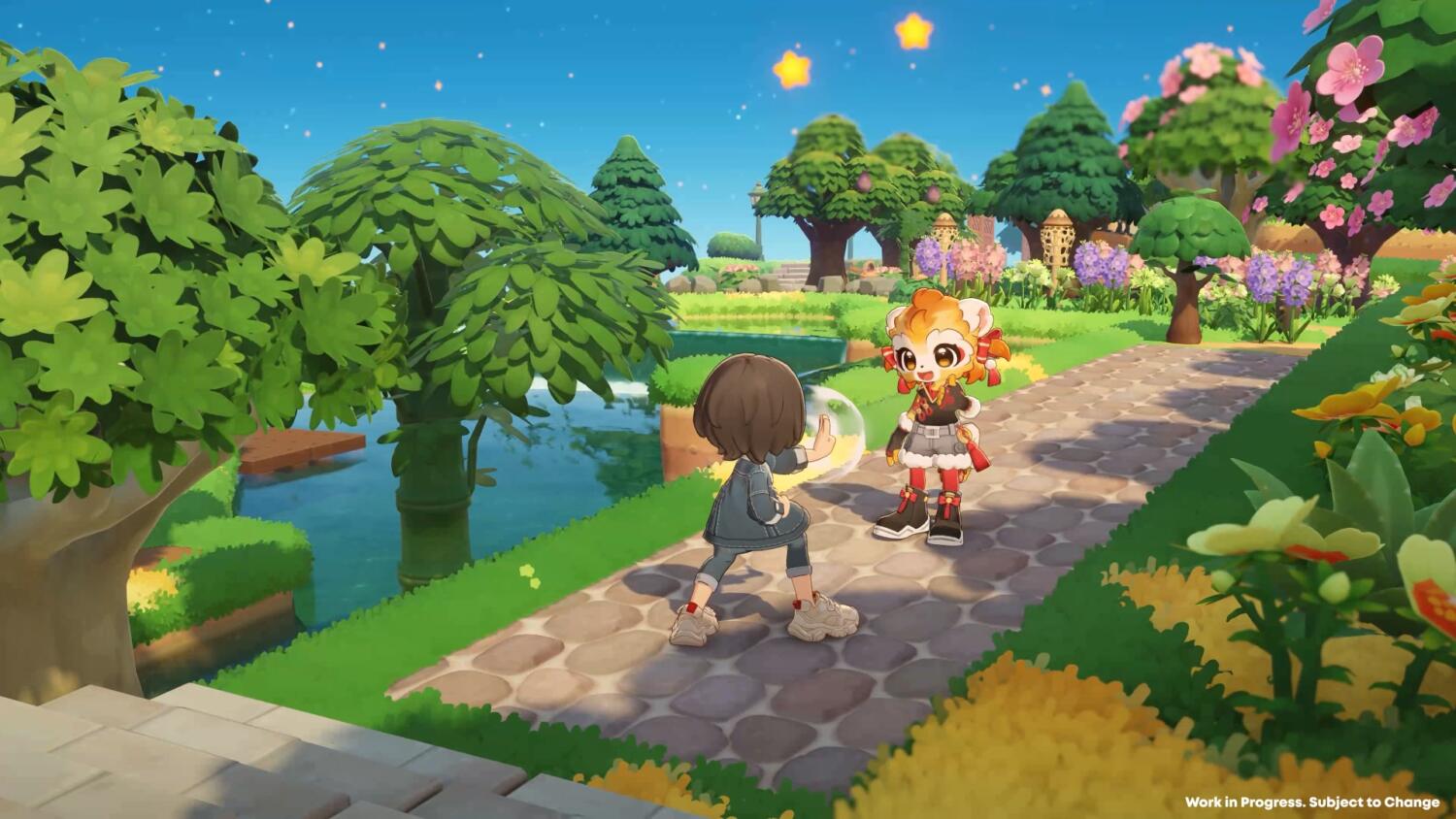
This way, the game intelligently drip-feeds players new content to engage with, ensuring that all these newly introduced elements don’t overstay their welcome for too long before something else pops up. While we didn’t get the chance to witness just how far this system will go, it looks as though players will eventually be able to build up an entire planet worth of places to explore, with the potential for distinct biomes with unique encounters, something that will certainly give Petit Planet an edge in terms of exploration and discovery.
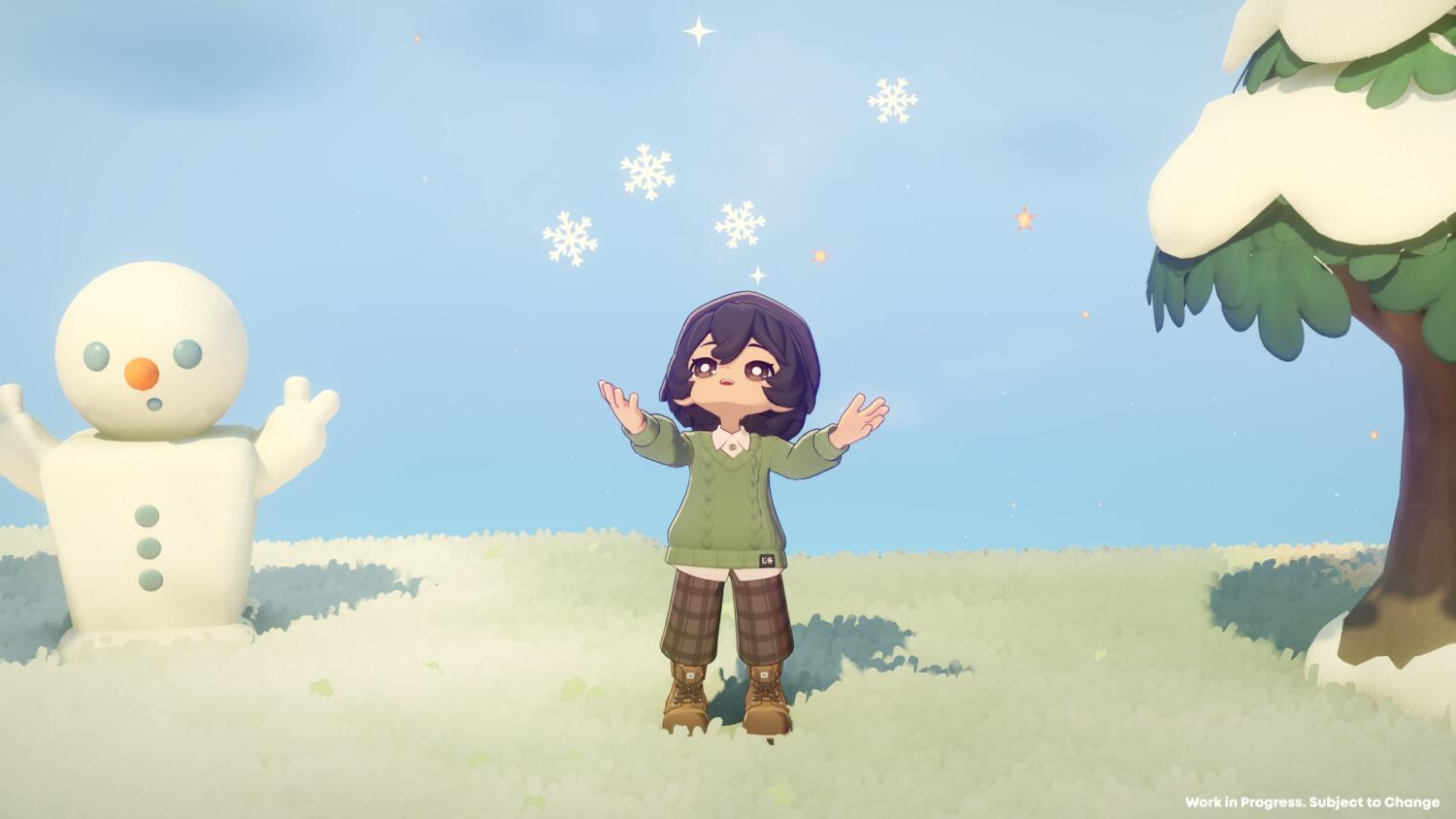
After an initial “tutorial” portion, we were then able to jump ahead into a more mid-game portion, which introduced seasonal content. Like other HoYoverse titles, Petit Planet is a live-service free-to-play game, meaning content will always be added to the game. For the preview, we had a chance to try out the Season of Snowfall, which blankets the entire planet in chilly snow. It’s not just the vibe that changed, as it also introduced special events to take part in.
This came in the form of expeditions, which see players set out by boat to discover new ice planets. While we only had time to explore one of the five or so planets on offer, it did offer unique Winter-themed materials to collect and creatures to catch, alongside a unique NPC with his own questline, and presumably, we would be able to invite him to our home planet down the line.
The other major difference, and benefit of having such a live-service format, is its multiplayer component. Much like Animal Crossing: New Horizons, players will be able to add other players as friends and invite them to their planets to hang out, or take the fun one step further with the Galactic Bazaar, a multiplayer hub area where friends and strangers alike can gather to play party games, such as a rhythm-based dance battle or even a simplified version of Uno, among others.
The game also features proximity text chat, meaning that even though text bubbles are usually hidden from sight unless a player is talking to their friends, as long as they are sitting at the same table in the bazaar, or standing directly in front of each other, complete strangers will be able to have conversations, which does add to the social element while still maintaining privacy.
While our preview experience was largely positive, especially since Petit Planet provides more of the same relaxing adventures to scratch the itch of cosy game fans, just on a far bigger scale compared to what we’ve seen before, one big question still remains – how the free-to-play title will manage its economy.
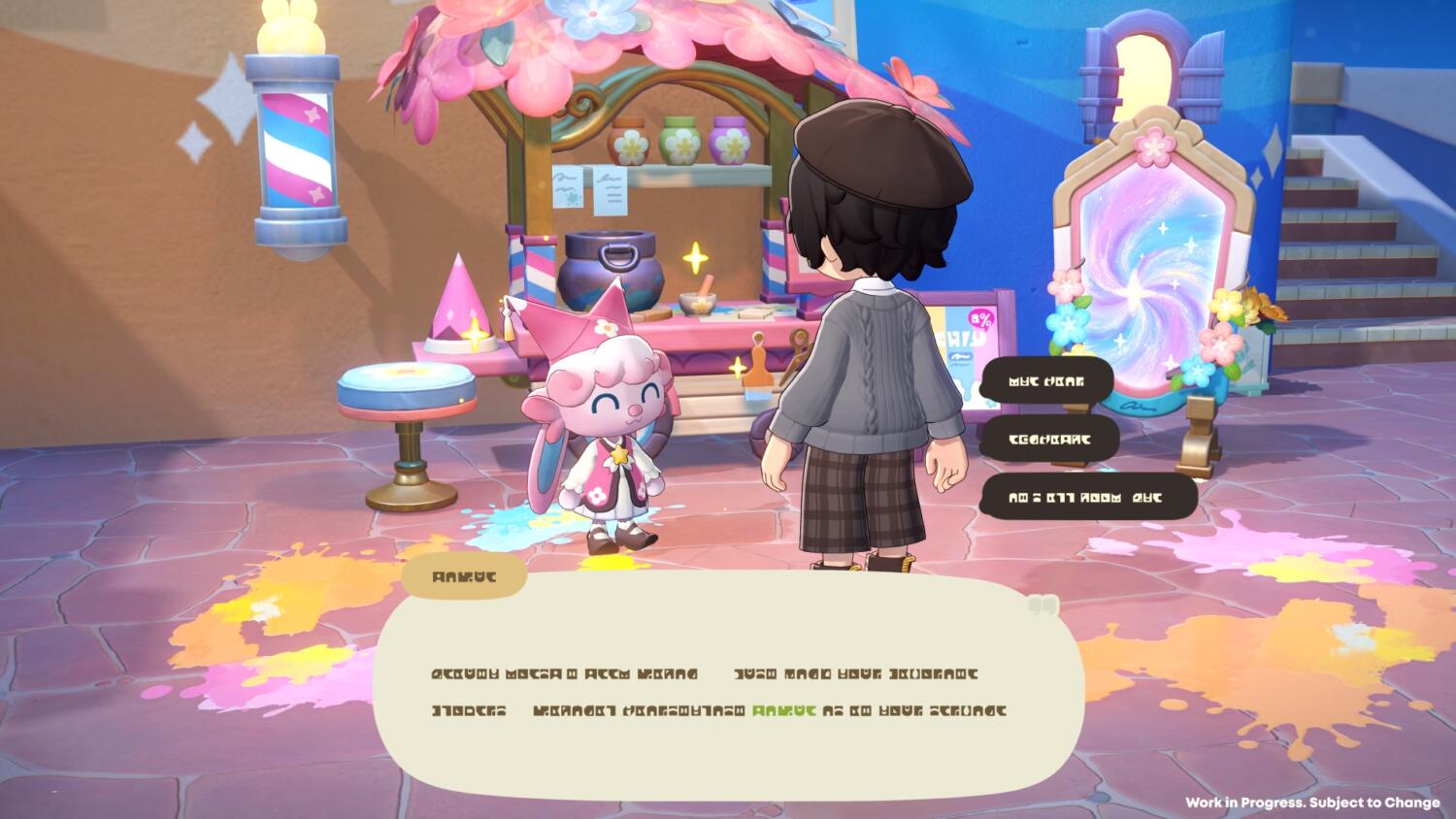
An accompanying interview with the development team gave us the confirmation that monetisation would only apply to cosmetic elements like clothing and furniture, which is always good to see, but we did notice that engaging with the game’s seasonal elements, such as the aforementioned Season of Snowfall expedition, did require some sort of currency, so it remains to be seen if these would require grinding to acquire, whether the game would feature any “time-saver” mechanics down the line, and most importantly, if it will start to get supplemented by paid content down the line, meaning more substantial elements like new biomes or creatures might be paywalled.
Even so, the barrier to entry is also pretty enticing, at least for now, since Petit Planet will also be launching on mobile (both Android and iOS) and PC, meaning players won’t have much trouble picking it up, trying it out first-hand, and forming their own opinions when it launches on 4 December 2026, with the title also making its way to the Nintendo Switch 2 sometime in 2027.

Kevin is a reformed PC Master Race gamer with a penchant for franchise “duds” like Darksiders III and Dead Space 3. He has made it his life-long mission to play every single major game release – lest his wallet dies trying.
 Si Jia